Chronograph Watches
From the Daytona that defined motorsport style to the Speedmaster that timed the journey to the Moon, chronograph watches hold a singular place in fine watchmaking. At Grand Caliber, we offer pre-owned chronograph watches from Rolex, Omega, Patek Philippe and Audemars Piguet, each one inspected in-house and presented with complete transparency.
Chronograph Watches at Grand Caliber
Chronograph watches tell the time, and they also work as a stopwatch on your wrist. So with one press of a pusher, you can time a lap, a flight or a pot of coffee. That mix of function and design has also made them some of the most loved watches ever built. In fact, the Rolex Daytona and the Omega Speedmaster are both chronograph watches, and both rank among the most famous watches in the world.
Grand Caliber is a trusted source for pre-owned chronograph watches, and we also serve collectors across the United States and beyond. This collection covers the great names of the field, such as Rolex, Omega, TAG Heuer, Breitling and Zenith. It also includes Audemars Piguet, Patek Philippe, IWC, Tudor and Hublot, as well as rare vintage pieces.
Every one of our chronograph watches is checked in-house before it goes online. Each one is also priced in the open and shipped fully insured. There are no waitlists, so you never have to wait years for a steel Daytona. When the watch you want is not in the grid above, just ask, because our team can often find it fast. Make an Offer is also open on every listing.
Our clients come to chronograph watches for many reasons, so no two visits look the same. Some want a first Speedmaster, while others are hunting a specific vintage Daytona. Some also love racing, flying or fine mechanics. Either way, our talk about chronograph watches starts with how you live rather than what is trending.
What Defines Chronograph Watches
In short, chronograph watches have a stopwatch built into the movement. So while the main hands keep running, a separate hand can start, stop and reset on demand. Most chronograph watches share a few traits, such as pushers, subdials and a timing scale. Each trait also has a clear purpose, which is why the design has changed so little in a century.
Pushers and Subdials on Chronograph Watches
Most chronograph watches, for example, use two pushers on the side of the case. The top pusher often starts and stops the timer, while the bottom pusher resets it to zero. Also, small subdials on the dial count the elapsed minutes and hours. The large central seconds hand also does the timing, so the regular seconds often move to a small subdial of their own. As a result, the dial looks busy at first, although it soon becomes easy to read.
Tachymeter and Timing Scales
Many chronograph watches also carry a scale on the bezel or the dial edge. The most common, of course, is the tachymeter, which turns elapsed time into speed. So if you time one mile, the hand points to your speed in miles per hour. Other scales also include the telemeter, which measures distance by sound, and the pulsometer, which counts heart rates. Each scale also shows what a watch was first built to do.
Column Wheel and Cam Chronographs
Inside the movement, though, chronograph watches use one of two main systems. Firstly, a column wheel is a small turret that controls the start, stop and reset functions. It is harder to make, so it is often found in high-end movements, such as those from Rolex and Patek Philippe. A cam system, though, uses a flat lever instead. It is also simpler and tougher, which is why the famous Valjoux 7750 uses it. Both work well, although many buyers prefer the smoother feel of a column wheel.
Horizontal and Vertical Clutches
The clutch is also the part that links the timer to the running movement. A horizontal clutch uses gears that slide into place, so the seconds hand can jump slightly when it starts. A vertical clutch, though, uses a friction disc, which gives a clean start every time. It also lets you run the timer for long periods with less wear. So many modern chronograph watches, such as the Daytona and the Speedmaster, now use a vertical clutch.
A Brief History of Chronograph Watches
The history of chronograph watches also follows people who wanted to measure short spans of time. Doctors, astronomers, racers and pilots, for example, all needed it. So each new need pushed the design forward, from pocket timers to the wrist and then to the Moon. So here is how modern chronograph watches came to be.
The First Timers
Long before the wristwatch, in 1695, English watchmaker Samuel Watson built a watch that could start and stop for timing pulses. Then, in 1816, Louis Moinet completed his Compteur de Tierces, which timed to one sixtieth of a second. That piece is now seen, in fact, as the first chronograph. A few years later, in 1821, Nicolas Rieussec built a timer for horse races, which marked the results with ink. In fact, he gave us the word "chronograph," which means "time writer."
The Return to Zero
Early timers had one big problem, because they could not easily reset. So in 1844, Adolphe Nicole patented a heart-shaped cam that snapped the hand back to zero. Later, in 1862, he also added a column wheel, which is still used in fine chronograph watches today. Also, Breguet's workshop developed the split-seconds chronograph, which can time two events at once. As a result, the core parts of the modern chronograph were in place by the late 1800s.
From the Pocket to the Wrist
The first wrist chronographs appeared around 1910, especially as wristwatches grew popular. Then, in 1913, Longines and Omega both released early wrist chronographs. Then, in 1915, Breitling moved the pusher away from the crown, which made timing much easier. Later, in 1933, Breitling also added a second pusher for the reset. Soon after, in 1935, Longines introduced the flyback chronograph. So by the late 1930s, chronograph watches looked much like they do today.
The Postwar Golden Age
After the war, though, chronograph watches entered a golden age. Firstly, Breitling launched the Navitimer in 1952, which added a slide rule bezel for pilots. Omega then introduced the Speedmaster in 1957, while Heuer released the Carrera in 1963 for racing drivers. Also in 1963, Rolex launched the Cosmograph Daytona, which was named after the famous Florida race track. Also, Breguet built the Type 20 for French military pilots. As a result, the 1950s and 1960s gave us nearly every classic design.
The Speedmaster and the Moon
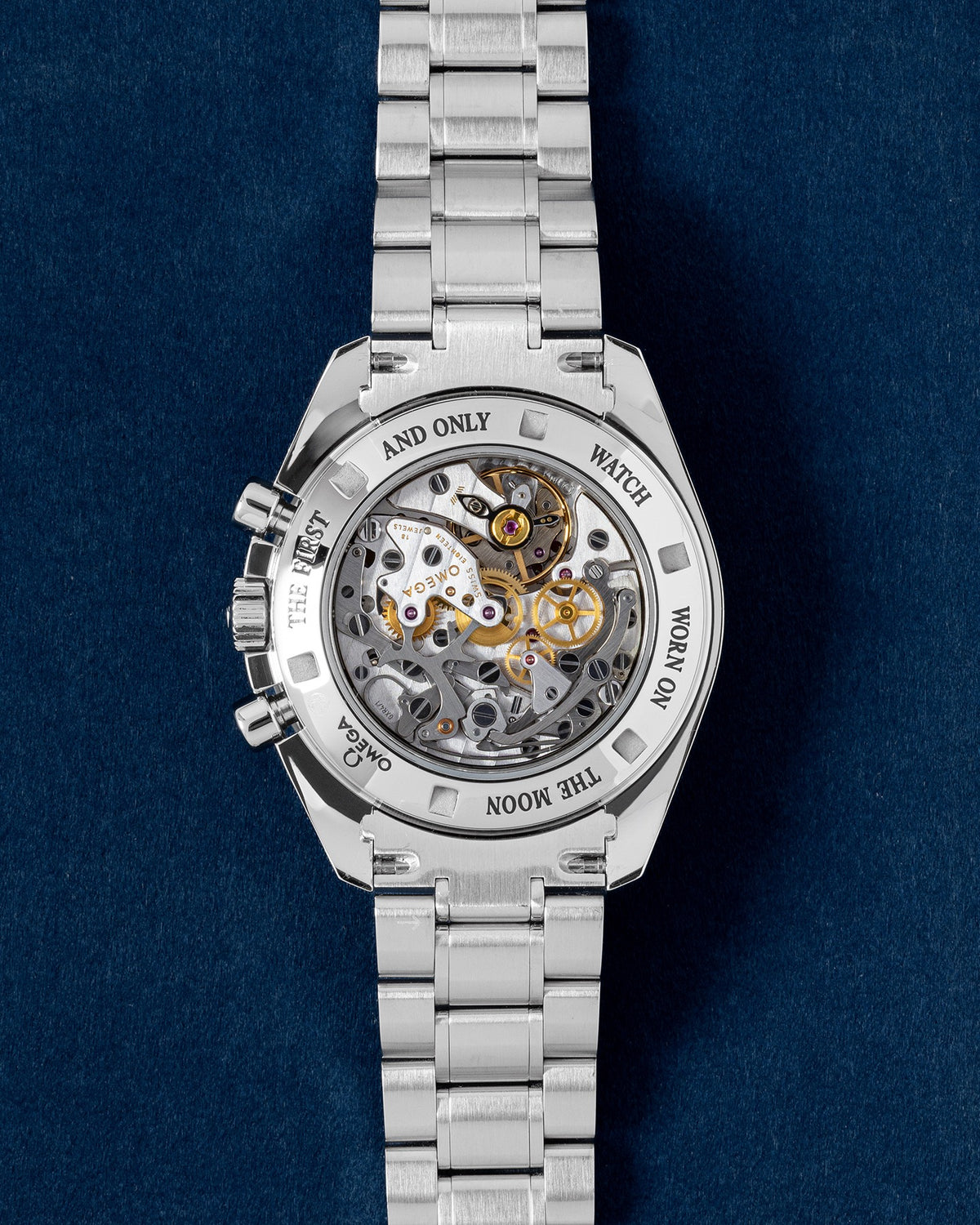
In 1965, NASA put several chronograph watches through brutal tests, such as extreme heat, cold and shock. Only the Omega Speedmaster passed every test, so it became flight-qualified for crewed missions. Then, in July 1969, Buzz Aldrin wore his Speedmaster on the surface of the Moon. The watch also helped the Apollo 13 crew time a key engine burn in 1970. So the Speedmaster earned its "Moonwatch" name, and it still carries it today.
The Automatic Chronograph Race
Until 1969, all chronograph watches had to be wound by hand. Then several teams raced to build the first automatic chronograph. Firstly, in January 1969, Zenith announced the El Primero, which beat at 36,000 vibrations per hour. In March, Heuer, Breitling and Hamilton-Buren also unveiled their Caliber 11, which used a micro-rotor. Also, Seiko released the 6139, which became the first automatic chronograph you could buy. As a result, 1969 is often called the most important year in chronograph history.
The Quartz Years and the Comeback
In the 1970s, cheap quartz watches hit the market, so many Swiss brands struggled. Still, the Valjoux 7750 arrived in 1973, and it later became one of the most used chronograph movements ever made. By the late 1980s, mechanical watches were back in demand, especially among collectors. Rolex also moved the Daytona to an automatic movement based on the Zenith El Primero. So the mechanical watch survived, and it soon grew stronger than ever.
Chronograph Watches Today
Today, many brands also build their own movements in-house. Rolex introduced Caliber 4130 in 2000, while it then upgraded the Daytona to Caliber 4131 in 2023. Omega also gave the Moonwatch the Master Chronometer Caliber 3861 in 2021. Also, Breitling, Tudor and TAG Heuer all offer modern in-house models with long power reserves. So chronograph watches have never been more accurate, more reliable or more varied. Yet the classic two-pusher look is still the same one that took shape in the 1930s.
Types of Chronograph Watches
Not all chronograph watches serve the same purpose, so it helps to know the main styles. Some were built for racing, while others were made for flying or diving. Some also add complications, such as a calendar or a split-seconds hand. So here is a guide to the main types you will find in our collection.
Racing Chronographs
Racing chronograph watches were, above all, built to time laps and work out speed. So most of them carry a tachymeter, as well as clear, high-contrast dials. The Rolex Daytona, the TAG Heuer Carrera and the Monaco are, of course, the great classics. The Speedmaster Racing also fits here, thanks to its bold minute track. So these chronograph watches suit anyone who loves motorsport.
Pilot Chronographs
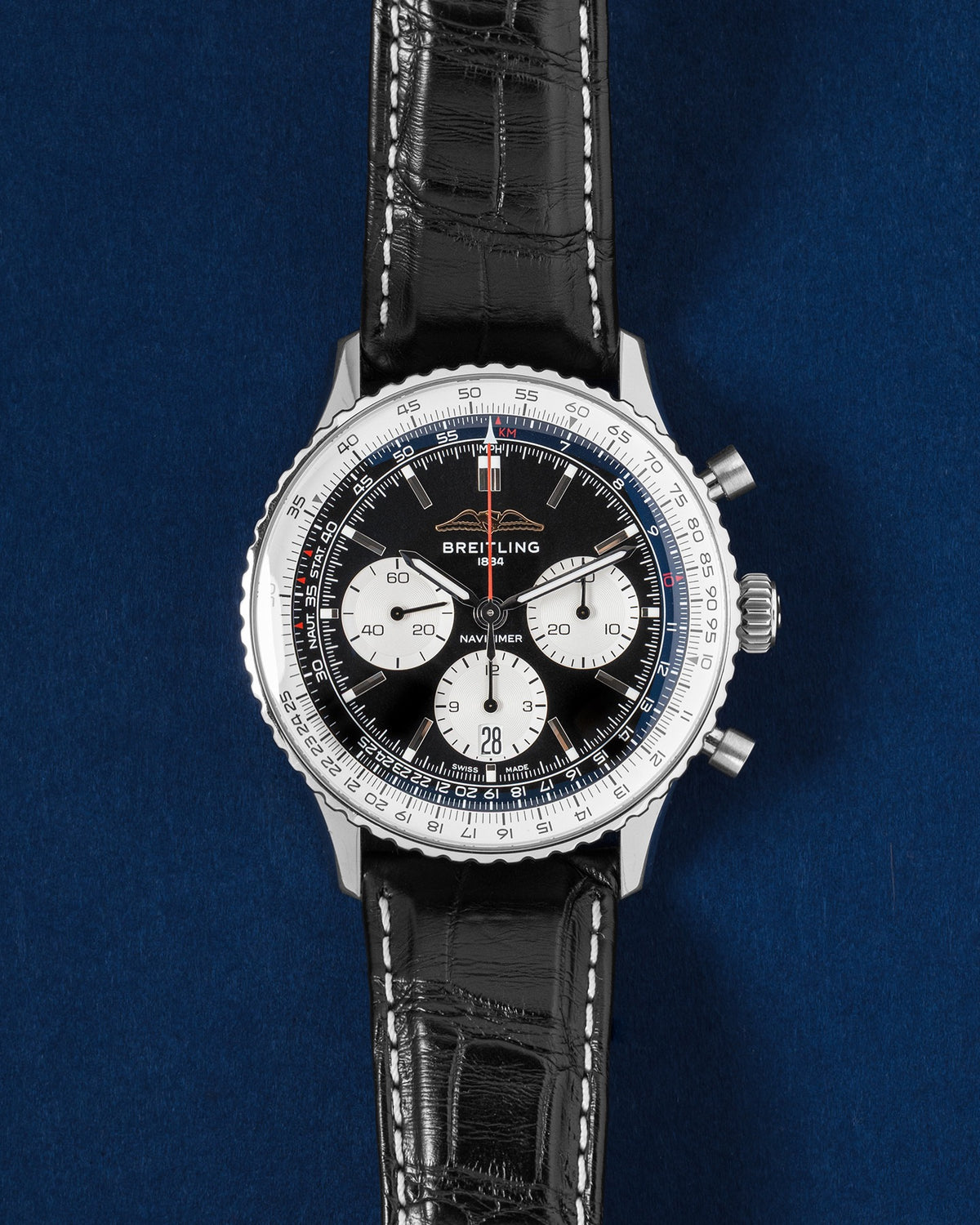
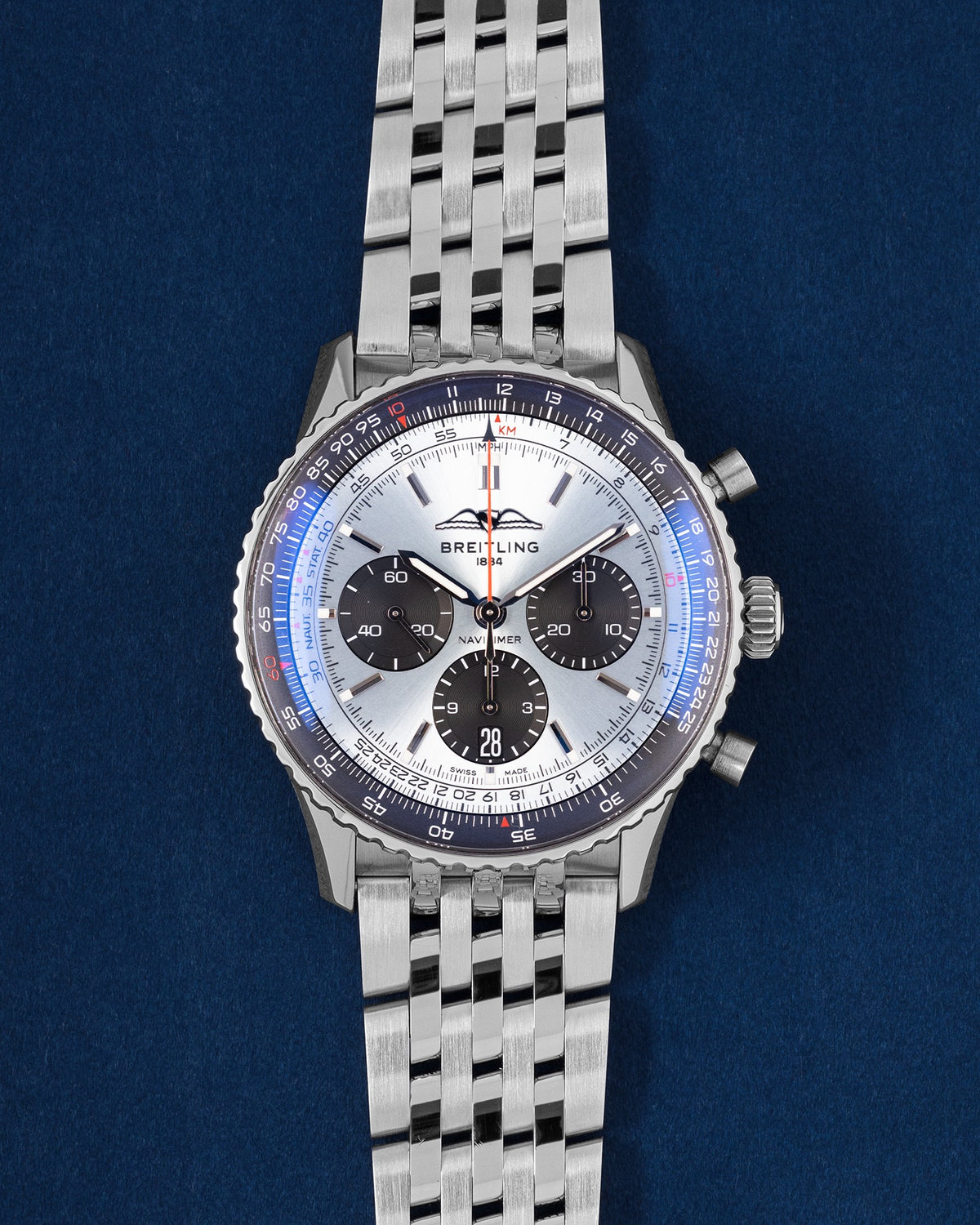
Pilot chronograph watches were built for the cockpit, so they focus on clear dials and useful scales. The Breitling Navitimer, for instance, uses a slide rule bezel for flight math. IWC and Breguet also make chronographs with deep roots in flying. In addition, many pilot models add a flyback, which resets and restarts the timer in one press. Our pilot watches collection also shows more options for flyers.
Dive Chronographs
Dive chronograph watches also pair a stopwatch with real water resistance. Omega and Breitling both make fine ones, while Ulysse Nardin and Graham offer bolder takes. But most pushers should not be pressed underwater, unless the maker says it is safe. For more water-ready options, also see our dive watches collection.
Flyback Chronographs
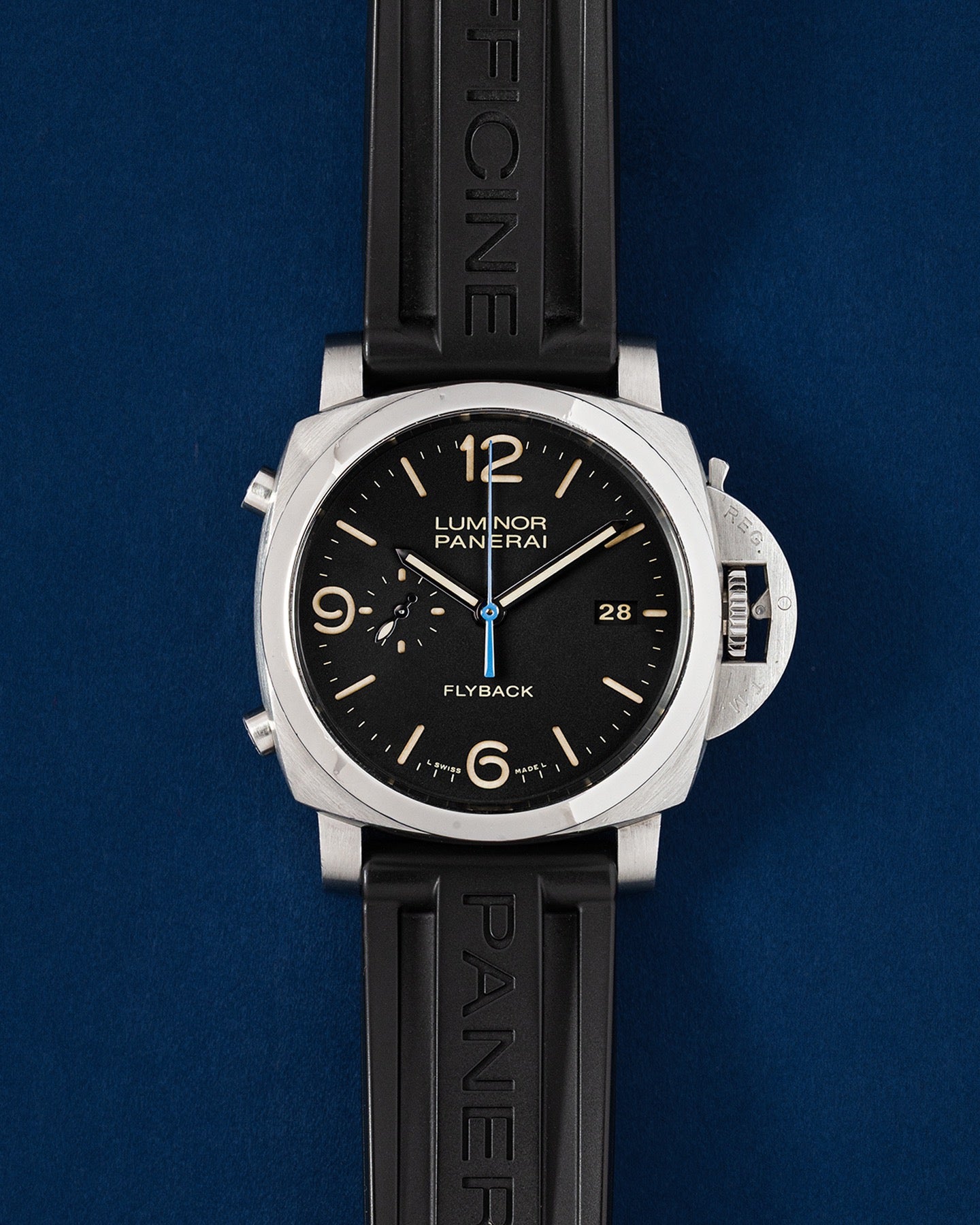
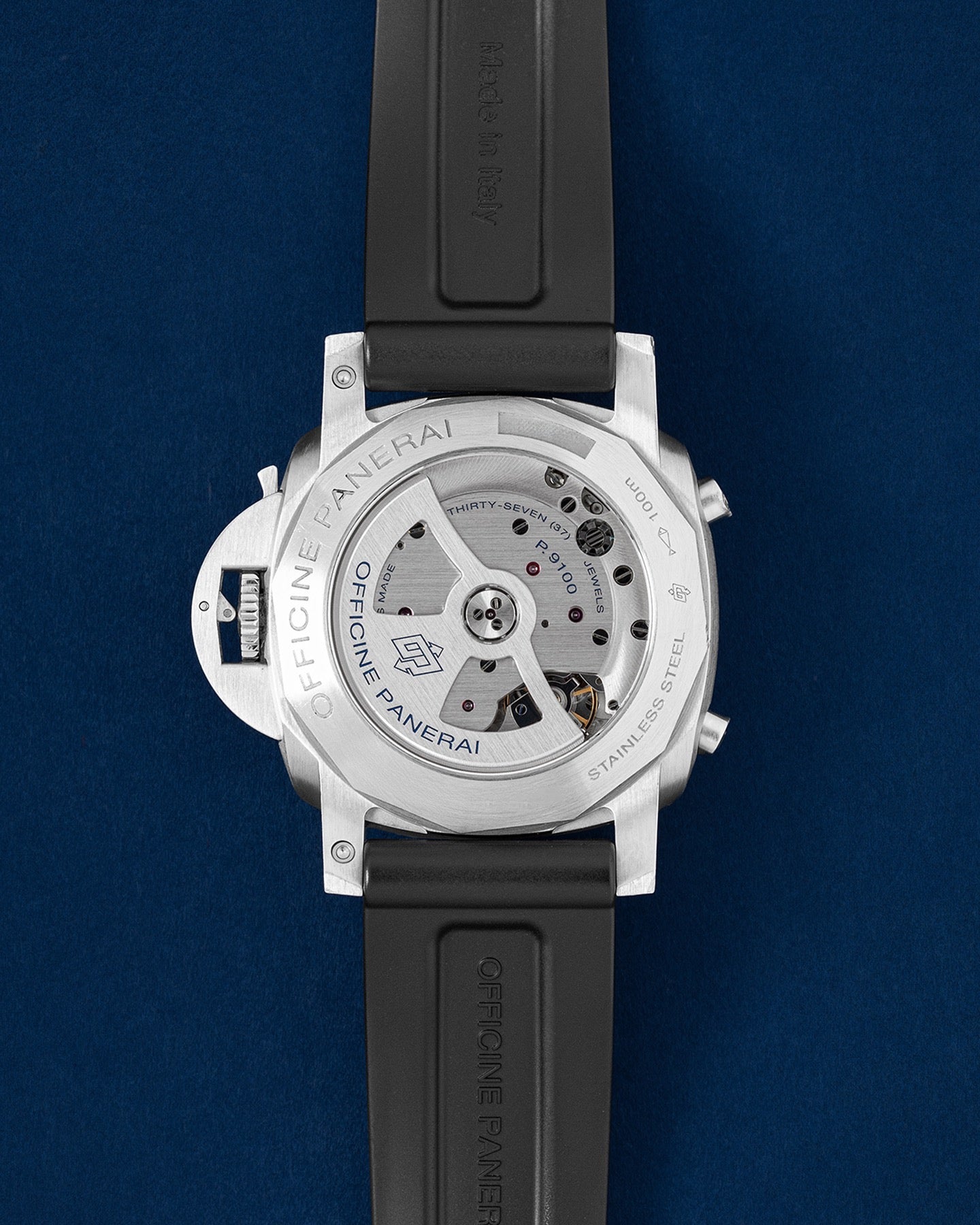
A flyback chronograph lets you reset and restart the timer with one press, even while it is running. So pilots could time each leg of a flight without stopping. The Breguet Type XX, the Panerai Luminor Chrono Flyback and the Zenith Defy flyback models are also good examples. The Audemars Piguet Royal Oak Chronograph also uses a flyback movement today. In short, a flyback is one of the most practical upgrades in chronograph watches.
Split-Seconds Chronographs
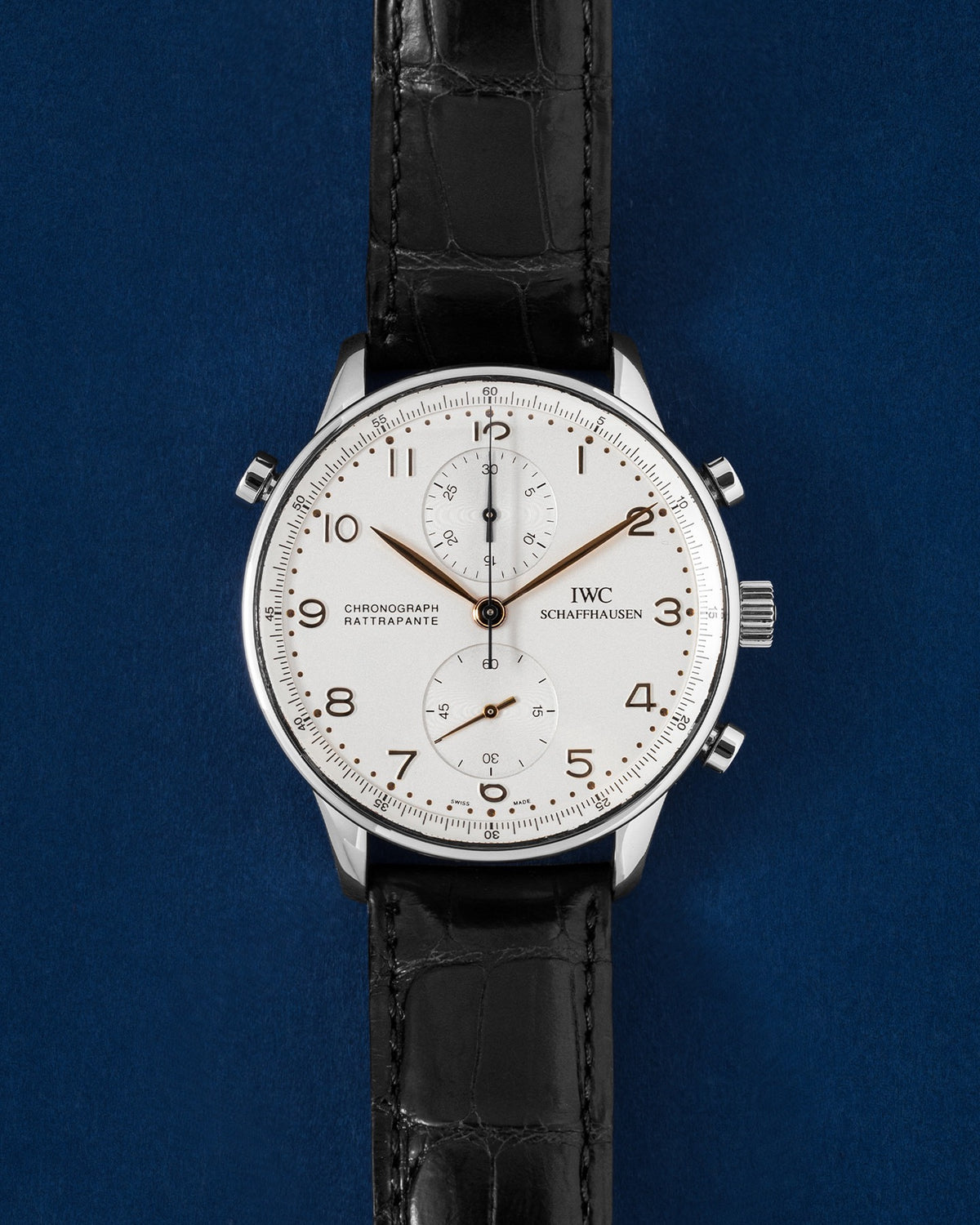
A split-seconds chronograph, also called a rattrapante, has two seconds hands. So you can stop one hand to record a split time, while the other keeps running. Then a press brings the stopped hand back in line with the running one. The IWC Portugieser Rattrapante is a classic, while the Lange Double Split even times two splits on the minute counter. As a result, these are some of the most complex chronograph watches you can own.
Calendar and Perpetual Chronographs
Some chronograph watches also add a calendar, which makes them true grand complications. The Patek Philippe 1518 of 1941, for example, was the first perpetual calendar chronograph made in series. Today, the Patek Philippe 5270 continues that tradition, while IWC and Jaeger-LeCoultre also make calendar models. Annual calendar versions, such as the Patek 5960, also offer a simpler option. As a result, these pieces sit at the very top of the field.
Luxury Steel Sport Chronographs
Many of the most wanted chronograph watches today, though, are luxury steel sport models. The Audemars Piguet Royal Oak Chronograph and the Royal Oak Offshore are, of course, prime examples. The Hublot Big Bang also belongs here, mainly in ceramic and titanium. These watches mix bold design with fine finishing, so they stand out on any wrist. Our sport watches collection also covers the wider category.
Guide to Chronograph Watch Key Terms
Chronograph watches come with their own language, so a few key terms make shopping easier. Once you know them, you can also compare models with confidence. Here are the terms that come up most often when we talk about chronograph watches.
Function Terms for Chronograph Watches
A monopusher chronograph uses a single pusher for start, stop and reset, while a two-register model has two subdials. A tri-compax, though, has three subdials. A flyback resets and restarts the timer in one press, while a split-seconds adds a second timing hand. Finally, the term "bicompax" often describes a dial with two subdials set side by side, mainly on vintage chronograph watches.
Scale and Dial Terms for Chronograph Watches
A tachymeter scale turns elapsed time into speed, while a telemeter measures distance by sound. A pulsometer also counts heart beats, so doctors once used it. Also, a "panda" dial is white with black subdials, while a "reverse panda" is black with white subdials. The Daytona with an "exotic" dial is often called a "Paul Newman," because the actor famously wore one. In short, these terms help you describe chronograph watches quickly.
Movement Terms for Chronograph Watches
A manual-wind chronograph must be wound by the crown, while an automatic chronograph winds itself as you move. An integrated chronograph is built as one movement, whereas a modular chronograph adds the timer as a separate layer. The column wheel and the vertical clutch are also signs of a high-end design. Finally, the frequency, such as 28,800 or 36,000 vibrations per hour, shows how finely chronograph watches can measure time.
Looking to Sell Your Chronograph Watches
Grand Caliber buys chronograph watches every day, so selling to us is simple. Firstly, call, text or email us with the brand, model, year and condition. Also tell us which box and papers you still have. We will then come back with a real number, often the same day. There is no pressure, and there is also no obligation. If you prefer, also bring the watch to our Uptown Dallas showroom, so we can look at it together.
We buy chronograph watches across the full range, such as the Daytona, the Speedmaster and the Navitimer. We also buy Royal Oak, Big Bang, Patek Philippe and Lange pieces. Vintage chronograph watches are most welcome, too, from early Daytona models to old Heuer racers. Either way, we will also explain plainly how condition, service history and papers shape your offer.
Consignment is also available when you want to reach more buyers. We handle estate sales and full collection sales with care, too. Many clients also trade chronograph watches toward another piece in our stock. In many cases, a trade is the easiest way to move from one watch to the next, because it saves time on both sides.
The Brands That Define Chronograph Watches
Many brands make chronograph watches, although a handful have shaped the field more than the rest. Each one also brings its own history and style. So here is a closer look at the makers you will find most often in our collection of chronograph watches.
Rolex Daytona
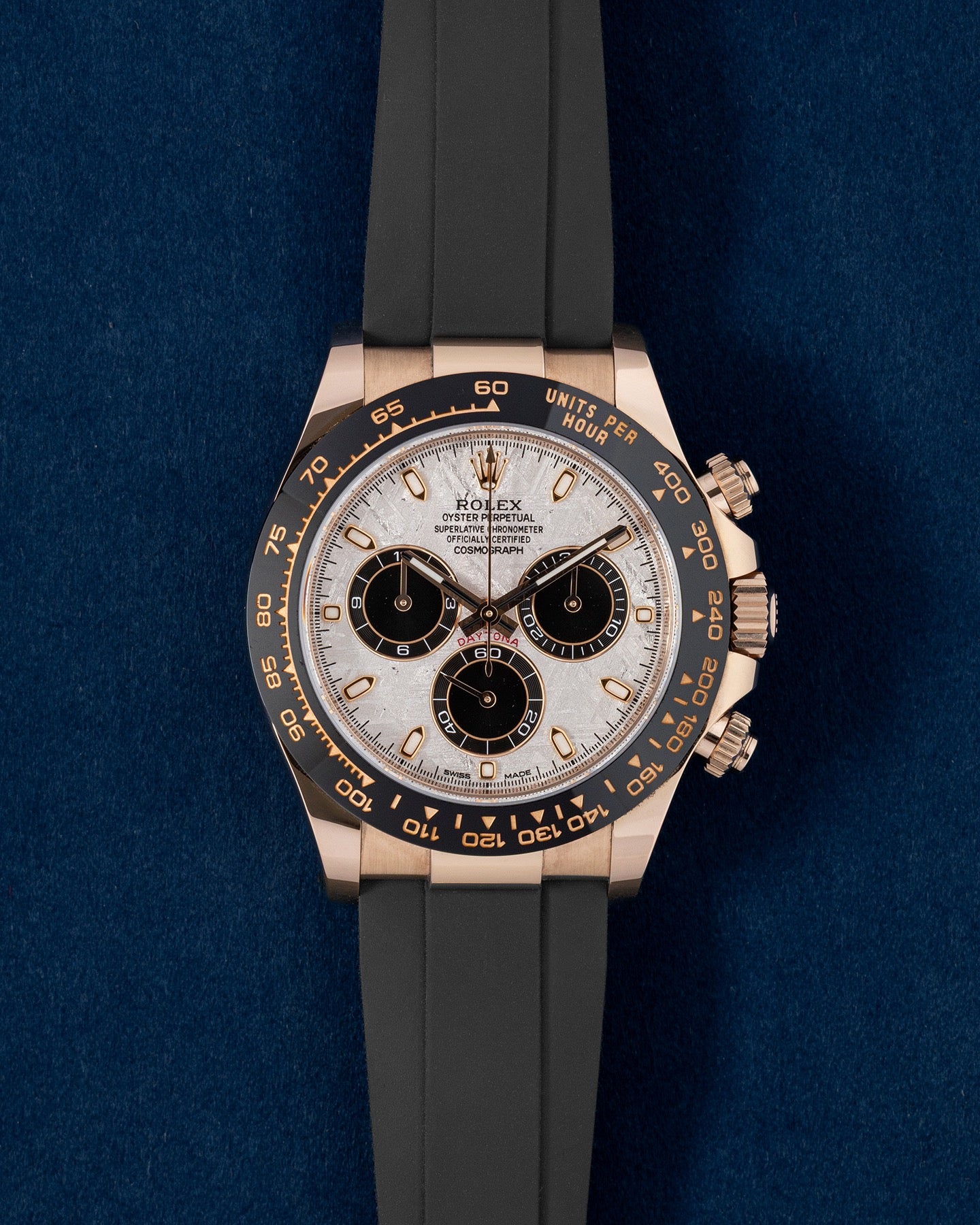
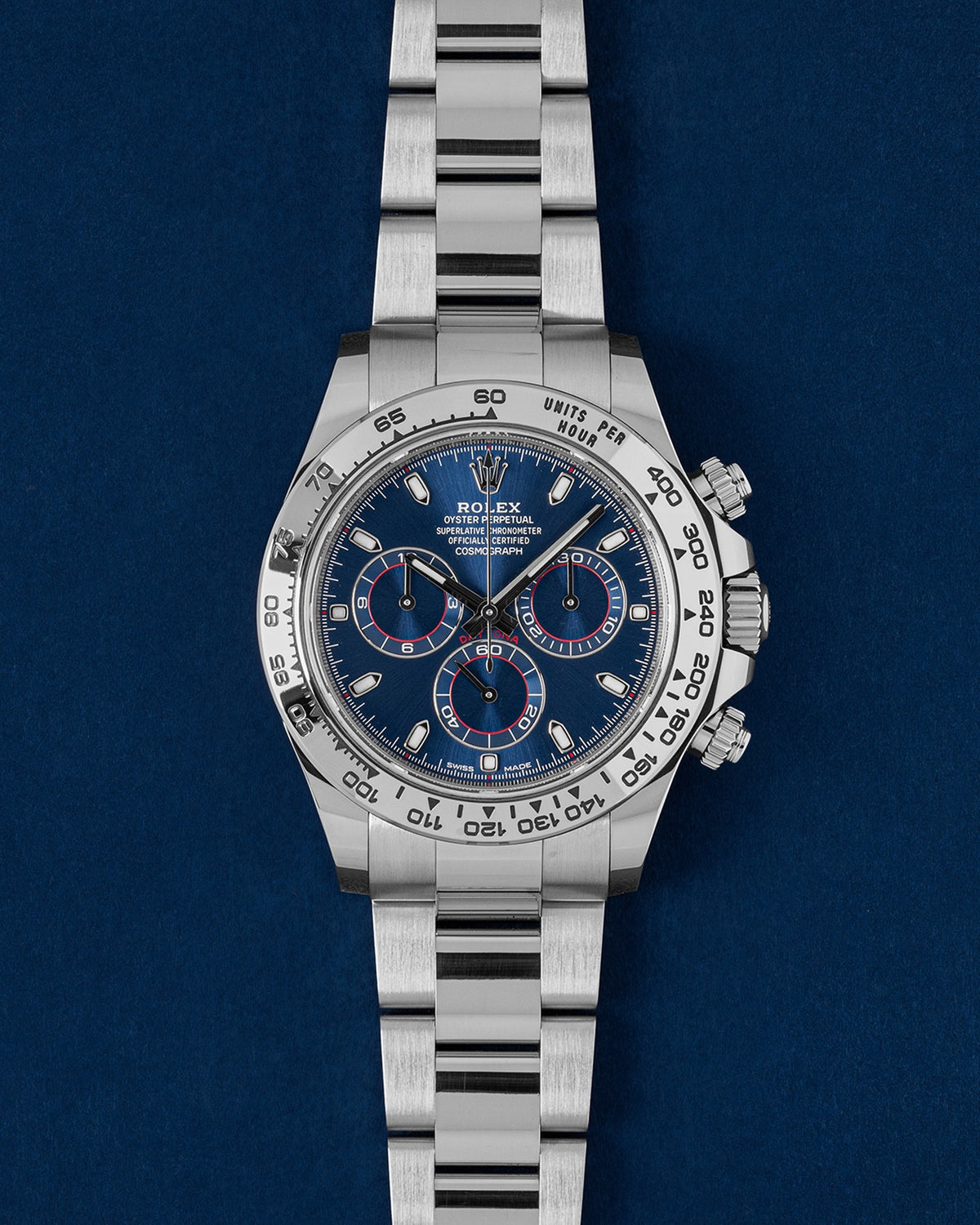
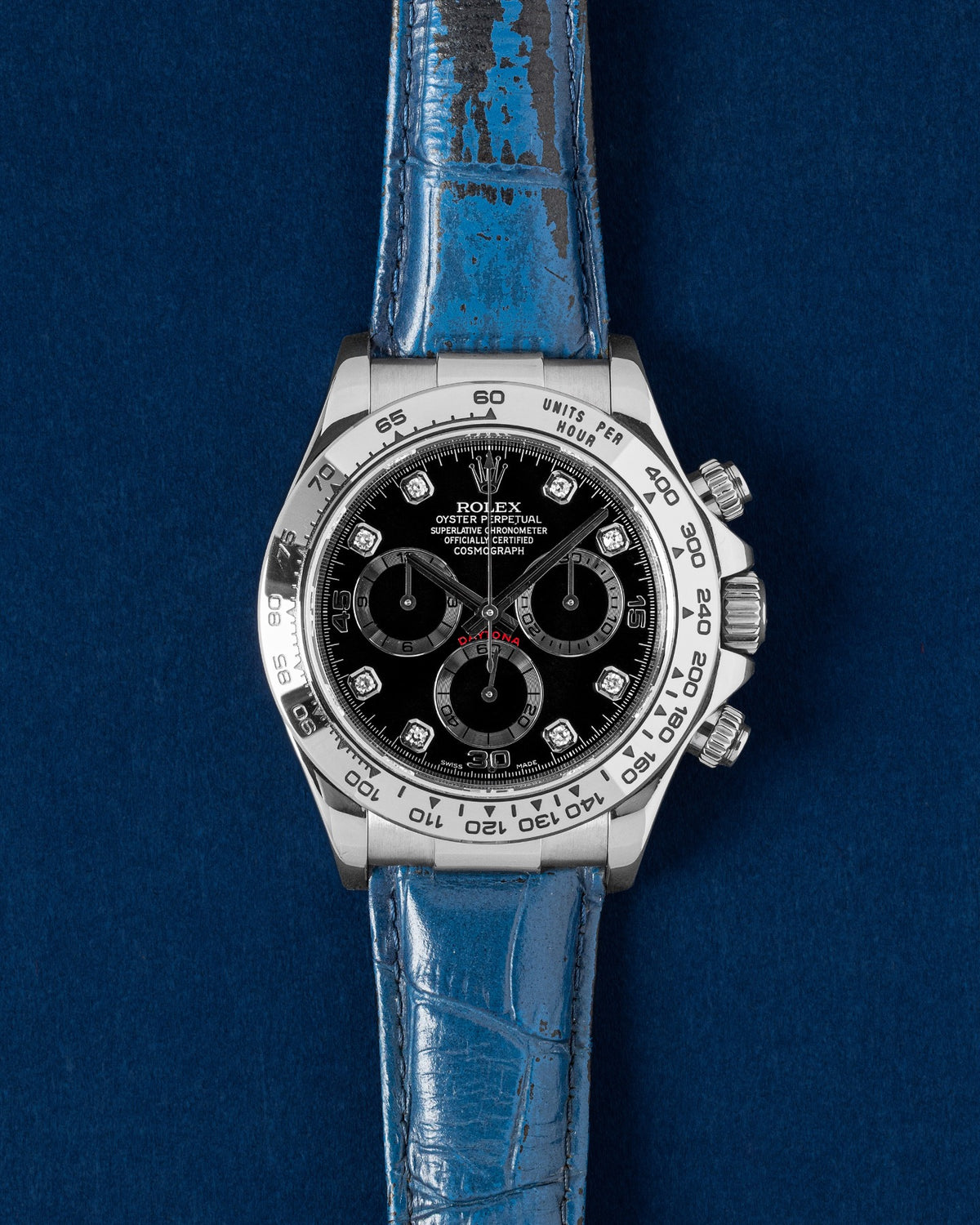
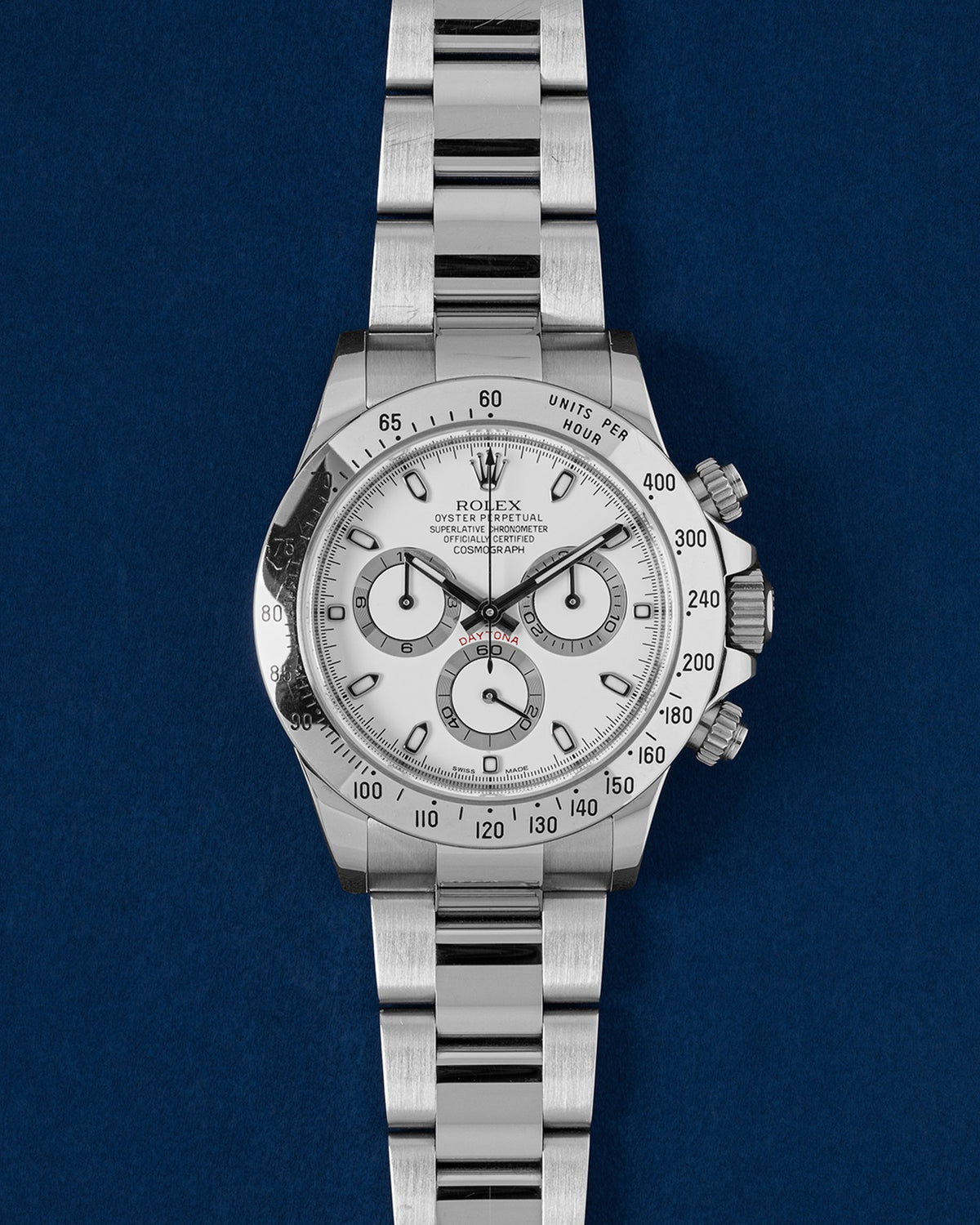
The Rolex Daytona is the most wanted of all chronograph watches, and it has also been a racing icon since 1963. Today, it also uses a 40mm Oyster case, a tachymeter bezel and the automatic Caliber 4131. That movement also uses a column wheel and a vertical clutch, as well as about 72 hours of power reserve. Rolex offers it in steel, gold and platinum, while ceramic Cerachrom bezels add extra toughness.
Vintage Daytona models are also some of the most collected watches on earth. Manual-wind references from the 1960s and 1970s are highly prized, as well as the "Paul Newman" dials. Also, the Zenith-powered 16520 bridges vintage and modern. So Rolex covers chronograph watches for nearly every kind of collector.
Omega Speedmaster
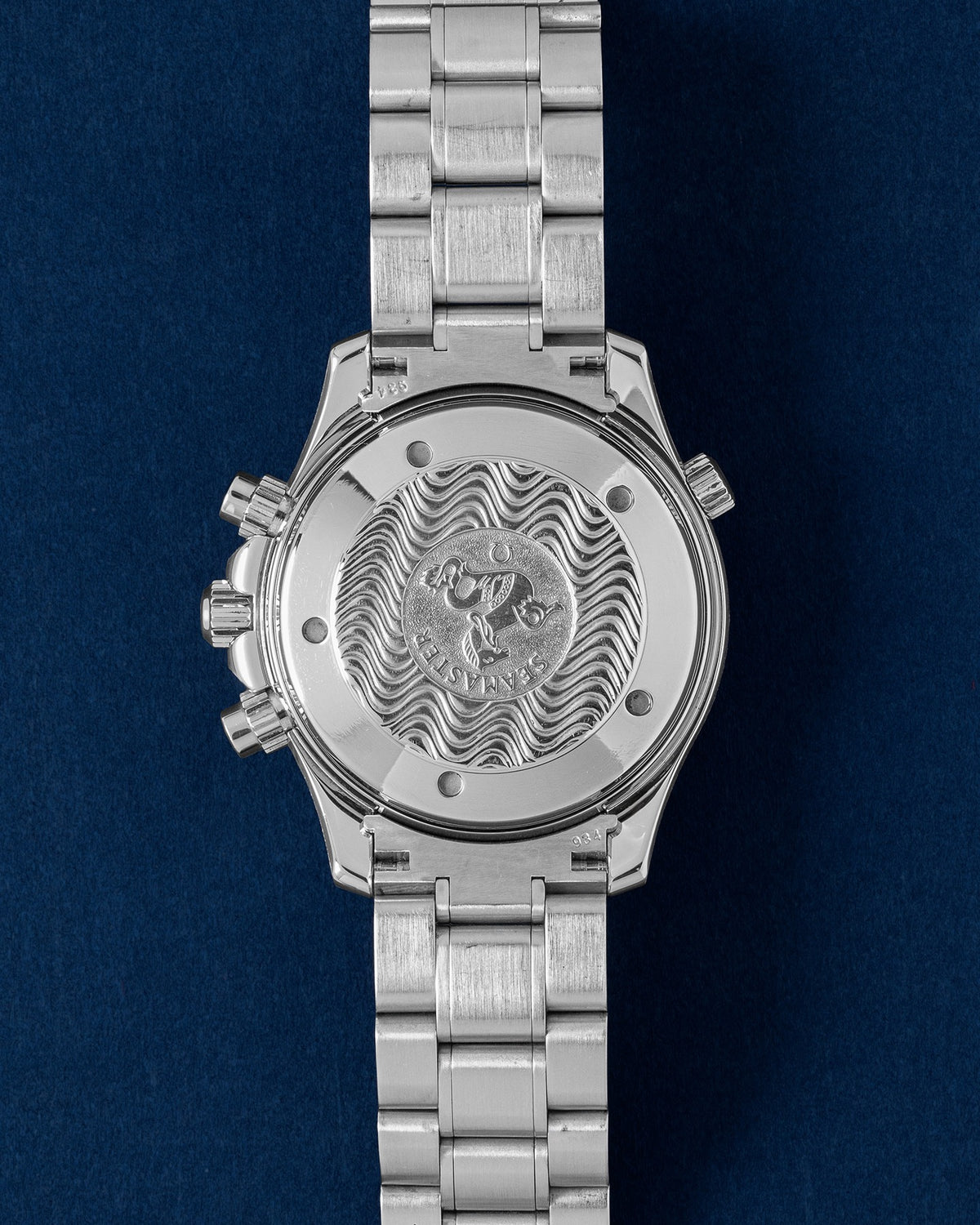
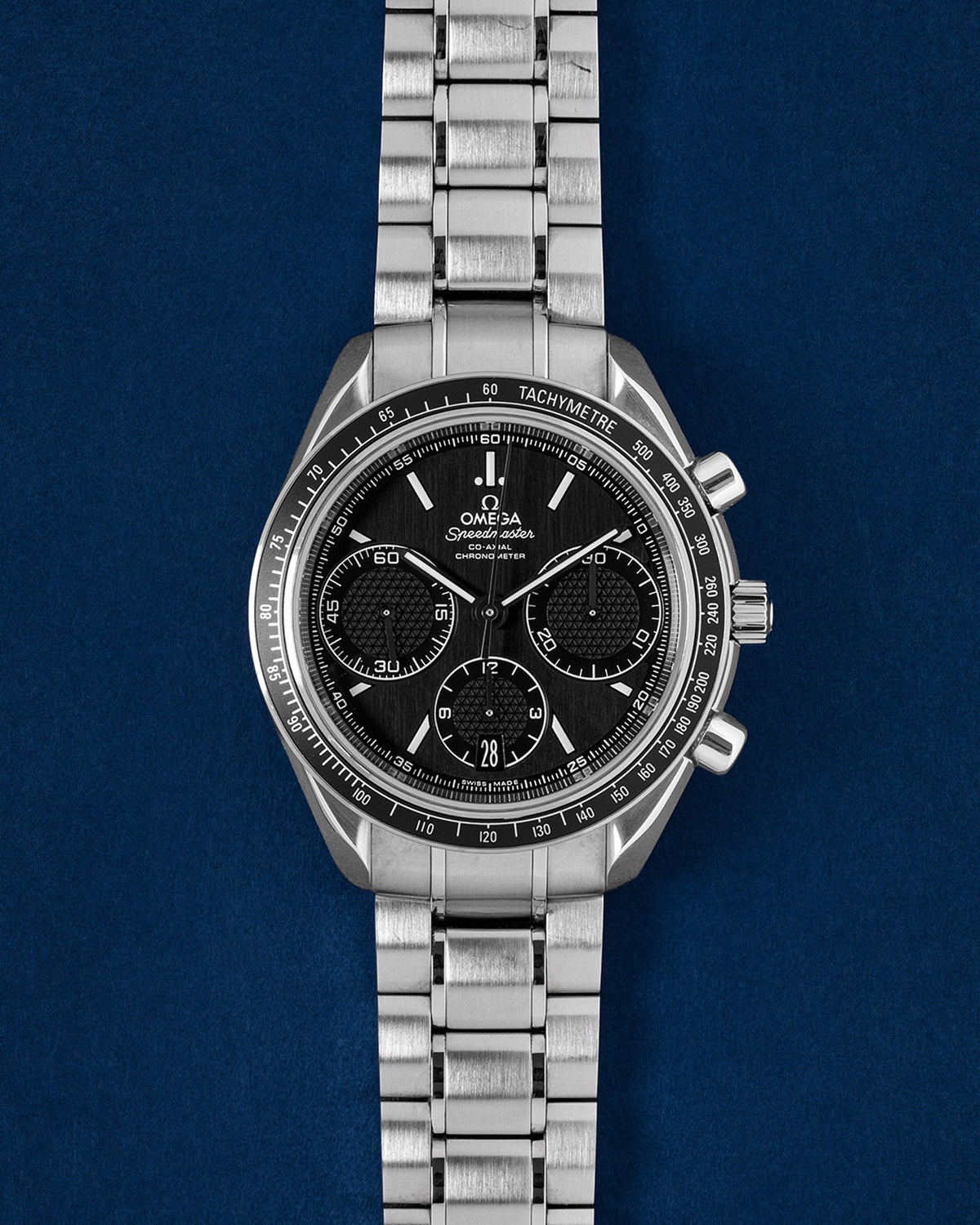
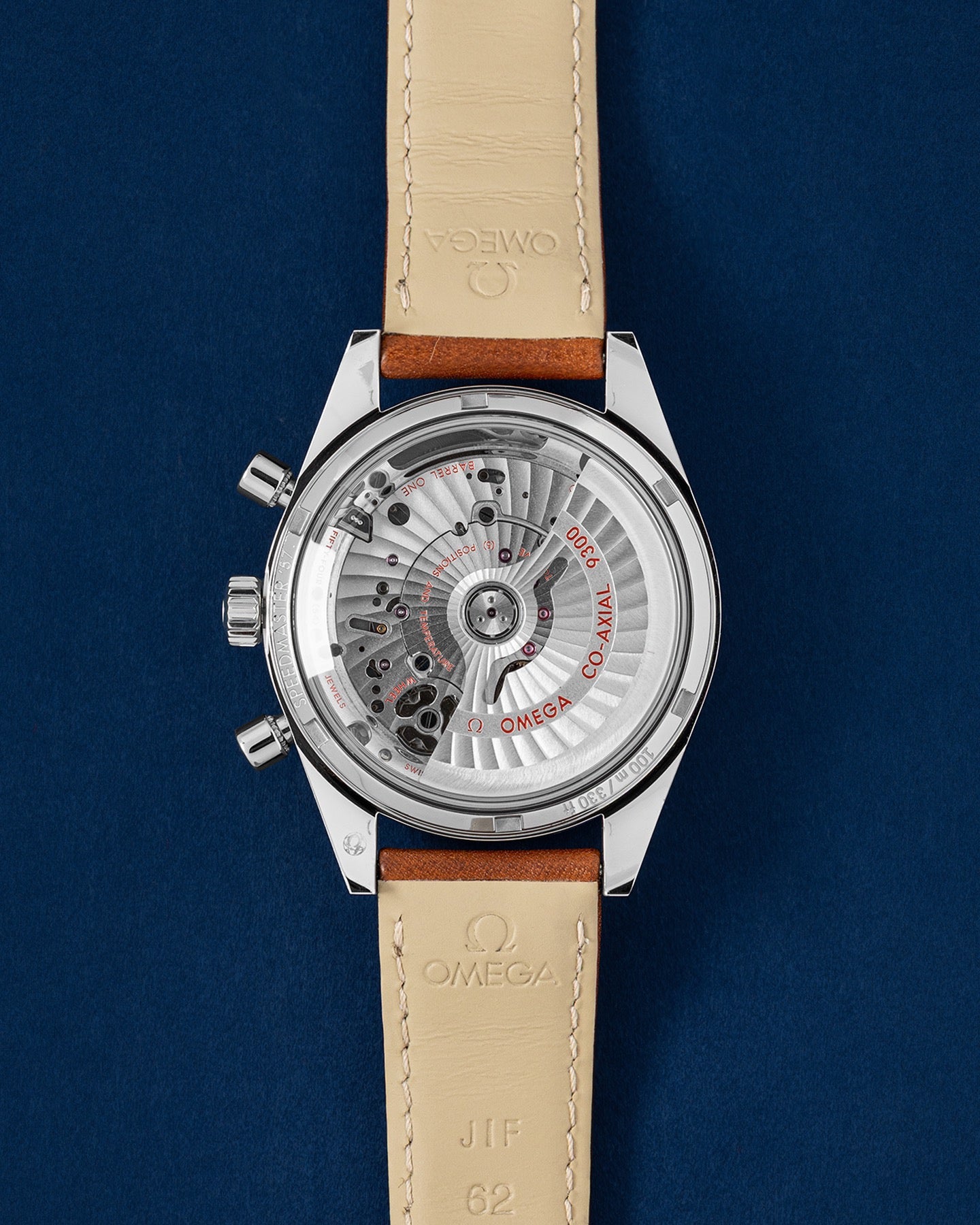
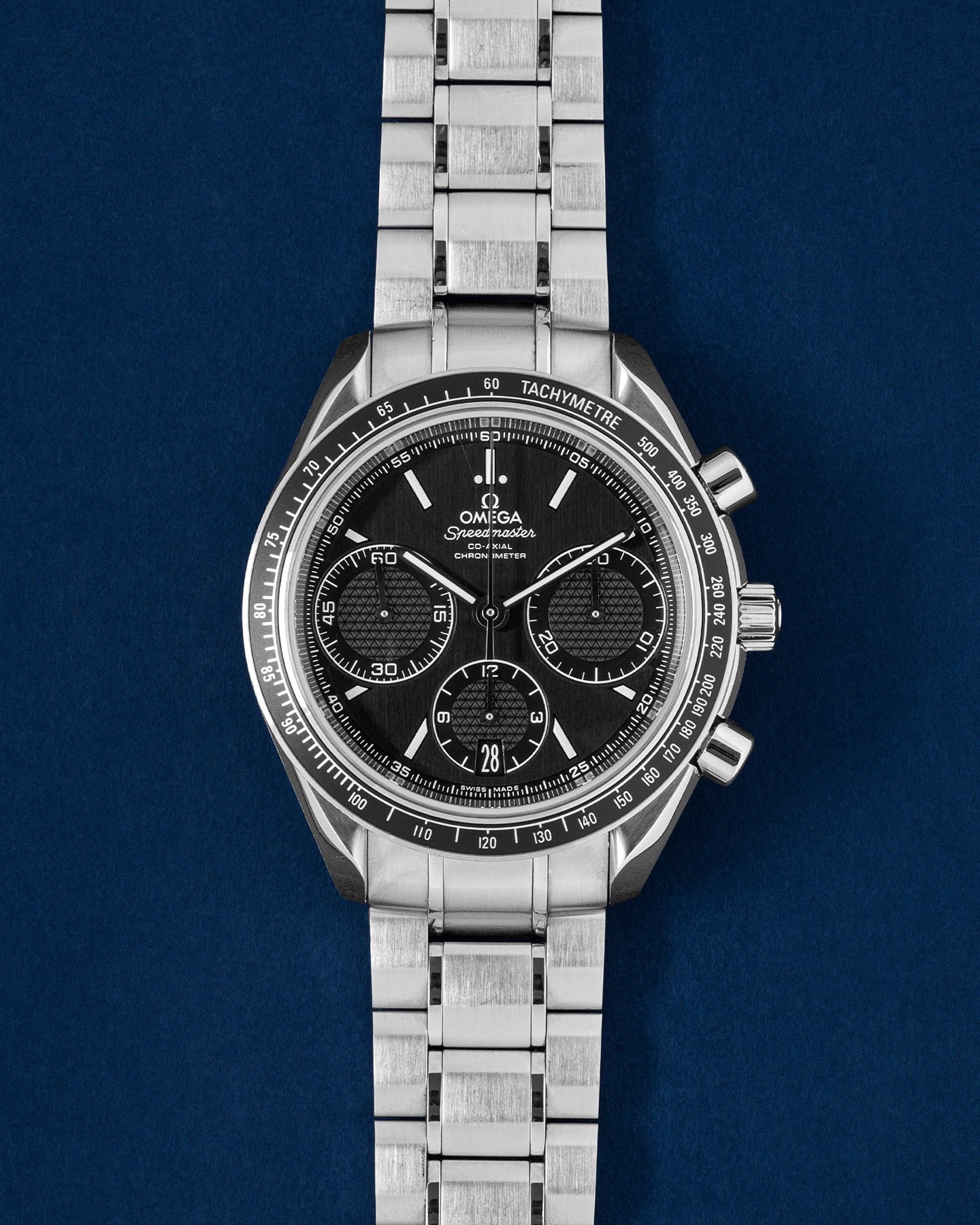
The Omega Speedmaster is the great rival to the Daytona, because it carries a story no other watch can match. It first appeared in 1957, and it then went to the Moon in 1969. Today, the Moonwatch also uses a 42mm case, a hesalite or sapphire crystal and the manual-wind Caliber 3861. It is also certified as a Master Chronometer, so it resists strong magnetic fields.
Omega also offers many other Speedmaster models, such as the '57, the Racing and the black ceramic Dark Side of the Moon. Smaller 38mm models also suit slim wrists, while special editions honor the Apollo flights. As a result, Omega offers some of the widest choice in chronograph watches today.
TAG Heuer Carrera and Monaco
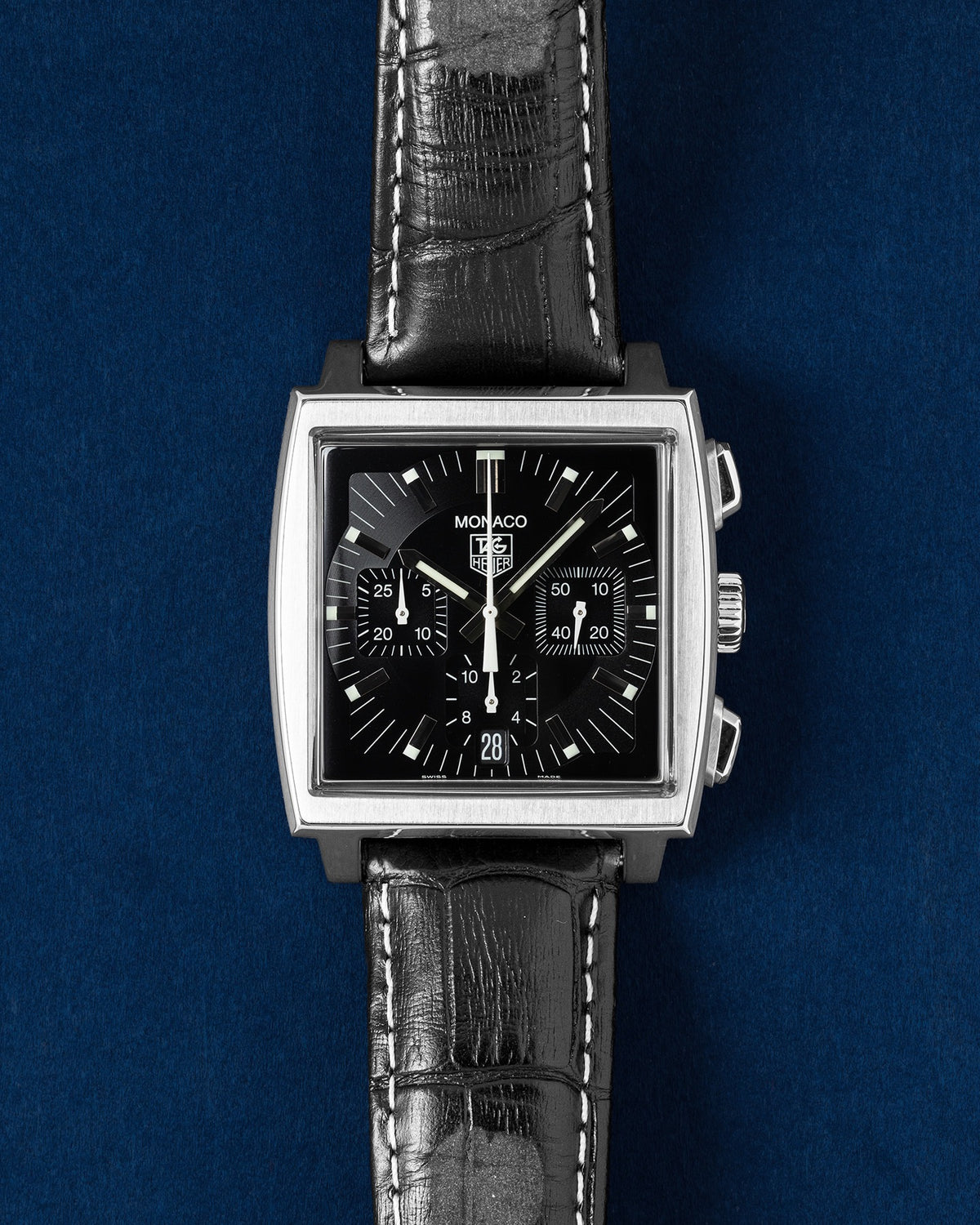
Heuer has made racing timers since the 1800s, so it is one of the true founders of the field. The Carrera arrived in 1963, and it was also named after a famous road race in Mexico. Today, it uses the in-house Heuer 01 and Heuer 02 movements, as well as classic and skeleton dials. Also, the Monaco launched in 1969 with a bold square case and the Caliber 11.
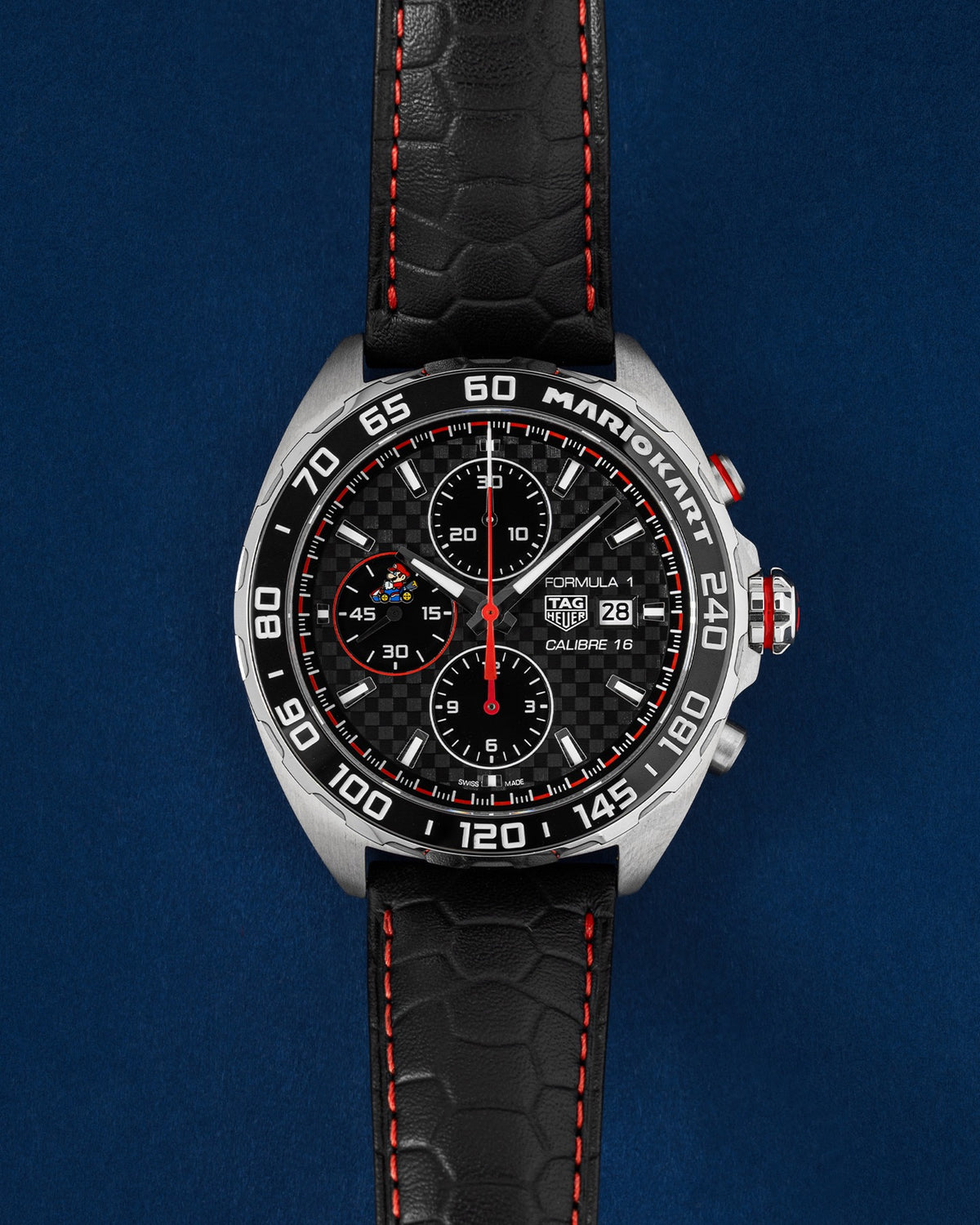
The Monaco also became famous when Steve McQueen wore it in the 1971 film Le Mans. So it remains one of the most recognizable chronograph watches ever made. TAG Heuer also offers the Formula 1 and Aquaracer models, which bring the brand's racing spirit to a lower price.
Breitling Navitimer and Chronomat
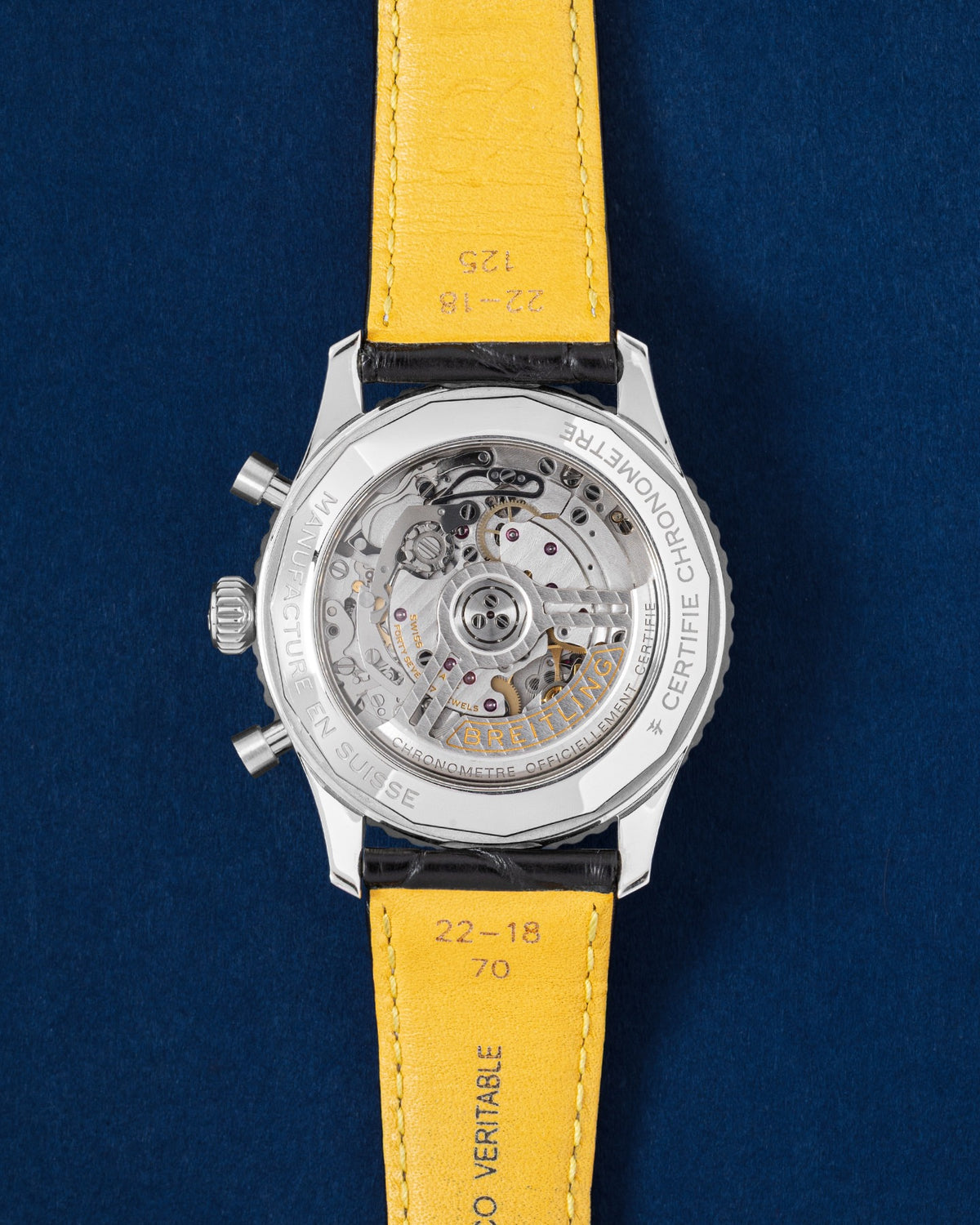
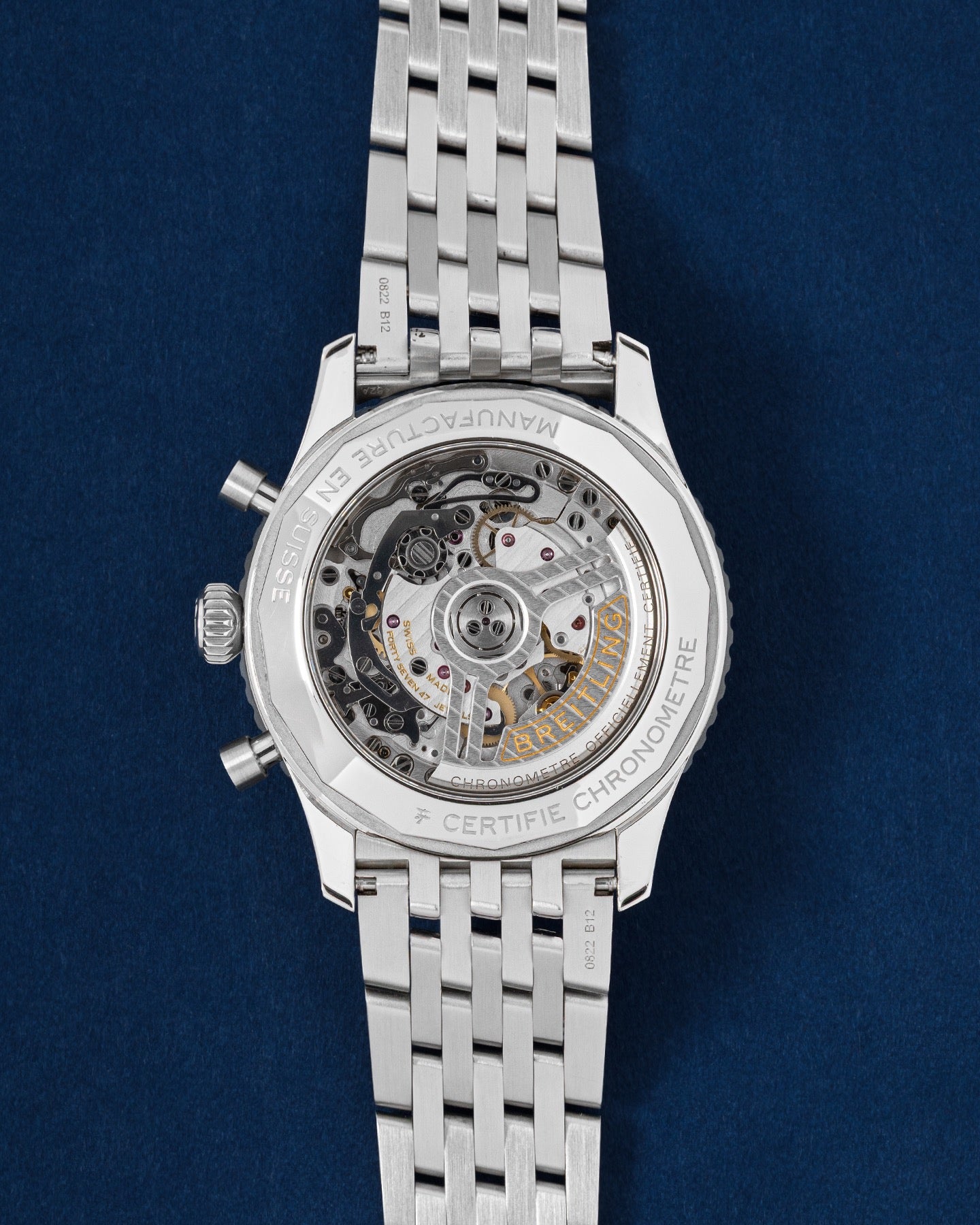
Breitling invented key parts of the modern chronograph, such as the separate pusher in 1915 and the second pusher in 1933. Then, in 1952, it launched the Navitimer, which added a circular slide rule for pilots. Today, the Navitimer also uses the in-house B01 movement, which offers a column wheel, a vertical clutch and about 70 hours of power reserve.
The Chronomat, meanwhile, is the brand's sporty all-rounder, and its bead-link bracelet is easy to spot. Larger models also suit those who want a bold watch on the wrist. So Breitling gives buyers serious chronograph watches with real flight history.
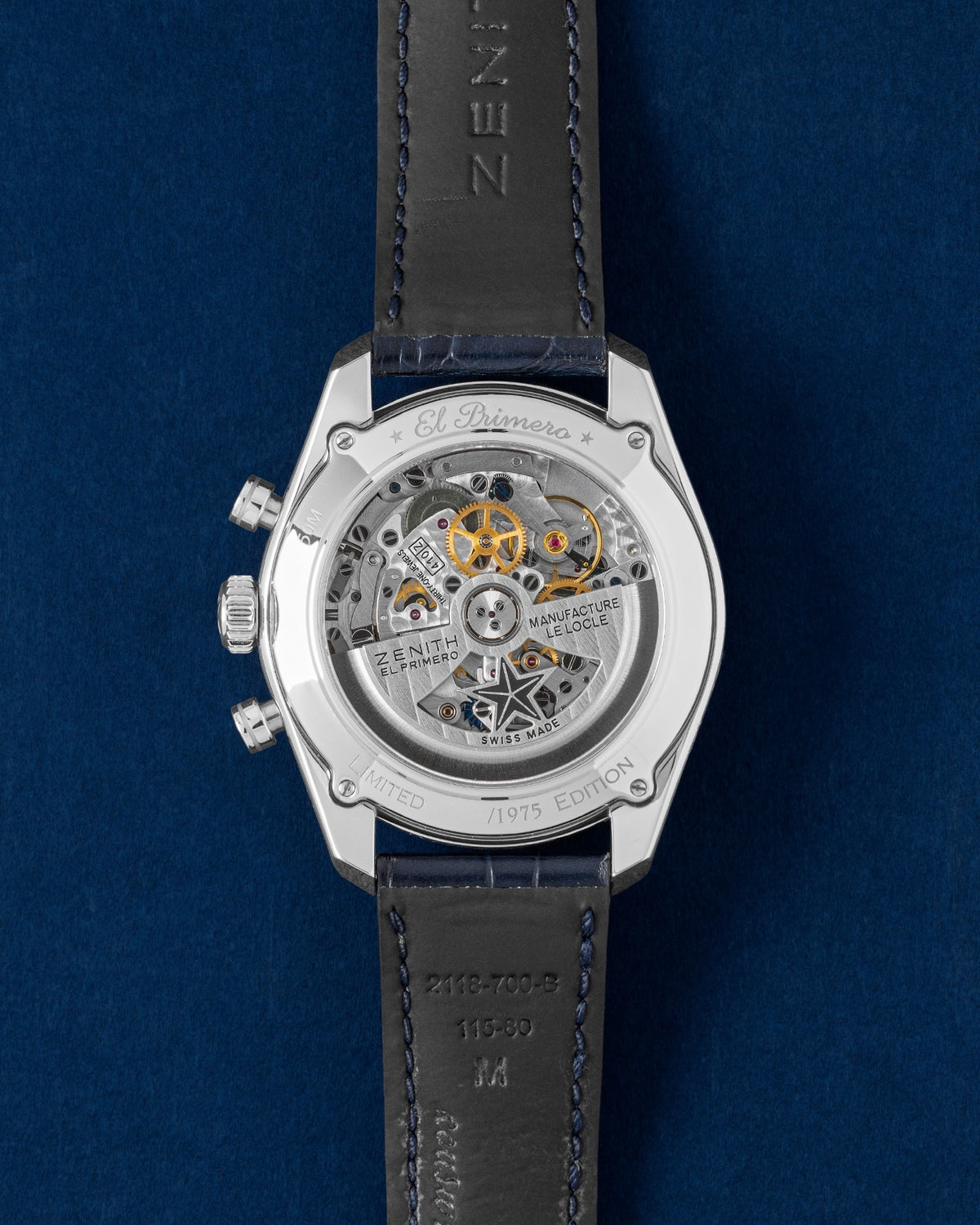
Zenith El Primero
Zenith launched the El Primero in 1969, and it has made the movement ever since. It beats at 36,000 vibrations per hour, so it can time to one tenth of a second. Today, the Chronomaster line keeps the classic tri-color subdials, while the Chronomaster Revival models recreate the original 1969 designs.
Zenith has also pushed the El Primero further. One modern model times to one hundredth of a second, while others add a flyback. So Zenith remains a favorite with buyers who love the mechanics of chronograph watches.
Audemars Piguet Royal Oak and Royal Oak Offshore
The Audemars Piguet Royal Oak Chronograph also brings the famous octagonal bezel to the field. The current 41mm model uses an in-house flyback movement, as well as the classic tapisserie dial. It is also made in steel, rose gold and other precious metals, so it suits many tastes.
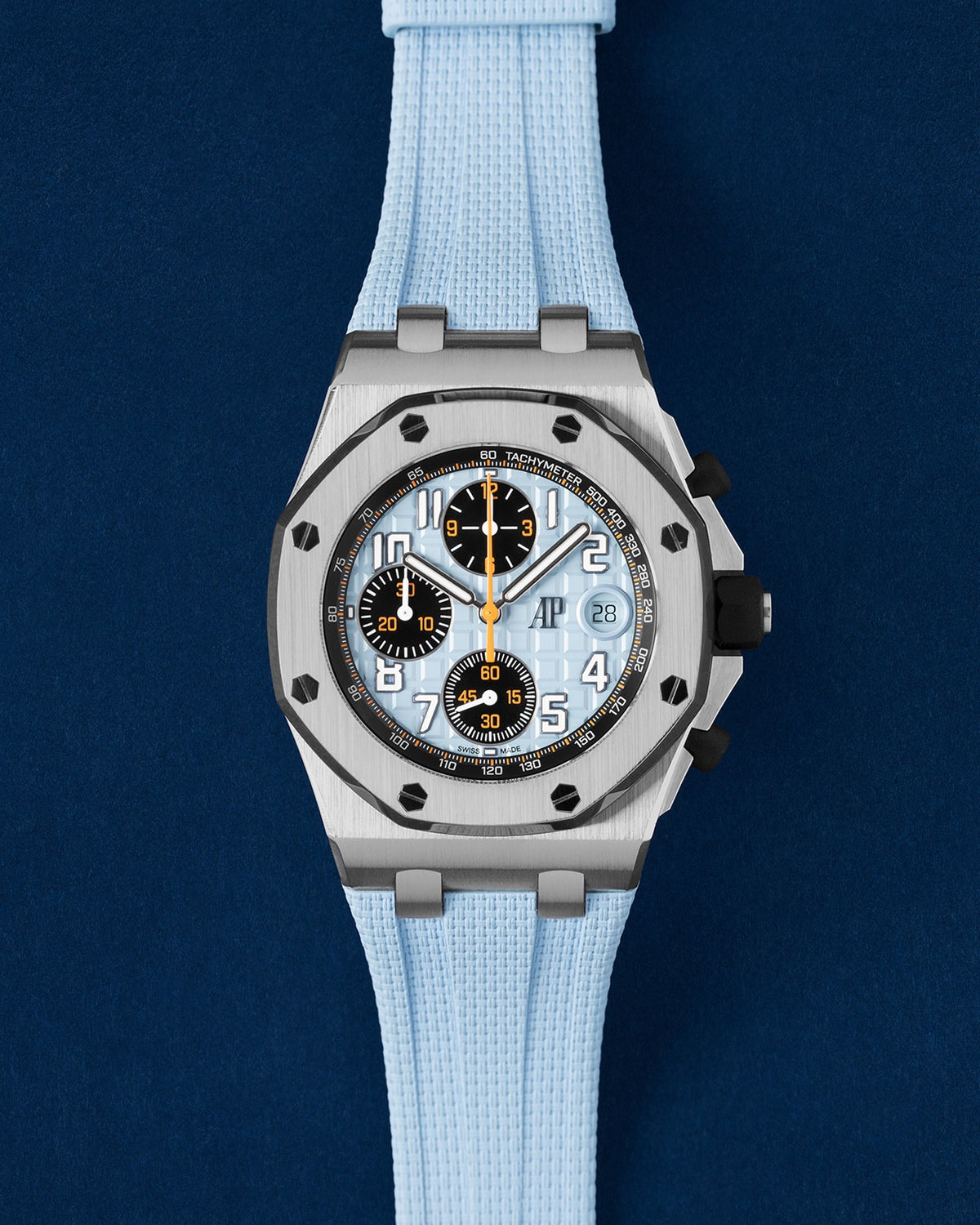
The Royal Oak Offshore then arrived in 1993, and it took the Royal Oak into bigger, bolder territory. Today, it comes in steel, ceramic, titanium and forged carbon, as well as bright colors. So the Offshore remains one of the most striking chronograph watches you can wear.
Patek Philippe and Lange
Patek Philippe, above all, has made some of the finest chronograph watches in history. The 1518 of 1941 was the first perpetual calendar chronograph made in series, while the 2499 followed it. Today, the 5270 perpetual calendar chronograph carries that line forward, especially in platinum. Patek also makes the 5172 and 5170 manual-wind chronographs, as well as the sporty Nautilus chronograph.
Lange also builds some of the most admired chronographs in the world. The Datograph arrived in 1999, and it also set a new standard for finishing. Then the Double Split added a second split-seconds hand for the minutes. So both brands sit at the top of high-end chronograph watches.
IWC Portugieser and Pilot's Watch Chronographs
IWC also offers two of the best-loved lines of chronograph watches. The Portugieser has a clean dial and slim bezel, so it works well with a suit. Its split-seconds version also adds a second timing hand.
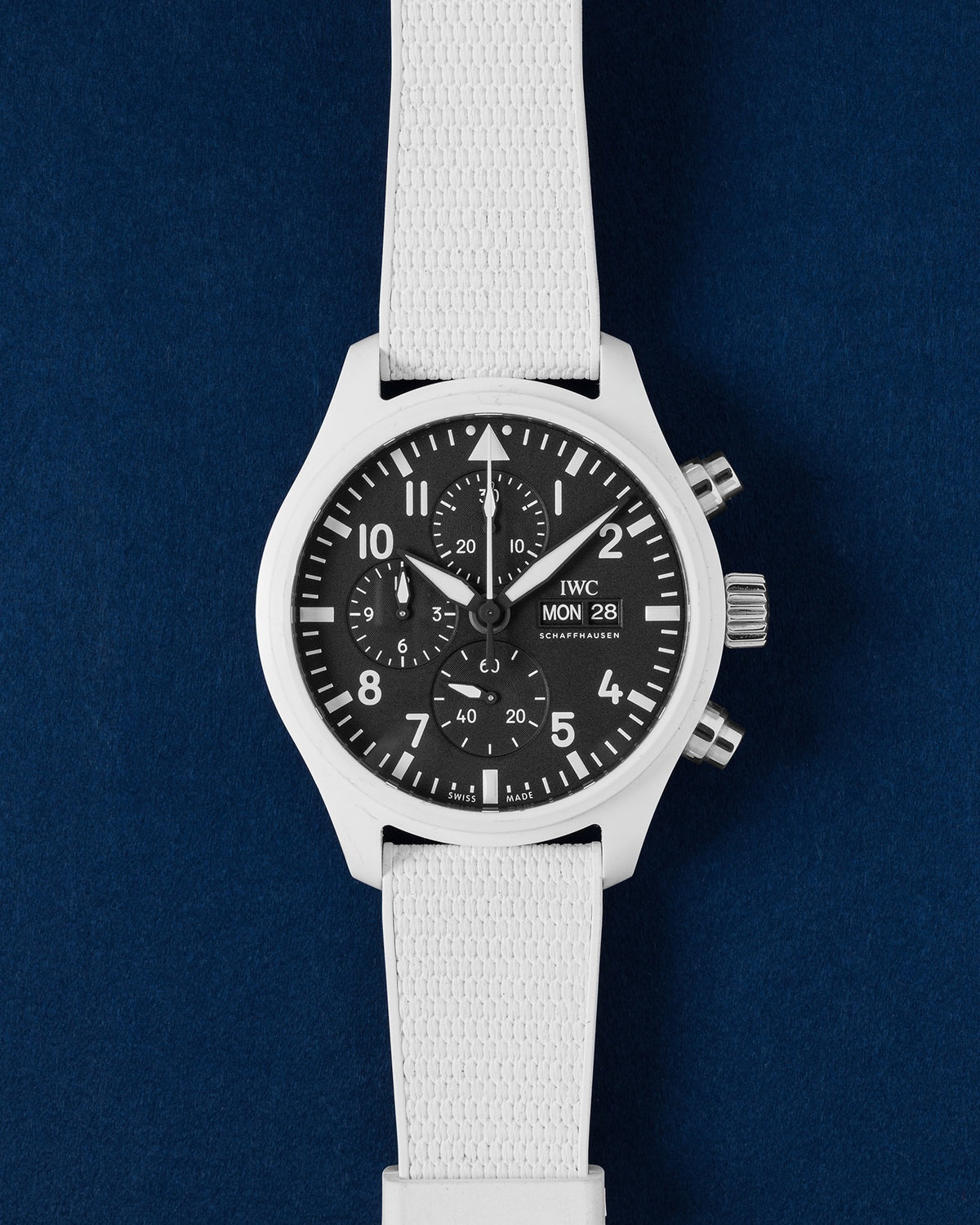
The Pilot's Watch Chronograph, though, comes straight from the cockpit. It is also offered in Top Gun versions with ceramic cases, as well as special editions such as the Lake Tahoe. As a result, IWC covers both dressy and sporty chronograph watches.
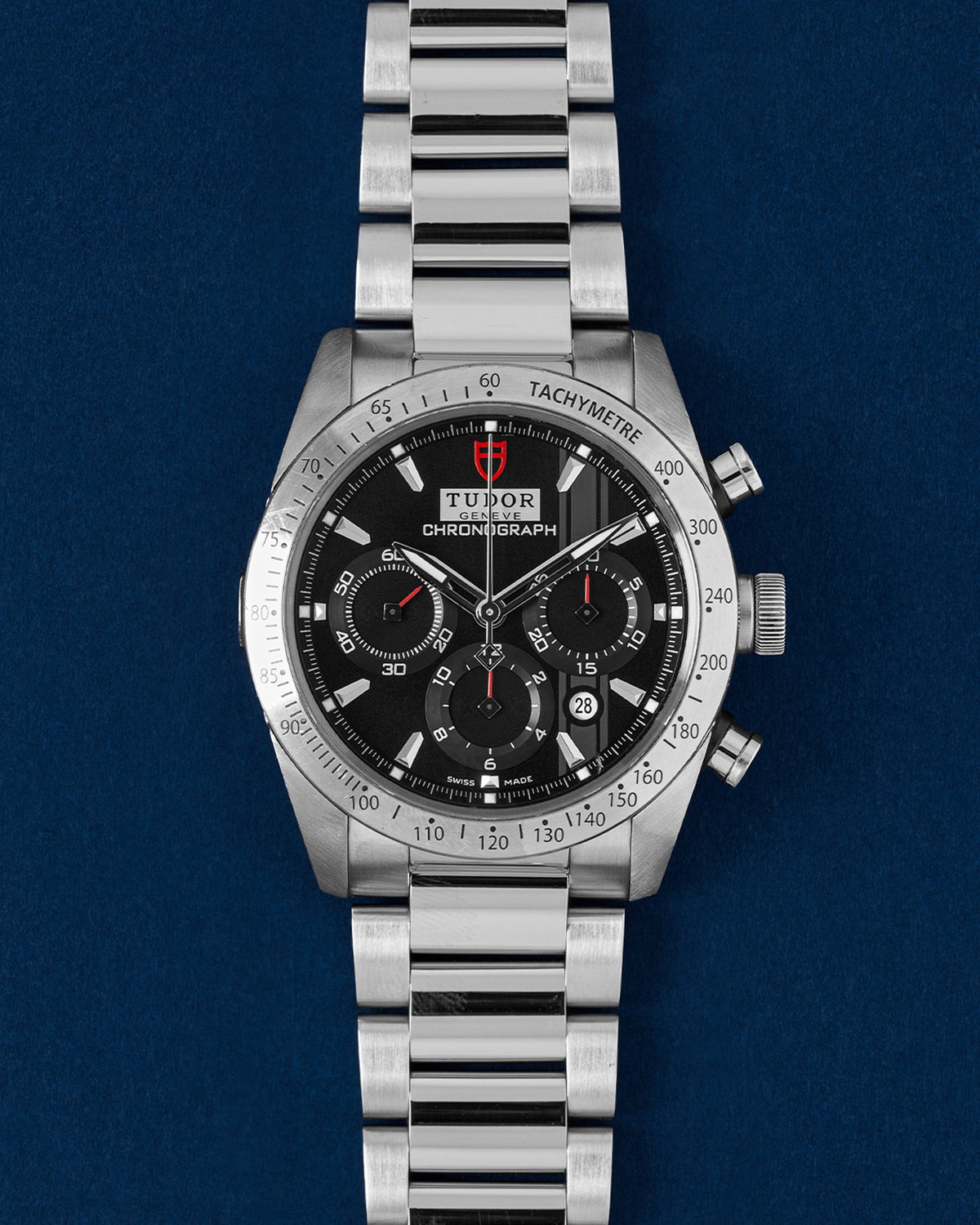
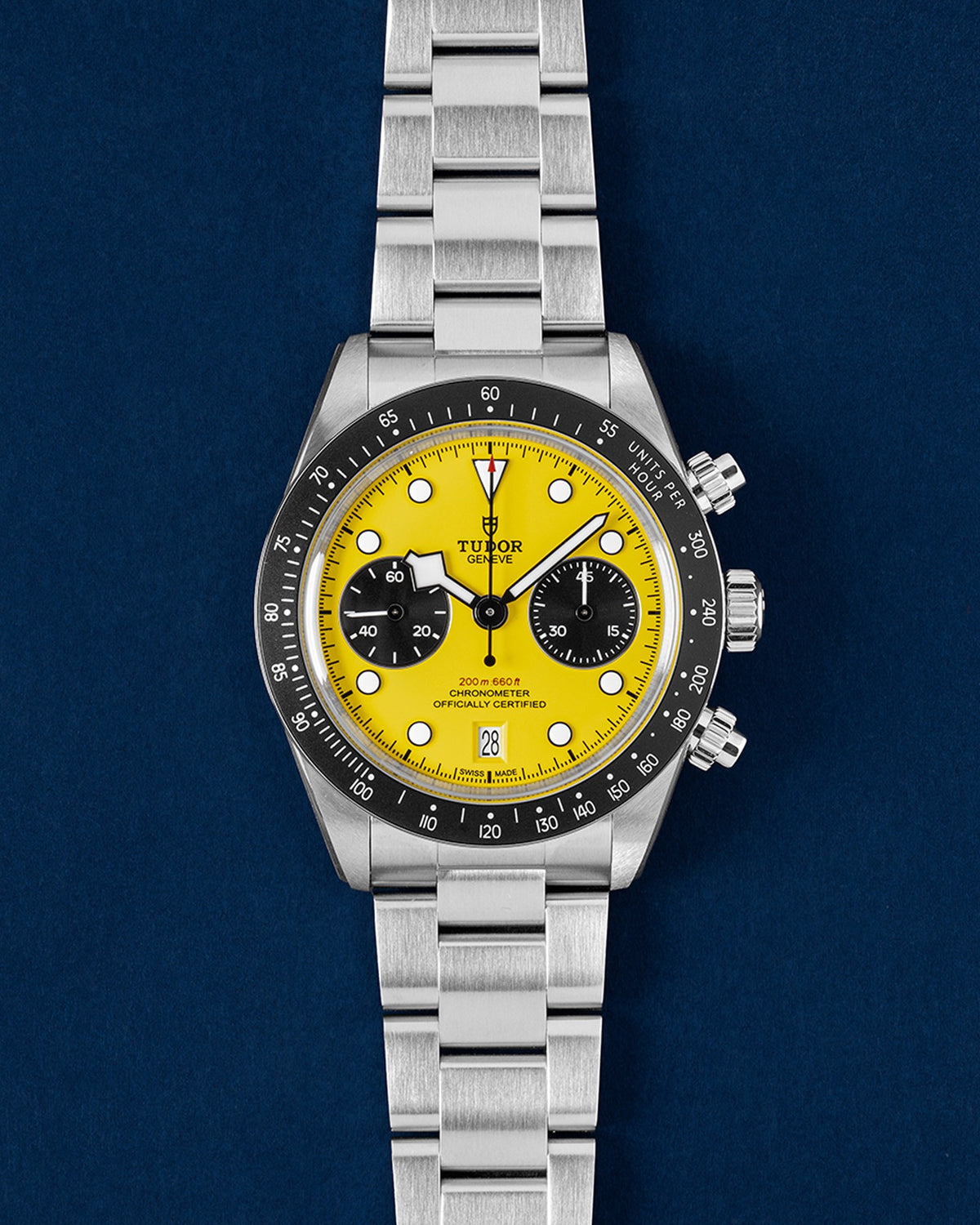
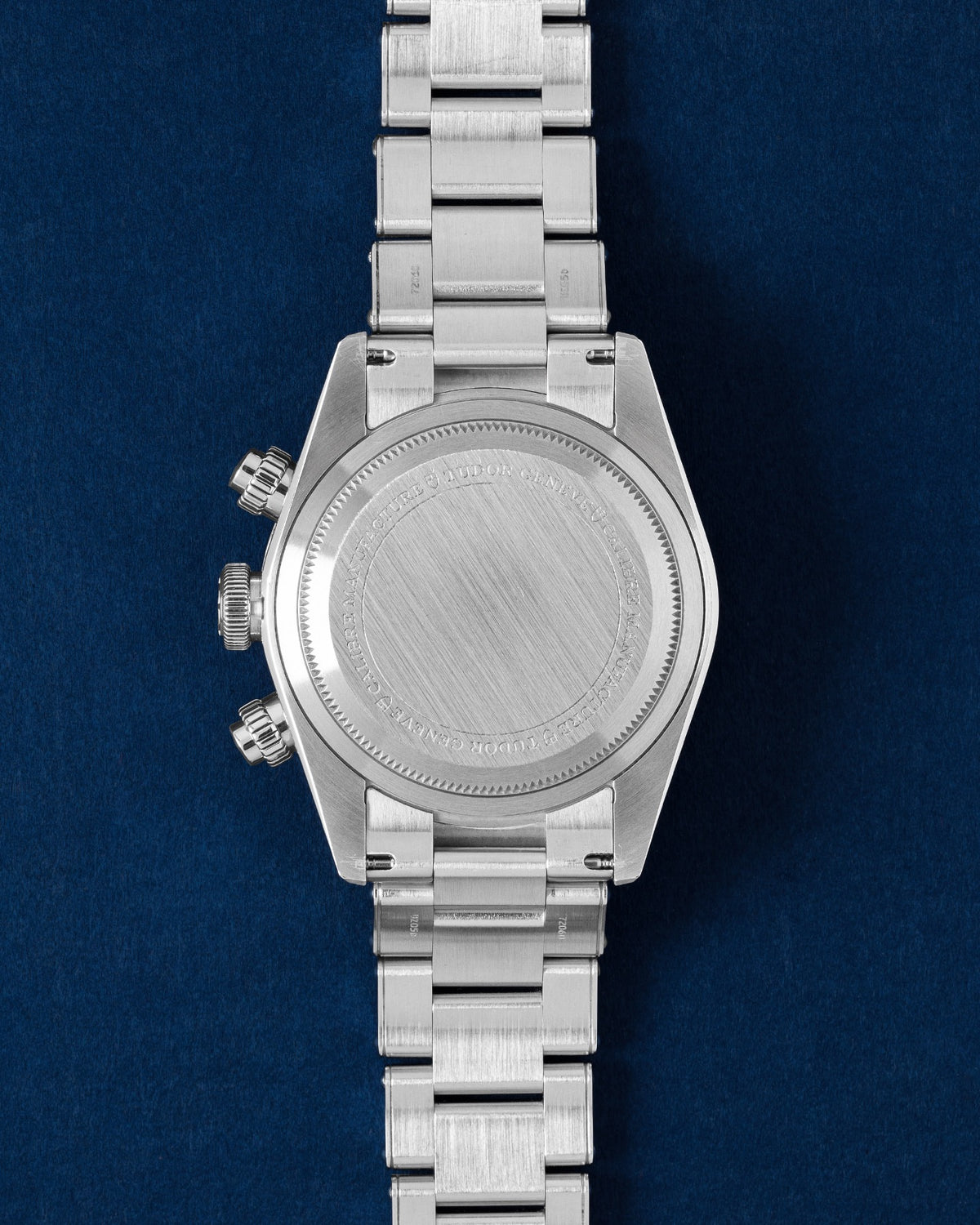
Tudor Black Bay Chrono
Tudor launched the Black Bay Chrono in 2017, and it then quickly became a hit. It uses a movement based on the Breitling B01, so it offers a column wheel, a vertical clutch and about 70 hours of power reserve. Panda and reverse panda dials are also popular, mainly because they recall vintage racing watches. So the Black Bay Chrono is one of the best values in chronograph watches today.
Hublot Big Bang
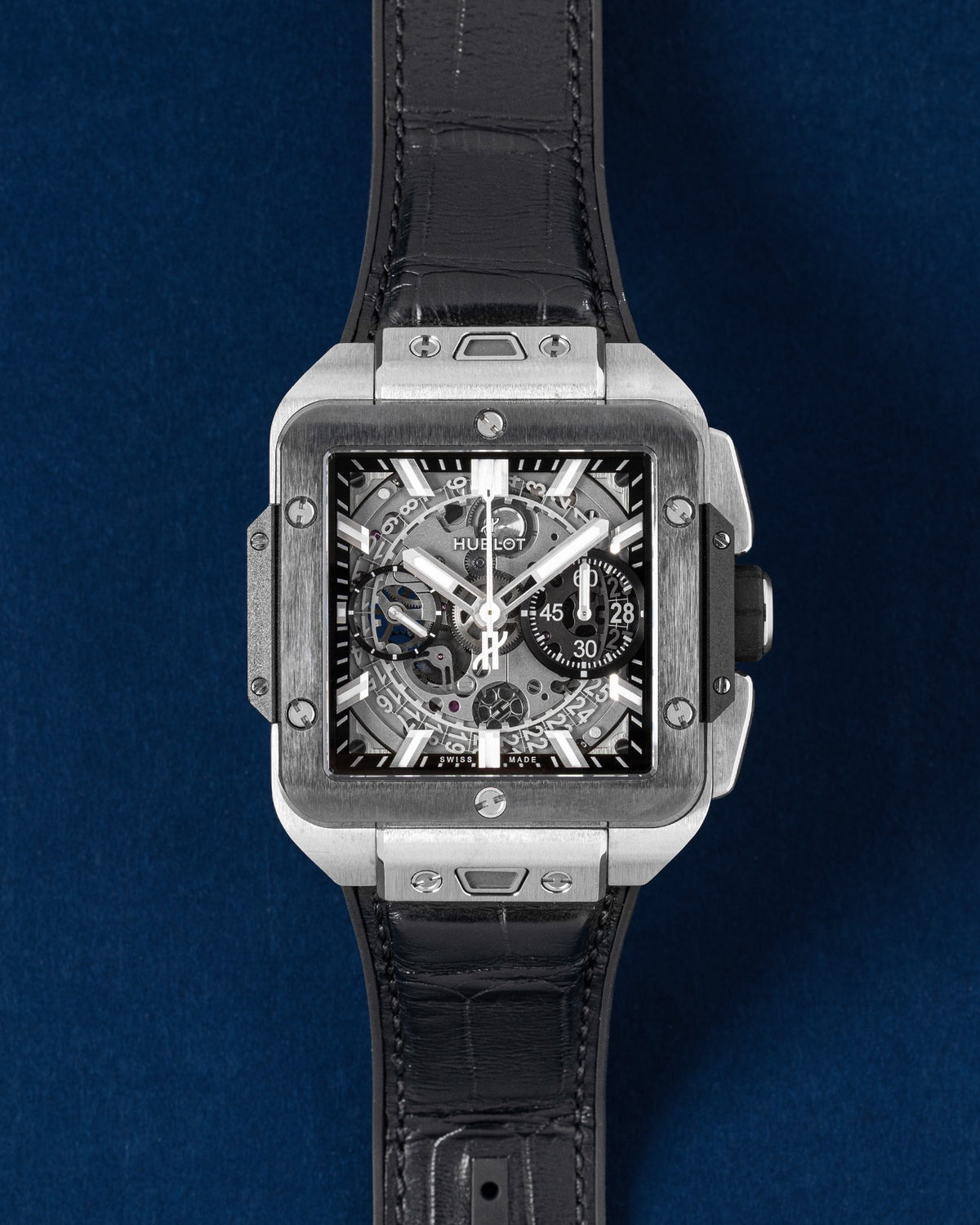
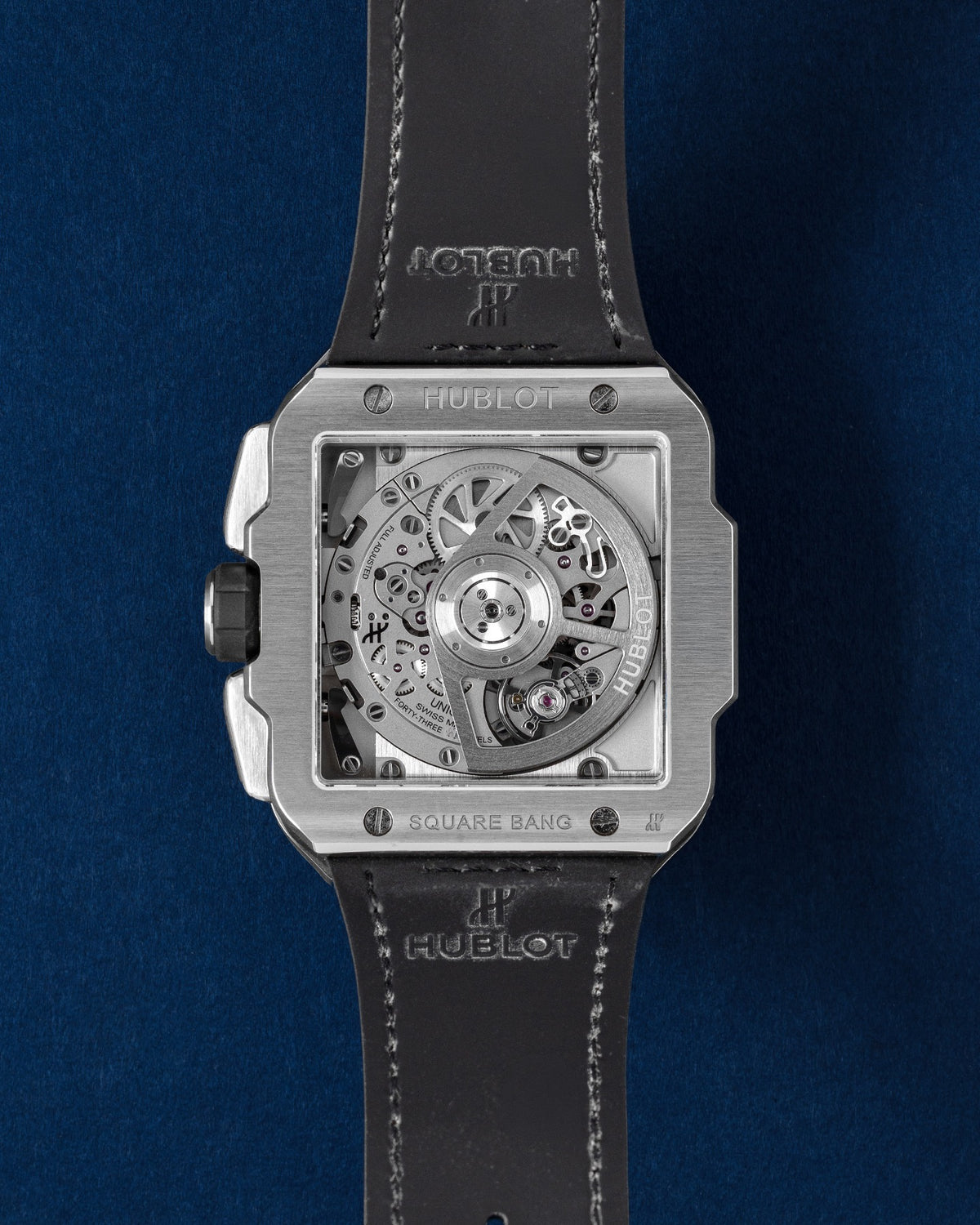
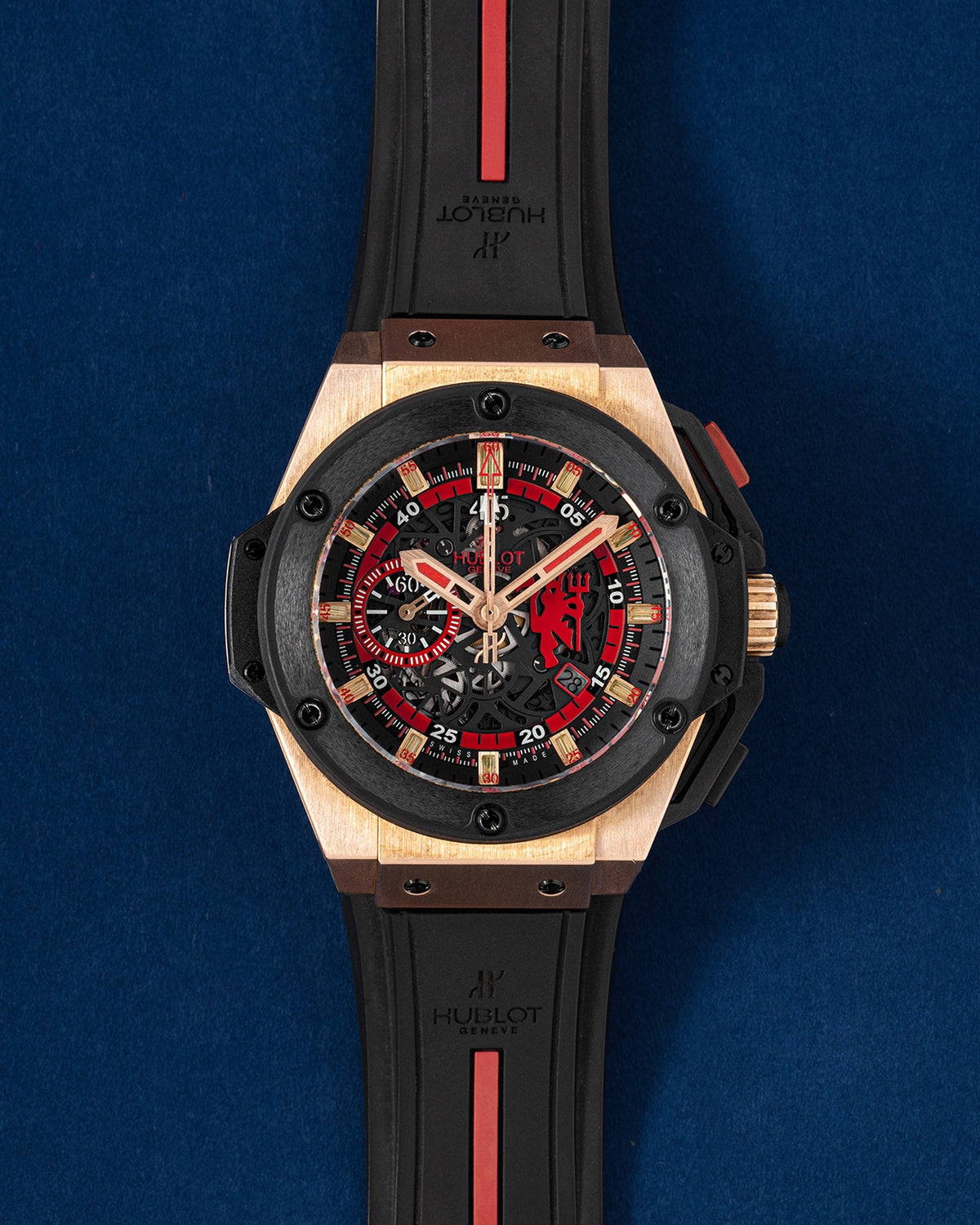
Hublot launched the Big Bang in 2005, and it soon became one of the boldest chronograph watches on the market. It also mixes ceramic, gold, rubber and more in one case. The in-house Unico movement also adds a flyback, while some models add a matching bracelet. So Hublot suits buyers who want a modern, high-impact look.
Panerai, Breguet, Vacheron Constantin and Jaeger-LeCoultre
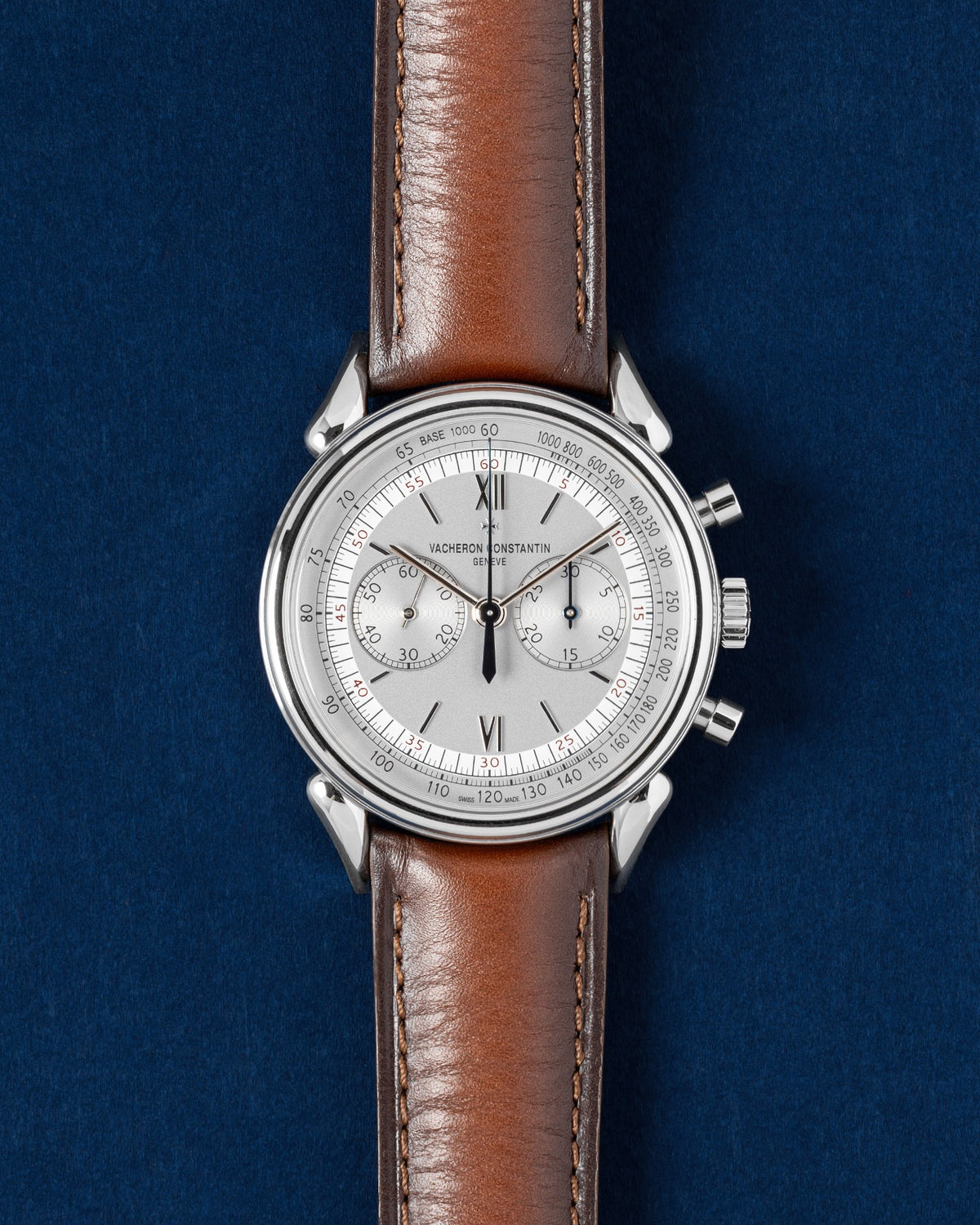
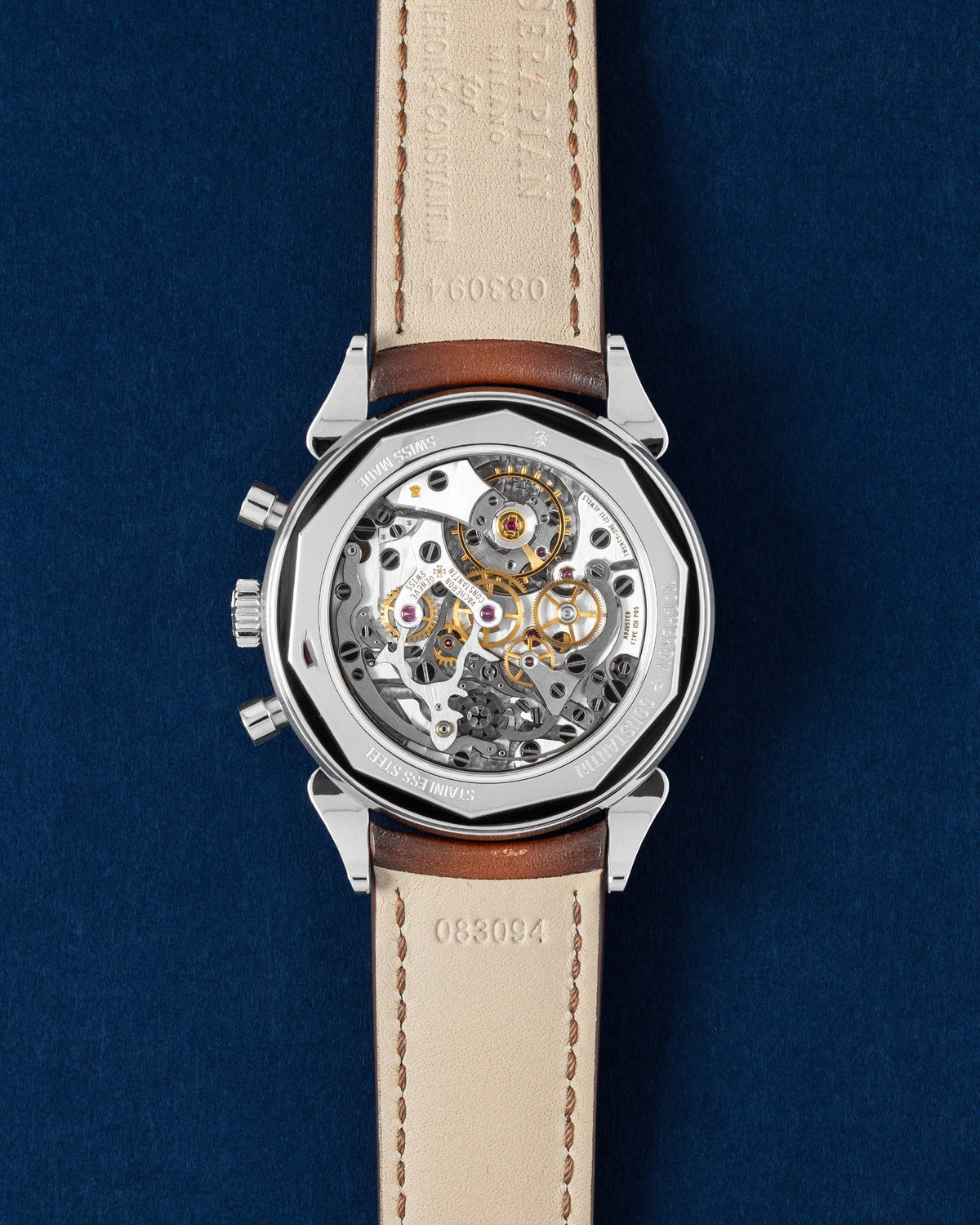
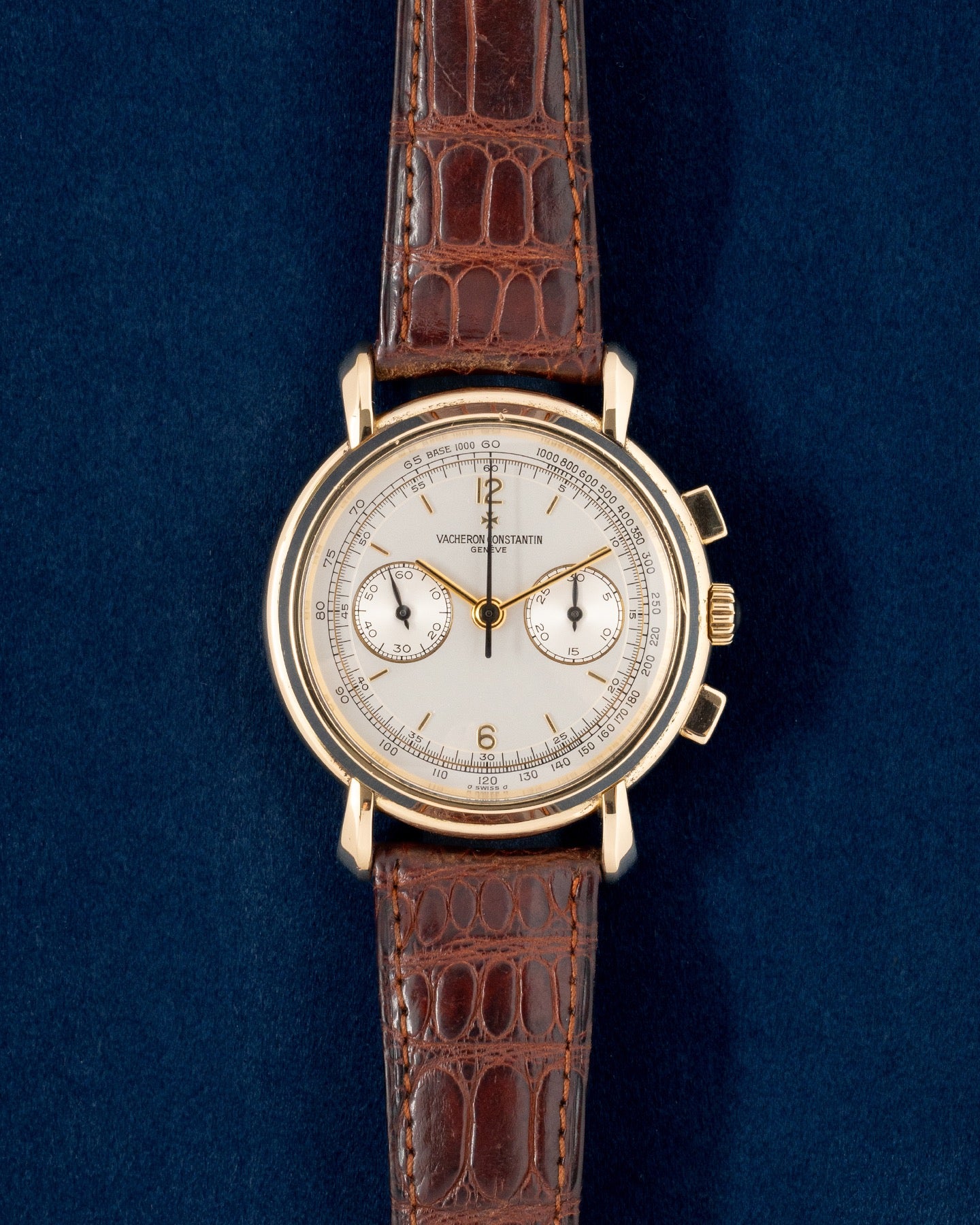
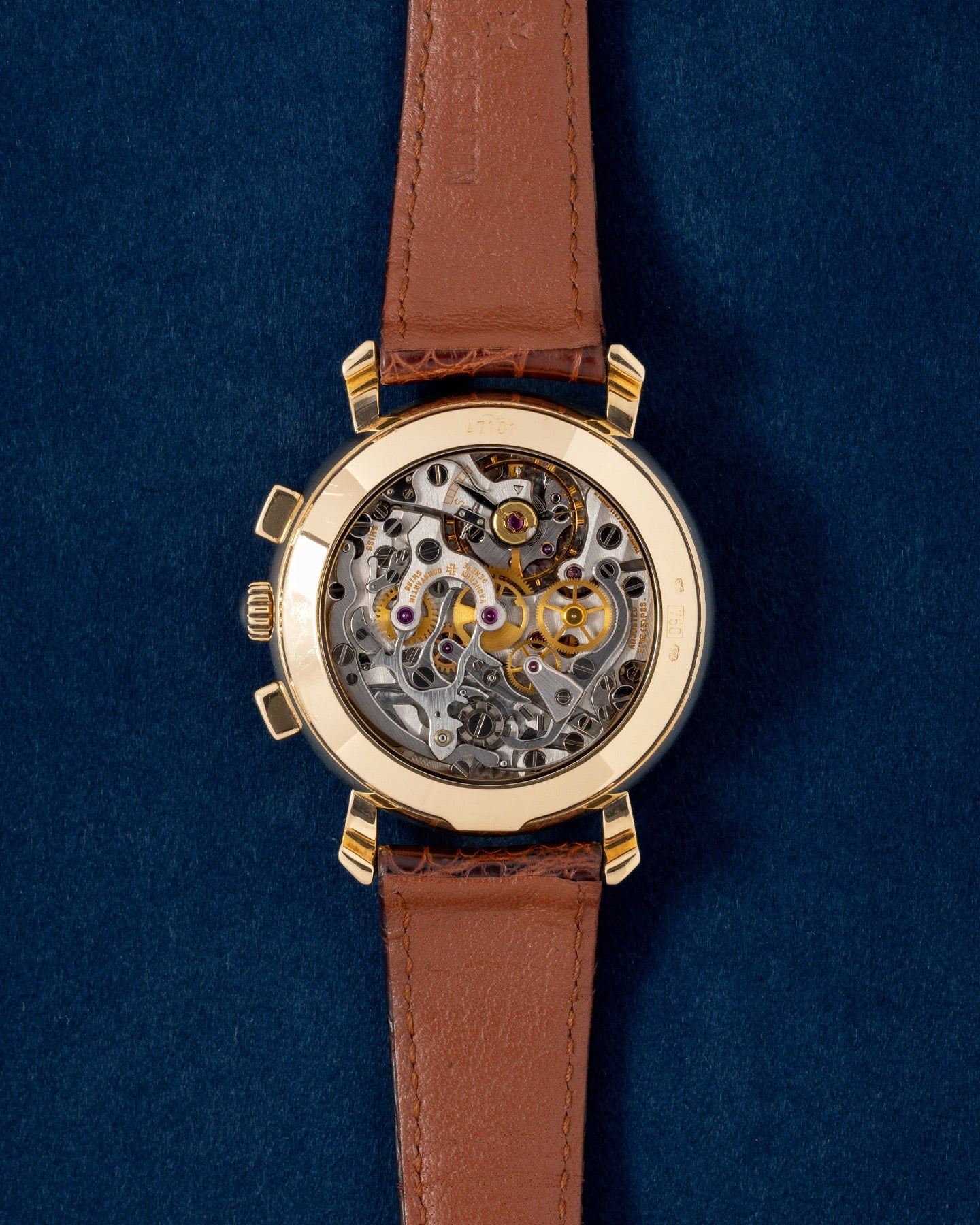
Many other houses also make outstanding chronograph watches. Panerai offers Luminor chronographs and flybacks, while Breguet's Type XX carries real military aviation history. Vacheron Constantin also makes the elegant Cornes de Vache 1955, which revives a classic design. Also, Jaeger-LeCoultre builds the Master Control and Master Compressor models. In addition, Bell & Ross and Cartier offer distinct designs of their own.
Famous Moments for Chronograph Watches
Chronograph watches have also been part of some of the great moments in sport, flight and film. Their stories add meaning to every model, so collectors love to know them. Here, then, are a few moments that made chronograph watches famous far beyond the track.
Chronograph Watches on the Race Track
Racing and chronograph watches have always gone together, because every lap needs a timer. Heuer supplied timing gear to race teams for decades, too. Rolex also ties the Daytona to the famous 24-hour race in Florida, where the overall winners receive one. Then the Monaco became a legend after Steve McQueen wore it in Le Mans. So the race track remains the true home of the chronograph.
Chronograph Watches in the Sky
Pilots also relied on chronograph watches long before cockpit computers. The Breitling Navitimer, for instance, let pilots work out fuel use, speed and distance on the bezel. Breguet also supplied the Type 20 to French military pilots in the 1950s. Later, in 2012, Felix Baumgartner wore a Zenith El Primero when he jumped from the edge of space. As a result, aviation still shapes the look of many chronograph watches today.
Chronograph Watches in Space and on Screen
The Omega Speedmaster, of course, holds the most famous story of all, because it went to the Moon in 1969. Omega has also kept that link alive with many Apollo editions, such as the Silver Snoopy Award. Also, the actor Paul Newman wore his Daytona for years, so a whole family of dials now carries his name. In fact, his own Daytona became one of the most famous watches ever sold at auction. So for many buyers, chronograph watches carry a sense of adventure as well as style.
Discontinued and Vintage Chronograph Watches
Vintage chronograph watches are also some of the most collected watches in the world. They carry real history, because many of them timed actual races, flights and missions. Their dials also age in unique ways, so no two look quite the same. As a result, the best vintage examples draw strong interest from serious buyers.
Vintage Rolex Chronograph Watches
Vintage Rolex chronograph watches, above all, sit at the top of the market. Manual-wind Daytona references, such as the 6239, 6263 and 6265, are highly prized. The "Paul Newman" dials are also legendary, because of their unique fonts and subdial designs. Also, the Zenith-powered 16520 from the late 1980s and 1990s is a modern classic. Later models, such as the 116520 and the 116500LN, also bridge vintage charm and modern use.
Vintage Omega Speedmaster Watches
Vintage Speedmaster chronograph watches, too, offer great history for the money. Early references, such as the 2915, 2998 and 105.012, are true classics. The 145.022 is also popular, mainly because it carries the famous Caliber 861. Also, the 105.012 is the reference Buzz Aldrin wore on the Moon, while the 145.012 followed it. So these chronograph watches give collectors a deep story as well as a strong design.
Vintage Heuer, Breitling and Zenith Chronographs
Vintage Heuer chronograph watches are also highly prized today. Early Carrera, Autavia and Monaco models are most wanted, because they set the racing look. Old Breitling Navitimer models also carry real flight history. Early Zenith El Primero models, too, are loved for their three-color subdials. So great vintage chronograph watches come from many brands, rather than only one.
Expert Opinions on Chronograph Watches
Watch experts, in fact, often describe chronograph watches as the most fun complication to own. They point out that the pushers give a satisfying click, while the sweeping seconds hand is a joy to watch. Many buyers also say the Daytona and the Speedmaster are two of the best watches anyone can buy. Also, others praise the Tudor Black Bay Chrono and the TAG Heuer Carrera for their great value.
Experts also tend to agree on a few simple points. Firstly, pay attention to the movement, because it shapes how a watch feels and lasts. Secondly, focus on condition and originality, especially on vintage models. Finally, buy from a dealer who checks every piece, because fakes and swapped parts are common. In fact, that advice holds whether you are buying your first one or your tenth.
Chronograph Watch Price Trends
Chronograph watches have also shown real staying power over time. Steel Daytona models, for instance, have long been among the most wanted watches on the market. Vintage Daytona and Speedmaster models with their first parts also draw strong interest. Top pieces from Patek Philippe, Lange and Audemars Piguet also stay in high demand, mainly in gold and platinum.
Several things also support that appeal. Iconic design keeps these watches in demand, while tight boutique supply keeps buyers waiting. Chronograph watches are also hard to make, so fine ones are never made in vast numbers. As a result, a well-chosen piece can bring both joy and lasting appeal. Our team can also explain which models have held up best over time.
Limited Editions and Precious Metal Chronograph Watches
Some chronograph watches, though, are made in small numbers or in precious metals. So these pieces stand apart from the steel tools that define much of the field. They also make excellent additions to a collection, mainly for buyers who already own a classic steel model. Here, then, are the main types you will see.
Limited Edition Chronograph Watches
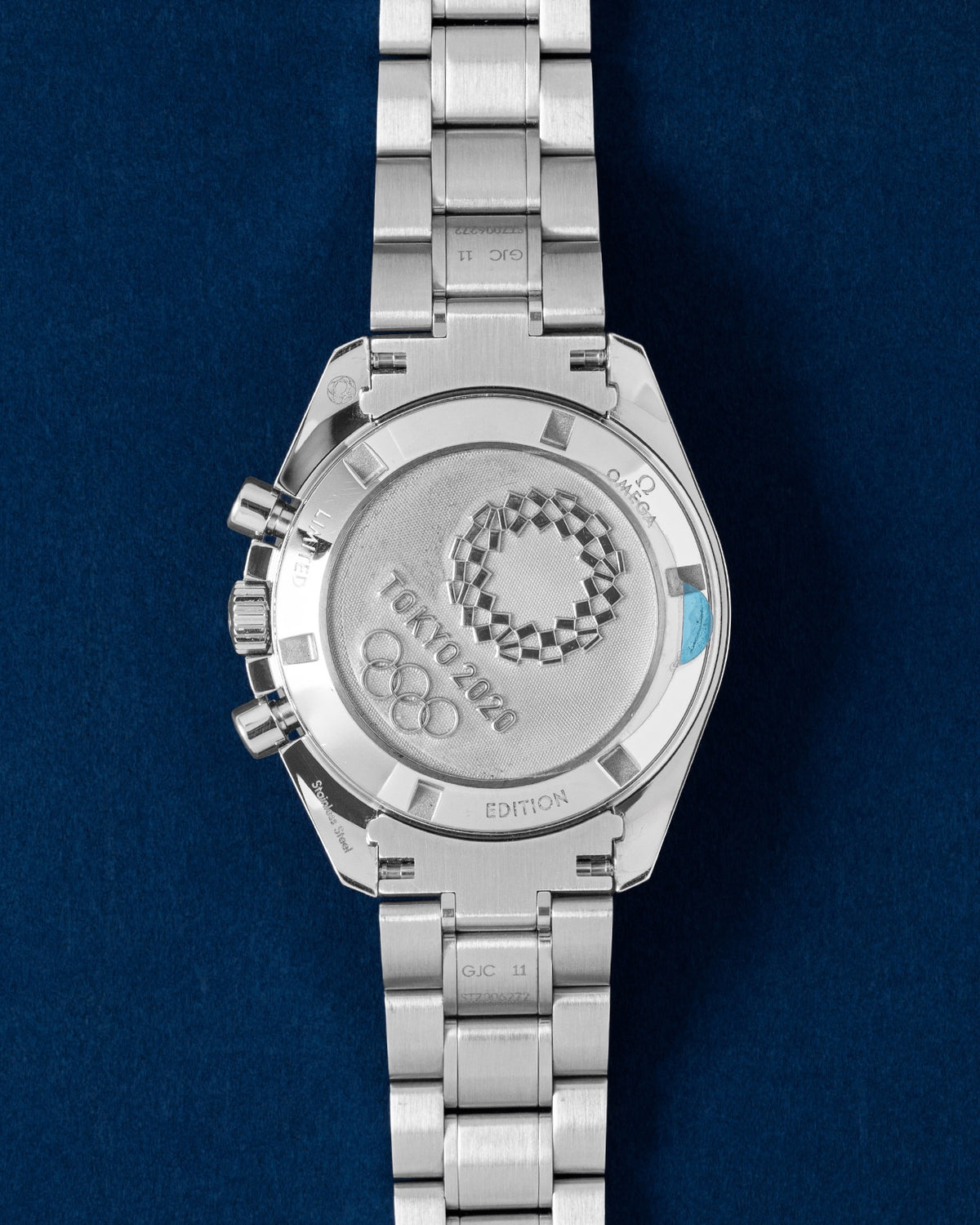
Limited edition chronograph watches also often mark a special event, partner or place. Omega has made many of them, such as the Silver Snoopy Award and the Tokyo 2020 models. TAG Heuer has also teamed up with partners on rare runs, while Hublot makes many limited Big Bang models. So limited editions let you own chronograph watches with a story of their own.
Gold and Platinum Chronograph Watches
Gold chronograph watches also blend function with luxury. Yellow, white and rose gold Daytona models are classics, especially on a rubber Oysterflex strap. Rolex also makes a platinum Daytona with an ice blue dial, while Patek builds the 5270 in platinum. Omega likewise offers gold Speedmaster models. Our gold watches collection also shows more options in fine metal.
Gem-Set Chronograph Watches
Gem-set chronograph watches take luxury even further. Rolex has made Daytona models with ruby, sapphire and diamond bezels, such as the rainbow models. Hublot and Audemars Piguet also offer gem-set pieces. These watches are rare, so they appeal to buyers who want something truly special. Still, they keep the same fine movements as standard chronograph watches.
Popular Chronograph Watch Comparisons
Buyers often weigh one model against another, so here are the comparisons we hear most. Each pair also has strengths, which means the right choice depends on your taste and budget. Our team is also glad to put any of these chronograph watches side by side for you.
Rolex Daytona vs Omega Speedmaster
The Daytona and the Speedmaster are, of course, the two most famous chronograph watches in the world. The Daytona is automatic, while the Moonwatch is manual-wind. The Daytona also uses a 40mm Oyster case rated to 100 meters, whereas the Speedmaster is 42mm and more vintage in feel. But the Speedmaster often costs much less, so it offers great value. In the end, the Daytona wins on prestige, while the Speedmaster wins on history and price.
Manual-Wind vs Automatic Chronographs
Manual-wind chronograph watches, firstly, must be wound by hand, often every day or two. Many buyers love that ritual, especially on a Speedmaster or a vintage Daytona. Manual movements are also thinner, so they let the case sit lower on the wrist. Automatic models, though, wind themselves as you move. So they suit buyers who want a watch that is always ready to wear.
Column Wheel vs Cam Chronographs
Column wheel chronograph watches, firstly, are prized for their smooth, crisp pusher feel. They are also harder to make, so they often appear in higher-end movements. Cam designs, though, are simpler and very tough, which is why the Valjoux 7750 has lasted for decades. Both types keep excellent time, although a column wheel often feels more refined. In short, the choice comes down to feel and budget rather than accuracy.
Chronograph Watches vs GMT Watches
Chronograph watches time short events, while GMT watches track a second time zone. So a chronograph suits racing, cooking and timing, whereas a GMT suits travel. Some watches, such as the Breitling Super Avi, also offer both. But most buyers choose one based on how they live. For a classic travel watch, also see the Rolex GMT-Master II.
Chronograph Watch Features
Beyond the basics, though, chronograph watches differ in many small ways. Dial style, movement, size and material also change how a watch looks and feels. So it helps to know your options before you choose. So here is a quick guide to the main features of modern chronograph watches.
Chronograph Watch Dials
Chronograph watches also come with some of the most varied dials in watchmaking. Black and white are the classics, while panda and reverse panda dials add strong contrast. Blue and green dials are also popular, mainly on the Daytona and the Black Bay Chrono. Also, tri-color subdials, such as on the Zenith El Primero, add a vintage touch. So the dial often shapes the whole personality of the watch.
Chronograph Watch Movements
Most modern chronograph watches wind themselves, although many classics still wind by hand. Rolex uses Caliber 4131, while Omega uses Caliber 3861 in the Moonwatch. Breitling also uses the B01, and Zenith uses the El Primero. So today's in-house movements are more robust than ever.
Chronograph Watch Sizes
Chronograph watches generally range from about 37mm to over 46mm. Most modern models sit between 40mm and 42mm, because that suits most wrists. Smaller models, such as the 38mm Speedmaster, also suit slimmer wrists and vintage tastes. Also, bold models such as the Big Bang and the Navitimer 46 are much larger. So try the thickness as well as the diameter, because chronographs are often thicker than simple watches.
Chronograph Watch Materials
Modern chronograph watches also use many advanced materials. Steel is the classic choice, while gold and platinum add luxury. Ceramic cases are also scratch-resistant, as on the Dark Side of the Moon and the Big Bang. Titanium and forged carbon, too, keep weight low. As a result, today's chronograph watches are tougher and more varied than ever.
How to Use Chronograph Watches
Chronograph watches are simple to use, especially once you know the basics. A few habits also keep them working well for years. So here is how to get the most out of chronograph watches every day.
Start, Stop and Reset
Firstly, press the top pusher to start the timer, so the central seconds hand begins to sweep. Then press the top pusher again to stop it. You can also press it once more to resume timing, which adds to the total. Finally, press the bottom pusher to reset all the hands to zero. In fact, that simple sequence works on nearly all two-pusher chronograph watches.
Reading the Tachymeter
To measure speed, firstly, start the timer as you pass a mile or kilometer marker. Then stop it when you pass the next marker. The seconds hand will then point to your average speed on the tachymeter scale. So if the hand stops at 120, you were traveling at 120 miles or kilometers per hour. In short, it is one of the most clever tools chronograph watches offer.
Care Tips for Chronograph Pushers
Never press the pushers underwater, unless the maker says it is safe, because water can enter the case. Also avoid pressing the reset pusher while the timer is running, unless the watch has a flyback function. Screw-down pushers, such as on the Daytona, should also be screwed down before water contact. Also, running a vertical clutch chronograph for long periods is often fine. So follow these simple habits, and your watch will serve you for years.
How to Wear Chronograph Watches
Chronograph watches are, above all, some of the most versatile watches you can own. They work with a suit, jeans or a polo, so they fit almost any day. Still, a few simple tips help you wear them well in every setting.
Chronograph Watches at Work
At the office, for example, a classic steel chronograph is always a strong choice. A Speedmaster or a Portugieser, for example, looks sharp with business clothes. A slimmer case also slips more easily under a shirt cuff. So choose a model with clean lines rather than a bulky sport case. In fact, many executives wear chronograph watches every day for this reason.
Chronograph Watches on Weekends
On weekends, though, chronograph watches truly shine. A Daytona on an Oysterflex strap, for example, suits the golf course or a day at the track. A bold Big Bang or Royal Oak Offshore also adds a statement. As a result, a chronograph is often the watch people reach for when they want to have fun.
Chronograph Watches with a Suit
Many people also wear chronograph watches with a suit, and that tradition goes back decades. A gold Daytona or a Patek Philippe chronograph on a leather strap, for example, looks refined and confident. A slim Portugieser also works well, mainly with a navy or gray suit. But for black-tie events, a classic dress watch is still the more formal choice.
Building a Collection with Chronograph Watches
Chronograph watches also make a great foundation for any collection. Many buyers start with one classic steel chronograph, such as a Speedmaster, a Carrera or a Black Bay Chrono. Then they add a second one with a different movement, color or era. A vintage piece also adds history, while a split-seconds or calendar model adds serious mechanics. So a small group of chronograph watches can cover a wide range of style.
From there, many buyers also branch out into other types. A diver, a dress watch and a GMT, for example, round out a strong lineup. But a good chronograph often remains one of the watches you wear most. In fact, it is often the piece that sparks a lifelong love of watches.
Men's and Women's Chronograph Watches
Chronograph watches are made for everyone, so the field includes many sizes. Most men's models sit between 40mm and 44mm, although many men now prefer smaller cases. Women's chronograph watches also range widely, such as 36mm to 40mm models. Also, many smaller models, such as the 38mm Speedmaster and the Daytona, suit any wrist. So the best approach is to choose by fit and style rather than by label.
Many women also wear classic men's chronograph watches, mainly as a bold statement. A steel Daytona or a Royal Oak Chronograph on a slim wrist, for instance, looks confident and modern. Gem-set and gold models also offer extra sparkle, too. Either way, our team can also help you find chronograph watches that fit comfortably and look right.
Condition and Originality in Pre-Owned Chronograph Watches
Condition, of course, matters a great deal with pre-owned chronograph watches. Because chronographs have more parts than simple watches, they also need more careful checking. Still, honest wear is not always bad, because age can add charm. The key, therefore, is to understand which details affect quality and value.
Pushers, Bezels and Function
Pushers and timing functions, for example, are the first things to check on pre-owned chronograph watches. The pushers should feel crisp, while the hands should start, stop and reset cleanly. Bezels also matter, especially tachymeter inserts on vintage Speedmaster and Daytona models. In fact, a smooth reset to exactly zero is a sign of a healthy movement.
Original Dials and Hands
Original dials and hands also matter most on vintage chronograph watches. New parts are common, because many watches were serviced over the years. So a watch with its first dial, hands and subdials is often worth more. Our team also checks each piece with care, and we list any service parts clearly.
Box, Papers and Service Records
Box and papers add confidence, as well as value, to pre-owned chronograph watches. Original warranty cards, for example, help confirm the date and origin of a watch. Service records also show how well a watch has been cared for, mainly on older models. So every listing at Grand Caliber states clearly what is included.
How We Authenticate Pre-Owned Chronograph Watches
Chronograph watches are among the most faked watches in the world, so careful checking matters. At Grand Caliber, every watch is examined in-house before it is listed. We check serial and model numbers, as well as case markings. We also inspect the dial, hands, pushers, bezel and bracelet. Then we open the caseback to examine the movement.
We also test every chronograph function, such as start, stop, reset and flyback. In addition, we check each detail against our own records, mainly on vintage models. If a part has been replaced, we say so clearly. As a result, you know just what you are getting with each one of our chronograph watches.
Chronograph Watch Service and Maintenance
Chronograph watches need regular care, because their movements have more moving parts. Most modern chronograph watches, for example, benefit from a full service every five to ten years. But signs such as a sticky pusher, a hand that does not reset to zero or a short power reserve mean service is due sooner. During service, a watchmaker cleans and oils the movement, while also replacing worn parts and gaskets.
Grand Caliber also works with the best watchmakers in Dallas for service and polishing. So our team can advise on any of your chronograph watches, whether you bought them from us or elsewhere. We can also explain what a specific model is likely to need. In fact, regular care is the best way to keep a watch running for decades.
Buying Your First Chronograph Watch
Buying your first chronograph is exciting, so take your time and enjoy it. Firstly, think about how you will wear it, such as daily, at the office or on weekends. Then decide between manual-wind and automatic, because the feel is quite different. Also consider your budget, because great chronograph watches exist at many price points. For example, a TAG Heuer Carrera, a Tudor Black Bay Chrono and an Omega Speedmaster each make a superb first choice.
Above all, buy from a dealer who checks every piece and explains it clearly. Our team at Grand Caliber also spends real time with first-time buyers. We can compare chronograph watches side by side, as well as explain their history and movements. So you can buy your first one with confidence.
Why Buy Pre-Owned Chronograph Watches
Pre-owned chronograph watches also offer real advantages. Firstly, there are no waitlists, so you can buy the Daytona you want today. You also gain access to past and vintage models that boutiques no longer sell. In addition, pre-owned pricing often brings a higher tier of watch within reach. So the secondary market opens up far more choice.
At Grand Caliber, moreover, every pre-owned piece is checked in-house and priced in the open. We also ship fully insured, while Make an Offer is open on every listing. As a result, buying pre-owned chronograph watches from us is simple and safe. Our team is also always ready to answer any questions before you buy.
Need Help Choosing Chronograph Watches
Choosing among chronograph watches is personal, so we are always glad to help. Maybe you know the exact model you want, or maybe you are still exploring. Either way, our team can also talk you through movements, sizes, metals and dials. We can help by phone or email, as well as in person at our McKinney Avenue showroom in Uptown Dallas. When the watch you want is not in the collection above, we can also find it through our network worldwide.
Grand Caliber is well respected in the Dallas community, and we also serve collectors across the United States, including Hawaii and Alaska. Every order also ships fully insured. Call (214) 225-7198 or email info@grandcaliber.com when you want to ask about any of our chronograph watches. You can also request a quote on a watch you want to sell, or set up a time to see the collection in person.
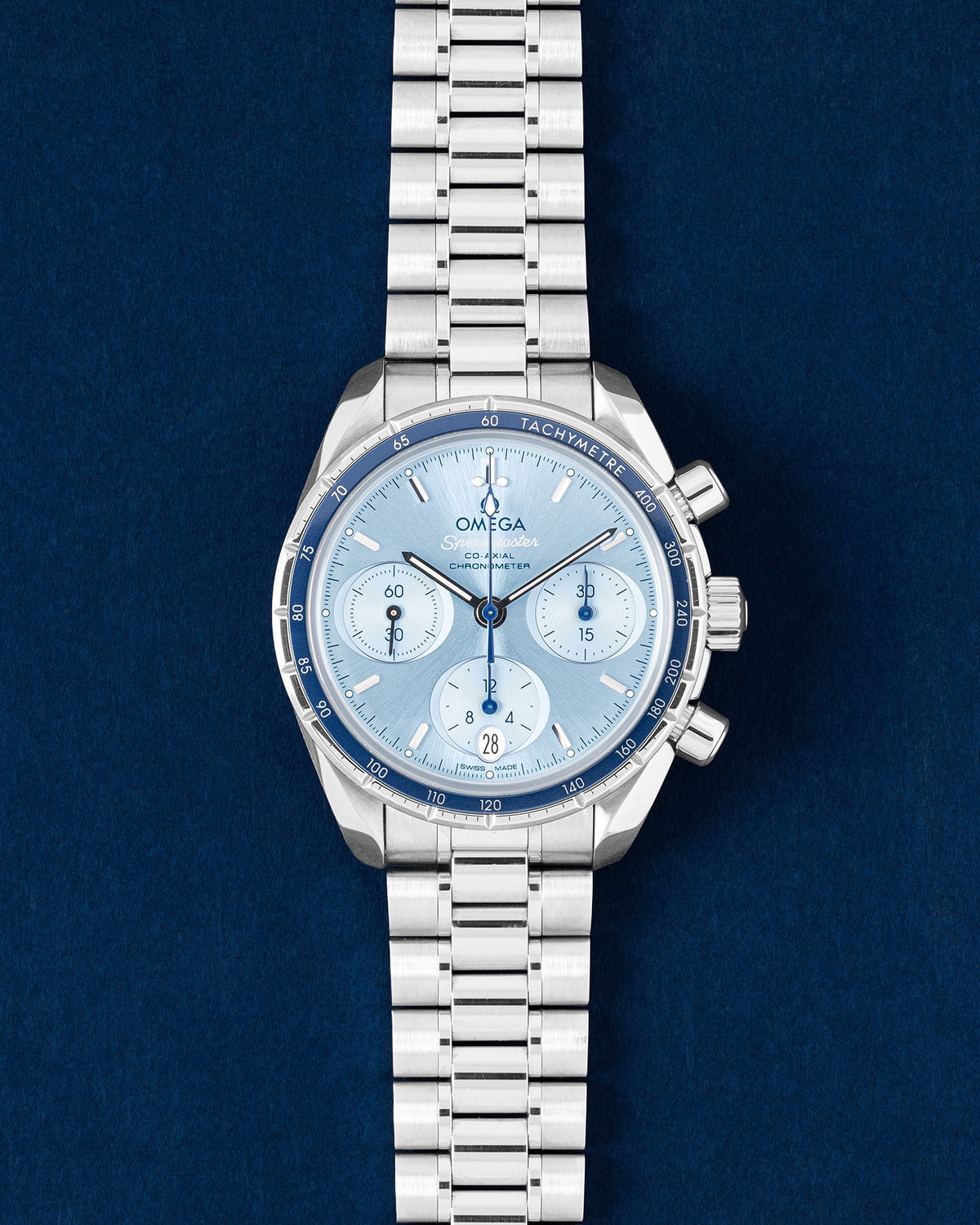
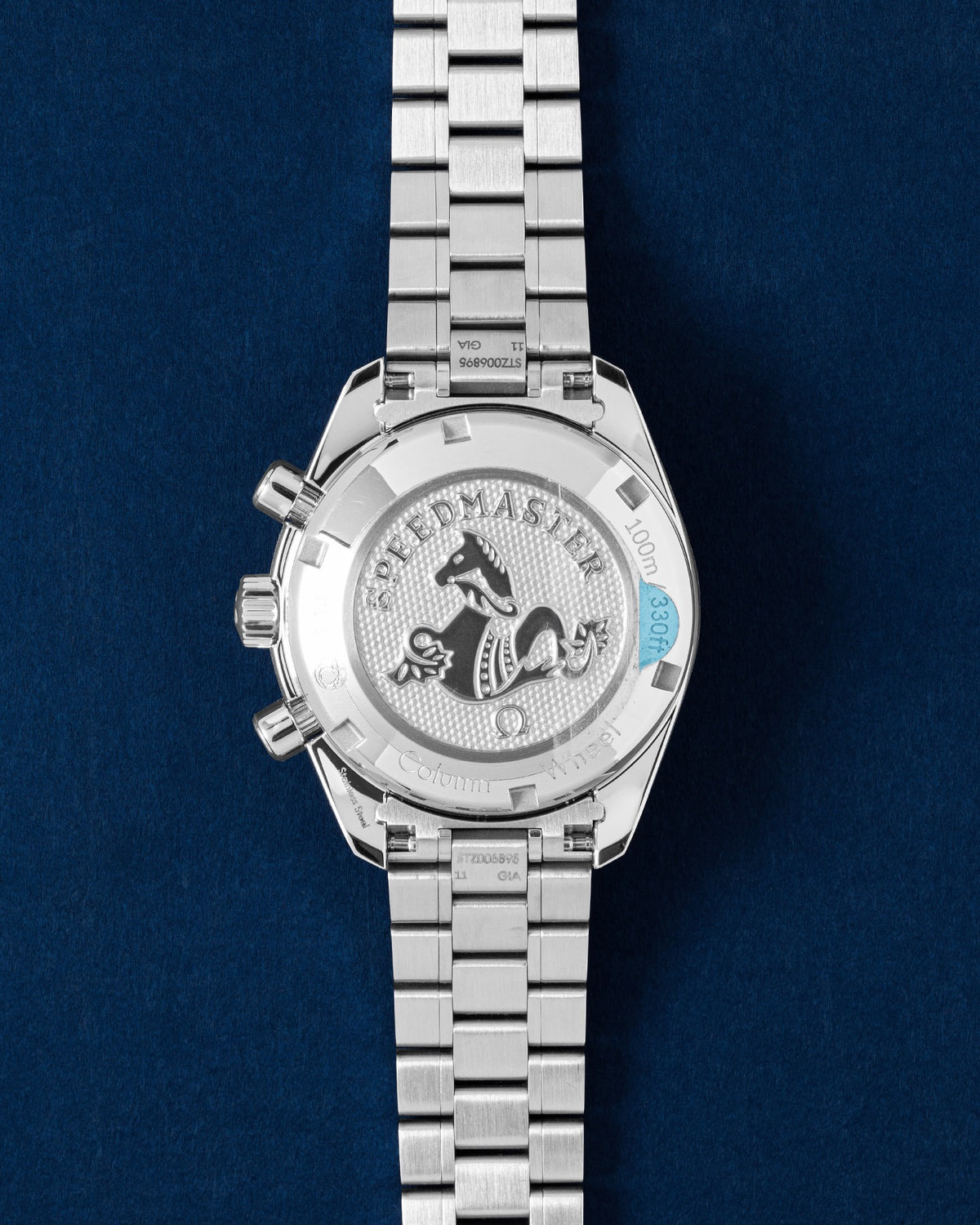
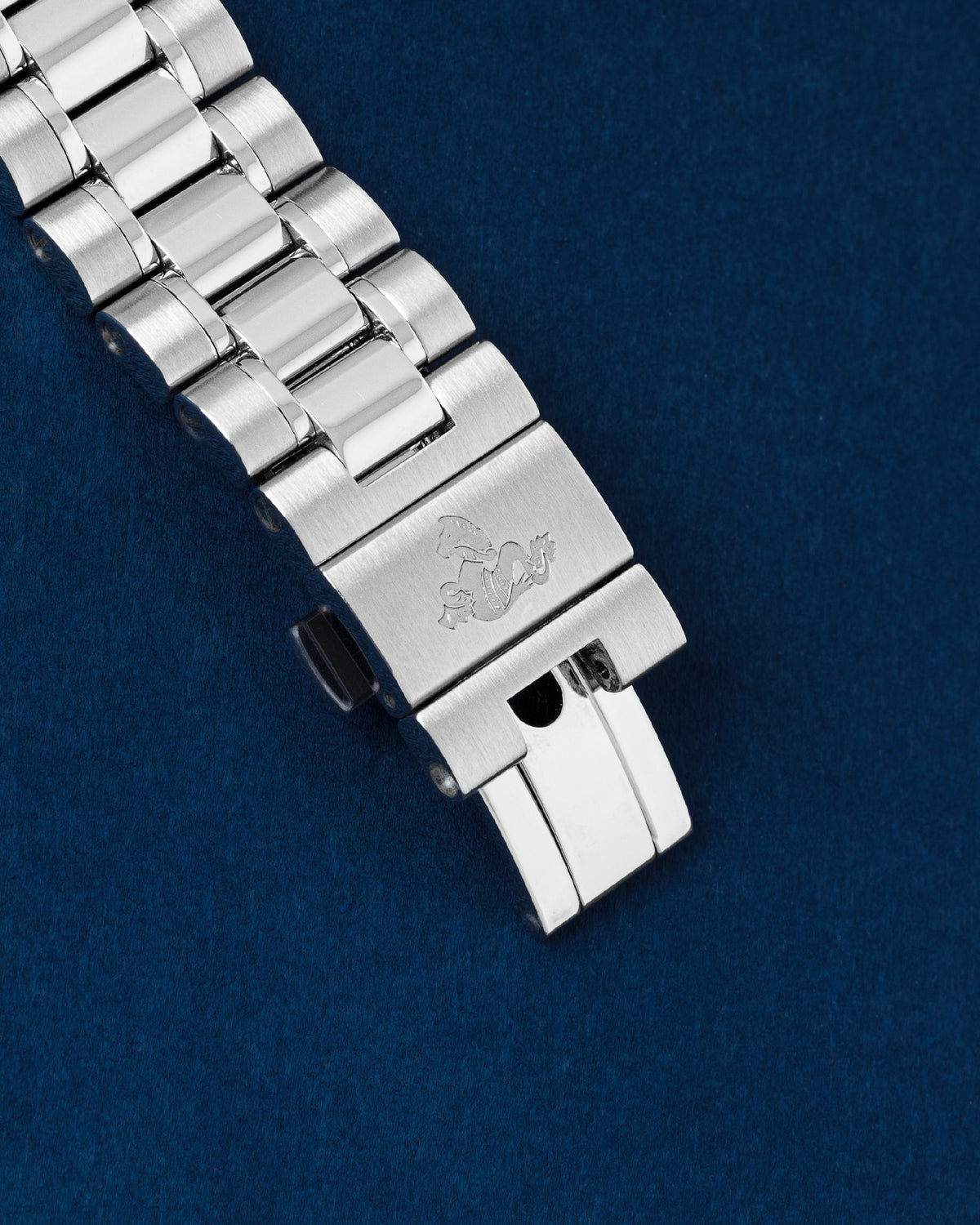
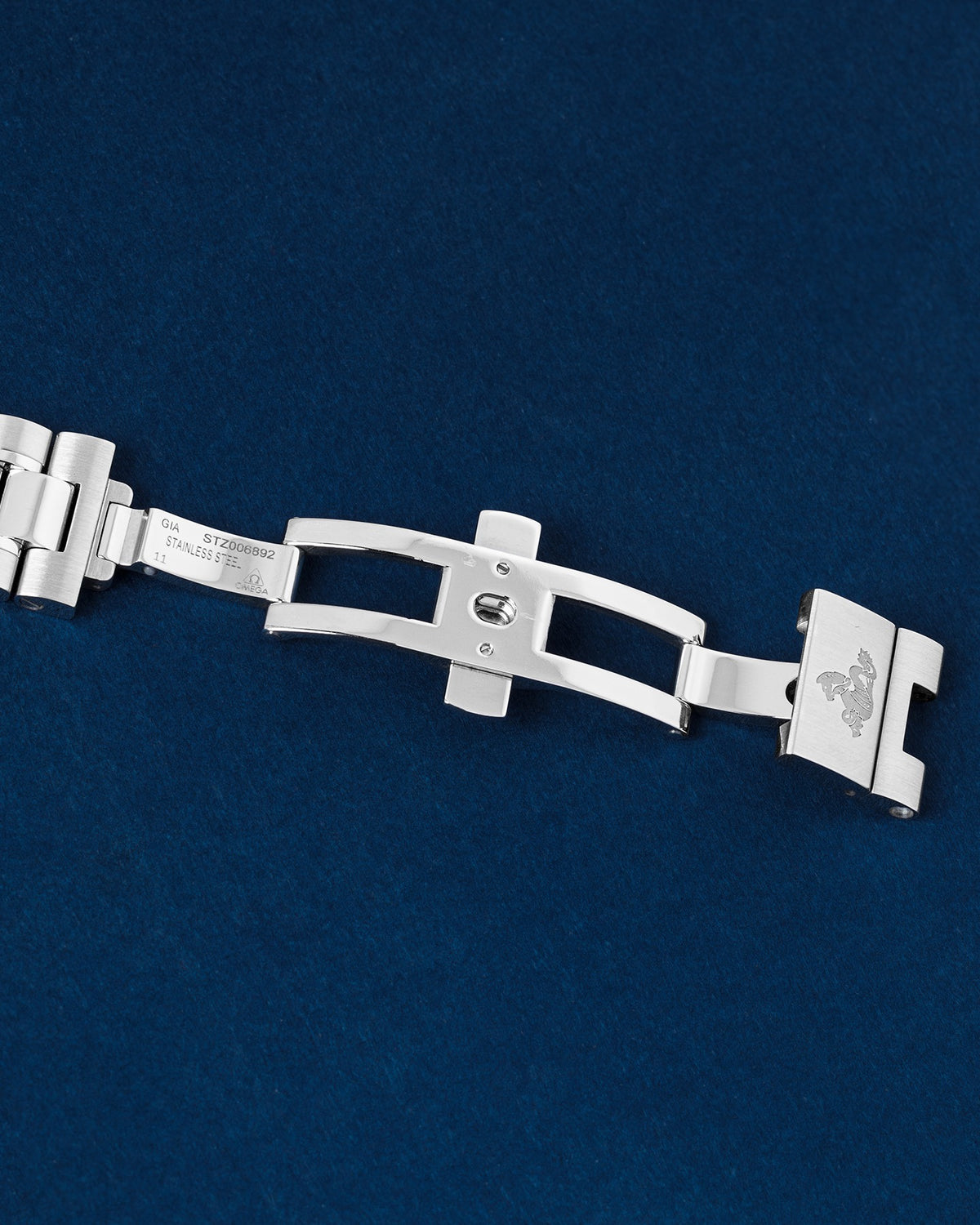
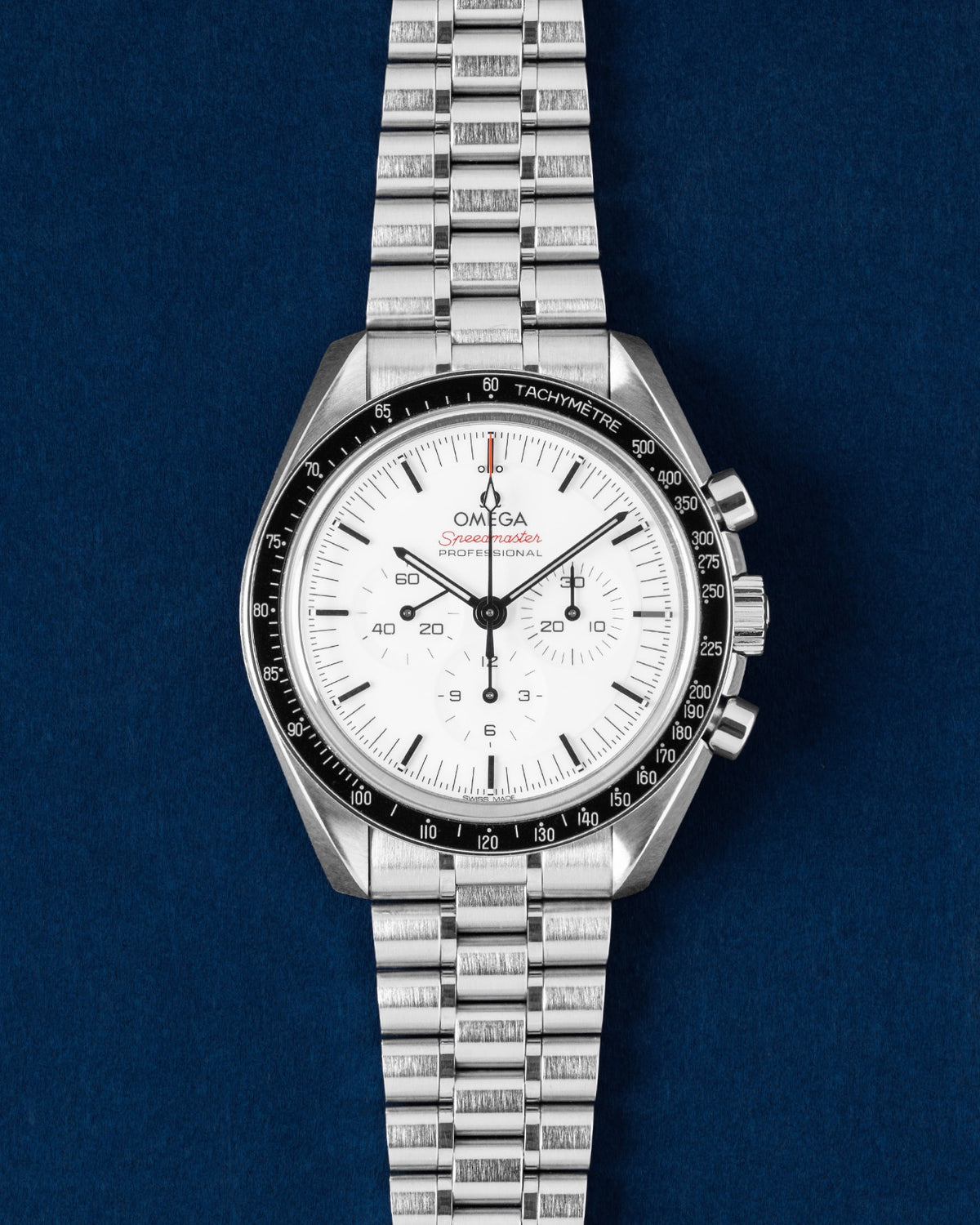
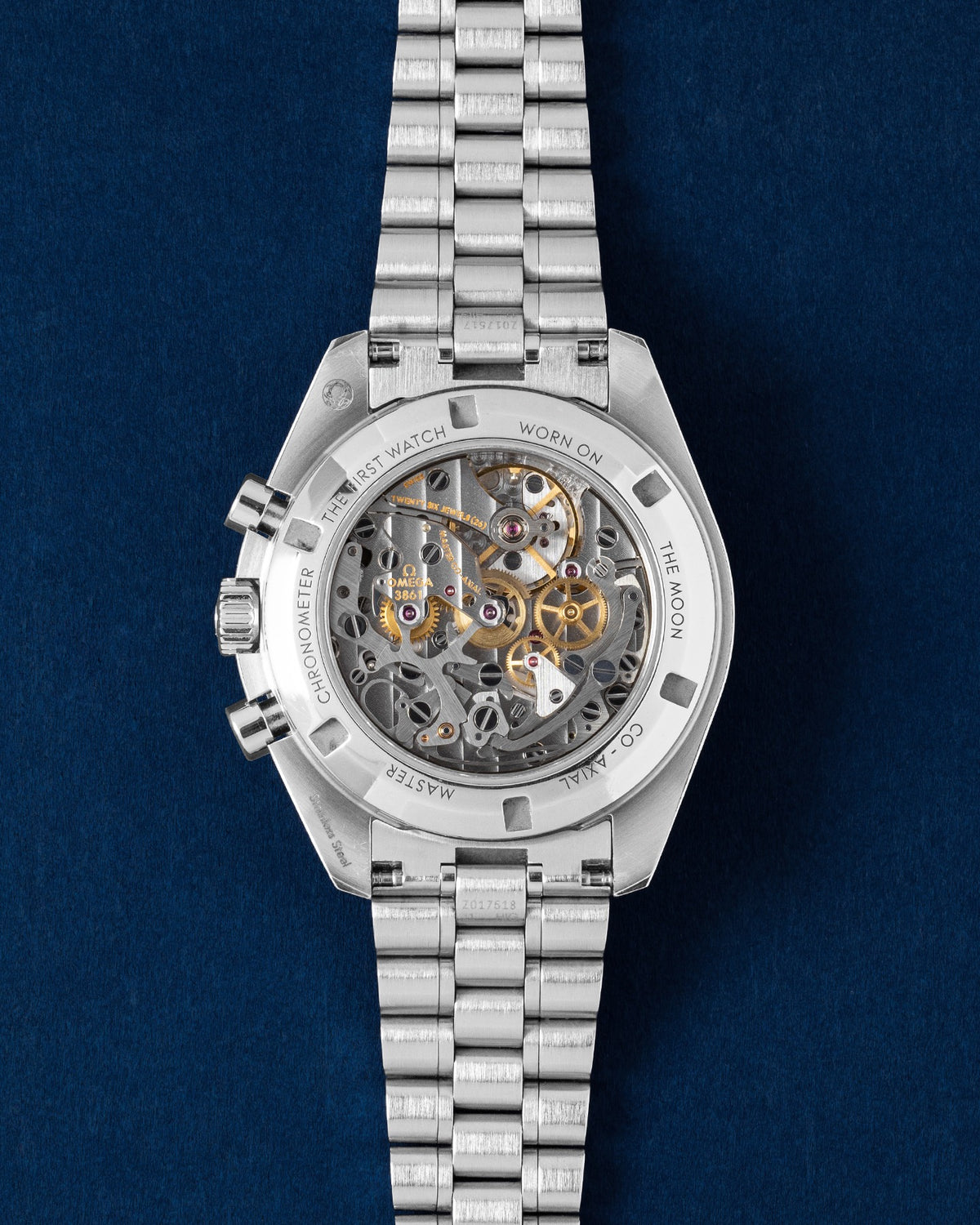
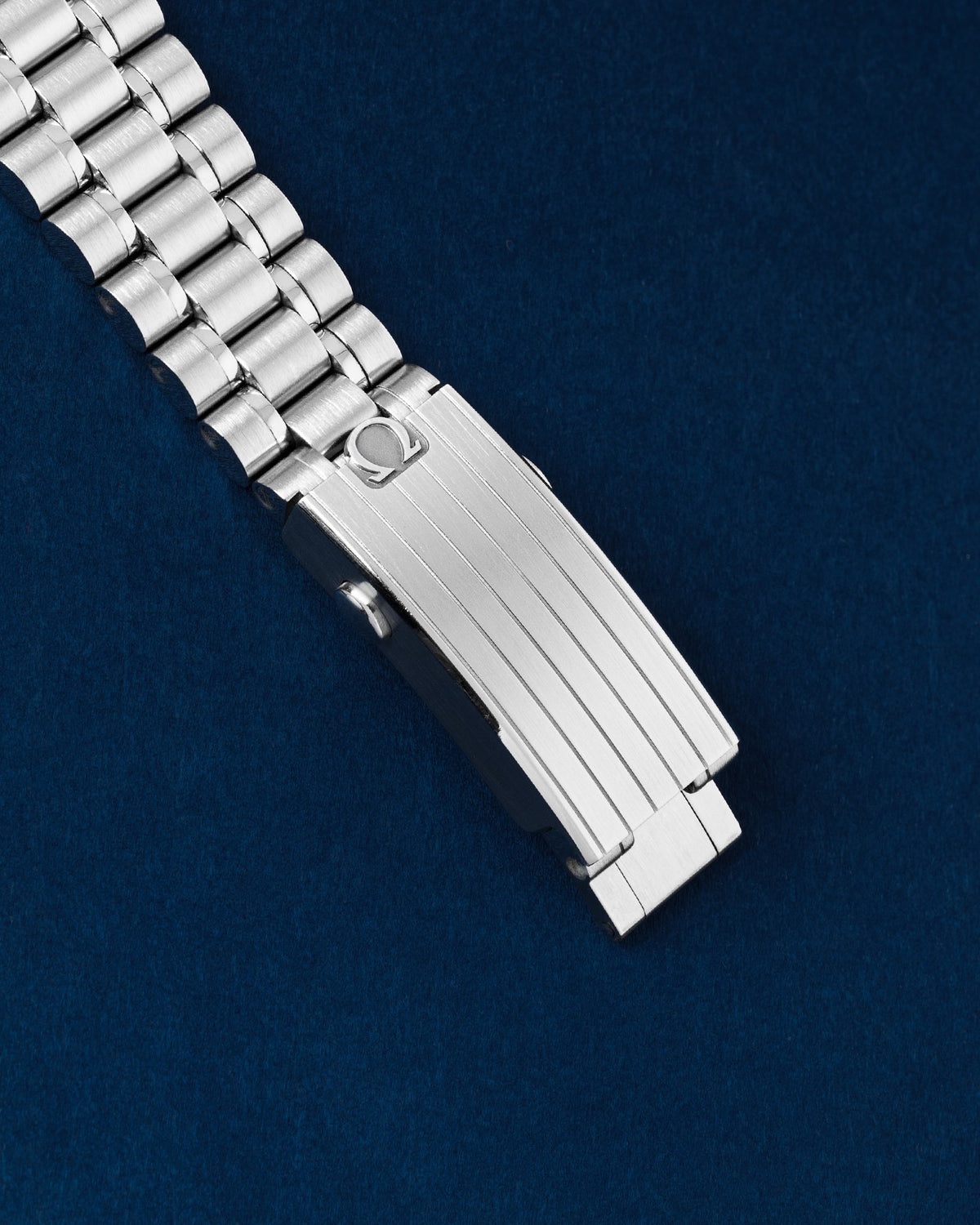
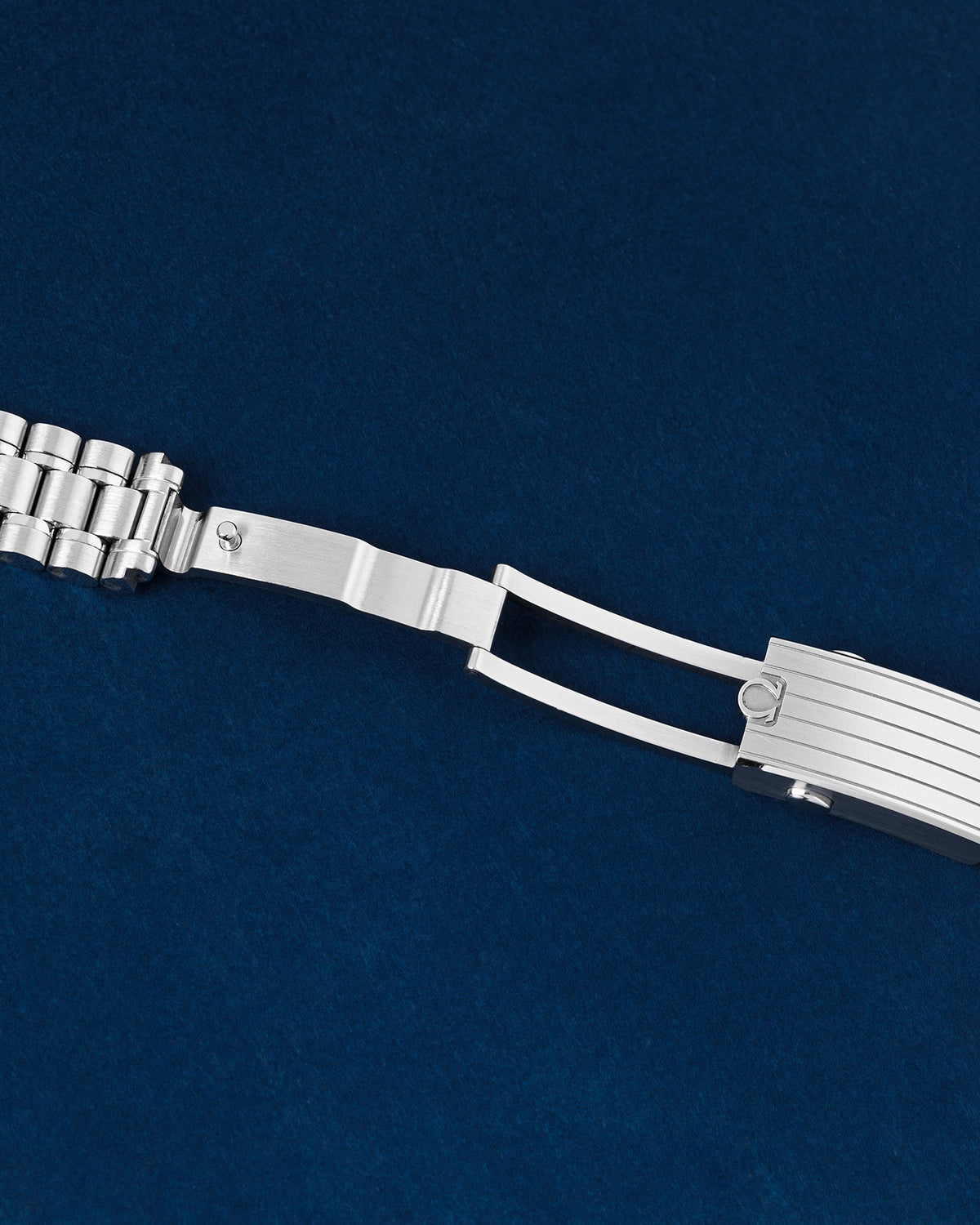
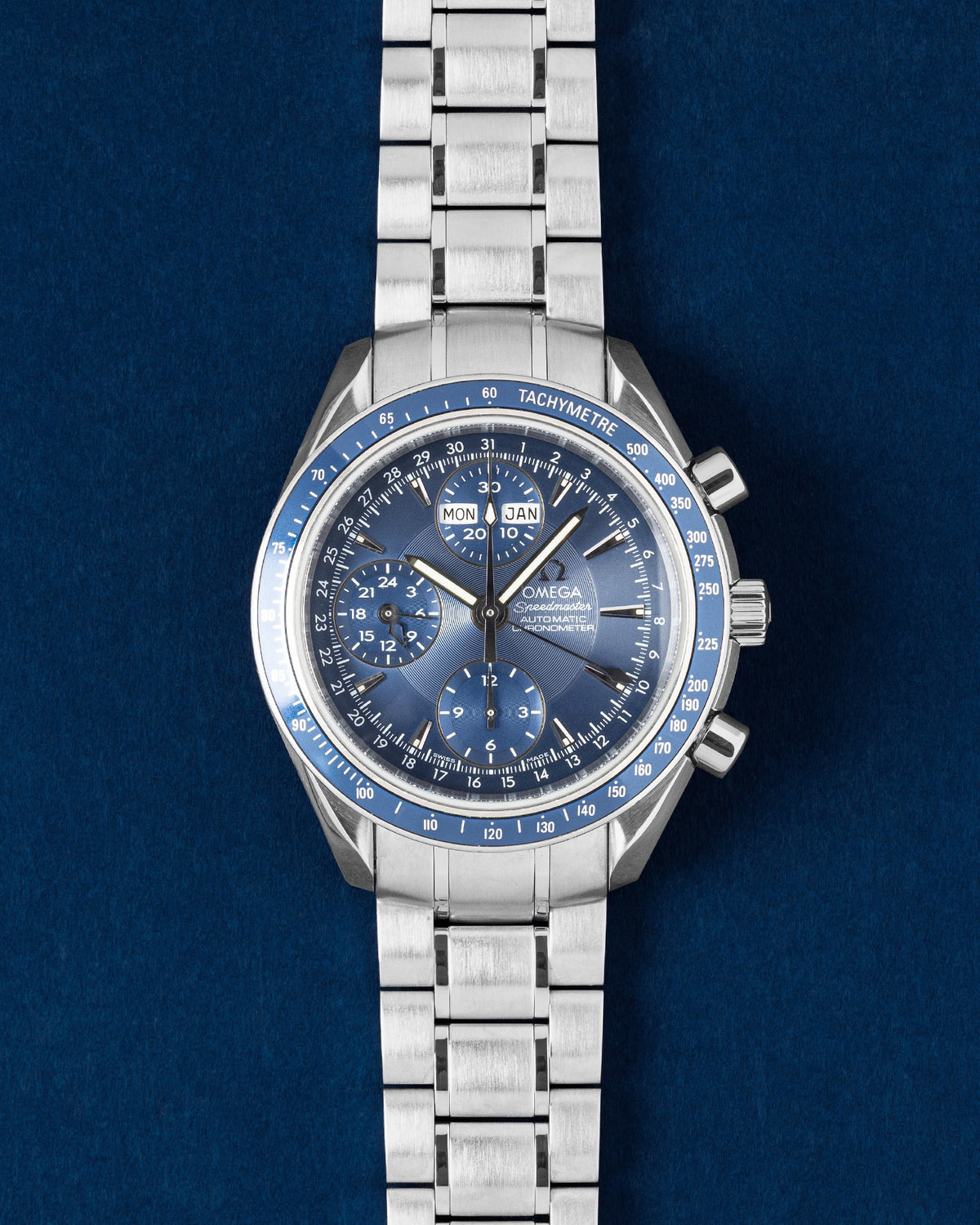
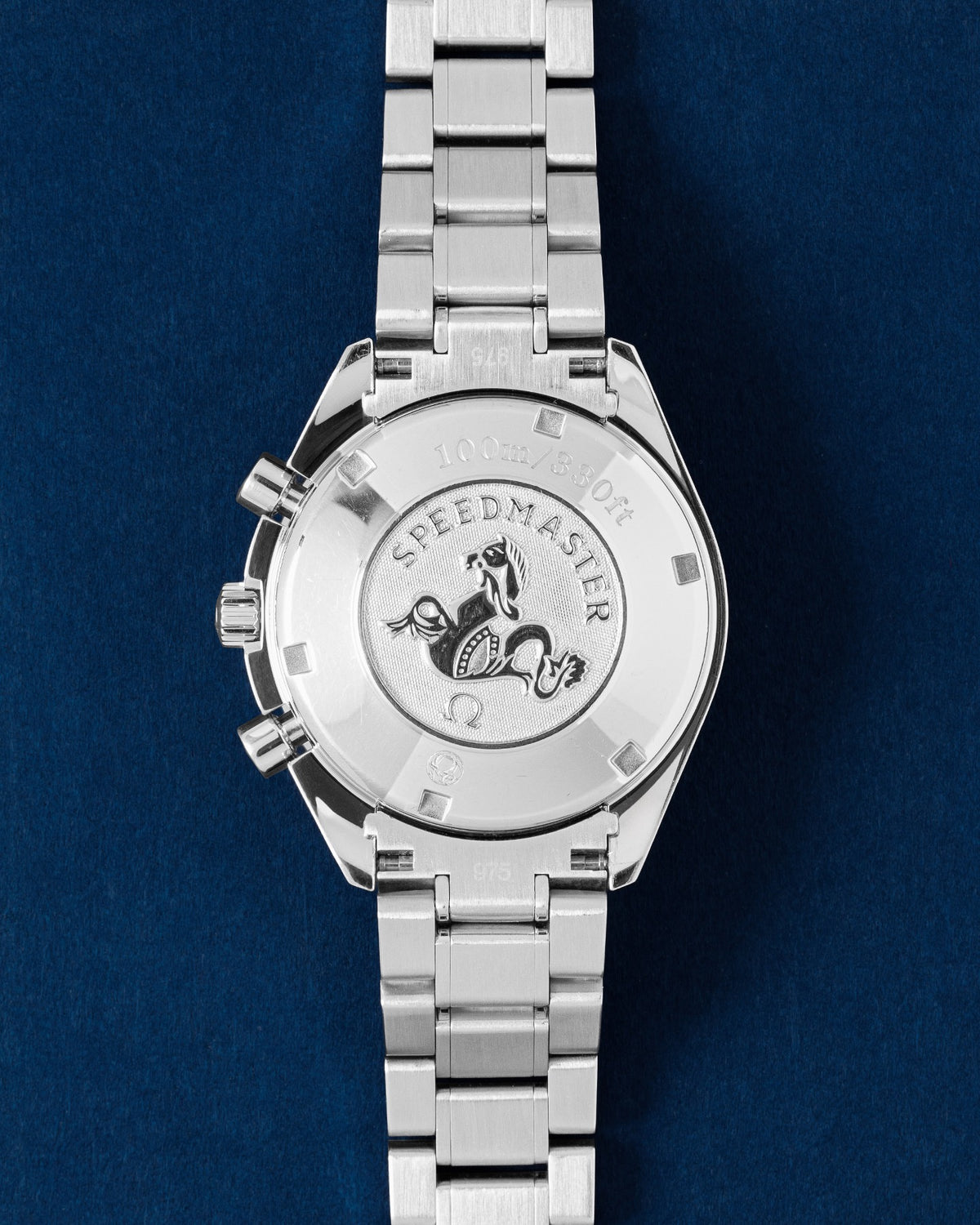
Omega Speedmaster Day Date 3222.80


Vintage
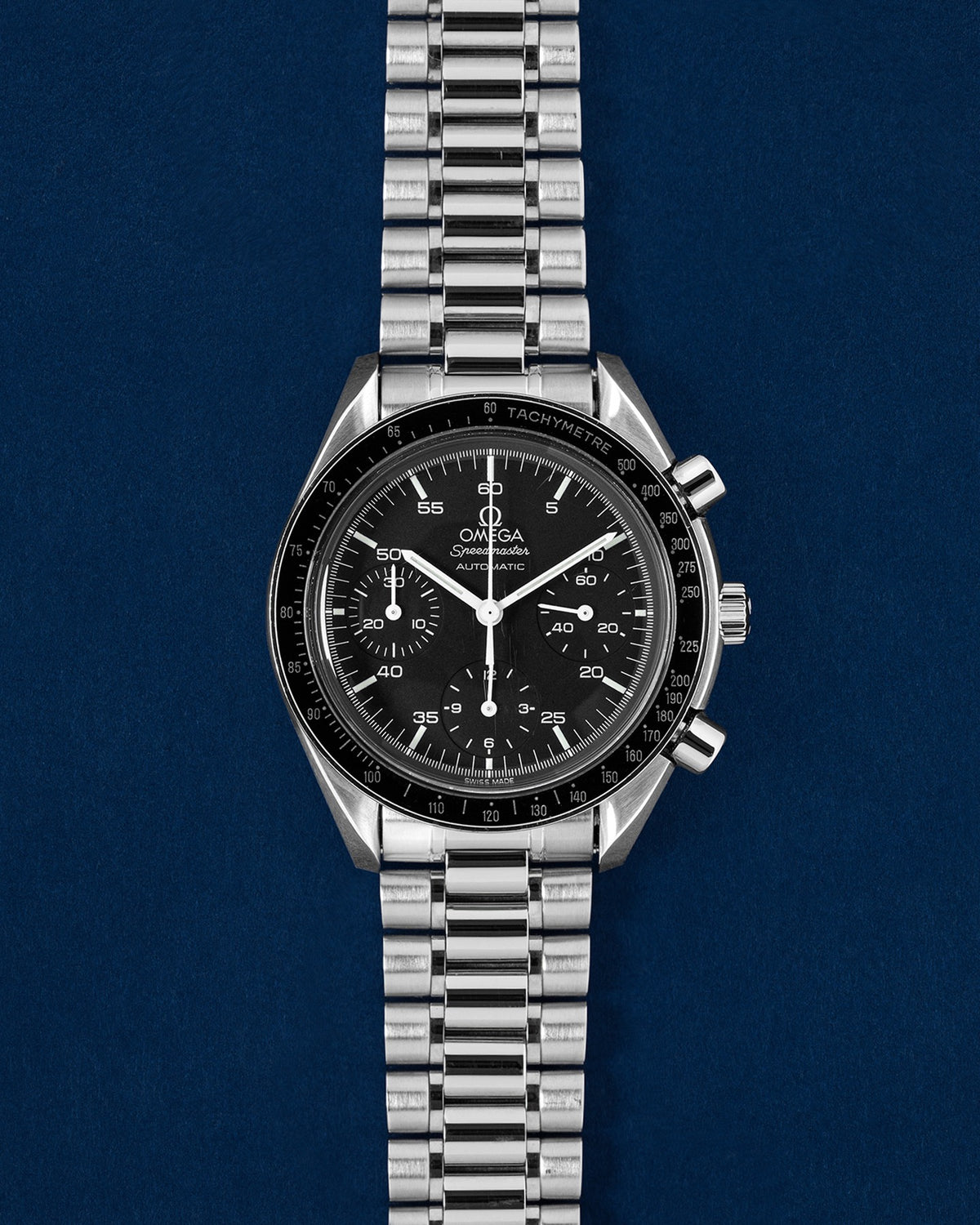
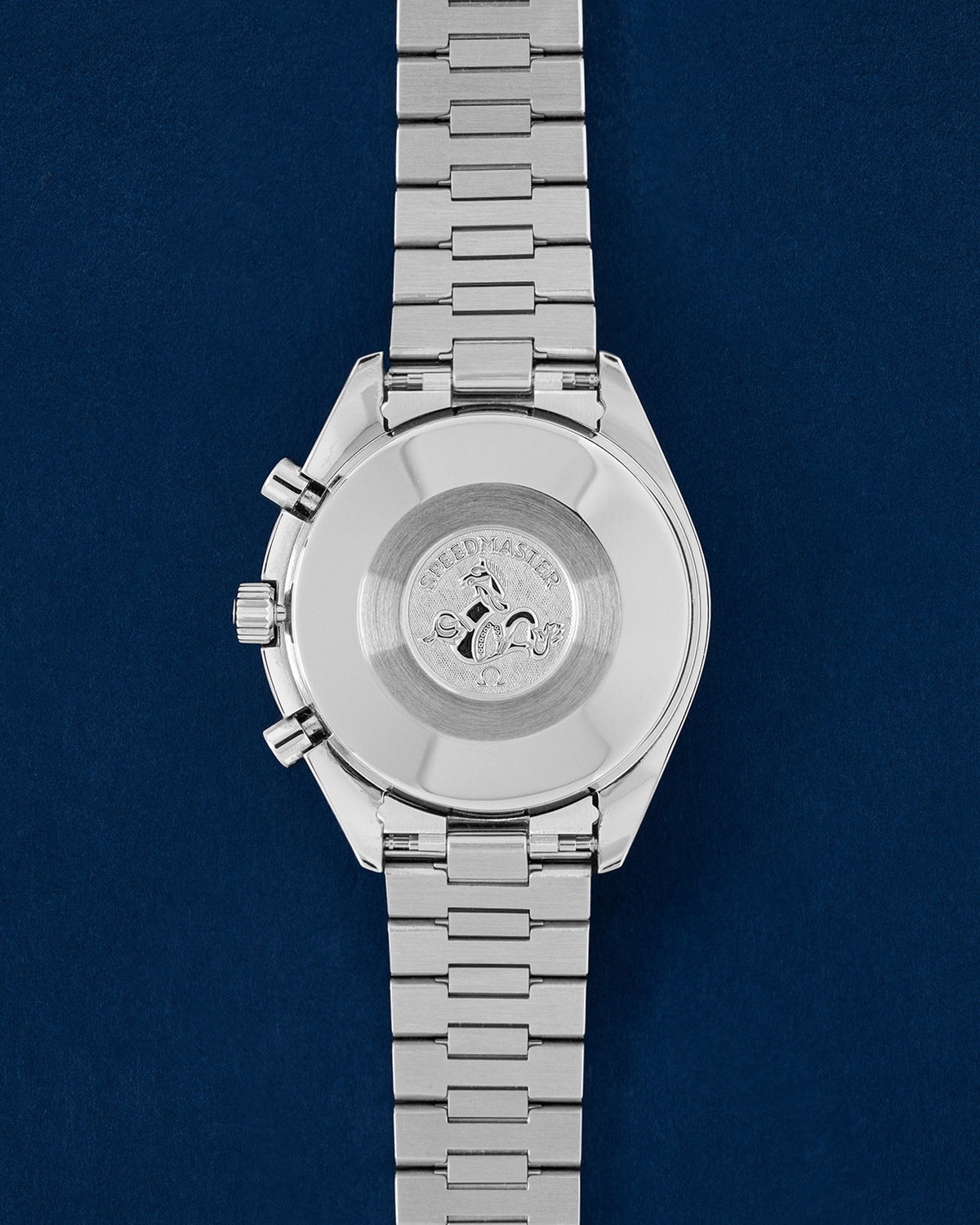
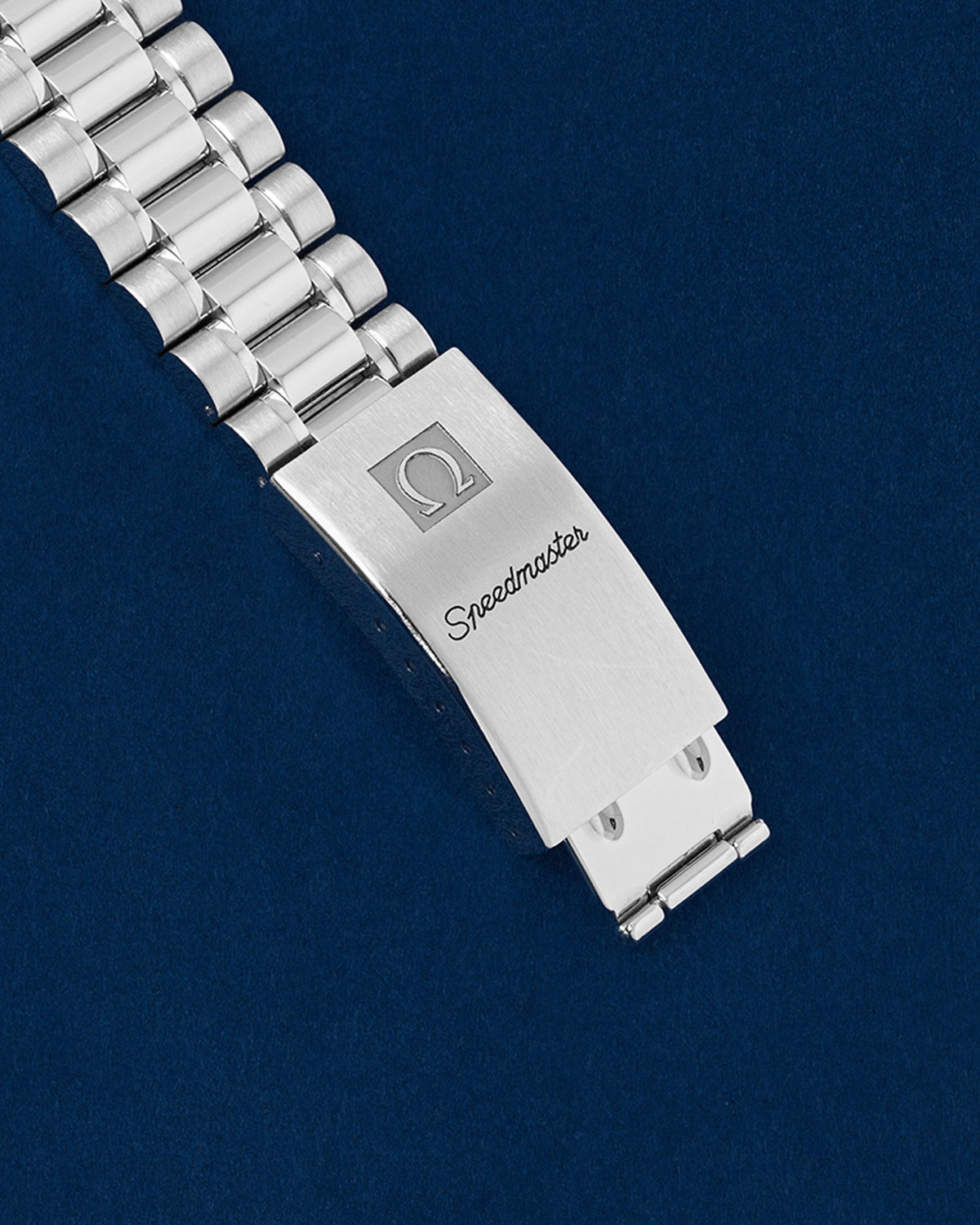
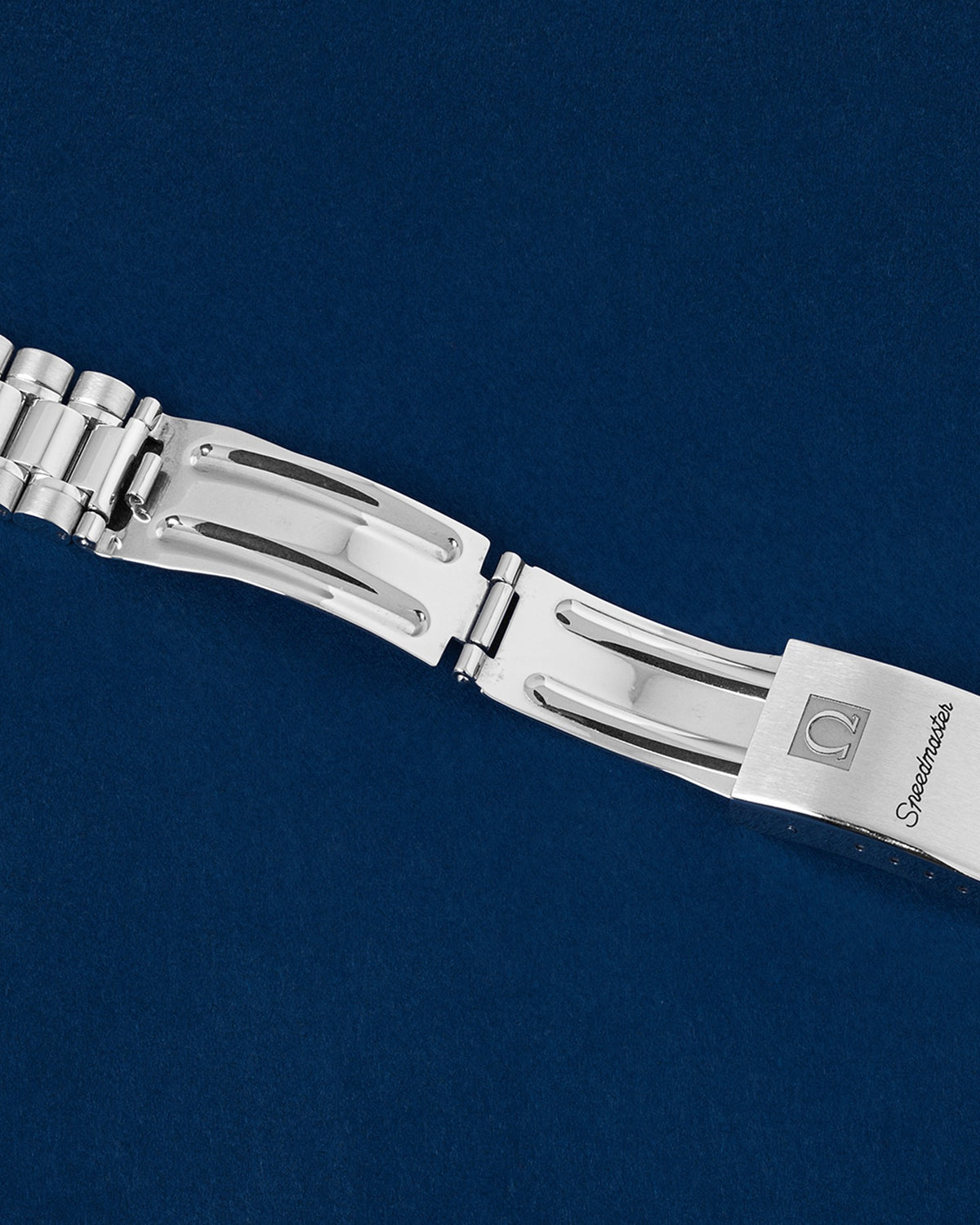
Omega Speedmaster Reduced 3510.50.00
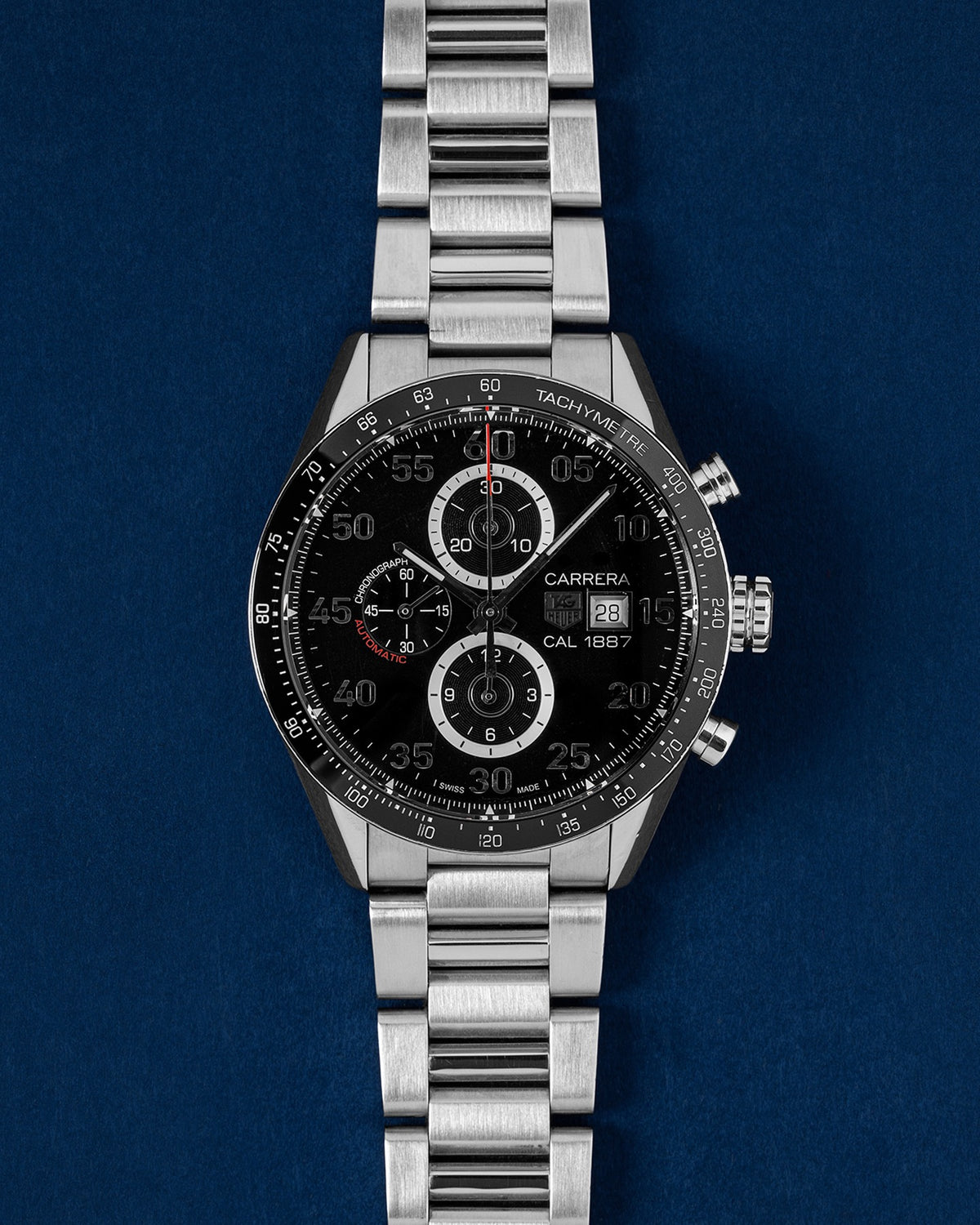
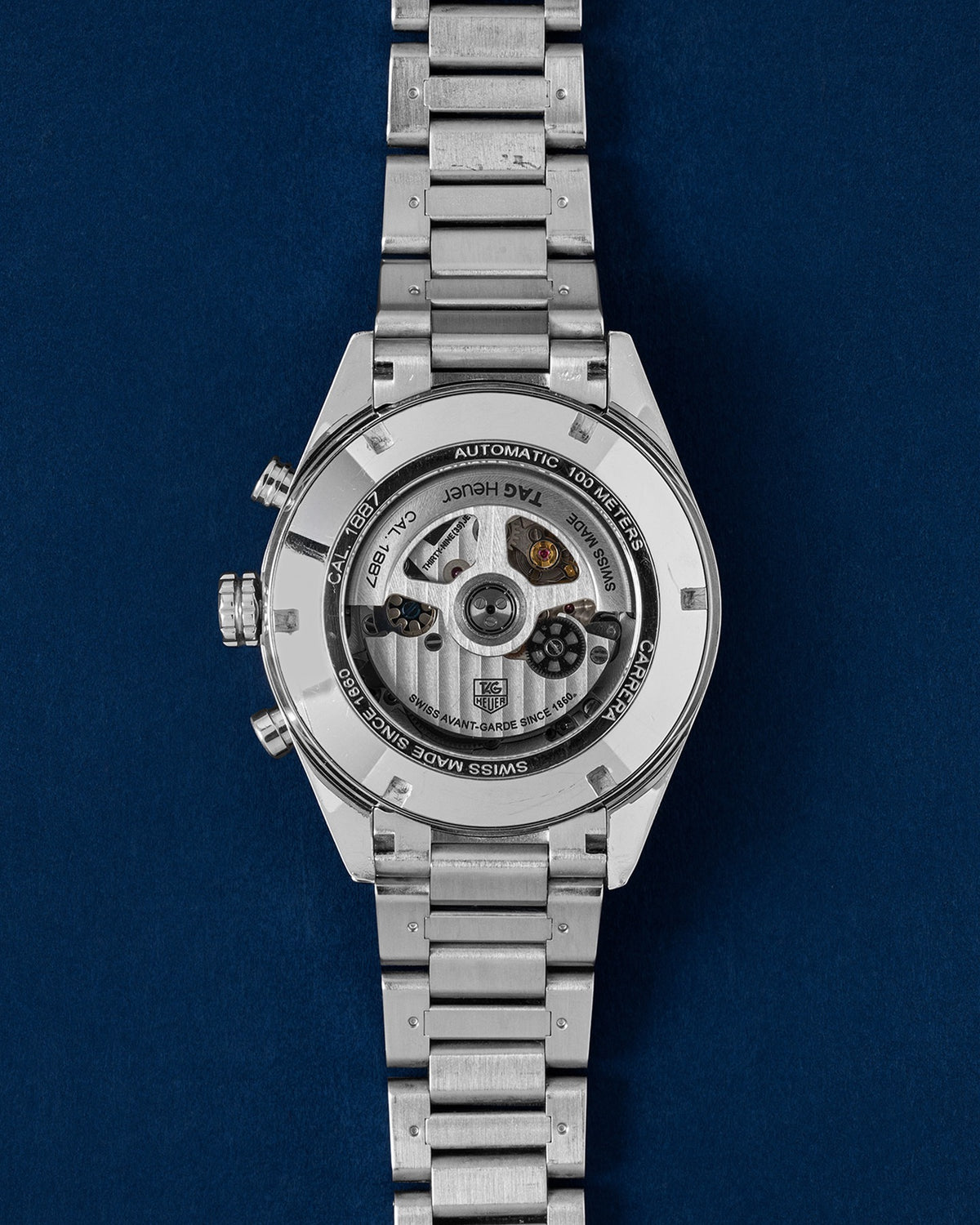
TAG Heuer Carrera Calibre 1887 CAR2A10

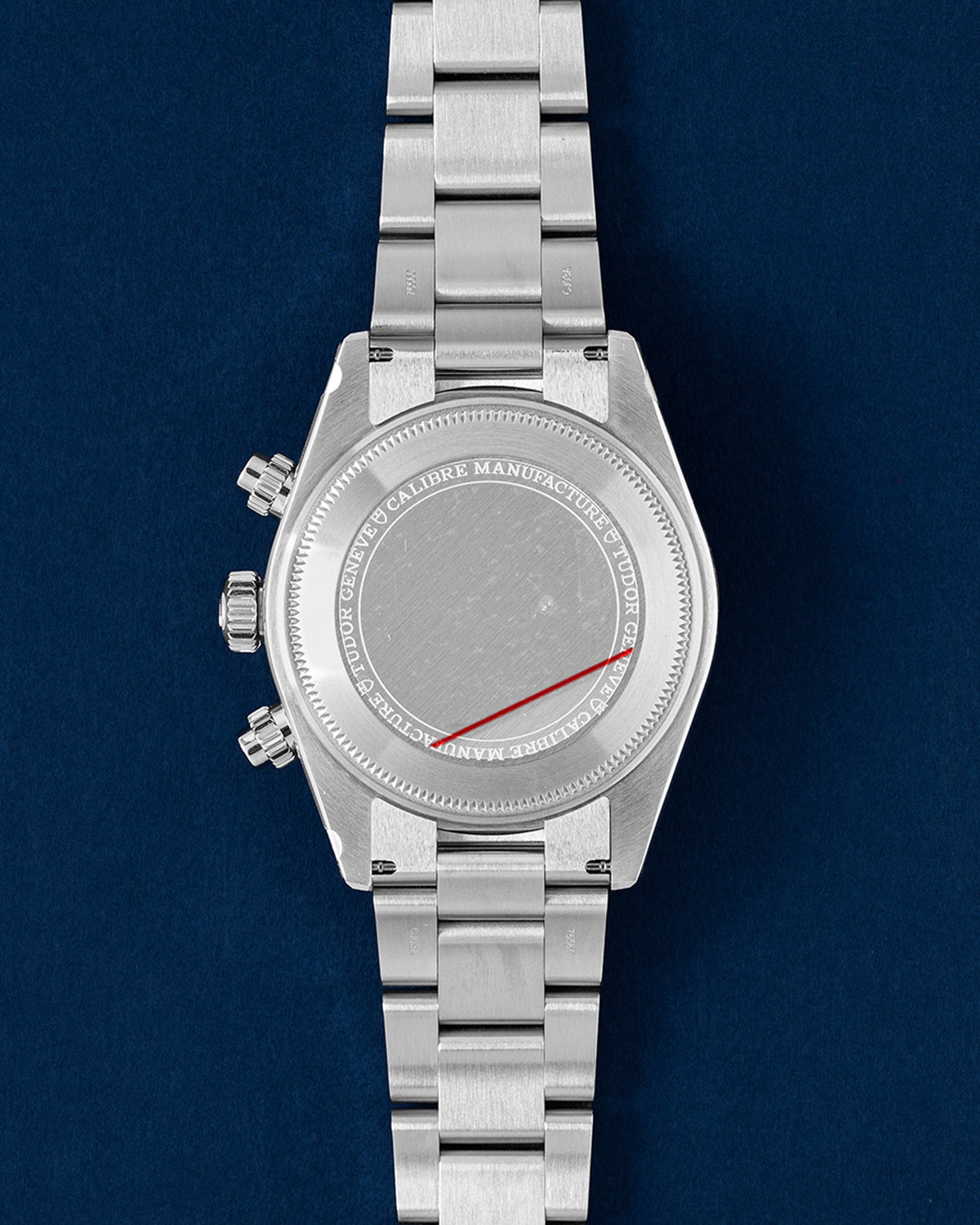
Vintage
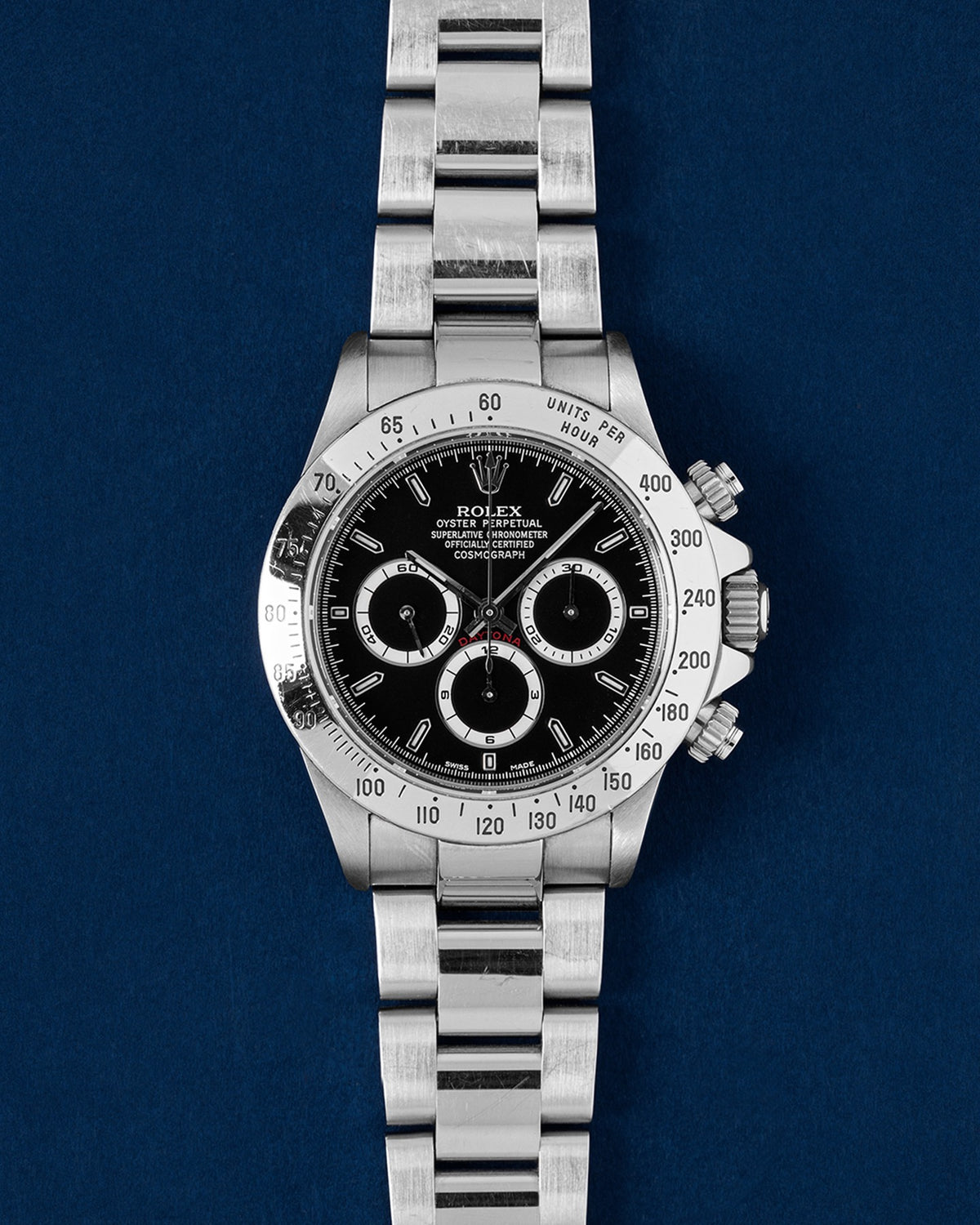
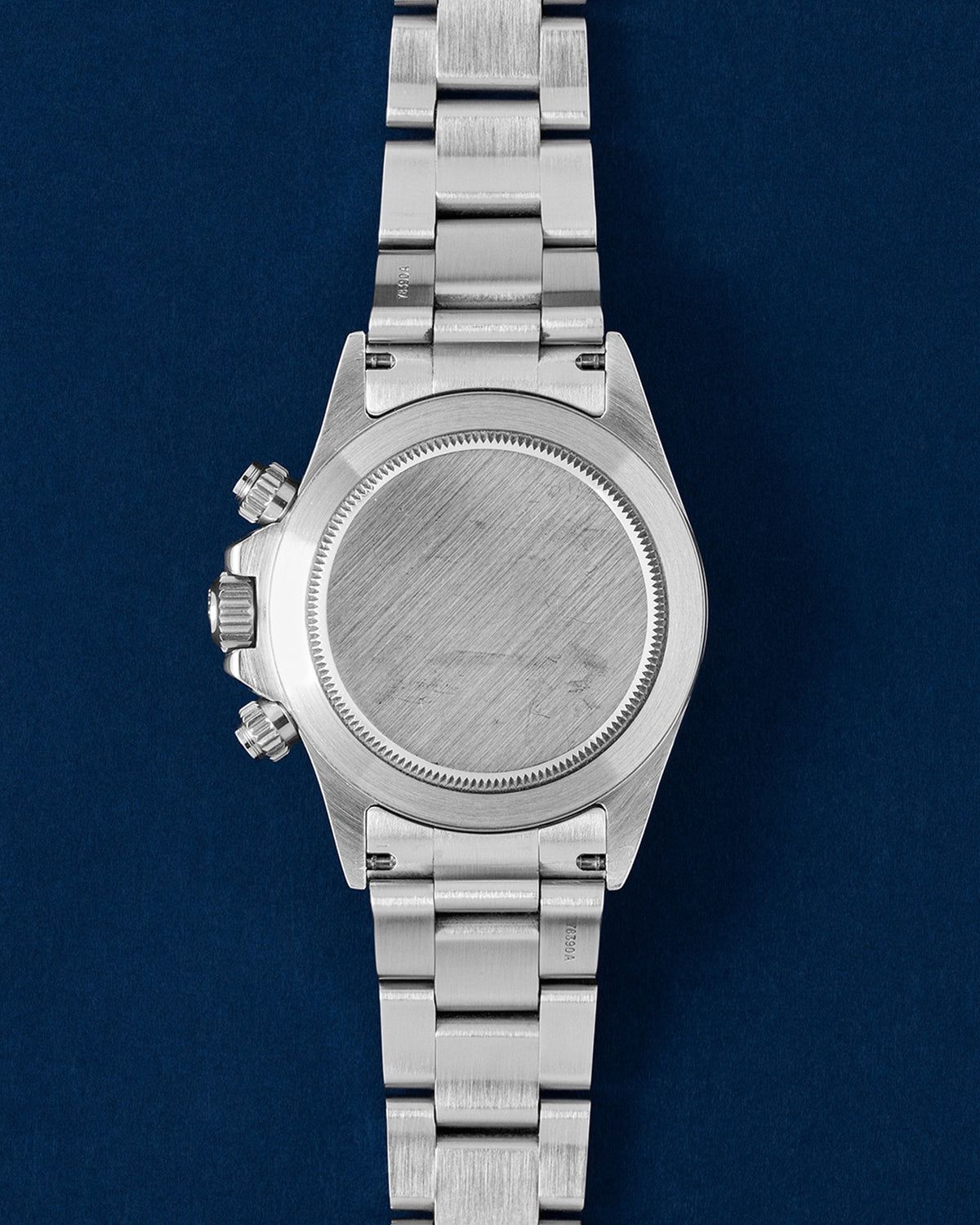
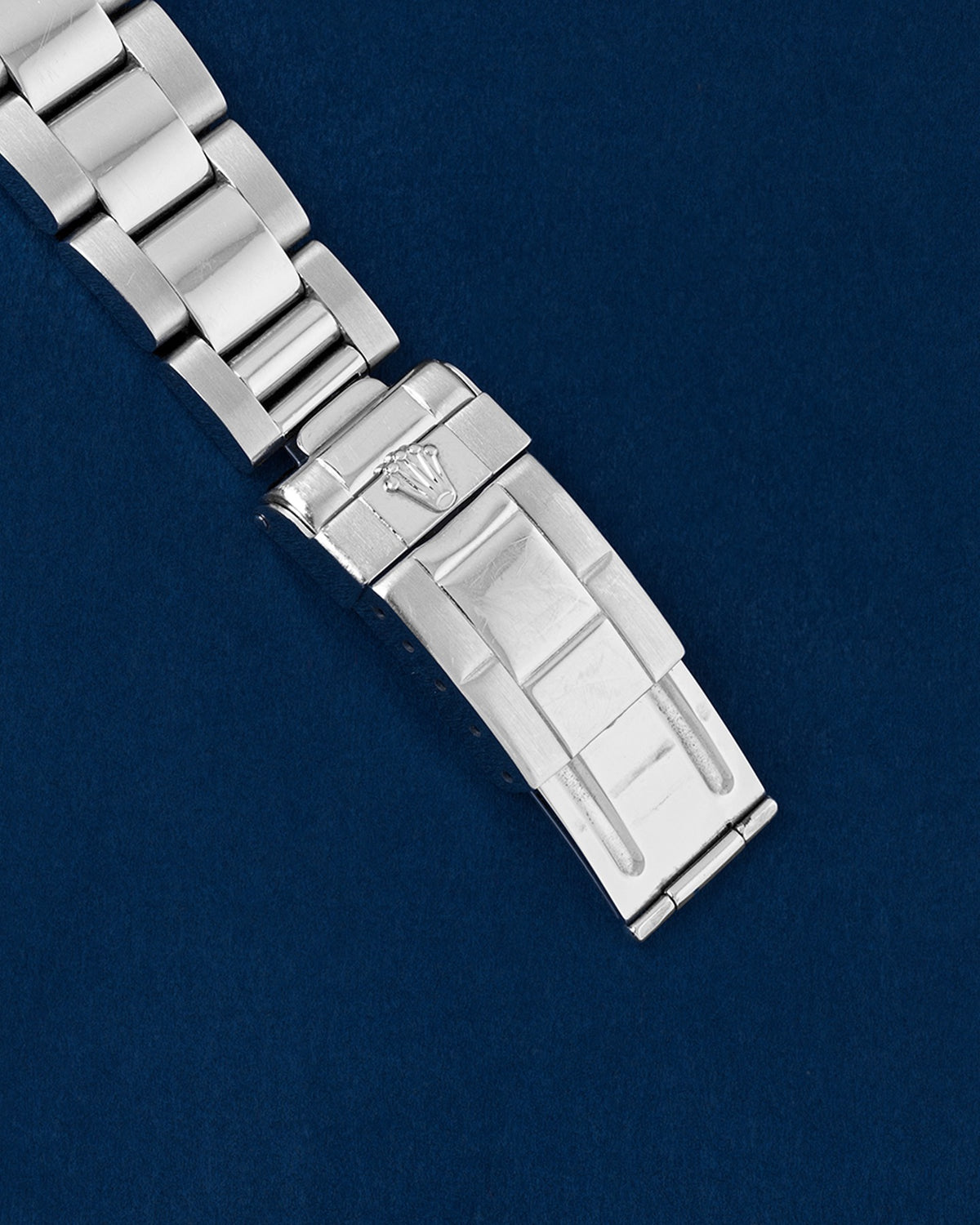
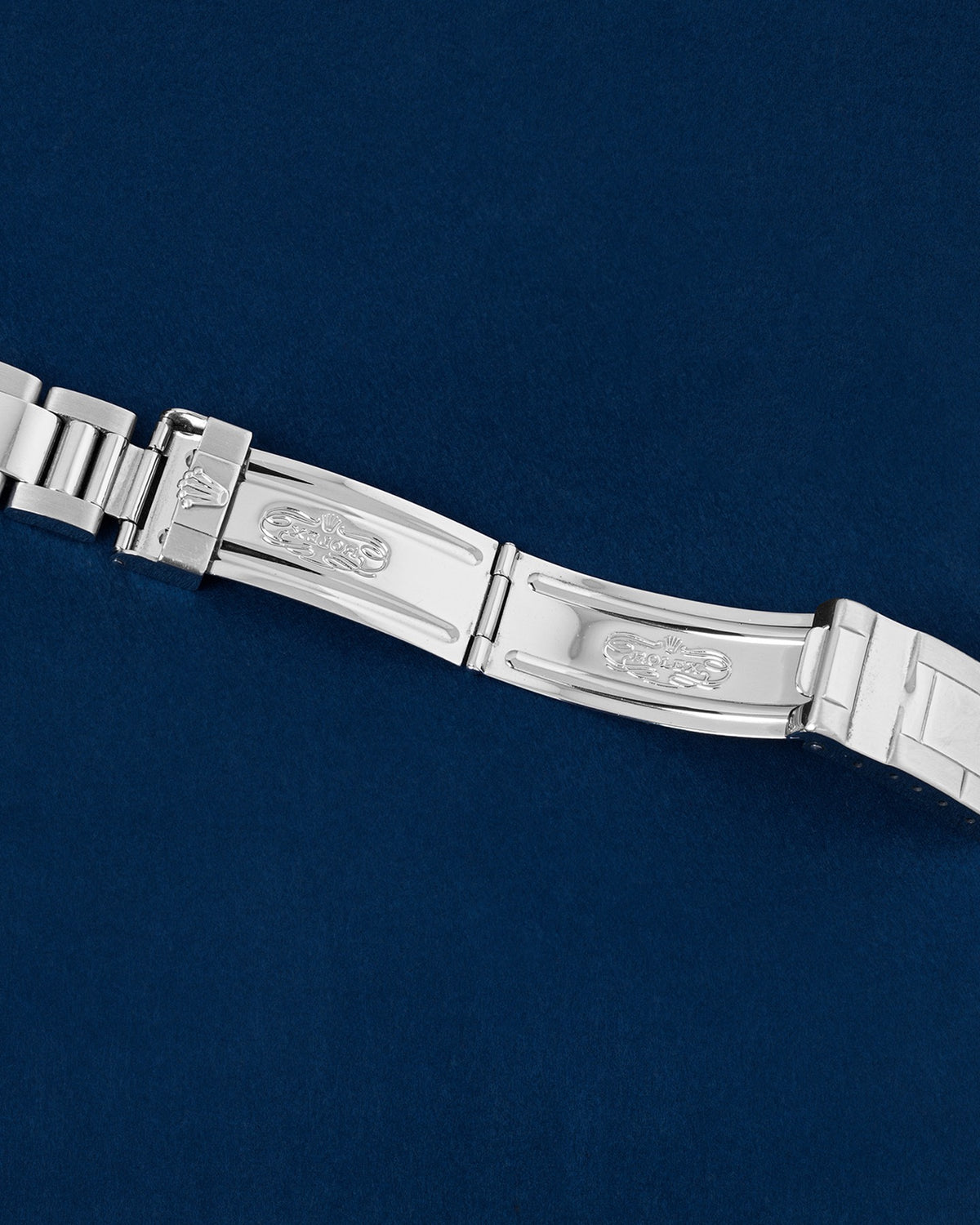
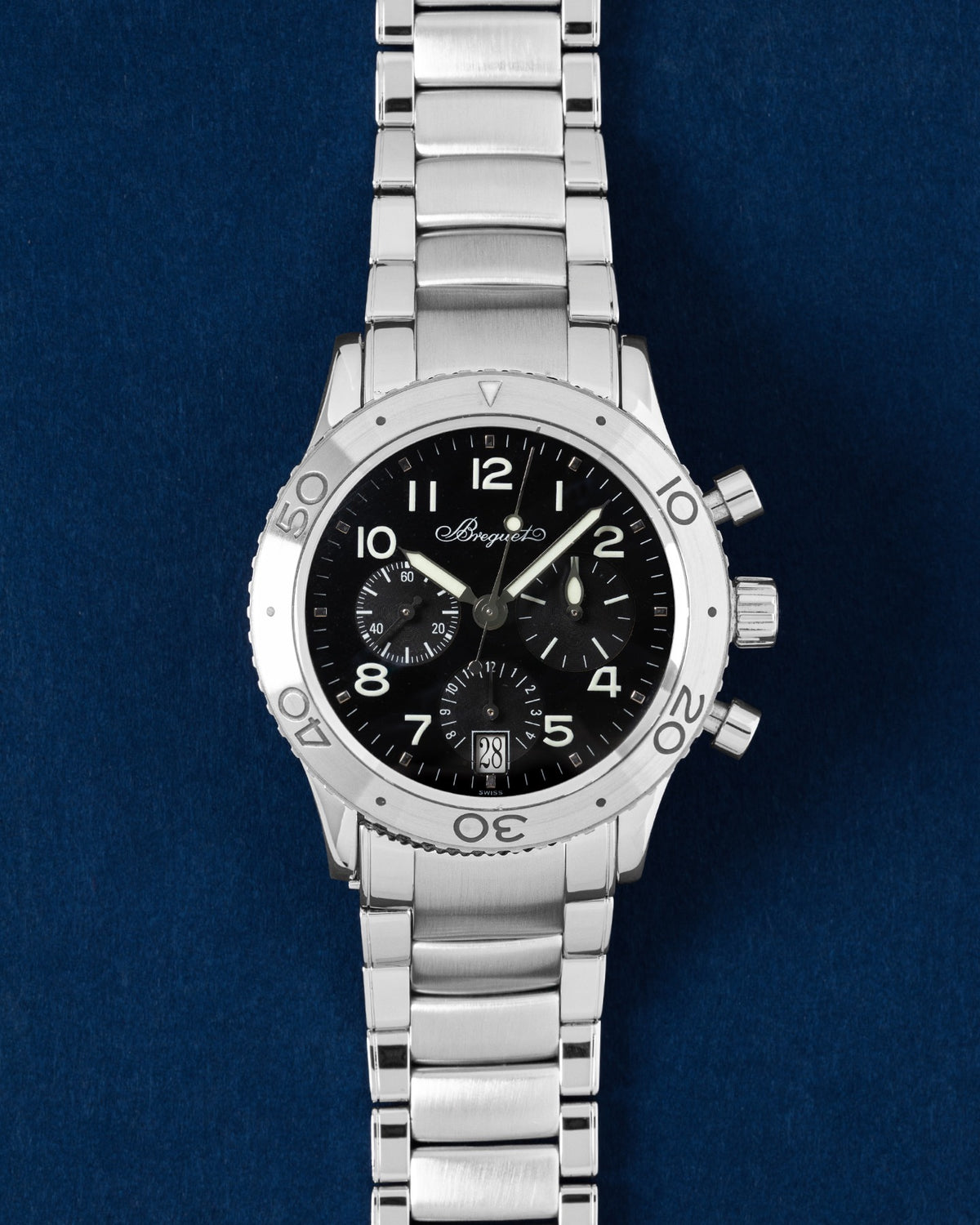
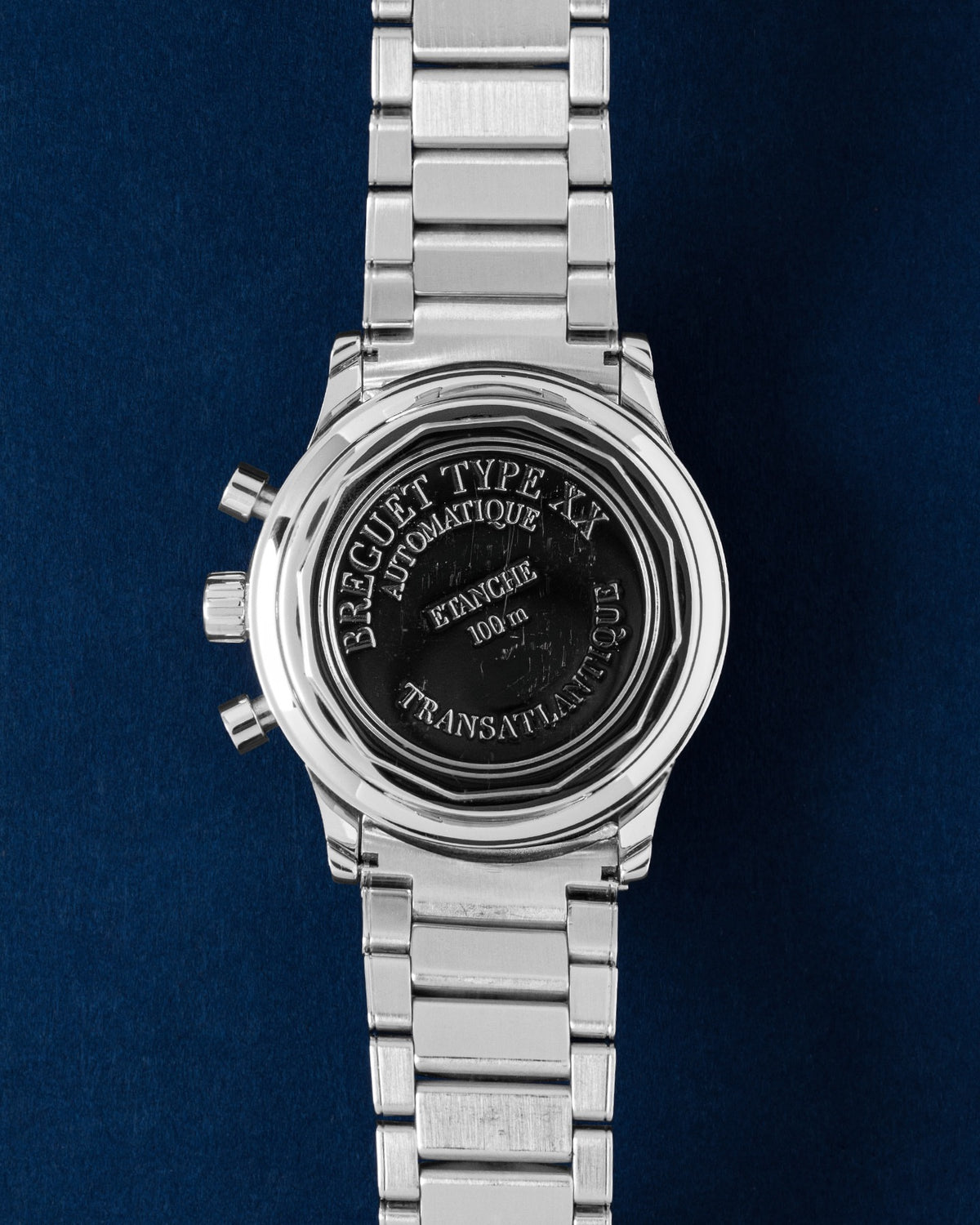
Breguet Type XX Transatlantique 3820ST


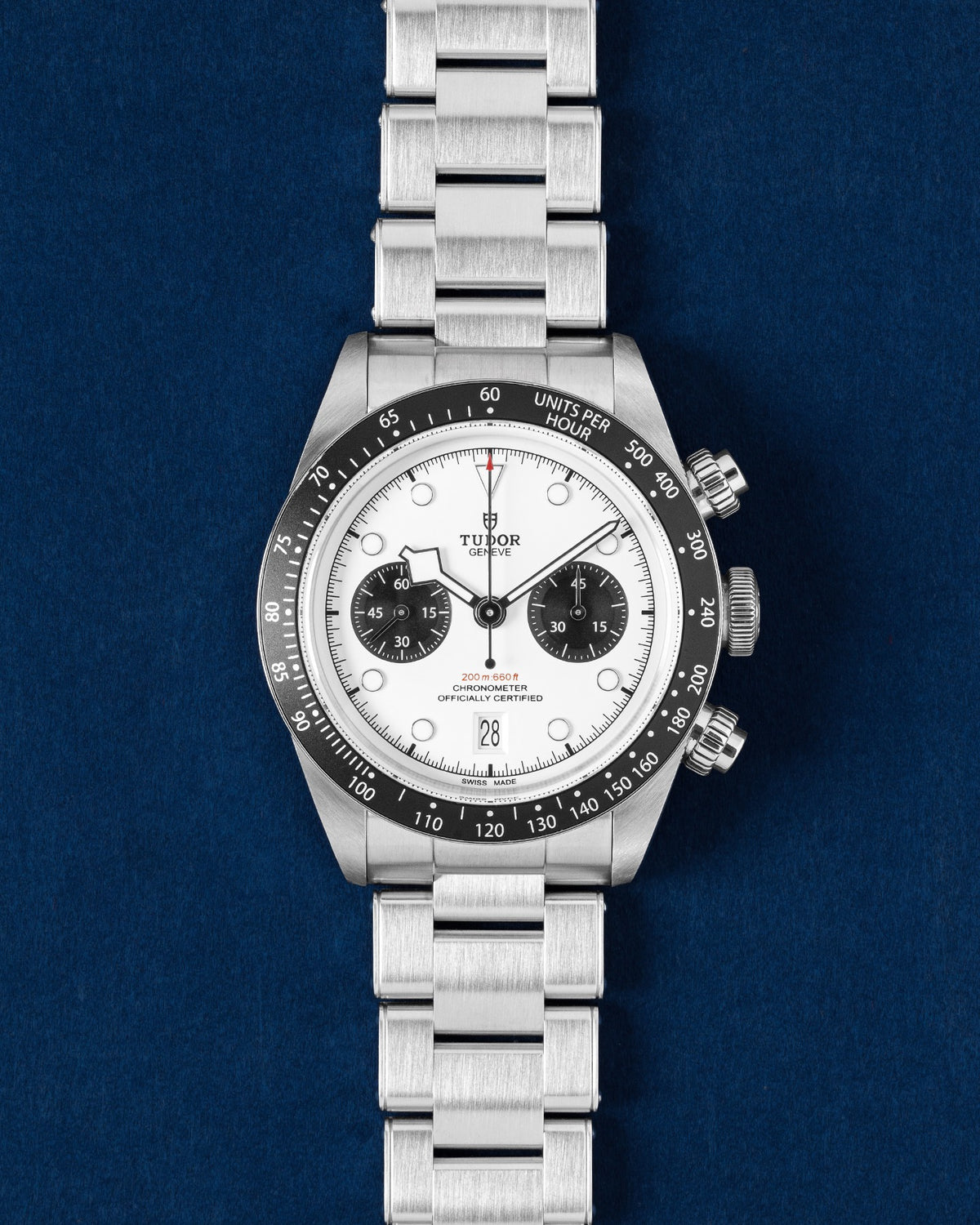
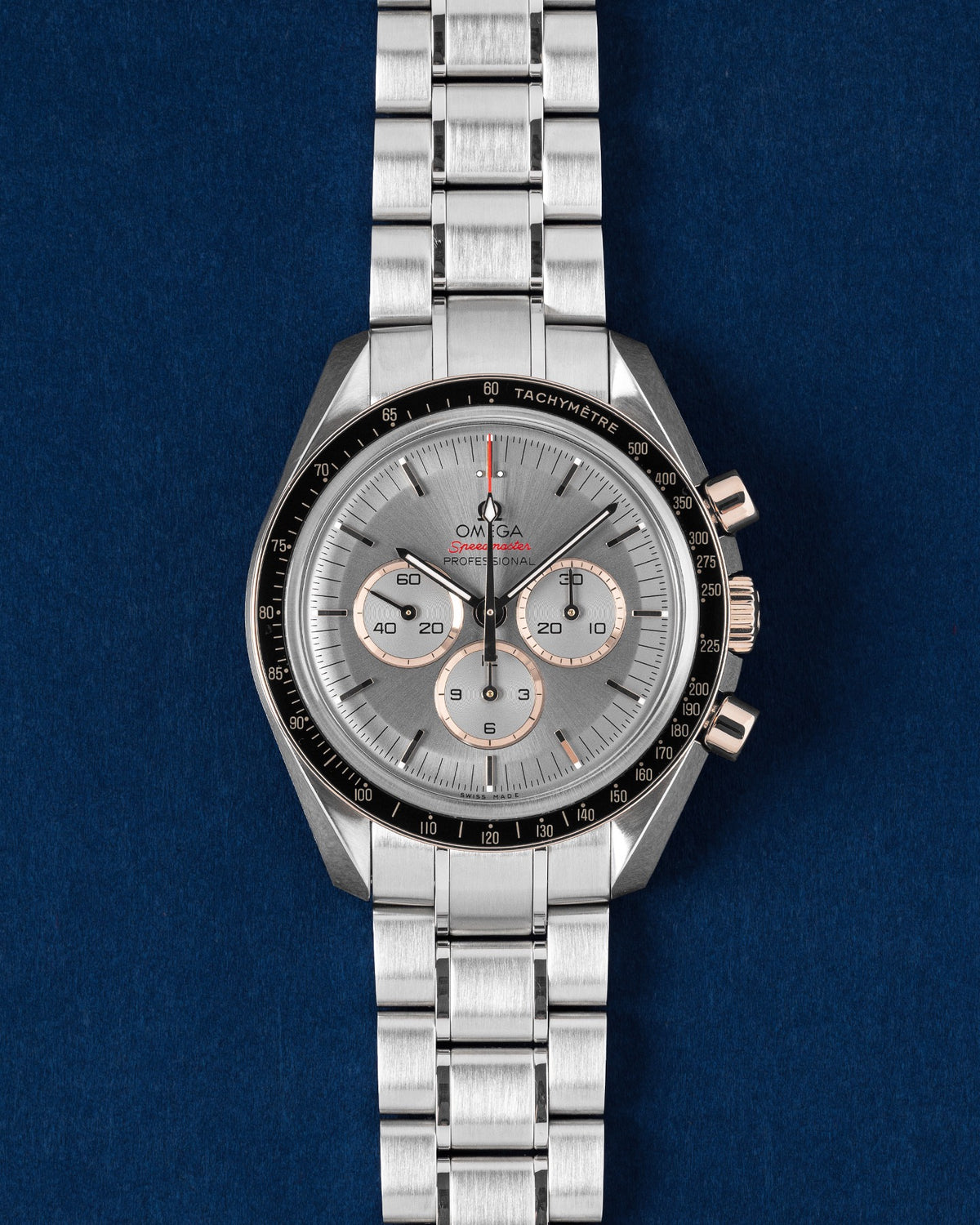
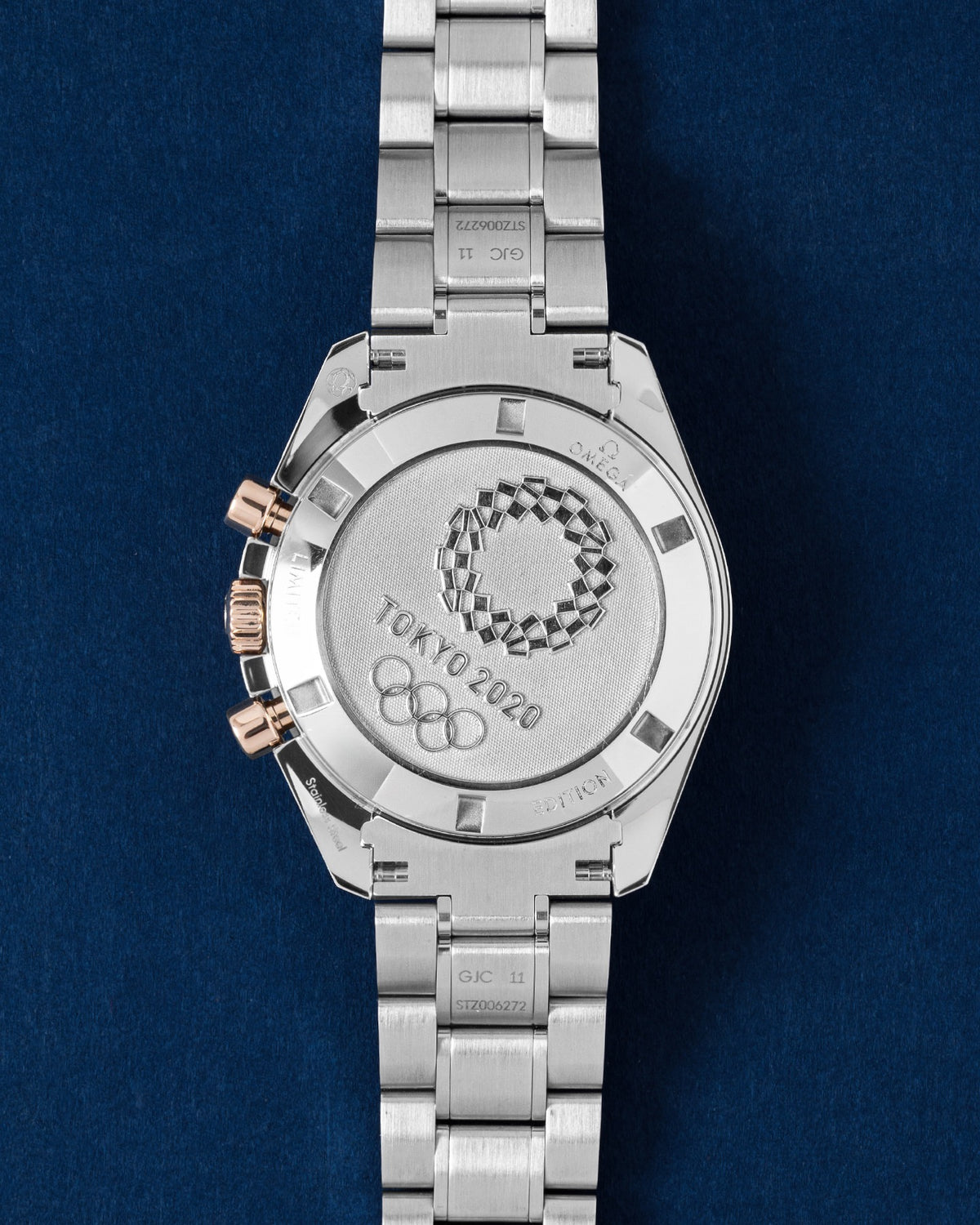
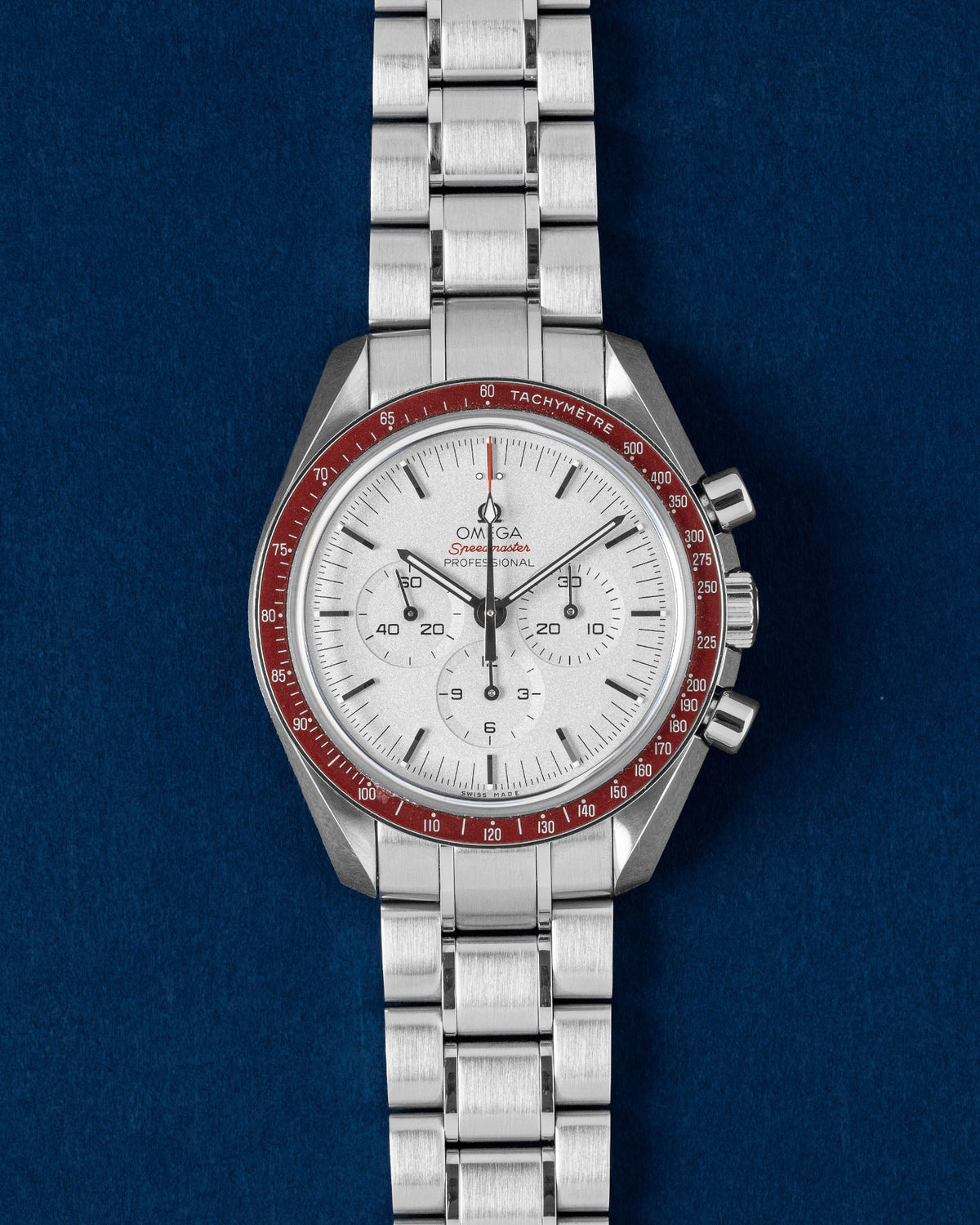
Omega Speedmaster Tokyo 522.20.42.30.06.001
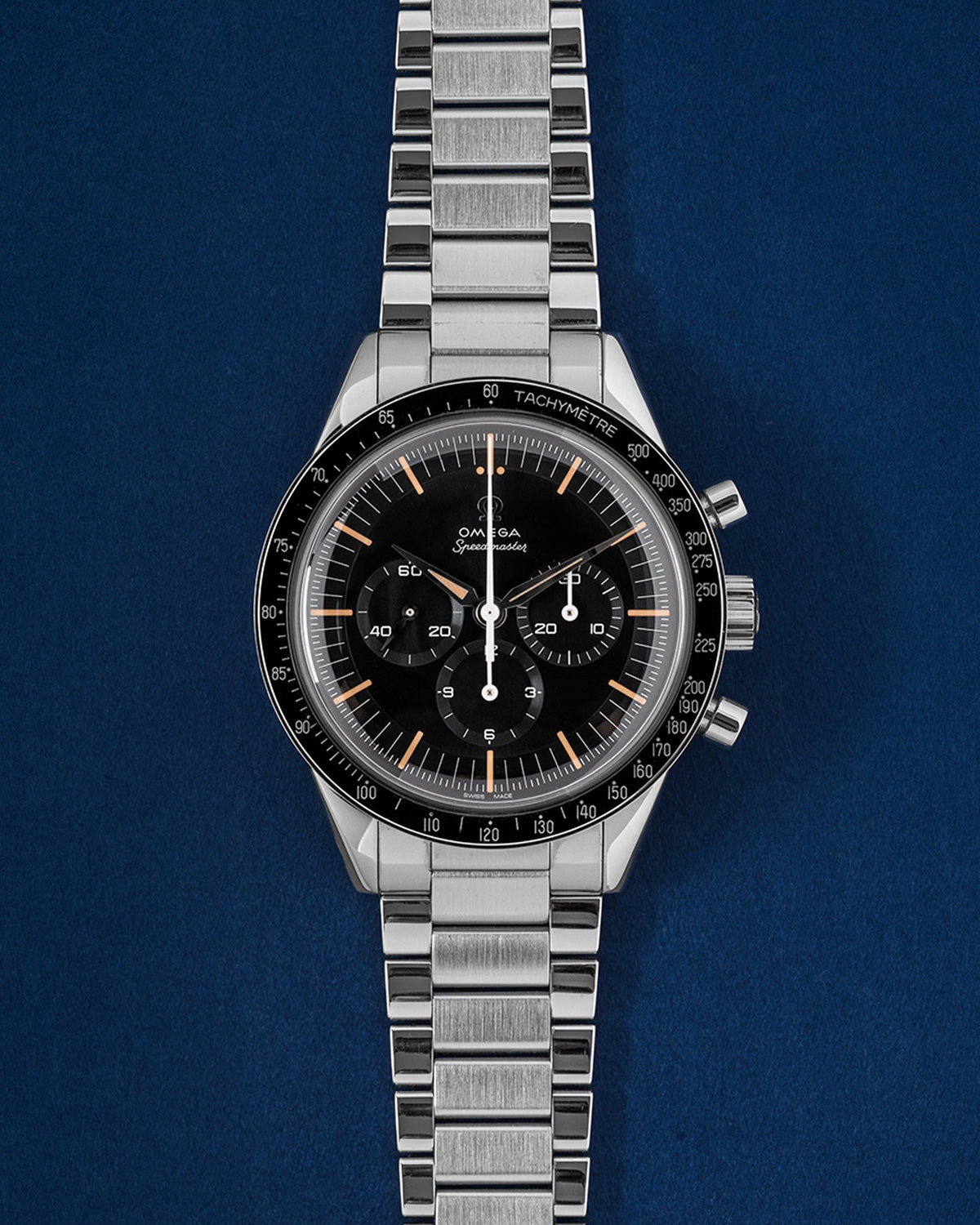
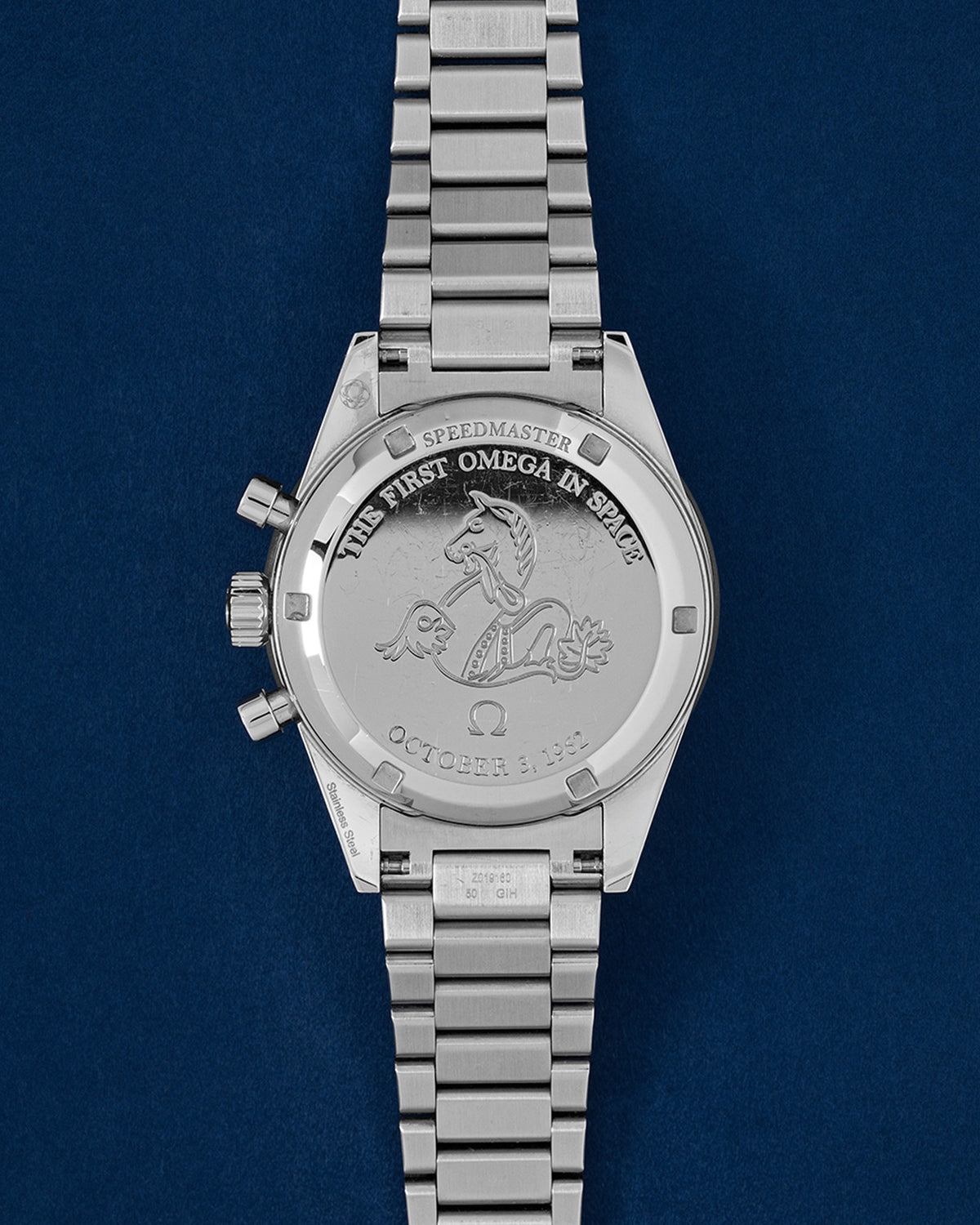
Omega Speedmaster 310.30.40.50.06.001
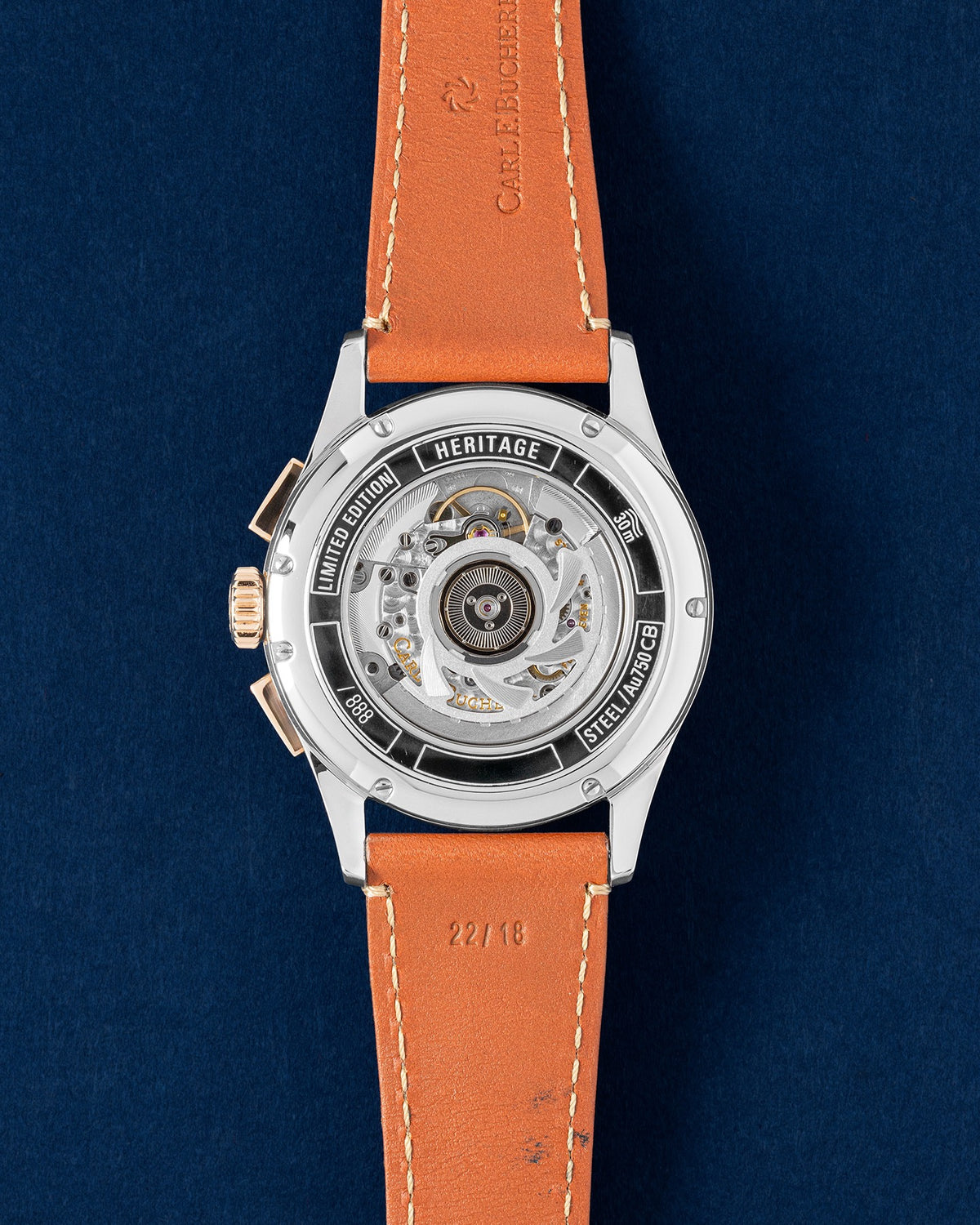
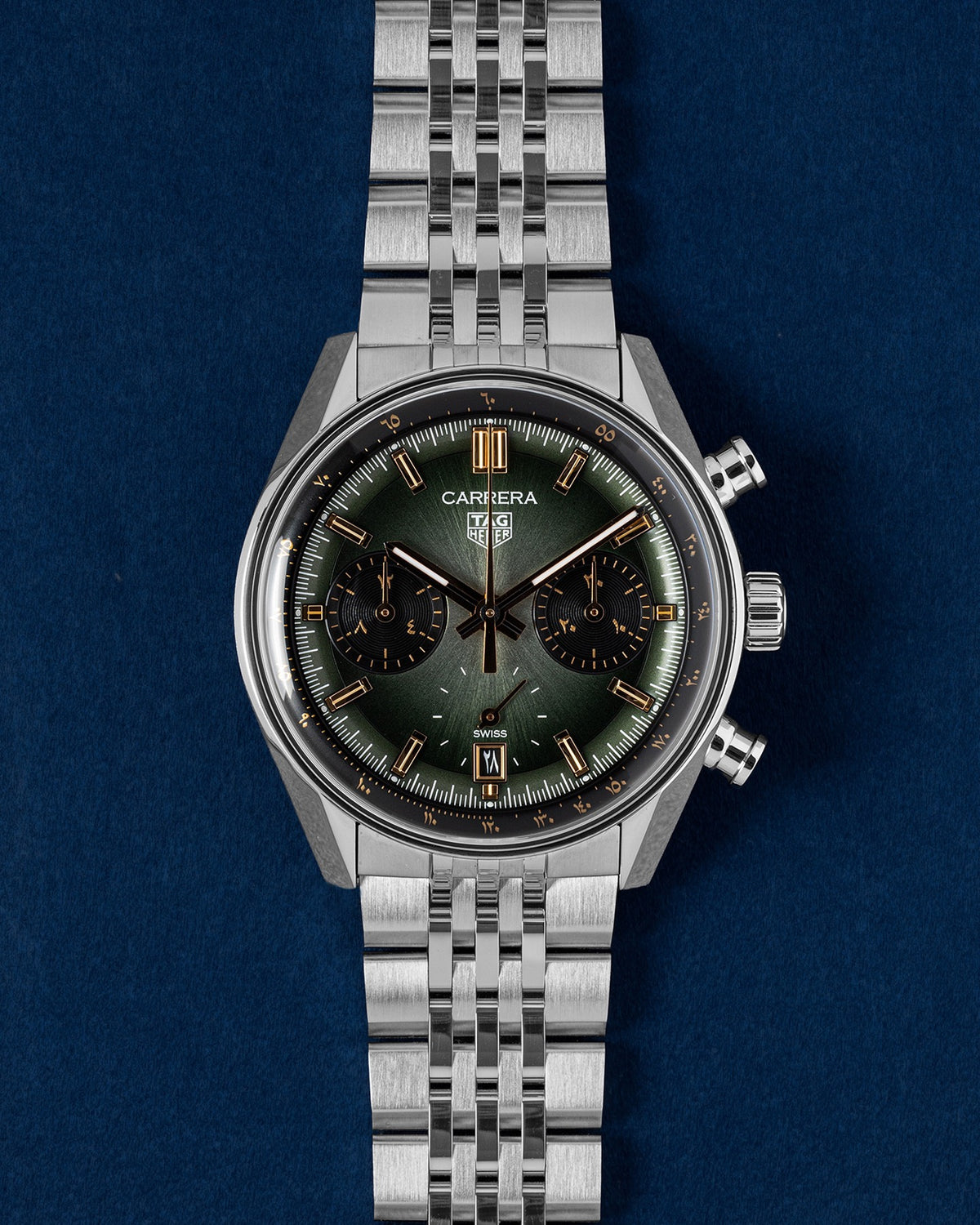
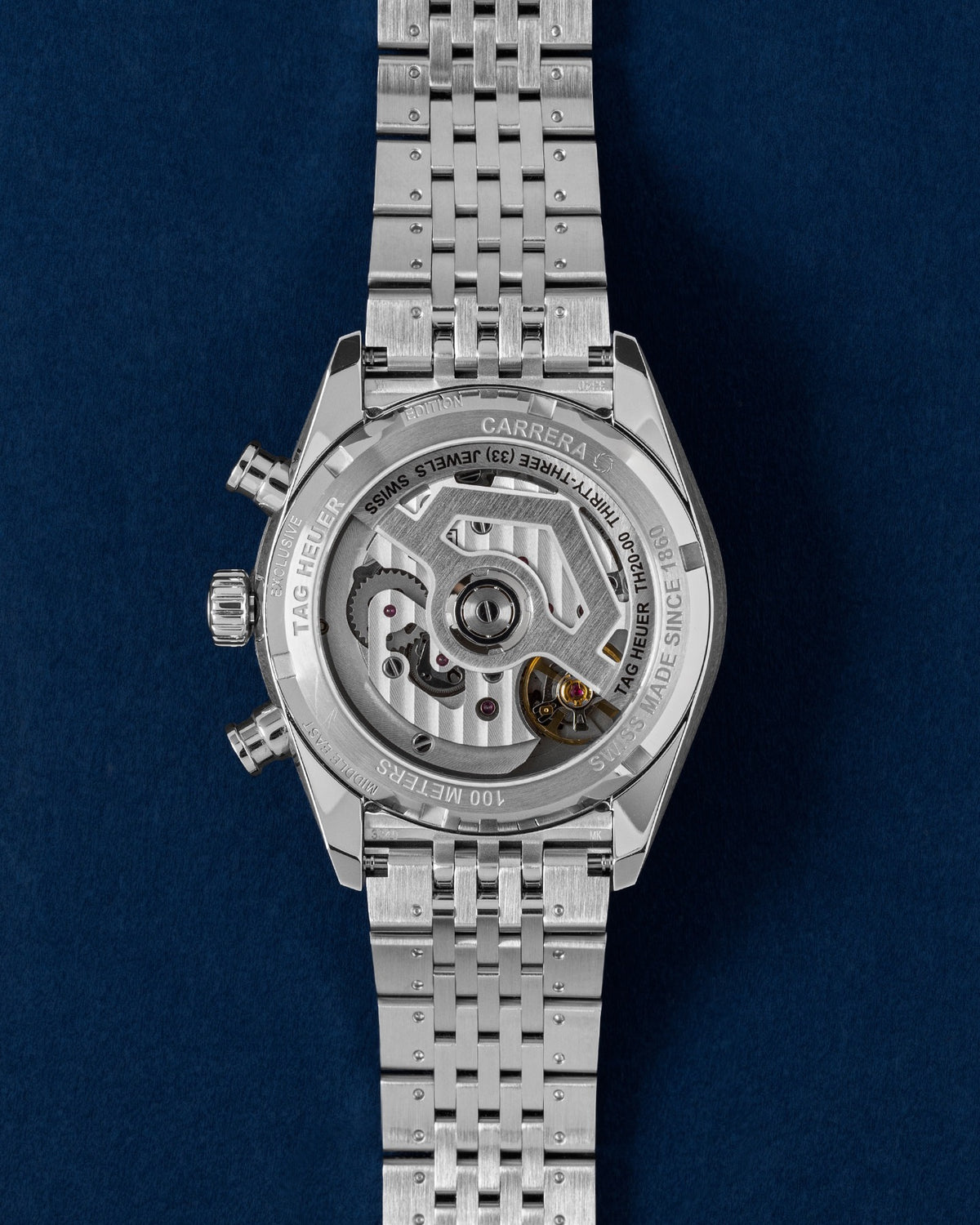
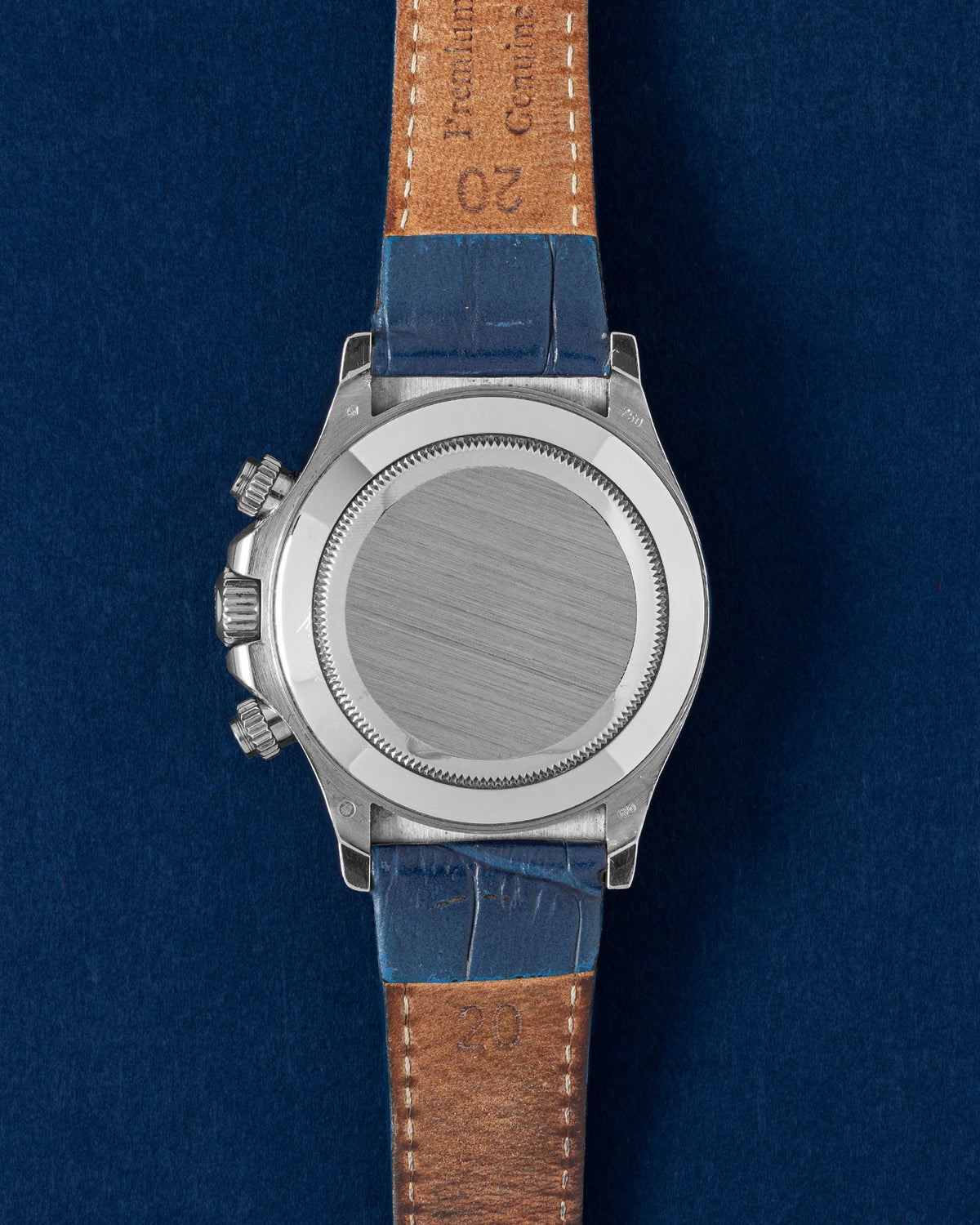
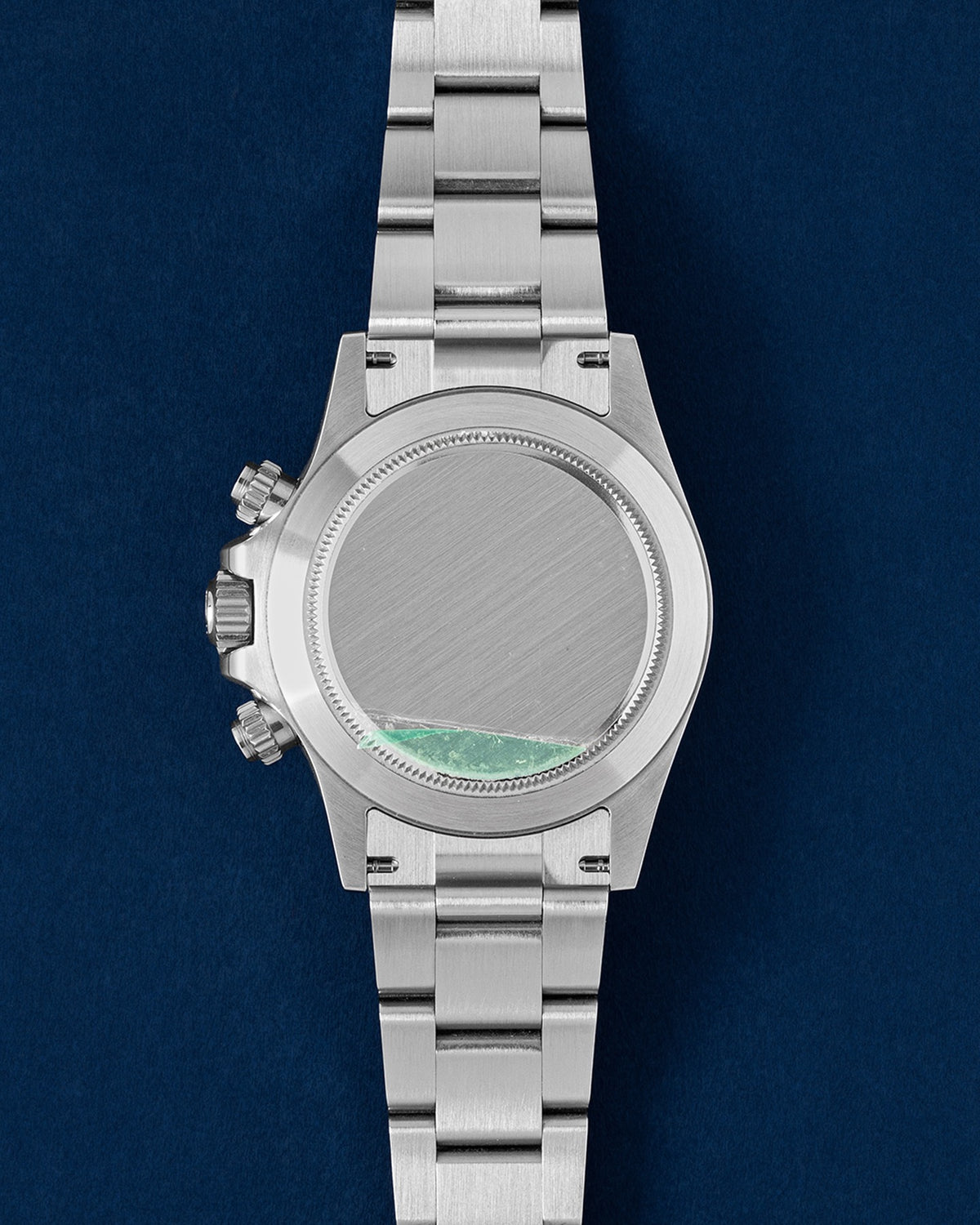
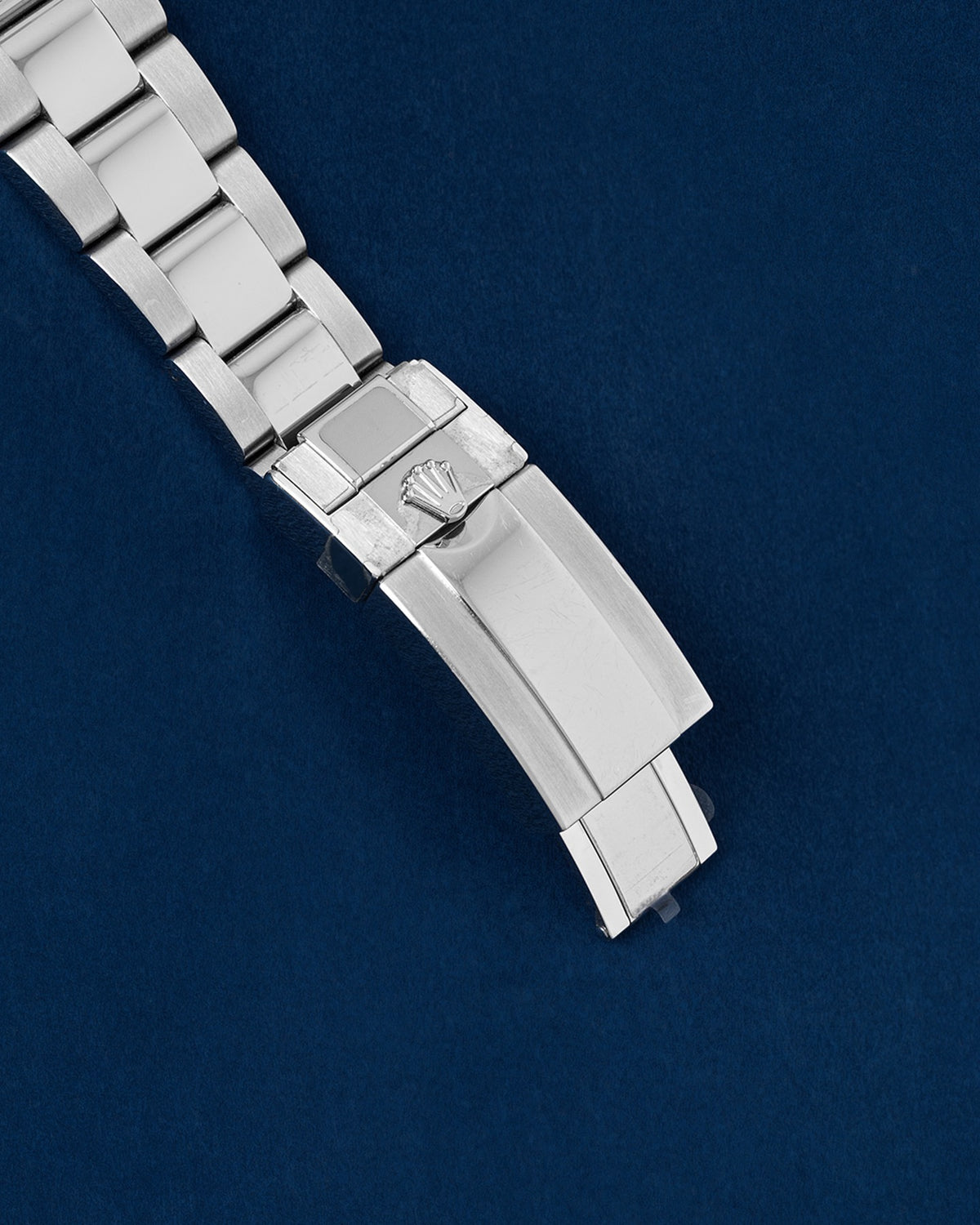
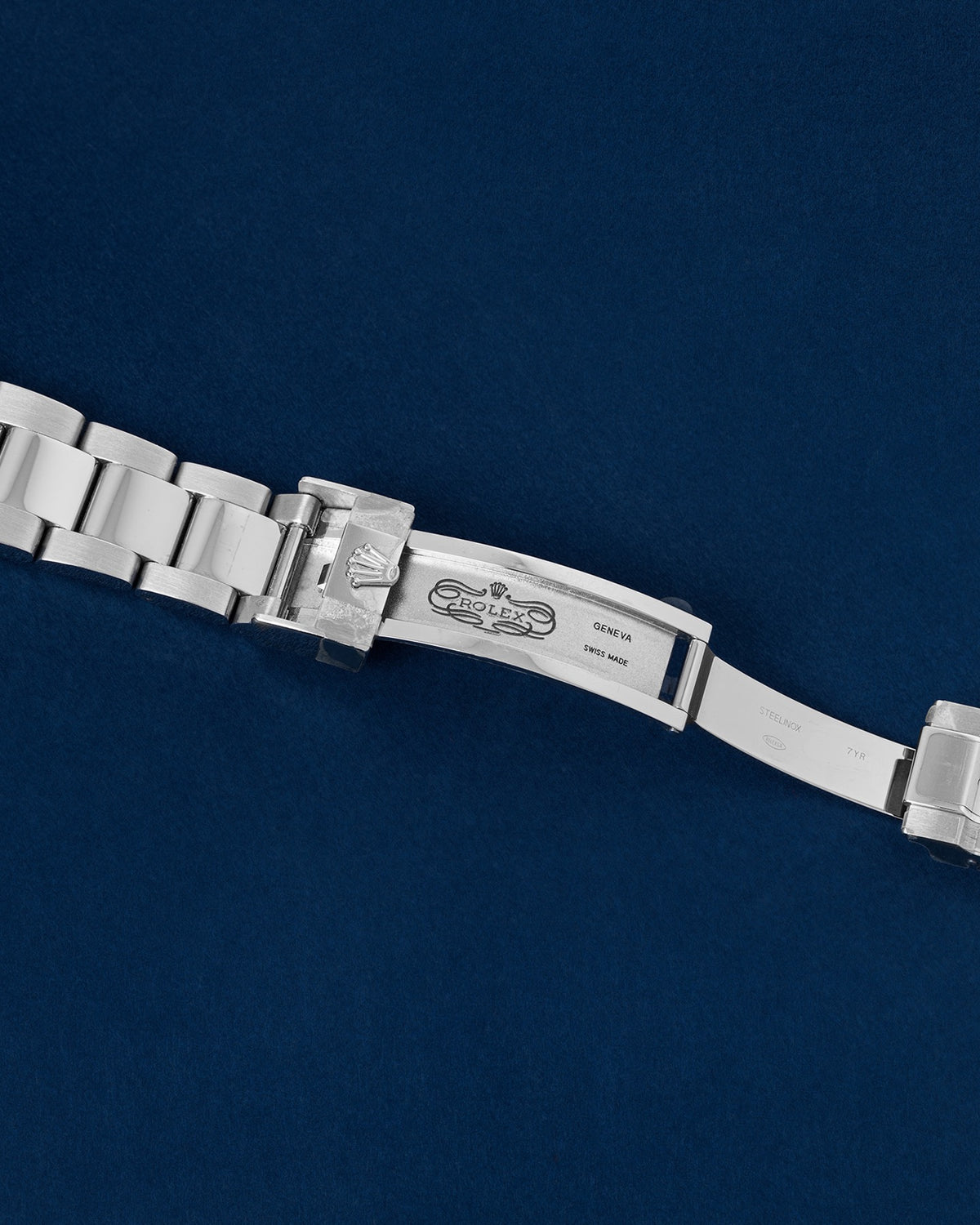
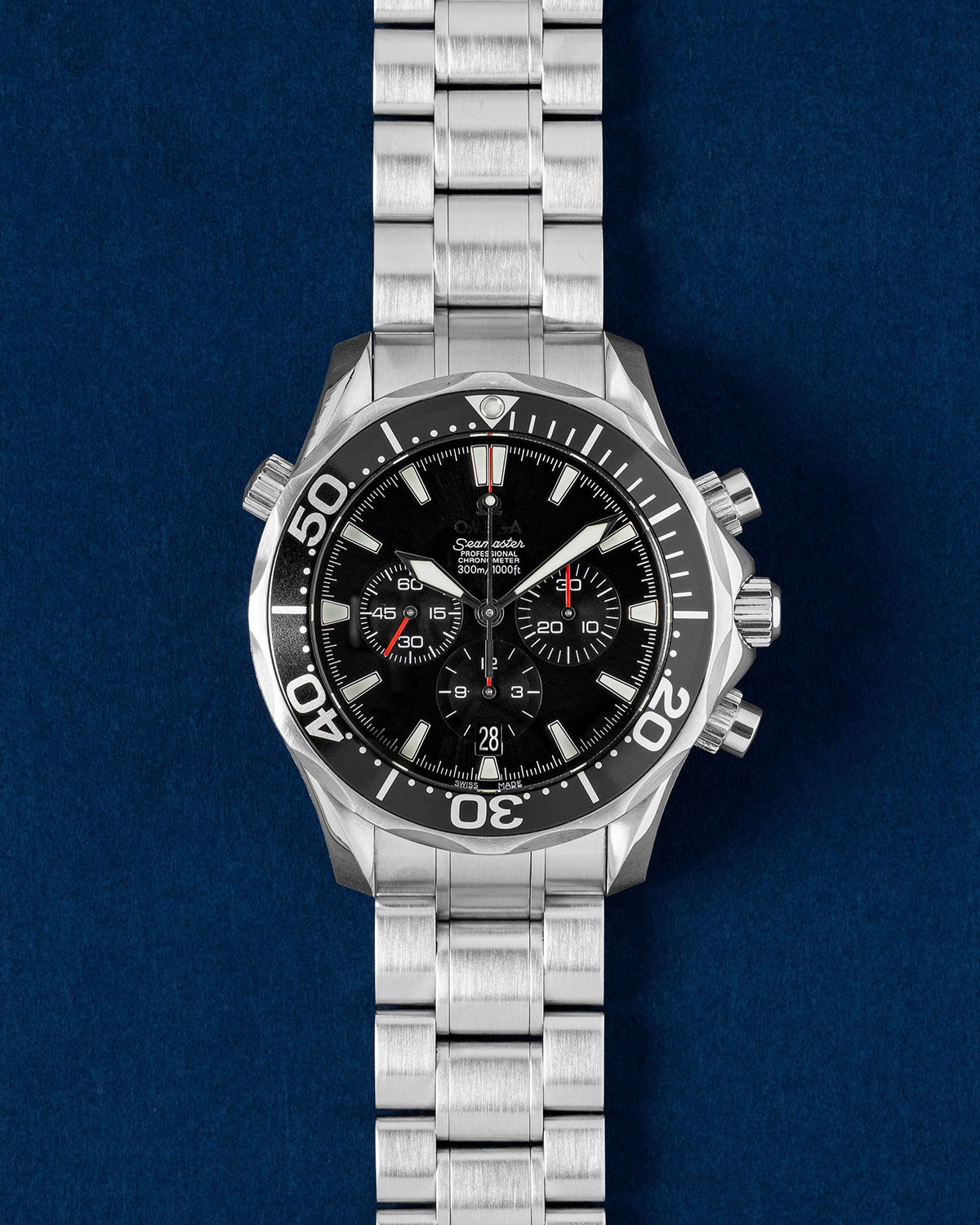
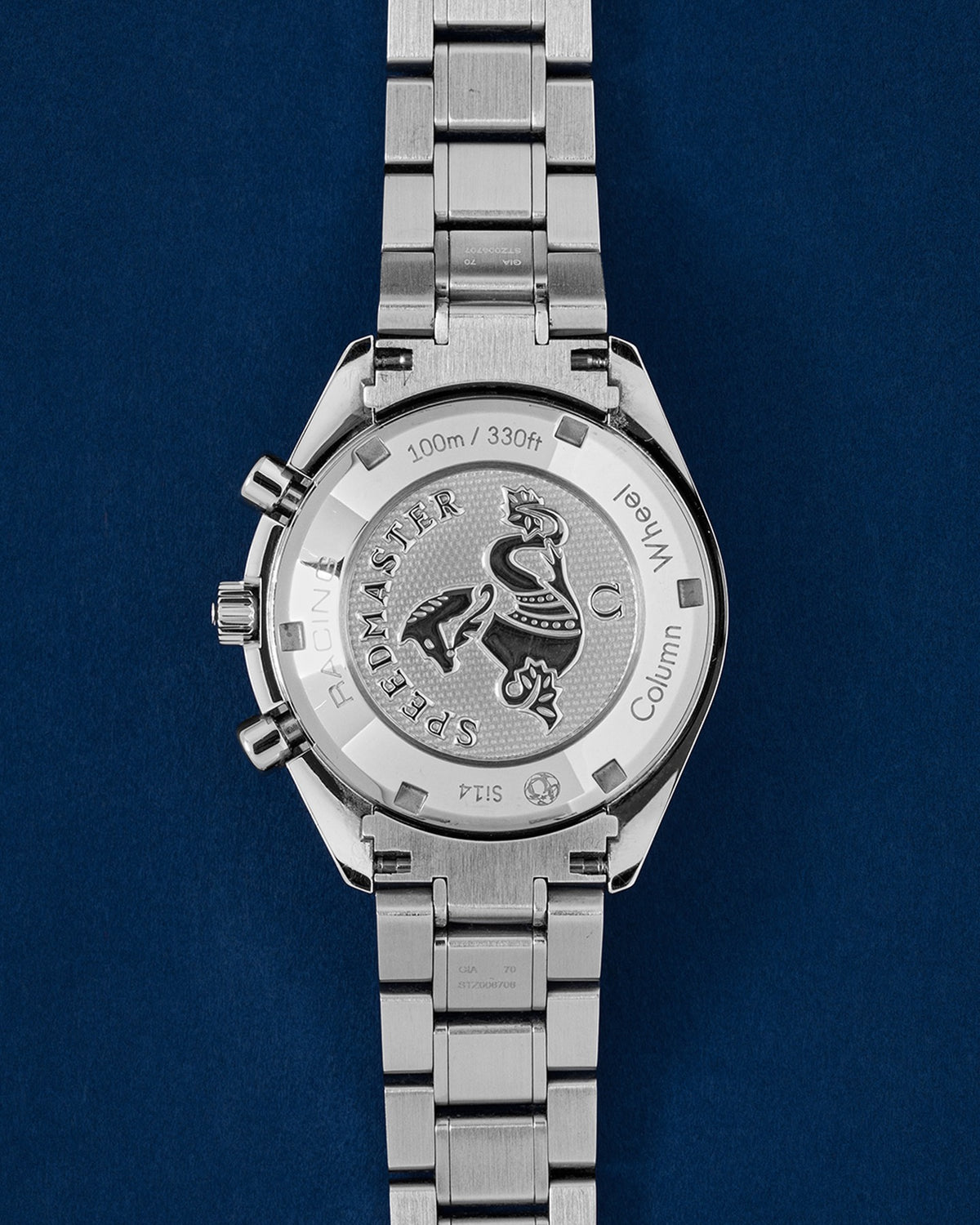
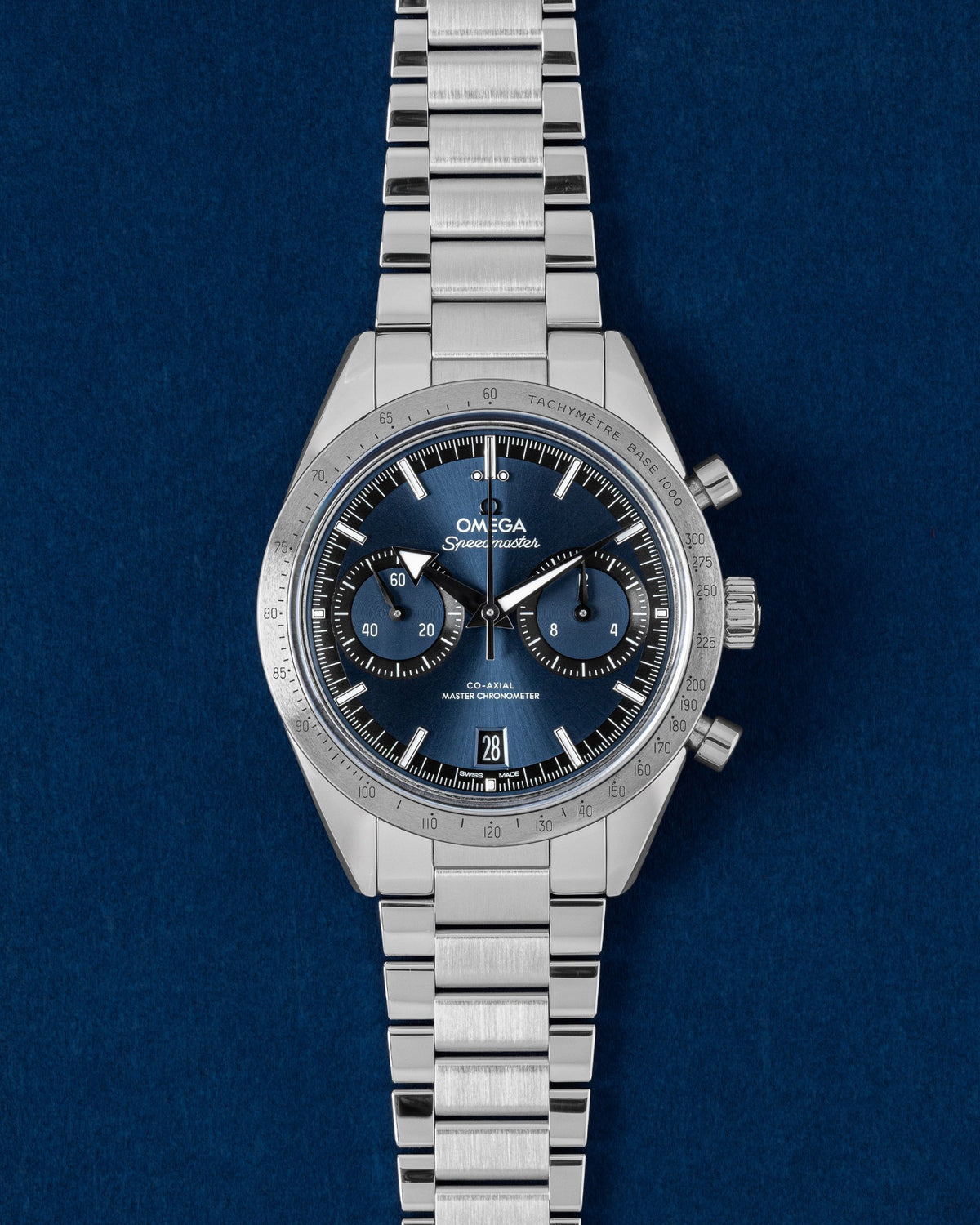
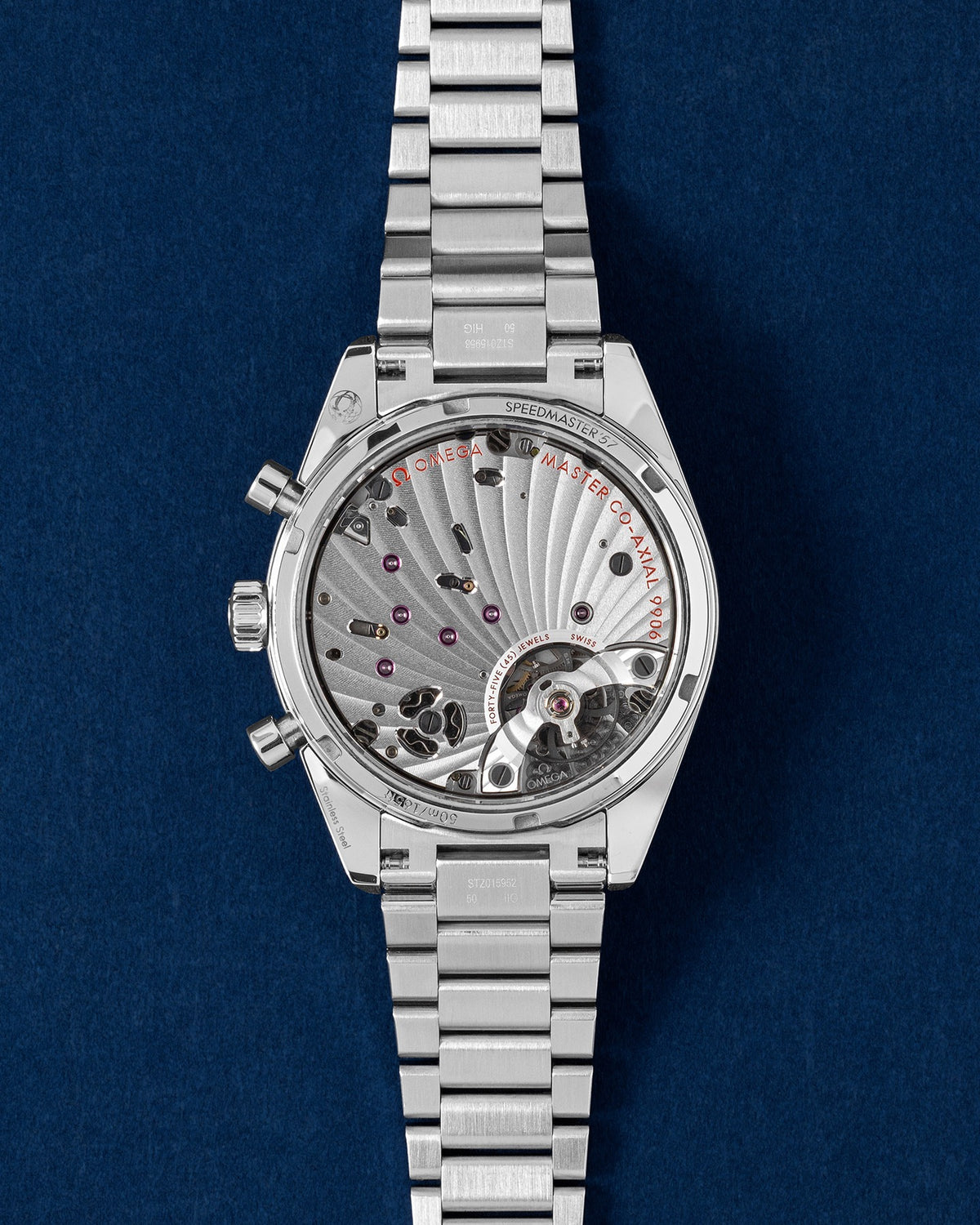
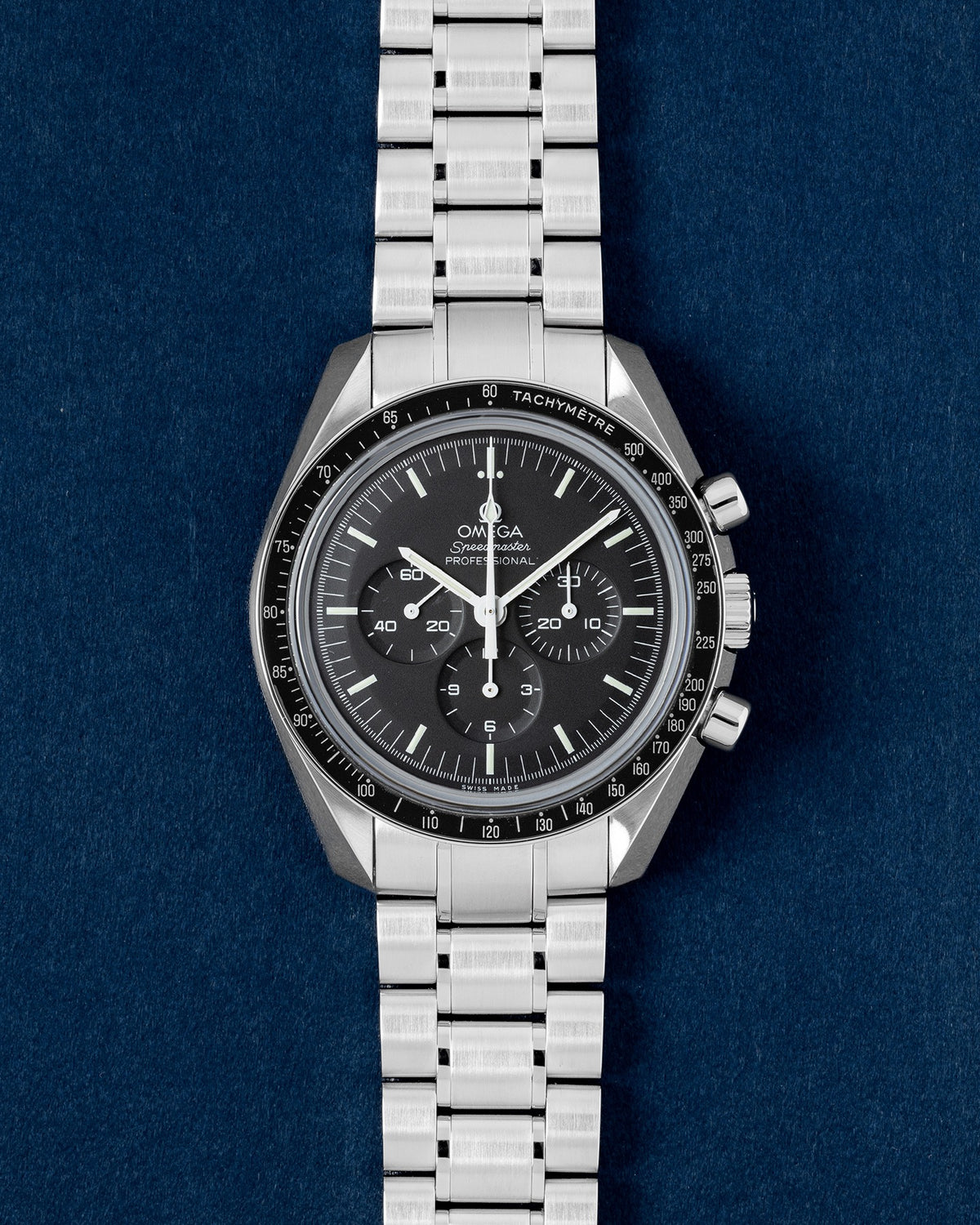
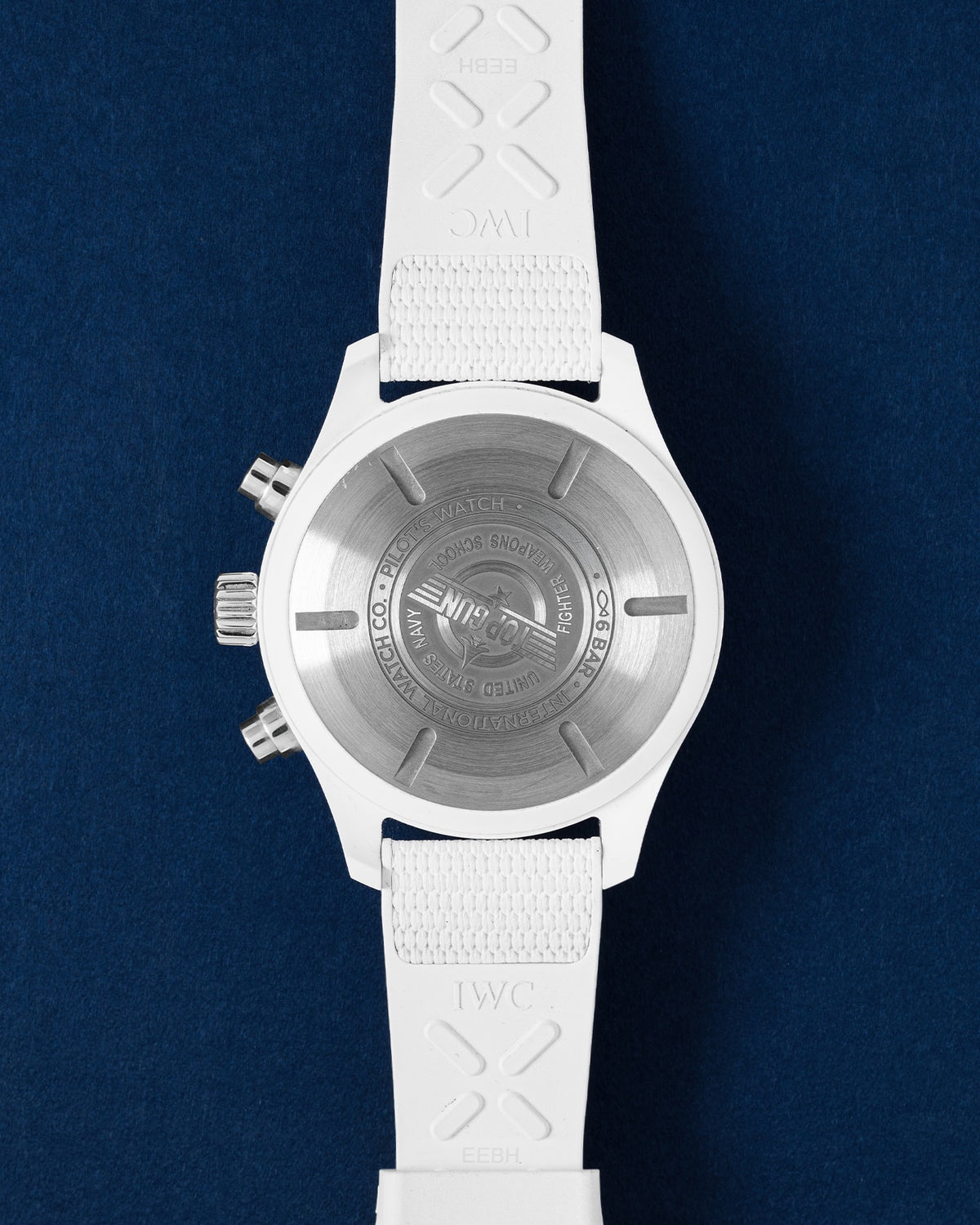
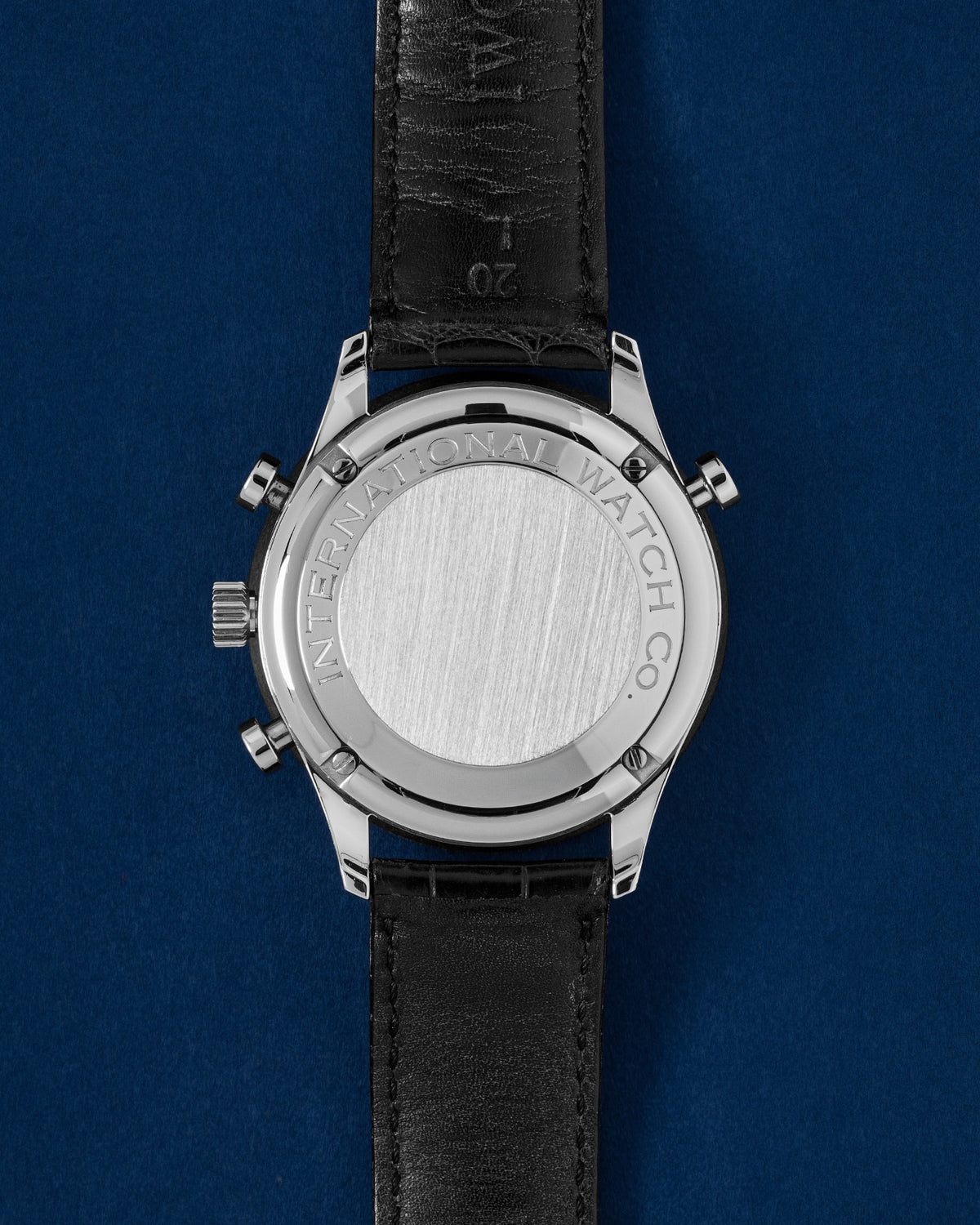
IWC Pilot Top Gun Lake Tahoe IW389105


Vintage
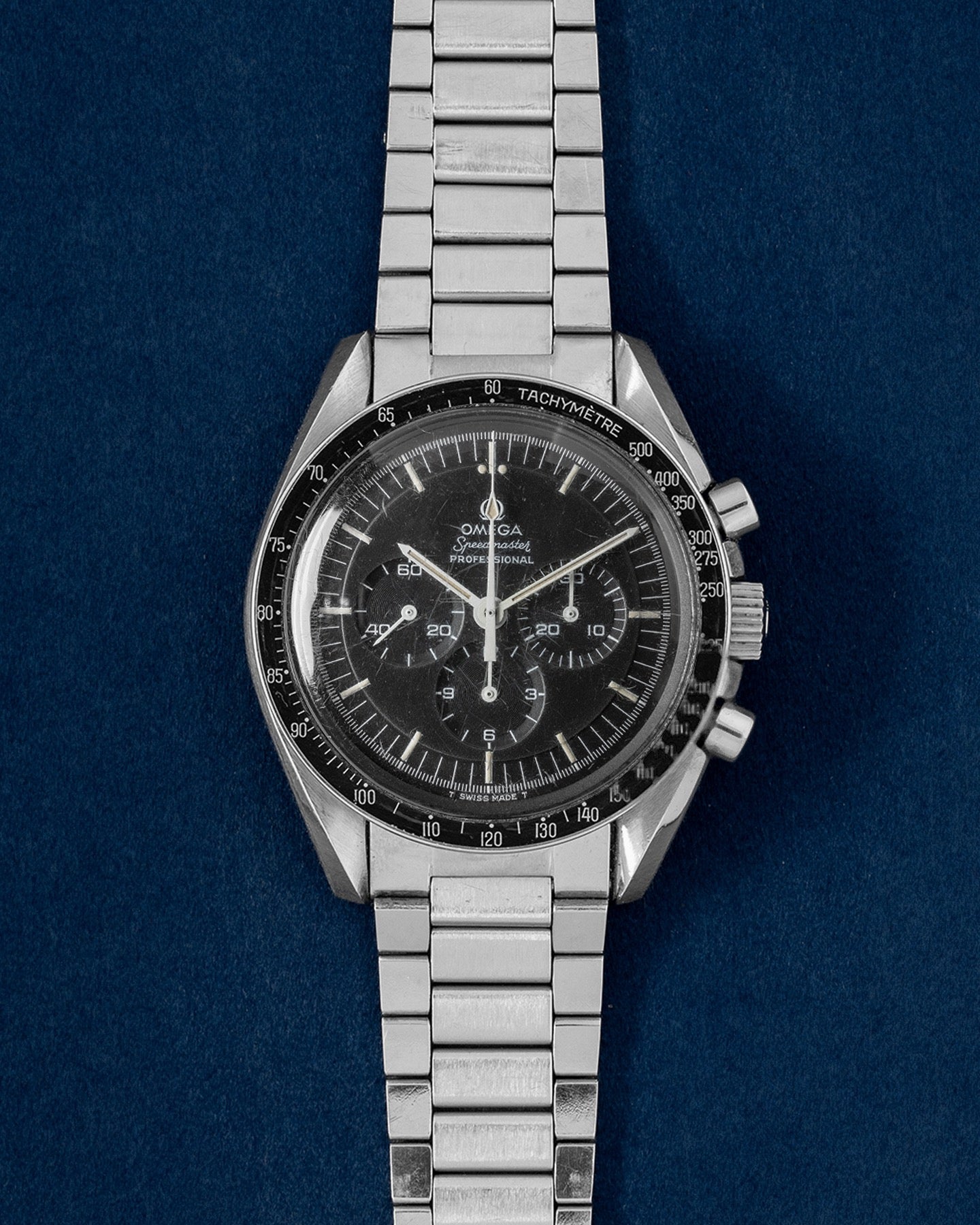
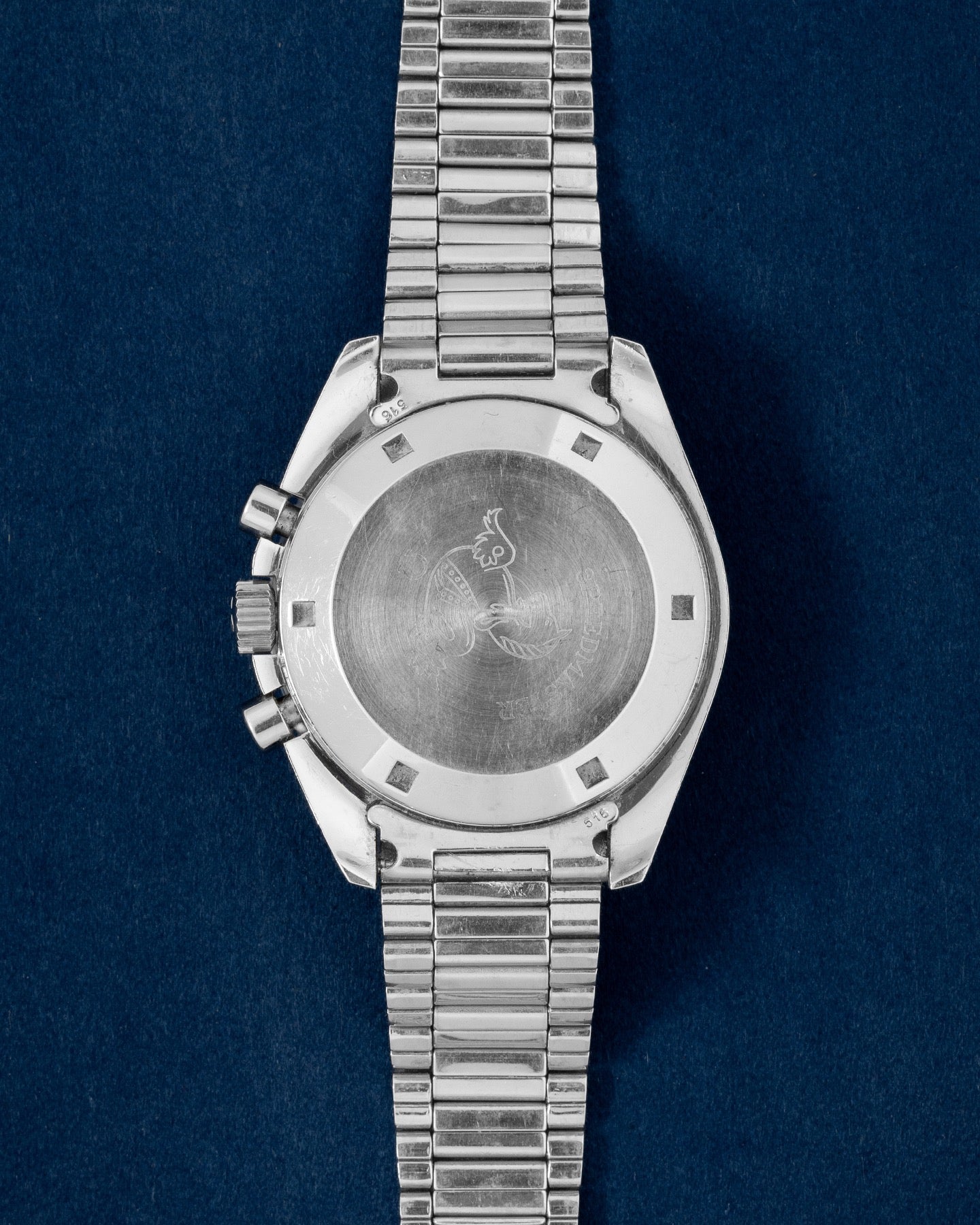
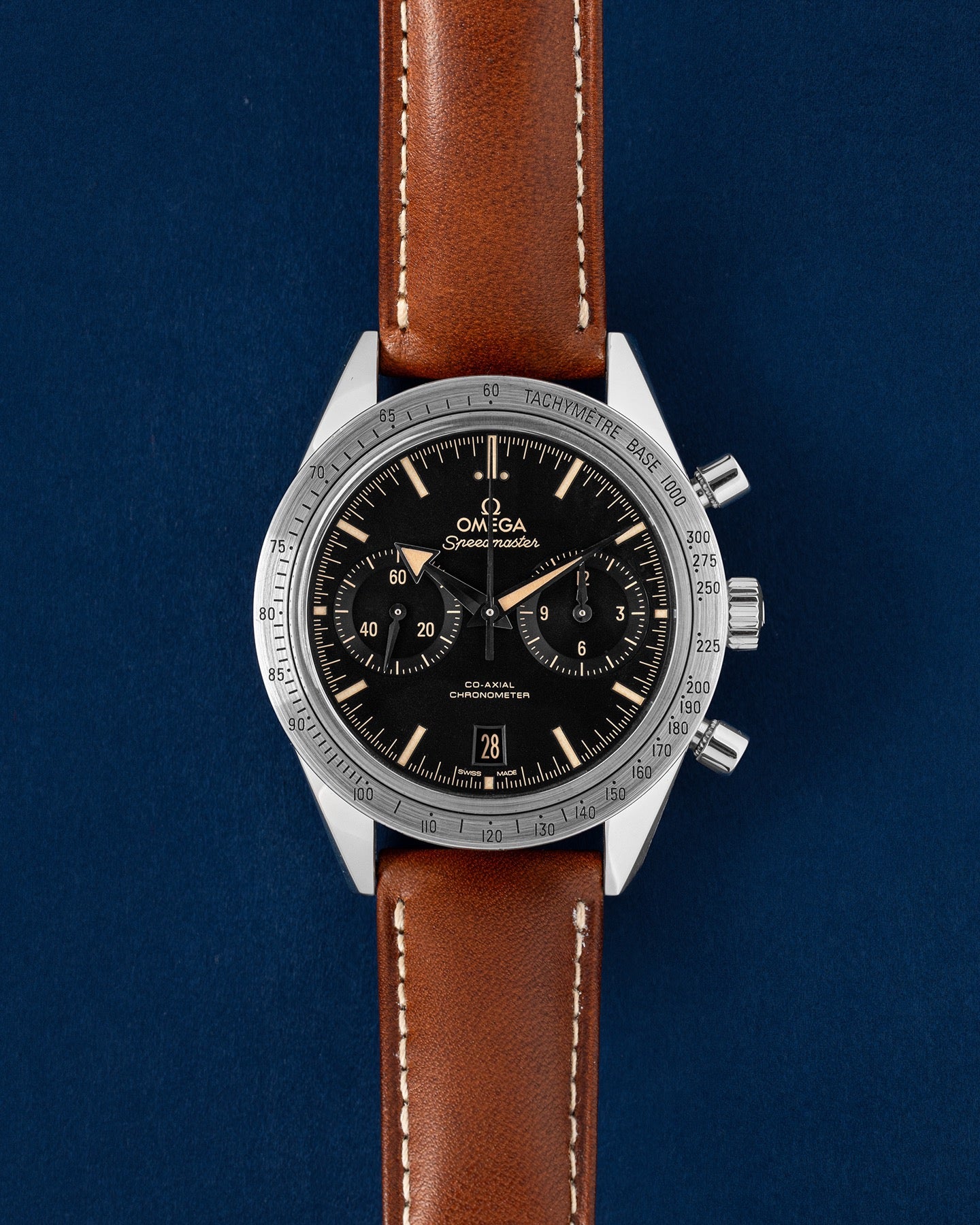
Omega Speedmaster ST 145.022-69
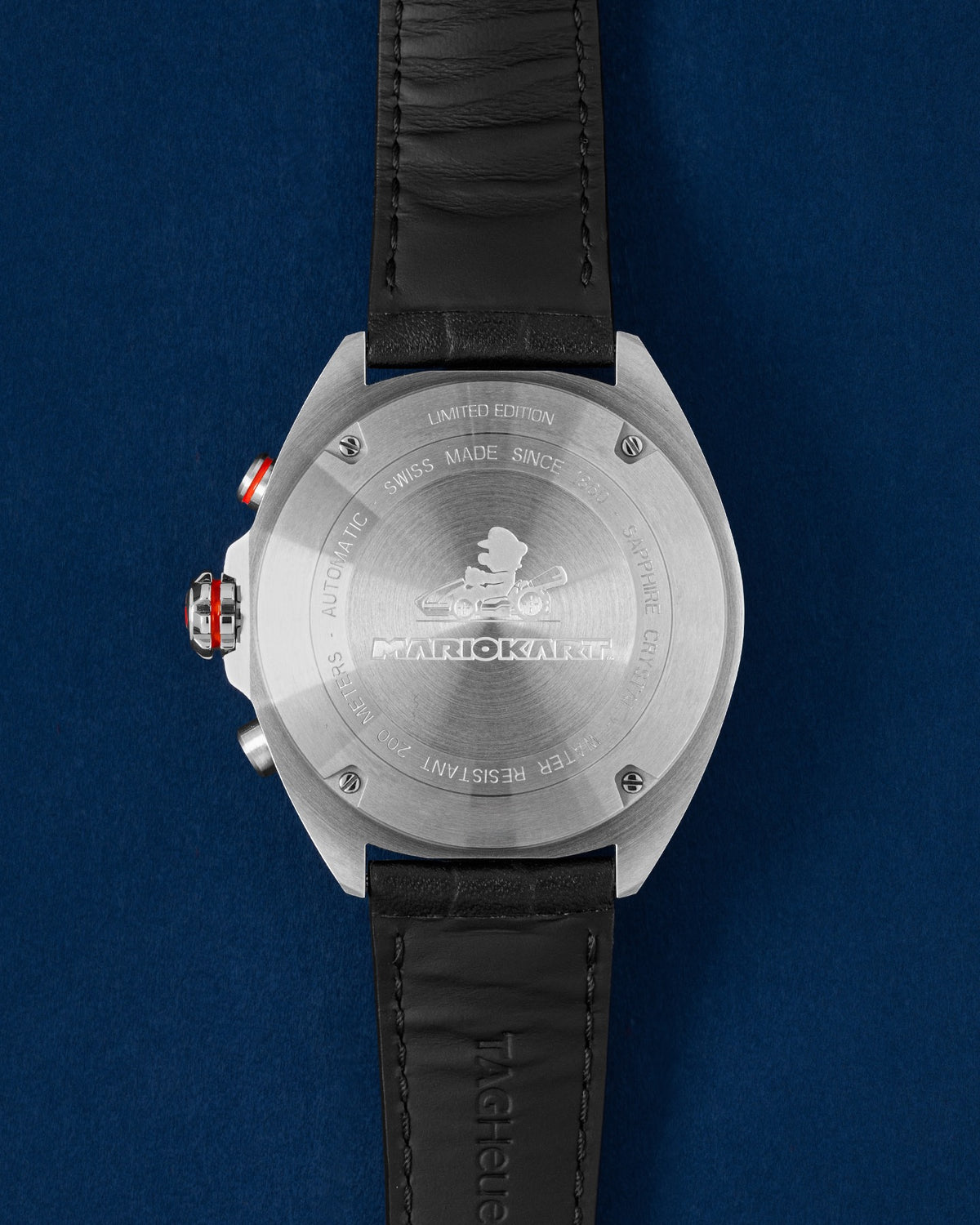
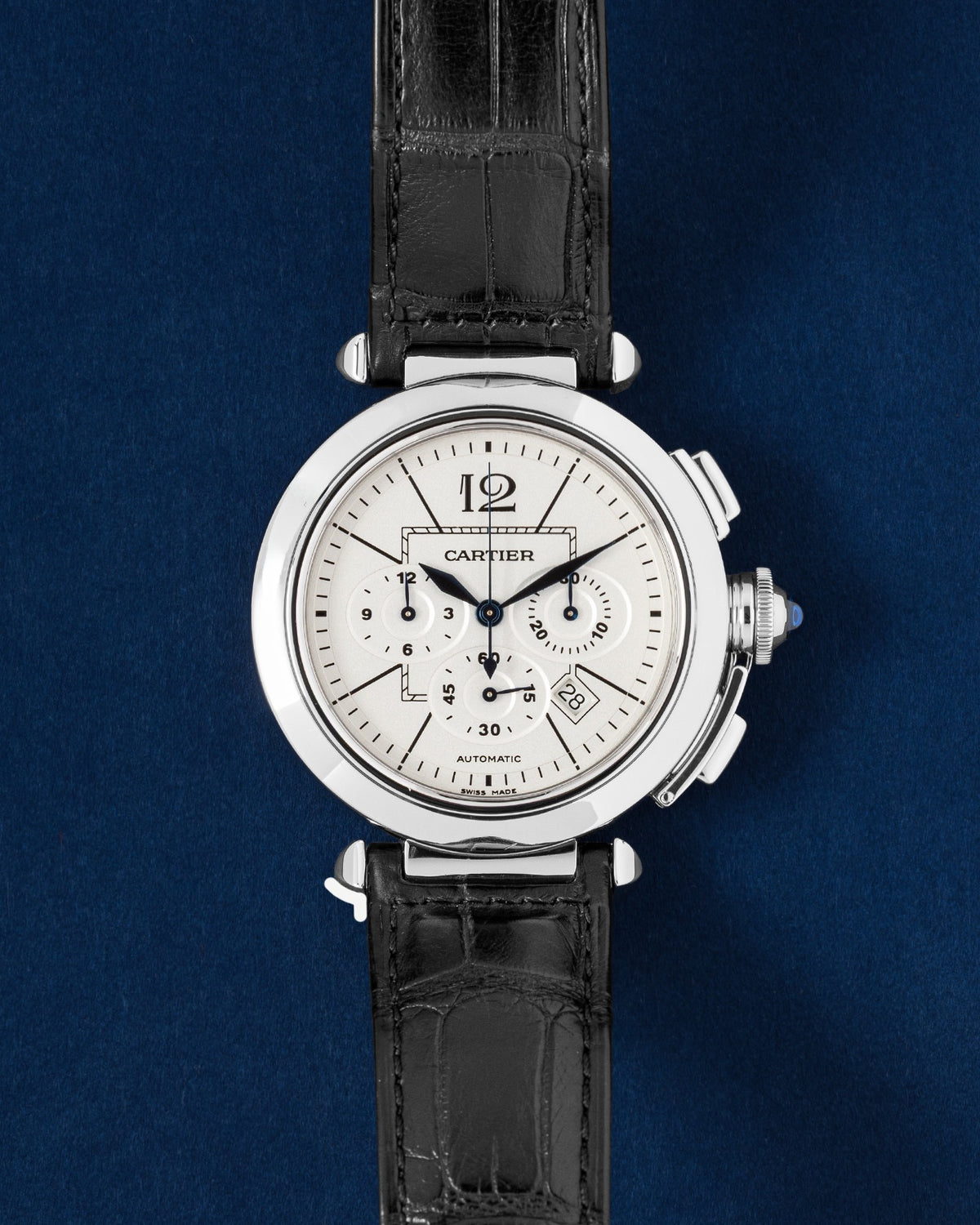
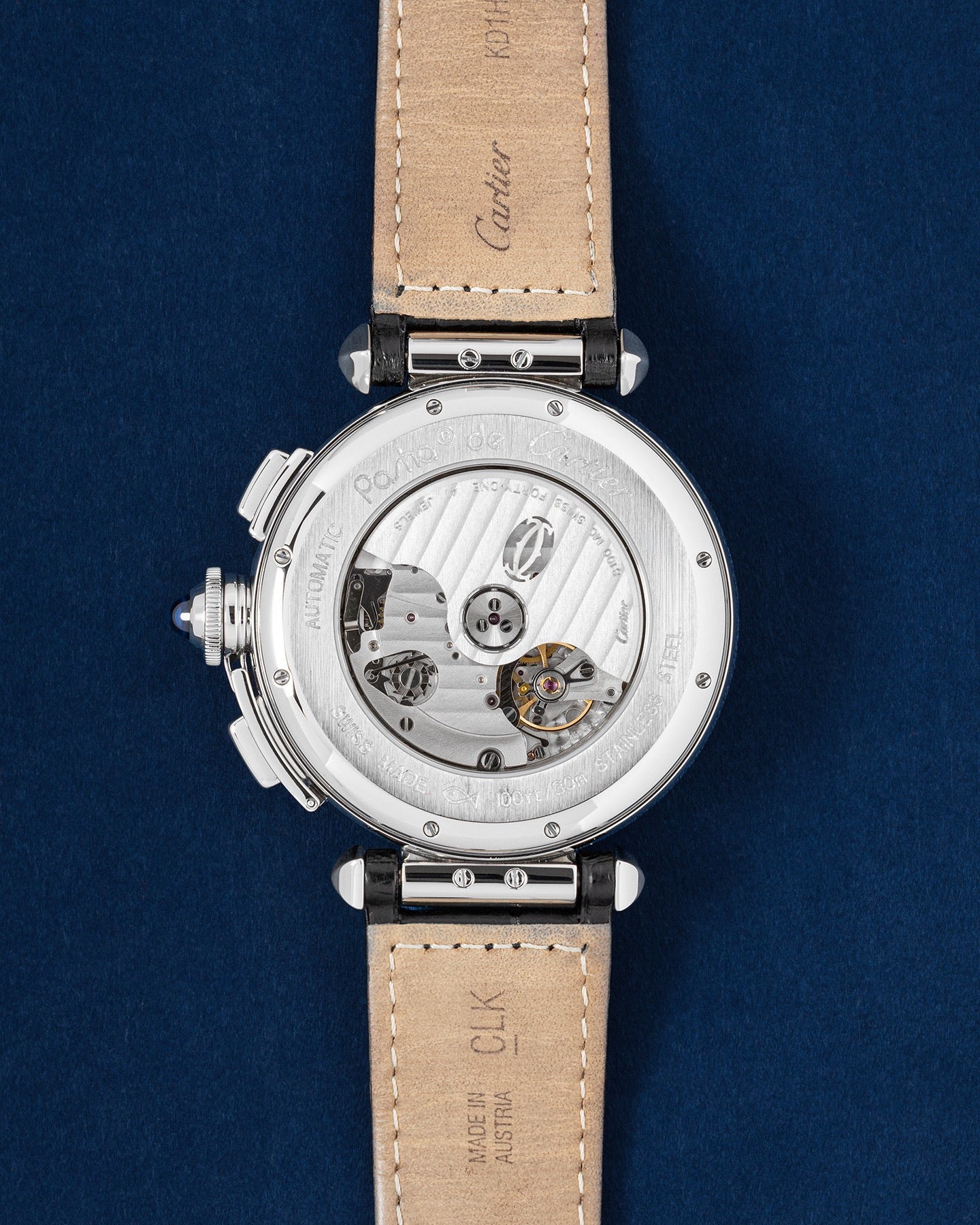
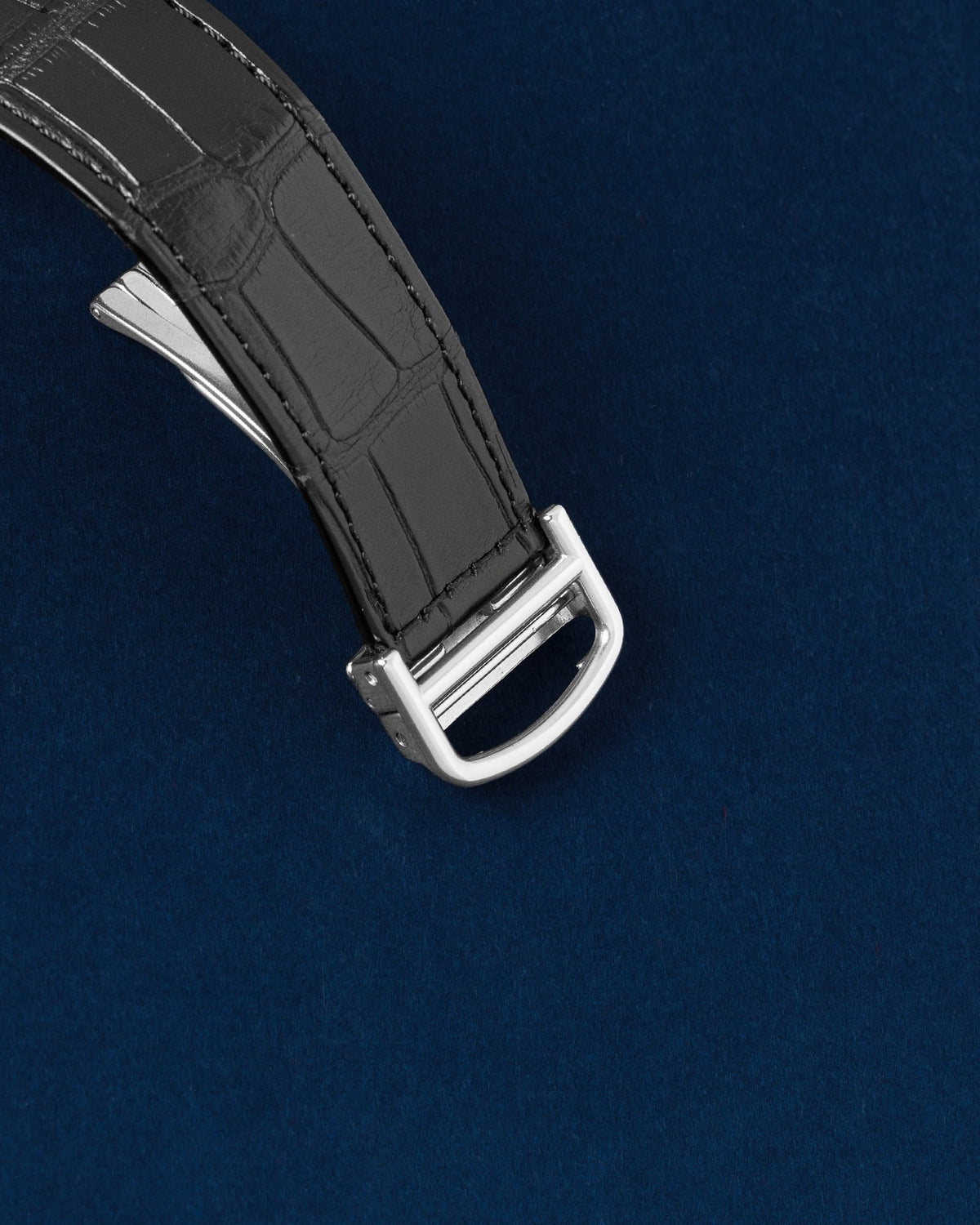
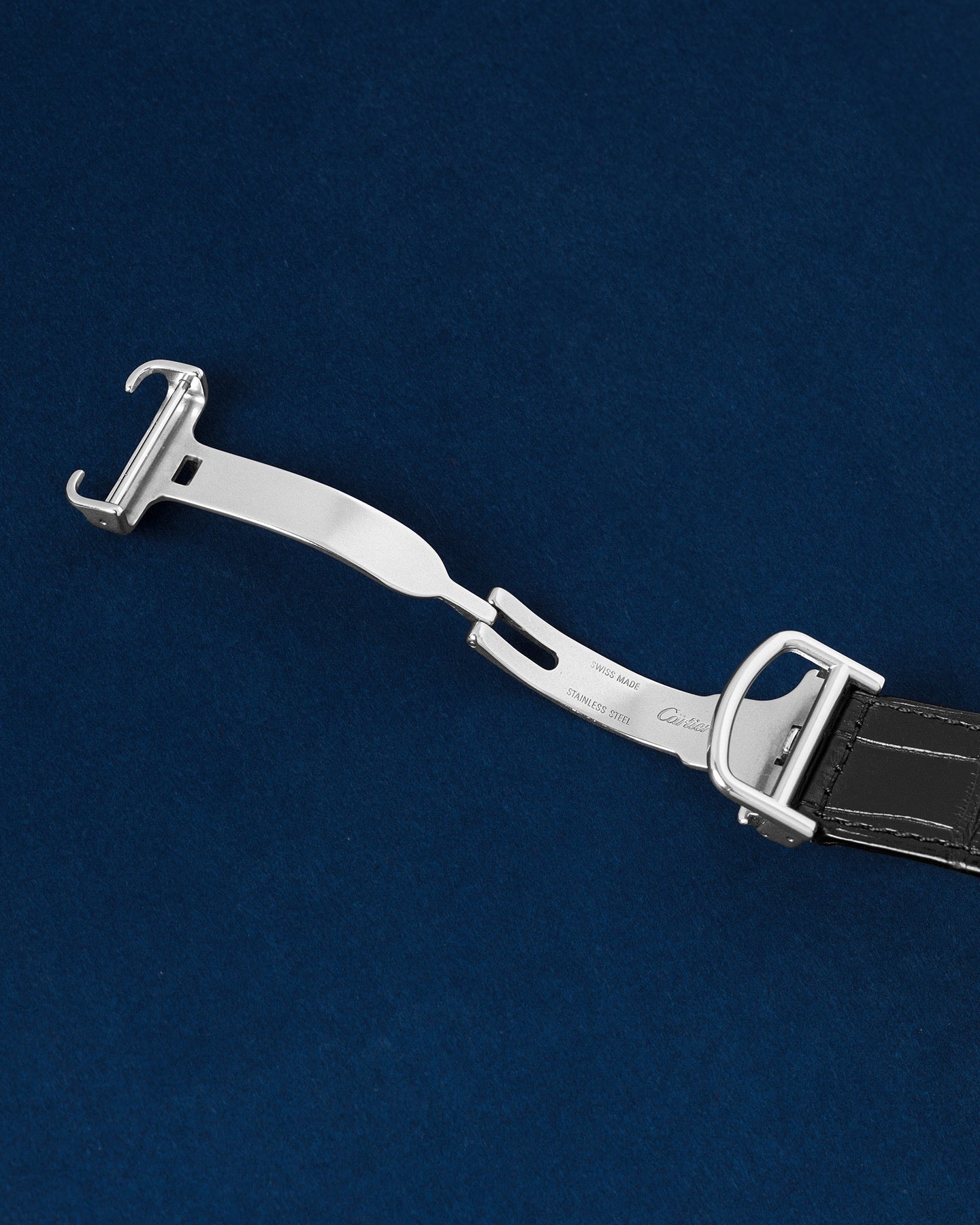
Cartier Pasha Chronograph W3108555
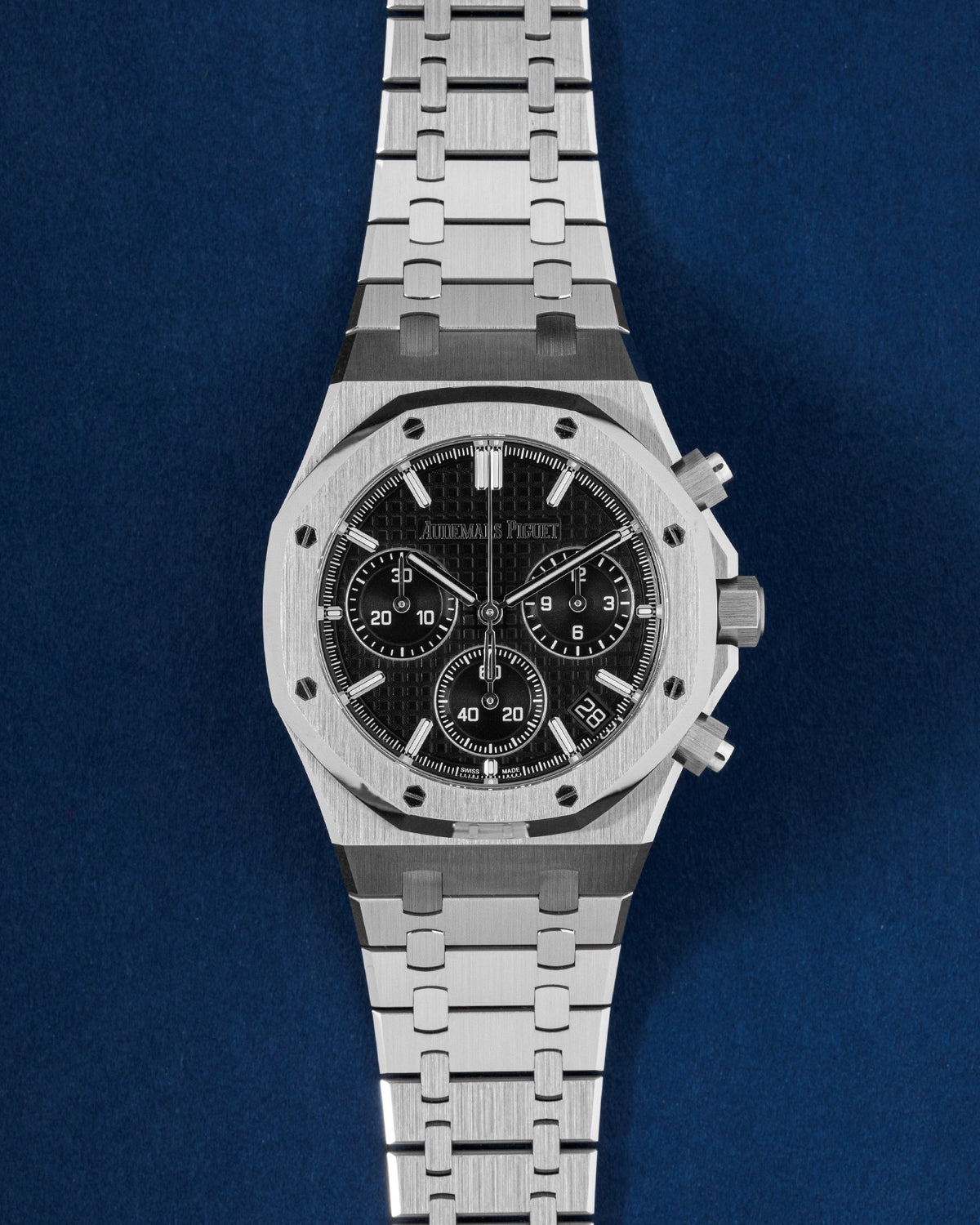
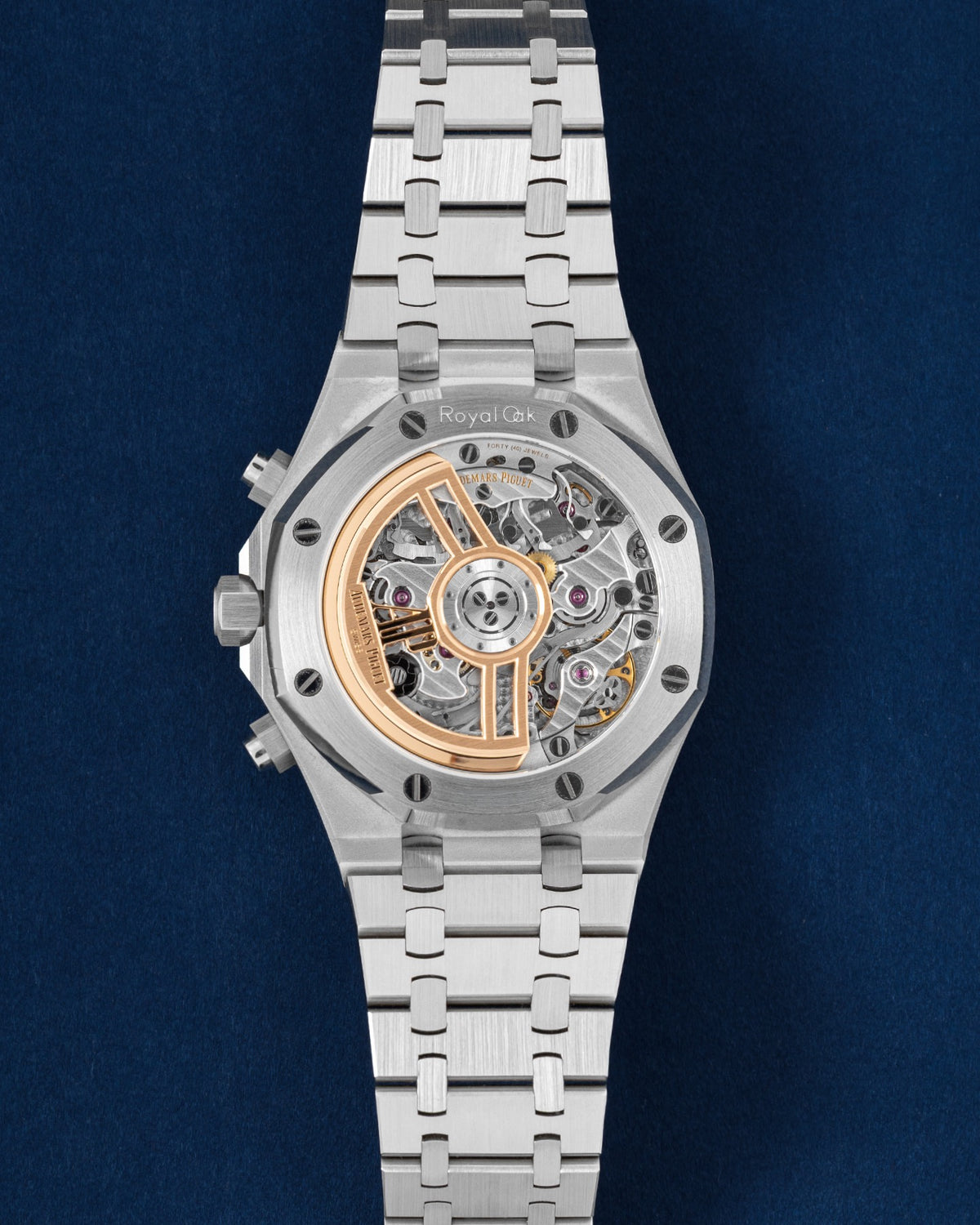
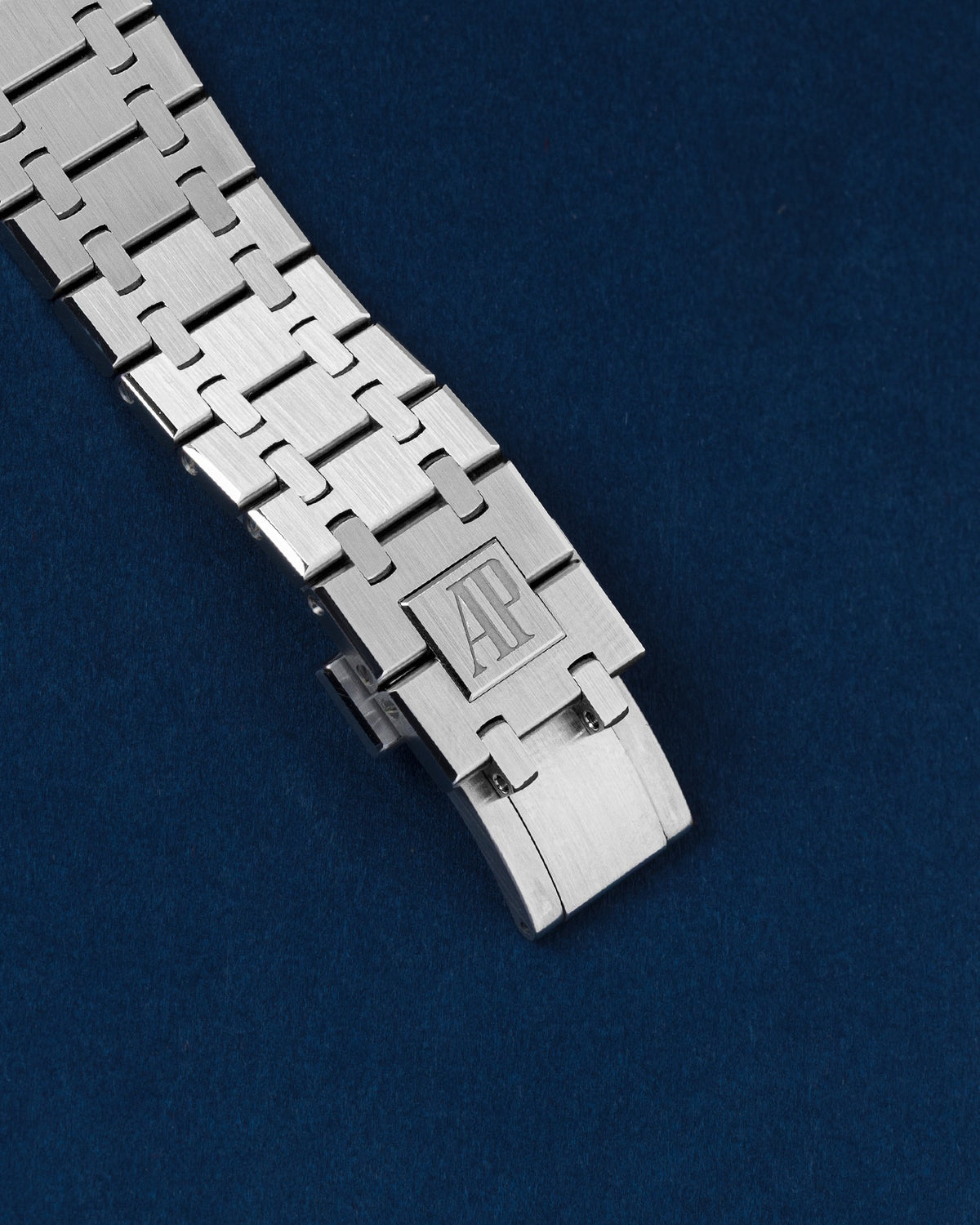
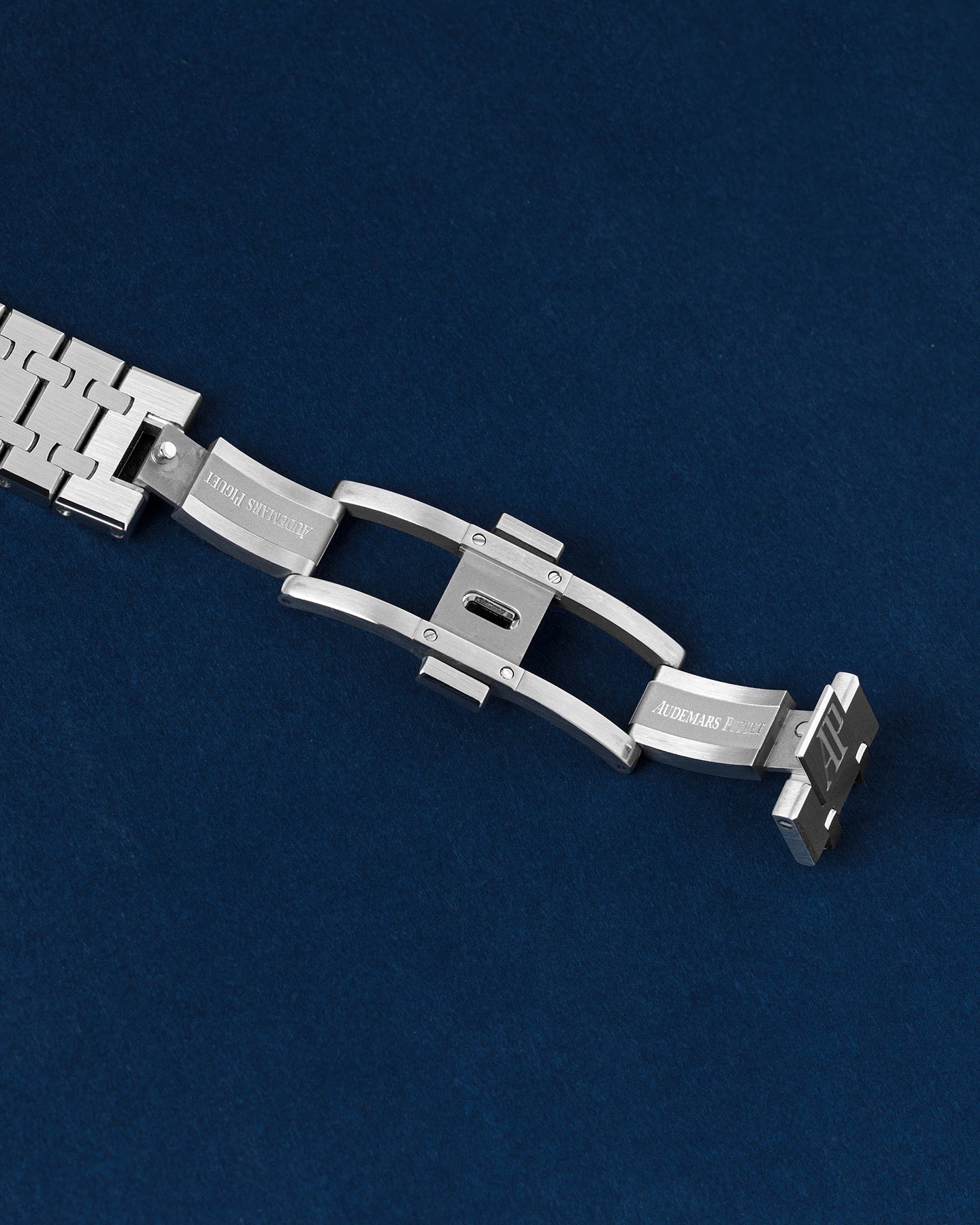
Audemars Piguet Royal Oak Chrono 26240ST
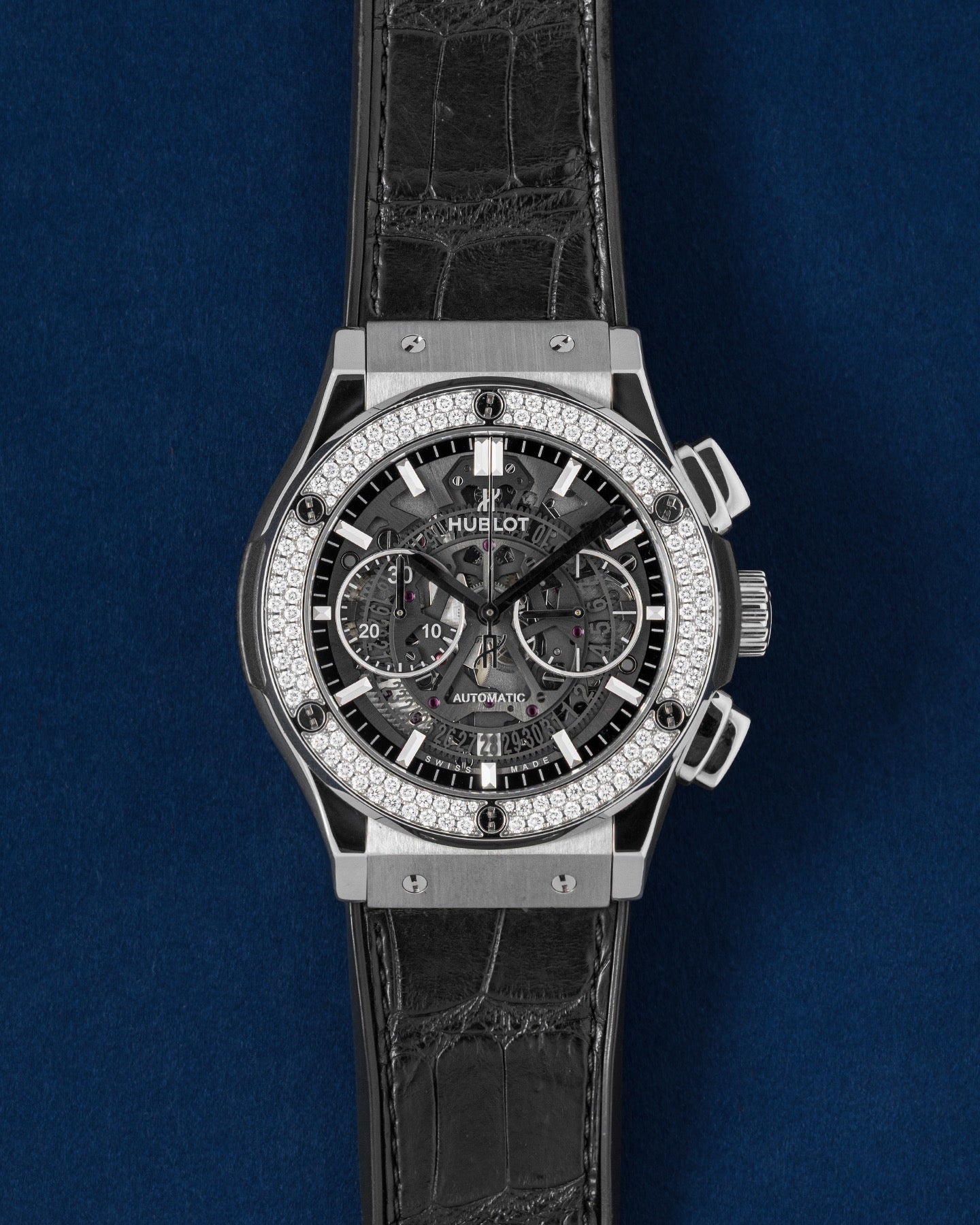
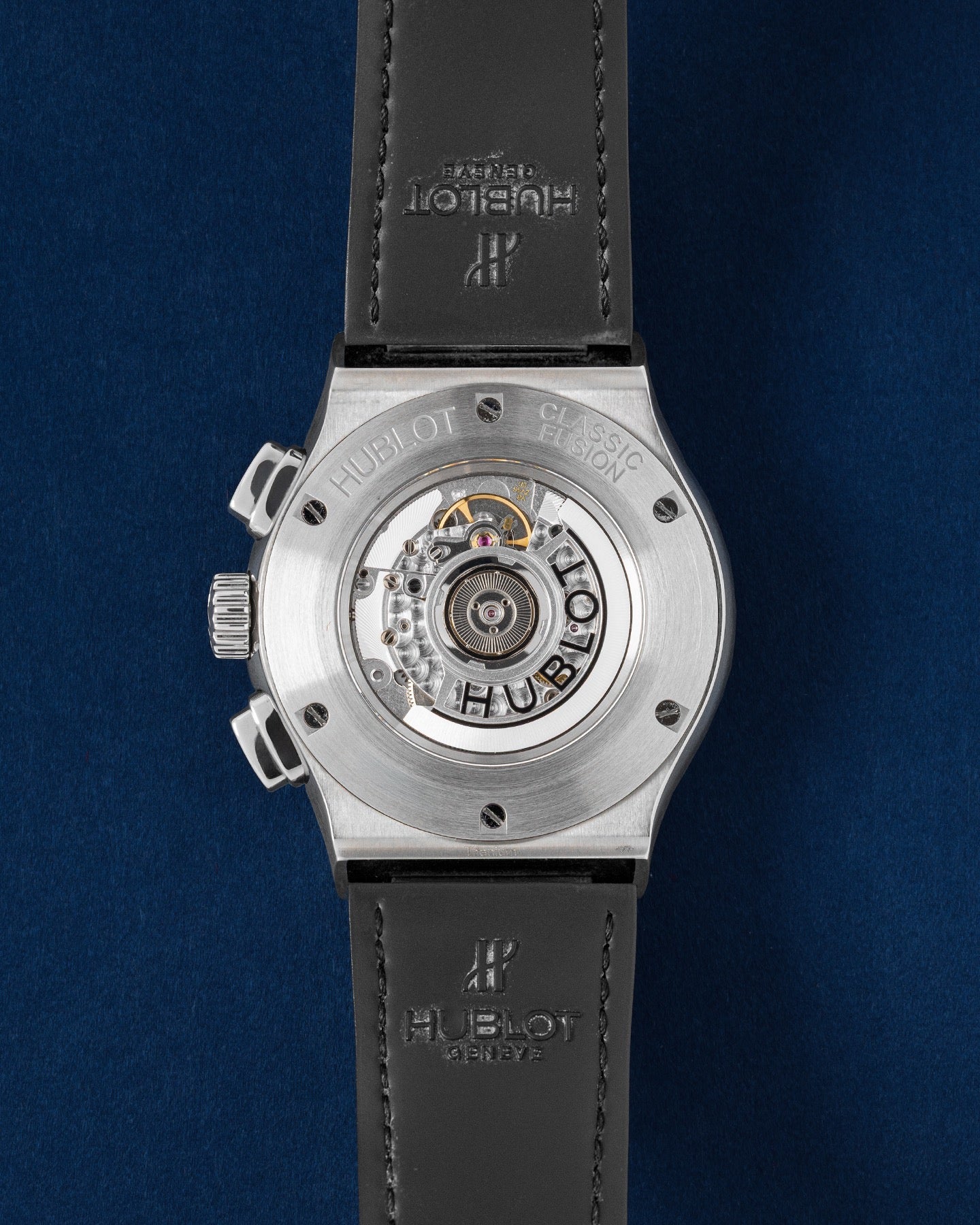
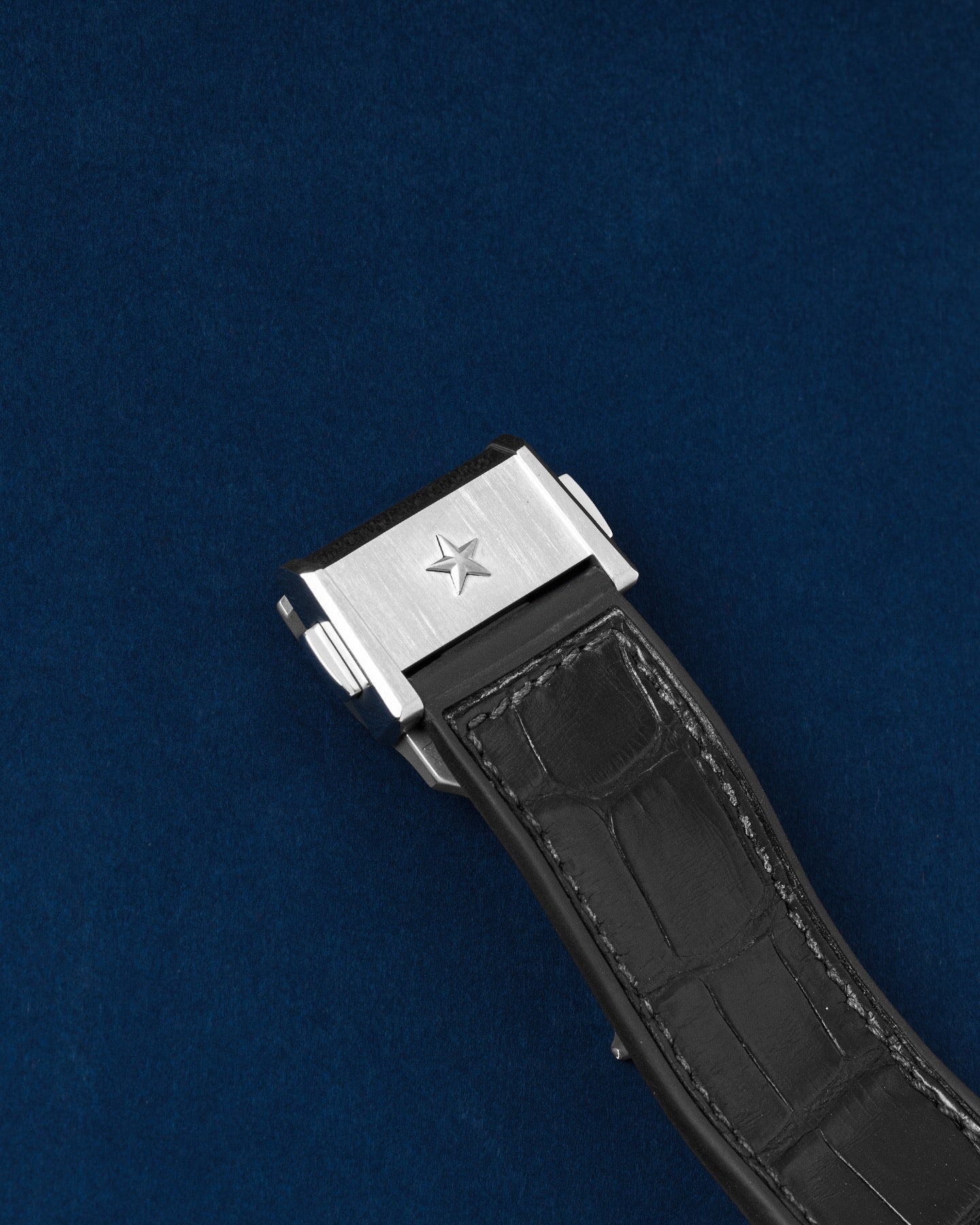
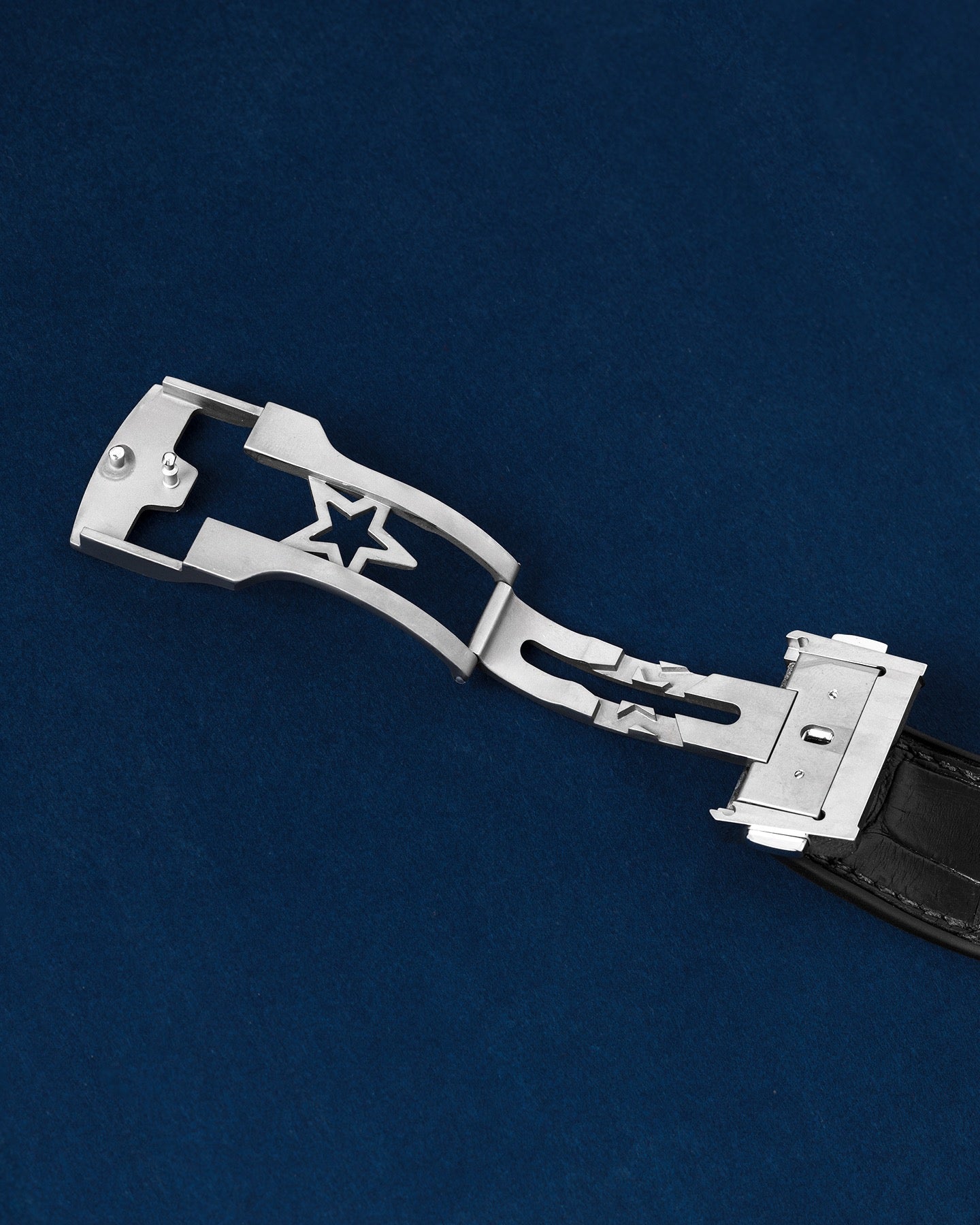
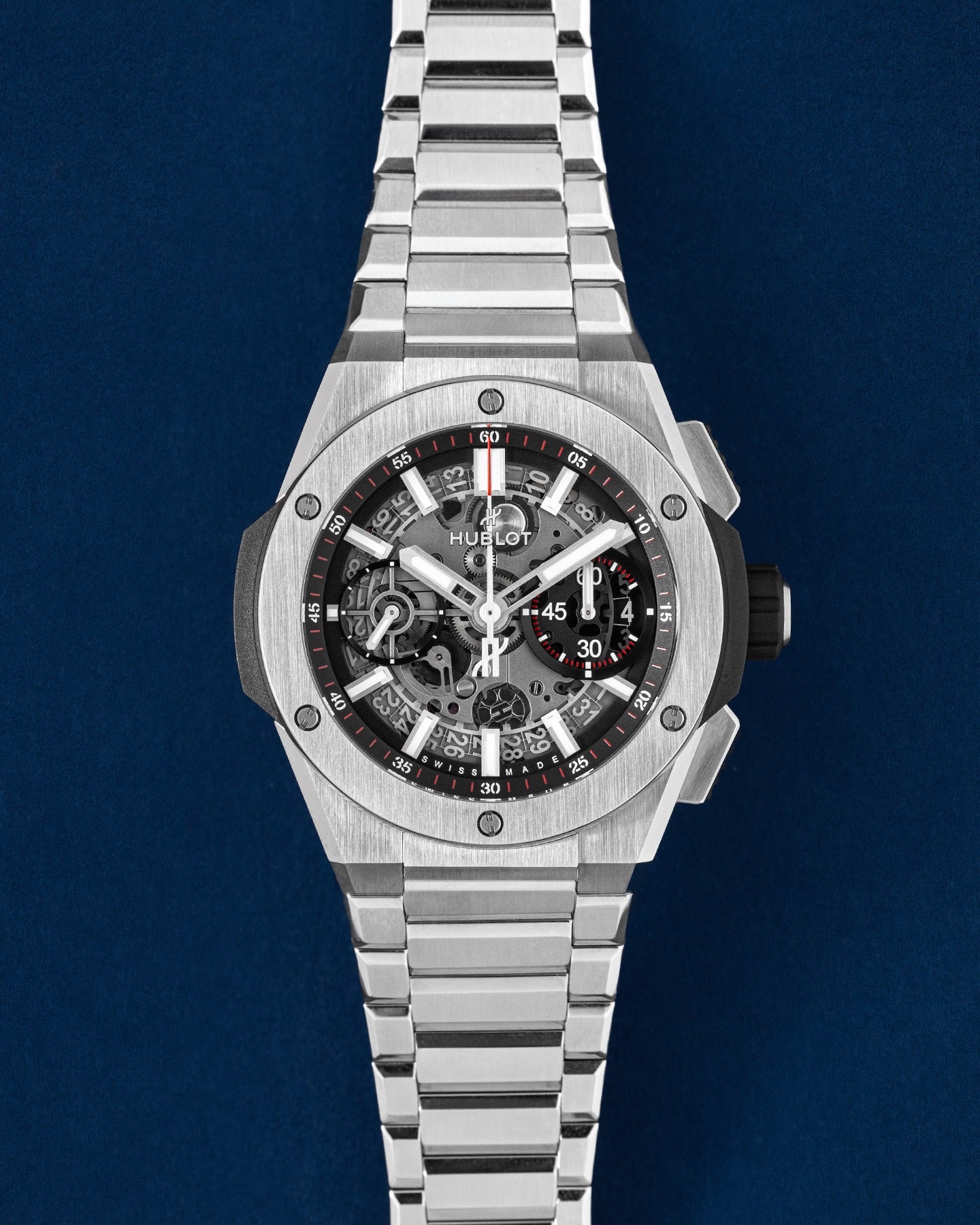
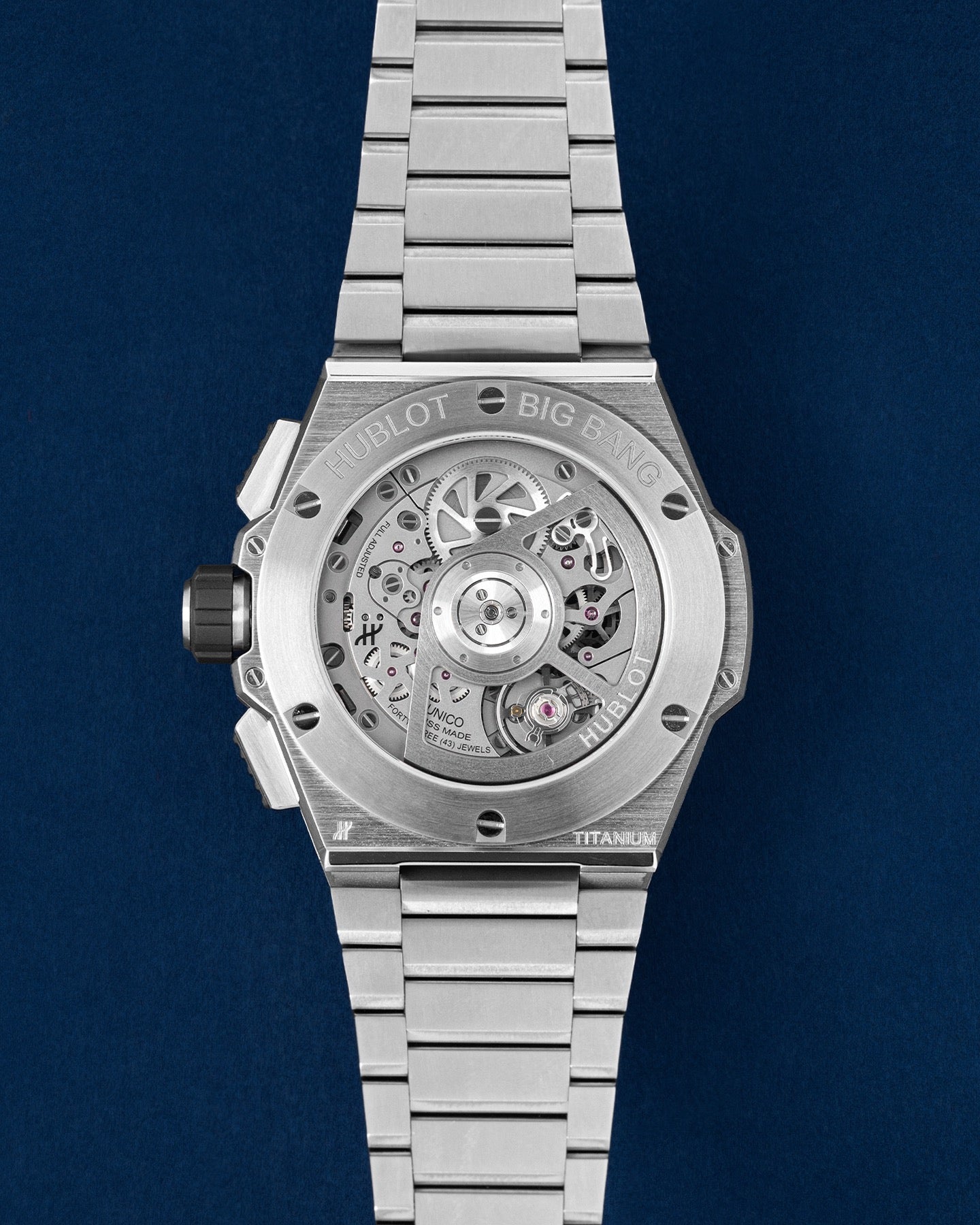
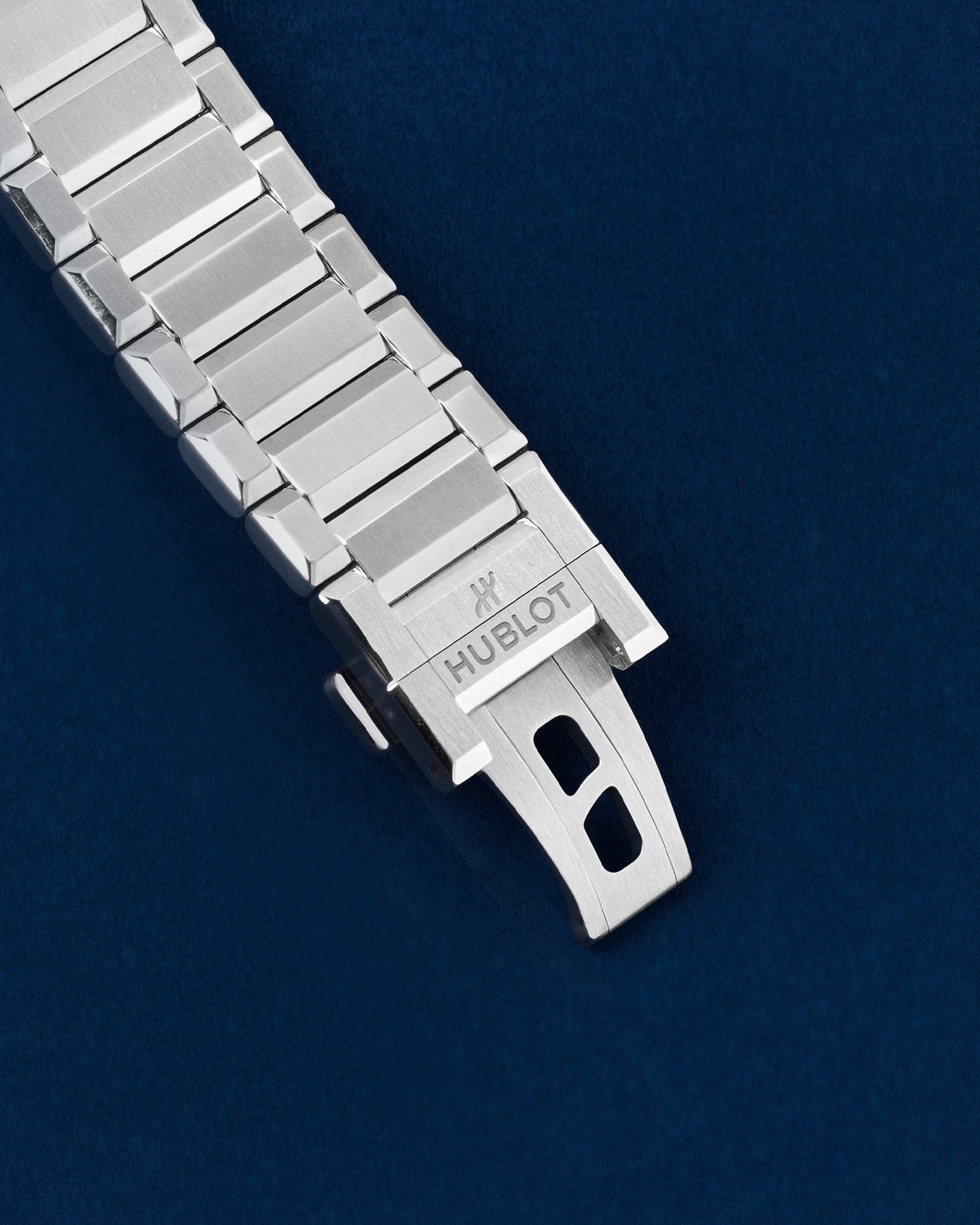
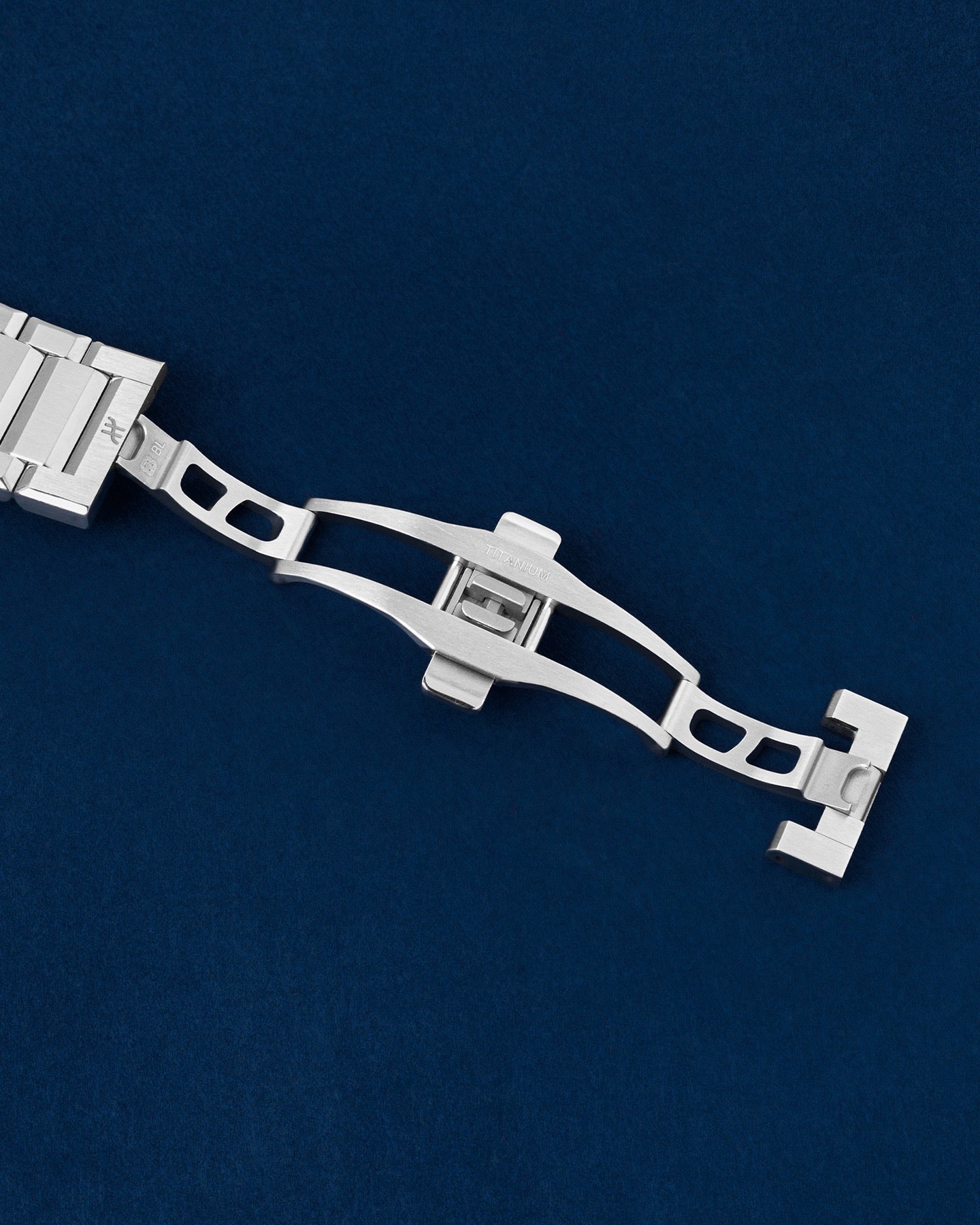
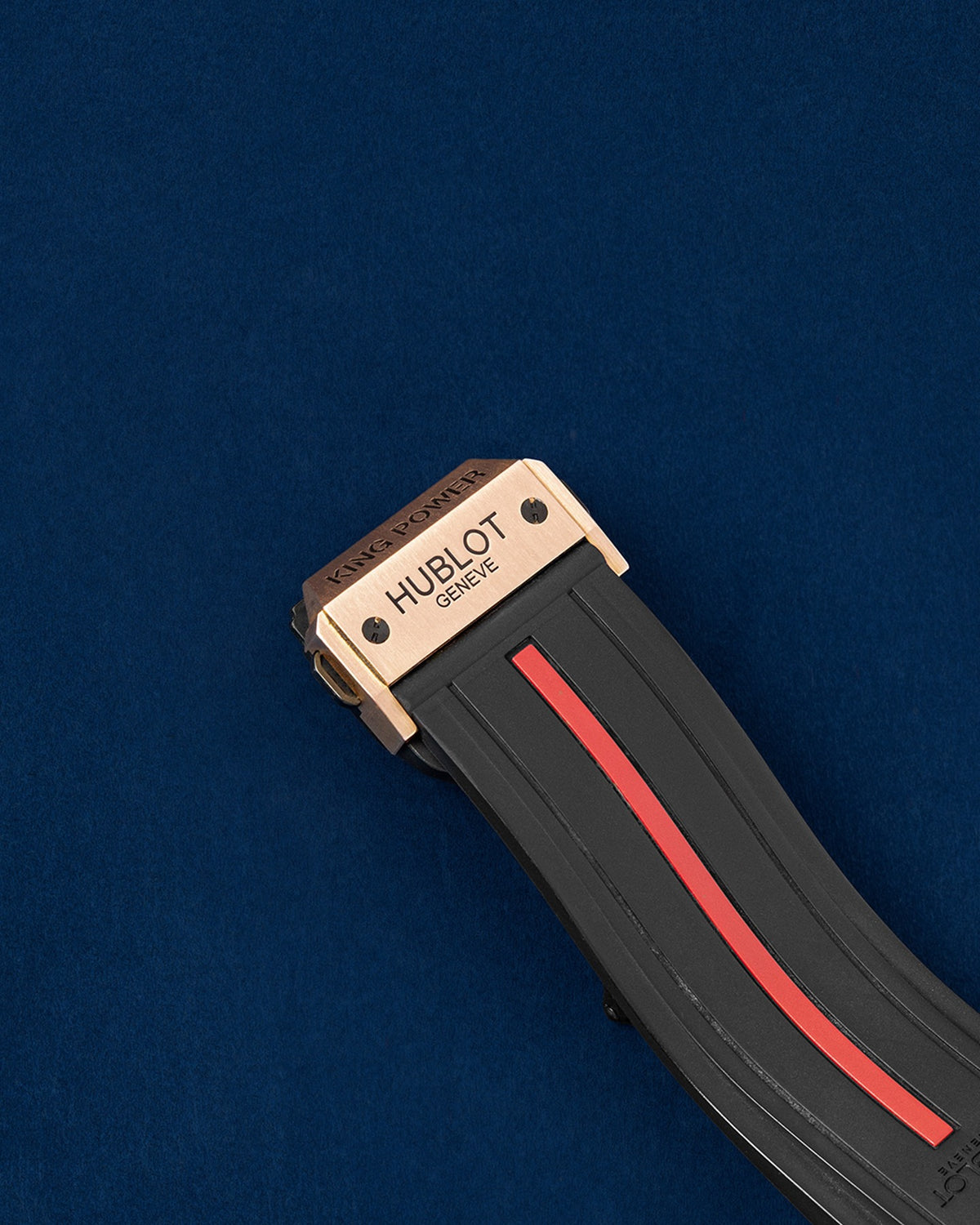
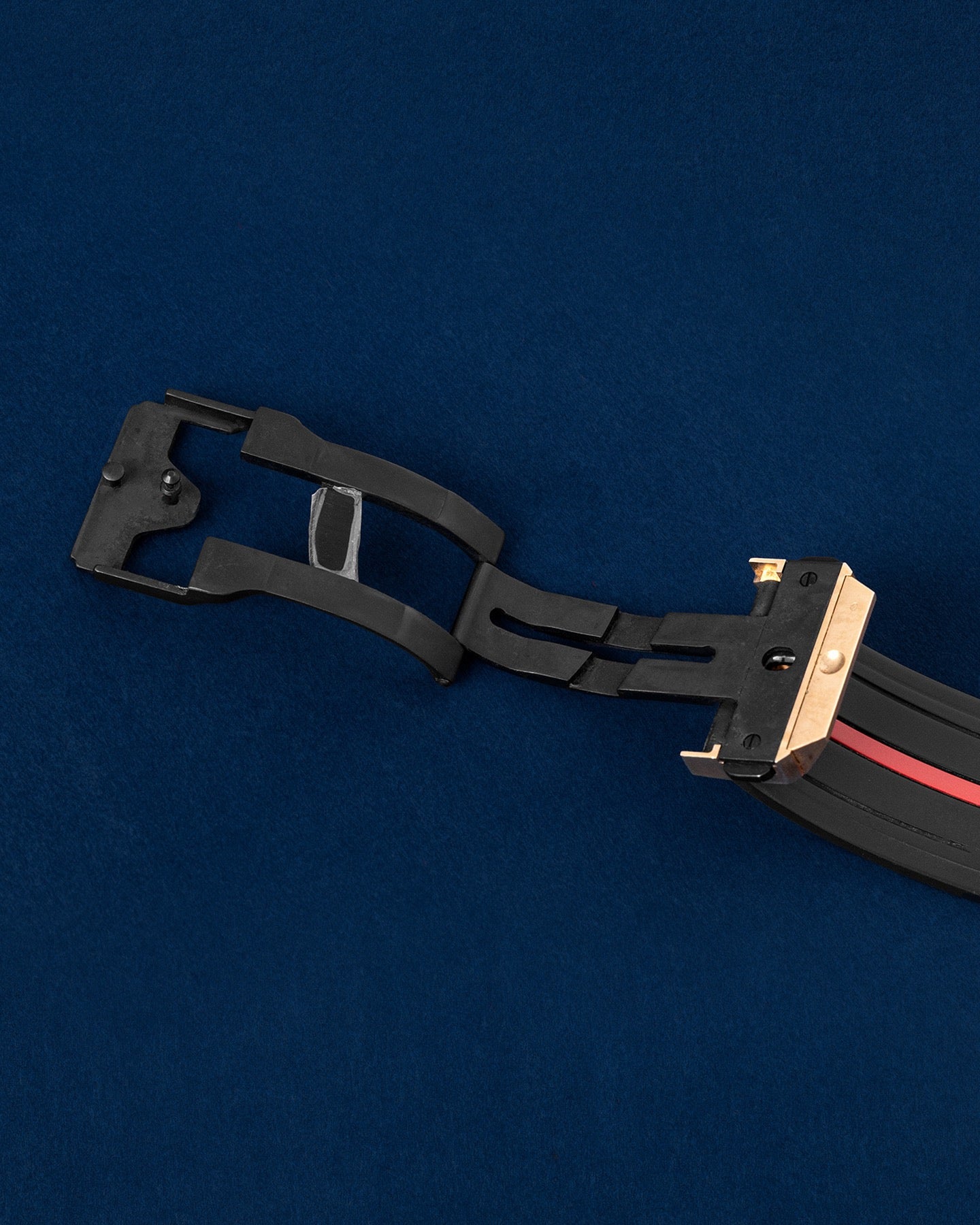
Hublot Big Bang Integral 451.NX.1170.NX