

Patek Philippe Watches
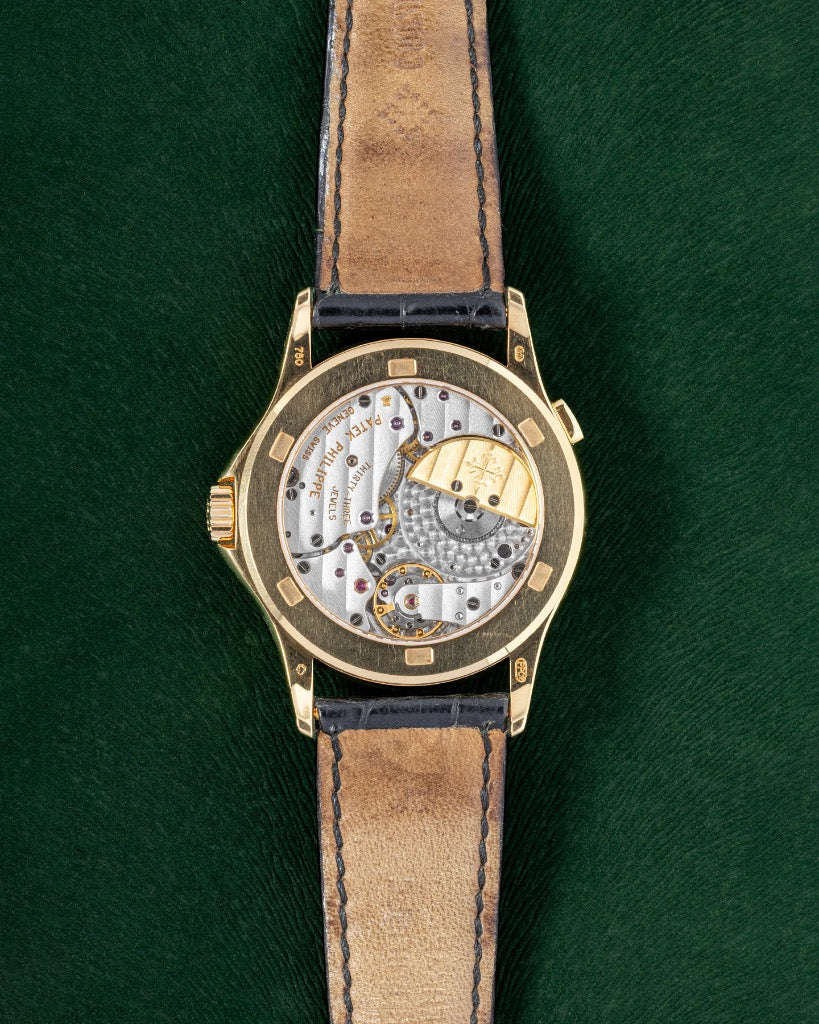
Founded in 1839, Patek Philippe is synonymous with enduring elegance and technical mastery. Revered for its intricate complications and classic designs, the brand has earned its place in watchmaking history. Grand Caliber offers an expertly curated range of new & preowned watches from Patek Philippe, appealing to collectors who appreciate precision, tradition, and the legacy of Swiss excellence.
Patek Philippe Watches at Grand Caliber
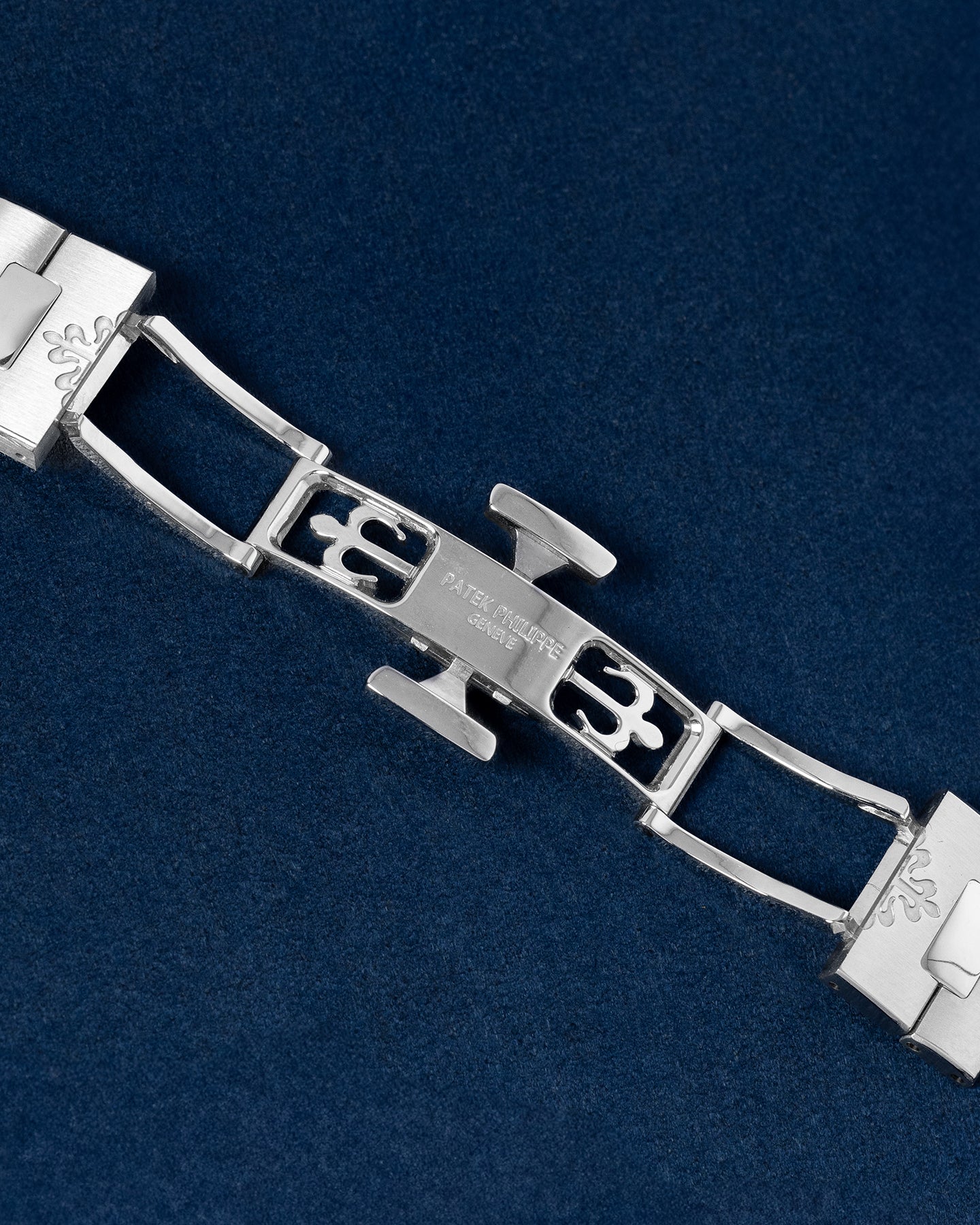
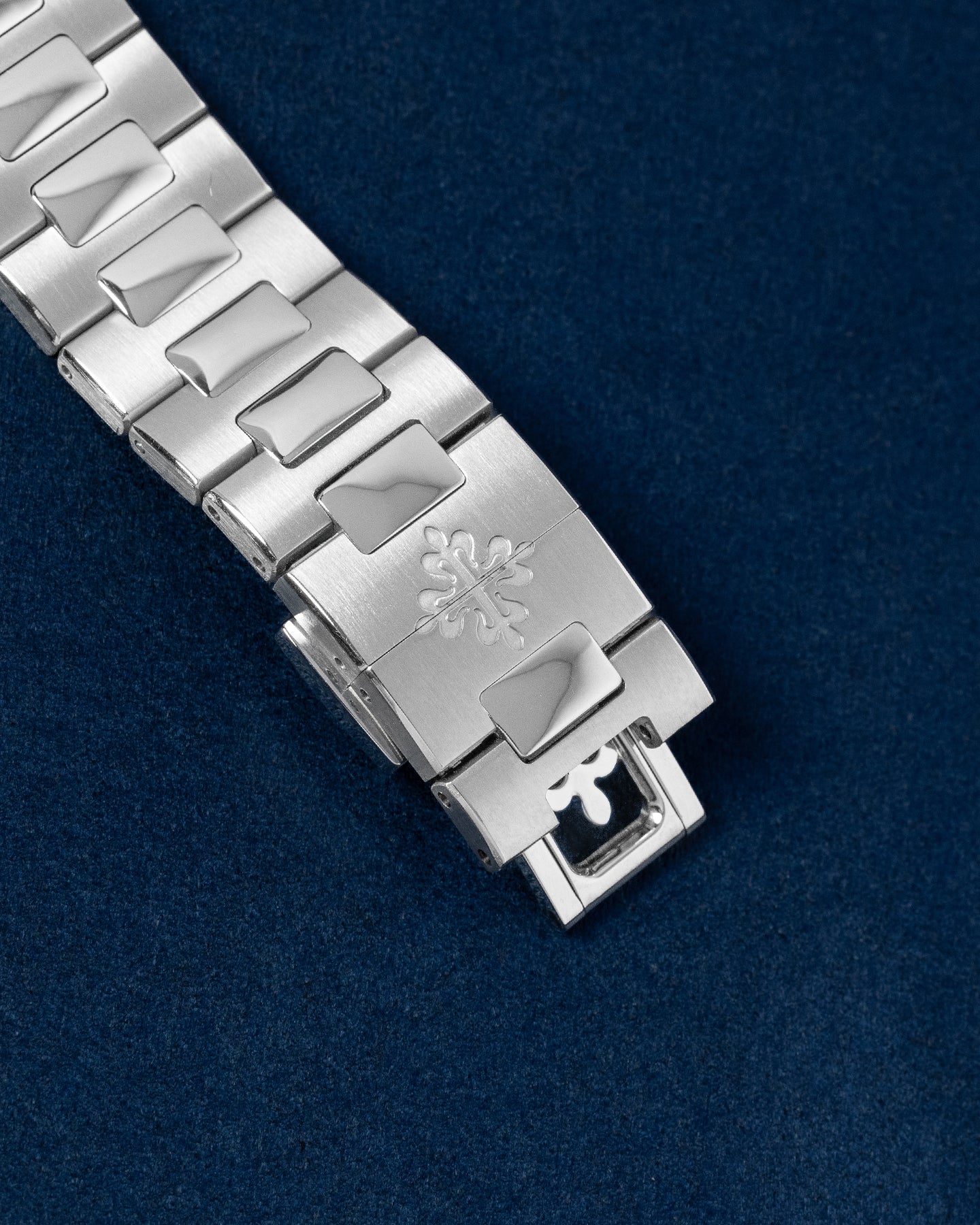
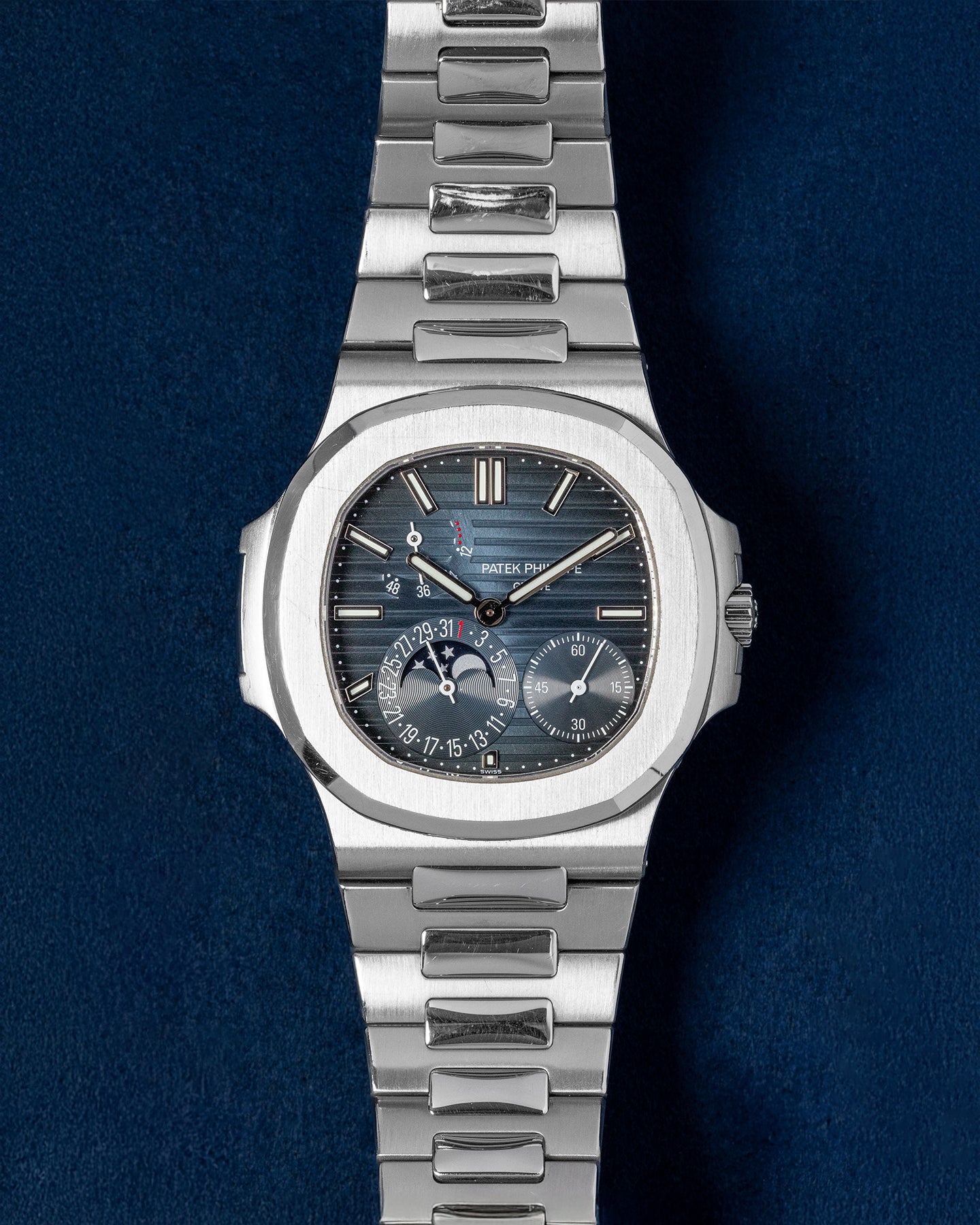
Patek Philippe watches represent the absolute pinnacle of traditional Swiss watchmaking. Within the highly exclusive realm of haute horlogerie, no other manufacture commands the same profound level of historical reverence, acoustic mastery, and generational permanence. Owning a timepiece from this legendary brand is widely considered the ultimate milestone for any serious horology enthusiast. Patek Philippe operates with a fierce dedication to independence, prioritizing extensive hand finishing, classical proportions, and the relentless pursuit of mechanical perfection over fleeting industry trends. The brand is globally recognized for producing the finest grand complications in the world while simultaneously engineering the most highly coveted luxury sports watches in existence. Grand Caliber serves as a premier destination for collectors nationwide seeking to acquire expertly authenticated Patek Philippe watches. Because our dynamic inventory fluctuates daily, we curate a rotating selection that frequently includes the iconic Nautilus, the highly versatile Aquanaut, the supremely elegant Calatrava, and the brand's legendary perpetual calendar chronographs. Every timepiece is authenticated in house, priced with absolute transparency to reflect true secondary market reality, and prepared for immediate delivery to discerning clients across the country.
The Historical Foundation of Patek Philippe Watches
The profound legacy of Patek Philippe watches begins in Geneva, Switzerland, during the early nineteenth century. In 1839, a Polish watchmaker named Antoine Norbert de Patek formed a partnership with Francois Czapek. Their initial company produced highly customized pocket watches for European royalty and elite clientele. However, the true foundation of the modern brand was established a few years later at the French Industrial Exposition in 1844, when Patek met a brilliant French watchmaker named Jean Adrien Philippe.
Antoine Norbert de Patek and Jean Adrien Philippe
Jean Adrien Philippe had recently invented a mechanism that would completely revolutionize the entire watchmaking industry. Recognizing the sheer genius of this invention, Patek invited Philippe to join him in Geneva. In 1845, Philippe officially joined the company as the head watchmaker, and by 1851, the company was officially renamed to reflect their permanent partnership. This union combined the visionary business acumen of Patek with the unparalleled mechanical brilliance of Philippe, establishing a corporate philosophy dedicated to building the finest, most reliable timepieces in the world.
The Invention of the Keyless Works by Patek Philippe
The invention that brought Jean Adrien Philippe to global prominence was the keyless winding and setting mechanism. Prior to this invention, pocket watches required a separate physical key to wind the mainspring and set the time. These keys were frequently lost, and the keyhole provided an open pathway for dust and moisture to enter the delicate movement. Philippe invented the modern winding crown, allowing the owner to wind the watch and adjust the hands using a single integrated knob at the top of the case. This mechanism remains the fundamental operational standard for virtually every mechanical watch produced today, cementing the historical importance of Patek Philippe watches in the evolution of horology.
Queen Victoria and Early Royal Endorsements
The prestige of Patek Philippe watches was significantly amplified during the Great Exhibition of 1851 in London. Queen Victoria attended the exhibition and was deeply captivated by the elegant keyless pendant watches presented by the Geneva manufacture. She purchased a stunning pale blue enamel watch adorned with diamond roses, along with another timepiece suspended from a diamond and enamel brooch. This highly publicized royal endorsement instantly elevated the brand to international prominence, establishing Patek Philippe as the undisputed watchmaker of choice for royalty, prominent industrialists, and global dignitaries.
The Stern Family Era of Patek Philippe
While the founders established the mechanical pedigree of the brand, the modern supremacy of Patek Philippe watches is entirely credited to the stewardship of the Stern family. In 1932, the global economy was devastated by the Great Depression. The manufacture faced severe financial difficulties and required outside intervention to survive.
The 1932 Acquisition During the Great Depression
During this precarious era, Patek Philippe frequently collaborated with the Stern brothers, Charles and Jean, who operated an elite dial manufacturing company in Geneva. The Stern brothers recognized the profound historical value of the watchmaker and decided to acquire a controlling interest in the company in 1932. This acquisition rescued the brand from potential bankruptcy and initiated an era of unbroken familial leadership that has guided the company for nearly a century.
Preserving the Independence of Patek Philippe Watches
Today, Patek Philippe remains the last independent, family owned Genevan watch manufacture. Currently guided by President Thierry Stern, this independence is the most critical factor in the brand's success. Because they do not answer to corporate shareholders or luxury conglomerates, Patek Philippe watches are never subjected to compromised quality standards or forced volume expansion. The Stern family dictates their own production schedules, allowing their master watchmakers to spend months or even years perfecting a single grand complication. This generational continuity ensures that the values established in 1839 remain entirely intact in the modern era.
The Blueprint of Dress Watches The Patek Philippe Calatrava
Shortly after the Stern family acquired the company in 1932, they introduced a watch that would forever define the aesthetic of the classical dress watch. Named after the ornate cruciform emblem that serves as the company logo, the Patek Philippe Calatrava collection was designed to offer pure, unadulterated timekeeping elegance.
The Bauhaus Influence on Patek Philippe Design
The original Calatrava was heavily influenced by the German Bauhaus design movement, which preached that form must always follow function. The engineers stripped away all unnecessary ornamentation, resulting in a dial that focused entirely on extreme legibility and perfect proportions. The case was completely round, the lugs flowed seamlessly into the case profile, and the dial featured simple faceted hour markers and sharp dauphine hands. This minimalist philosophy ensured that Patek Philippe watches in the Calatrava line would never succumb to fleeting fashion trends.
The Enduring Legacy of the Patek Philippe Reference 96
The inaugural model, known as the Reference 96, measured thirty one millimeters in diameter and established the blueprint for every dress watch that followed. The Reference 96 remained in production for decades, undergoing various subtle refinements while maintaining its core Bauhaus identity. For serious collectors, a pristine vintage Reference 96 represents the absolute purest expression of Patek Philippe watches, serving as a historical anchor for any sophisticated horological portfolio.
Modern Interpretations of Patek Philippe Calatrava Watches
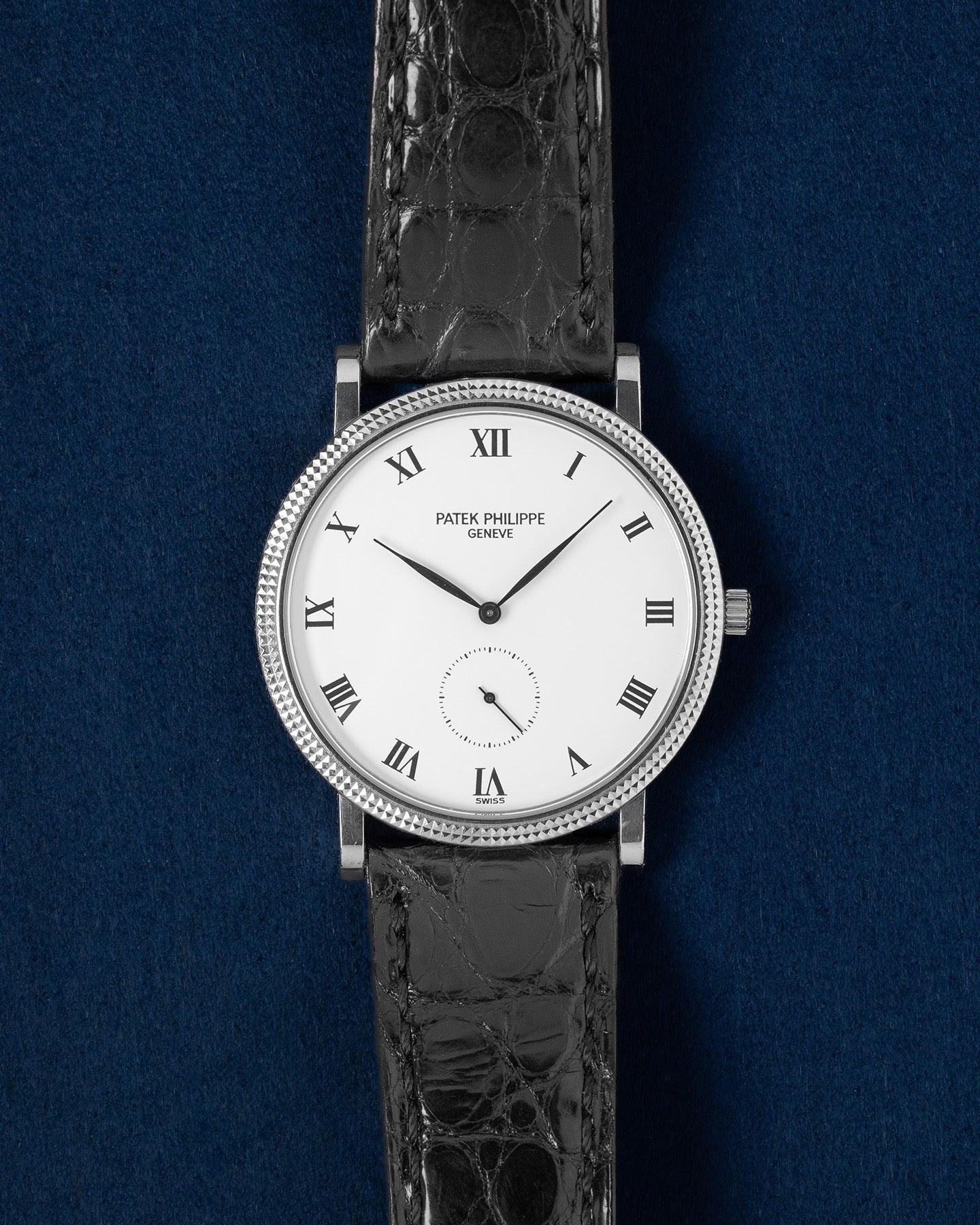
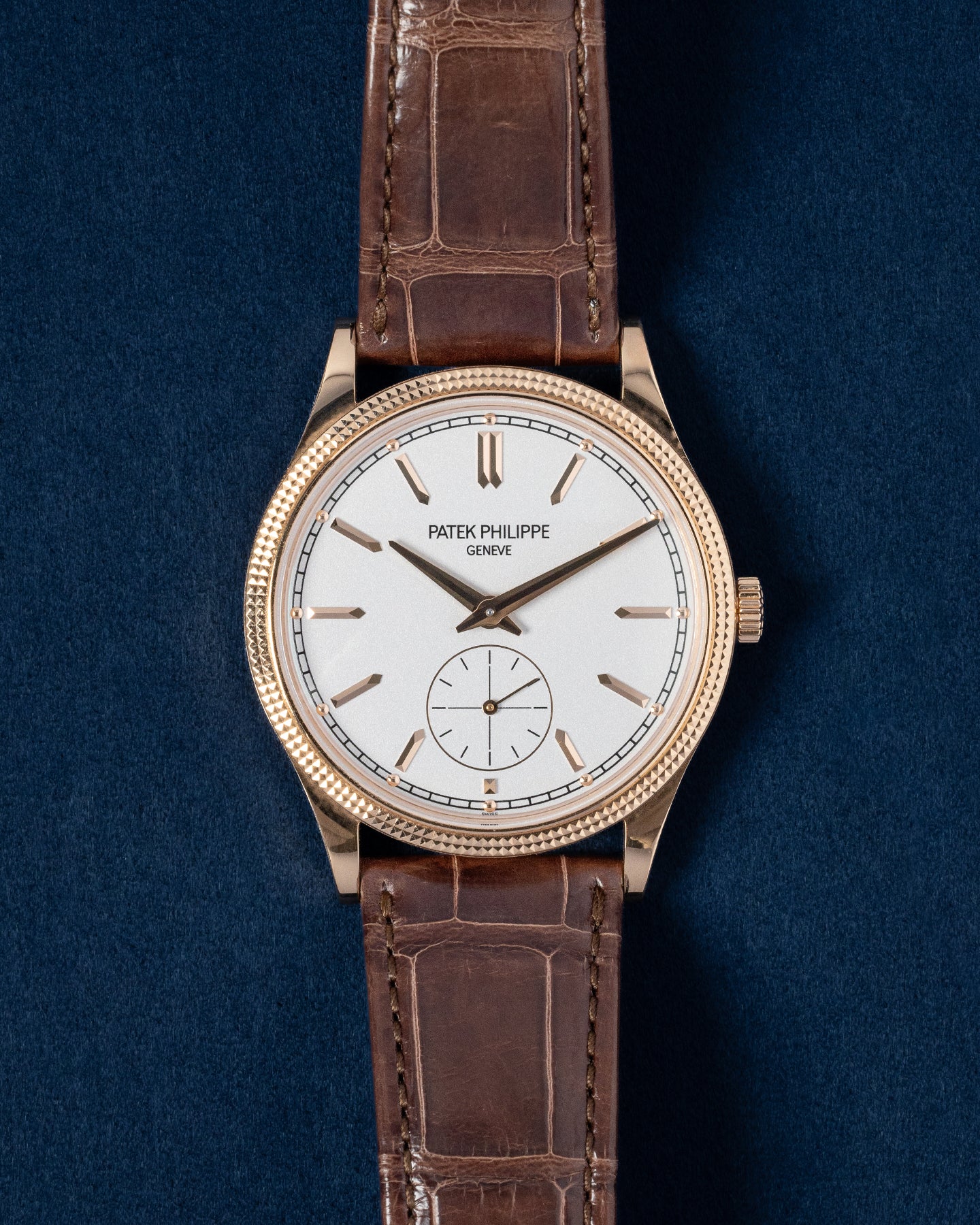
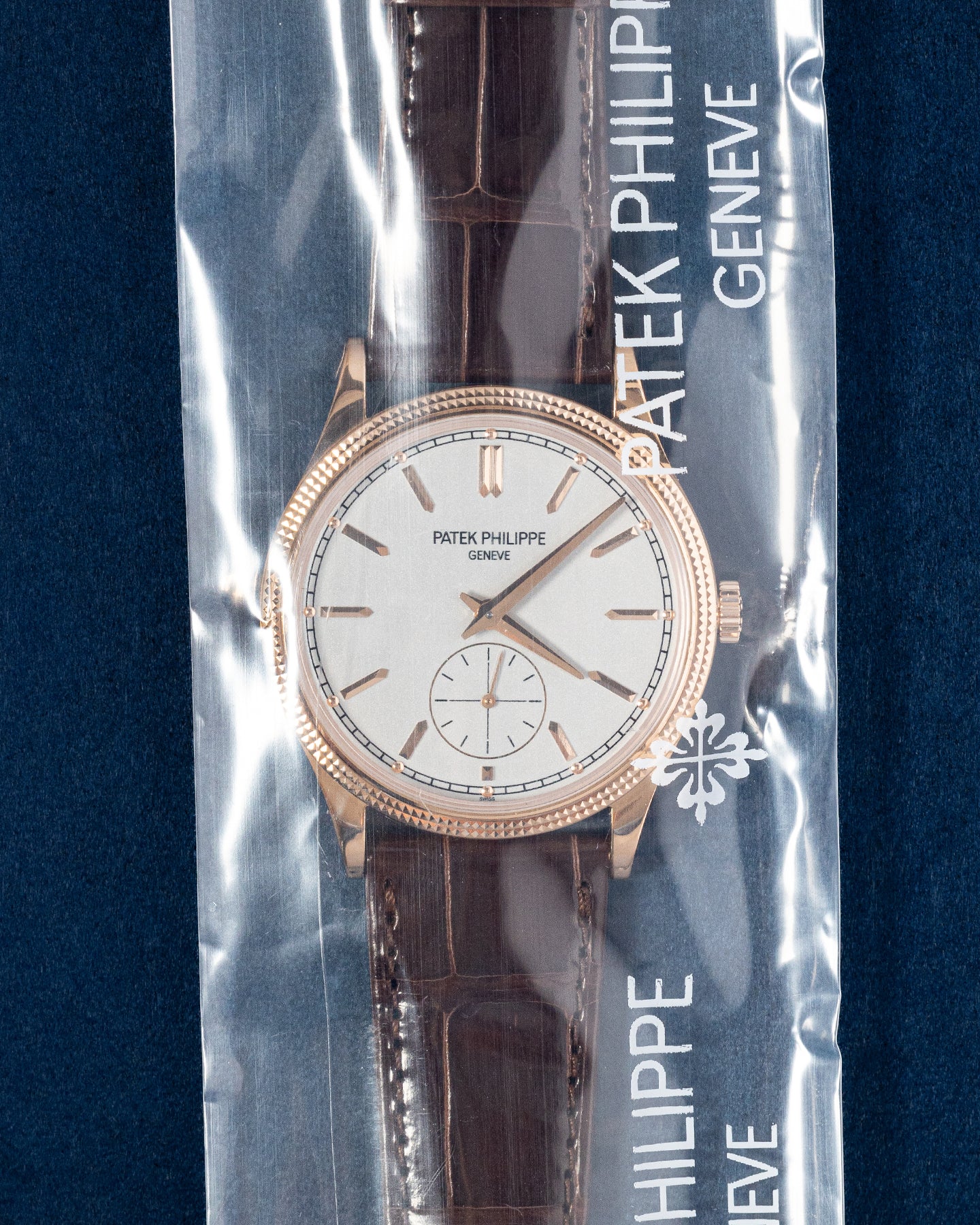
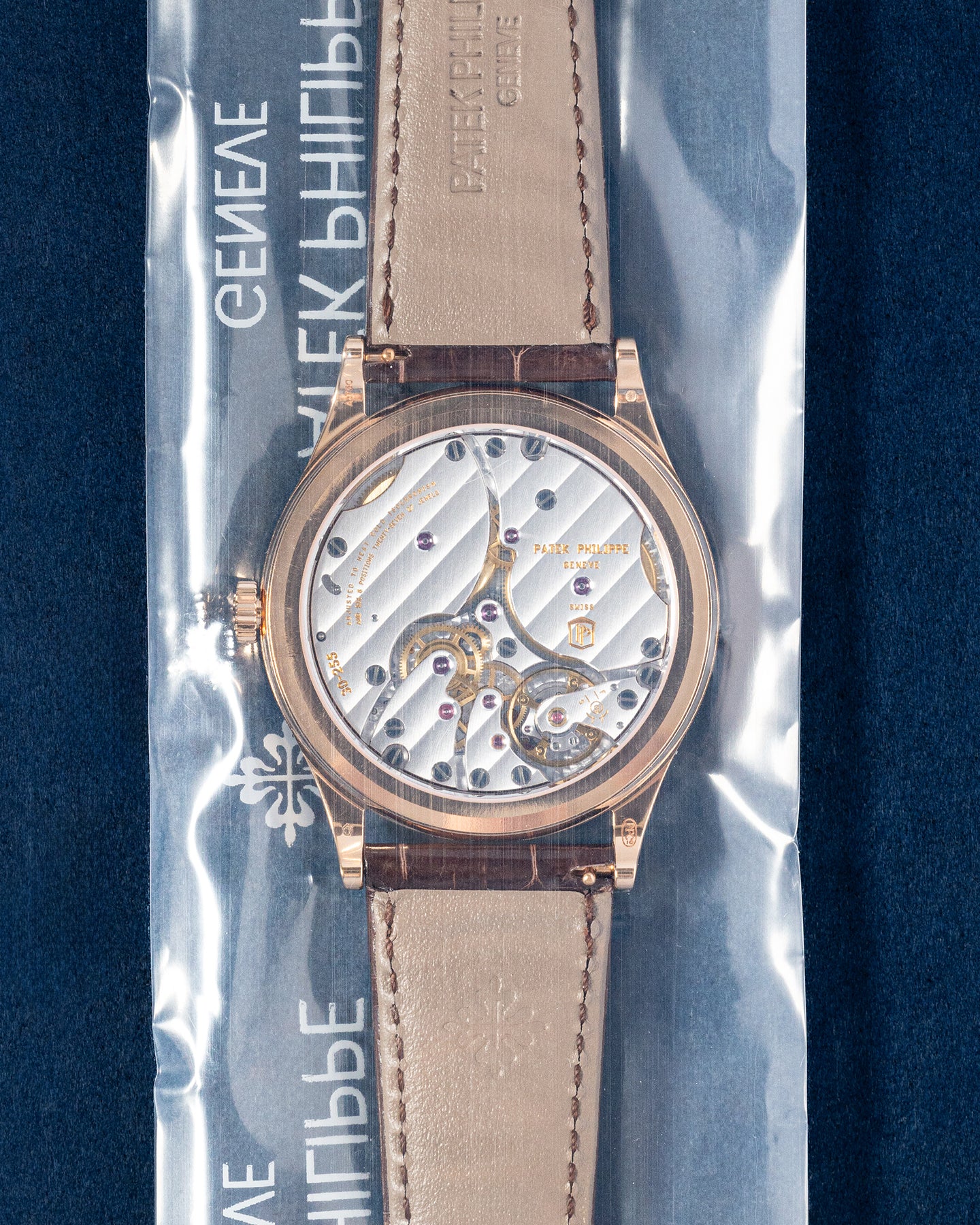
The modern Calatrava collection continues to honor this heritage while adapting to contemporary tastes. A quintessential example is the use of the clous de Paris, or hobnail bezel, which features a highly intricate pattern of tiny pyramids intersecting around the dial. This textured bezel, famously utilized on the vintage Reference 3119, has been brilliantly resurrected in modern Patek Philippe watches like the Reference 6119. Powered by the highly advanced manual wind caliber 30 255 PS, the modern Calatrava offers a substantial sixty five hour power reserve and a slightly larger thirty nine millimeter case, proving that classical elegance can seamlessly evolve for the modern wearer.
The Patek Philippe Nautilus and Gerald Genta
While Patek Philippe is deeply revered for its classical gold dress watches, the brand completely disrupted the luxury industry in the 1970s by introducing a highly architectural stainless steel sports watch. In 1976, the brand enlisted the legendary watch designer Gerald Genta to create a timepiece that could withstand an active, nautical lifestyle while maintaining the elite finishing expected of the Geneva manufacture.
Redefining Luxury Steel Patek Philippe Watches
When the Nautilus was launched, the Swiss watch industry was strictly divided. Stainless steel was reserved for cheap, utilitarian tool watches, while luxury watches were exclusively crafted from precious metals. Patek Philippe watches shattered this paradigm by pricing their new steel Nautilus higher than many of their gold dress models. Their marketing boldly proclaimed that one of the world's costliest watches is made of steel. This audacious strategy established the luxury steel sports watch category, proving that elite hand finishing and complex case construction could elevate industrial steel to the level of high horology.
The Porthole Architecture of the Nautilus Case
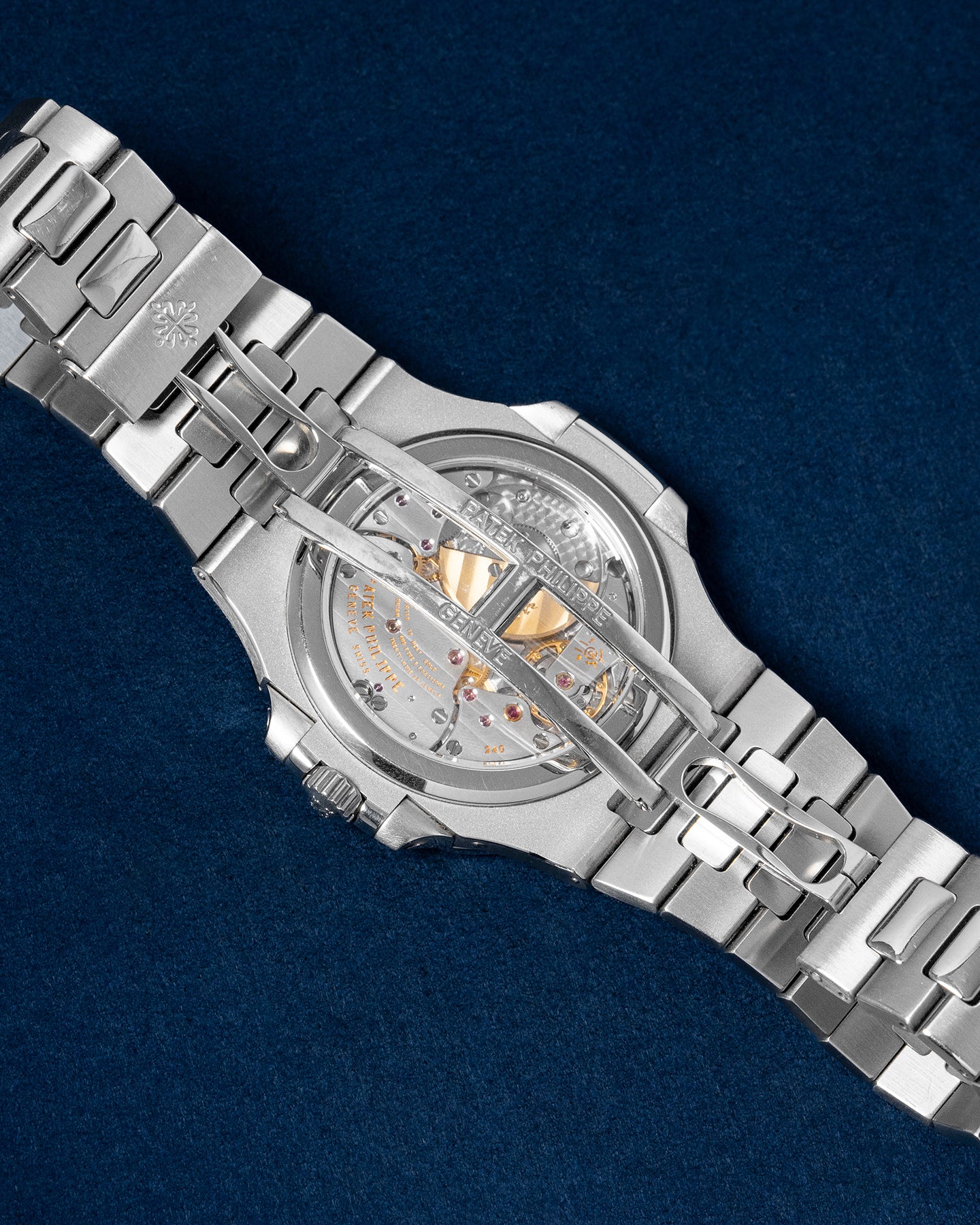
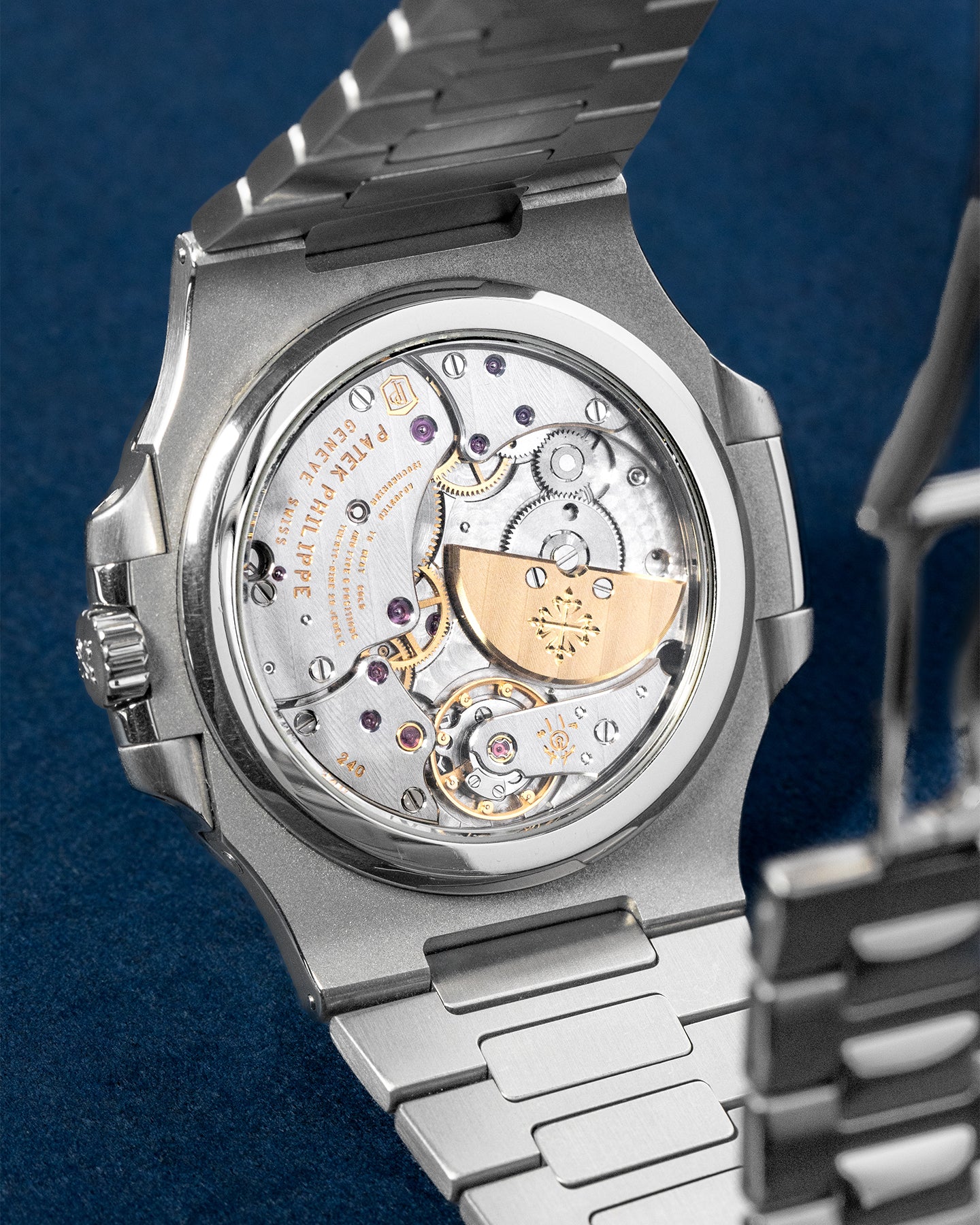
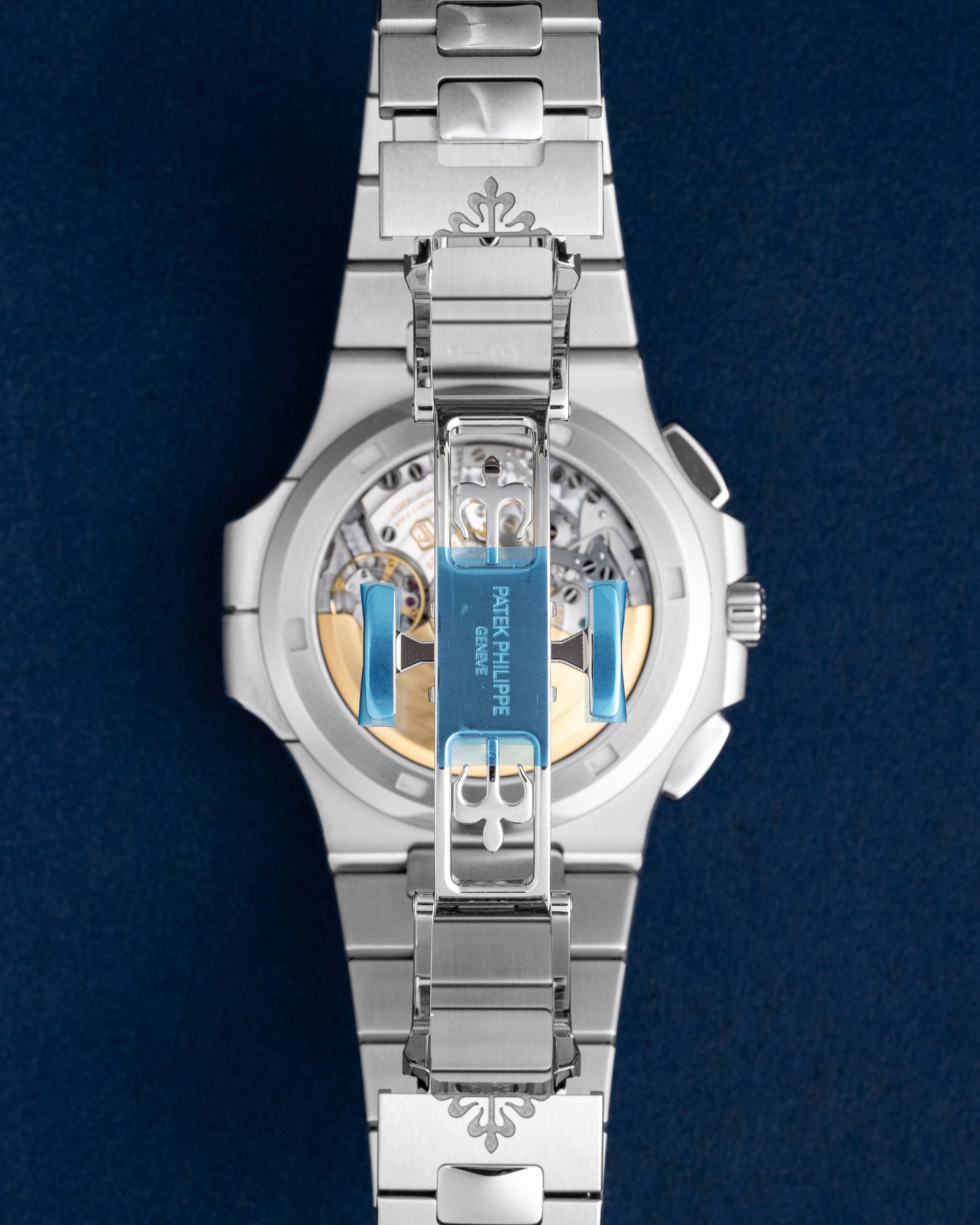
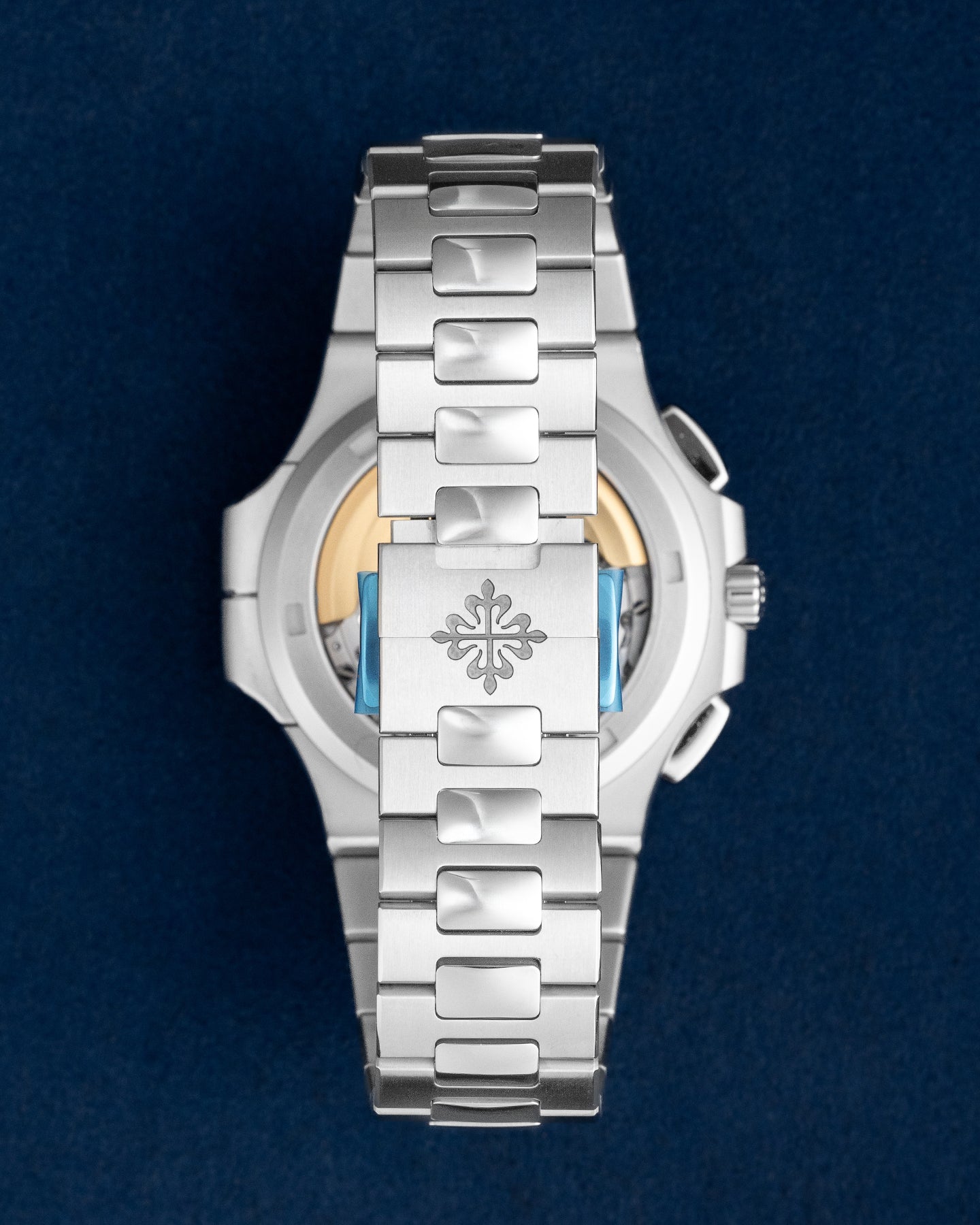
The genius of the Nautilus lies in its highly complex case architecture. Gerald Genta drew inspiration from the portholes found on transatlantic ocean liners. The bezel is not perfectly round, nor is it a sharp octagon. It is a brilliant, softly curved polygon that plays with light from every angle. The case features prominent ears or hinges on the left and right sides, which are used to secure the bezel to the caseback, ensuring substantial water resistance. The dial of these specific Patek Philippe watches features a distinctive horizontal embossed motif, providing deep visual texture that shifts beautifully under different lighting conditions.
The Evolution of Patek Philippe Nautilus Complications
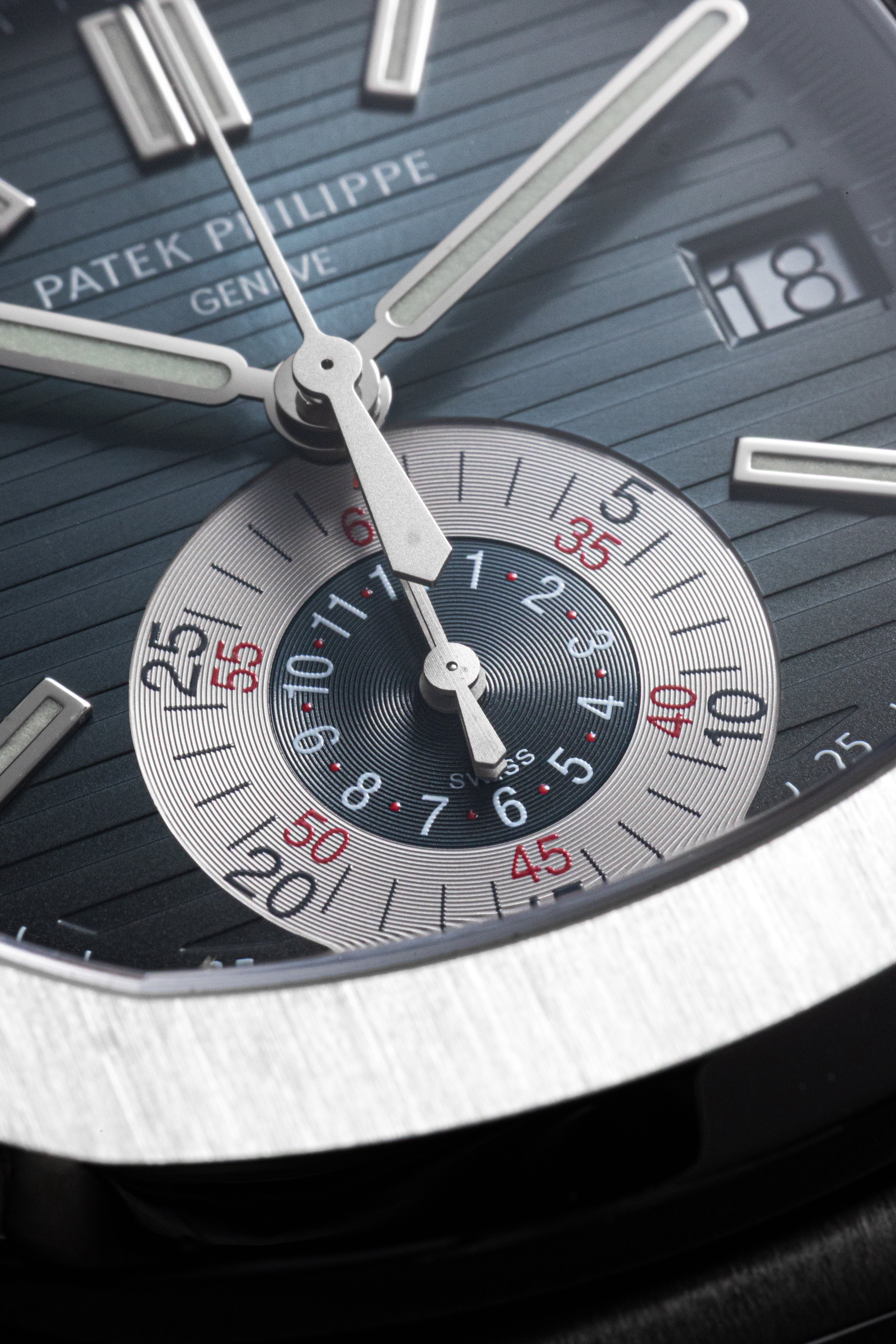
The original Nautilus, known as the Reference 3700, was a time and date only model. However, as the collection matured into a global icon, Patek Philippe watches began integrating their legendary complications into the porthole case. The collection expanded to include the Reference 5712, which features an asymmetrical layout with a power reserve indicator and moon phase. More recently, the brand introduced highly complex iterations such as the Reference 5990 Travel Time Chronograph and the Reference 5740 Perpetual Calendar. The integration of high complications into the Nautilus proves that Patek Philippe refuses to compromise their mechanical supremacy, even within their robust sports lines.
The Patek Philippe Aquanaut Collection
In 1997, Patek Philippe recognized the need to engage a younger, highly active demographic of collectors who desired the exceptional quality of the manufacture but preferred a more casual, versatile aesthetic. The result was the Aquanaut, a collection that drew heavy inspiration from the Nautilus but forged its own distinct, modern identity.
Capturing a New Generation of Patek Philippe Collectors
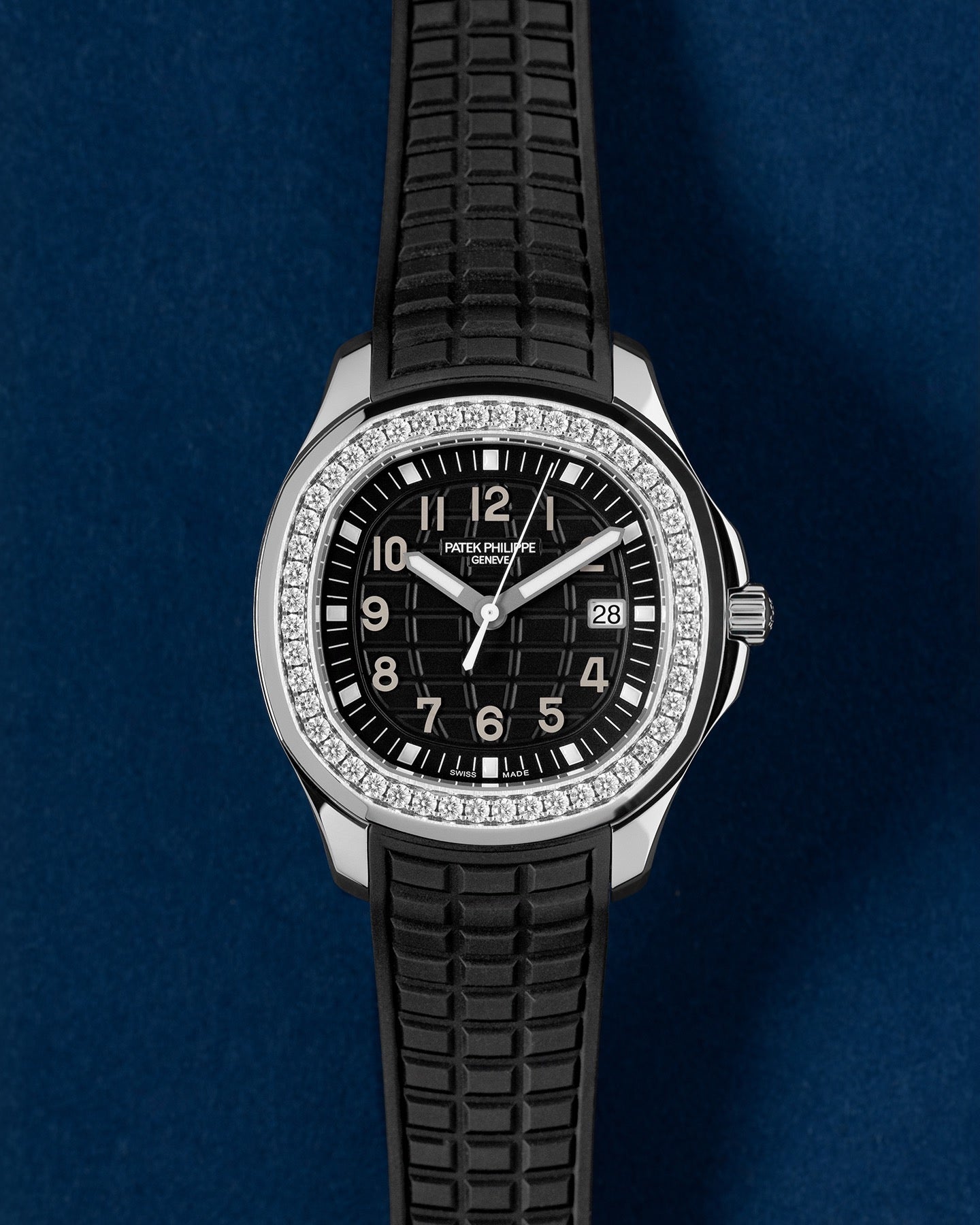
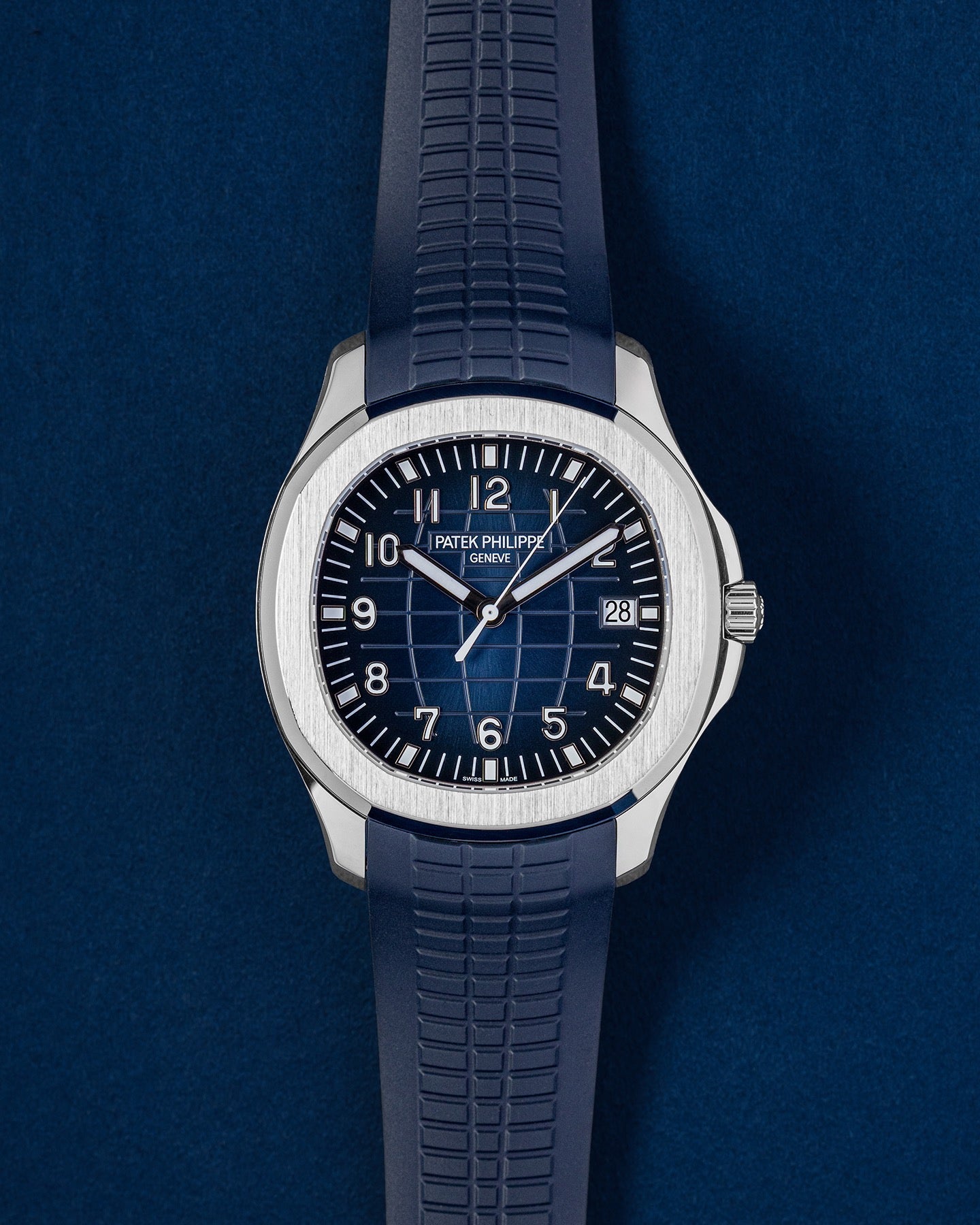
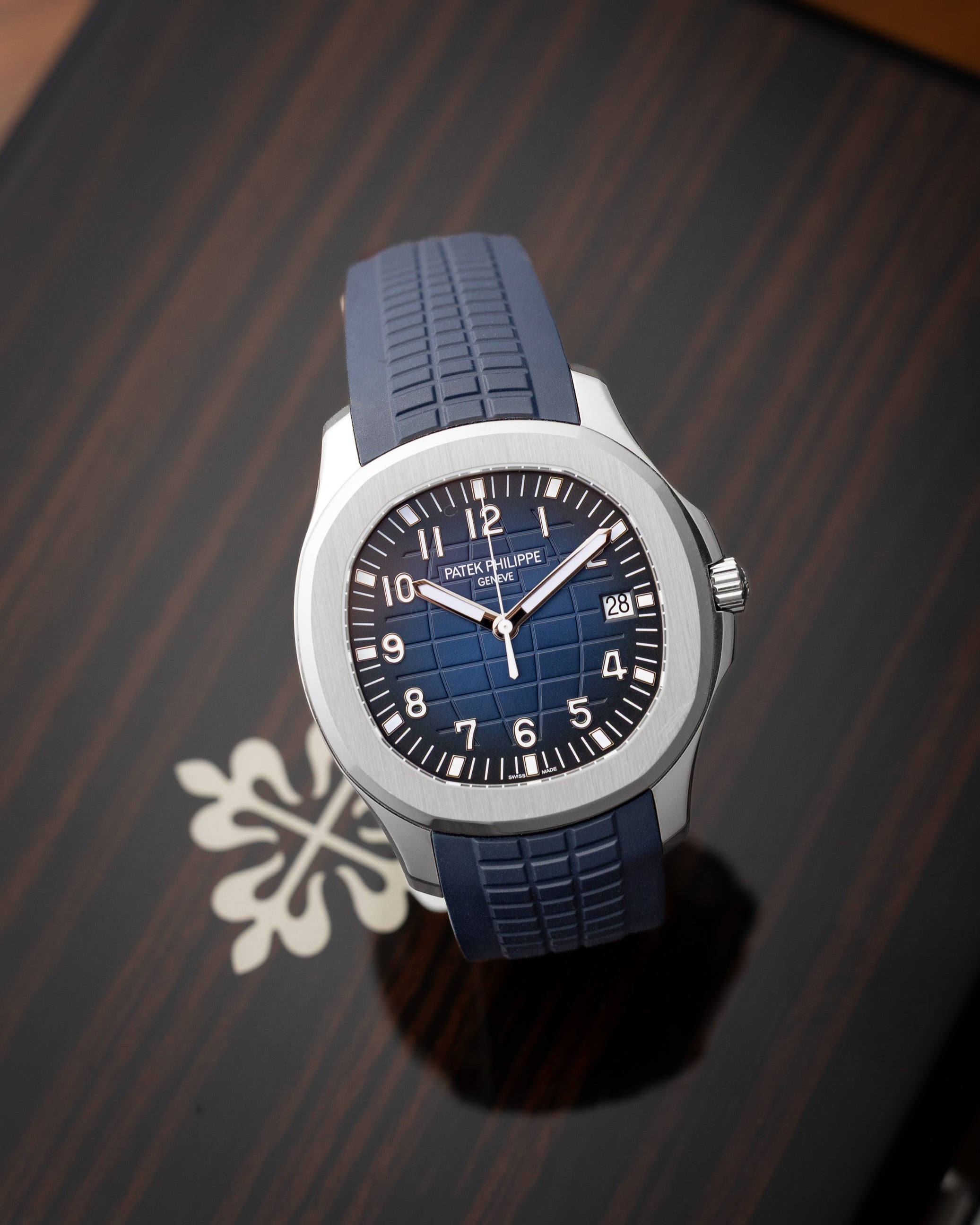
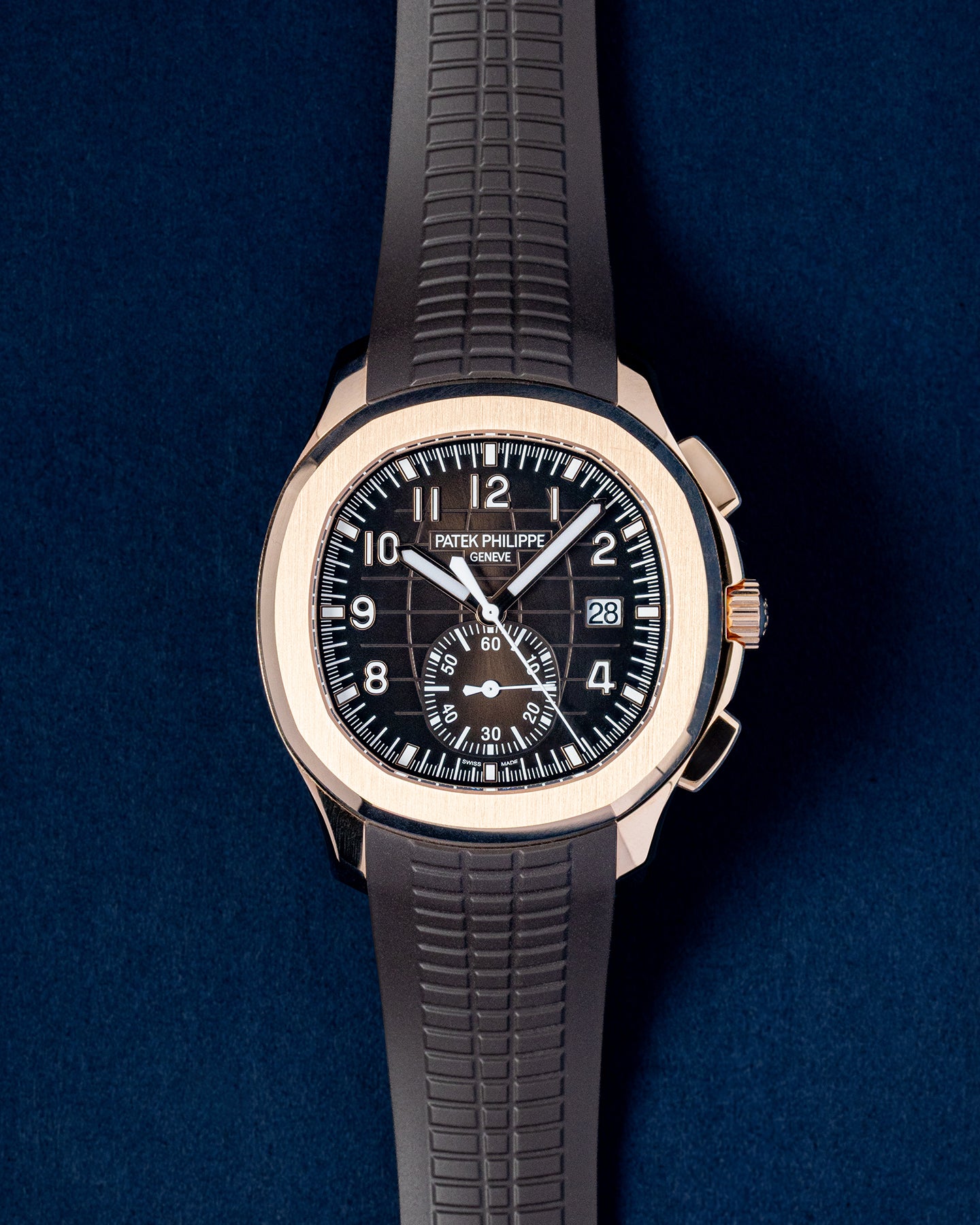
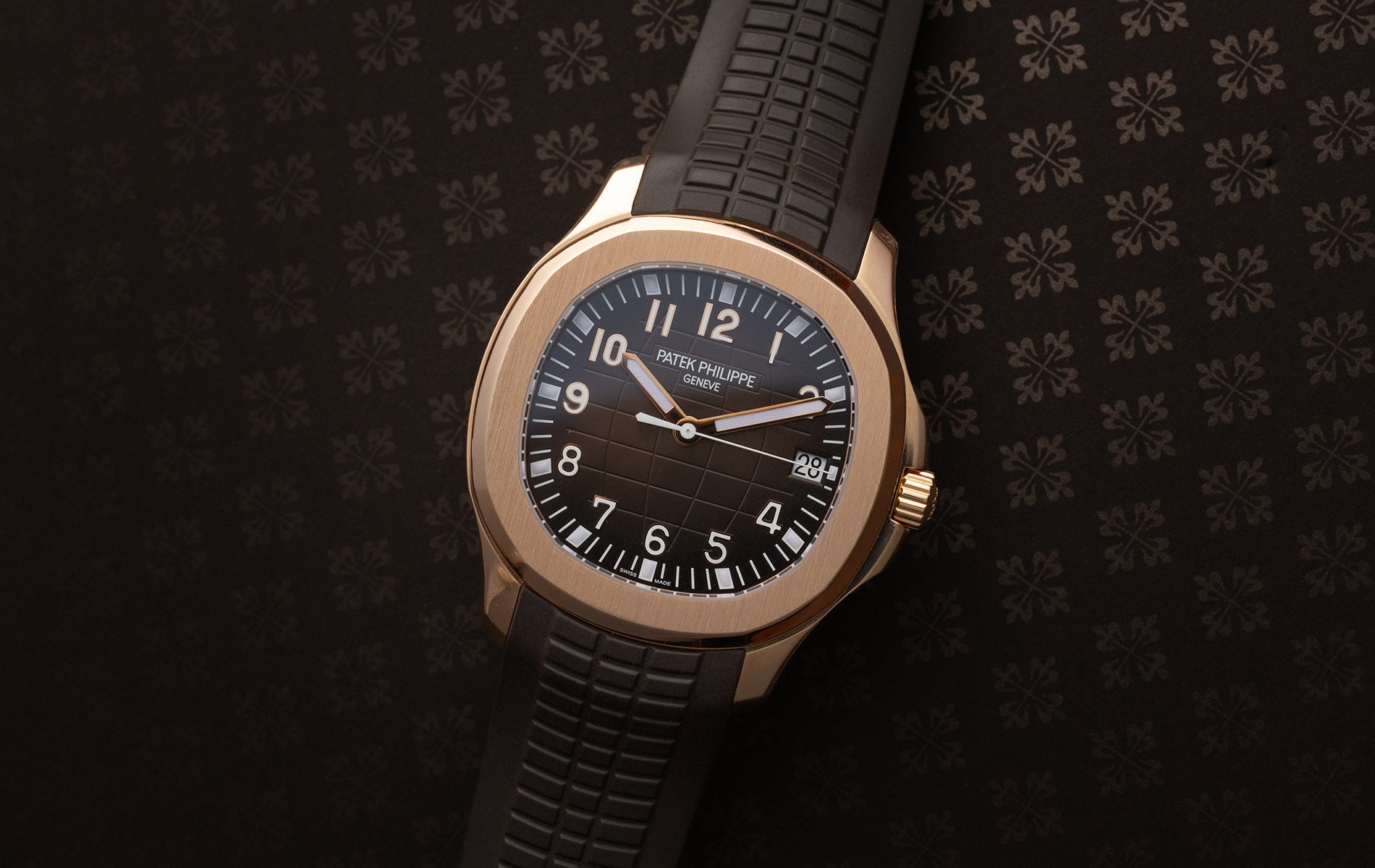
The inaugural Aquanaut, the Reference 5060A, featured a gently rounded octagonal case that clearly echoed the design language of Gerald Genta. However, it abandoned the complex hinged ears of the Nautilus in favor of a more streamlined, fluid case profile. The dial introduced a bold, deeply embossed checkerboard pattern that provided a highly contemporary, tactical appearance. These Patek Philippe watches were designed to be worn effortlessly from the boardroom to the beach, offering substantial water resistance and robust shock protection.
The Tropical Composite Strap Innovation
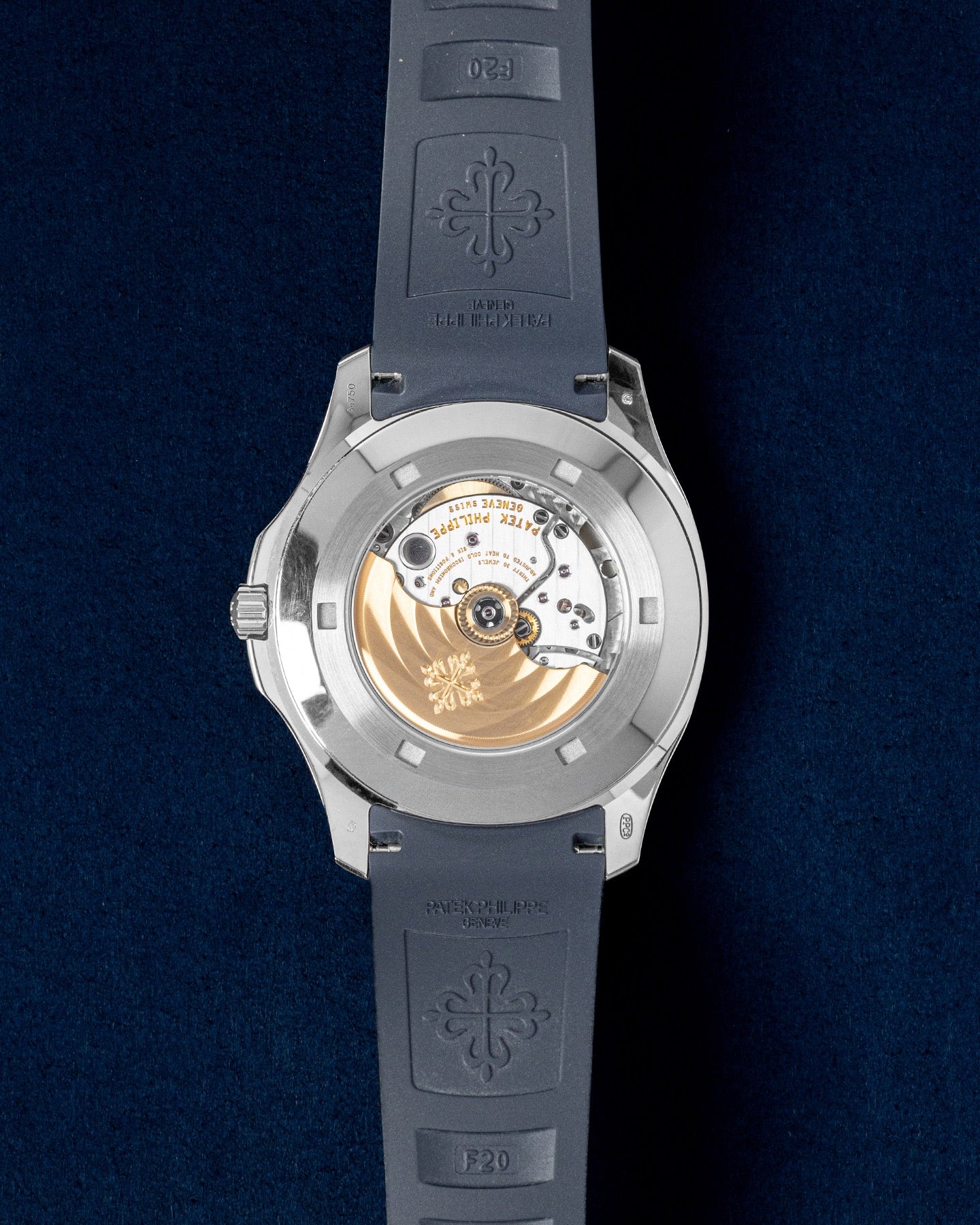
The most revolutionary aspect of the Aquanaut was its strap. Patek Philippe watches had never previously utilized a non metal or non leather strap on a luxury timepiece. For the Aquanaut, the engineers developed a highly specialized composite material known as the Tropical strap. This proprietary rubber composite required extensive research and development to ensure it was completely resistant to saltwater, ultraviolet radiation, and extreme temperature fluctuations. The Tropical strap perfectly matches the checkerboard texture of the dial, creating a cohesive, deeply modern aesthetic that has made the Aquanaut one of the most highly demanded collections in the entire luxury watch industry.
High Complications within the Patek Philippe Aquanaut Line
Just as they did with the Nautilus, Patek Philippe watches eventually elevated the Aquanaut collection by introducing highly complex mechanical calibers. The Reference 5164A Aquanaut Travel Time integrates the brand's brilliantly intuitive dual time zone mechanism, allowing global travelers to adjust the local hour hand forward or backward in one hour increments using two subtle pushers on the left side of the case. The collection also features the Reference 5968A, a robust flyback chronograph that utilizes vibrant orange accents on the dial and strap, highlighting the sporty, youthful energy that defines the Aquanaut family.
Patek Philippe Complications and Grand Complications
The true horological soul of Patek Philippe watches resides within their Complications and Grand Complications collections. The brand has historically dominated the production of highly complex mechanisms that track astronomical data, measure elapsed time, and audibly chime the hours and minutes.
The Patek Philippe Perpetual Calendar Chronograph Lineage
Within the elite circles of serious watch collecting, the Patek Philippe perpetual calendar chronograph is considered the absolute holy grail of mechanical horology. The brand effectively invented this combination in series production with the legendary Reference 1518 in 1941. This was followed by the Reference 2499, a masterpiece that remained in production for thirty five years with only three hundred and forty nine examples ever created.
The lineage continued with the Reference 3970 and the highly coveted Reference 5970, both of which utilized heavily modified, exceptional base calibers from Lemania. In 2011, Patek Philippe watches achieved total manufacturing independence with the introduction of the Reference 5270. This monumental timepiece houses the fully in house caliber CH 29 535 PS Q, an incredibly sophisticated column wheel chronograph mechanism seamlessly integrated with a highly accurate perpetual calendar module. Tracing the lineage of these specific Patek Philippe watches is essentially tracking the historical evolution of high horology itself.
Acoustic Supremacy in Patek Philippe Minute Repeaters
A minute repeater is a highly delicate complication that chimes the exact time using small metal hammers and gongs hidden within the movement. Patek Philippe watches are universally acknowledged to produce the finest sounding minute repeaters in the world. The brand utilizes specialized cathedral gongs, which wrap around the movement nearly twice to produce a deeper, richer, and far more resonant acoustic tone.
The dedication to acoustic perfection is absolute. Before any Patek Philippe minute repeater is allowed to leave the Geneva manufacture, it is personally tested and listened to by the President of the company, Thierry Stern. If the acoustic tone does not meet his exacting personal standards, the watch is sent back to the master watchmakers for further adjustment. This profound level of personal executive oversight ensures that every striking mechanism produces a flawless, crystal clear chime.
The Patek Philippe Grandmaster Chime
To celebrate their one hundred and seventy fifth anniversary in 2014, Patek Philippe watches unveiled the Grandmaster Chime Reference 5175, which later entered the standard catalog as the Reference 6300. This is the most complicated wristwatch ever produced by the manufacture, featuring a staggering twenty distinct complications housed within a massive, fully reversible case. The Grandmaster Chime includes five acoustic functions, featuring a grande and petite sonnerie, a minute repeater, an acoustic alarm that strikes the pre programmed time, and a date repeater that audibly chimes the current date. The creation of the Grandmaster Chime proves that the mechanical capabilities of Patek Philippe remain entirely unrivaled in the modern era.
The Mechanical Supremacy of Patek Philippe Calibers
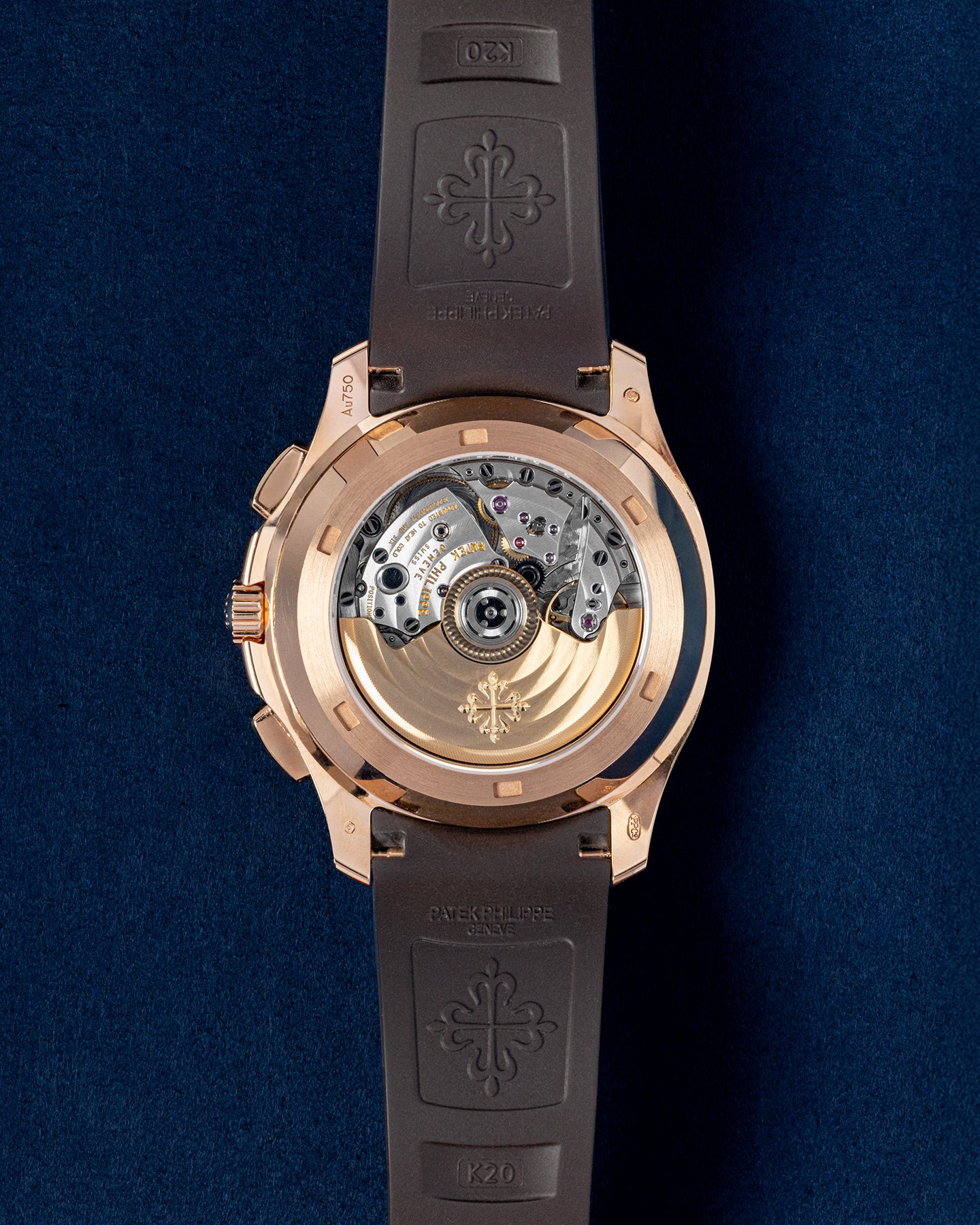
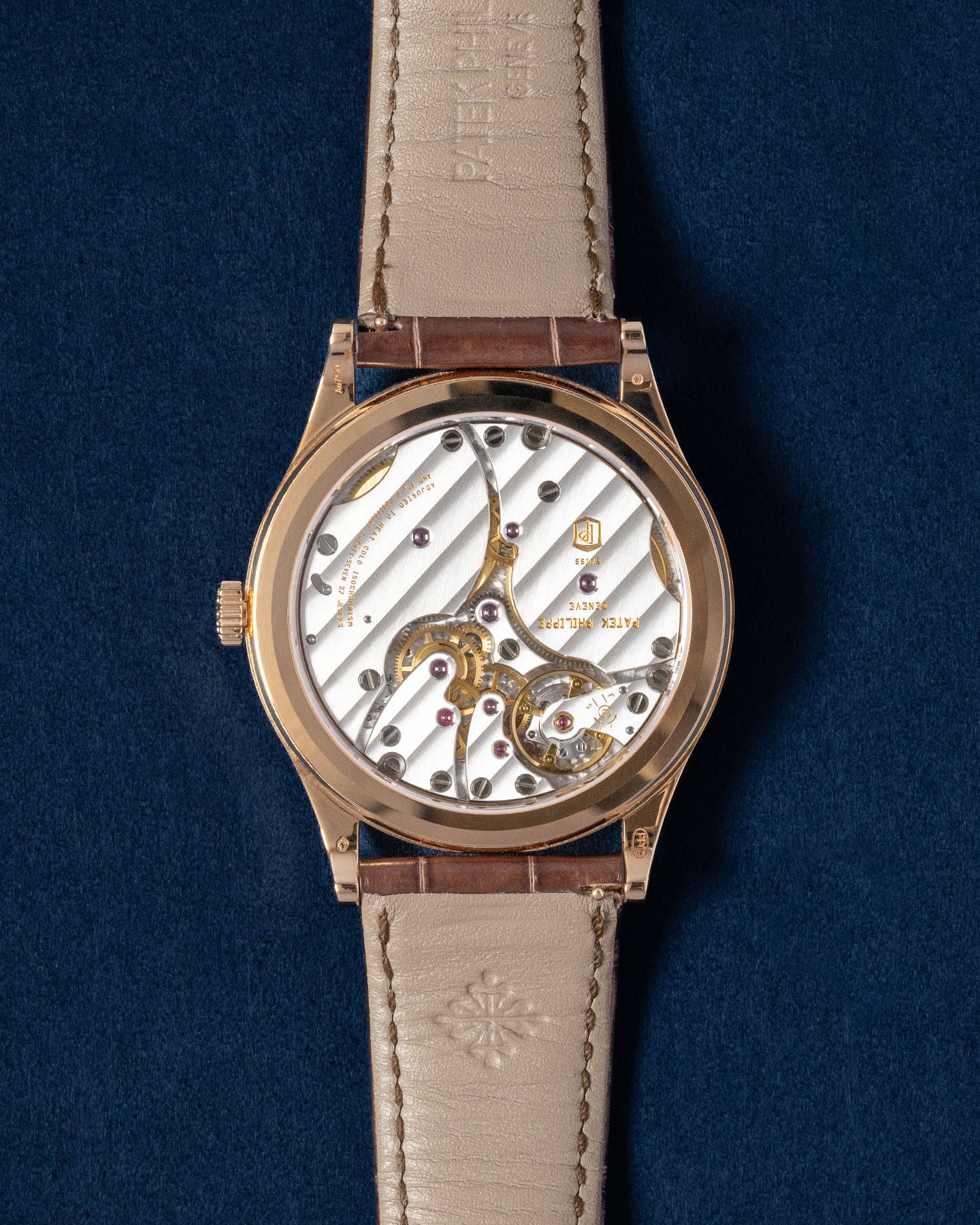
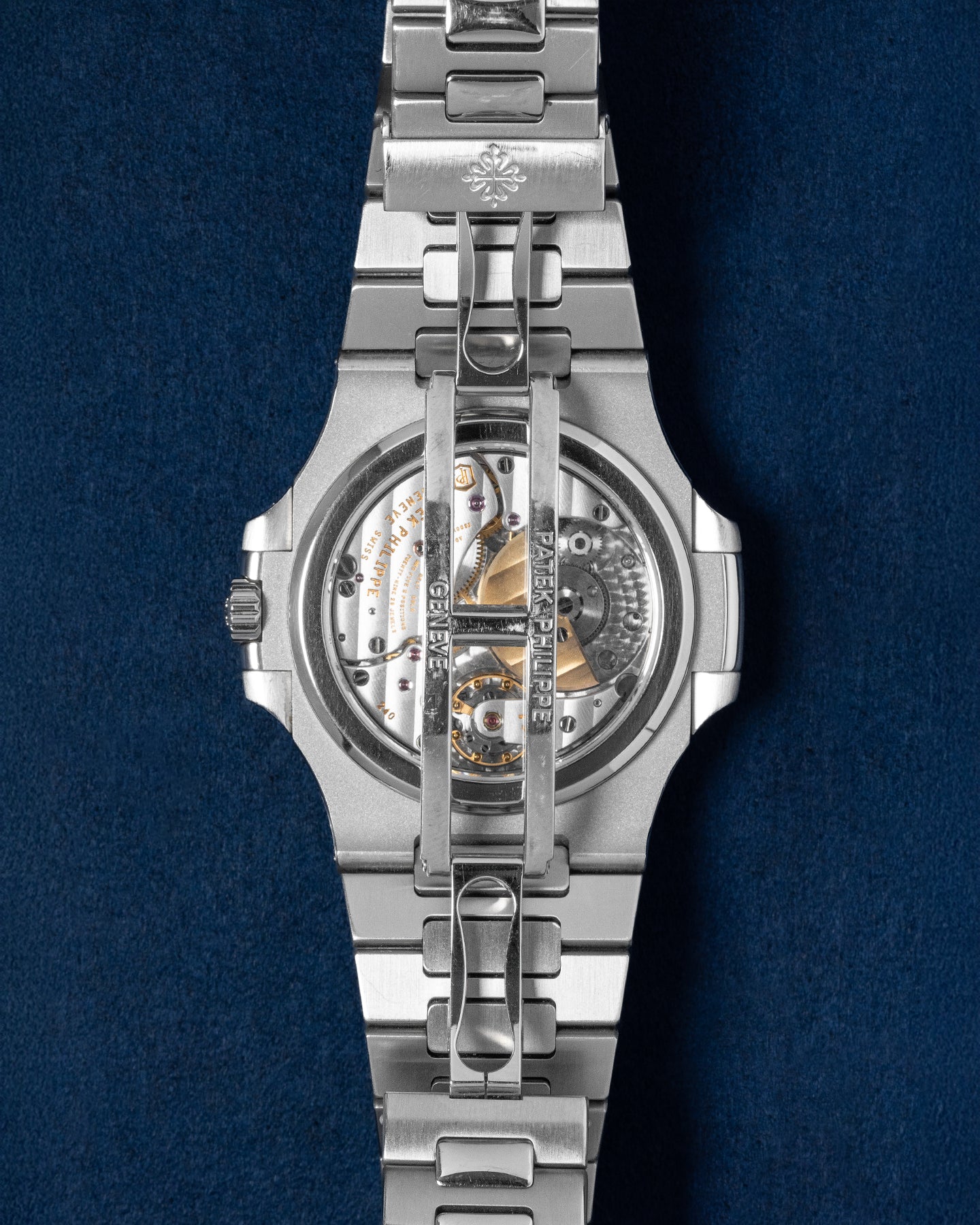
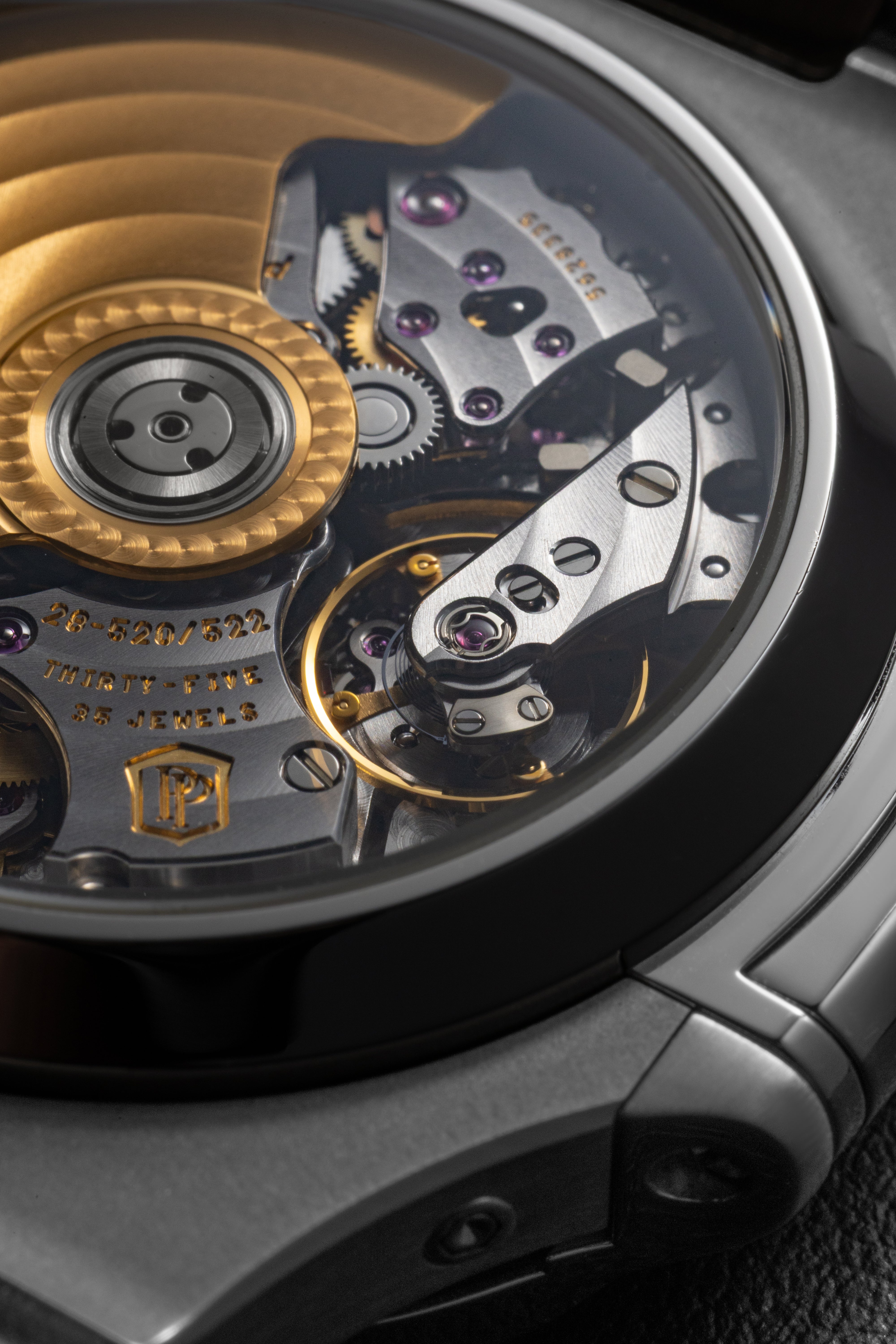
The exceptional exterior finishing of Patek Philippe watches is perfectly matched by the uncompromising architecture and finishing of their internal calibers. Every single component, even those hidden deep within the movement that the owner will never see, is meticulously decorated by hand. The bridges feature flawless Geneva striping, the edges are perfectly chamfered and polished, and the screw heads are mirror polished to absolute perfection.
The Transition to the Patek Philippe Seal
For over a century, the highest mark of quality in Swiss watchmaking was the Geneva Seal, an independent certification granted only to movements manufactured within the Canton of Geneva that met strict criteria for hand finishing. However, in 2009, Patek Philippe watches made a profound and highly controversial decision. They officially abandoned the Geneva Seal.
Internal Quality Standards for Patek Philippe Watches
The manufacture argued that the Geneva Seal only governed the aesthetic finishing of the movement and completely ignored the operational accuracy of the fully cased watch. In response, they created the Patek Philippe Seal, a proprietary internal quality standard that is significantly stricter than any external certification in the industry. The Patek Philippe Seal dictates that every mechanical watch measuring over twenty millimeters in diameter must operate within an incredibly tight accuracy tolerance of minus three to plus two seconds per day. Furthermore, the seal guarantees that the brand will service, repair, and restore any watch they have produced since their founding in 1839. This extraordinary commitment to generational permanence is a foundational pillar of Patek Philippe watches.
Patek Philippe Advanced Research and Silinvar Technology
While deeply committed to traditional hand craftsmanship, Patek Philippe watches also lead the industry in highly advanced material science. The brand operates a specialized division known as Patek Philippe Advanced Research, tasked with integrating modern technology into classical movement architectures to improve long term reliability and precision.
One of their most significant breakthroughs is the development of Silinvar, a proprietary silicon based material used to manufacture critical escapement components. The Advanced Research division successfully engineered the Spiromax balance spring, the Pulsomax escapement, and the GyromaxSi balance wheel entirely from Silinvar. This material is highly resistant to extreme temperature fluctuations, completely immune to magnetic fields, and virtually frictionless, requiring absolutely no traditional lubrication. By integrating these silicon components, Patek Philippe watches drastically improve their power transmission efficiency and chronometric stability, proving that the historic manufacture remains at the absolute cutting edge of modern mechanical engineering.
Strategic Acquisition of Patek Philippe Watches
Understanding the strategic landscape of the secondary market is incredibly important for collectors looking to acquire Patek Philippe watches. The traditional retail environment is notoriously difficult to navigate. Authorized boutiques maintain extensive waitlists that often stretch for years, requiring clients to build substantial purchase histories just to be considered for an allocation of a highly demanded steel sports model or a grand complication. The secondary market presents a highly empowering alternative, offering collectors an environment defined by transparency, immediate availability, and diverse selection.
Immediate Access to Patek Philippe Grand Complications
The secondary market allows discerning buyers to completely bypass the frustrating allocation games of the retail sector. Collectors have immediate access to the exact references they desire, whether they are hunting for a discontinued vintage Calatrava, a highly coveted Aquanaut Travel Time, or an exceptionally rare perpetual calendar chronograph. The secondary market provides the profound ability to curate a specific, highly targeted horological portfolio without waiting for boutique approval.
Maximizing Purchasing Power for Patek Philippe Collectors
Purchasing pre owned Patek Philippe watches allows collectors to maximize their horological purchasing power. The secondary market prices these instruments based on current global demand and true horological merit, creating an environment rich with exceptional value propositions. When collectors acquire pieces from trusted, expert dealers, they secure the legendary mechanical finishing, the Patek Philippe Seal, and the generational prestige of the Geneva manufacture while executing a highly intelligent financial strategy. Buying pre owned is the definitive method for building a serious, sophisticated collection, allowing buyers to expand their portfolios with absolute confidence, extensive choice, and immediate satisfaction.
Purchasing Patek Philippe Watches at Grand Caliber in Uptown Dallas
Grand Caliber presents an expertly authenticated, highly curated selection of Patek Philippe watches. We have built our reputation on total dealer transparency, profound horological knowledge, and a direct commitment to helping collectors execute the smartest value strategies in the market. Because our dynamic inventory fluctuates daily, we frequently source highly demanded models ranging from the elegant Calatrava and the modern Aquanaut, to the extremely complex perpetual calendar chronographs that define the peak of the manufacture. Every single watch is physically present and available for immediate inspection in our Uptown Dallas showroom located at 2811 McKinney Avenue.
Because Patek Philippe relies on extensive hand finishing, proprietary complications, and highly specialized silicon components, the authentication process requires elite, uncompromising expertise. Our named specialist staff authenticates the exact chamfering on the movement bridges, verifies the precise engagement of the perpetual calendar modules, and meticulously inspects the hallmark stampings to ensure you are receiving a verified piece of Geneva history before it reaches our showroom floor. We never hide pricing or require bundle purchases. Every price is posted openly online, reflecting true, highly advantageous secondary market value. We serve clients across the entire United States with fully insured overnight shipping. Call us directly at 214-225-7198 or email info@grandcaliber.com to discuss the Patek Philippe watches currently in our inventory or to have our experts source the exact grand complication you are looking for.


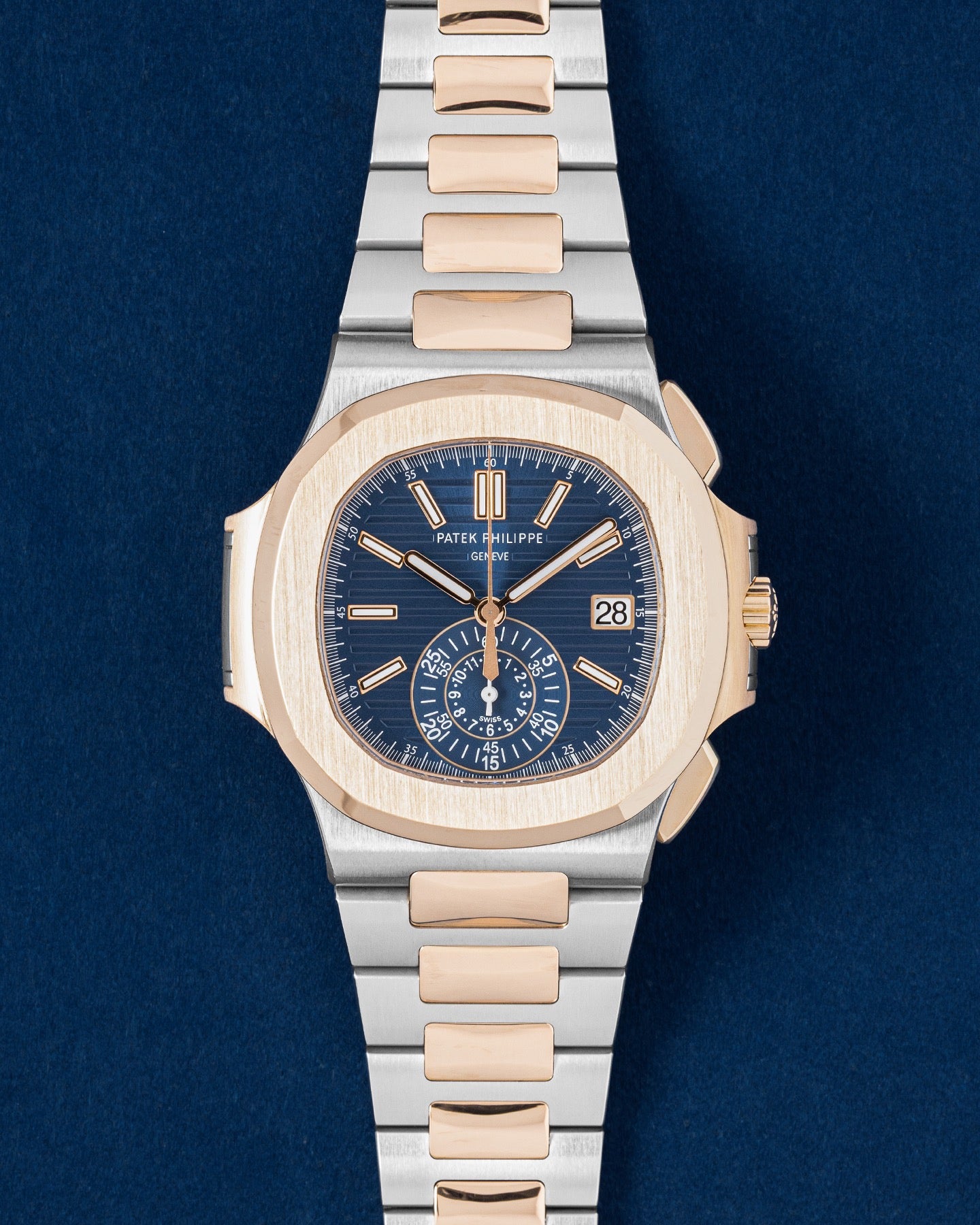
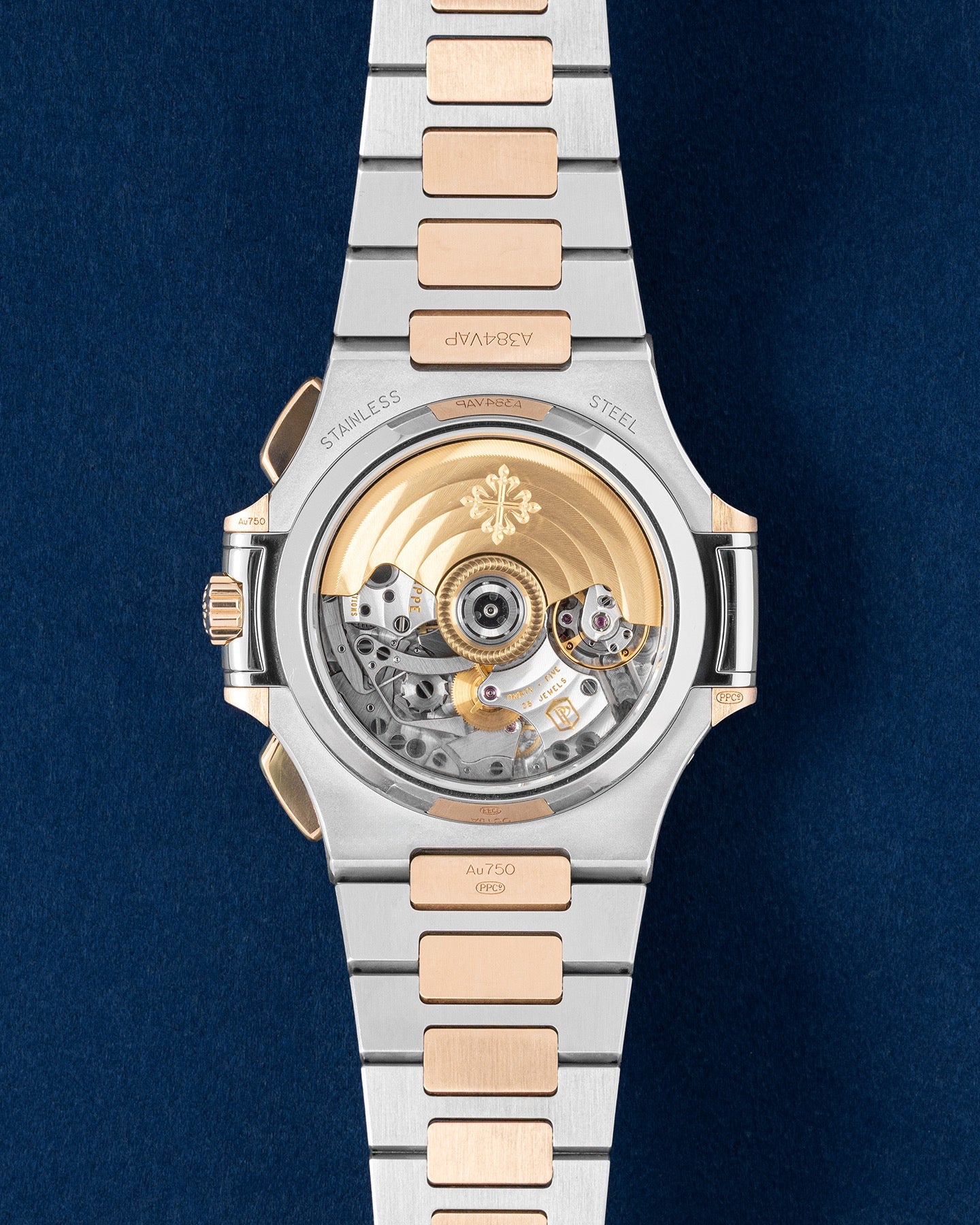
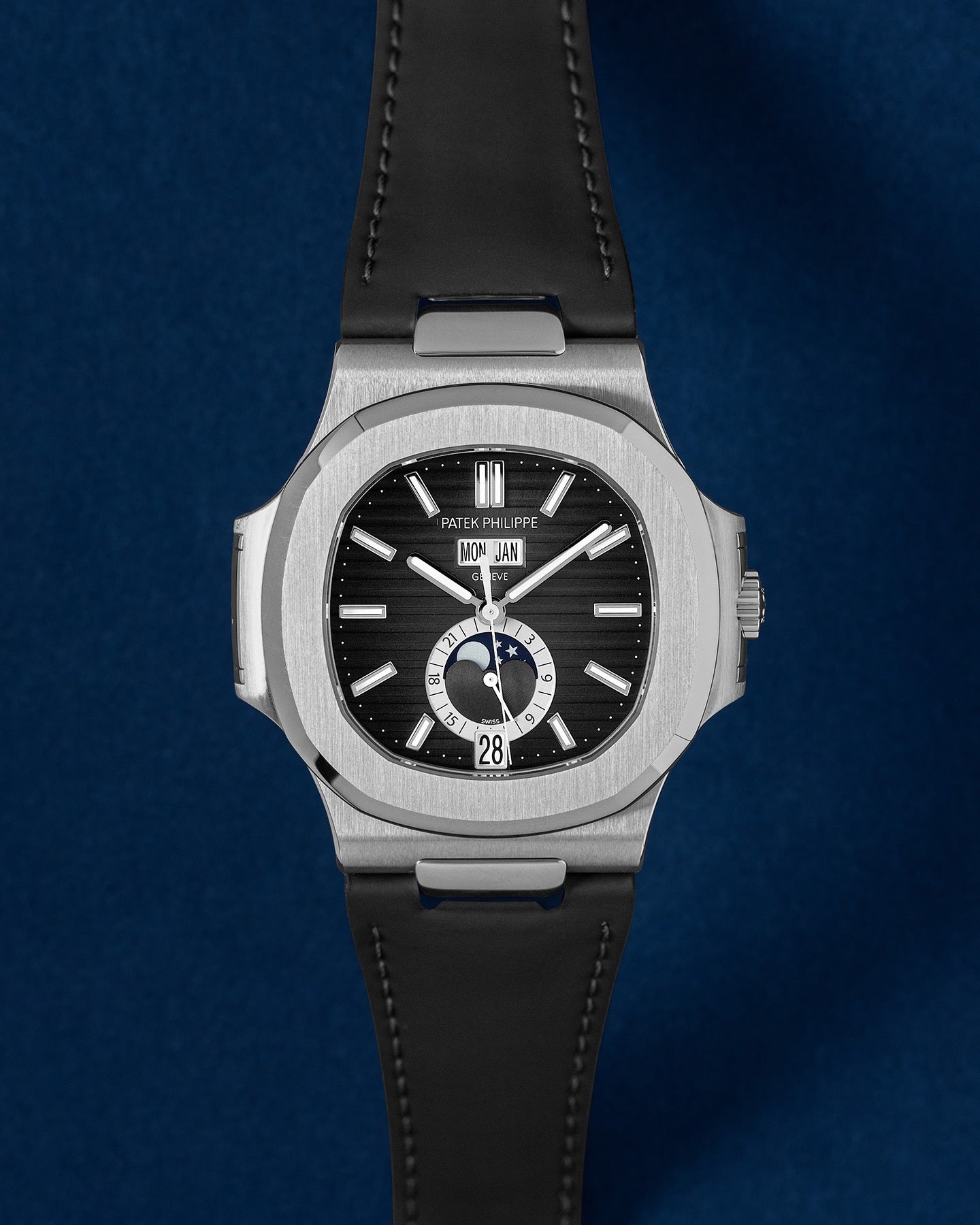
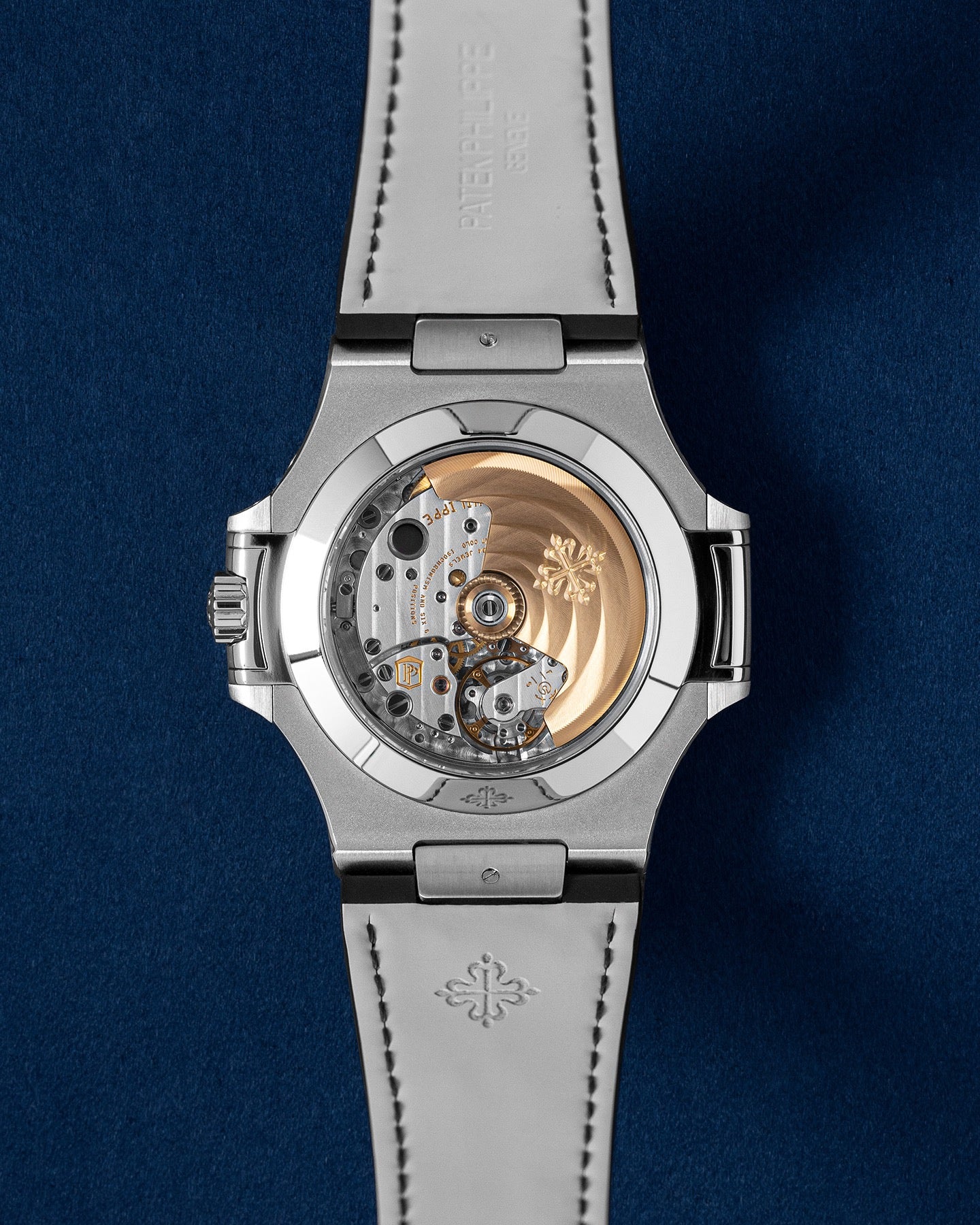
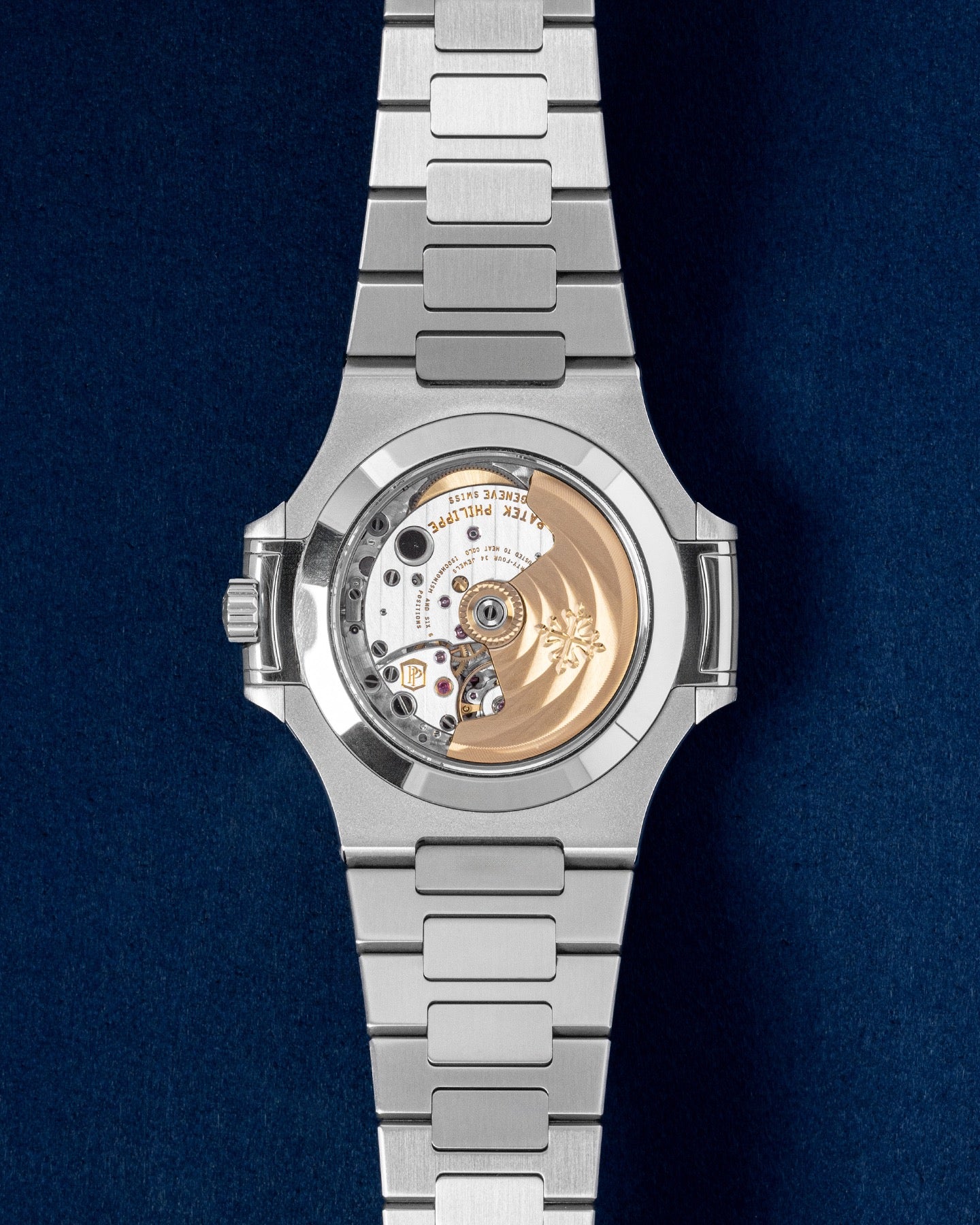
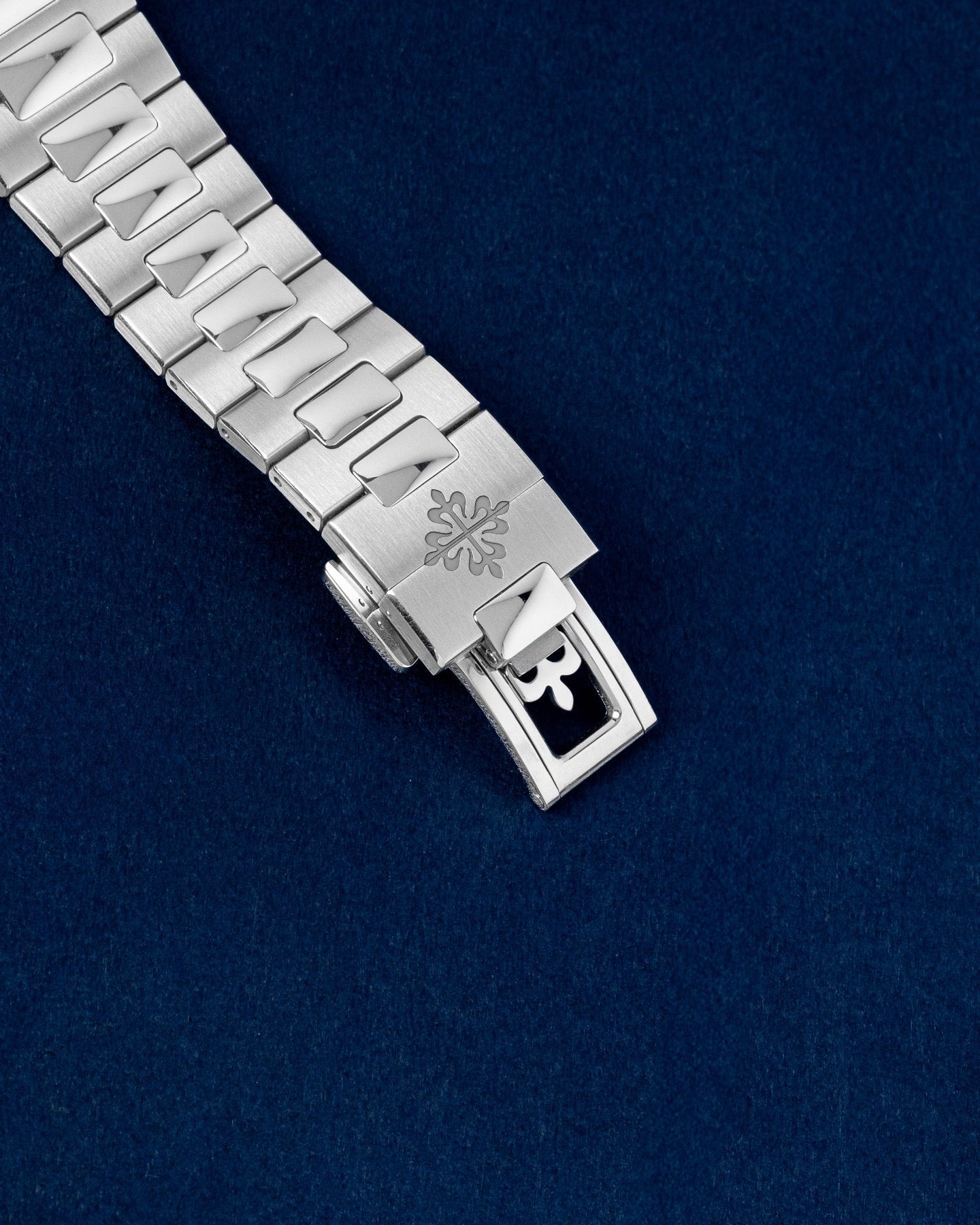
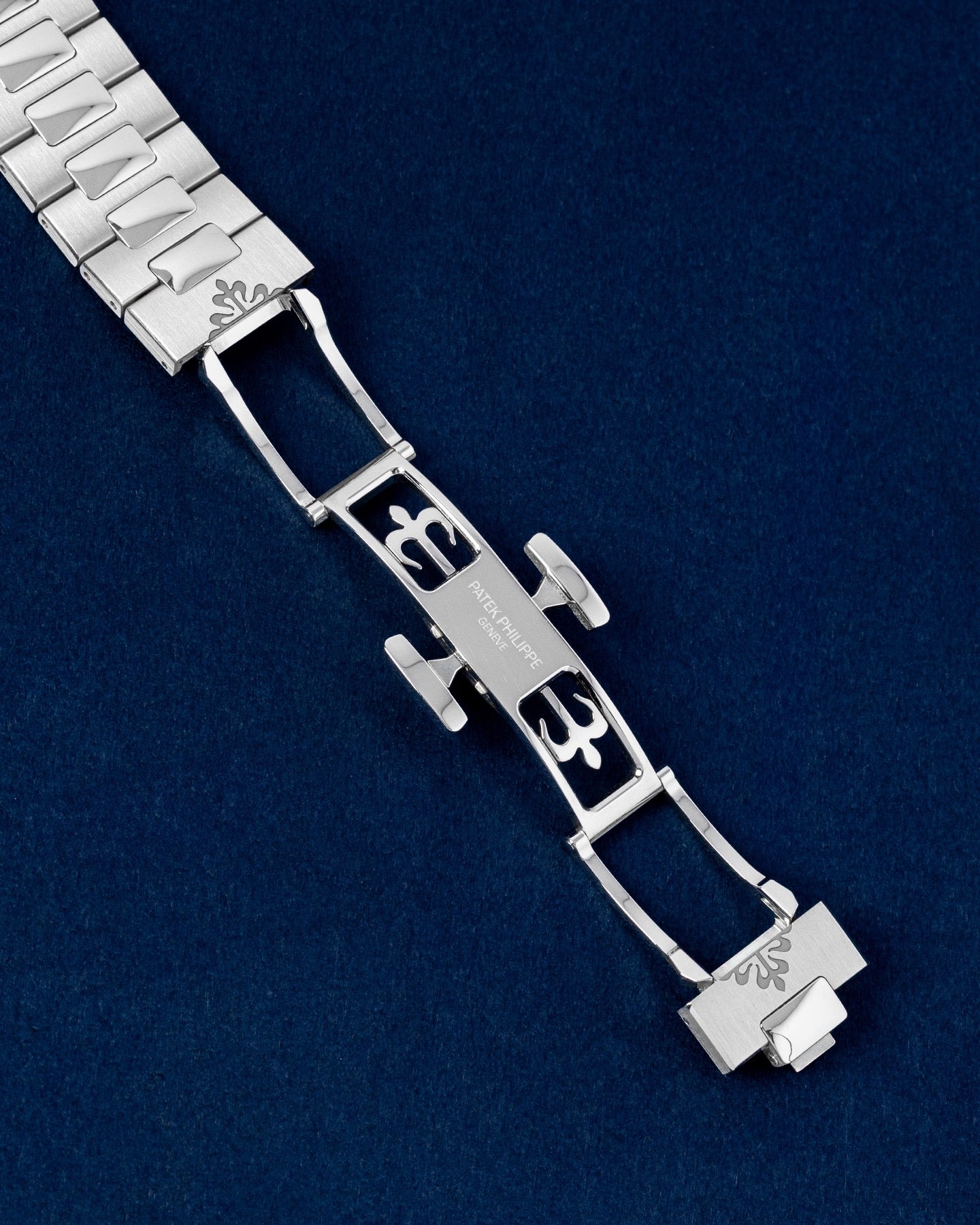
Patek Philippe Nautilus 5712/1A-001
Patek Philippe Nautilus 5980/1AR-001
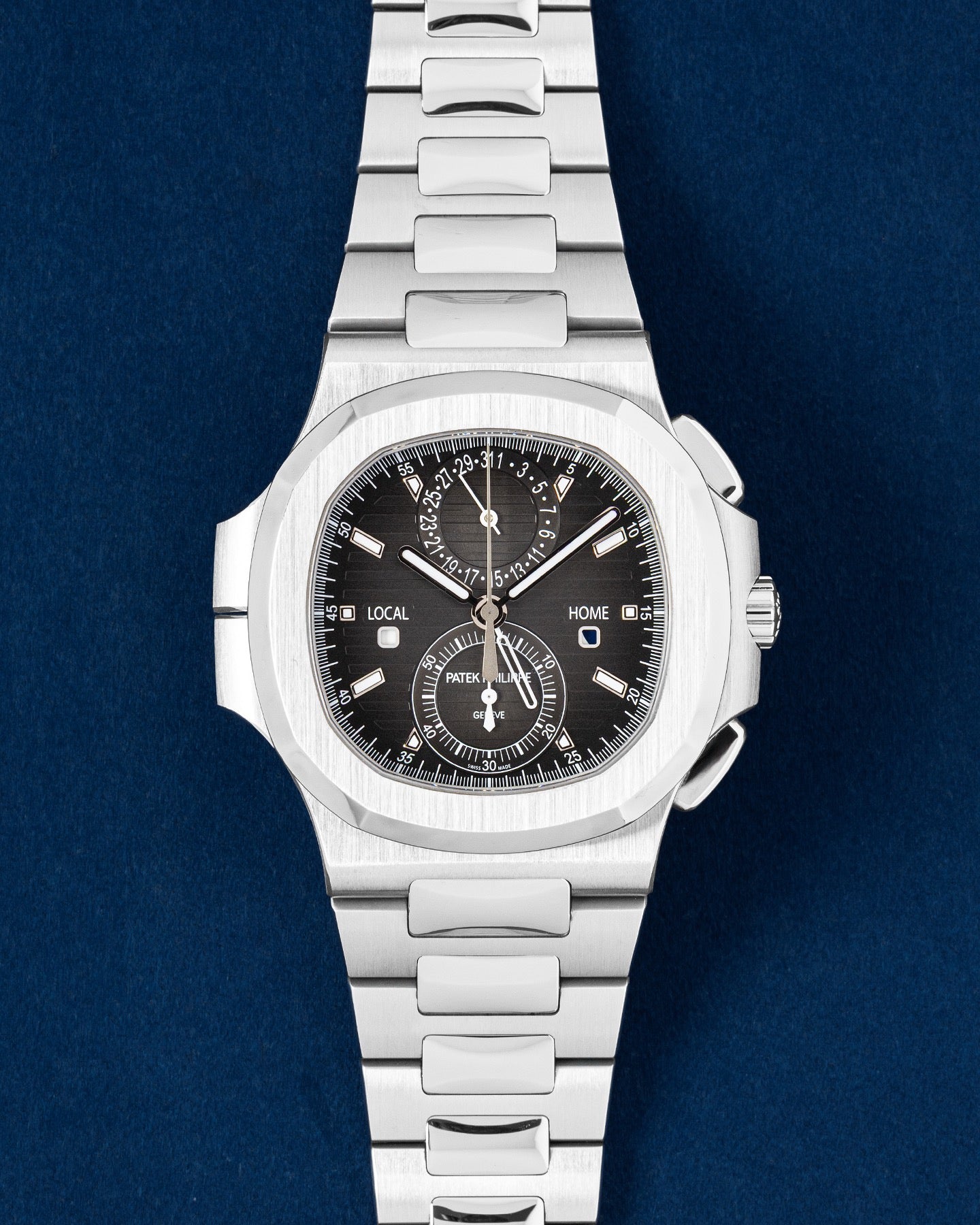
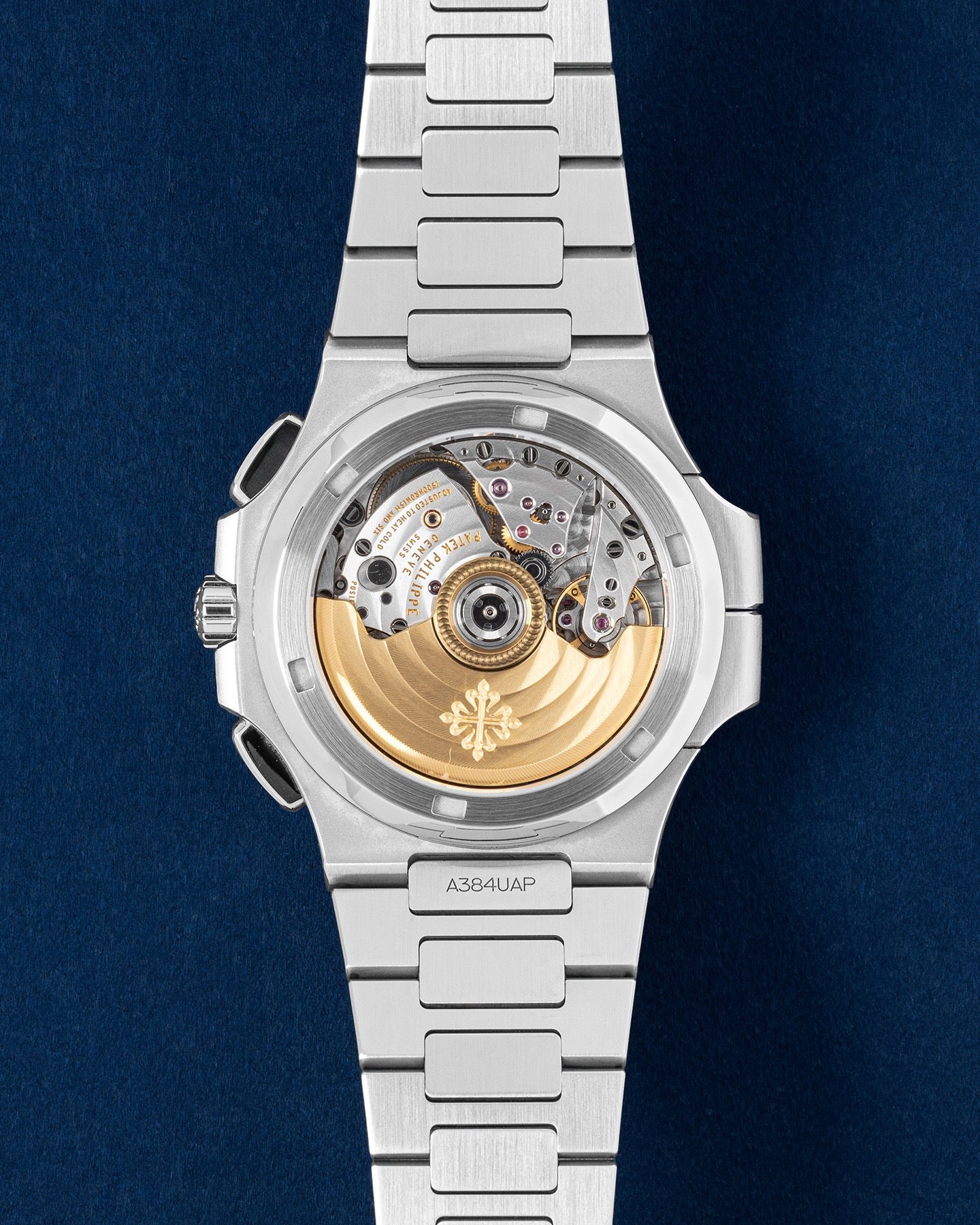
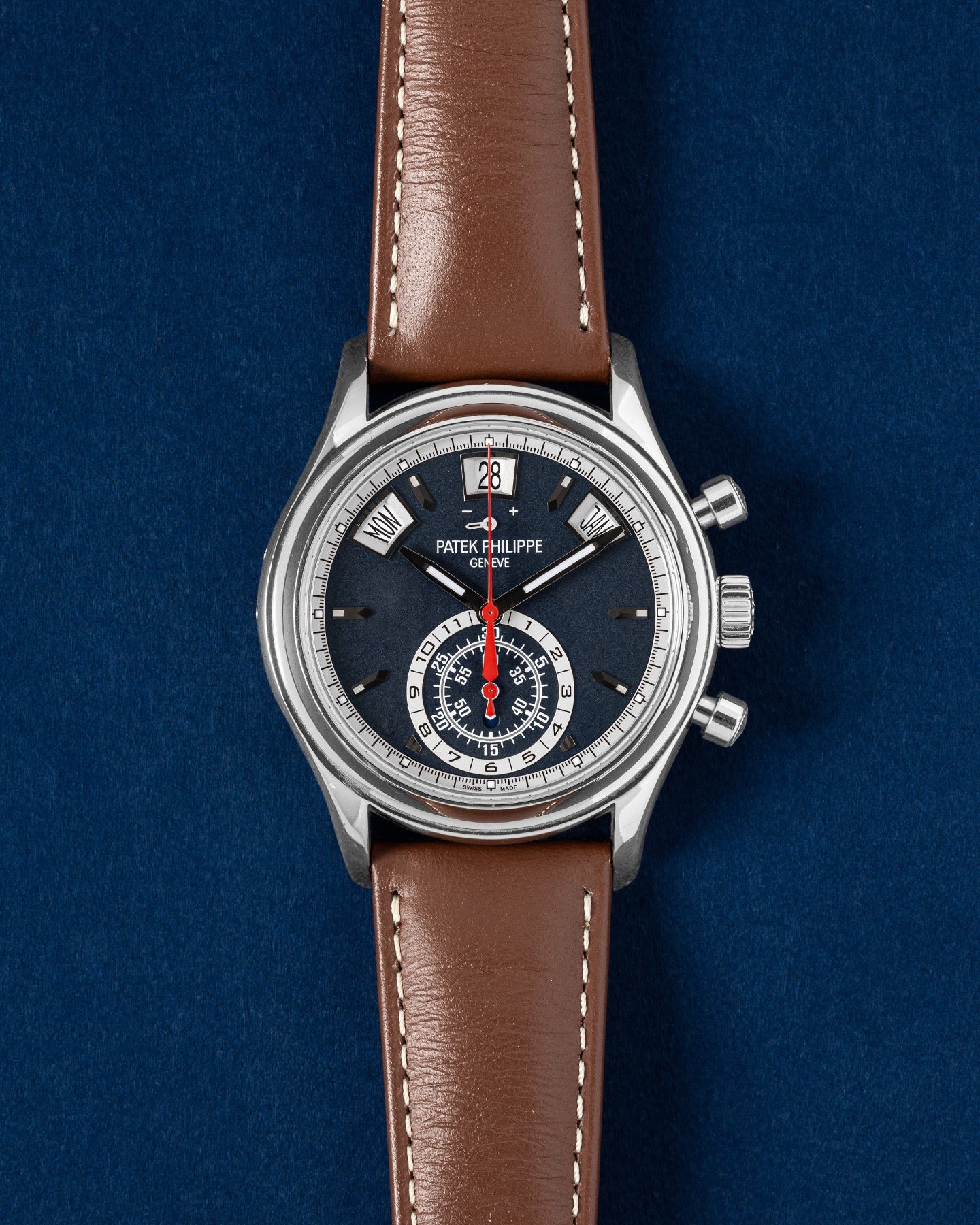
Vintage


Patek Philippe Tiffany & Co. Geneve 590
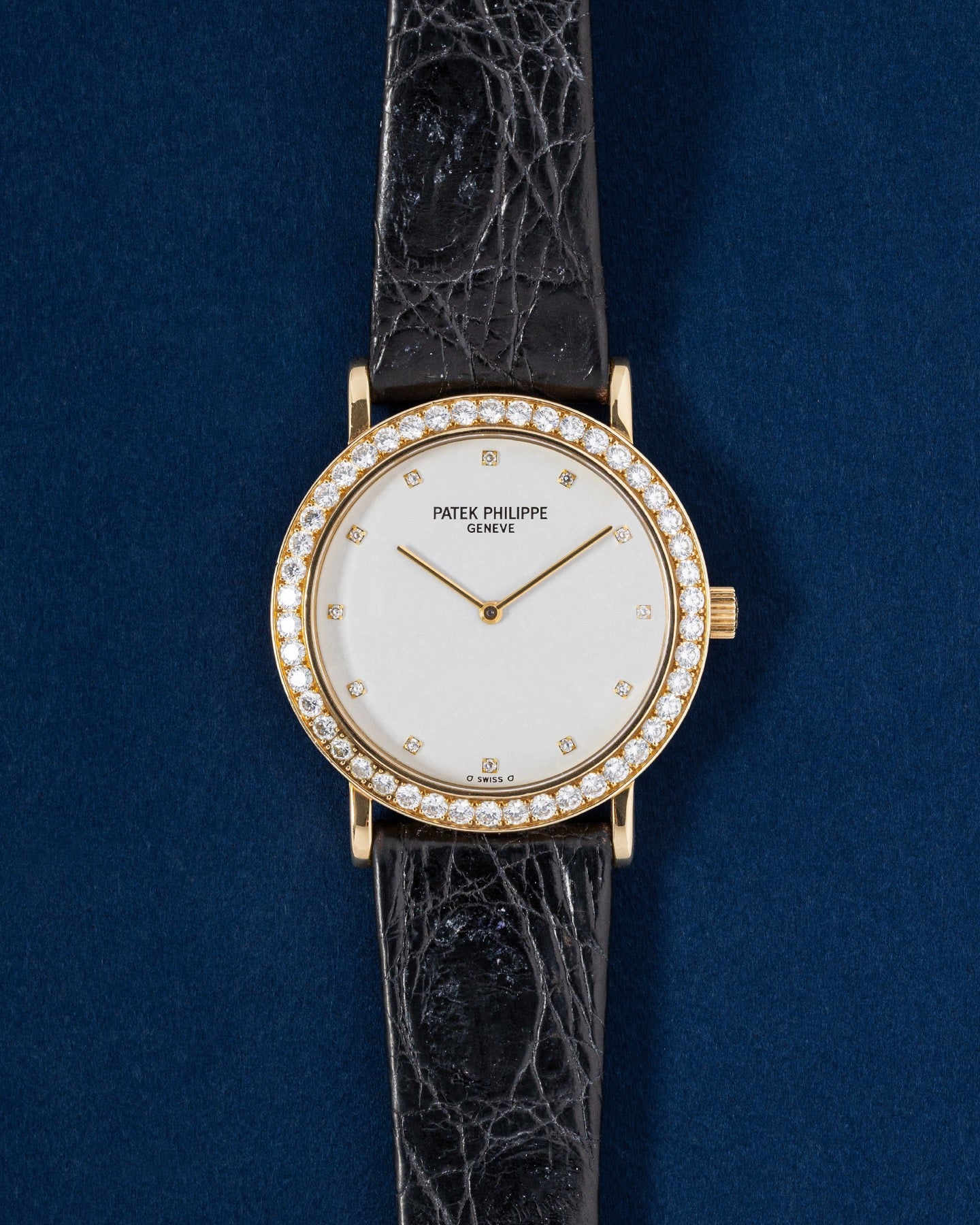
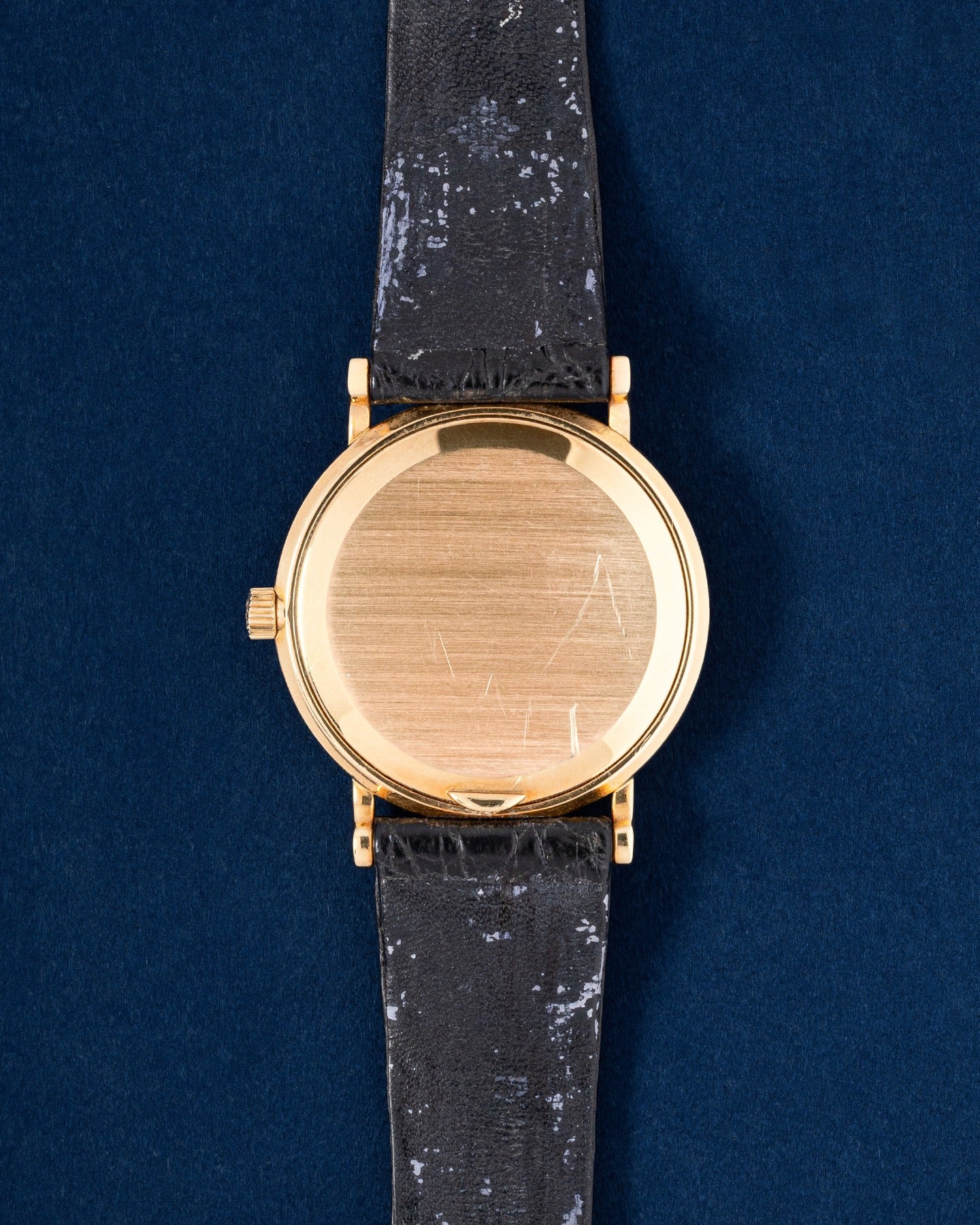
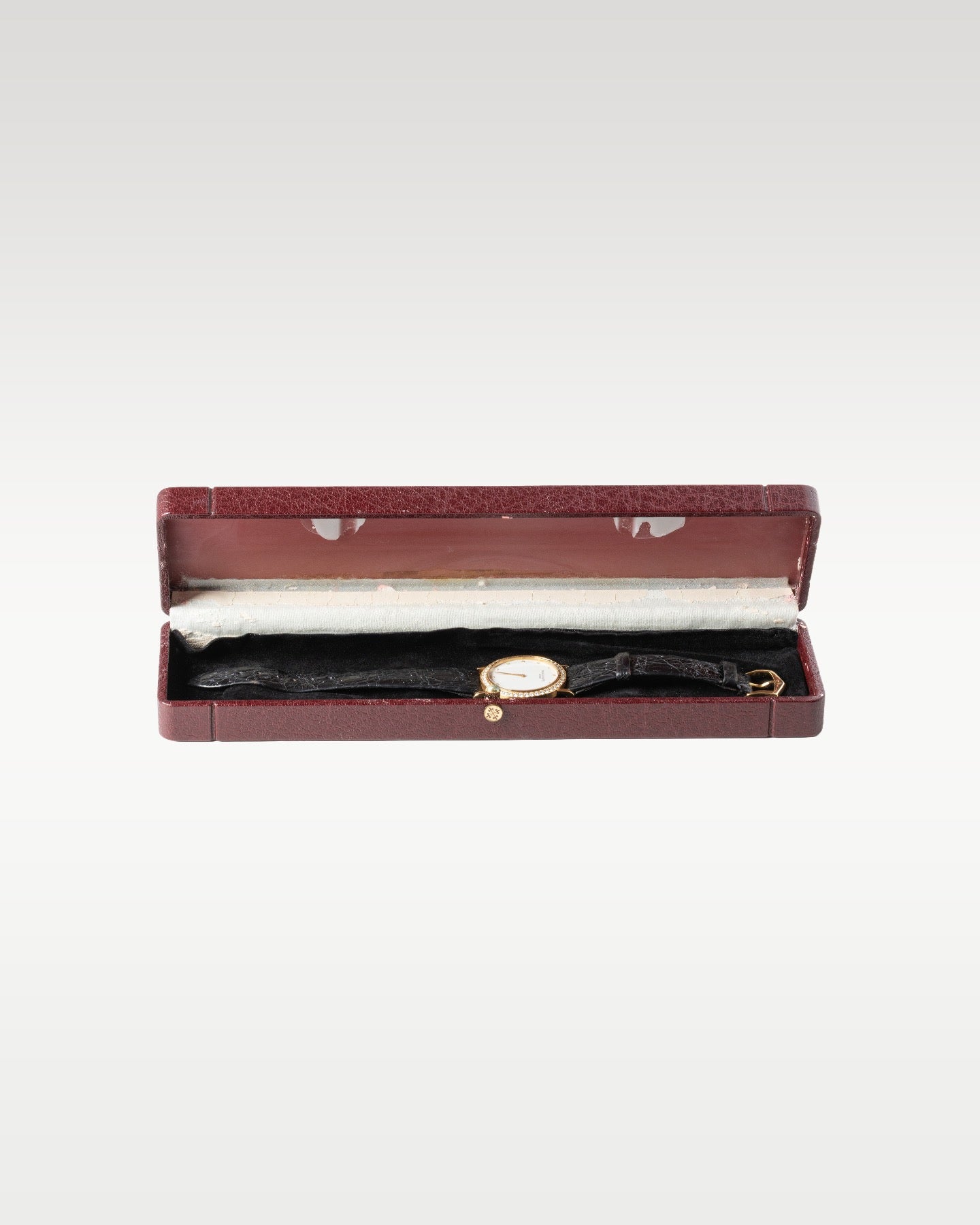
Patek Philippe Calatrava 5006J


Patek Philippe Nautilus 5726A-001
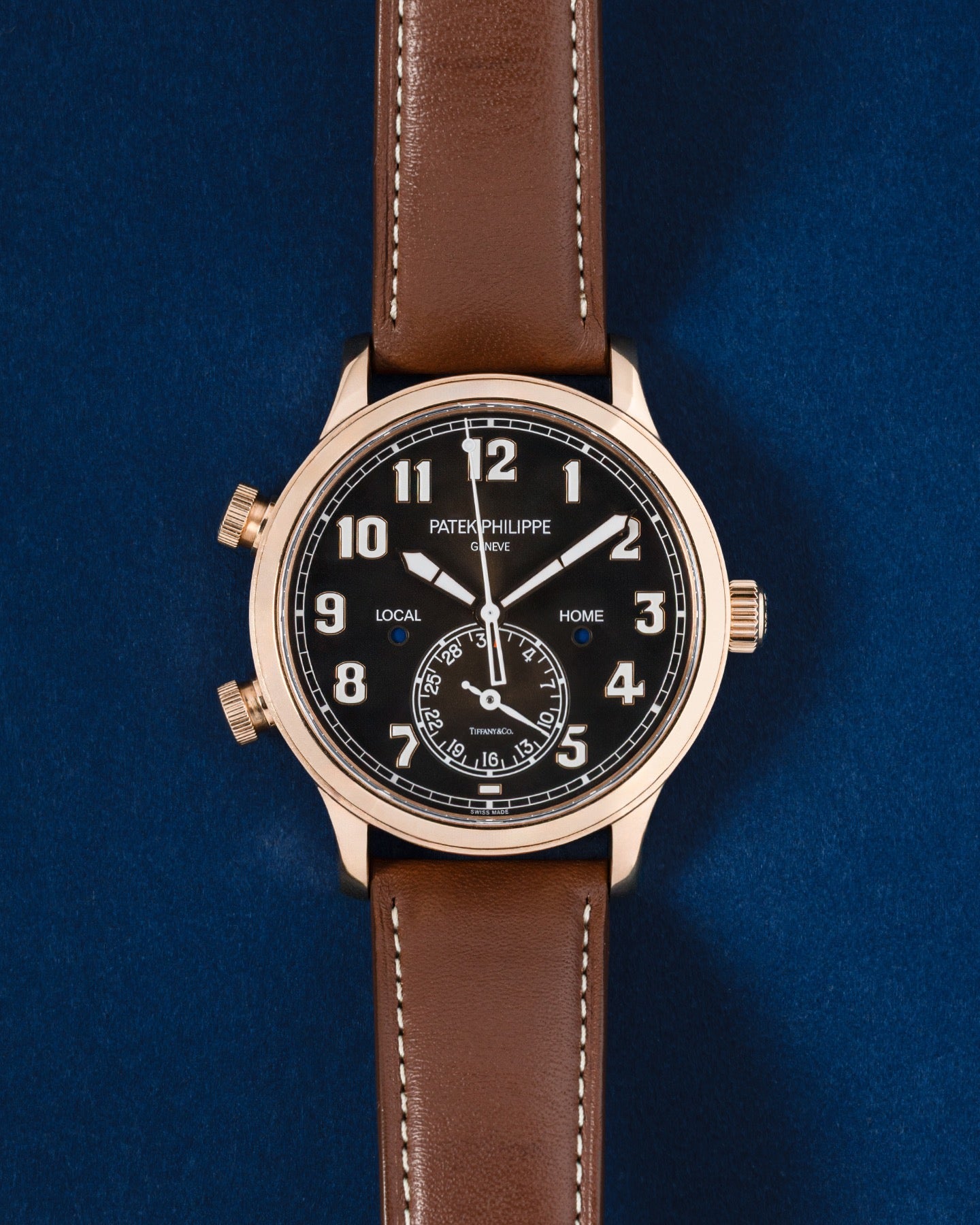
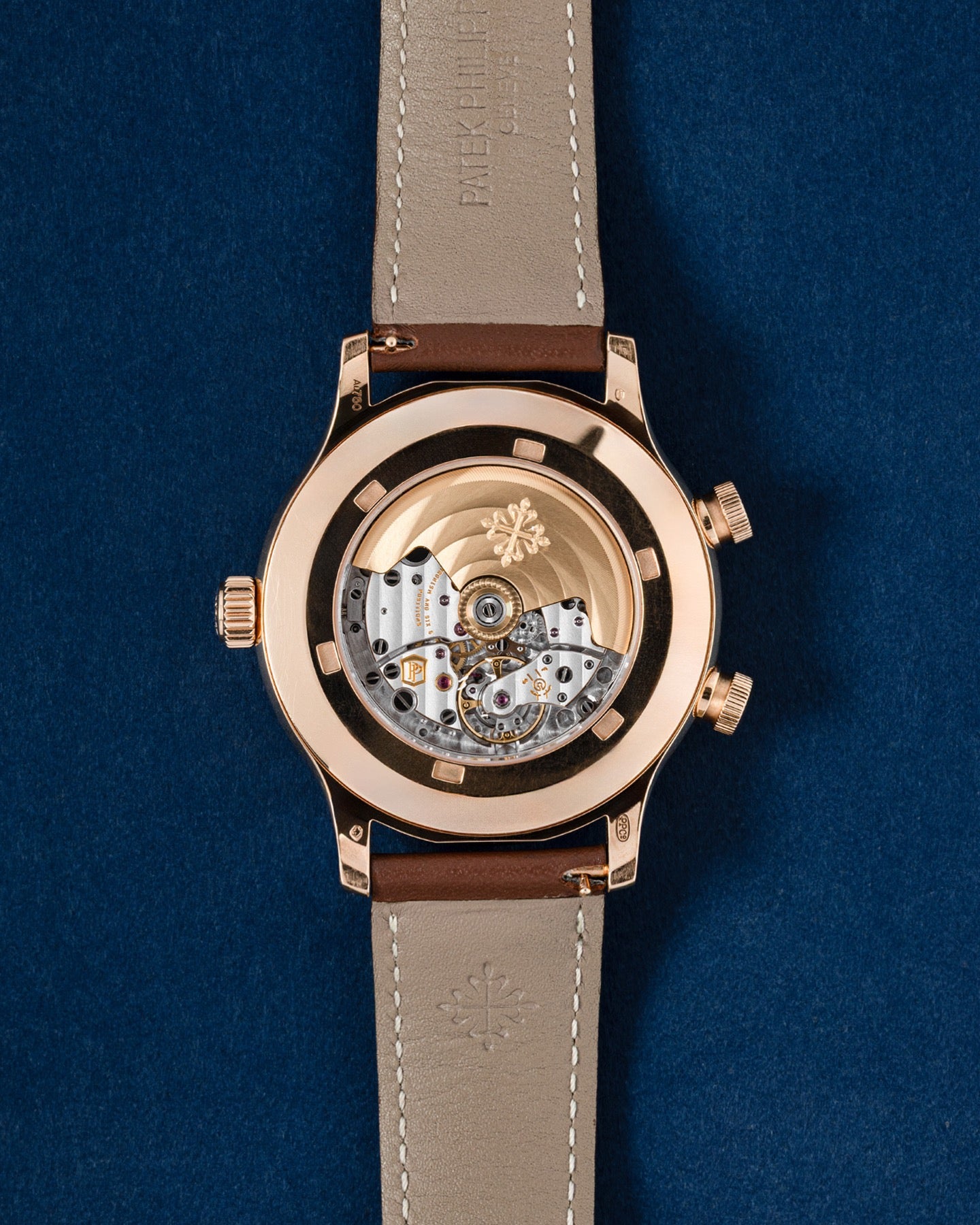


Patek Philippe Aquanaut 5167R-001
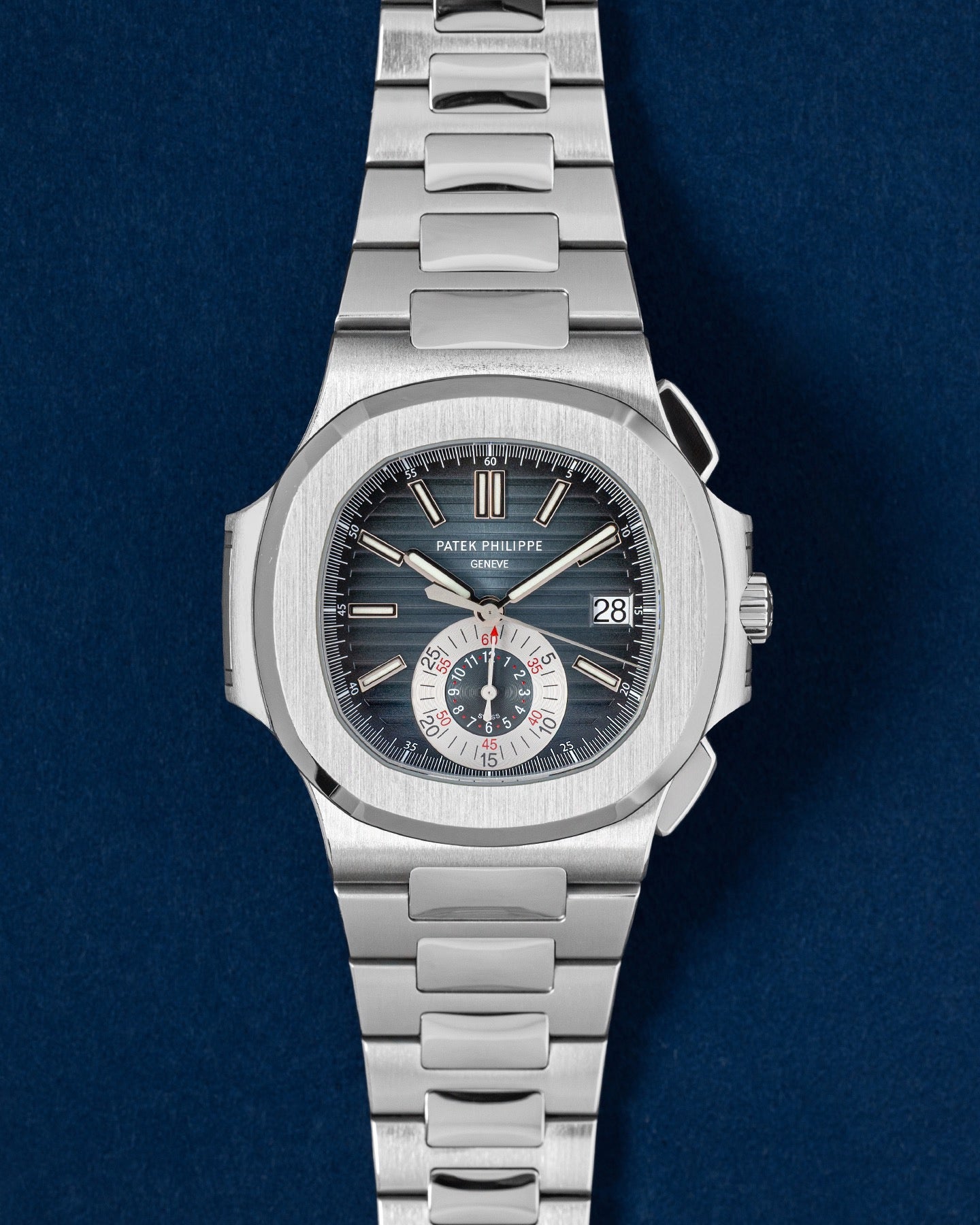
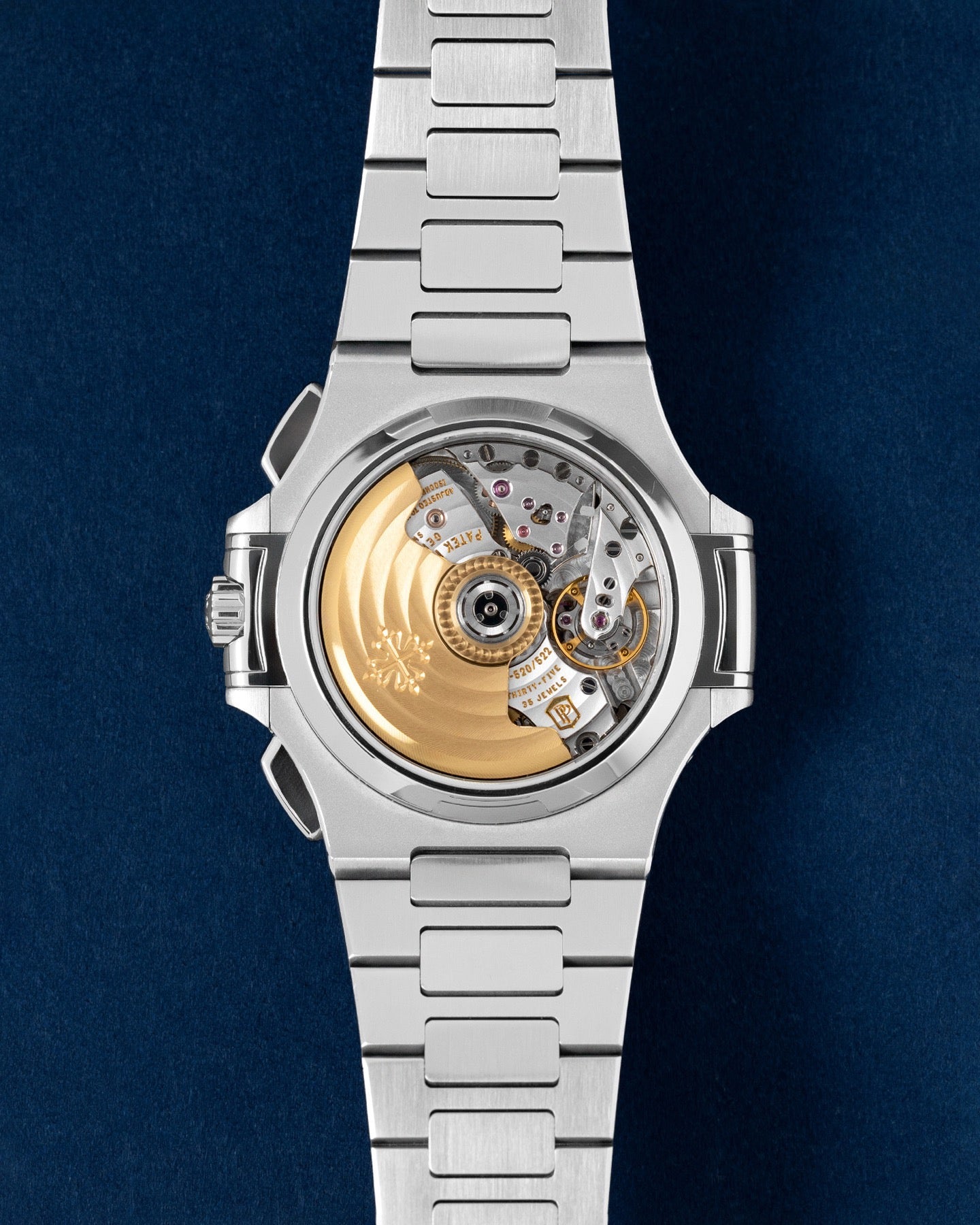

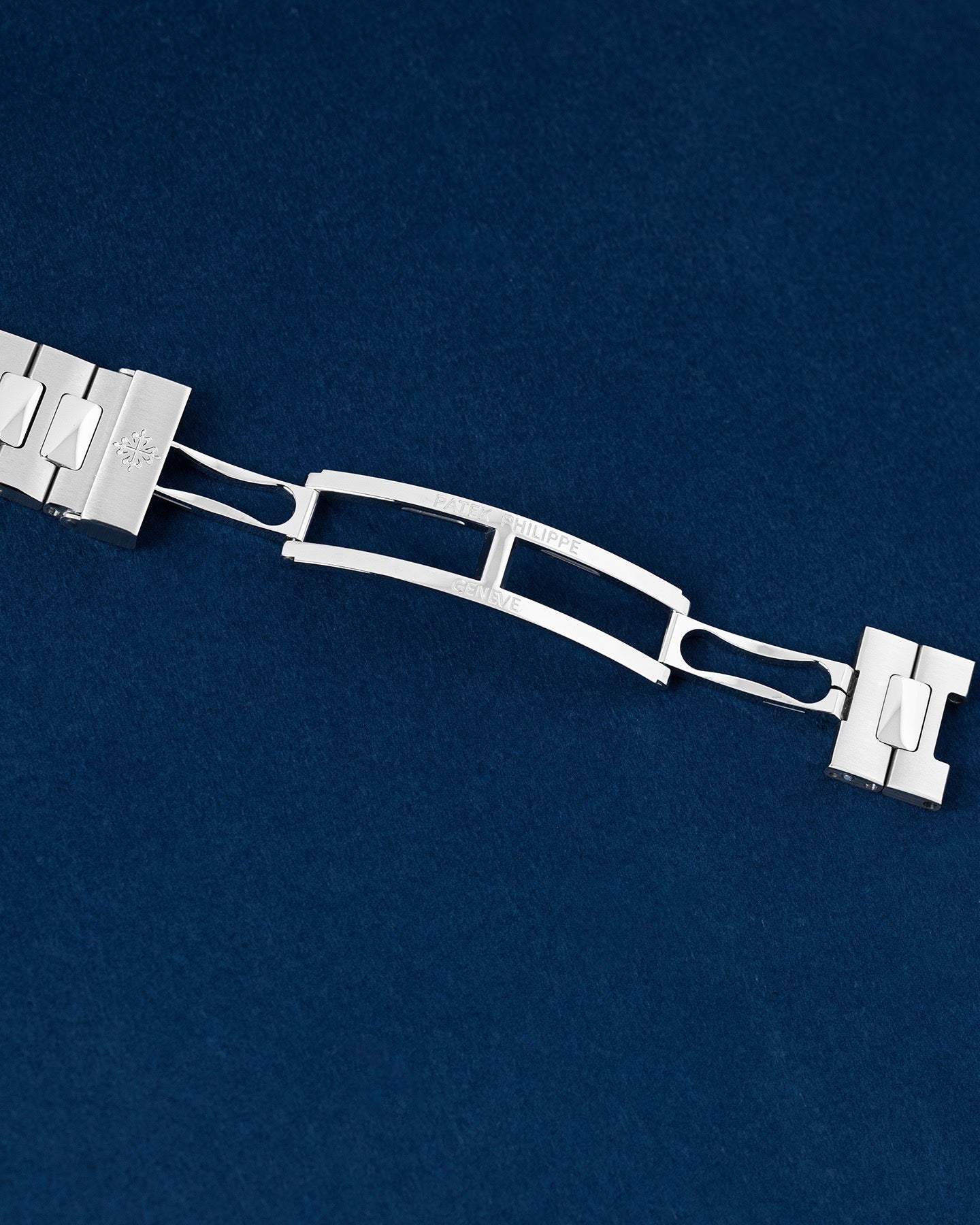
Patek Philippe Nautilus 5980/1A-001
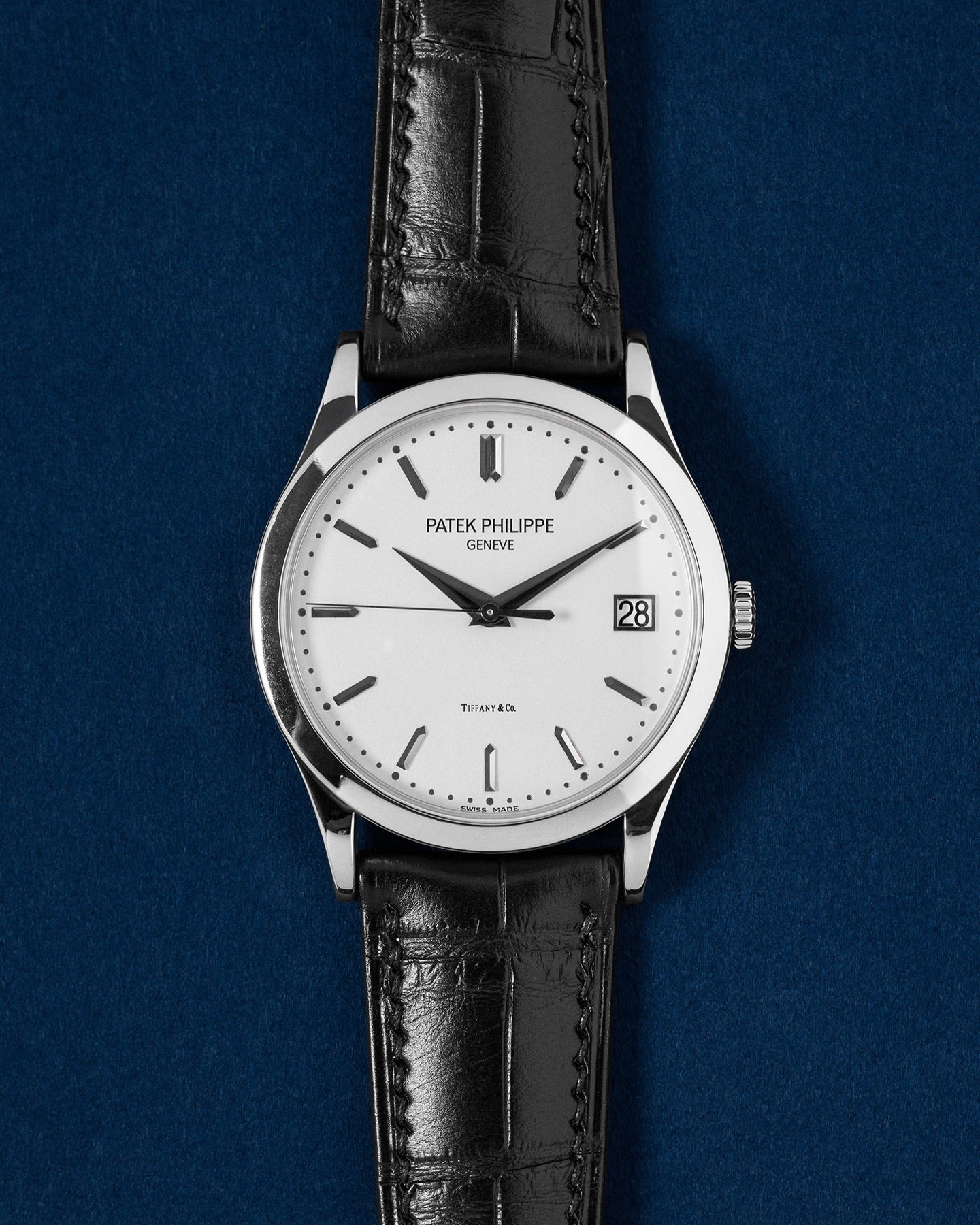
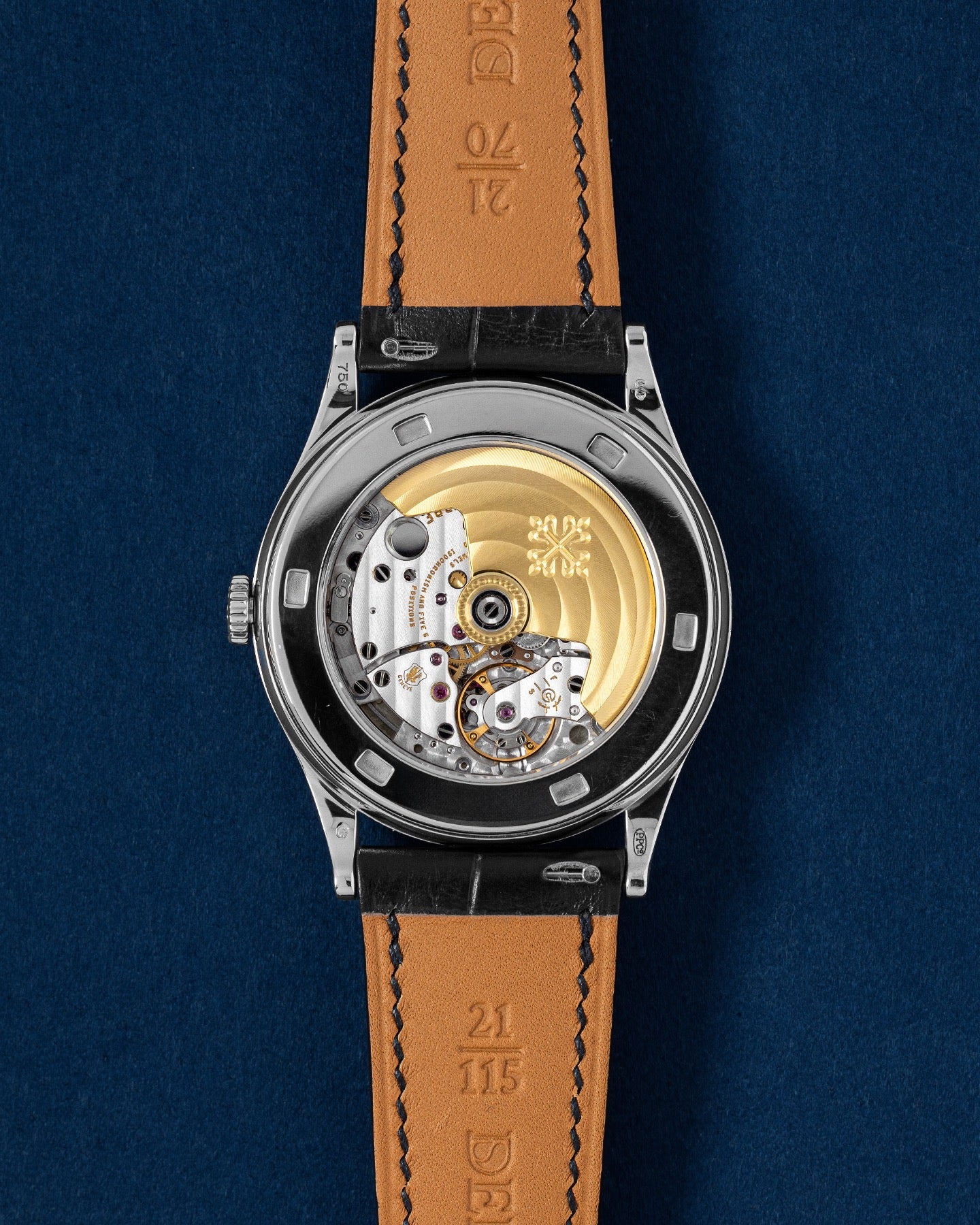
Patek Philippe Calatrava 5296G
Vintage
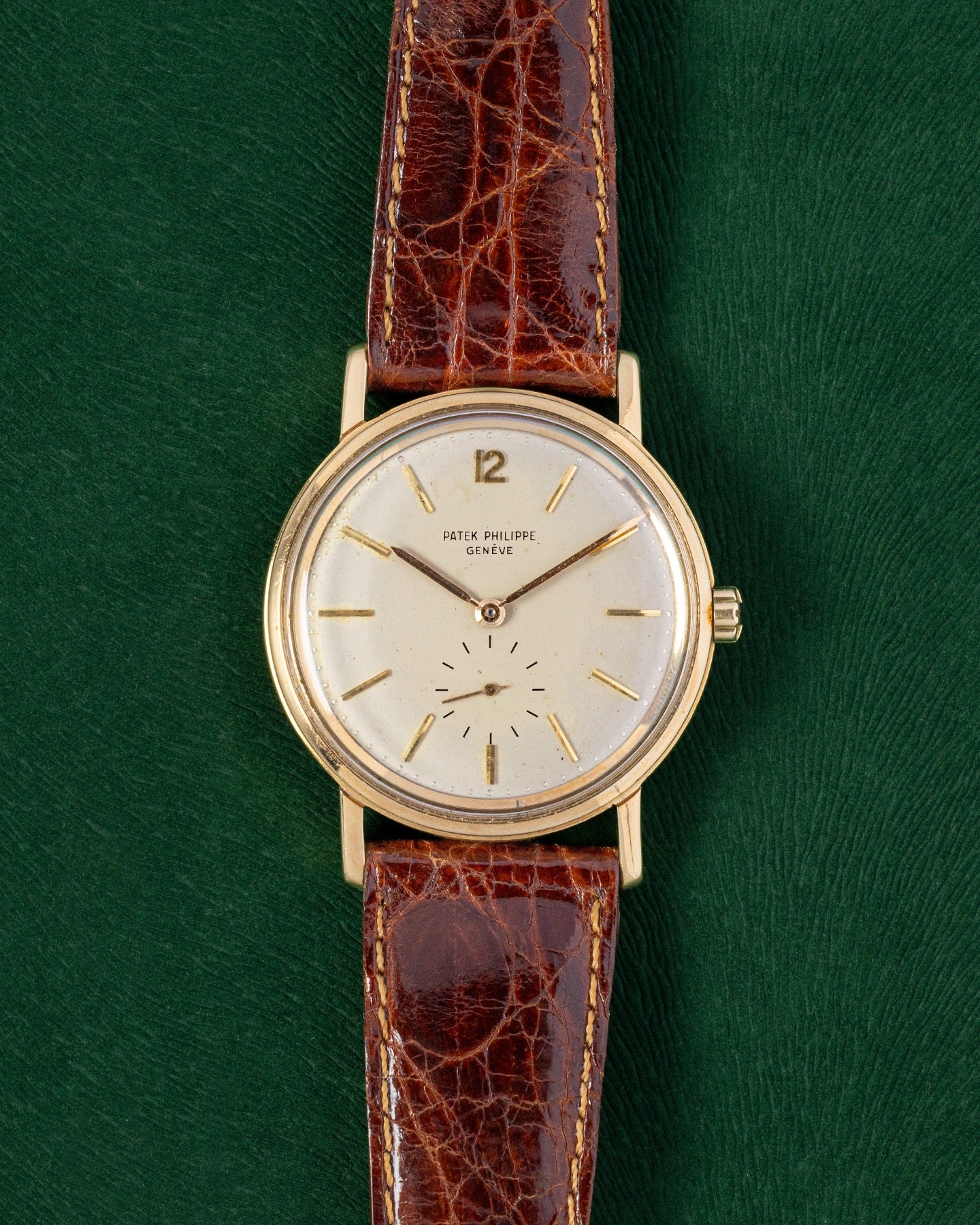
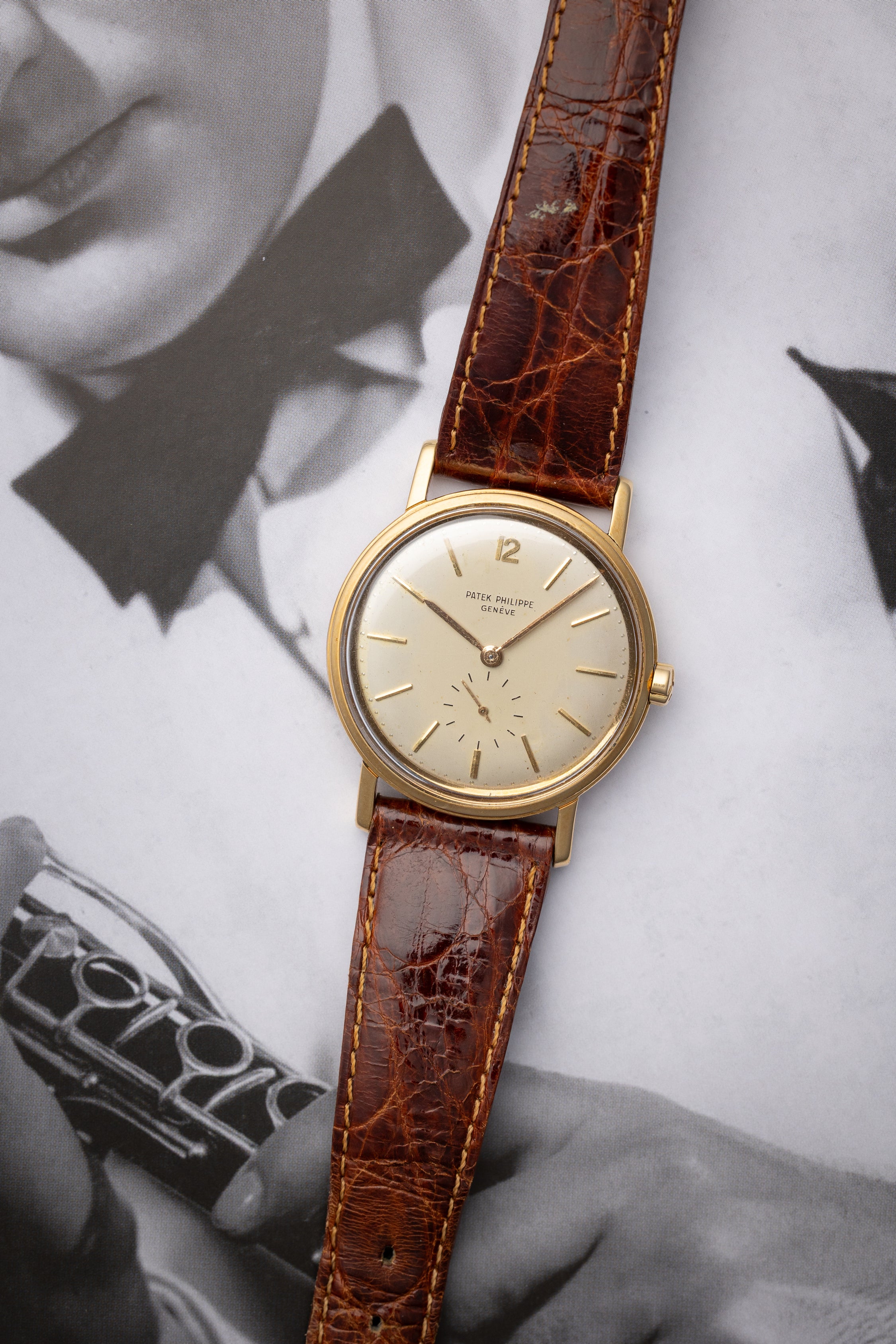
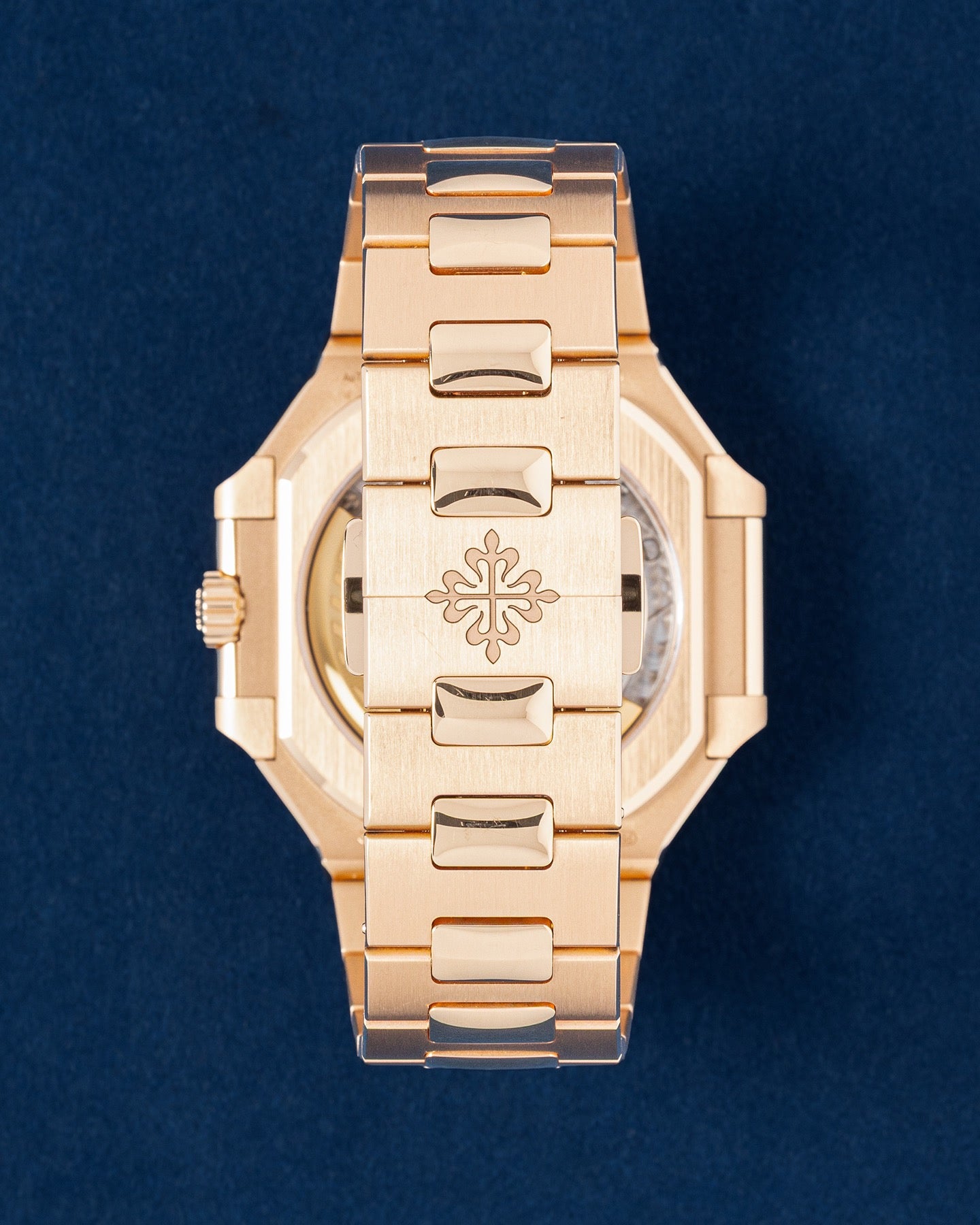
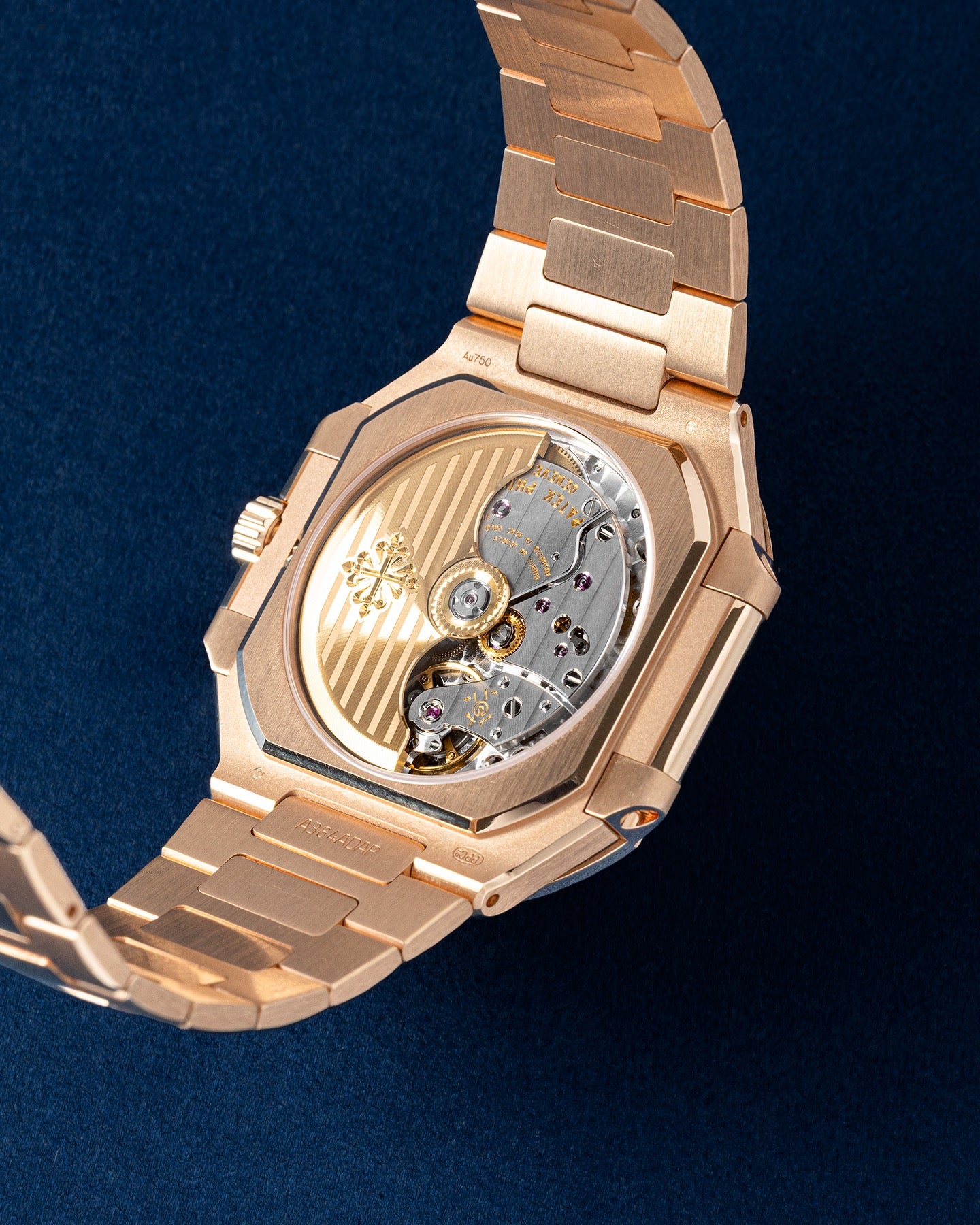
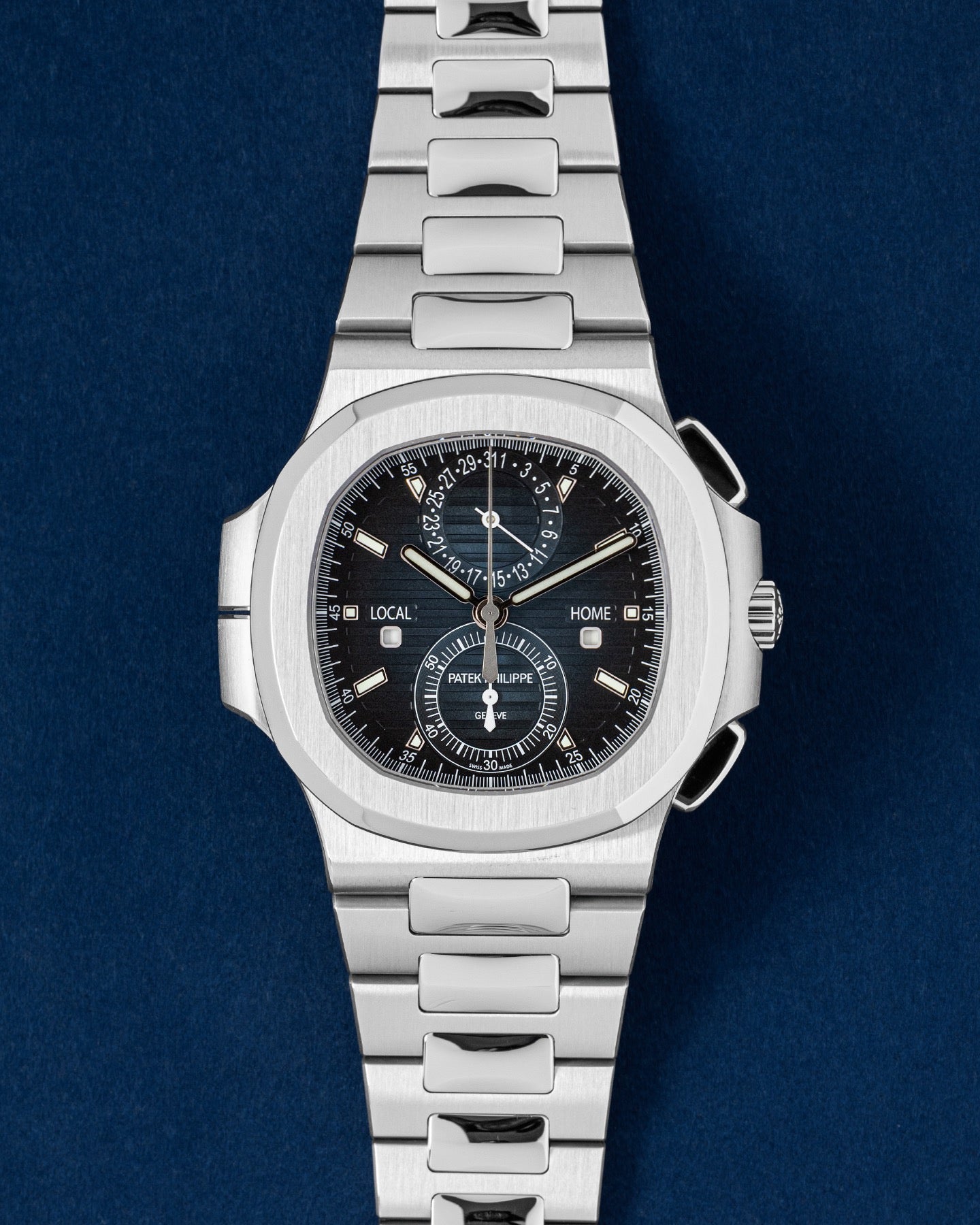
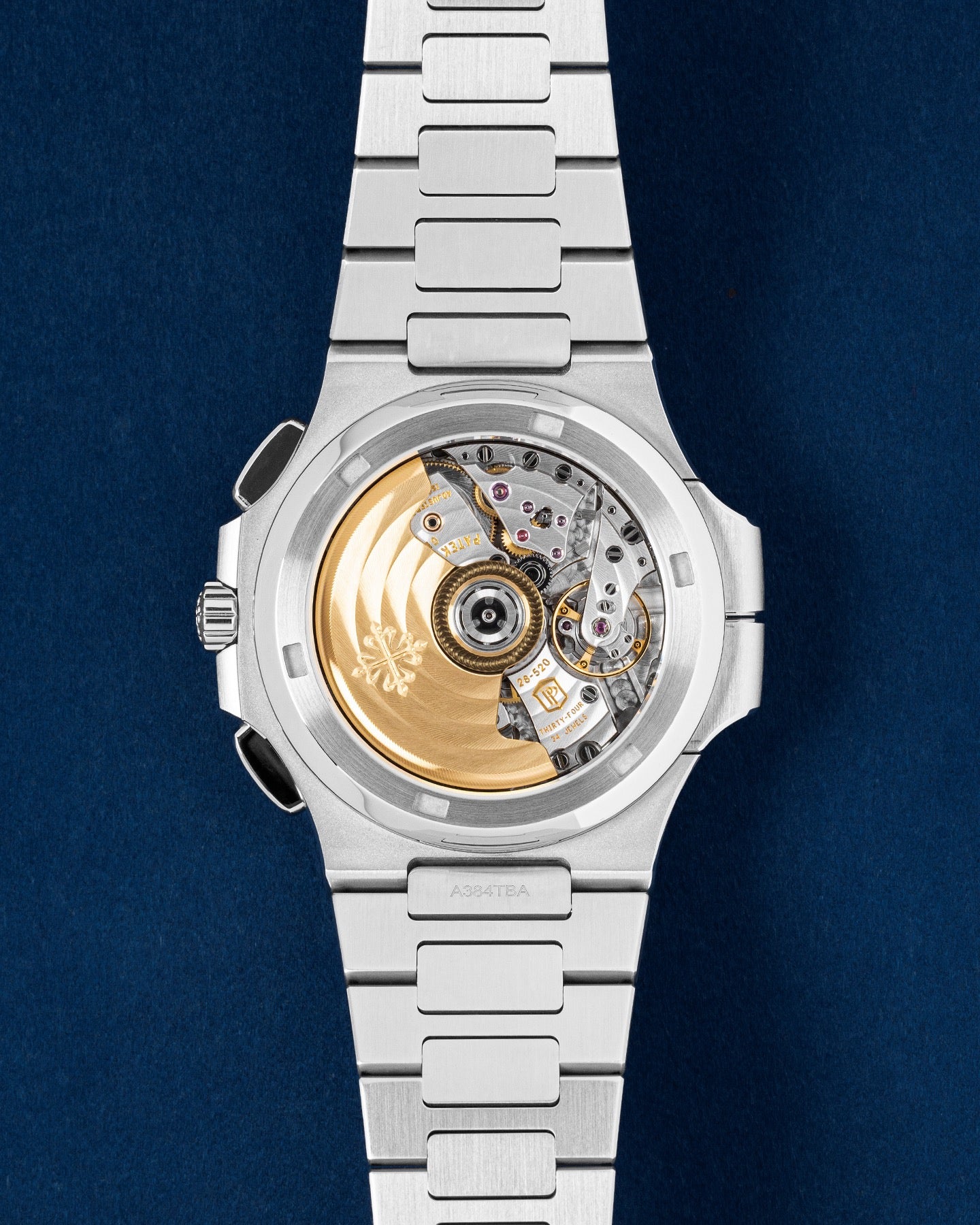




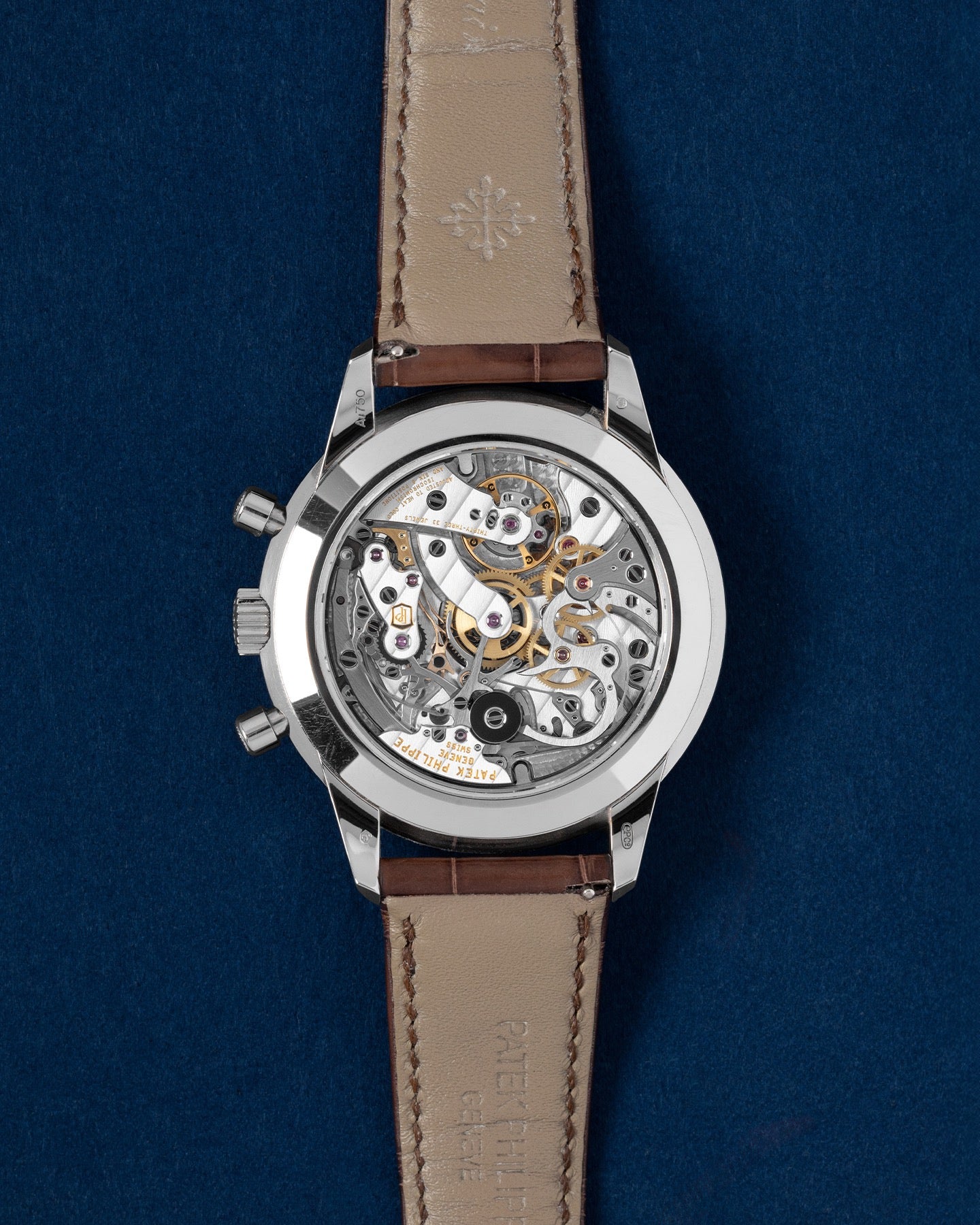
Vintage
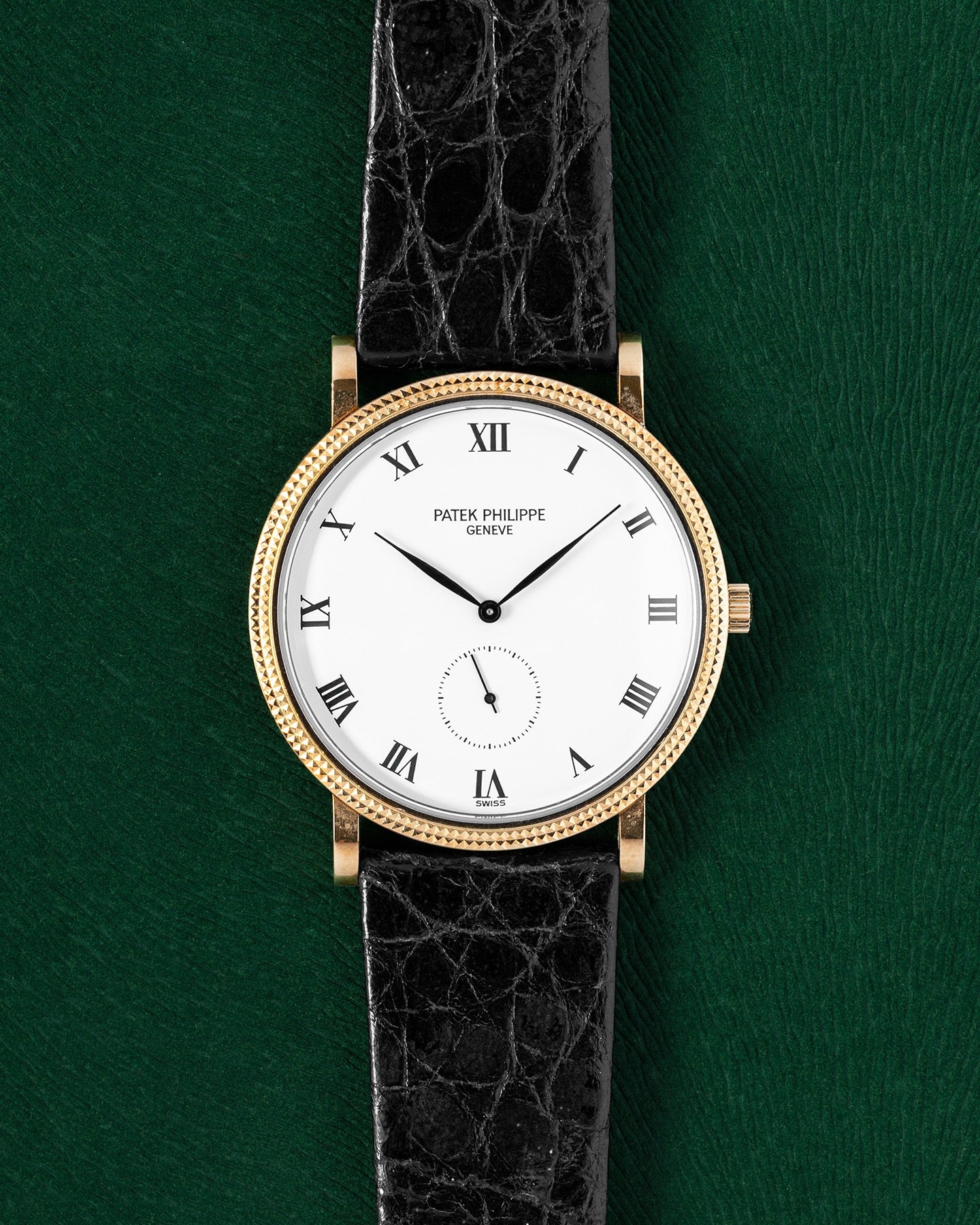
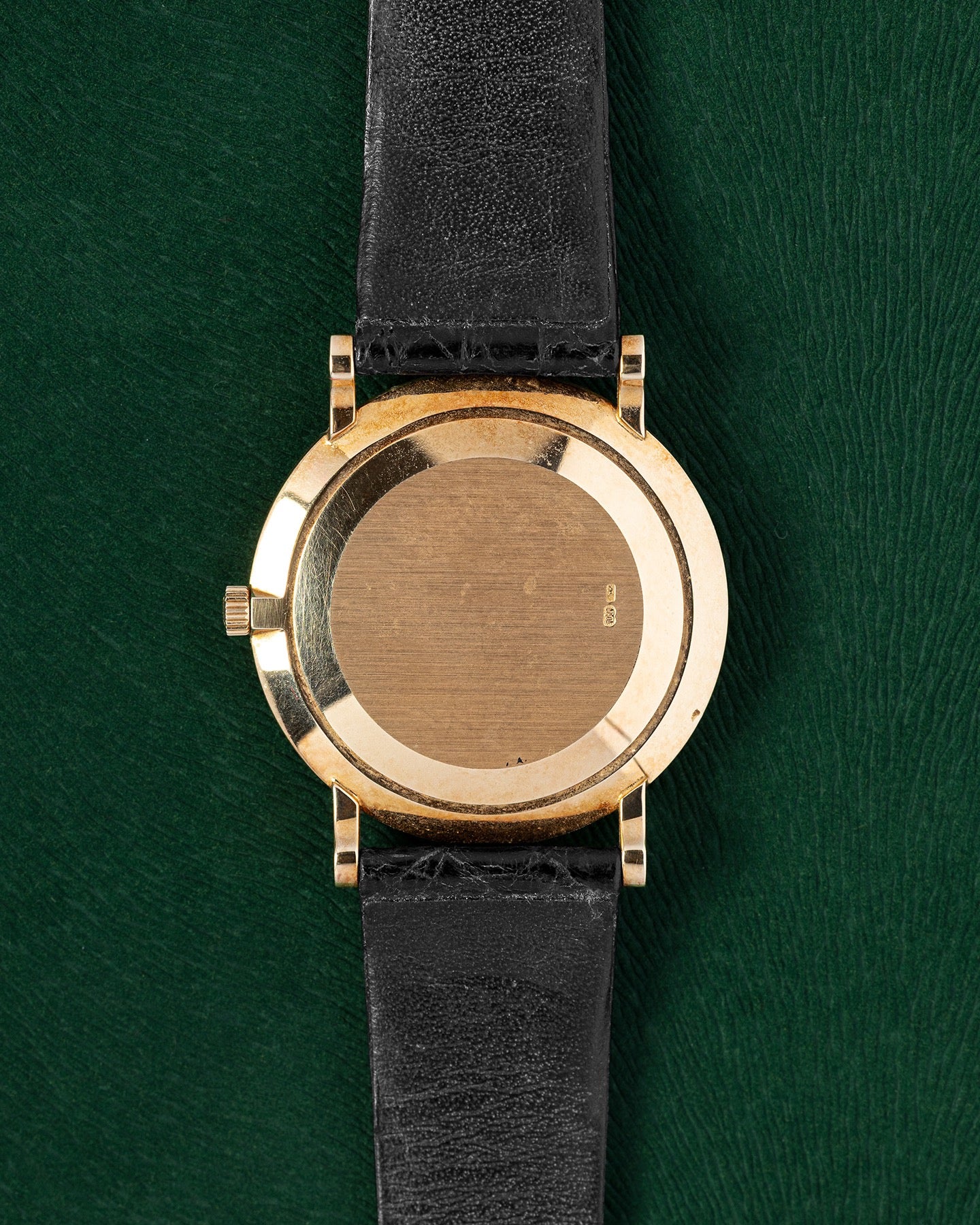
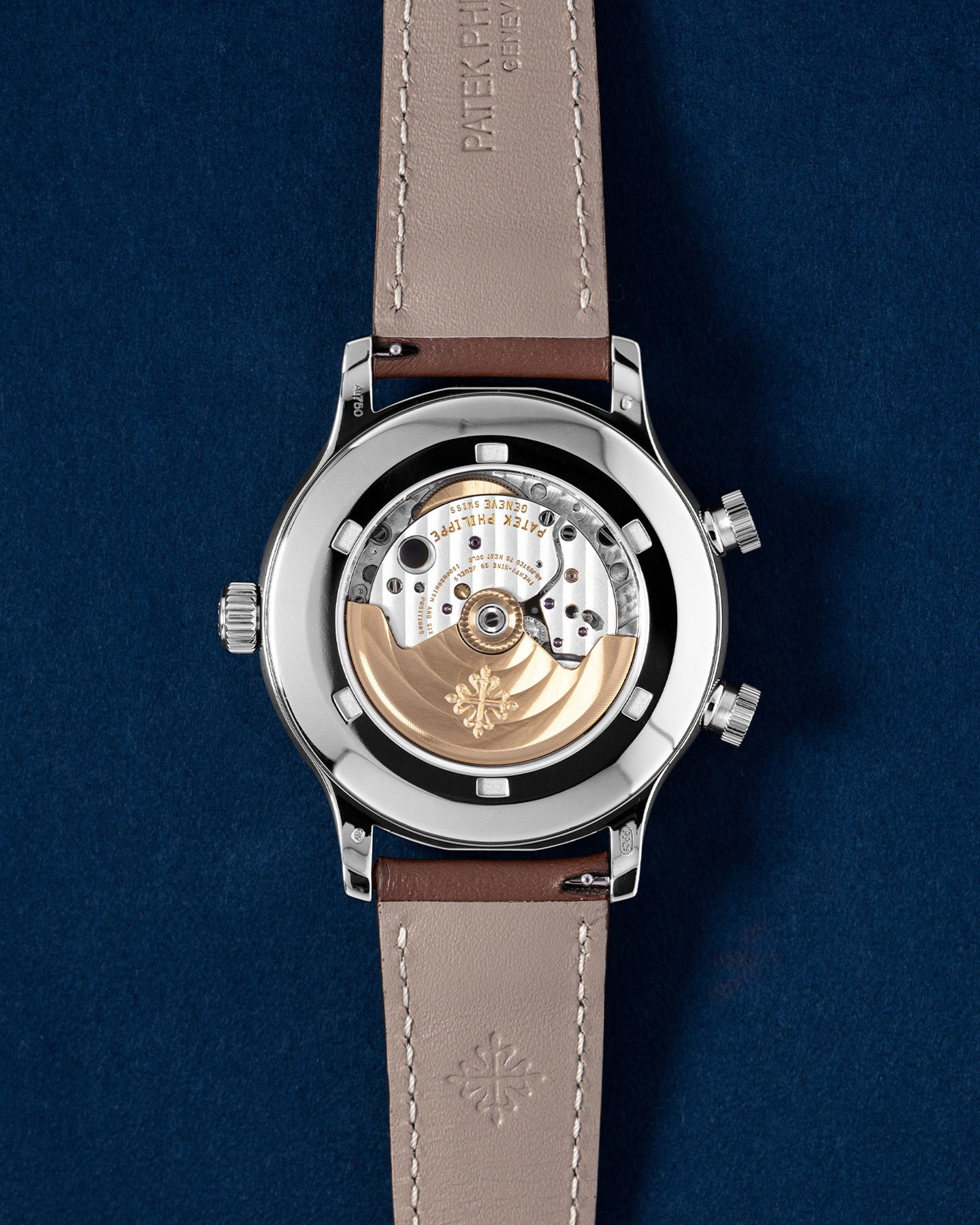
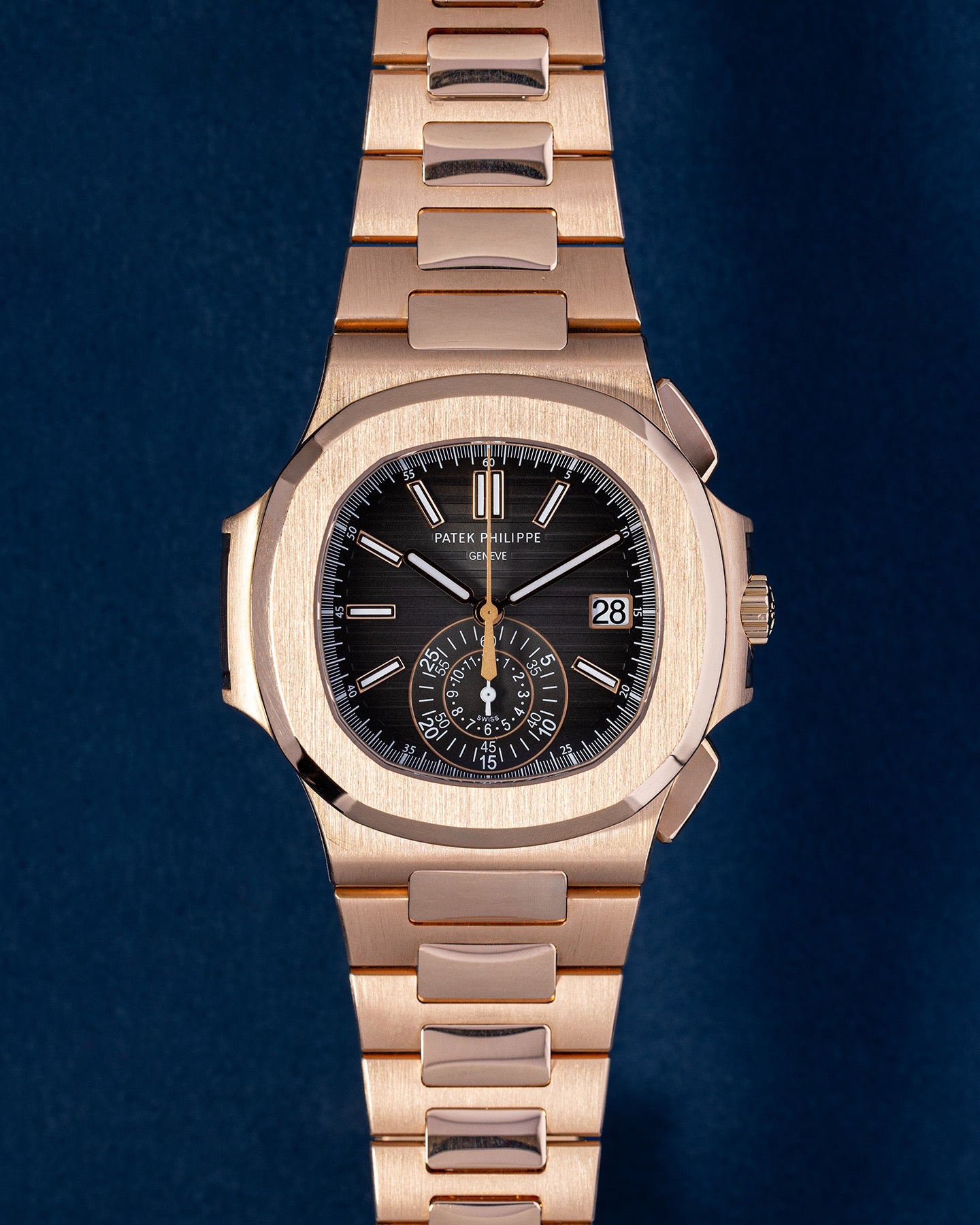


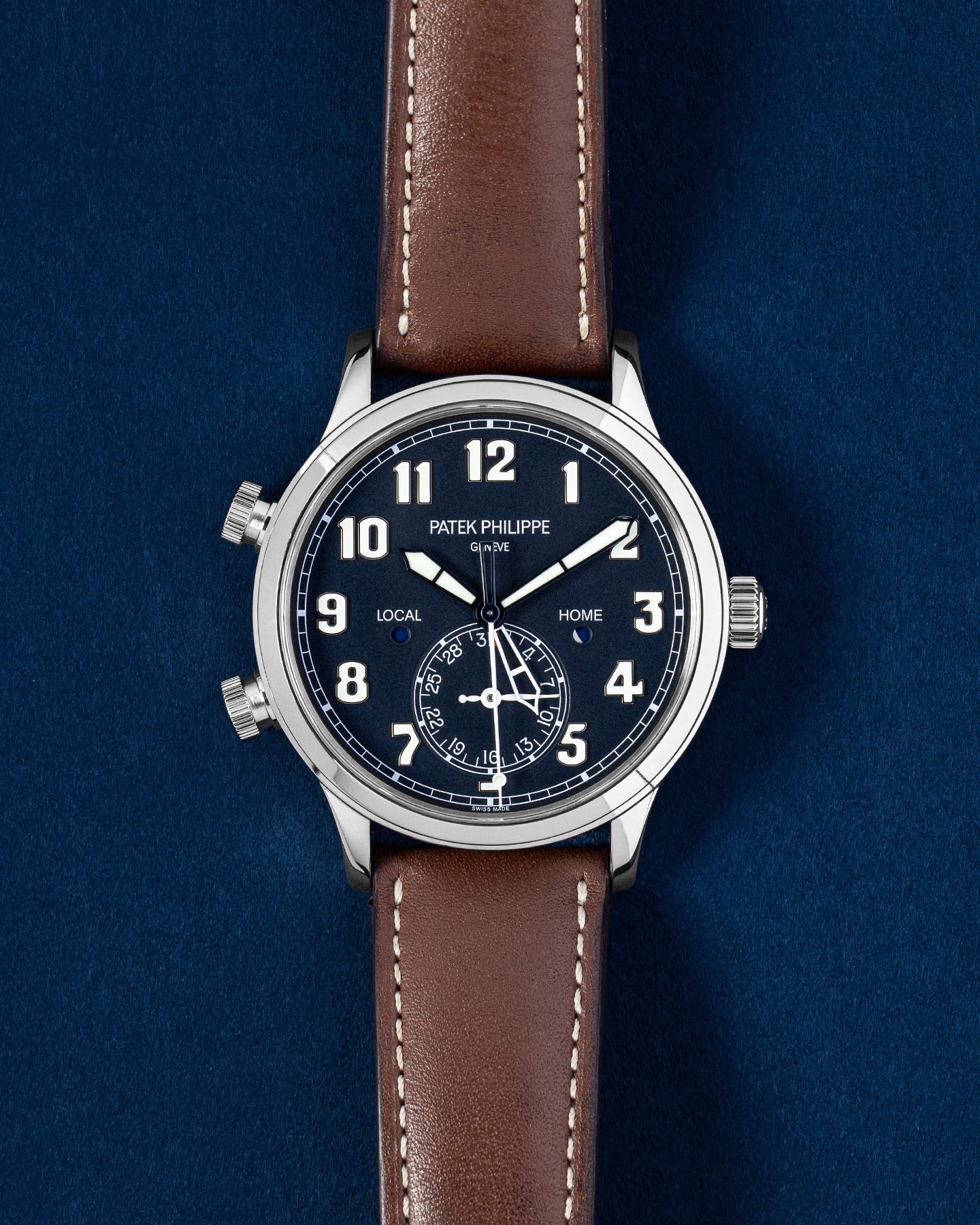
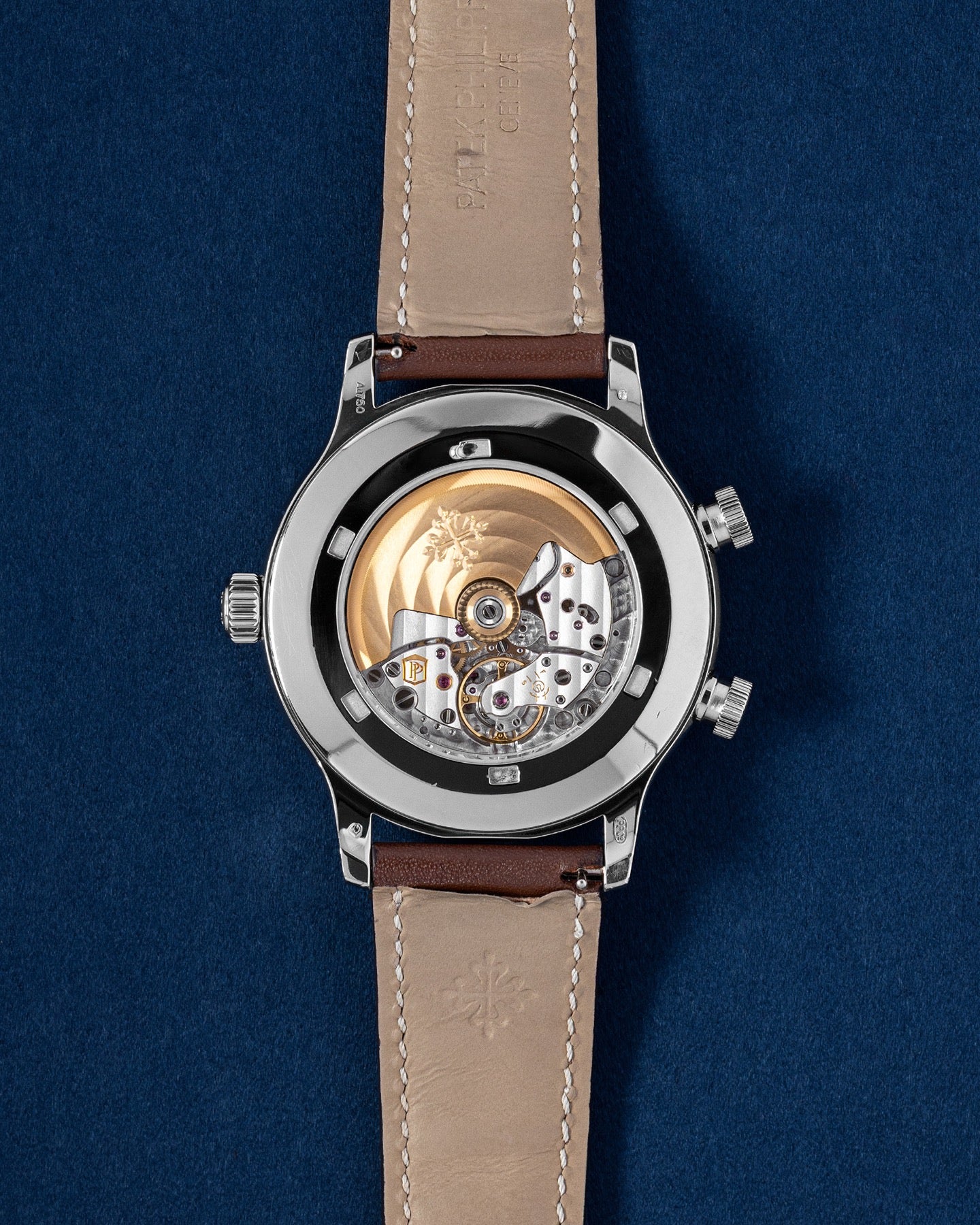
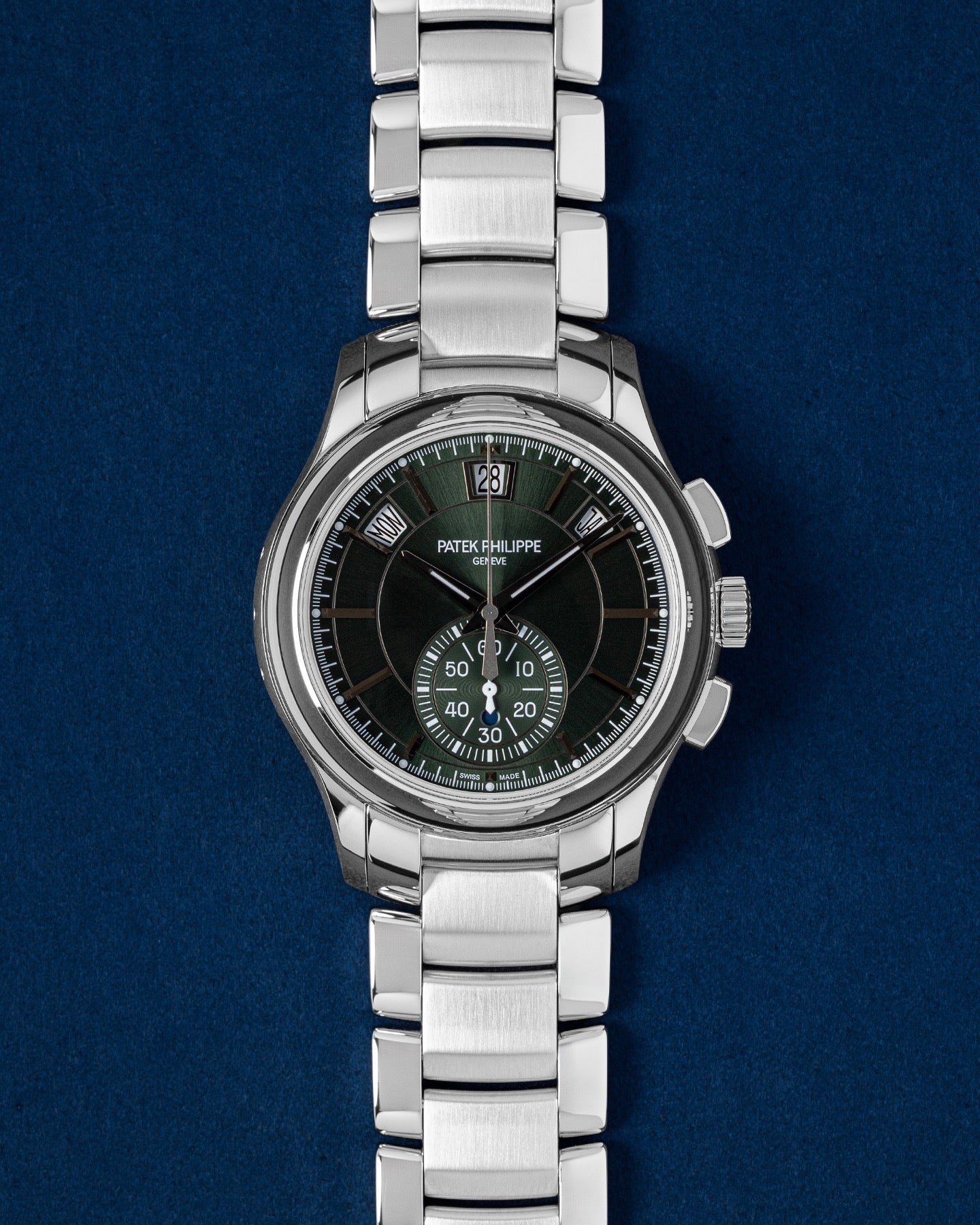
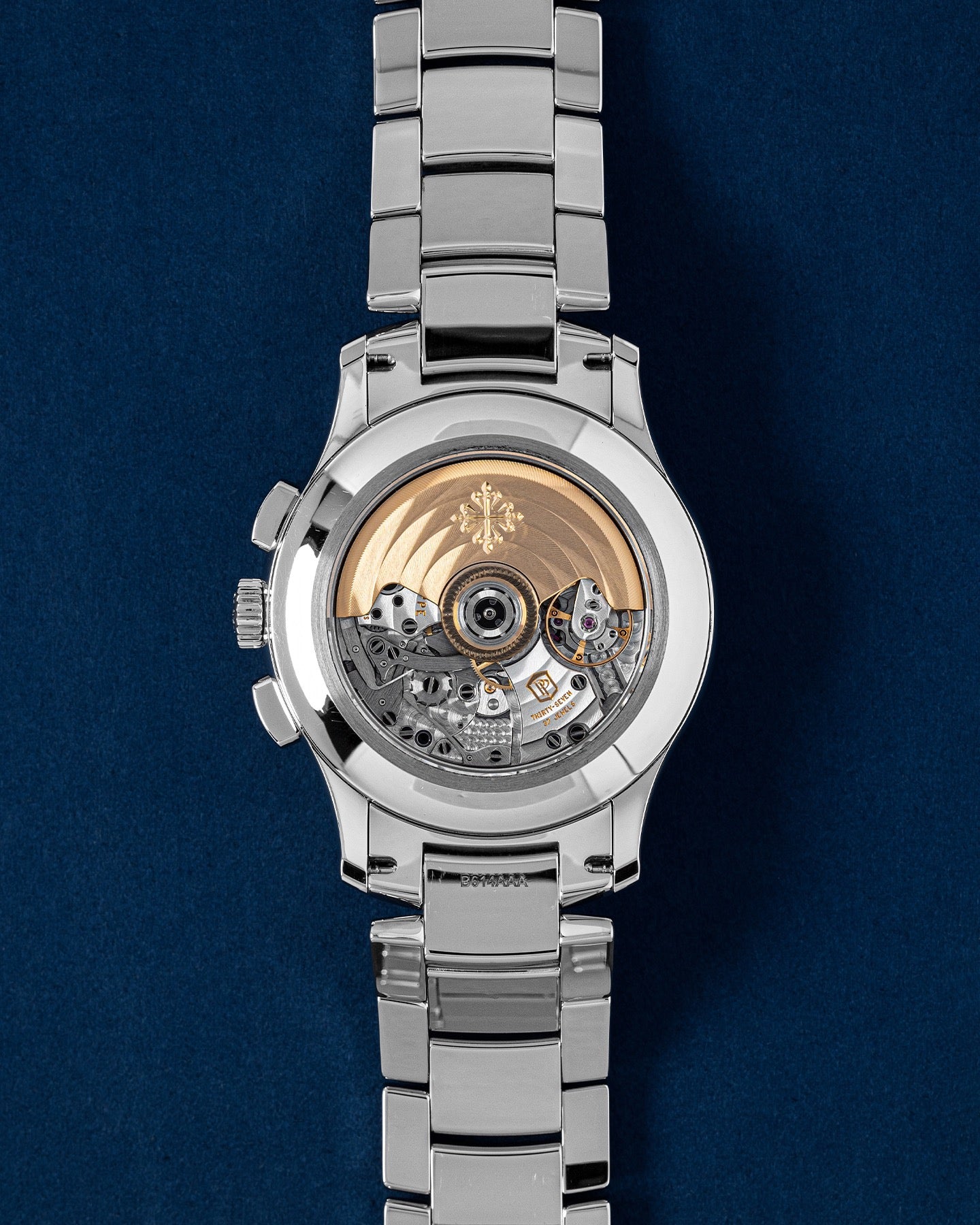
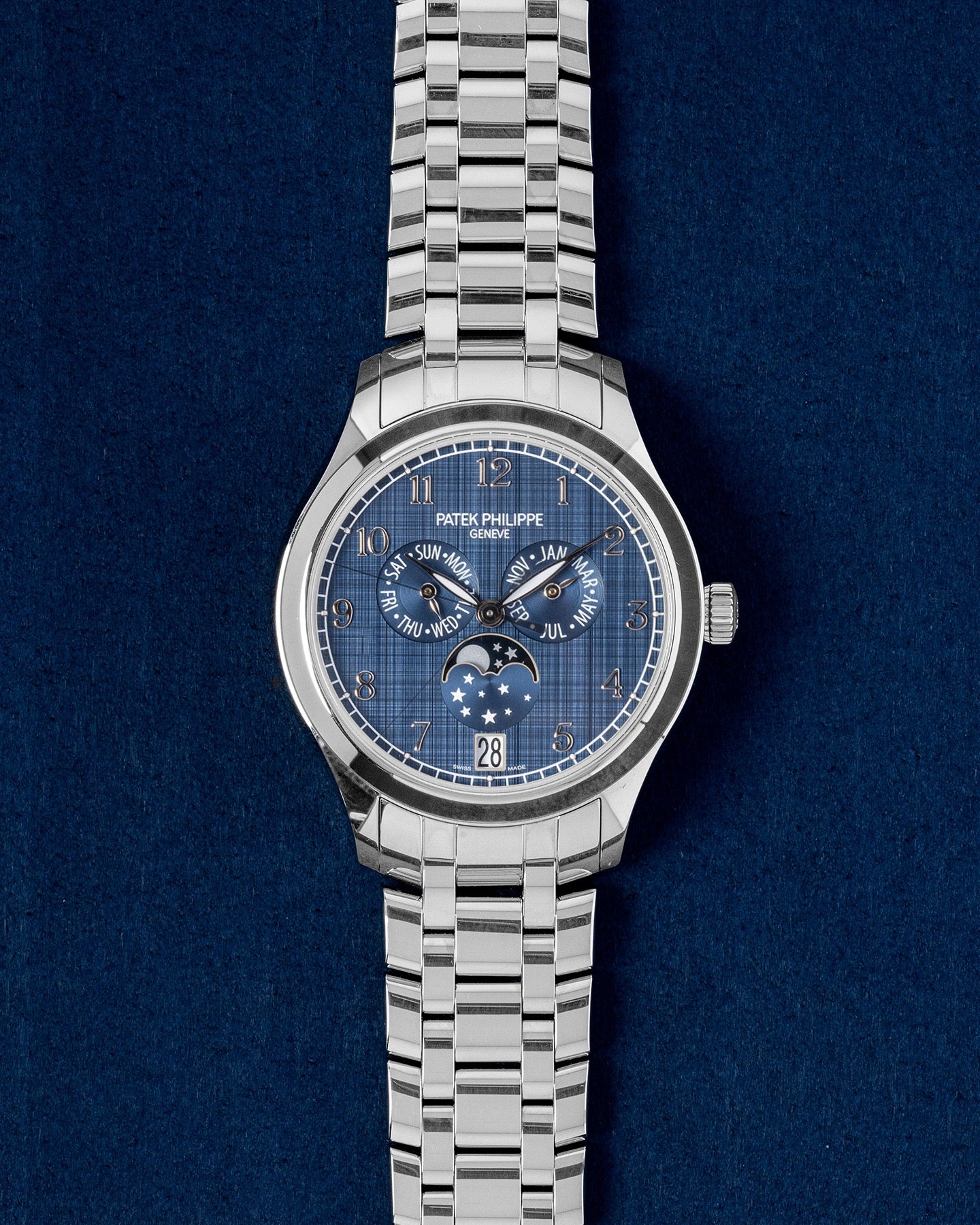


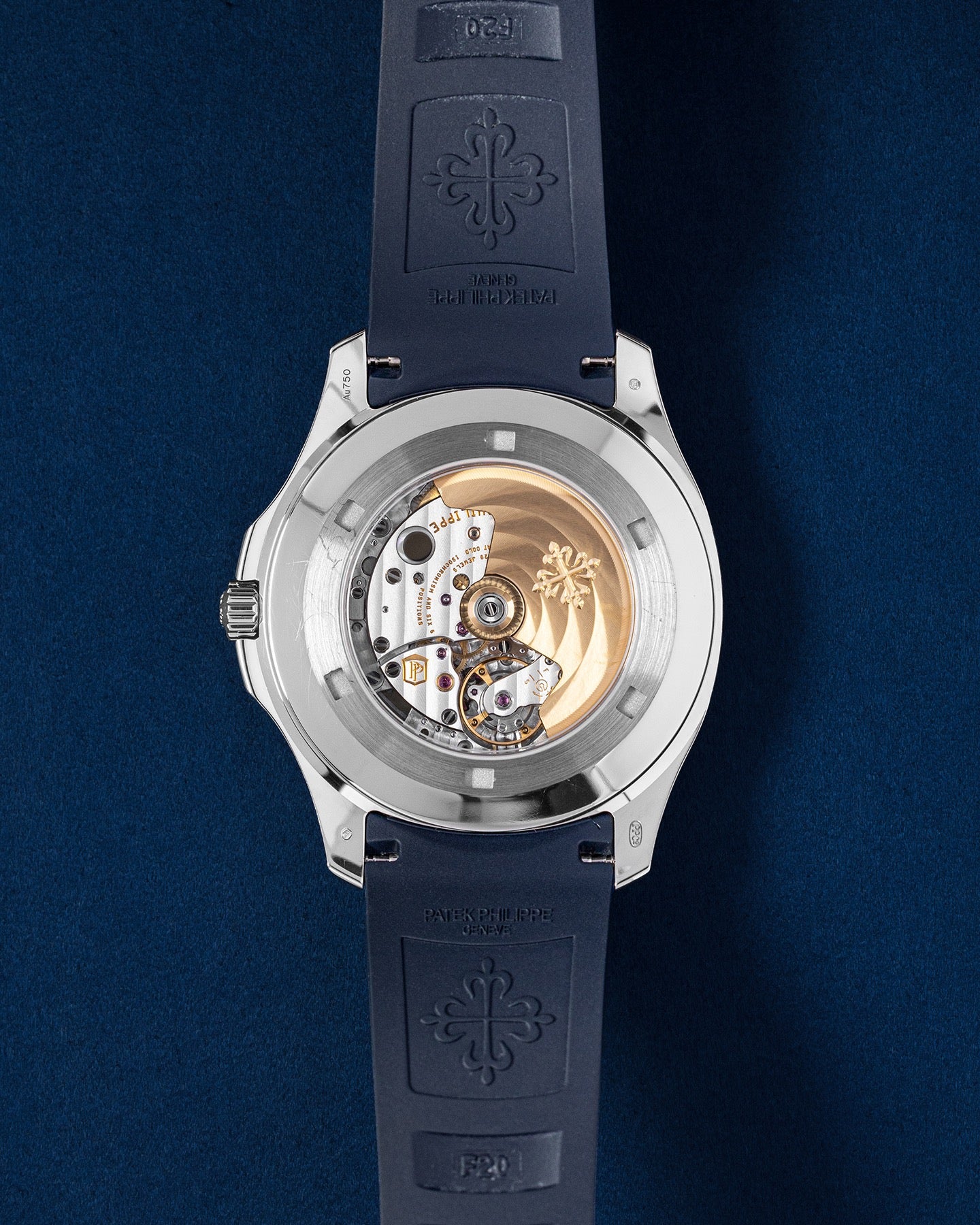
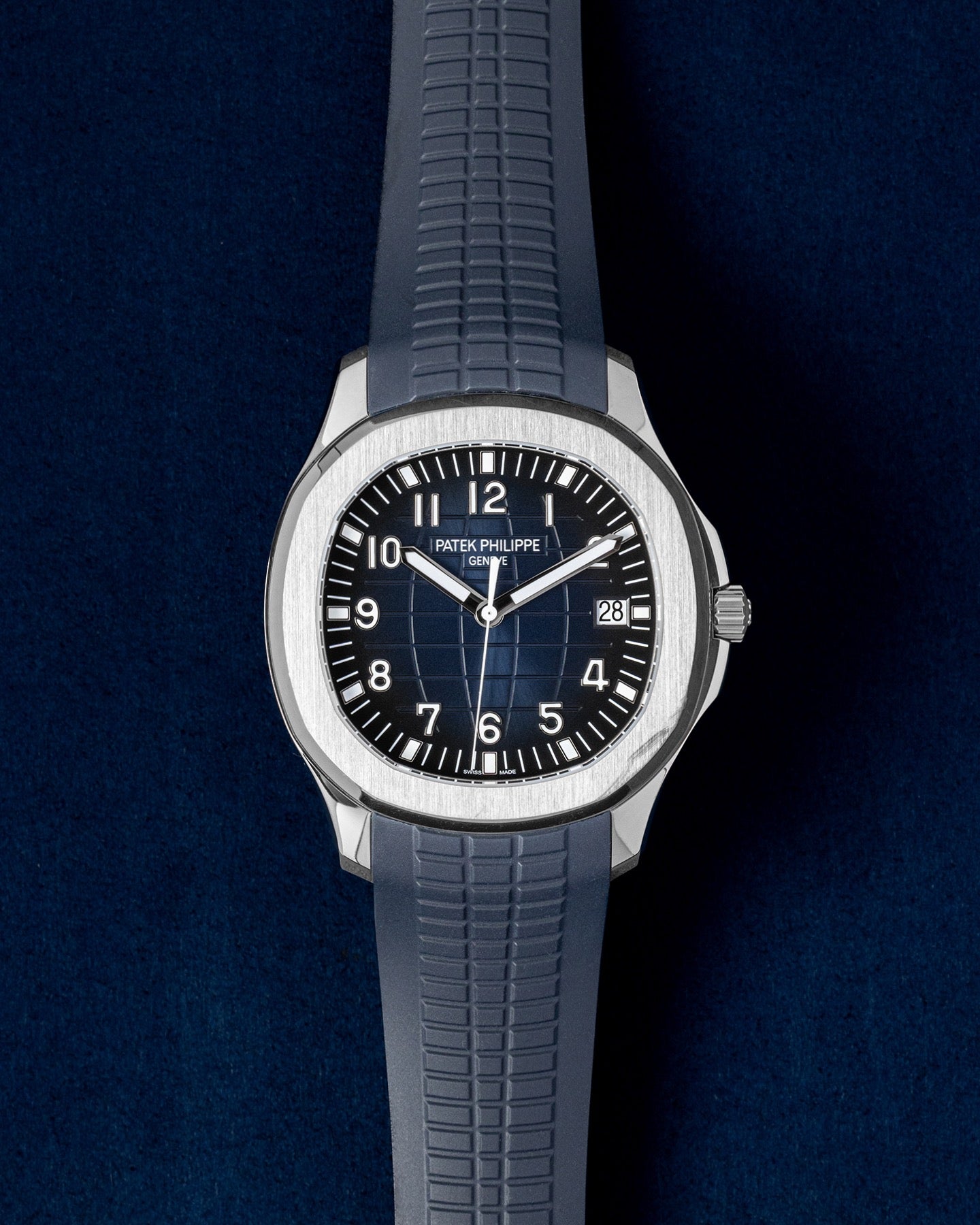
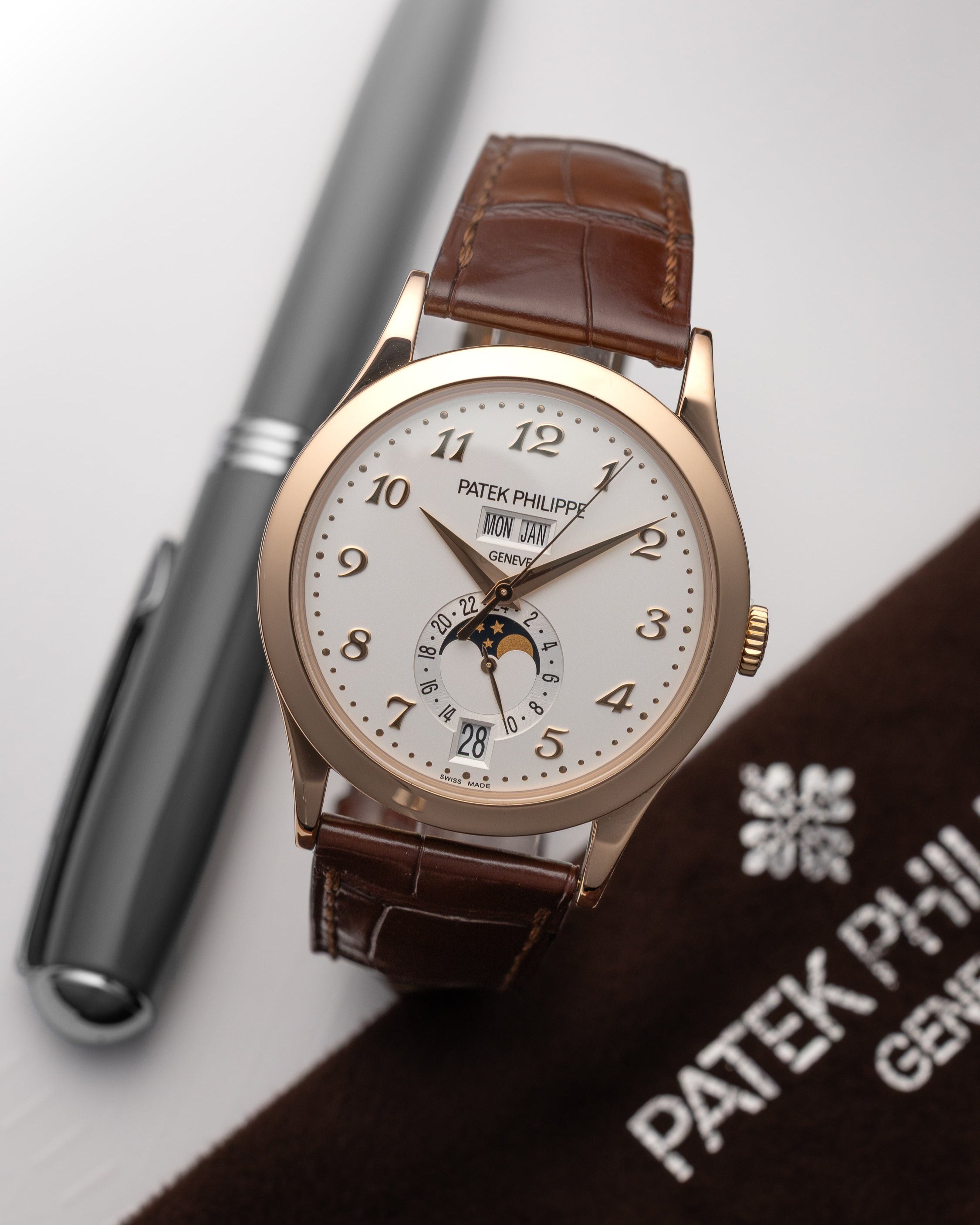
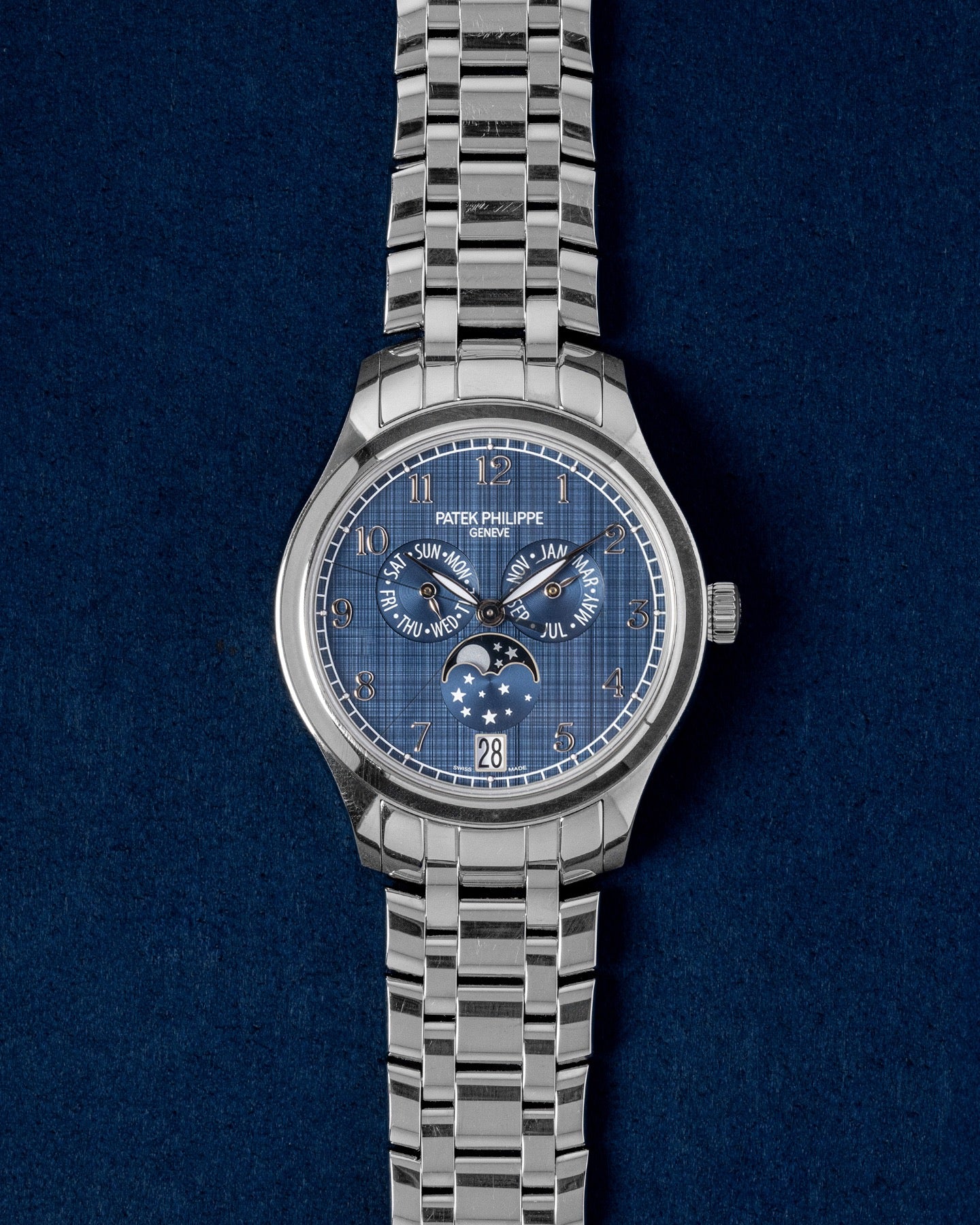
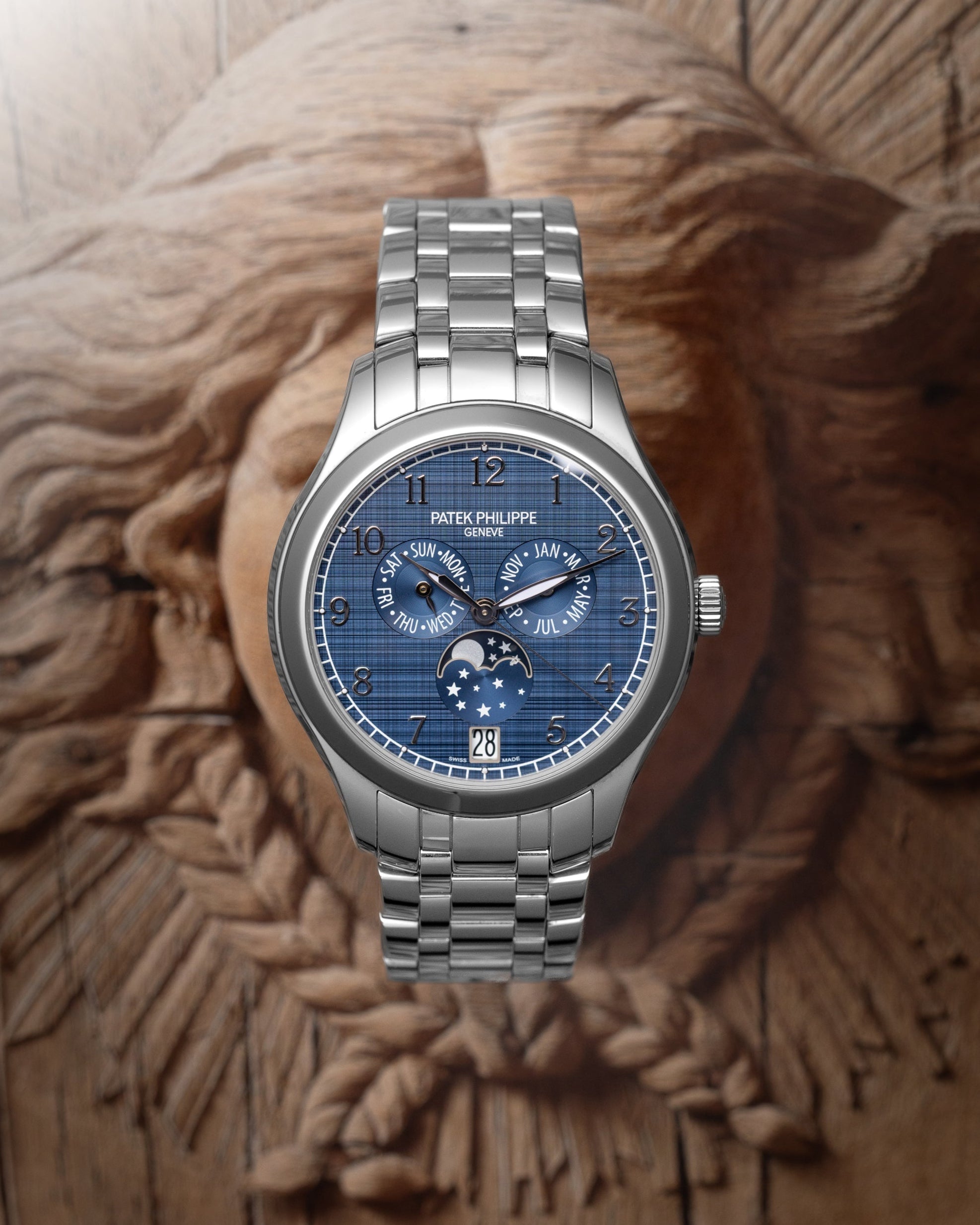
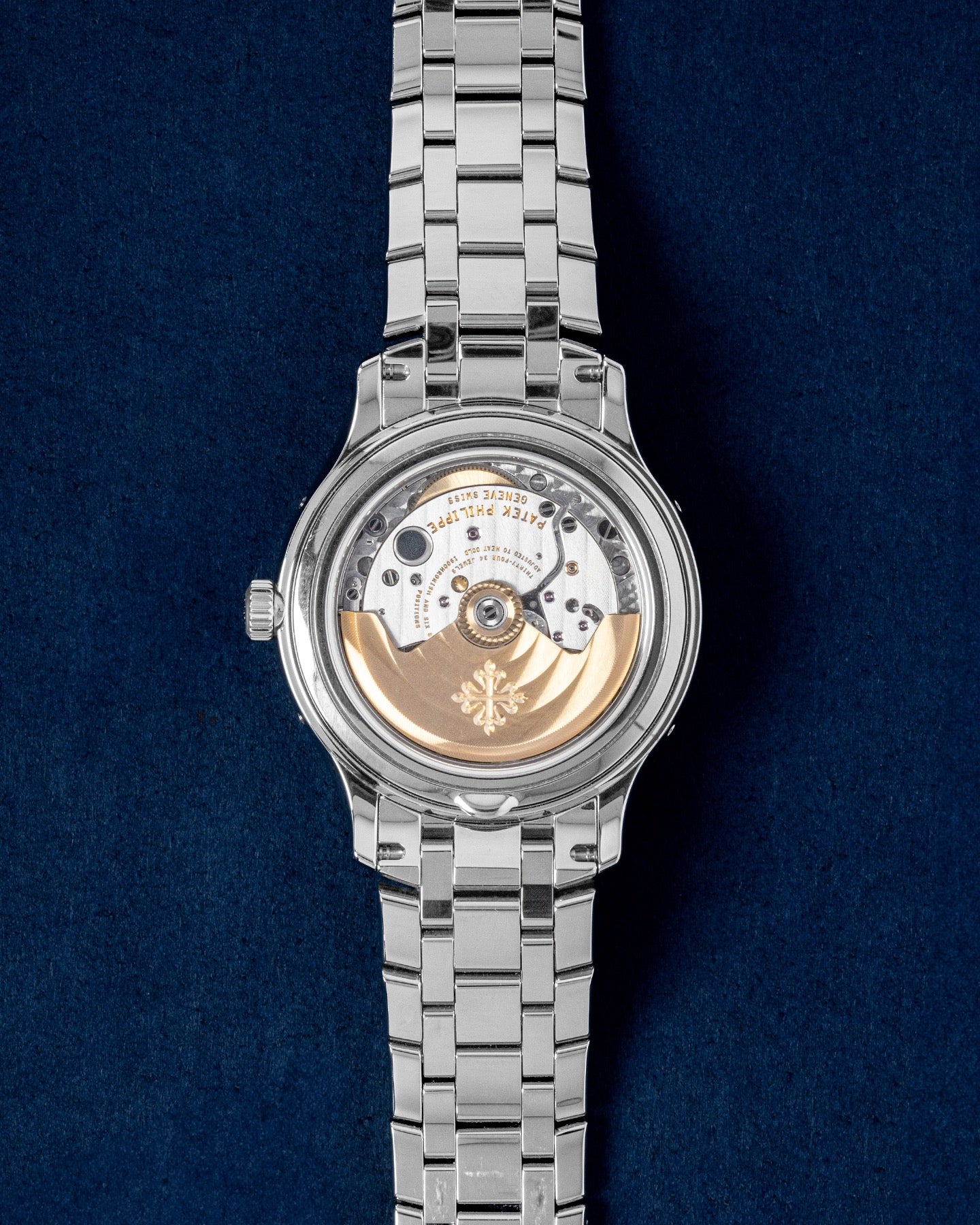


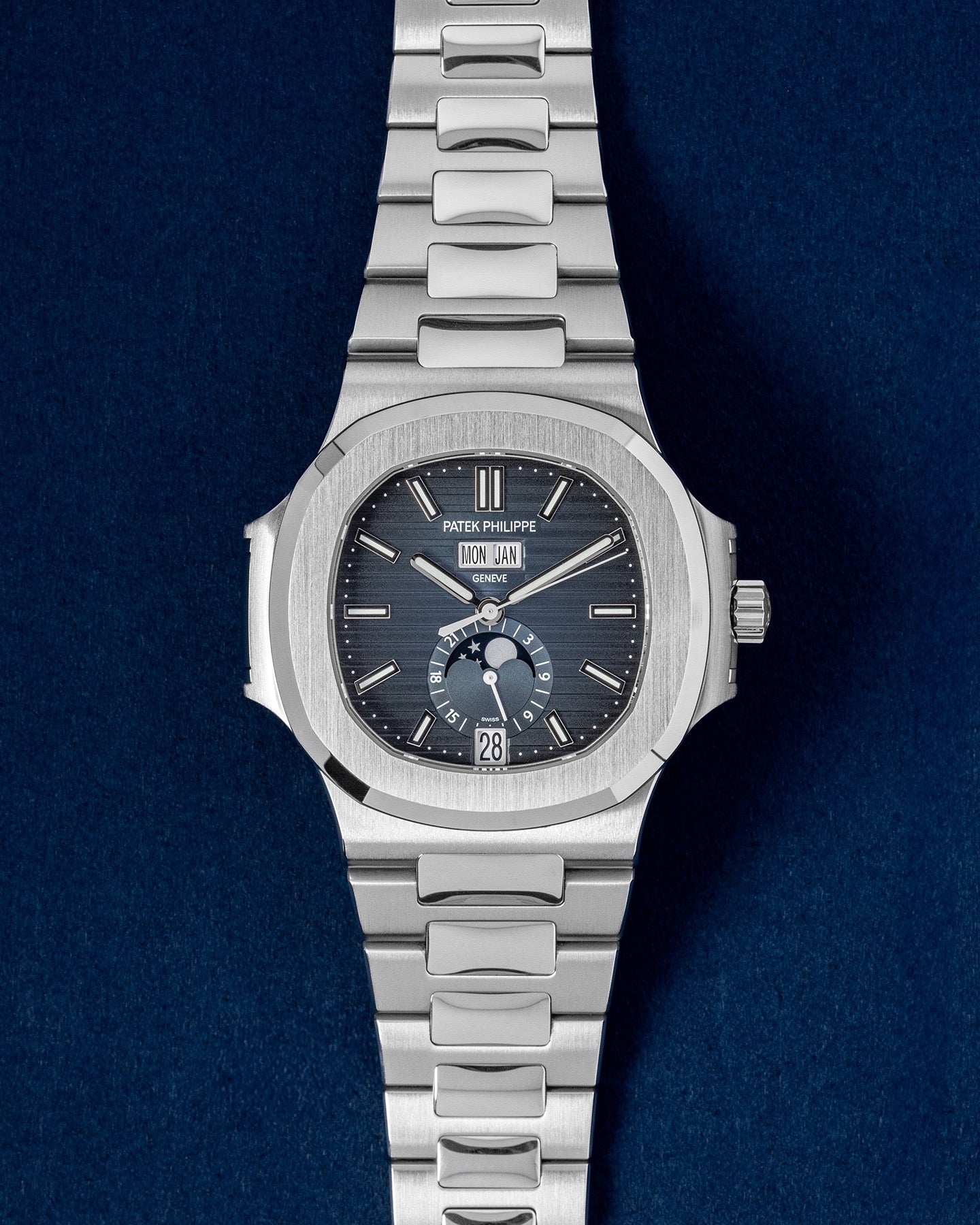


Vintage

History of Patek Philippe
Antoni Patek, a Polish émigré watchmaker, founded Patek, Czapek & Cie in Geneva on May 1, 1839. After parting ways with Czapek in 1845, he partnered with French watchmaker Adrien Philippe, inventor of the keyless winding mechanism, and the company became Patek, Philippe & Cie in 1851. The Stern family acquired Patek Philippe in 1932 during the Great Depression and has owned the manufacture for four generations across nearly a century. The first perpetual calendar wristwatch arrived in 1925. The Calatrava debuted in 1932. The Nautilus, designed by Gérald Genta, launched in 1976. Patek remains the last family-owned independent manufacture in Geneva.
Why Choose Grand Caliber
Grand Caliber is a luxury watch dealer in Uptown Dallas, sitting on McKinney Avenue with clients spread across the country. We buy, sell, source, and consign Patek Philippe across the full catalog, from the Calatrava and Twenty~4 to the Nautilus, Aquanaut, Cubitus, World Time, Annual Calendar, and Perpetual Calendar references, plus vintage pieces and Grand Complications for serious collectors. Every watch is authenticated in-house by our specialists, prices are posted on every listing, and inventory is one-of-one. Whether you are buying your first Calatrava or hunting a discontinued 5711/1A Nautilus, come find your next watch.
FAQs
What is the most affordable Patek Philippe?
Patek Philippe is the most carefully made luxury watch in the world, and that reality shapes the entry point. The accessible end of the current catalog opens with the Twenty~4 collection, the brand's quartz-powered ladies' line, with the reference 4910/1200A-001 in stainless steel retailing around $18,000 to $20,000 in unworn condition. Step up to the mechanical Calatrava references and you are looking at $25,000 to $35,000 for time-only references in white gold or rose gold, with the basic Calatrava 6119 family sitting at the entry end. The Calatrava 5226 in stainless steel, when allocated, retails closer to $30,000. The Aquanaut 5167 in stainless steel retails around $26,000 at the boutique, though secondary market pricing is meaningfully higher. The pre-owned market opens things up further, with vintage Calatrava references from the 1980s and 1990s, earlier Annual Calendar 5035 and 5146 references, and pre-2010 World Time pieces frequently landing in the $15,000 to $30,000 range depending on condition and box-and-papers status. Patek delivers something no other brand at this tier can offer: the finishing, the Stern family stewardship, and the Patek Philippe Seal. Tell us what you want to spend and what draws you to the brand. Our specialists at Grand Caliber will help you find the right one.
Can I walk into Patek Philippe and buy a watch?
The honest answer is that it depends on the reference and your relationship. Patek Philippe produces roughly 70,000 watches per year across the entire catalog, which is small by luxury watch standards (Rolex produces over a million annually), and the brand has long maintained that scarcity by design. Walking into a Patek Philippe authorized dealer or boutique and purchasing a current-production Calatrava, Twenty~4, or a complicated reference like the Annual Calendar 5396 or World Time 5230 is often possible, particularly for clients with established purchase histories. The Nautilus and Aquanaut sport collections, however, are allocated through long-term client relationships and waitlists, and walking in cold to ask for a steel 5811/1G Nautilus is rarely a productive exercise. The 5711/1A Nautilus was discontinued in 2021 and is only available pre-owned. Grand Complications including the Grandmaster Chime, the minute repeaters, and various tourbillon pieces are allocated through dedicated client relationships, often through direct conversation with Thierry Stern's team. The secondary market is where most pre-owned and vintage Patek transactions happen, and the vintage market is extraordinarily deep given the brand's continuous production since 1839. We carry current and pre-owned Patek alongside vintage references in our Uptown Dallas showroom. If you want to handle a 5711/1A Nautilus or a vintage Calatrava in person, come spend an afternoon with us.
What is the best first Patek Philippe to buy?
The honest answer depends on what draws you to the brand, but the Calatrava is where most Patek journeys begin and there is profound reason for that. The Calatrava is the watch that saved the company during the Great Depression, designed in 1932 with Bauhaus-inspired clean lines and a discipline that has defined Patek's dress watch language for nearly a century. The current Calatrava 6119 in rose gold, the 5227 in white gold with its officer's case, and the 6196P in platinum each represent different expressions of the same essential philosophy. The Calatrava 96, the original 1932 reference, is the watch from which everything else descends. If you want something sportier, the Aquanaut 5167 in stainless steel is the more accessible entry to Patek's modern sport watch language, with the rounded octagonal bezel and the embossed composite strap. The Nautilus is the watch most buyers want first and find hardest to acquire, with the 5811/1G in white gold being the current steel-spirit successor to the discontinued 5711/1A. If you appreciate complications, the Annual Calendar 5396 is the more accessible Grand Complication entry. None of these is wrong. Tell us what you wear and what speaks to you about the brand. The team at Grand Caliber will help you find the right one.
Which Patek Philippe model has the highest demand?
The Nautilus sits at the top, and has for years. The discontinued 5711/1A in stainless steel with the blue dial is one of the most coveted watches in modern collecting, regularly trading on the secondary market at multiples of its original $35,000 retail. The Tiffany-signed 5711/1A-018 with the blue dial reached a market value over $400,000 at the peak of its initial release in 2021. The current 5811/1G in white gold retails around $89,000 at the boutique and trades meaningfully higher on the secondary market. The 2026 Nautilus 50th anniversary references, announced at Watches and Wonders 2026 with limited editions in white gold at 41mm including a reference 5810/1G-001 and a Nautilus desk watch limited to 100 pieces, have already generated significant collector attention. The Aquanaut 5167A in stainless steel has joined the Nautilus in commanding meaningful premiums on the secondary market. Beyond the sport collections, the Annual Calendar 5396, the World Time 5230, the Calatrava 6119 and 5227, and the various Grand Complications all carry steady collector interest. The vintage market is where things get genuinely historic. The Henry Graves Supercomplication, made between 1925 and 1932 with 24 complications, set the record for the most expensive watch ever sold at auction at $24 million through Sotheby's in November 2014. The 2019 Only Watch Grandmaster Chime reference 6300A-010 in stainless steel sold for over $31 million at Christie's in Geneva, which remains the most expensive wristwatch ever sold. If a particular Patek is on your list, our specialists at Grand Caliber track availability across the market.
How often should a Patek Philippe be serviced?
Patek Philippe recommends a full service approximately every five to seven years for complicated references and every six to ten years for time-only and simpler watches, depending on use. In practice, many experienced watchmakers consider every six to eight years a reasonable interval for daily-worn pieces, longer for watches in lighter rotation. A full service includes complete movement disassembly, cleaning, lubrication, gasket replacement, regulation on a timing machine, and pressure testing for water resistance. Your watch will usually let you know when it is ready. Power reserve drops on the automatic references, timing drifts a few seconds per day, or moisture appears under the crystal in cold weather. Modern Patek calibers, including the 240 family that powers the automatic Calatrava and Twenty~4 references, the 26-330 family in the Aquanaut and various Complications, the 324 family that powered the legacy Nautilus 5711, and the more complex Grande Complication calibers, are all built to the Patek Philippe Seal standard. The Seal, introduced in 2009 to replace the Geneva Seal for Patek's own watches, is one of the most demanding quality standards in horology. Patek maintains an extensive service network and is famous for its commitment to servicing every watch the manufacture has ever produced, going back to the 19th century. We offer service in-house at Grand Caliber, and our team is happy to walk you through the options when your watch is ready for attention.
How much does a full Patek Philippe service cost?
Patek Philippe service pricing reflects the complexity of the in-house movements and the exceptional finishing standards that define the manufacture, and is meaningfully higher than most luxury brands as a result. A standard service through Patek for a Calatrava, Twenty~4, or other time-only reference generally runs $1,200 to $1,800. The Nautilus, Aquanaut, and other automatic three-hand-with-date references typically fall in the $1,500 to $2,200 range for a full service. Chronograph references, including the 5980 and 5990 Nautilus chronographs and the various Aquanaut chronograph pieces, run higher because of the additional complexity, often $2,500 to $4,000. Annual Calendar references like the 5396 and 5205, and the Travel Time references, generally run $3,000 to $5,000. Perpetual Calendar references, including the 5327 and the legendary 5270 perpetual calendar chronograph, run $5,000 to $8,000 or more, depending on the specific reference and what the watchmaker finds. Grand Complications, including the various minute repeaters, tourbillons, and the Grandmaster Chime references, run substantially higher and are quoted individually through Patek Philippe directly. Vintage references require specialist work through Patek's heritage service department, where original parts are still maintained and replicated where needed. For a specific quote on a watch in our care, our team at Grand Caliber can advise based on the reference and what the work involves.
Can I wear my Patek Philippe every day?
Absolutely, and the sport collections in particular are engineered for it. The Nautilus and Aquanaut were both designed as luxury sport watches from the start, with 120 meters of water resistance, robust case construction, and movements built to the same Patek Philippe Seal standard that governs the rest of the catalog. The Aquanaut's composite strap is genuinely UV-resistant, salt-water-resistant, and built for active wear. The Nautilus on its integrated steel or white gold bracelet handles daily wear beautifully. The Calatrava is more dress-oriented, but the modern references in steel or precious metals are durable enough for daily office and evening use. The Twenty~4 collection in stainless steel was designed for daily wear from the outset. The Cubitus, introduced in 2024 as Patek's new sport-luxury direction, joins the Nautilus and Aquanaut as a daily-wear option. Many of our clients wear their Pateks as their daily watch and put real years on them. Precious metal cases, particularly the rose gold and platinum Calatrava and Nautilus references, will show wear faster than steel from contact with desk edges and other watches, but the watches are mechanically built to handle daily wear regardless of case material. Avoid hot tubs and saunas since heat ages gaskets faster than anything else, and have a vintage piece pressure-tested before serious water use. Otherwise, wear it. The watches were built to be worn.
How long does a Patek Philippe last?
Indefinitely, and Patek Philippe has built its entire reputation around this principle. The brand's most famous advertising campaign, running since 1996, captures it: "You never actually own a Patek Philippe. You merely look after it for the next generation." That language reflects the manufacture's actual practice. Patek maintains the parts, the institutional knowledge, and the trained watchmakers at its Geneva manufacture to service every watch the company has ever produced, going back to pocket watches from the 1840s. The Patek Philippe Museum in Geneva, opened by Philippe Stern in 2001, houses over five centuries of watchmaking history and serves as both a public archive and a working reference for the brand's heritage service department. Modern Patek calibers, built to the Patek Philippe Seal standard introduced in 2009, are designed for genuine generational longevity with parts availability that should extend well beyond any current owner's lifetime. Vintage Pateks from any era can be brought back to running condition through Patek's heritage service operation or through experienced independent watchmakers who specialize in the brand. The Henry Graves Supercomplication, completed in 1932 and last fully wound in 1969, was still running in original condition when it sold for $24 million at Sotheby's in 2014. A Patek Philippe purchased today will be wearable, accurate, and meaningful generations from today, and Grand Caliber is here to help with service whenever you need us.
Is it safe to buy a Patek Philippe on the secondary market?
Absolutely, when the dealer authenticates and stands behind what they sell. The pre-owned Patek market is one of the most carefully scrutinized in luxury watches, given the brand's value density and the specific collector premium that originality commands. The market has substantial volume across dealers, auction houses (particularly Phillips, Sotheby's, and Christie's), and major platforms, but it also has the highest concentration of sophisticated counterfeits in the industry. Counterfeit Pateks exist at every quality tier, and the most convincing fakes have improved meaningfully over the past decade. Beyond outright counterfeits, the more common collector-market risks are watches with service-replacement dials, refinished cases that have lost their original geometry, replacement hands that are not period-correct, movements with non-original components, and watches sold without the original Extract from the Archives certificate that Patek will issue for any watch on request. At Grand Caliber, every Patek is authenticated by our specialists before listing. Every watch is photographed individually, and box-and-papers status appears in the spec list of every product page. Where appropriate, we obtain or recommend the Extract from the Archives, the Patek Philippe document that confirms the exact specifications and production date of any reference. If a watch has any non-original component or service-replacement part, we say so in writing, and the price reflects it. Vintage Patek collecting in particular rewards transparency. If you have a question about a specific Patek in our inventory, our team is happy to walk through it with you on the phone, in the showroom, or over text.
Is a Patek Philippe a good investment?
Patek Philippe has the strongest collector market in luxury watches, and certain references have performed extraordinarily well over the past two decades. The Nautilus 5711/1A in stainless steel, discontinued in 2021, regularly trades on the secondary market at multiples of its $35,000 original retail, with the Tiffany-signed 5711/1A-018 reaching market values over $400,000 at the peak of its initial release. The Aquanaut 5167A has joined the Nautilus in commanding meaningful premiums. Vintage Patek perpetual calendar chronographs, particularly the 1518 (the first perpetual calendar chronograph wristwatch, introduced in 1941), the 2499, and the 3970 references, trade at six and seven-figure auction results, with rare examples reaching $11 million and beyond at Phillips and Sotheby's. The Henry Graves Supercomplication holds the record for the most expensive watch ever sold at auction at $24 million through Sotheby's in November 2014. The Only Watch 2019 Grandmaster Chime reference 6300A-010 sold for over $31 million at Christie's in Geneva for charity, the highest price ever paid for a wristwatch. Nine of the ten most expensive watches ever sold at auction are Patek Philippe. Here is the honest truth, though: a watch is not a stock, and the Patek collectors who do best are the ones who buy because they understand and love what the Stern family has built across four generations of stewardship since 1932. They tend to end up with collections that have appreciated extraordinarily well while actually enjoying the watches along the way. Find the Patek that speaks to you, and we are ready when you are. Come find your next watch at Grand Caliber.