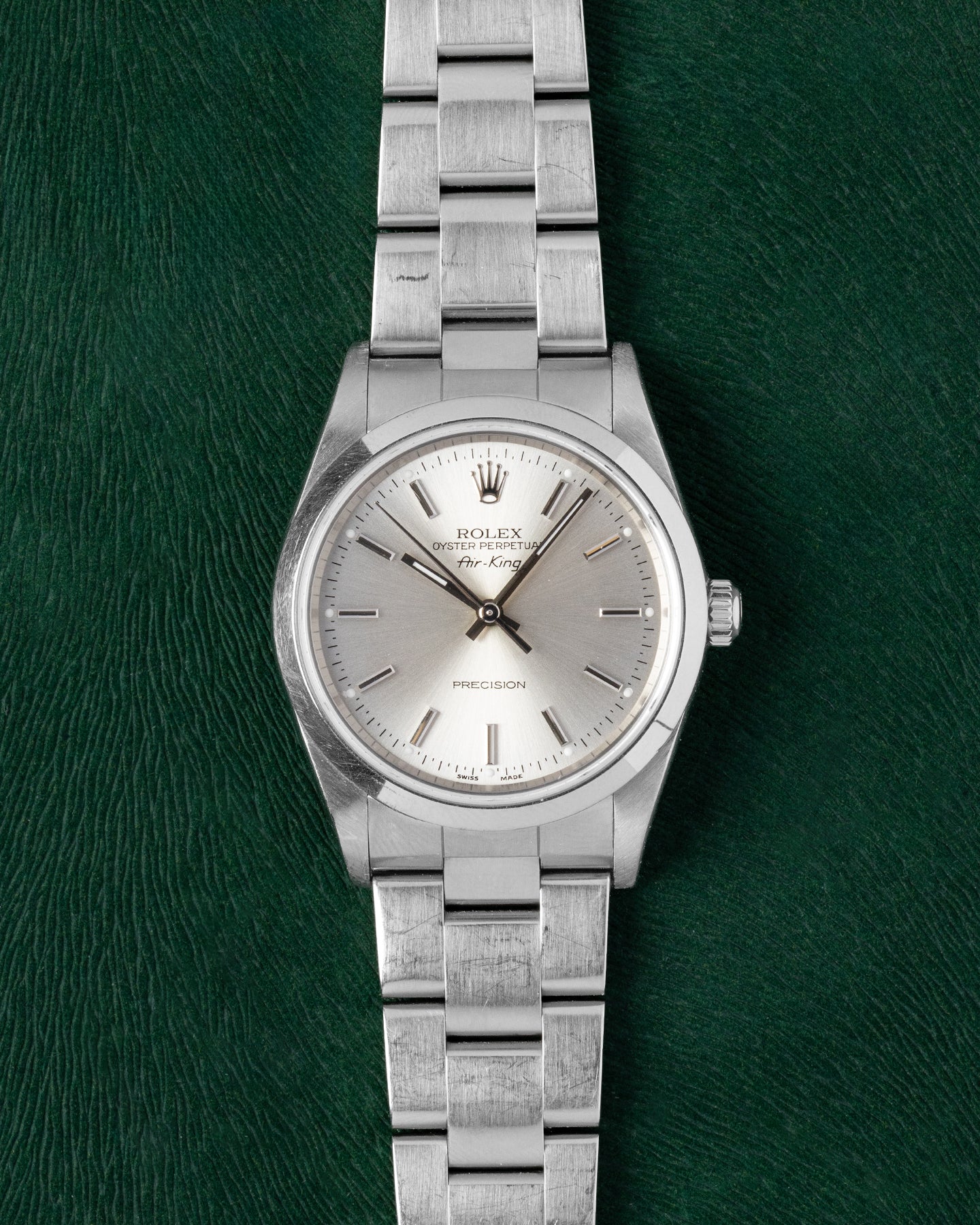
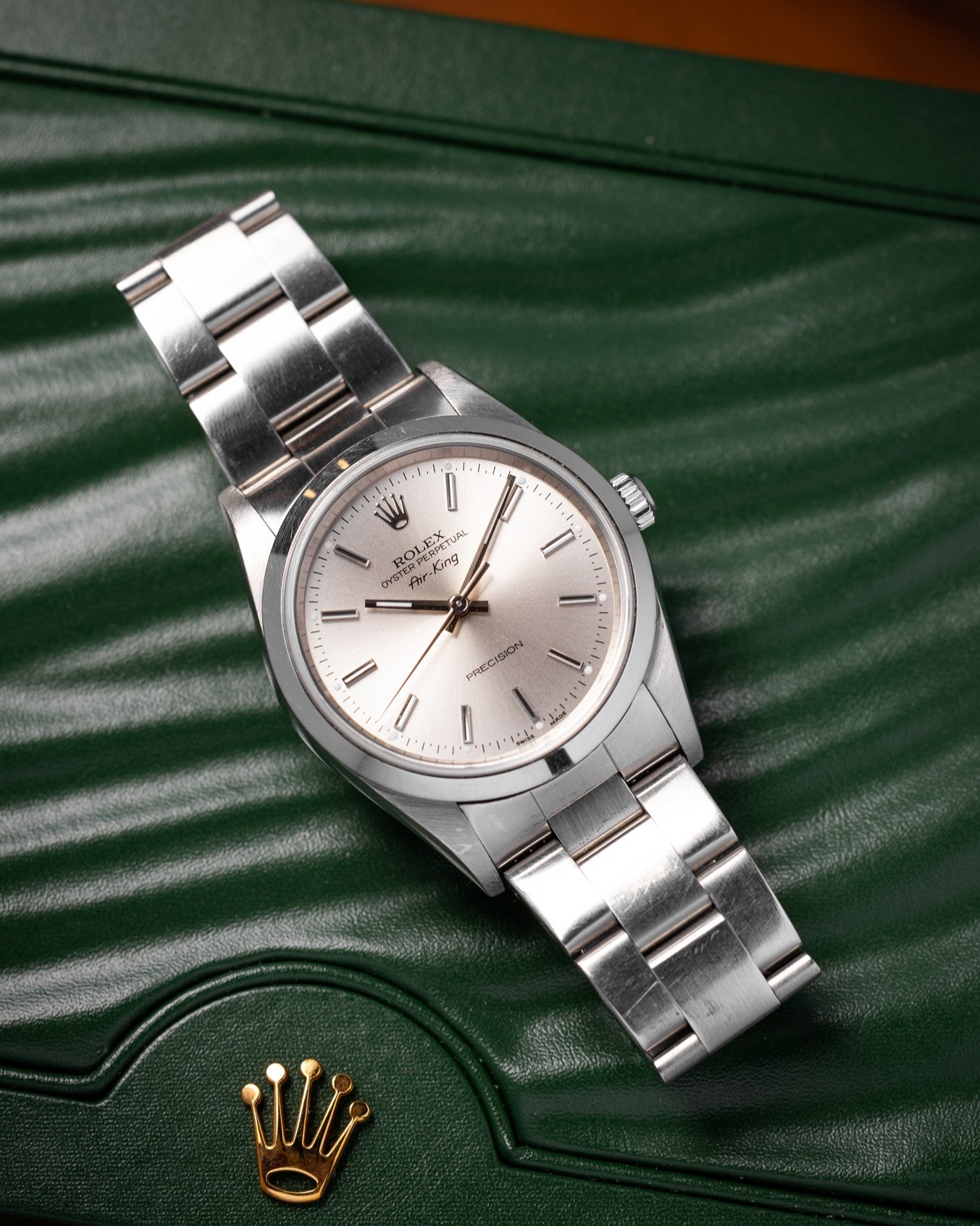
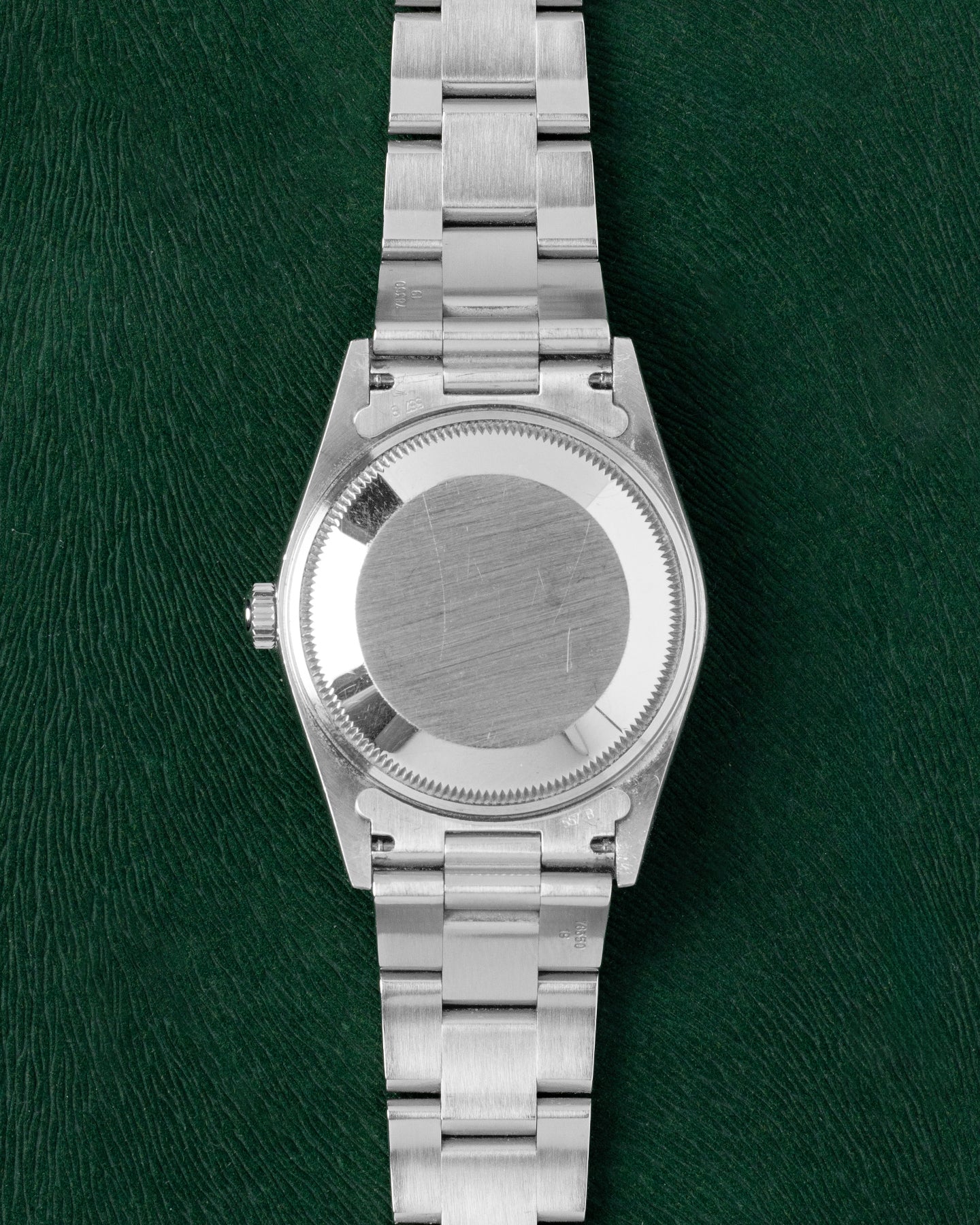
Rolex Air-King
Shop new and pre-owned Rolex Air-King watches at Grand Caliber. The last survivor of Rolex's wartime Air series, created in 1945 to honor the RAF pilots of the Battle of Britain. Today a 40mm antimagnetic pilot's watch with an instrument dial, powered by the caliber 3230 with seventy hours of power reserve.
The Rolex Air-King at Grand Caliber
The Rolex Air King is the quiet survivor of the entire catalogue, the last watch standing from an aviation themed family that once also included the Air-Lion, the Air-Giant, and the Air-Tiger. It is one of the longest running model names Rolex has ever produced, tracing an unbroken line from 1945 to the present, and and for most of that history it served as the most accessible and honest door into Rolex ownership. The Rolex Air King has always been the purist's Rolex, a simple time only steel watch with genuine history and none of the noise, and that is precisely why it has become one of the most quietly collectible references in the modern market. Grand Caliber is a trusted source for new and pre-owned Rolex Air King watches, serving collectors across the United States and internationally from our showroom in Uptown Dallas.
Grand Caliber sees the Rolex Air King cross the desk in every form the catalogue has produced. The current 40mm 126900 with its crown guards and Bloodhound dial, the discontinued 116900 that first took the model to 40mm and borrowed the antimagnetic case of the Milgauss, the transitional 34mm 114200 and 114234 references that earned the model its first chronometer certification, the long running 14000 and 14000M generation, and the definitive vintage 5500 that stayed in production for the better part of four decades. We also handle the early hand wound Bubbleback references and the rarer 550X variations for collectors who want the watch closest to the original 1945 concept. What follows is the complete history of the Rolex Air King as a dealer who has handled the full reference range tells it, written to cover the entire model rather than only what happens to sit in the case today.
Our approach is straightforward. Every Rolex Air King is authenticated in house before it is listed, pricing is posted openly on every product page, and there is no allocation conversation. If you are in Dallas you are welcome to handle any Rolex Air King in the showroom, and if you are anywhere else in the country we ship fully insured. This guide covers the full arc of the Rolex Air King, the wartime origin, every major reference era, the movements, the design, and the buying and ownership considerations, so you can approach the model from a position of genuine understanding.
The 1945 Origin and the Wartime Tribute
The Air Series and the RAF Tribute
The story of the Rolex Air King begins during the Second World War. Rolex founder Hans Wilsdorf was based in London through the Battle of Britain and the years that followed, and he had learned that Royal Air Force pilots were privately buying Rolex Oyster watches, often preferring them to their standard issue military watches. Wilsdorf was reportedly moved by that trust in his brand during the darkest years of the war, and as the conflict drew to a close he created a family of aviation themed watches to honor the airmen. That family, introduced around 1945, comprised four names: the Air-Lion, the Air-Giant, the Air-Tiger, and the Air-King. Only the Rolex Air King survives in production today, which gives the model a poignant place in the brand's history and sets the tone for everything the Rolex Air King would become. The other three names, the Air-Lion, the Air-Giant, and the Air-Tiger, faded from the catalogue long ago, remembered now mainly by specialists, which makes the survival and continued evolution of the Air-King all the more remarkable.
The Earliest References: 4925, 4365, and 4499
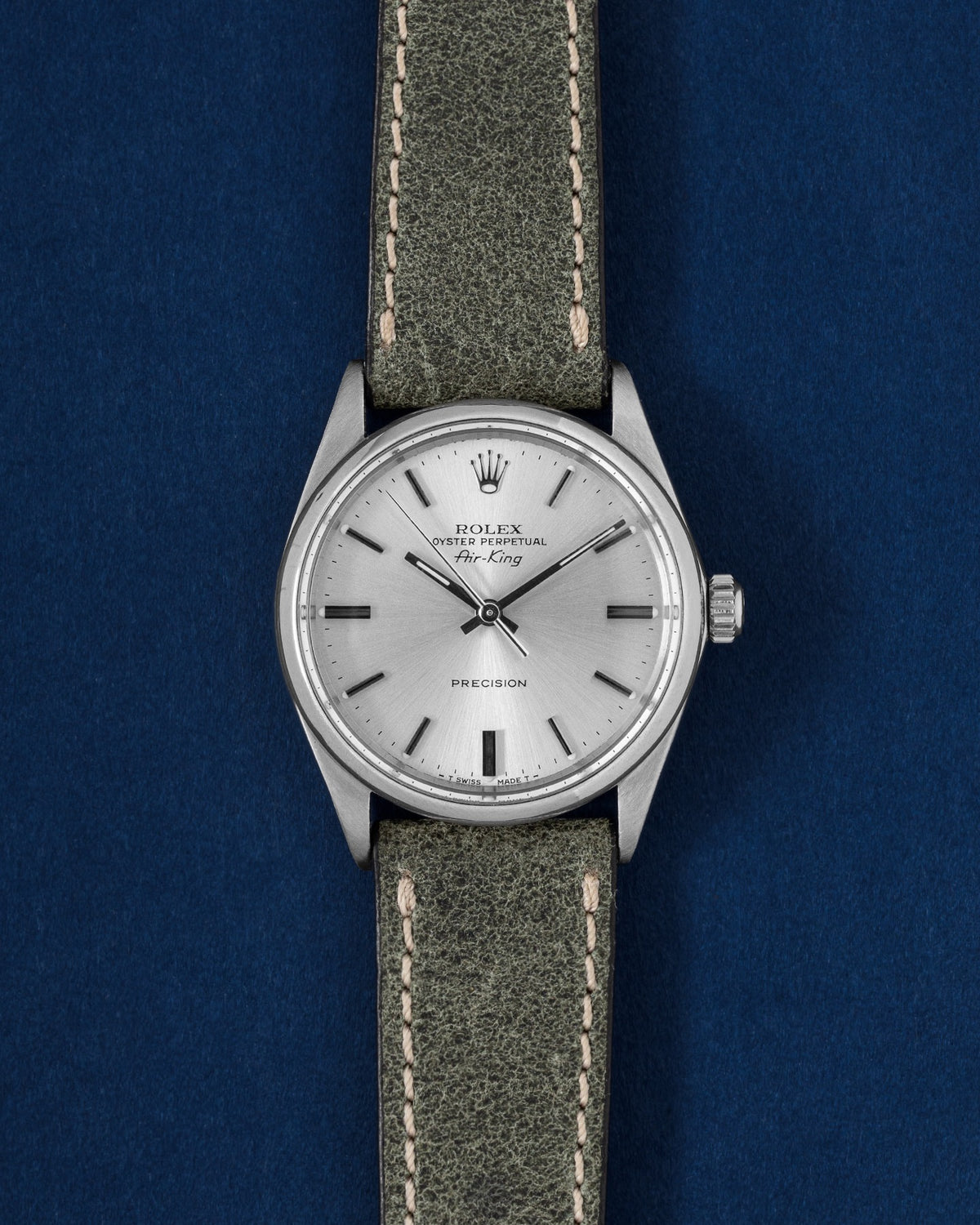
The earliest references sit in the same early Oyster Perpetual and Bubbleback lineage that defined Rolex in the 1940s. The first true Rolex Air King was the reference 4925, introduced in 1945 with a 34mm steel Oyster case, a creamy dial with Arabic numerals, and the hand wound caliber 10.5. The closely related 4365 and, a year later in 1946, the 4499 followed, the 4499 upgrading to a 17 jewel movement and often carrying the word Precision on the dial. Interestingly, many of these earliest examples never carried the Air-King name on the dial at all, and Rolex itself tends to exclude this period from its official model timeline, treating them as a variant of the Oyster Perpetual. For collectors drawn to aviation history and the earliest chapter of the Rolex Air King, that ambiguity is part of the appeal, though it does make documentation harder to pin down.
These early pieces are genuinely rare today, and because the same reference numbers were sometimes shared with other Oyster Perpetual models of the era, verifying an early example takes real expertise. The 4925 measured a modest 34mm, which was actually considered a substantial watch in the 1940s, a reminder of how much wristwatch proportions have changed. With its clean dial, Arabic numerals, and hand wound movement, the original Rolex Air King established a template of legible simplicity that the model would carry, in one form or another, for the next eight decades.
The First Self Winding Air-King and the 6552
The early hand wound references established the concept, but the Rolex Air King became the watch collectors recognize today when it adopted automatic winding. In 1953 Rolex introduced the reference 6552, the first self winding Air-King, powered by the automatic caliber 1030. This was a significant step, aligning the model with the Oyster Perpetual principle of a waterproof case and a perpetual rotor that Rolex had built its reputation on. The 6552 was a transitional reference, bridging the wartime origin and the long running vintage era that would define the Rolex Air King for the next four decades.
At 34mm in a plain steel Oyster case with a smooth or engine turned bezel, a clean time only dial, and an automatic movement, the 6552 set the template that would remain remarkably stable for the rest of the twentieth century. The Rolex Air King had found its identity as an honest, understated, self winding steel Rolex, and that identity would carry through the single most important reference in the model's history, which arrived just a few years later.
It is worth noting how deliberately Rolex kept the Rolex Air King simple even as it modernized the movement. There was no date, no rotating bezel, no additional complication, just accurate time in a waterproof Oyster case. That restraint was the point. In an era when Rolex was building increasingly specialized professional watches, the Air-King remained the pure, essential expression of the Oyster Perpetual idea, and the 6552 is where that modern, self winding identity truly began.
The Reference 5500 and the Long Vintage Era
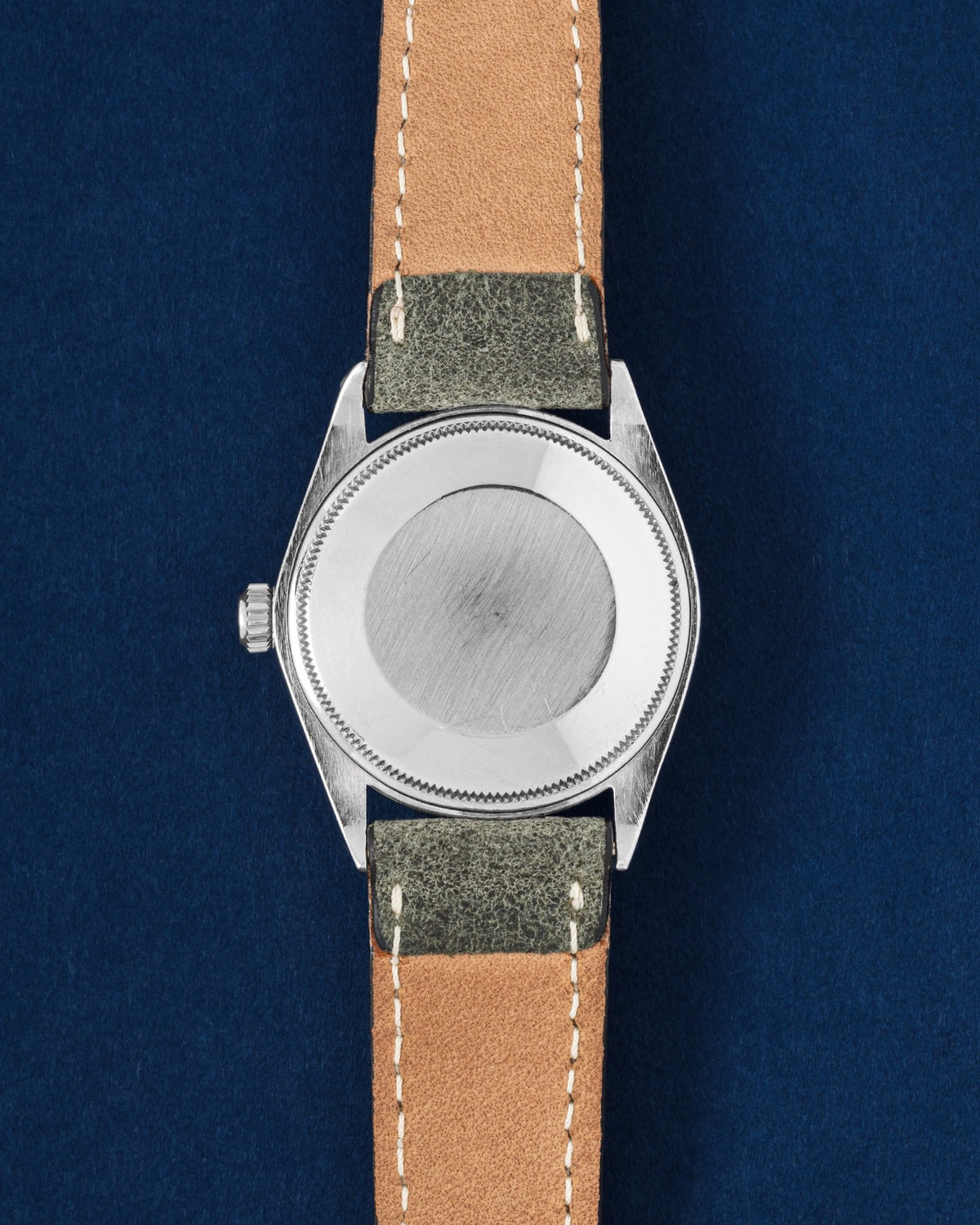
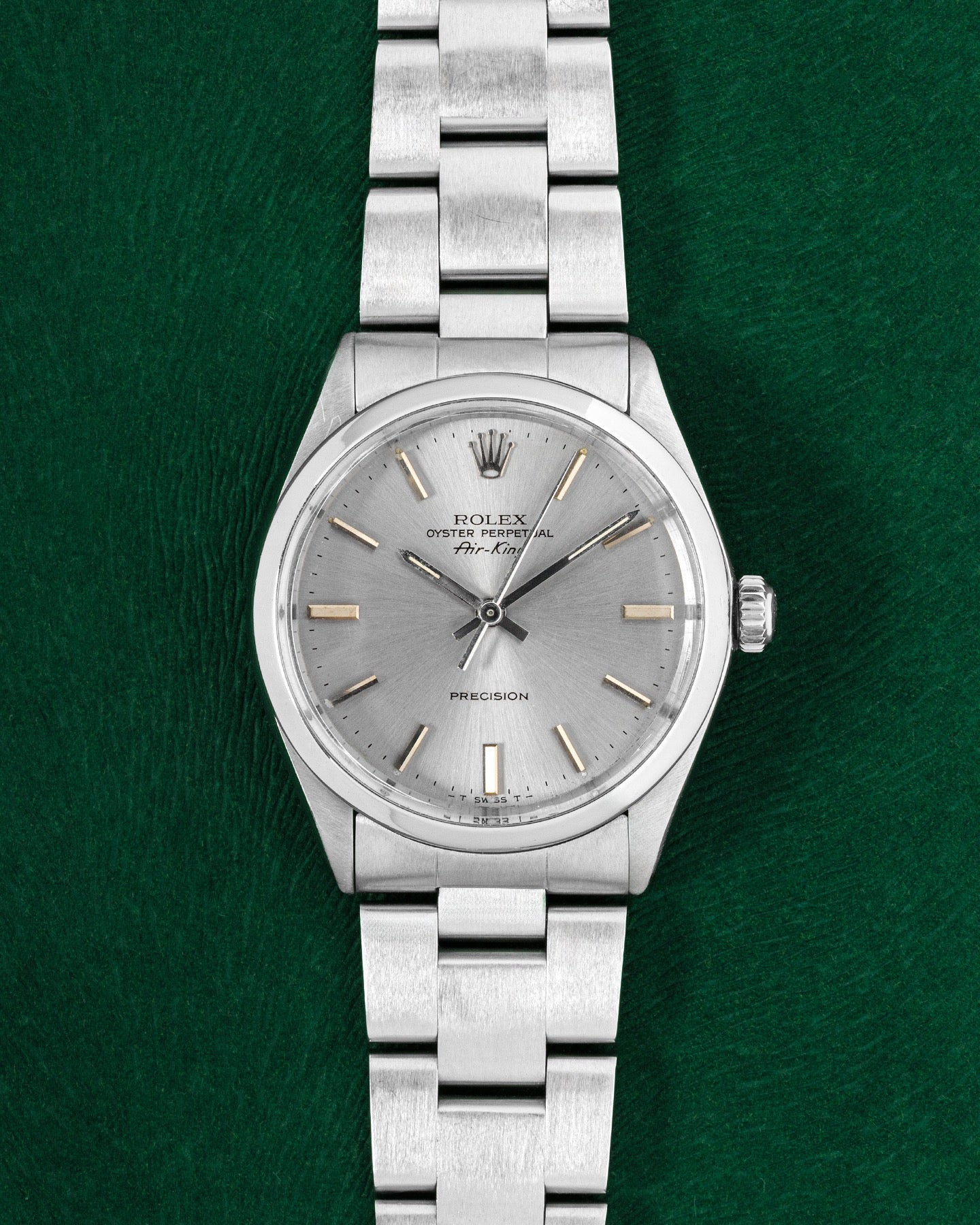
No single reference defines the vintage Rolex Air King like the 5500. Introduced in 1957 and sold to the public from 1958, the reference 5500 ran in continuous production for around 37 years, one of the longest production runs of any Rolex reference ever. For an entire generation of buyers, the 5500 simply was the Rolex Air King, and it remains the reference most collectors picture when the model is mentioned, the default vintage example against which all others are measured. Its combination of a 34mm steel Oyster case, a legible time only dial, and a robust automatic movement made it the definitive entry point into the brand for decades, and it is still the reference that most defines what the vintage Air-King means to collectors today.
Rolex Air-King Reference 5500 Movements
Across its long life the 5500 was fitted with several movements. Early examples ran the caliber 1520, and some carried the higher grade 1530, with the movement updated over the years as Rolex refined its automatic calibers. The caliber 1520 beat at a higher rate and, for the US market, was built with 17 jewels while examples elsewhere carried 26 jewels. A hacking seconds function appeared around 1972. Because the 5500 was not chronometer certified in its standard Air-King form, it sat a rung below the chronometer rated Oyster Perpetual that shared its case, and that distinction is central to understanding the vintage Rolex Air King and its place in the range.
The movements themselves are a large part of the 5500's enduring appeal. The caliber 1520 in particular is one of Rolex's great mid century workhorses, robust, reliable, and straightforward to service, which means a well kept 5500 remains a practical daily watch more than half a century after it was made. The addition of hacking seconds in the early 1970s, allowing the wearer to stop the seconds hand for precise setting, brought the vintage Rolex Air King a touch closer to modern convenience without altering its essential character.
The Oyster Perpetual and Explorer Overlap
The 5500 era is famous for a confusing but fascinating overlap. The same case and movement platform underpinned the Rolex Air King 5500, the Oyster Perpetual reference 1002, and even some Explorer branded watches, so a search for a 5500 can turn up examples with any of these three names on the dial. The chief differences were the dial signature, the hands, and chronometer certification, with the Oyster Perpetual versions being chronometer rated and the Air-King not. In an effort to attract younger buyers, Rolex even fitted some 5500 cases with the Explorer's black 3-6-9 dial and Mercedes hands, creating the sought after Explorer branded 5500 that vintage specialists prize. These overlaps make the 5500 one of the most rewarding vintage Rolex references to study.
The 550X Sub References
Around the same period Rolex produced a small family of related 550X references that broadened the vintage Rolex Air King line. The 5504 was a slightly larger 35 or 36mm Super Precision model, the 5501 appeared in two tone with a fluted bezel, and the 5502 and 5506 came gold plated. A later 5520 ran into the 1980s in a gold filled case. These variations are less common than the standard steel 5500 and reward the collector who enjoys the deeper corners of the catalogue, and Grand Caliber sources them for buyers on request. The gold and gold capped variants in particular have an interesting footnote, since their bracelets also fit certain vintage gold Daytonas, which means Daytona collectors have long hunted these references for parts, thinning the surviving population of complete original examples still further.
The Air-King-Date and the Reference 5700
For buyers who wanted a date complication in the accessible Air-King format, Rolex offered the Air-King-Date, found under references such as the 5700 and 5701. At 35mm the Air-King-Date was a millimeter larger than the standard time only model and carried a date window with the signature Cyclops magnification lens over it. Produced primarily for Commonwealth and international markets, the Air-King-Date extended the line's reach without abandoning its understated character. Because these were sold largely outside the United States, they turn up less often in the American market, which adds a note of quiet rarity to an already niche reference.
The Air-King-Date is a quieter chapter of the story, less collected than the pure time only 5500, but it is an important part of the complete picture of the vintage Rolex Air King. For a buyer who wants vintage Rolex charm with the practicality of a date, it remains an accessible and characterful option, and it demonstrates how Rolex used the Air-King name to serve a genuine range of buyers rather than a single configuration.
The Cyclops lens over the date is a small but characterful detail, borrowed from the Datejust that Rolex had pioneered years earlier, and it gives the Air-King-Date a slightly more everyday, practical flavor than its time only sibling. These references are far less commonly seen than the standard 5500, which makes them an interesting and often overlooked corner of the market for a collector who wants something a little different from the norm.
The Modernized 34mm Era: 14000 and 14000M
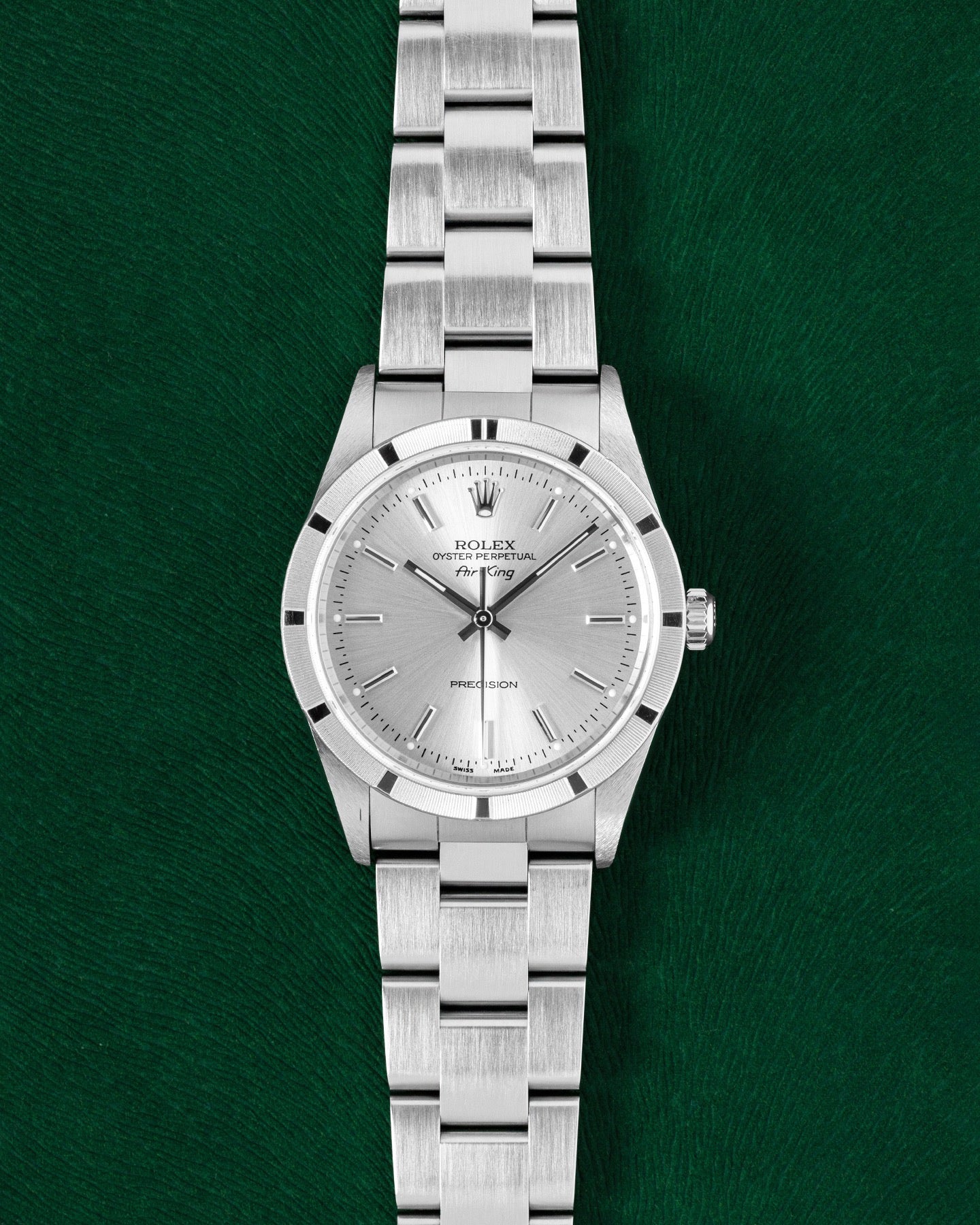
After the long reign of the 5500, Rolex modernized the Rolex Air King in 1989 with the reference 14000, keeping the classic 34mm proportions but updating the watch beneath the surface. The 14000, along with the engine turned bezel 14010, introduced the caliber 3000, a modern automatic movement, and brought the model firmly into the contemporary Rolex catalogue while preserving everything that made the Air-King what it was. The dial options expanded, with everything from clean silver and white dials to bolder colors and the concentric Arabic layouts that would characterize the modern era.
This generation is where the Rolex Air King quietly became a thoroughly modern watch while looking almost identical to its vintage predecessor. The sapphire crystal replaced acrylic, the movement gained reliability, and the build quality rose to contemporary Rolex standards, all without disturbing the clean 34mm silhouette that buyers loved. For anyone who wants the classic Air-King look with modern durability and a lower price than the reinvented 40mm watches, this era of the Rolex Air King is one of the smartest buys in the catalogue.
In 2000 Rolex updated the line again with the 14000M and 14010M, fitting the improved caliber 3130. This movement generation brought the Rolex Air King in step with the rest of the modern Oyster range in reliability and refinement. The 14000 and 14000M generation is often overlooked, sitting between the celebrated vintage 5500 and the dramatic modern reinvention that followed, but it represents excellent value and remains one of the most wearable and honest expressions of the classic 34mm Rolex Air King.
The Reference 114200 and the First Chronometer Air-King
In 2007 the Rolex Air King received its first significant aesthetic overhaul in decades and, importantly, its first chronometer certification. The reference 114200, along with the engine turned bezel 114210 and the white gold fluted bezel 114234, introduced a thicker case, new concentric dials, and a machined Oyster bracelet with solid links. For the first time in the model's history, the Rolex Air King carried the coveted Superlative Chronometer Officially Certified rating, elevating it from a non chronometer entry model to a fully certified Rolex.
The 114234 and the White Gold Fluted Bezel
The 114234 deserves particular mention, because it offered a white gold fluted bezel for the first time in the history of the Rolex Air King, lending the humble model a touch of the dressier character usually reserved for the Datejust. The concentric dials of this generation, available in a range of colors, gave the 34mm Air-King a more contemporary and versatile look. This reference family ran until 2014, when Rolex discontinued the Rolex Air King for the first time in nearly 70 years, leaving a two year gap before the model's dramatic return. Today these watches are sometimes cross referenced with the Oyster Perpetual 34, but examples produced from 2007 to 2016 carry the Air-King inscription on the dial.
This generation is frequently overlooked and, as a result, offers some of the best value in the whole model line. It delivers a modern movement, sapphire crystal, solid link bracelet, chronometer certification, and a genuine variety of dial colors, all in the classic 34mm proportions, at prices well below the reinvented 40mm watches. For a buyer who prefers the traditional Air-King size and wants a fully modern, certified watch, the 114200 family is a compelling and often underappreciated choice.
The 2016 Reinvention: Reference 116900
When the Rolex Air King returned in 2016 after its brief discontinuation, it was almost unrecognizable. The reference 116900 abandoned the classic 34mm proportions and the entry level positioning that had defined the model for 70 years, and reimagined the Rolex Air King as a bold 40mm antimagnetic pilot's watch. It was the single most dramatic change in the model's history, moving the Air-King out of the shadow of the Oyster Perpetual and into Rolex's Professional category alongside the sports watches.
The Milgauss Case and the Antimagnetic Movement
The 116900 was built on the case of the Milgauss, sharing its 40mm Oystersteel construction and, crucially, its soft iron inner shield that acts as a Faraday cage to protect the movement from magnetic fields of up to 1,000 gauss. Inside sat the caliber 3131, the same antimagnetic movement used in the Milgauss, complete with the blue Parachrom hairspring and paramagnetic components, offering a 48 hour power reserve and full COSC chronometer certification. For a watch honoring pilots, the antimagnetic specification was genuinely fitting, since aviators operate around instruments and electrical fields, and it gave the modern Rolex Air King a real technical purpose beyond its aesthetics.
The Bloodhound Dial
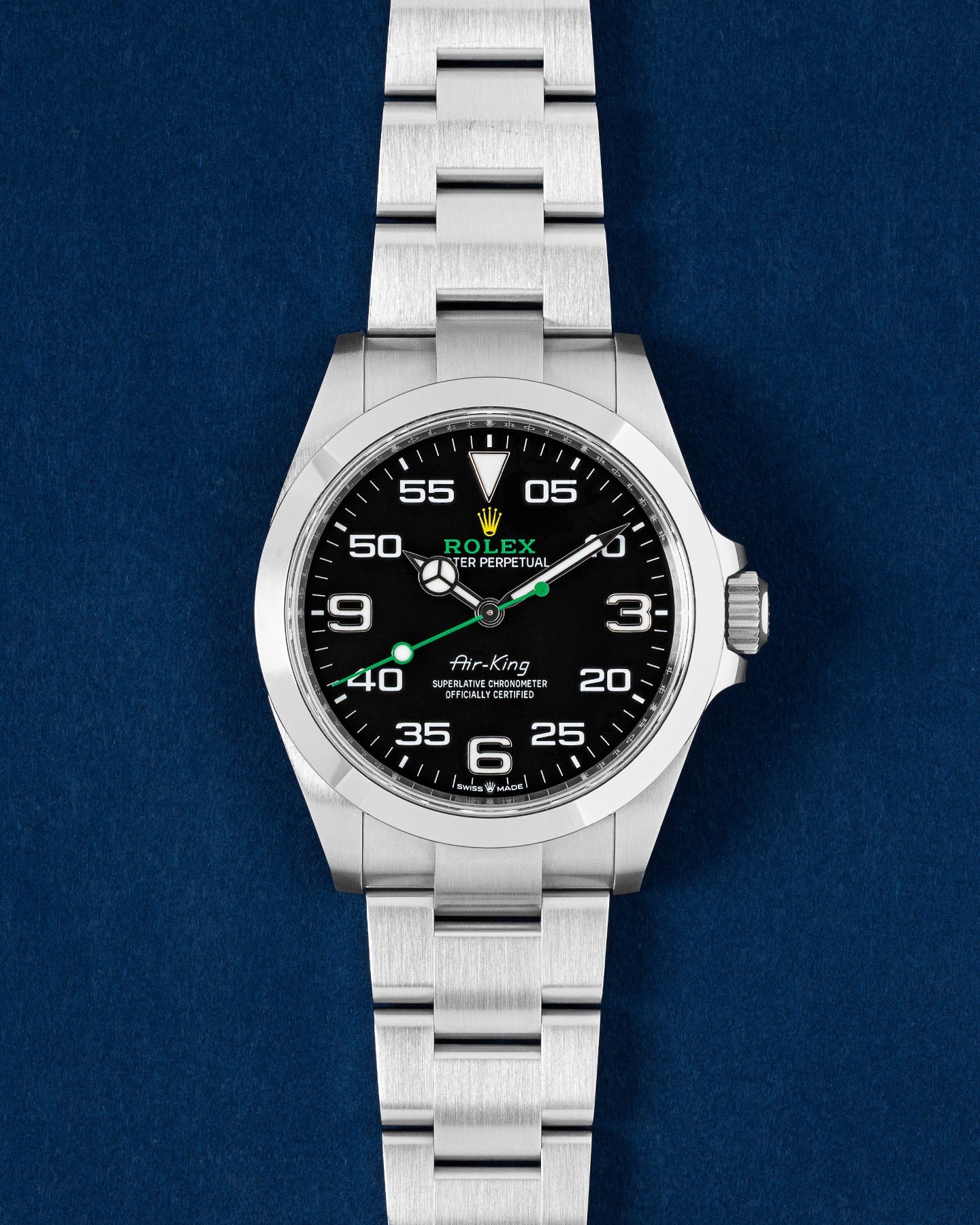
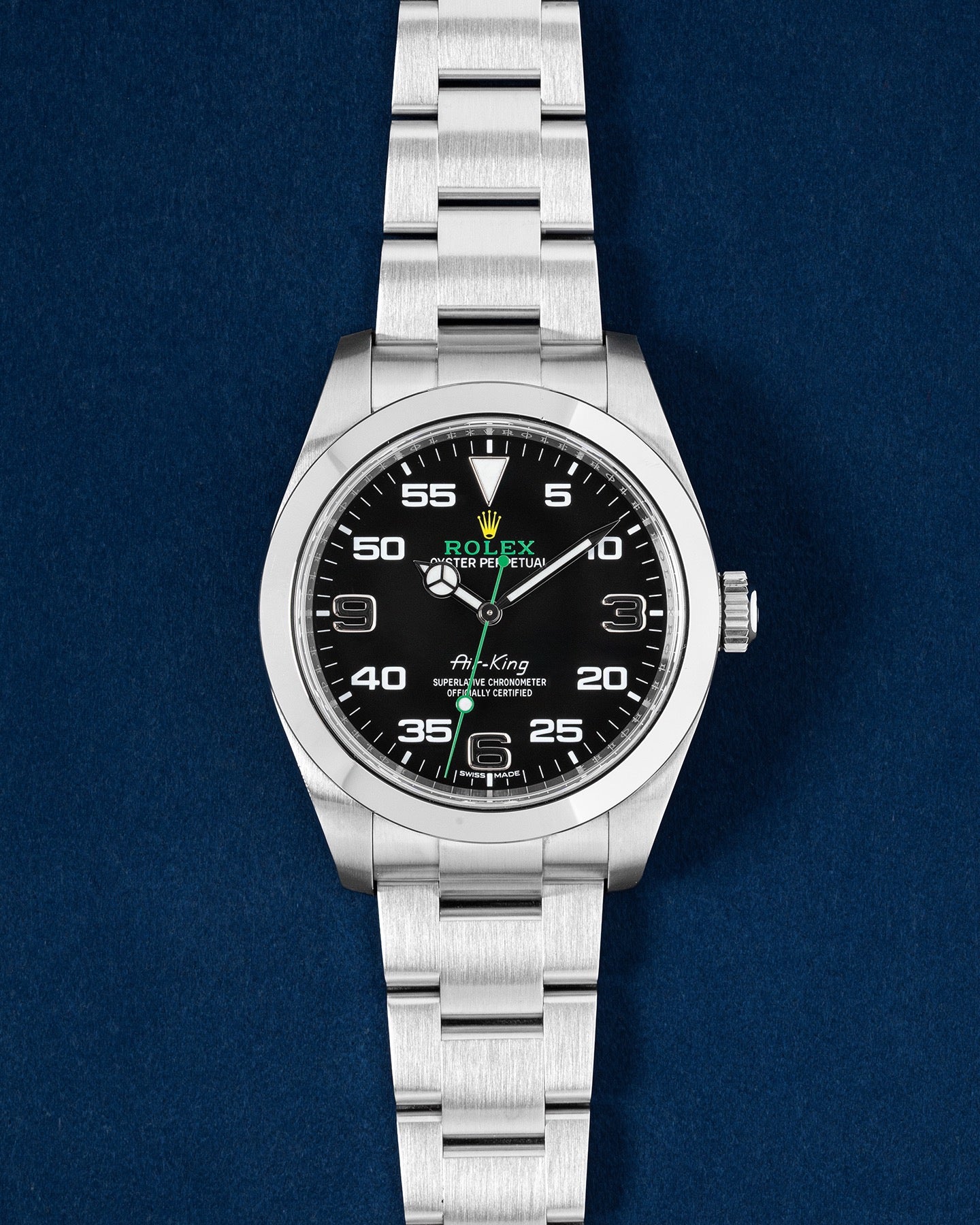
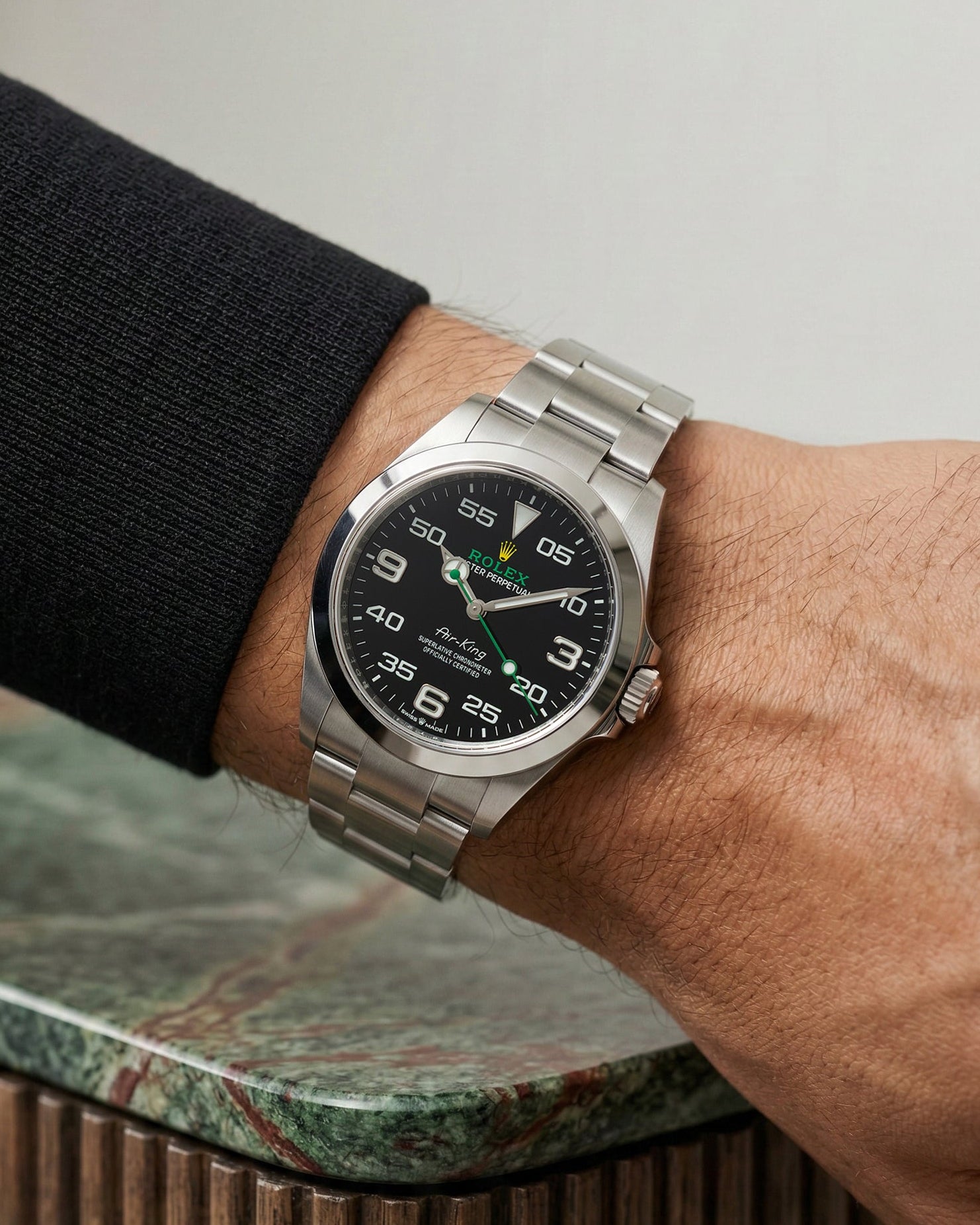
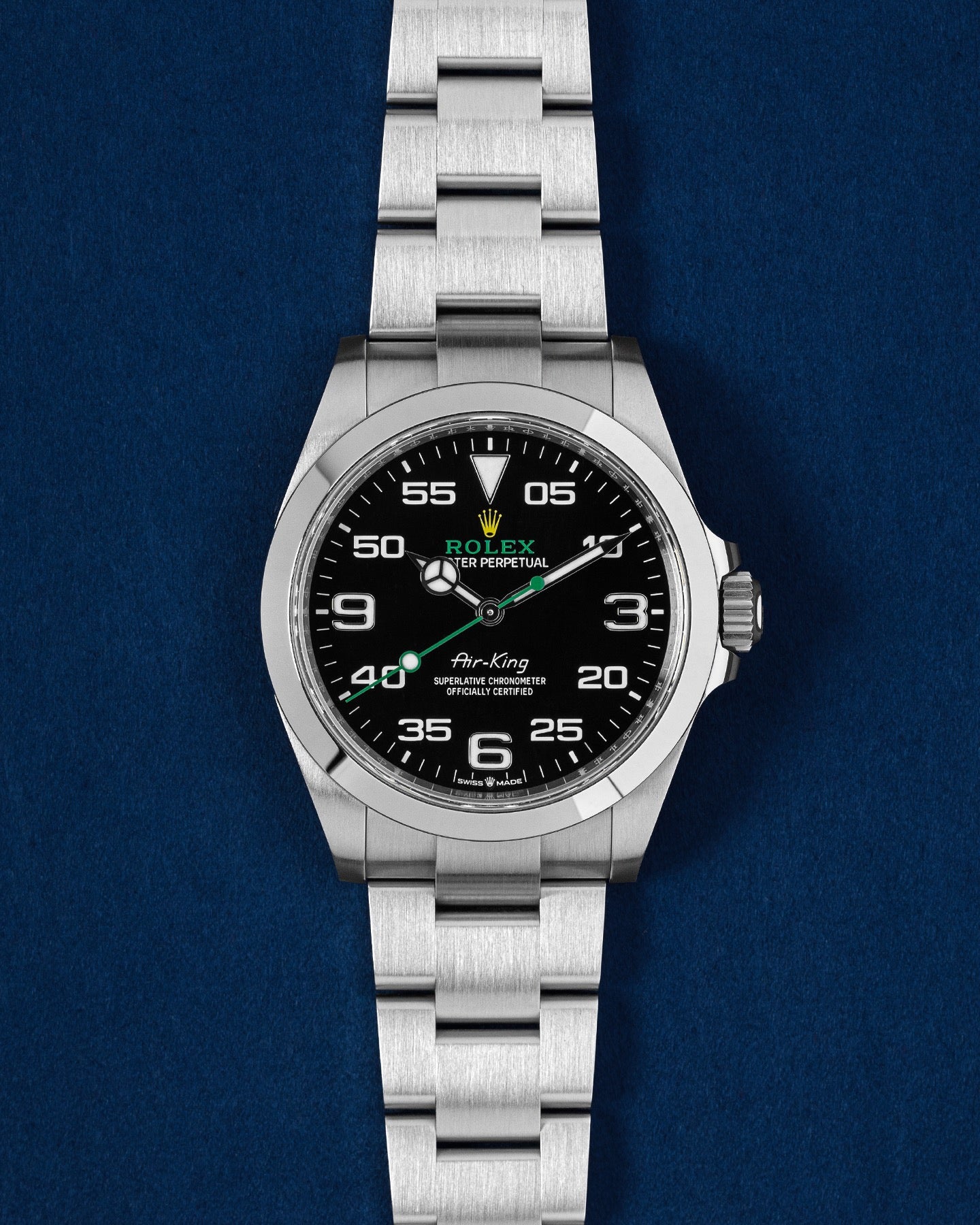
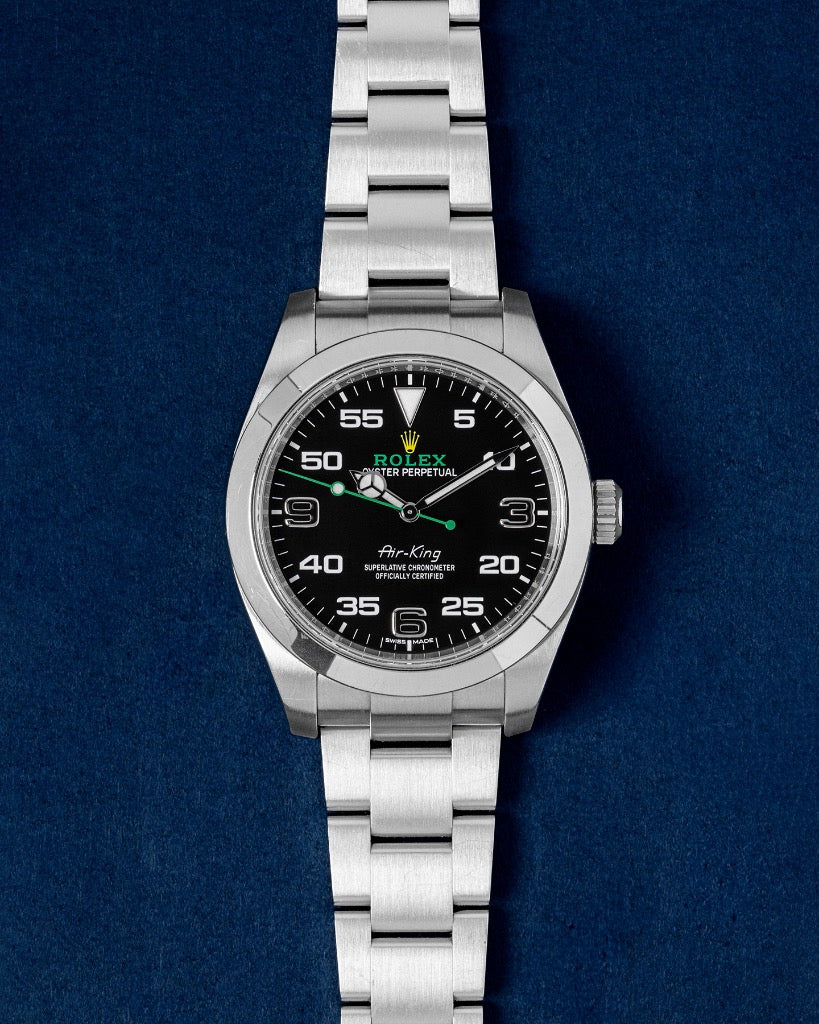
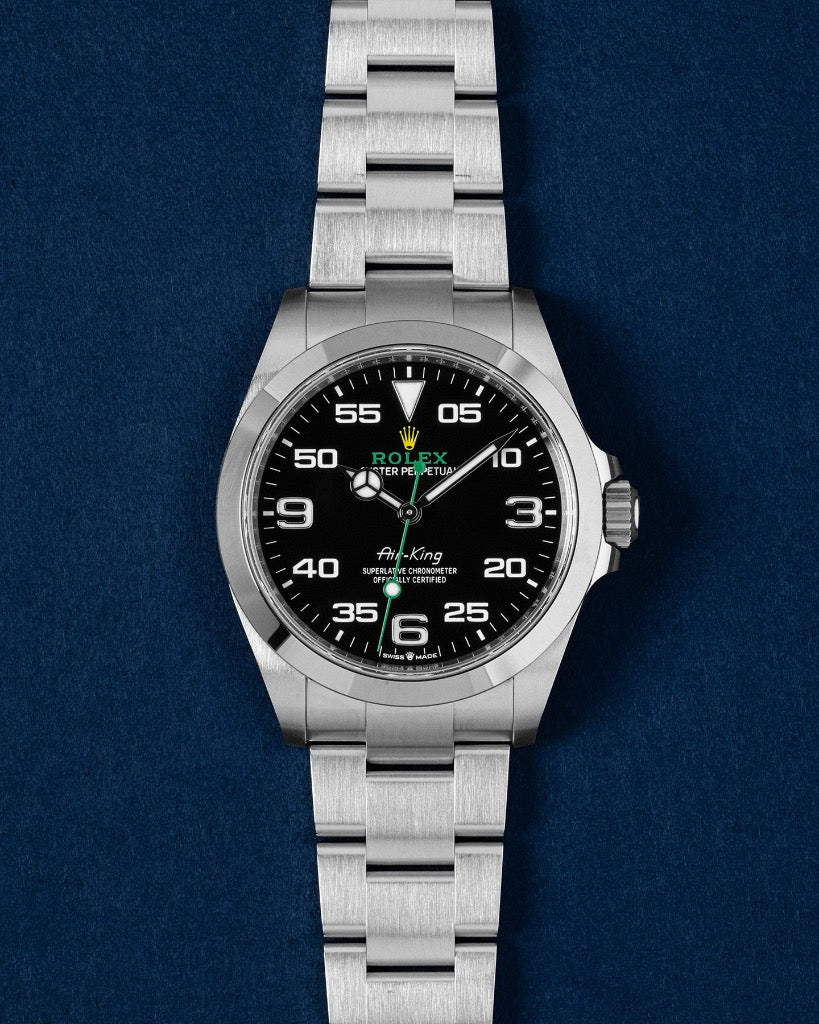
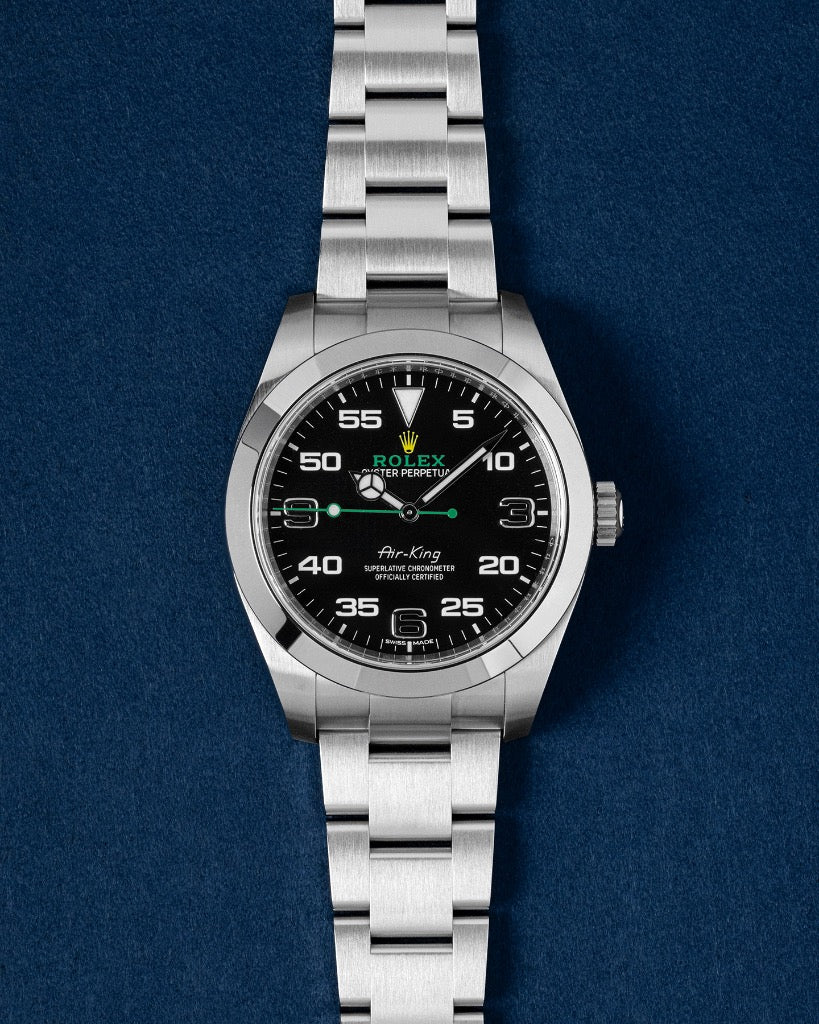
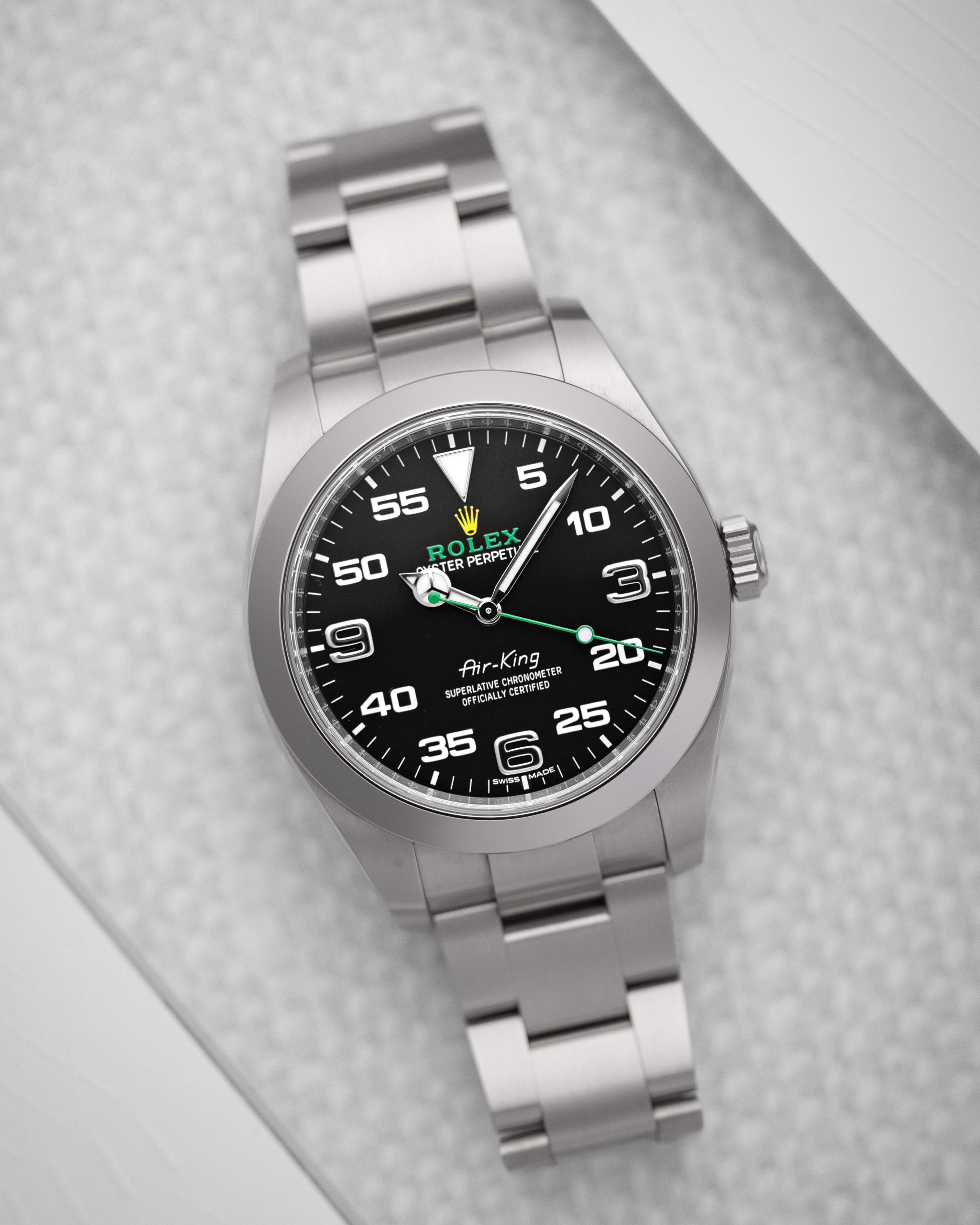
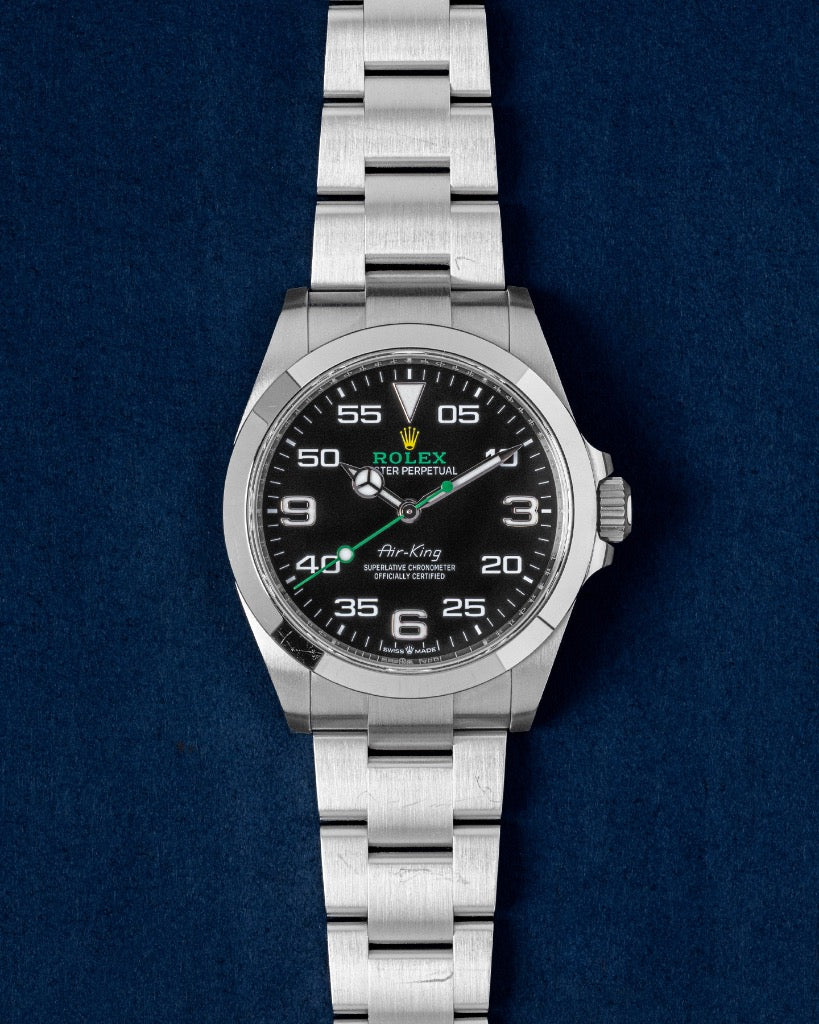
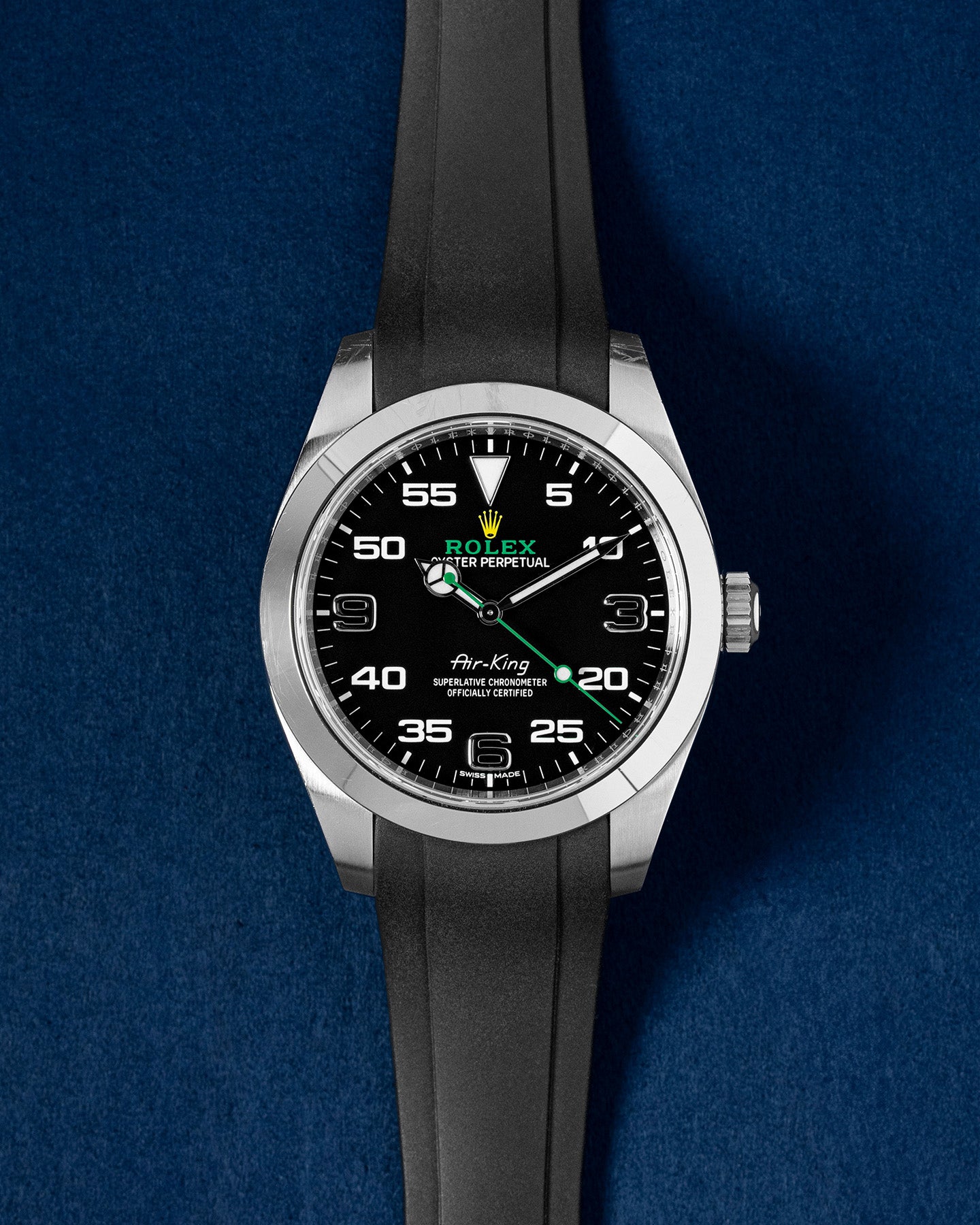
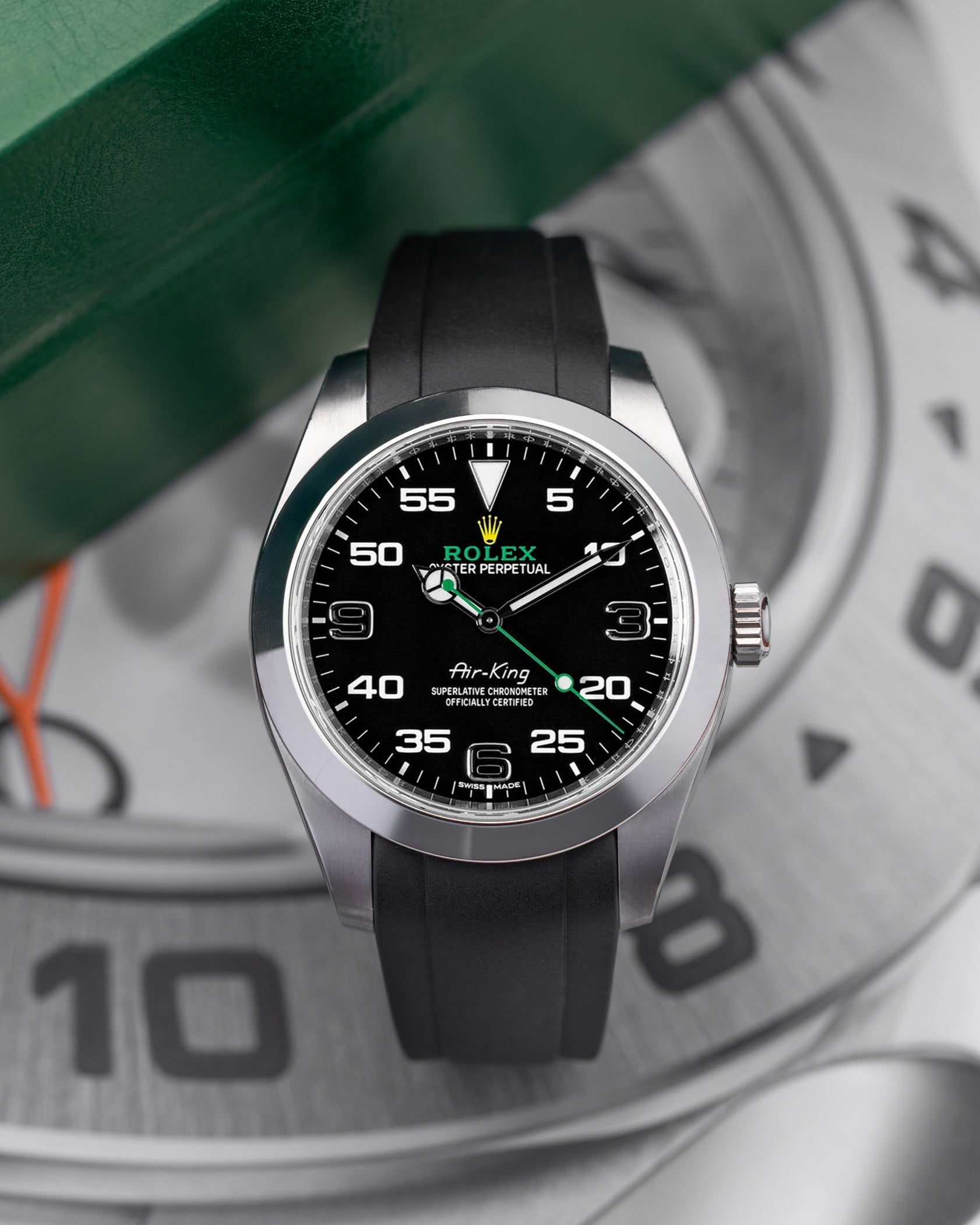
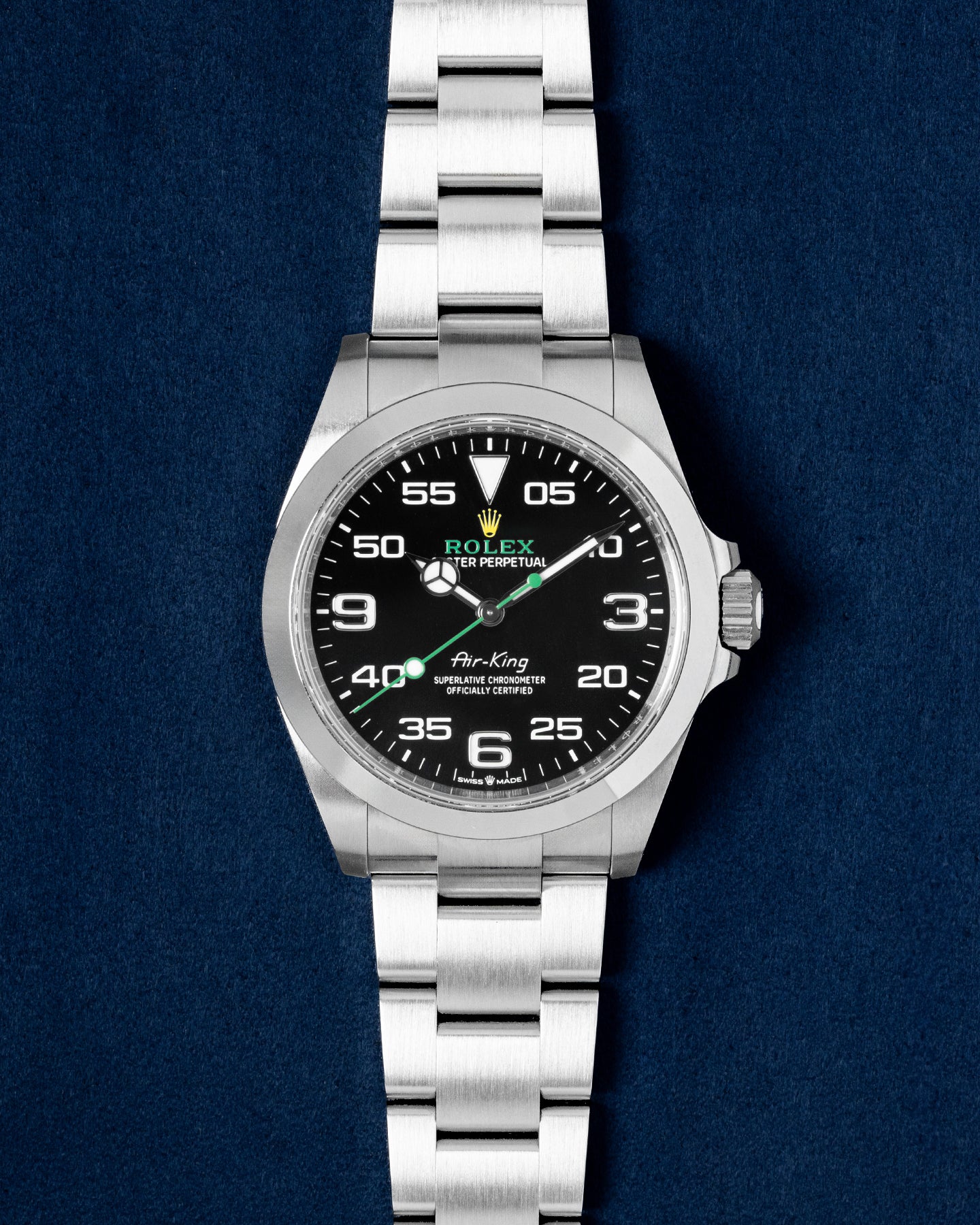
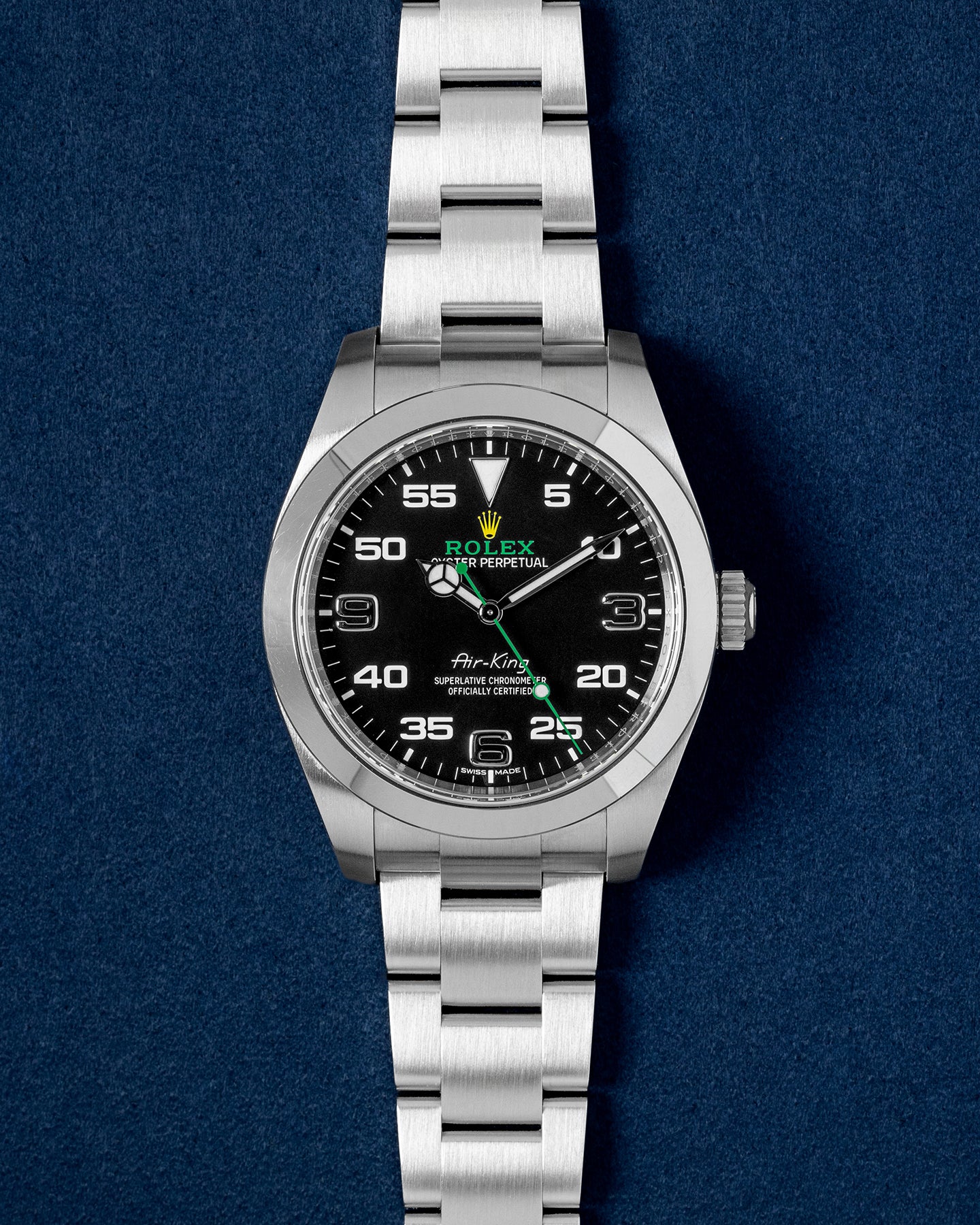
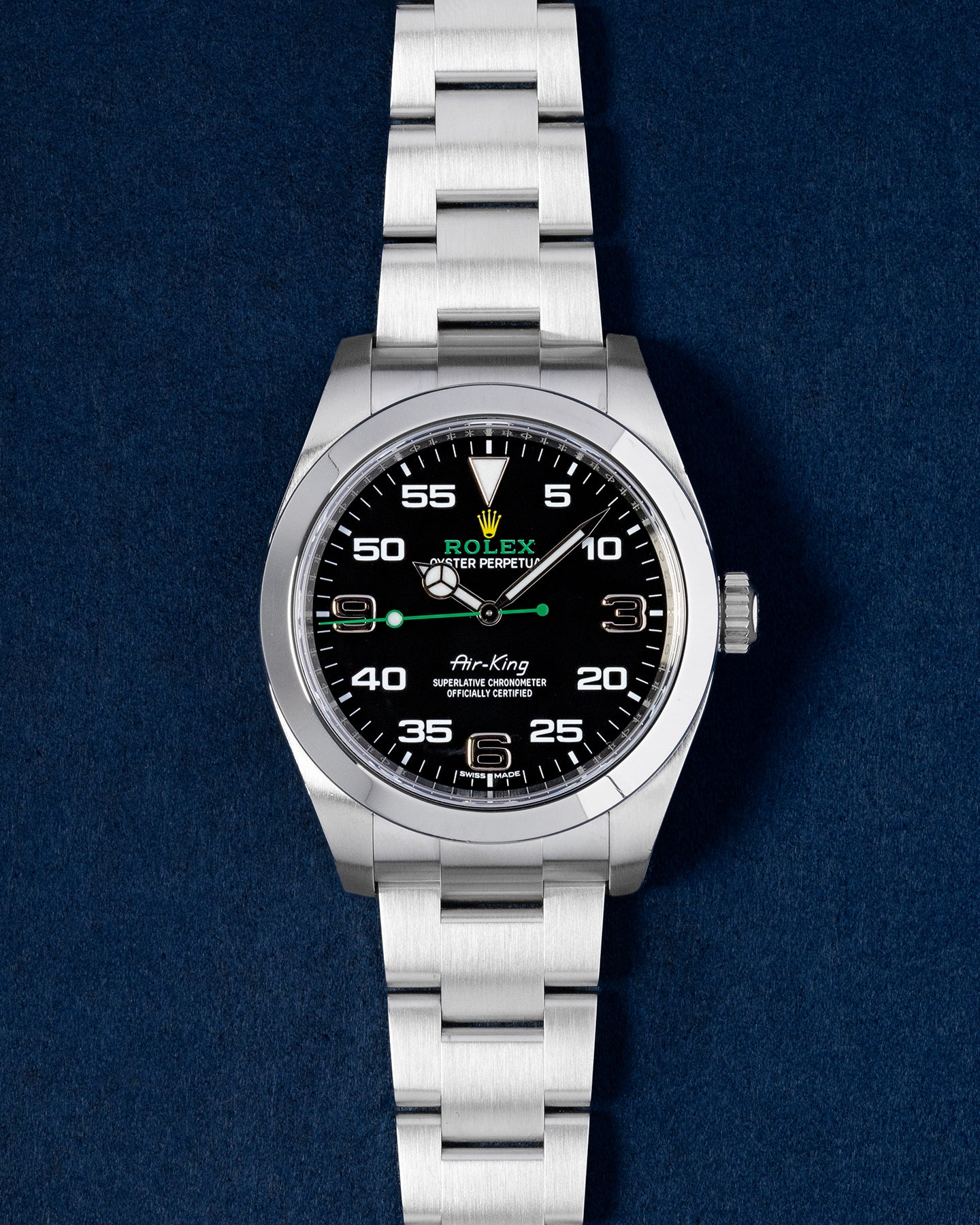
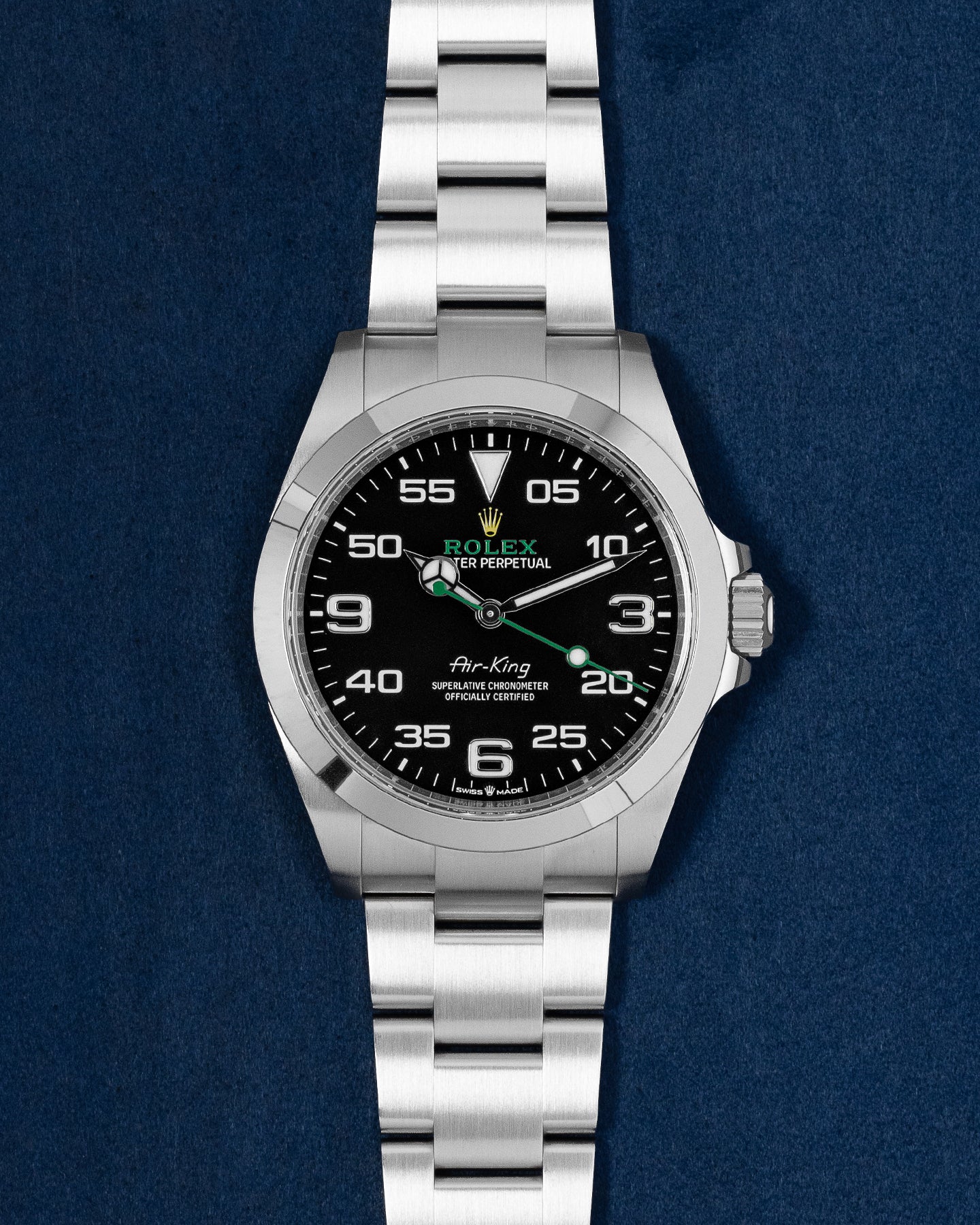
The defining feature of the 116900 was its dial. The busy, instrument inspired black face was modeled on the cockpit dashboard of the Bloodhound SSC, the supersonic land speed record car that Rolex partnered on, and it carried oversized 3-6-9 numerals borrowed from the Explorer, a full minute track running from 5 to 55, and a distinctive green and yellow color scheme, with a yellow coronet, a green Rolex wordmark, and a bright green seconds hand. It made the Rolex Air King the first and only Rolex to render the crown logo and the brand name in two different colors. The dial polarized collectors on release, but in the metal it reads as surprisingly cohesive, and it remains one of the most legible and distinctive faces in the entire catalogue.
The Bloodhound SSC connection gives the design a genuine story rather than a purely stylistic one. Rolex manufactured the dashboard instruments for the supersonic car, which was engineered to attempt a 1,000 mile per hour land speed record, and the busy, high contrast instrument aesthetic of those gauges translated directly onto the wrist. Even though the record project itself did not ultimately succeed and the partnership wound down, the dial it inspired lived on. The oversized 3, 6, and 9 numerals, borrowed from the Explorer, and the full running minute track make this one of the clearest, most instantly readable dials Rolex has produced, which is entirely appropriate for a watch that honors pilots.
The Current Air-King: Reference 126900
The 2022 Refinement
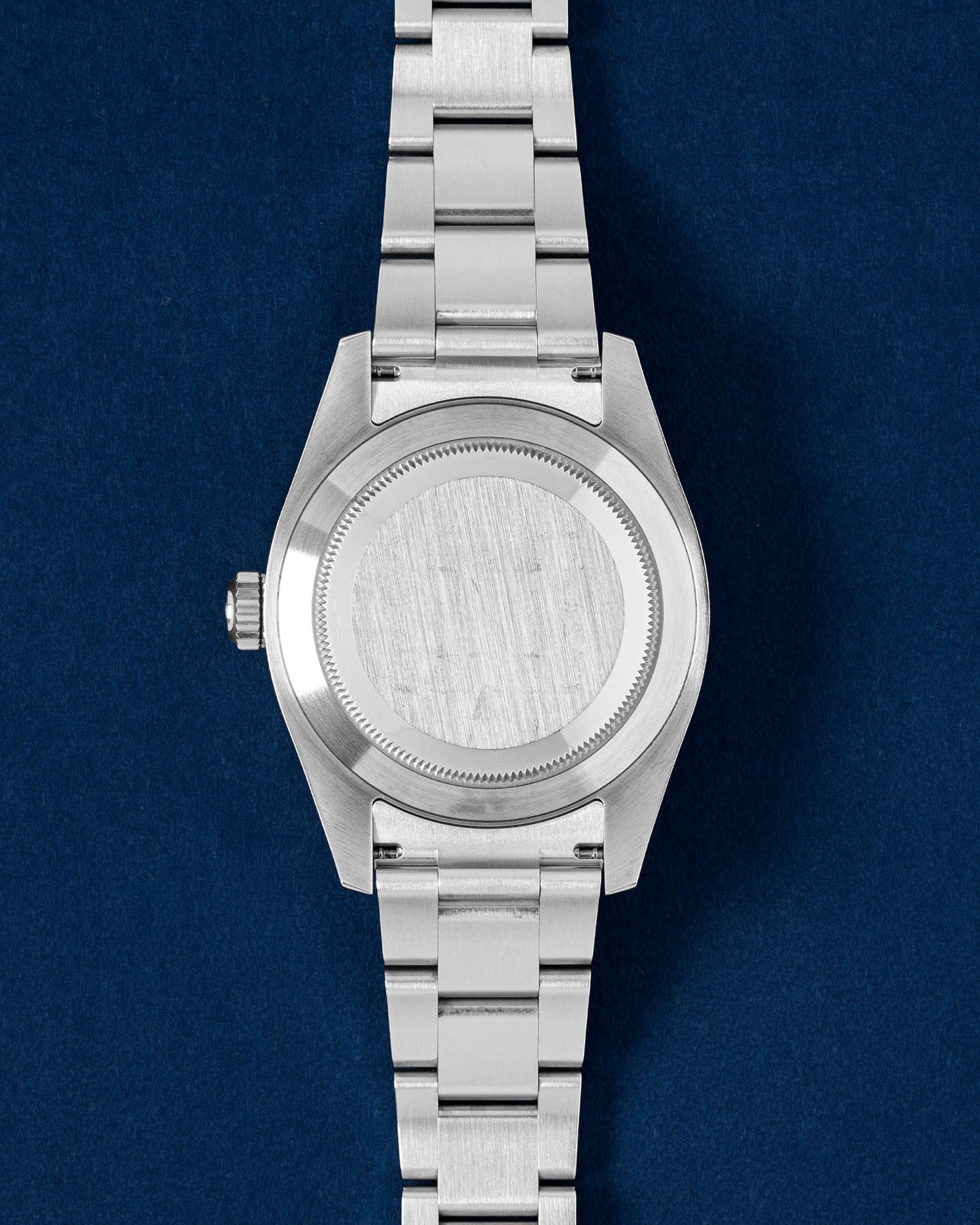
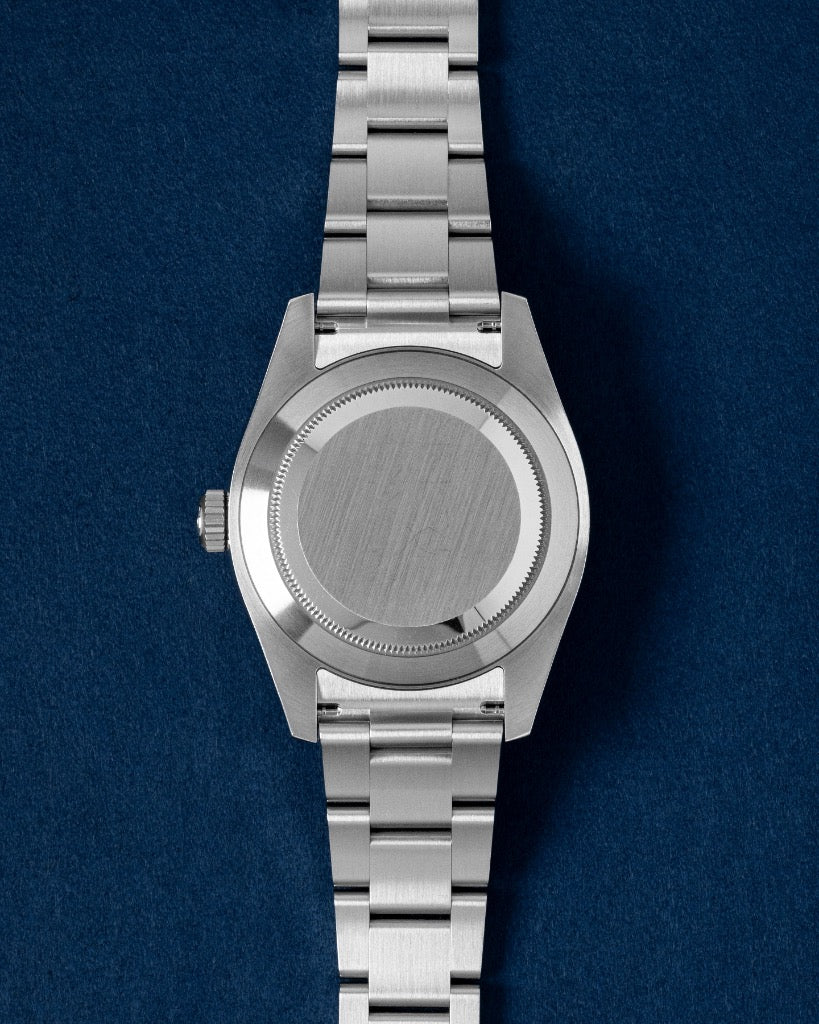
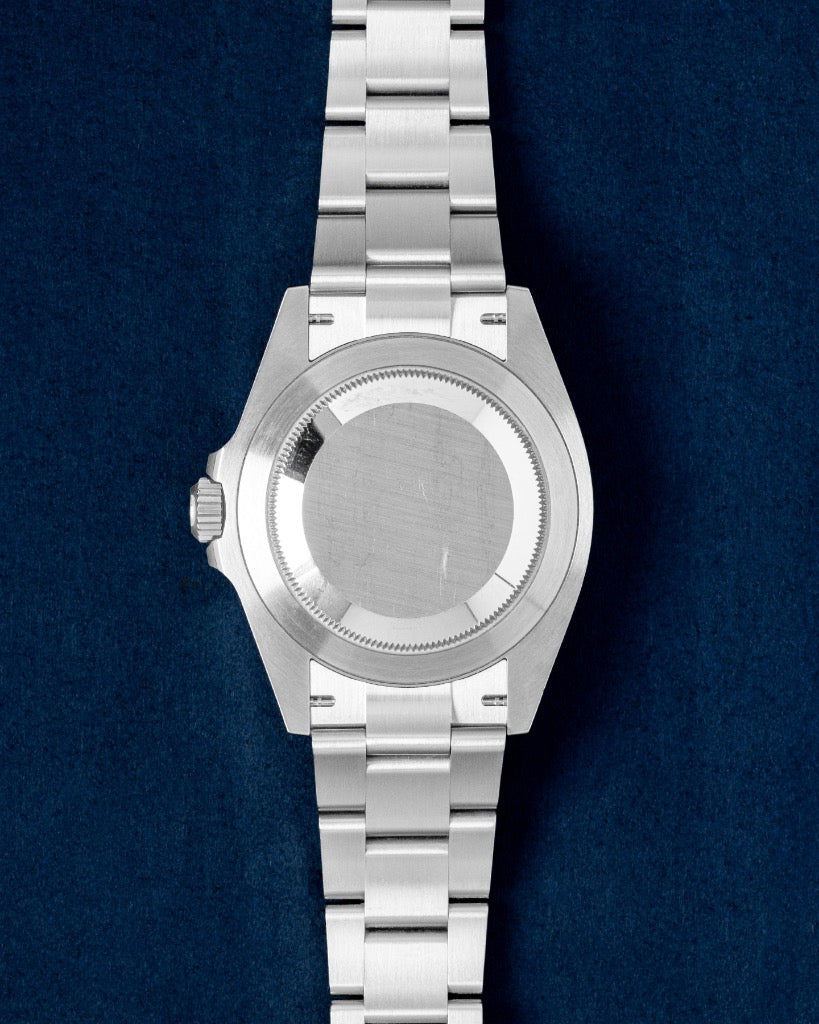
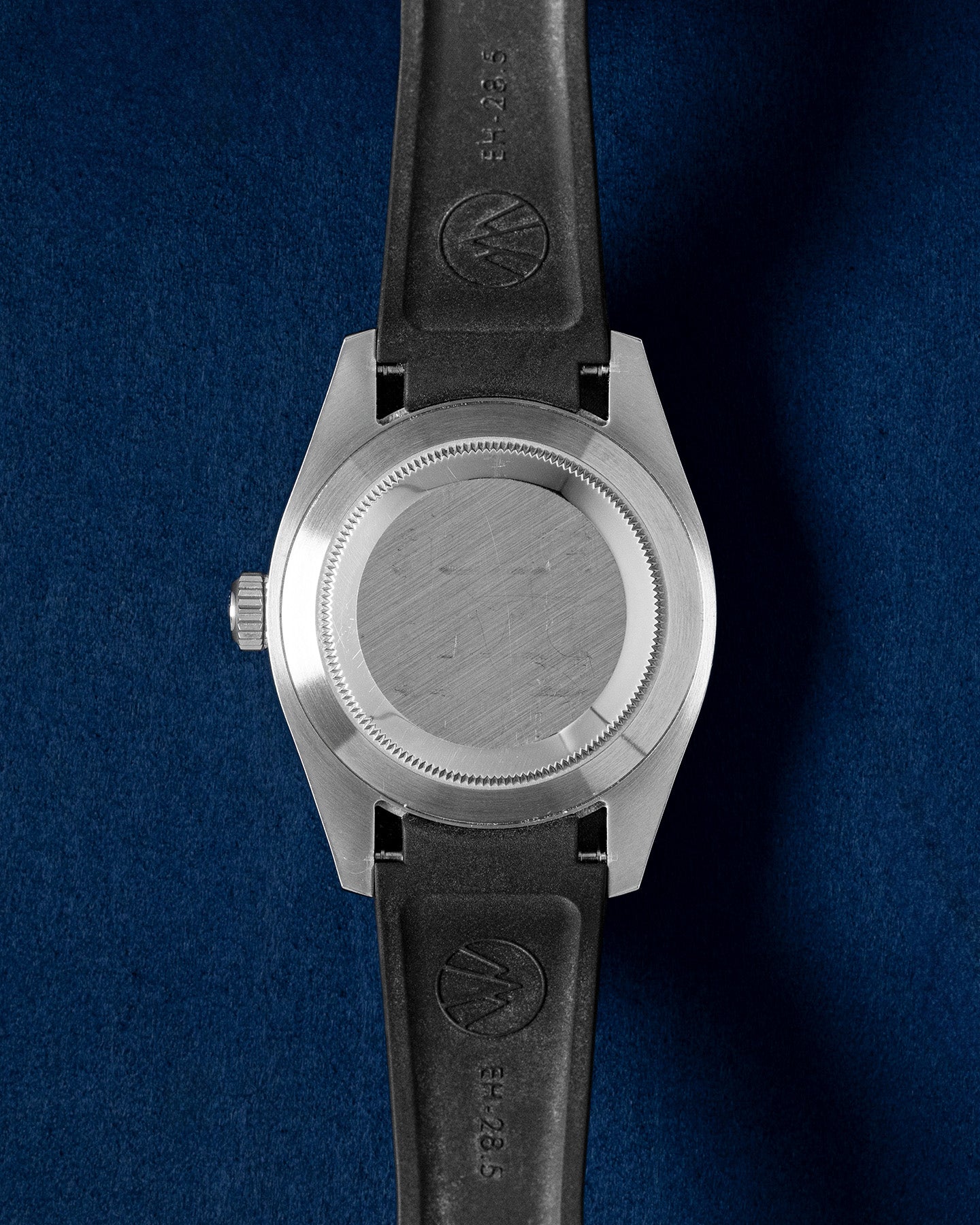
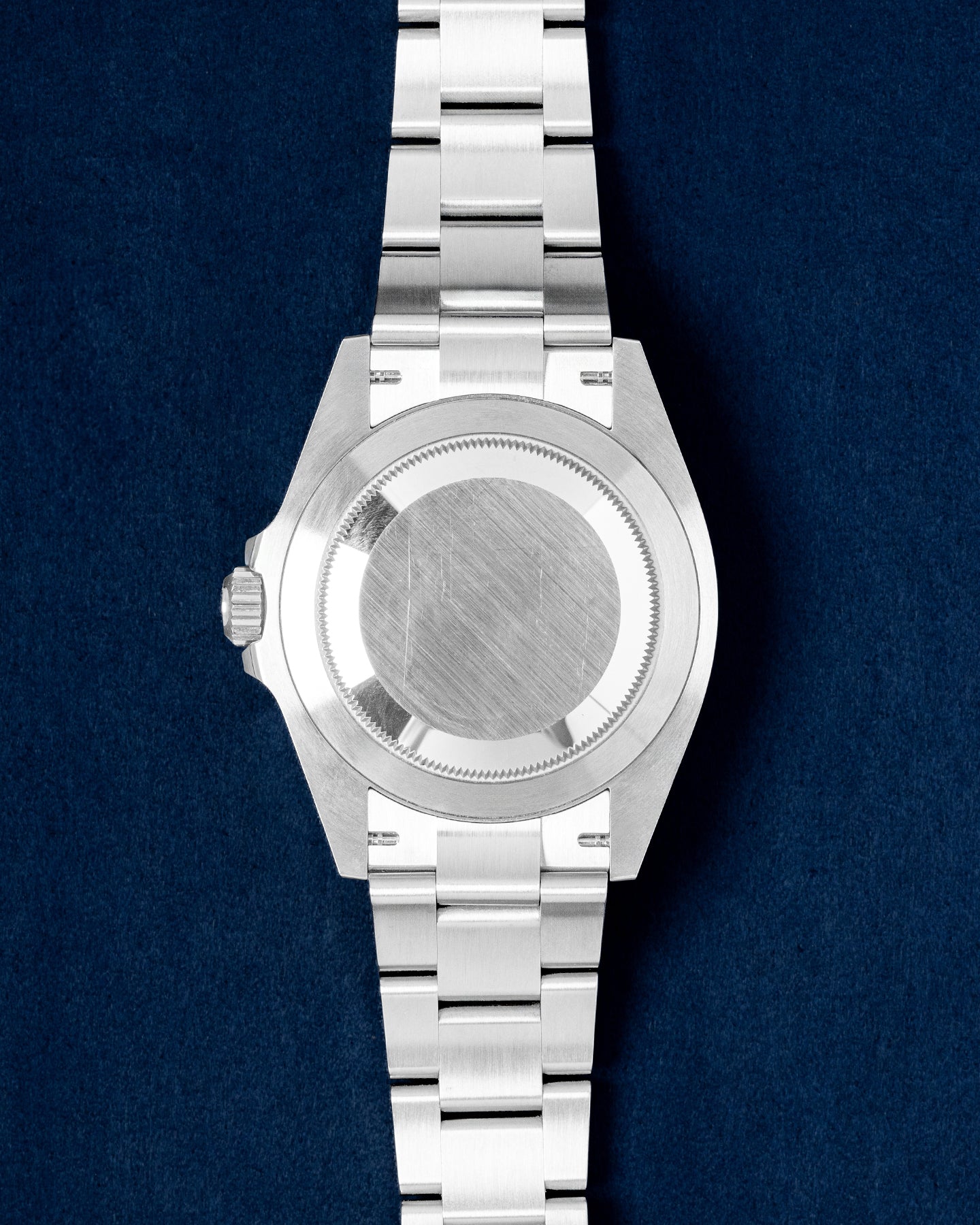
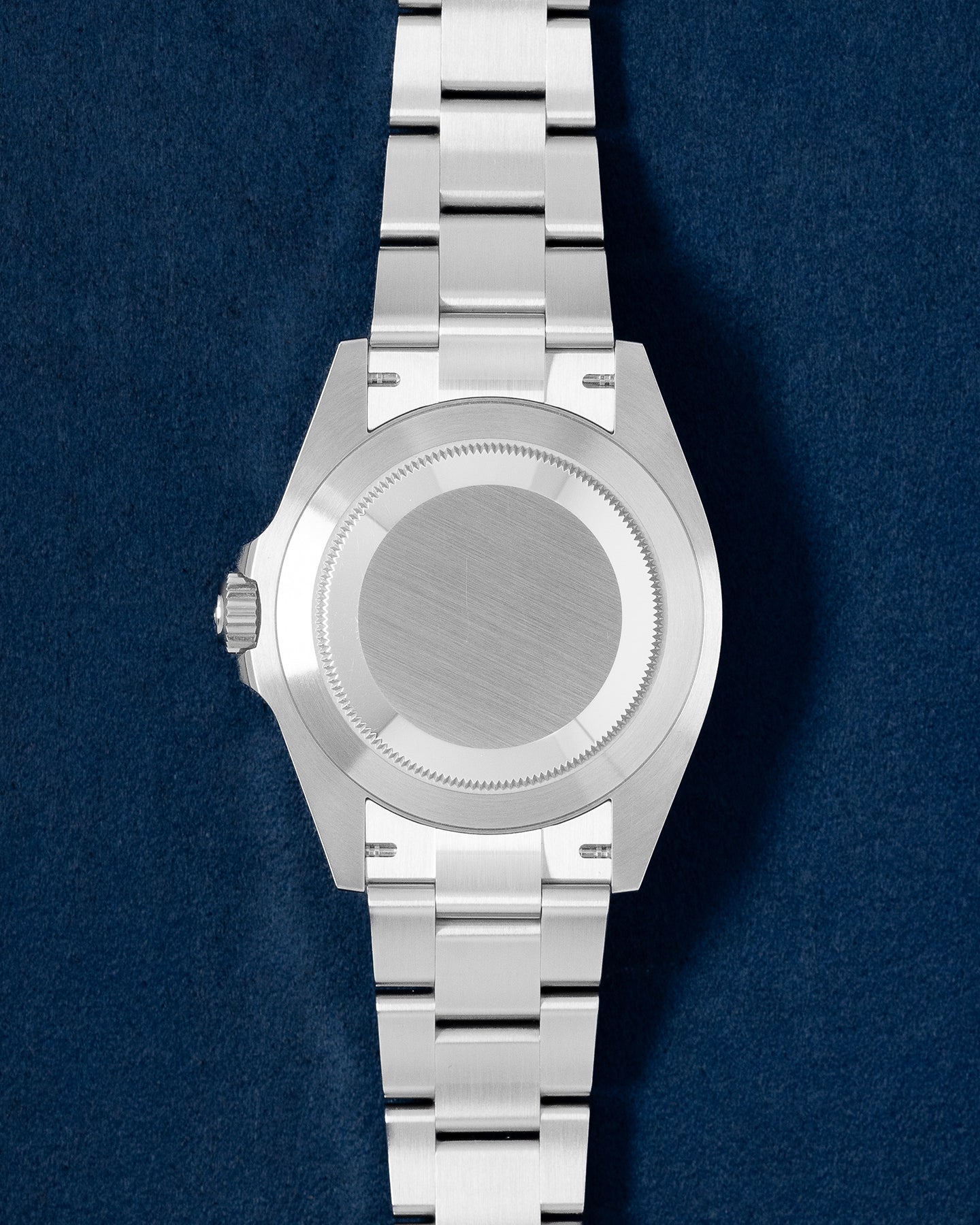
In 2022, at Watches and Wonders, Rolex refined the modern Rolex Air King with the current reference 126900, addressing much of the feedback from the polarizing 116900 while keeping its bold character intact. The 126900 retains the 40mm Oystersteel case, the black Bloodhound style dial, and the antimagnetic identity, but it introduced a series of meaningful upgrades that repositioned the model as a fully resolved professional watch rather than a reworked Milgauss.
The Crown Guards and the New Case
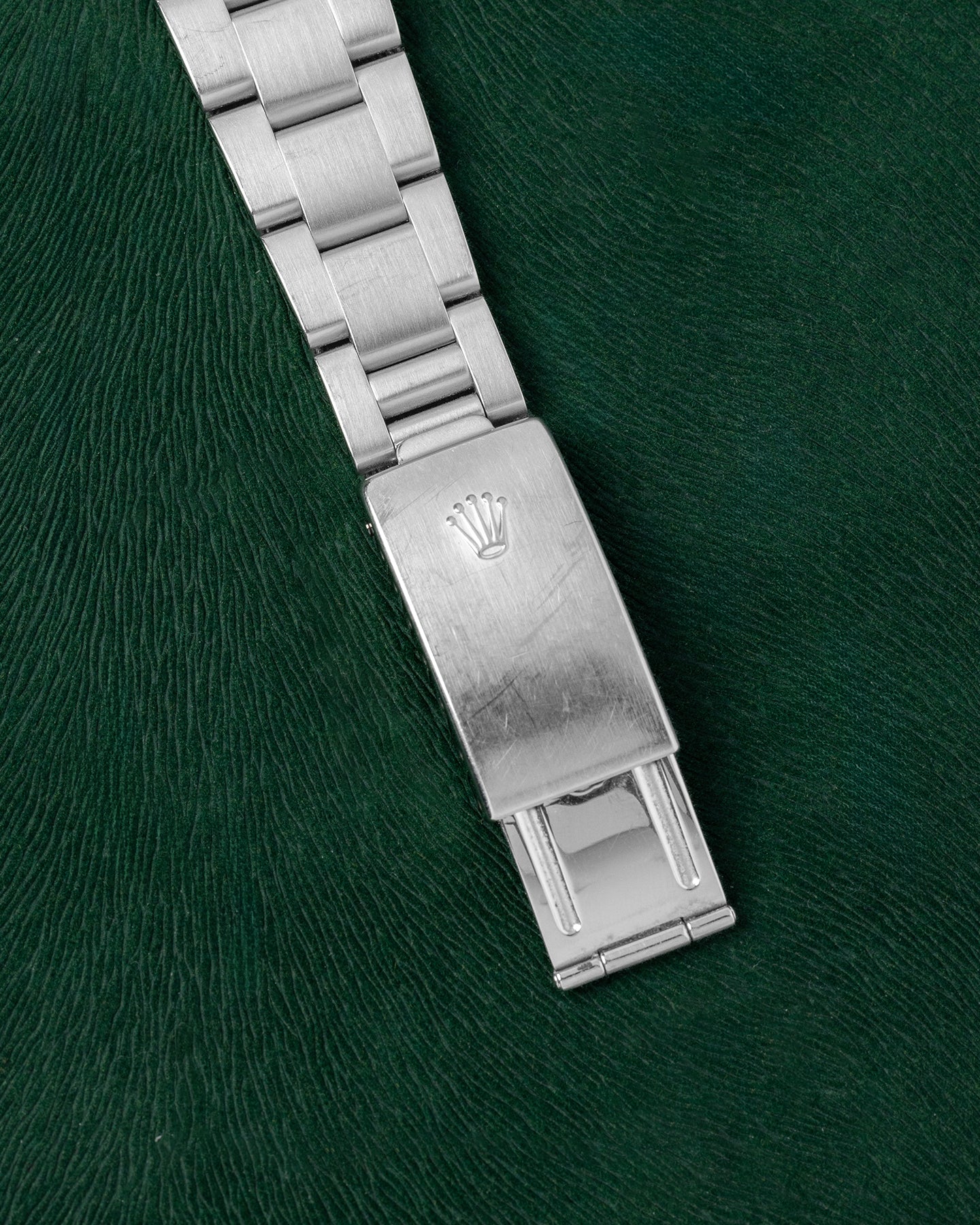
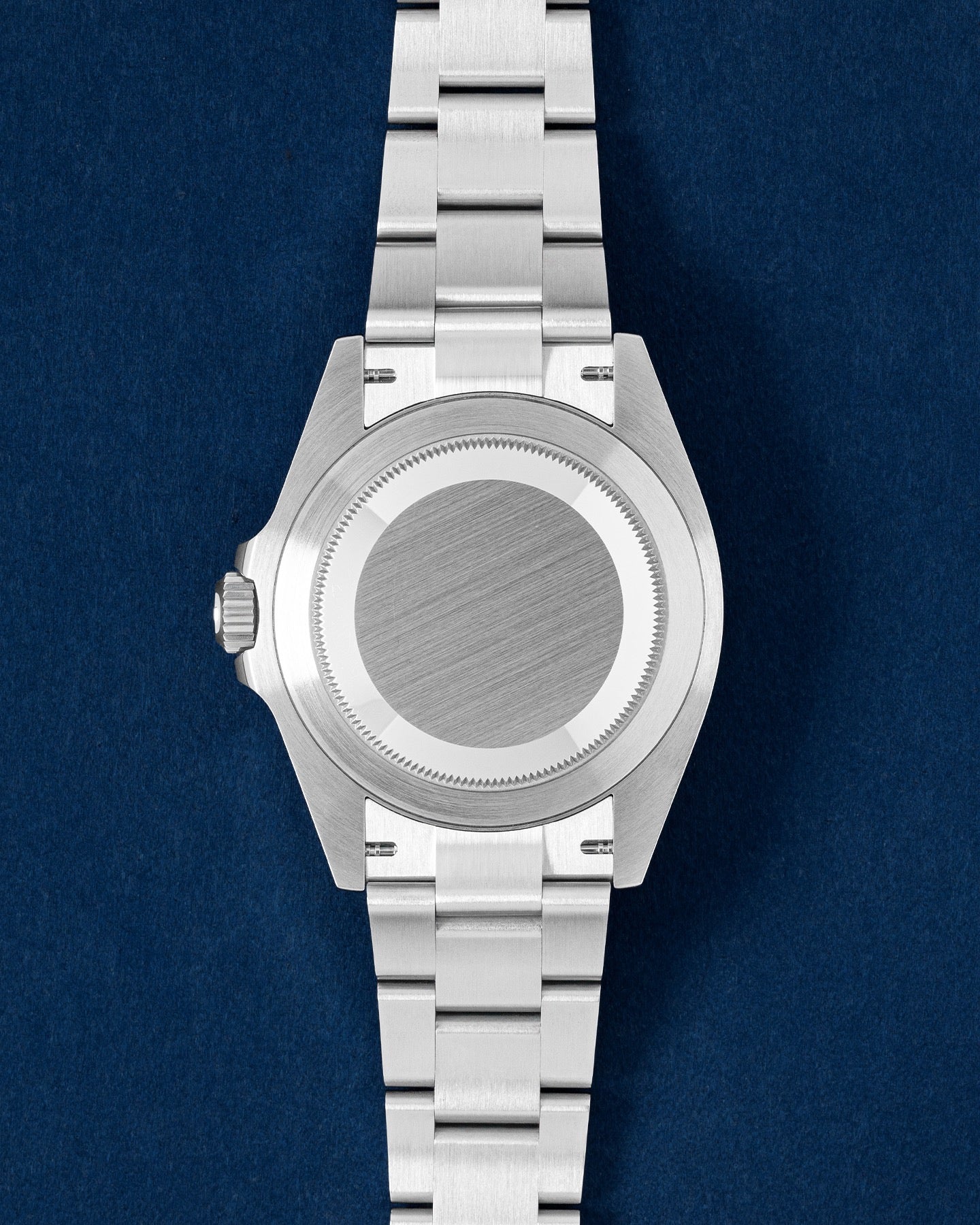
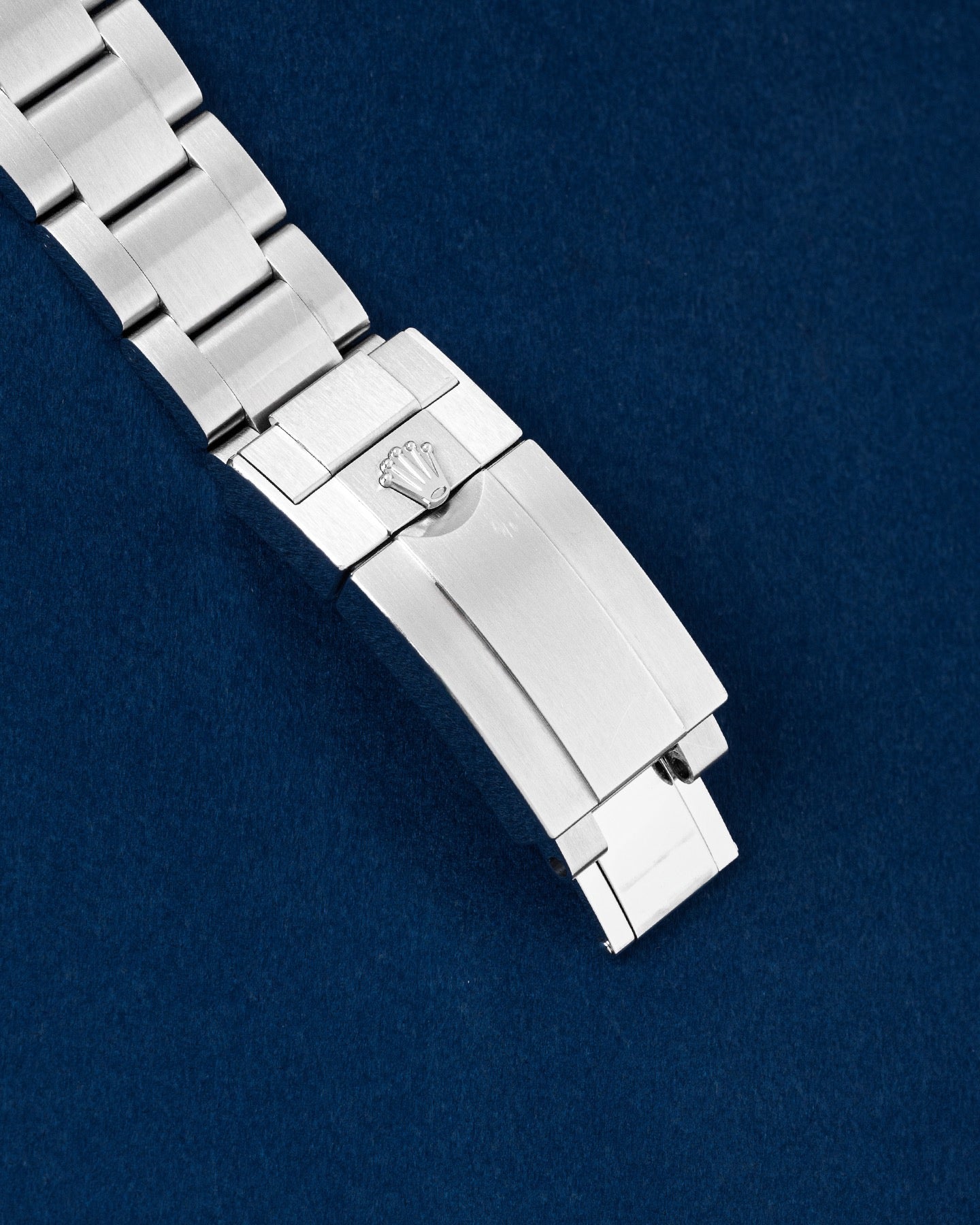
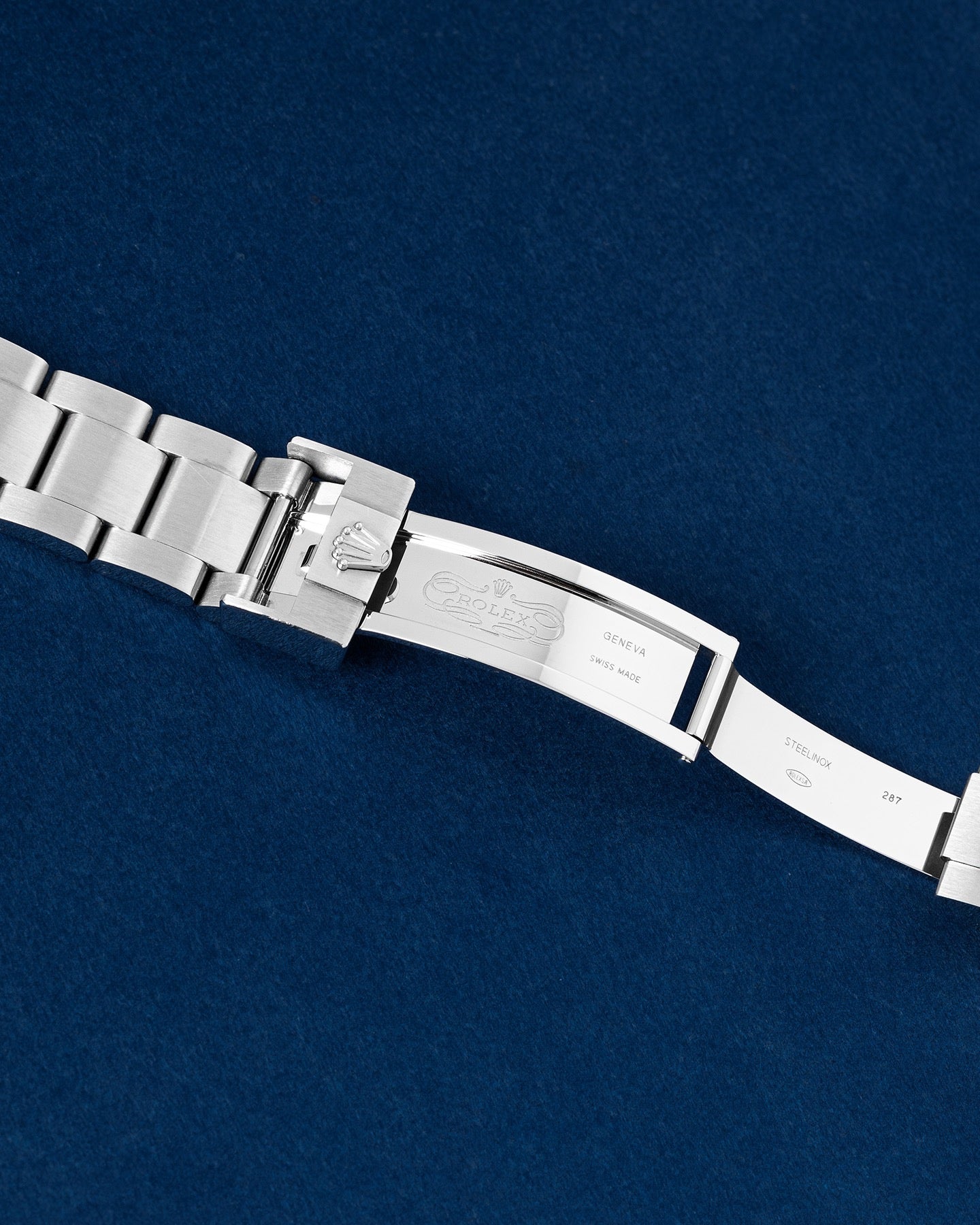
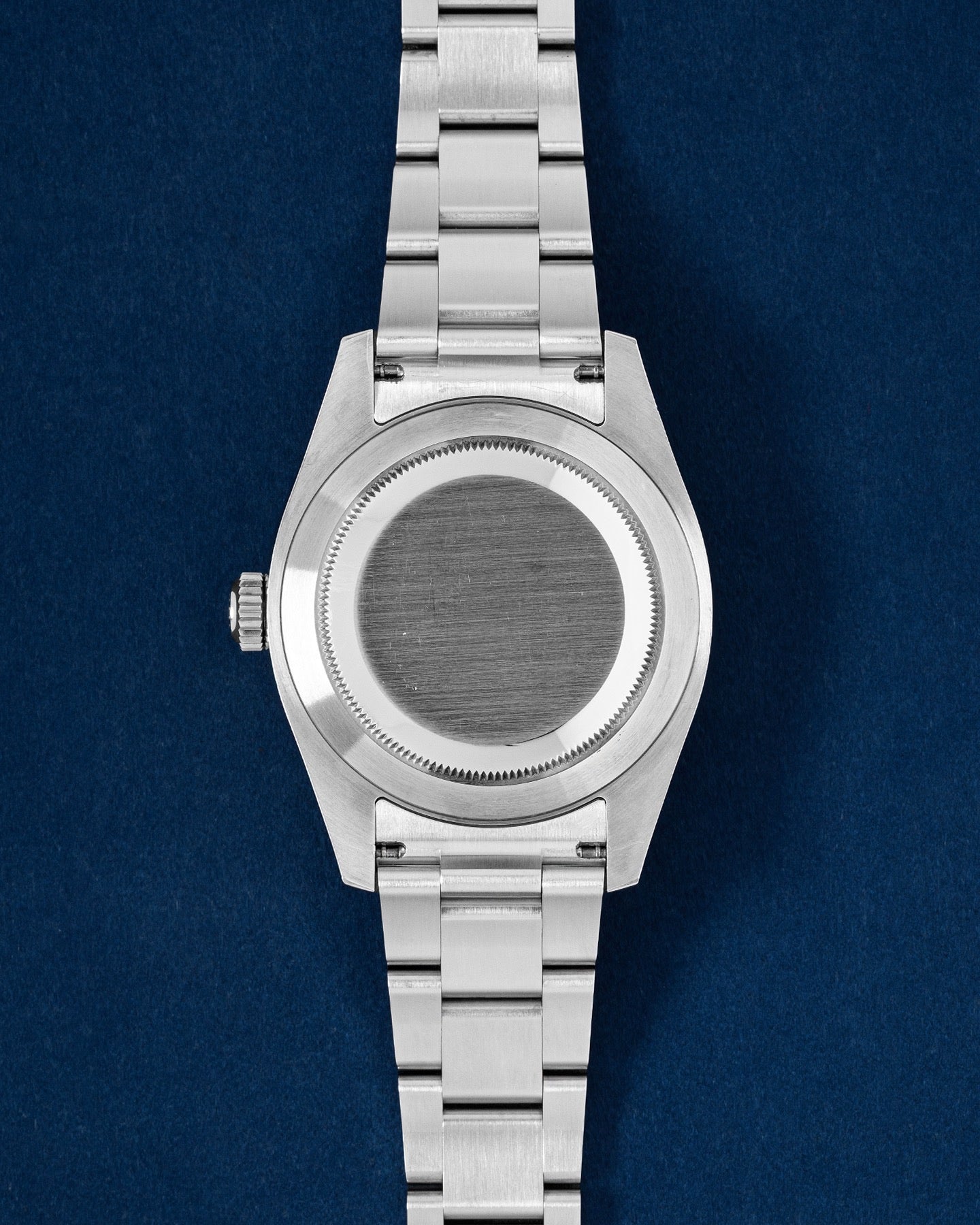
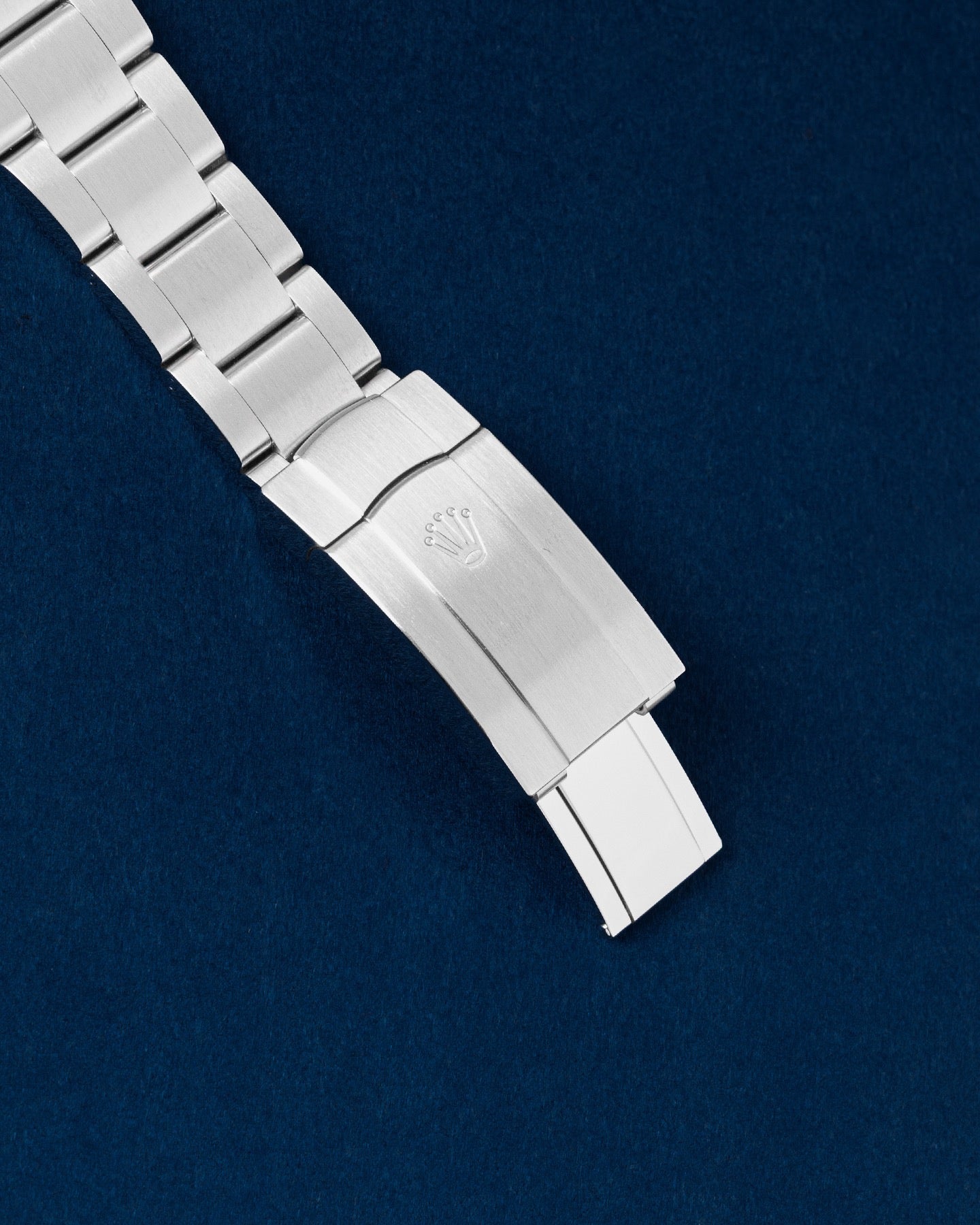
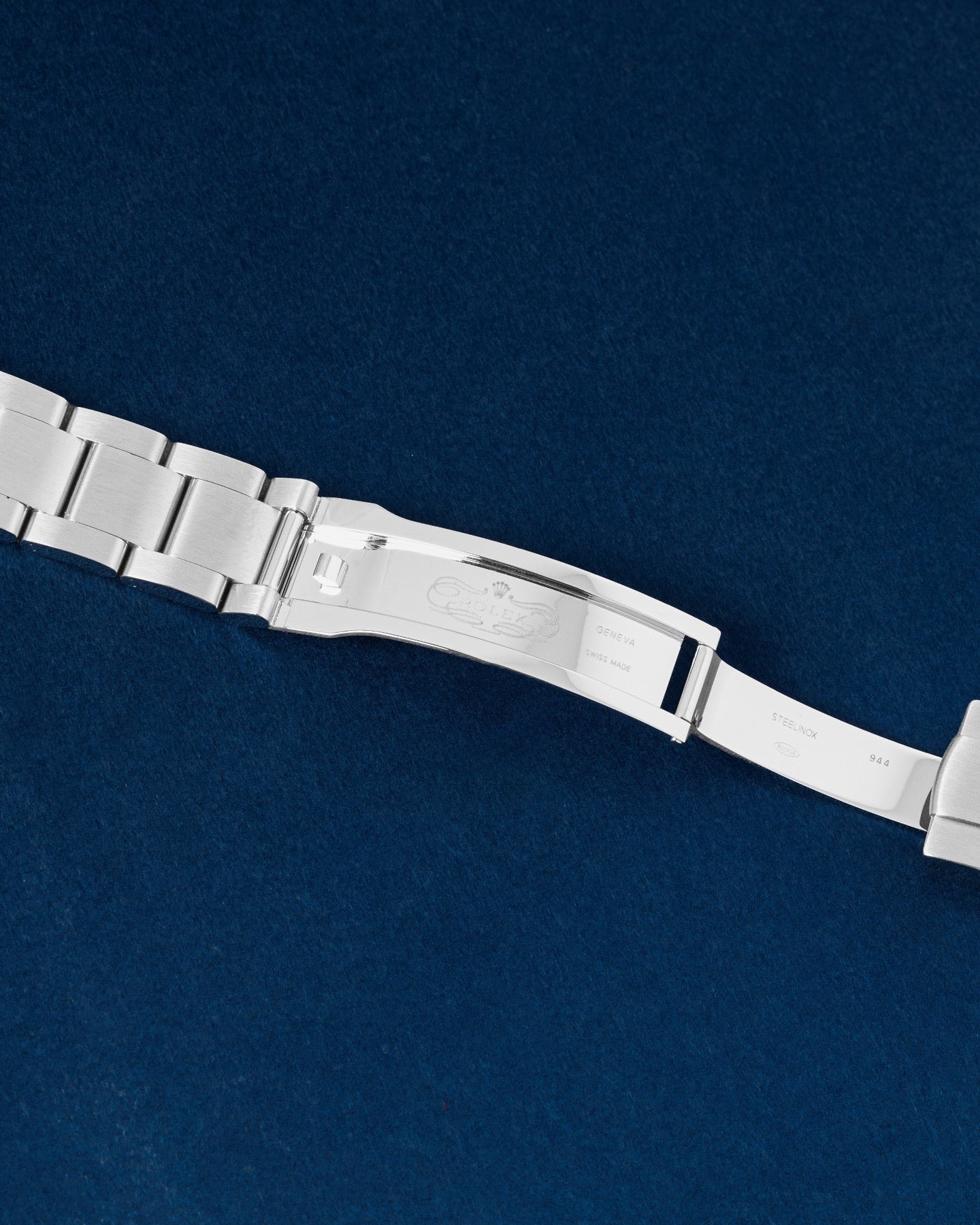
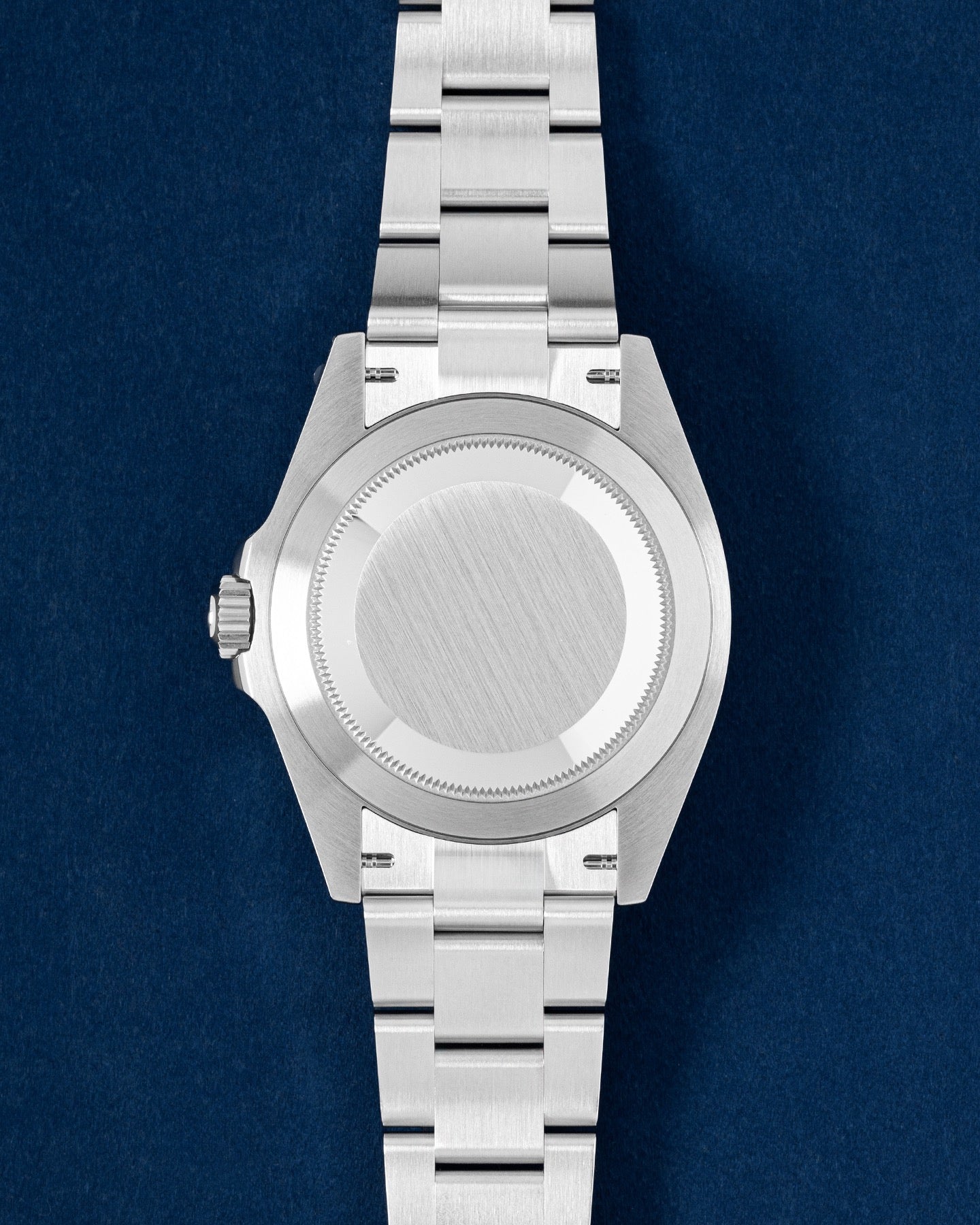
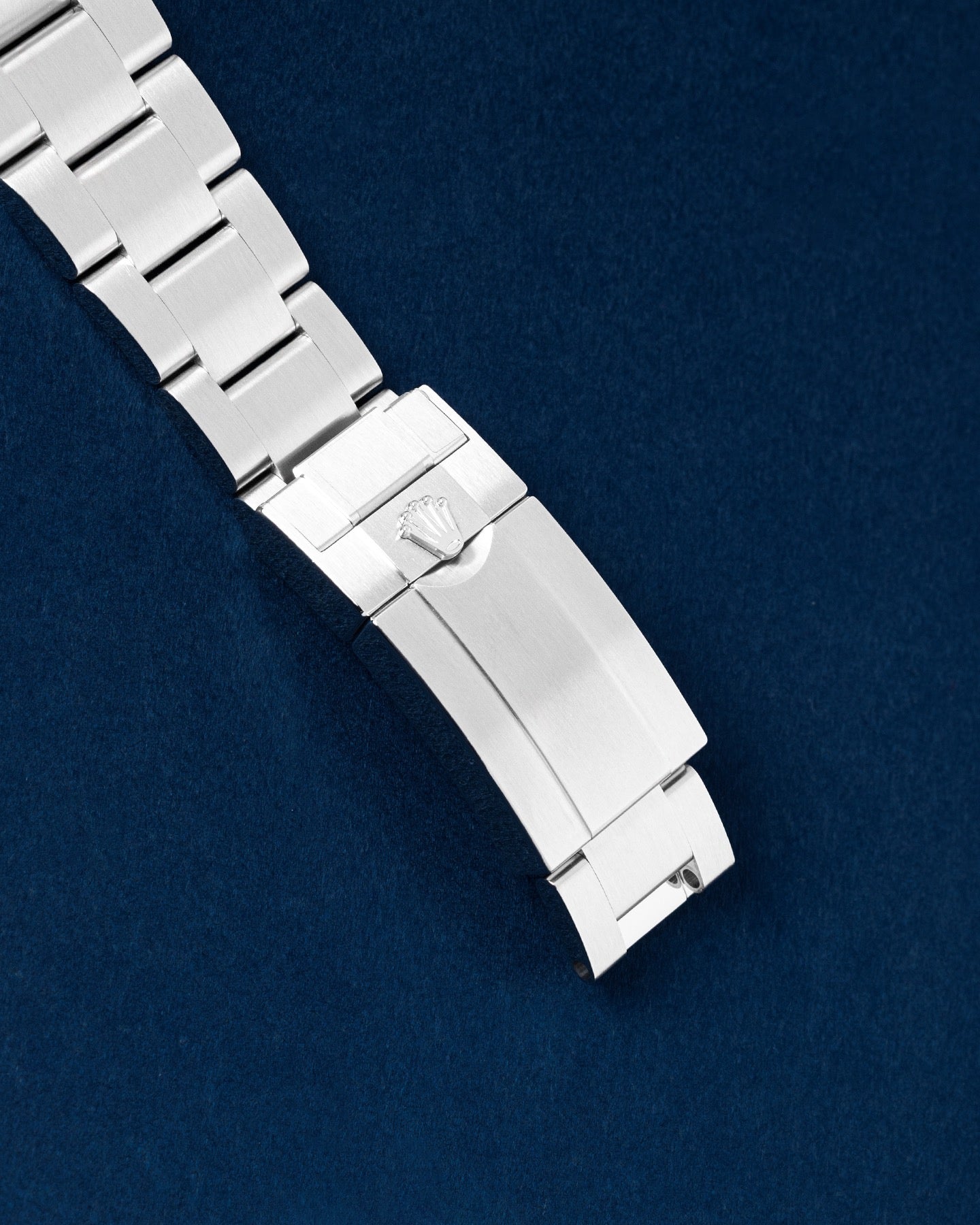
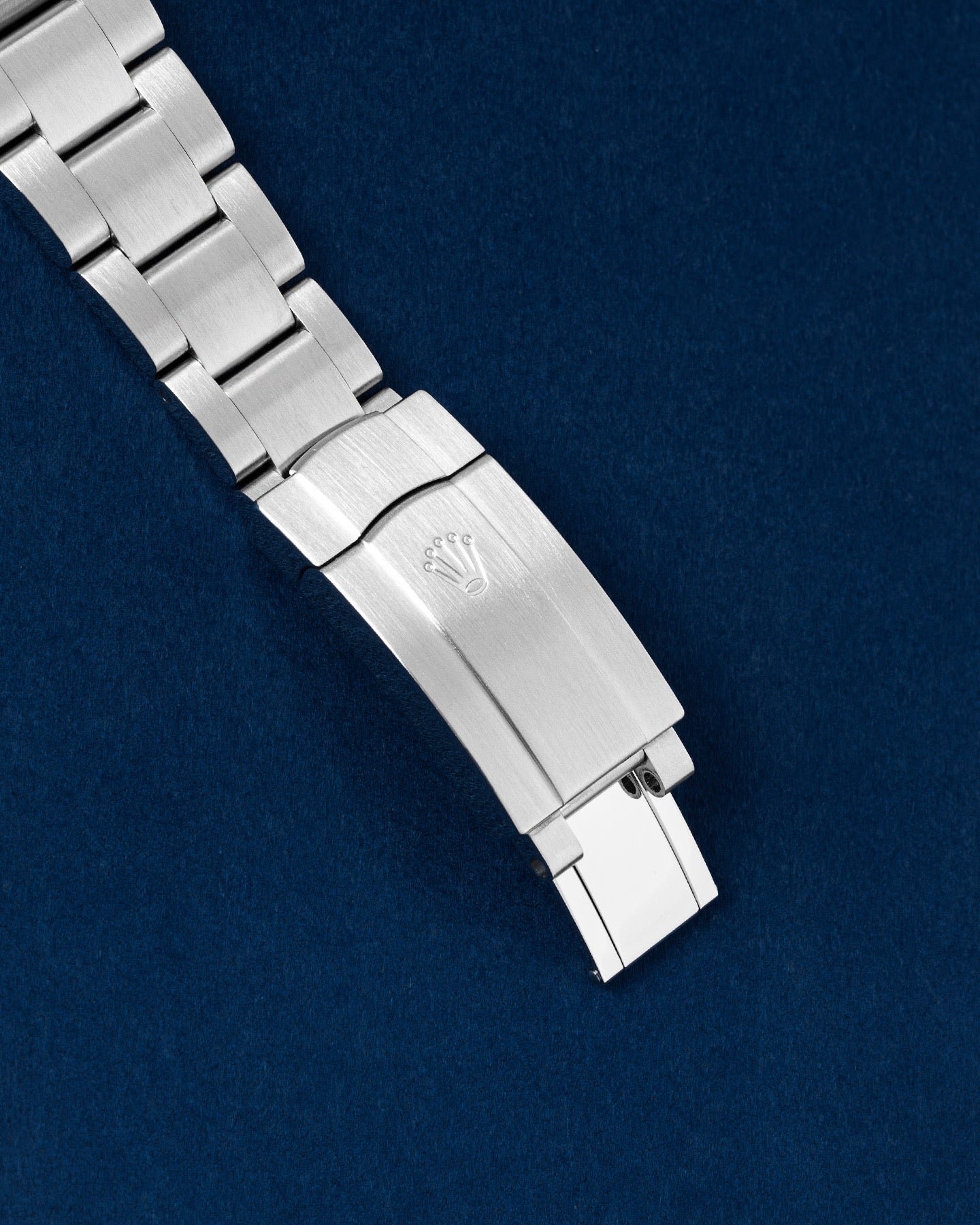
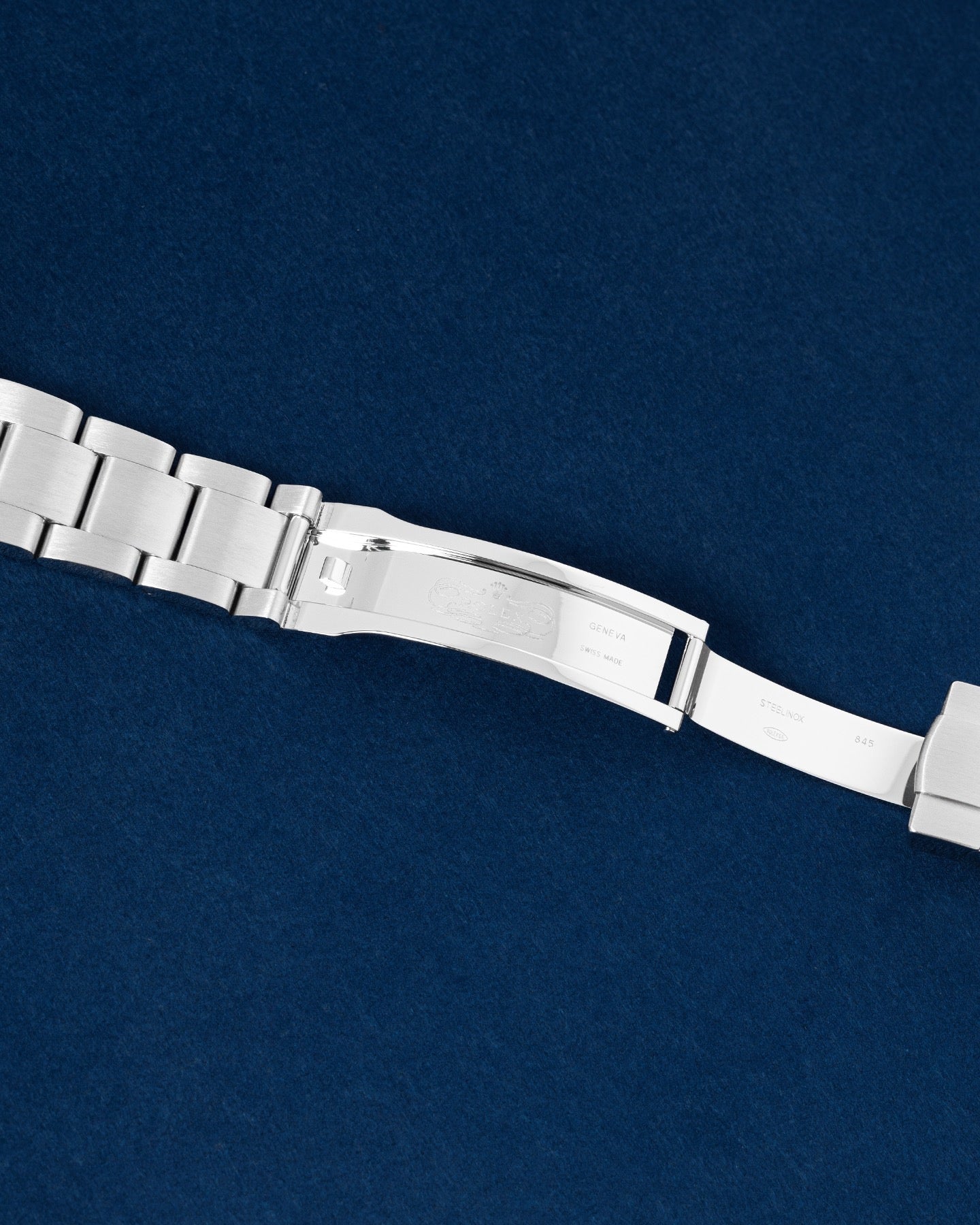
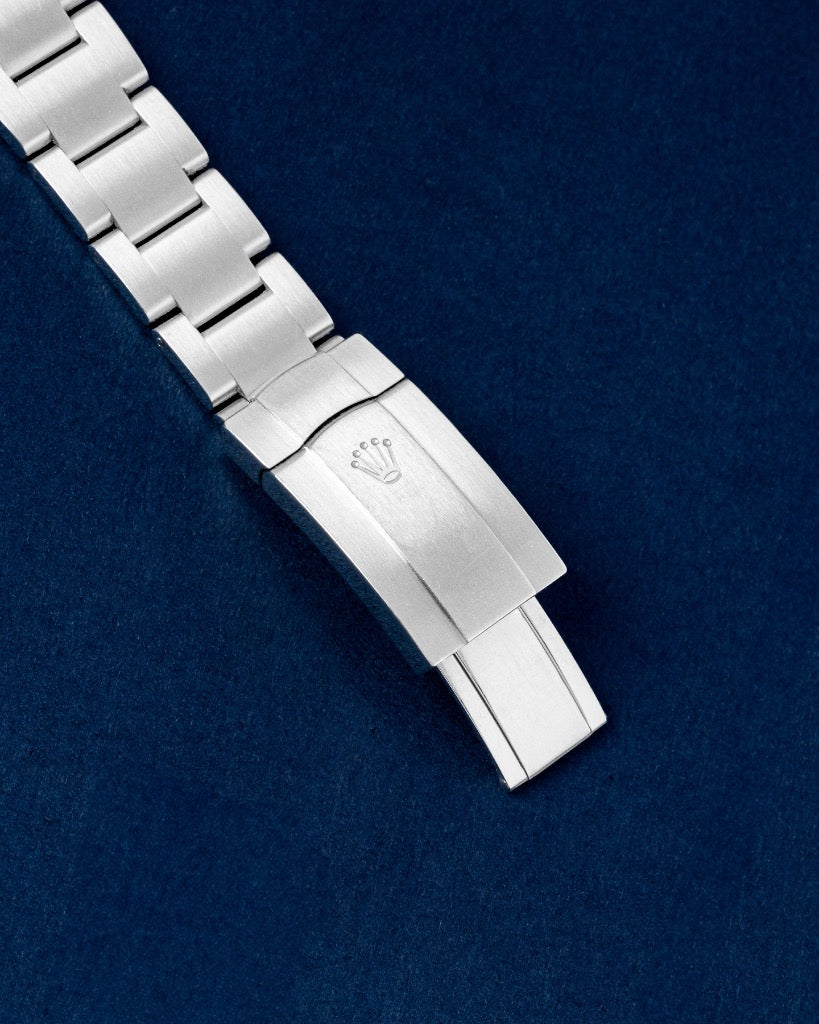
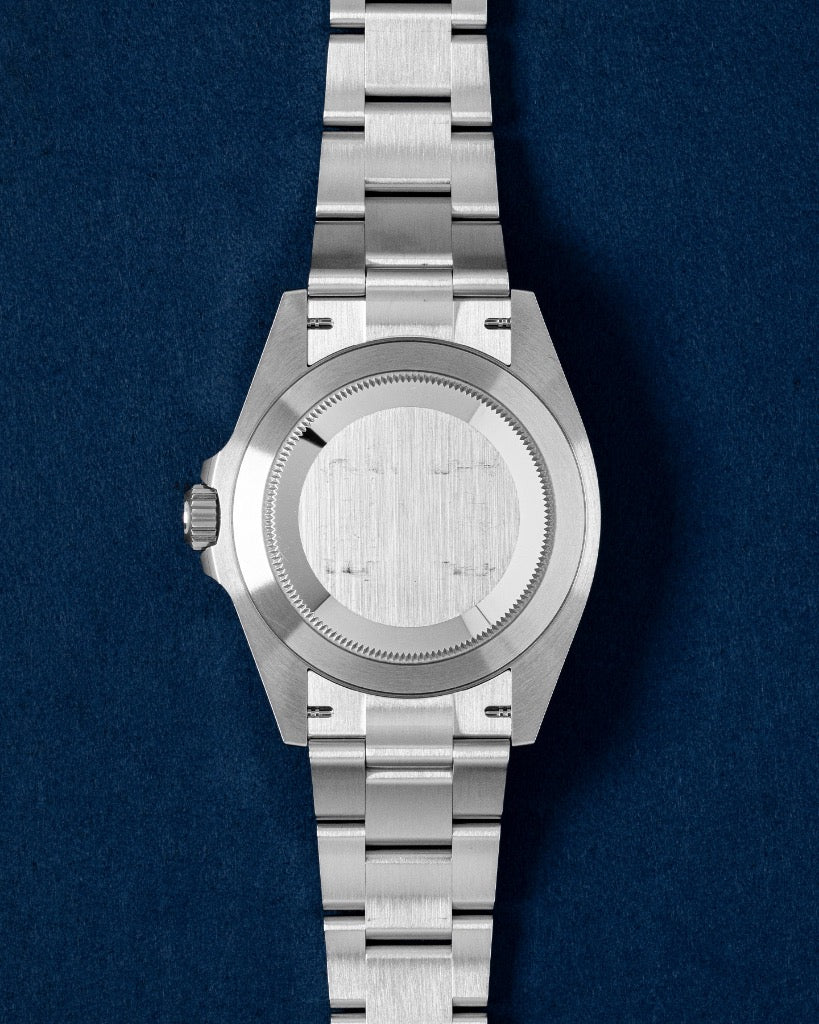
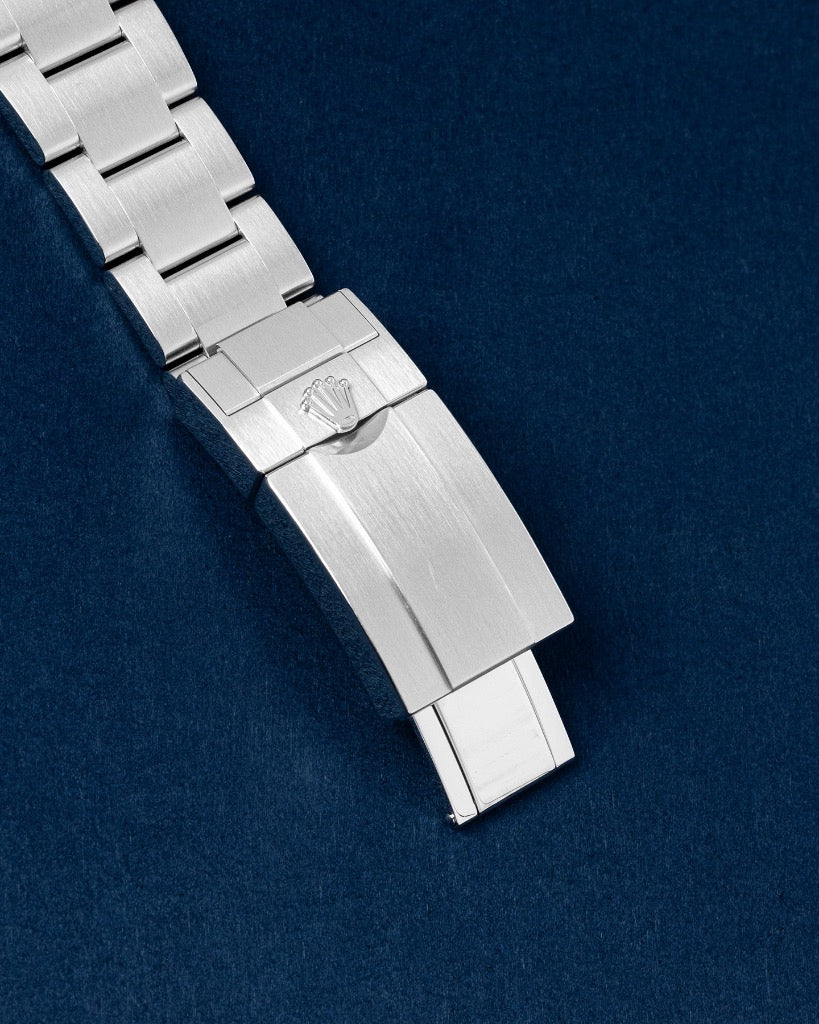
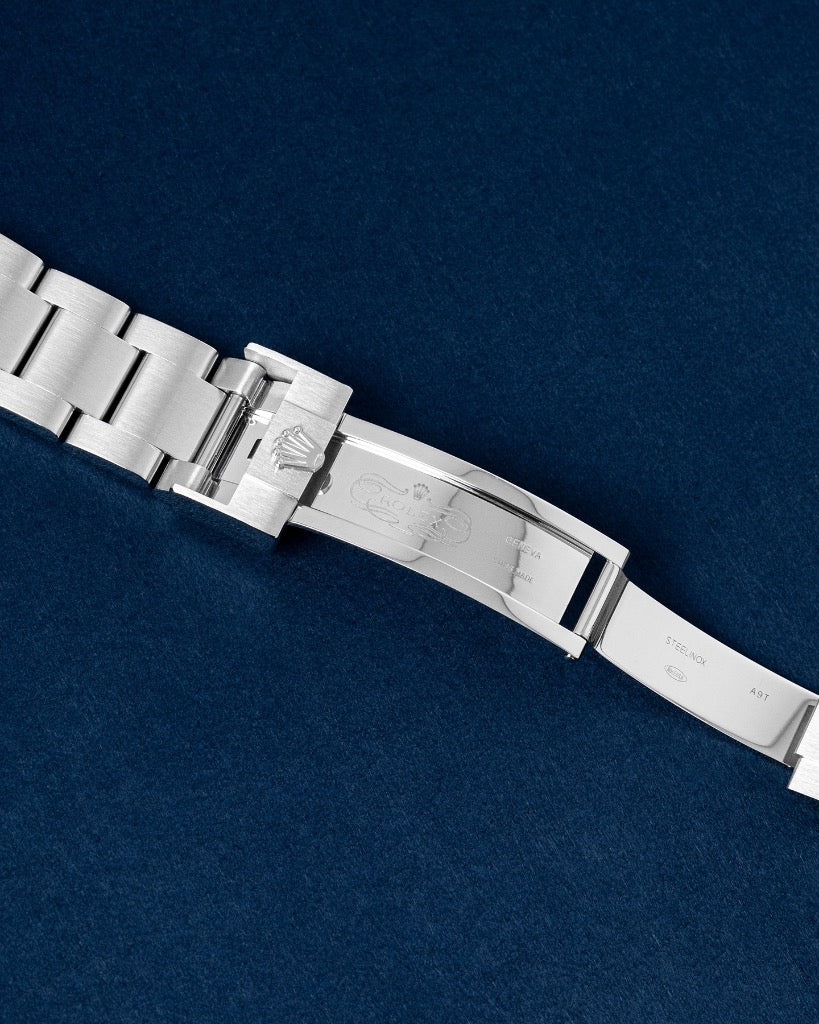
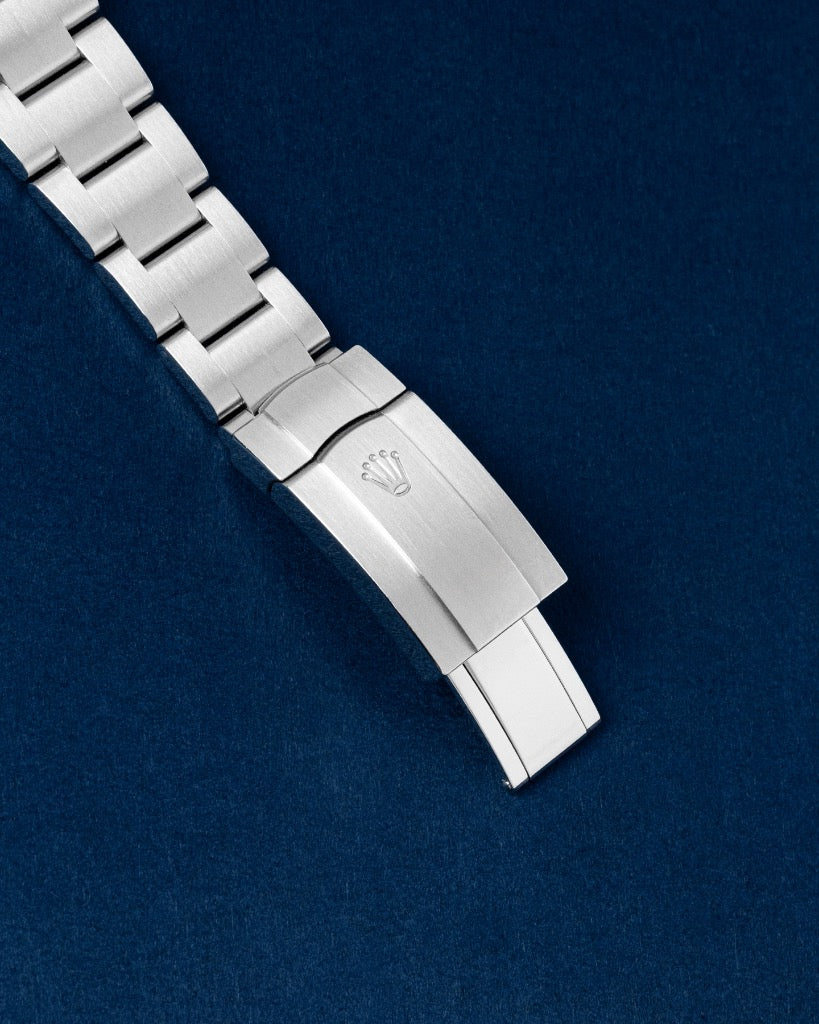
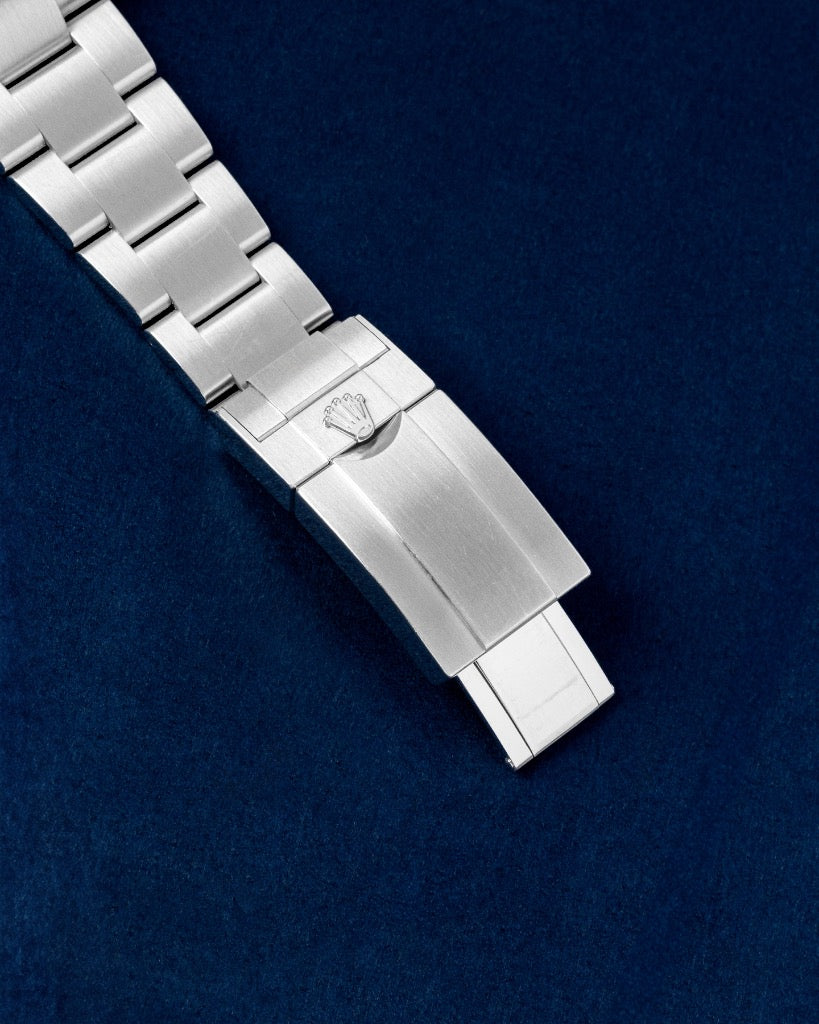
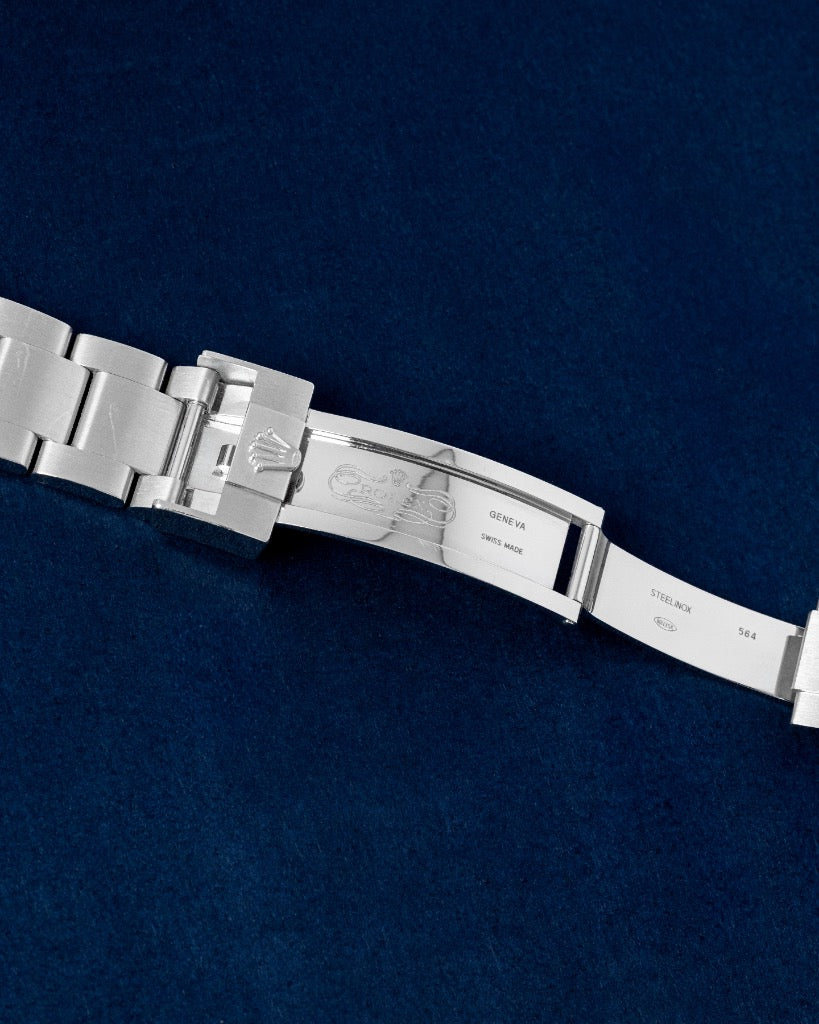
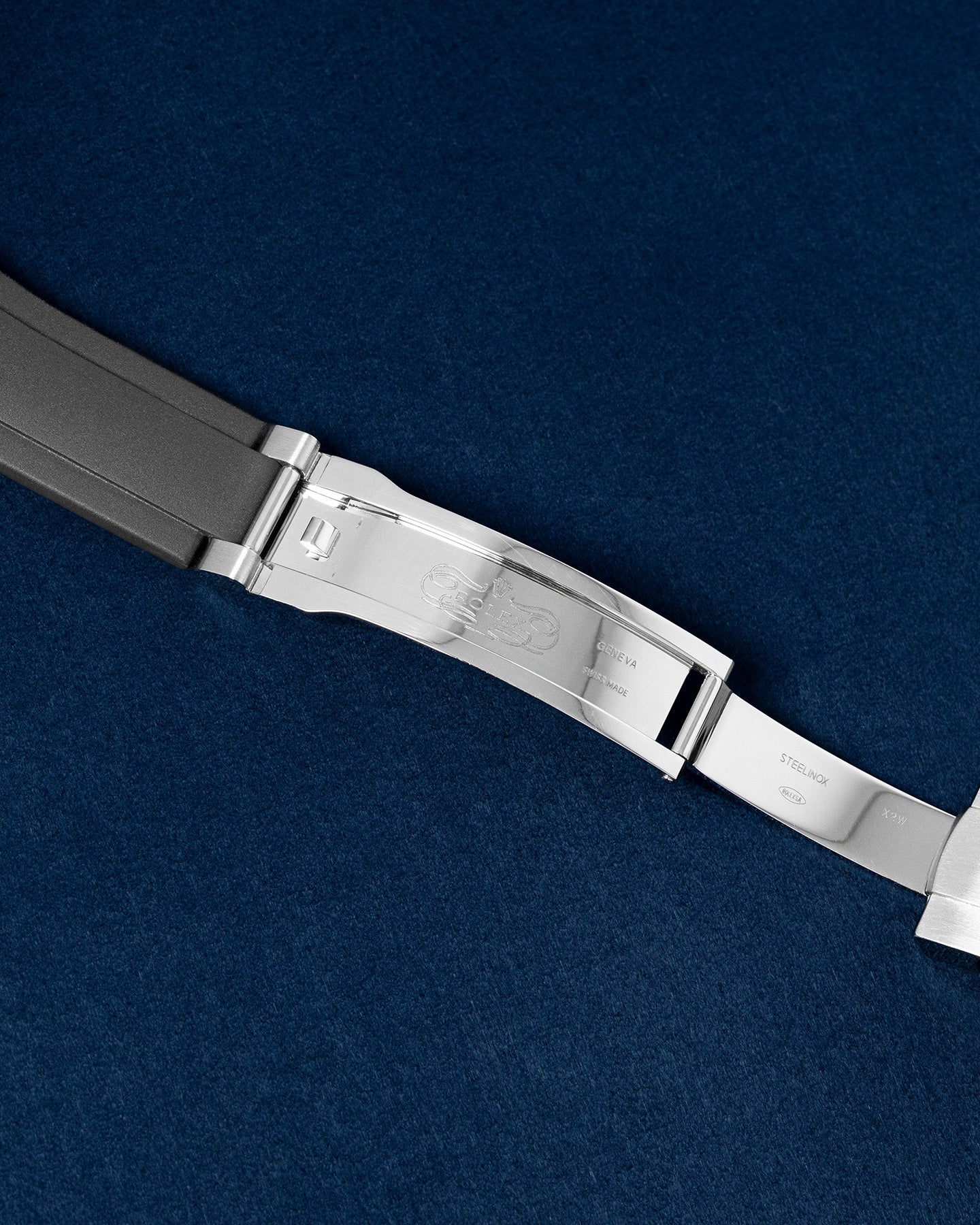
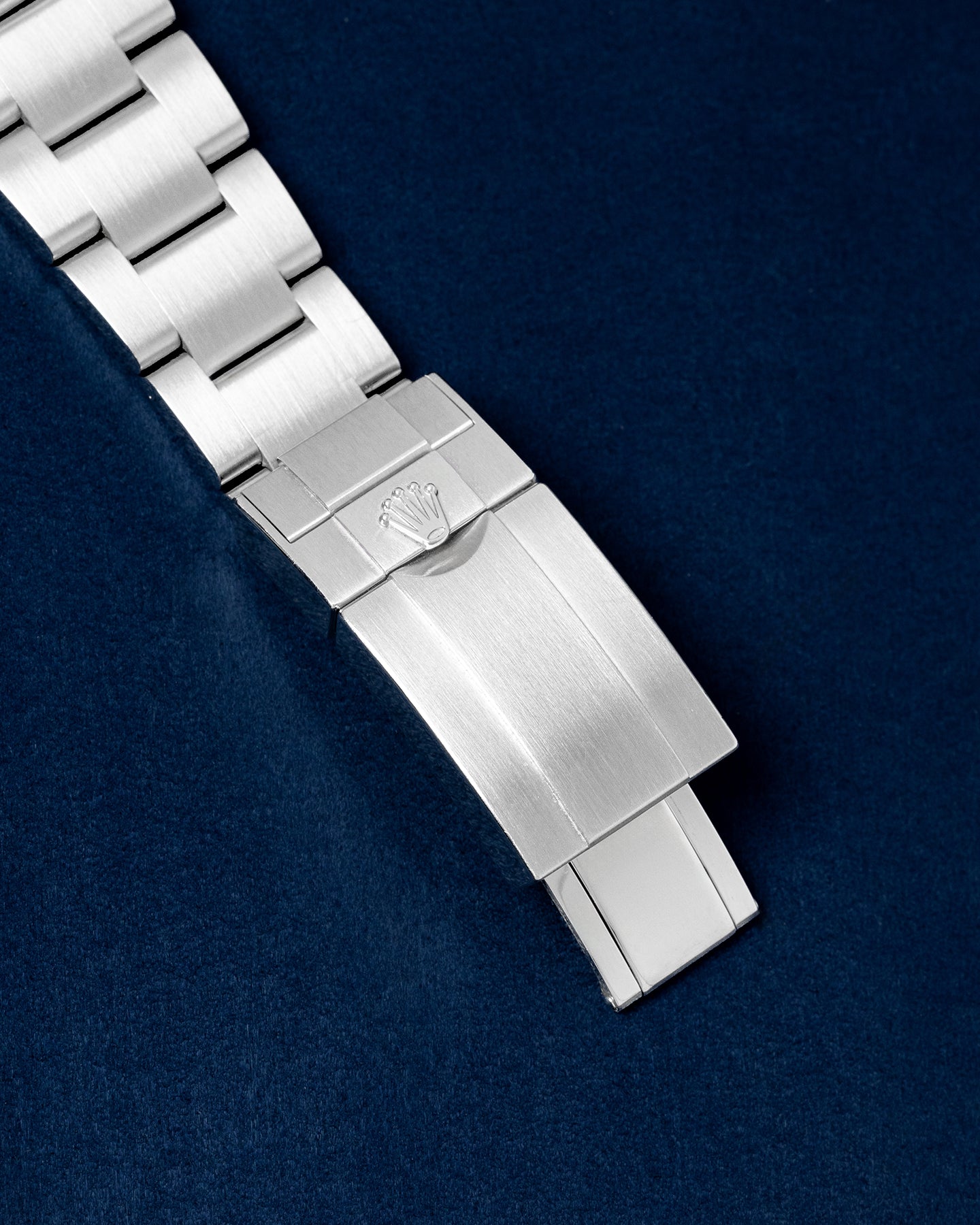
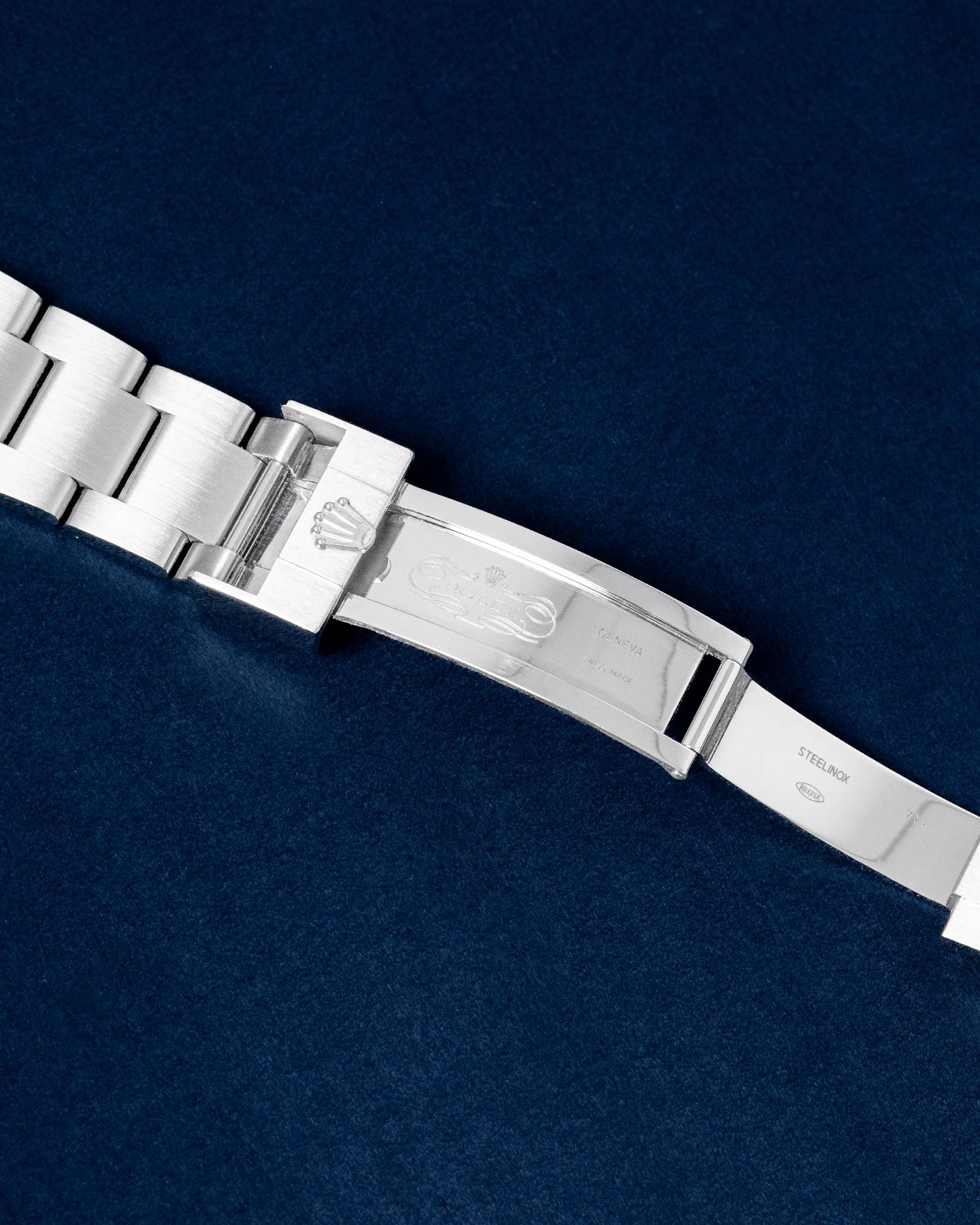
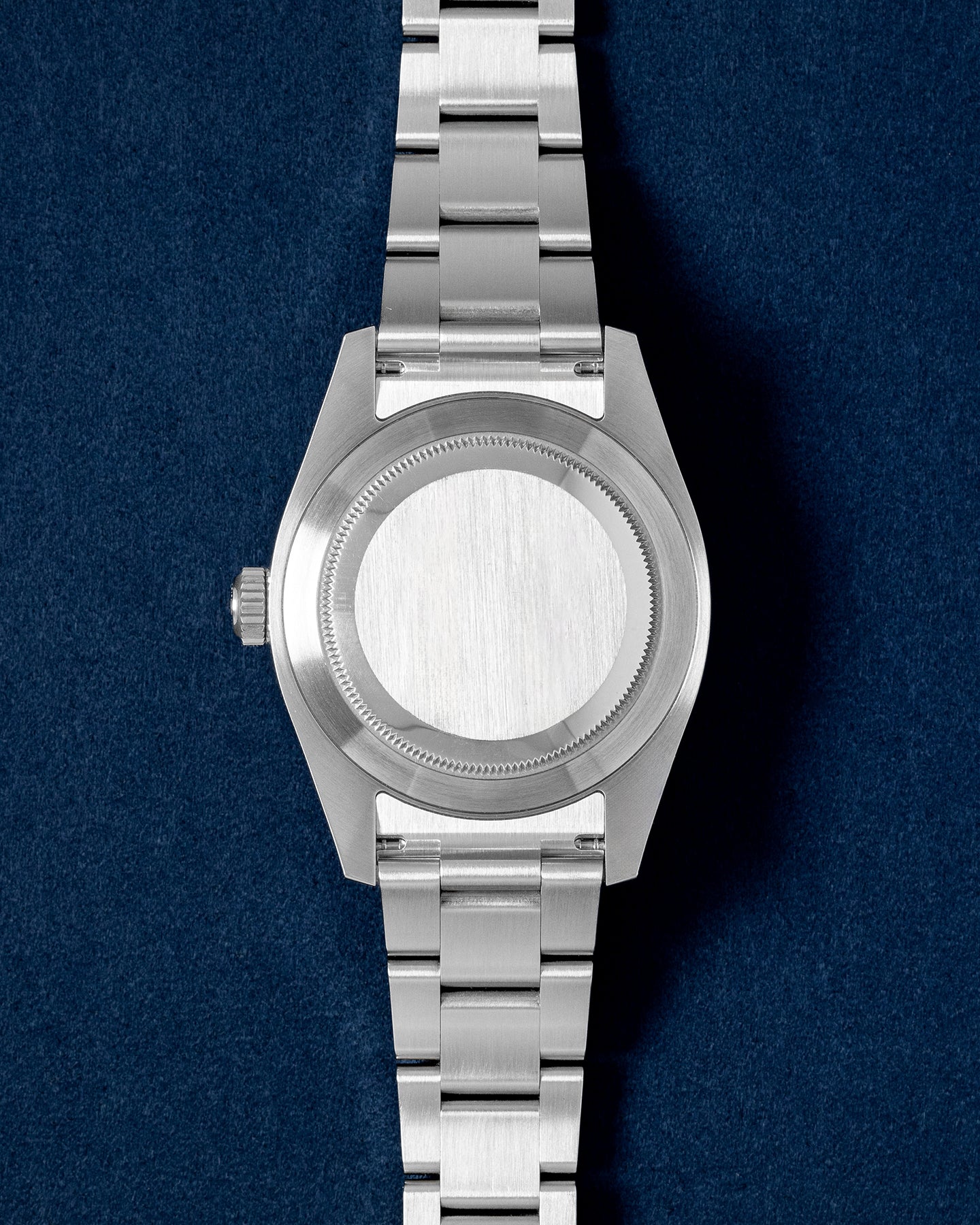
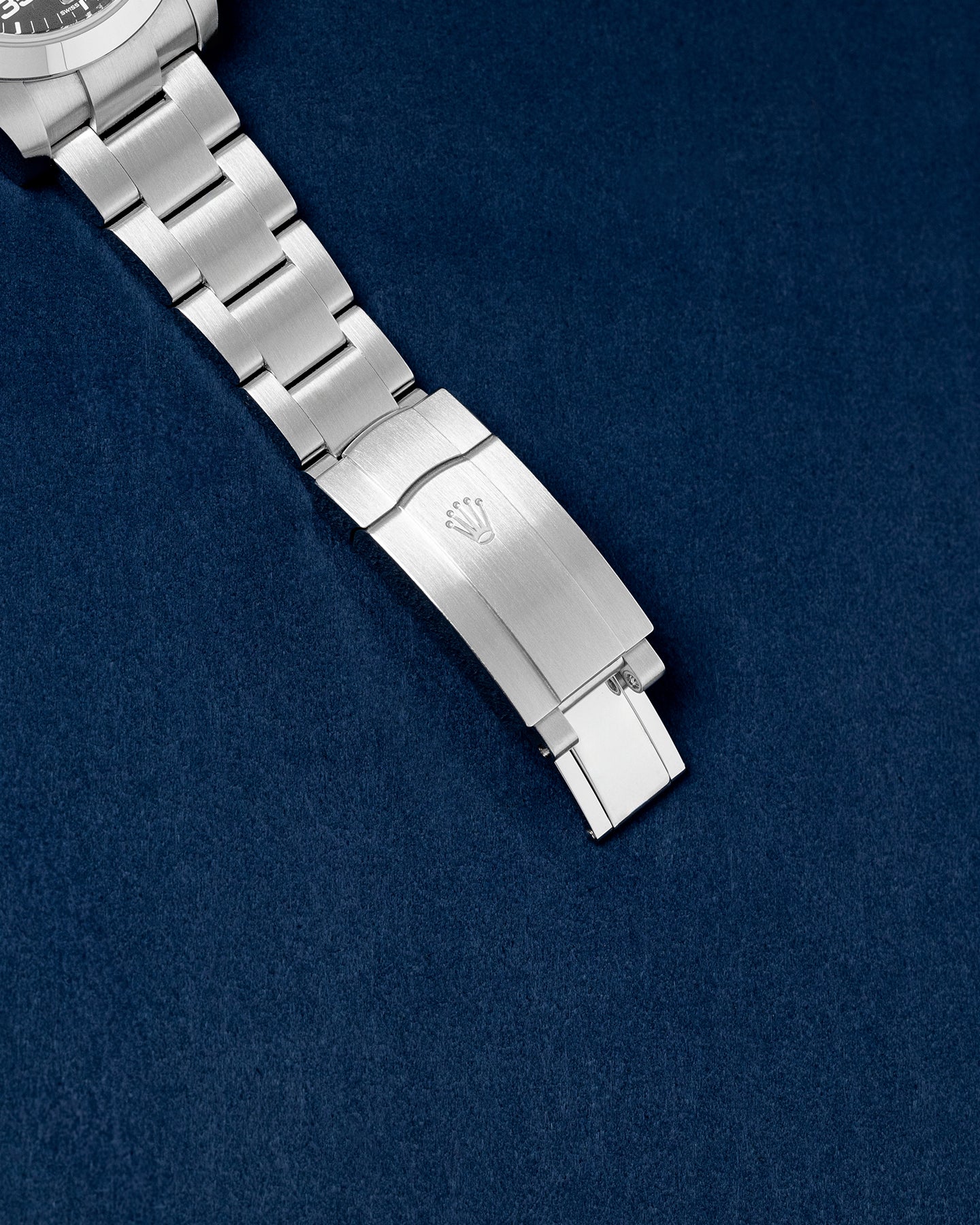
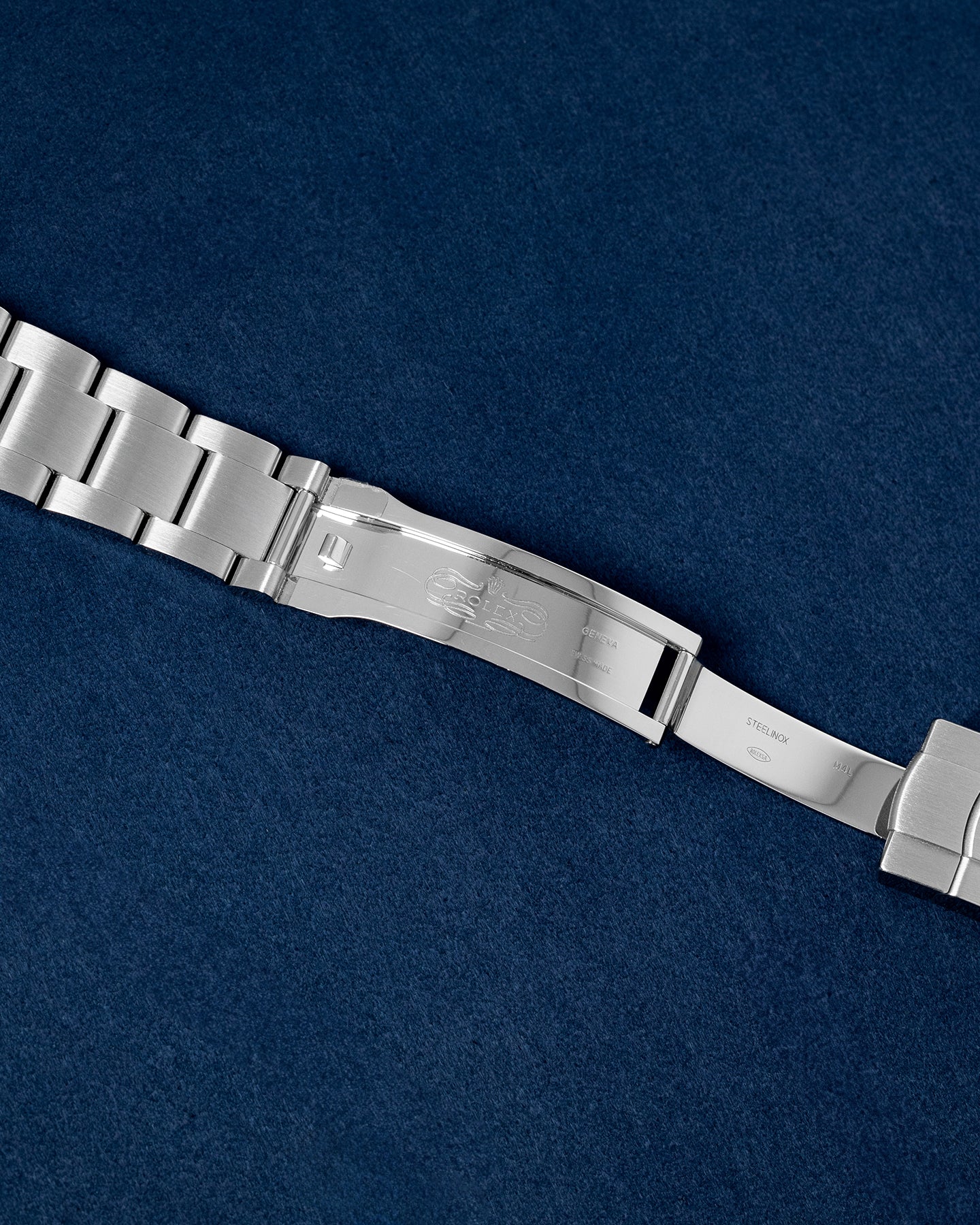
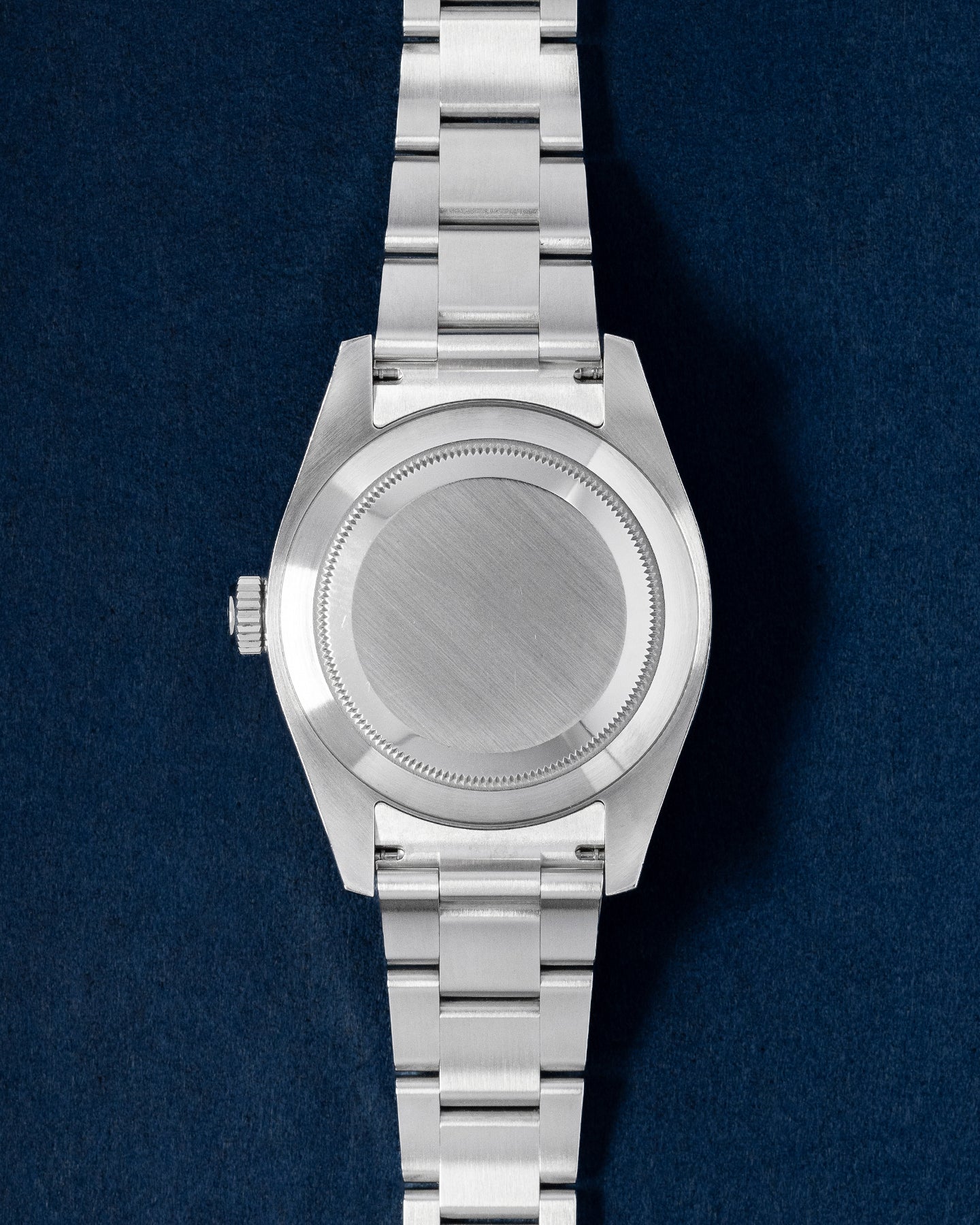
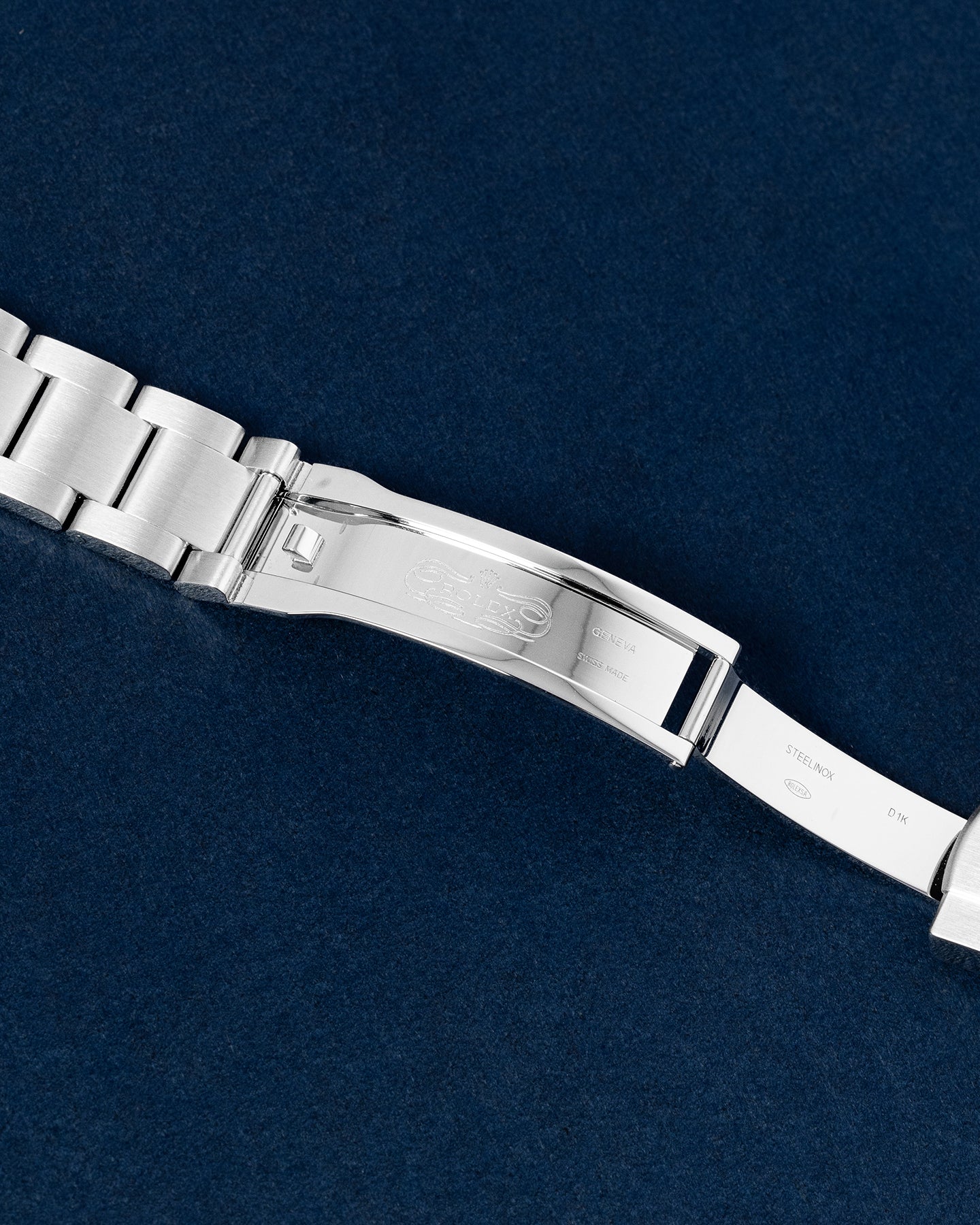
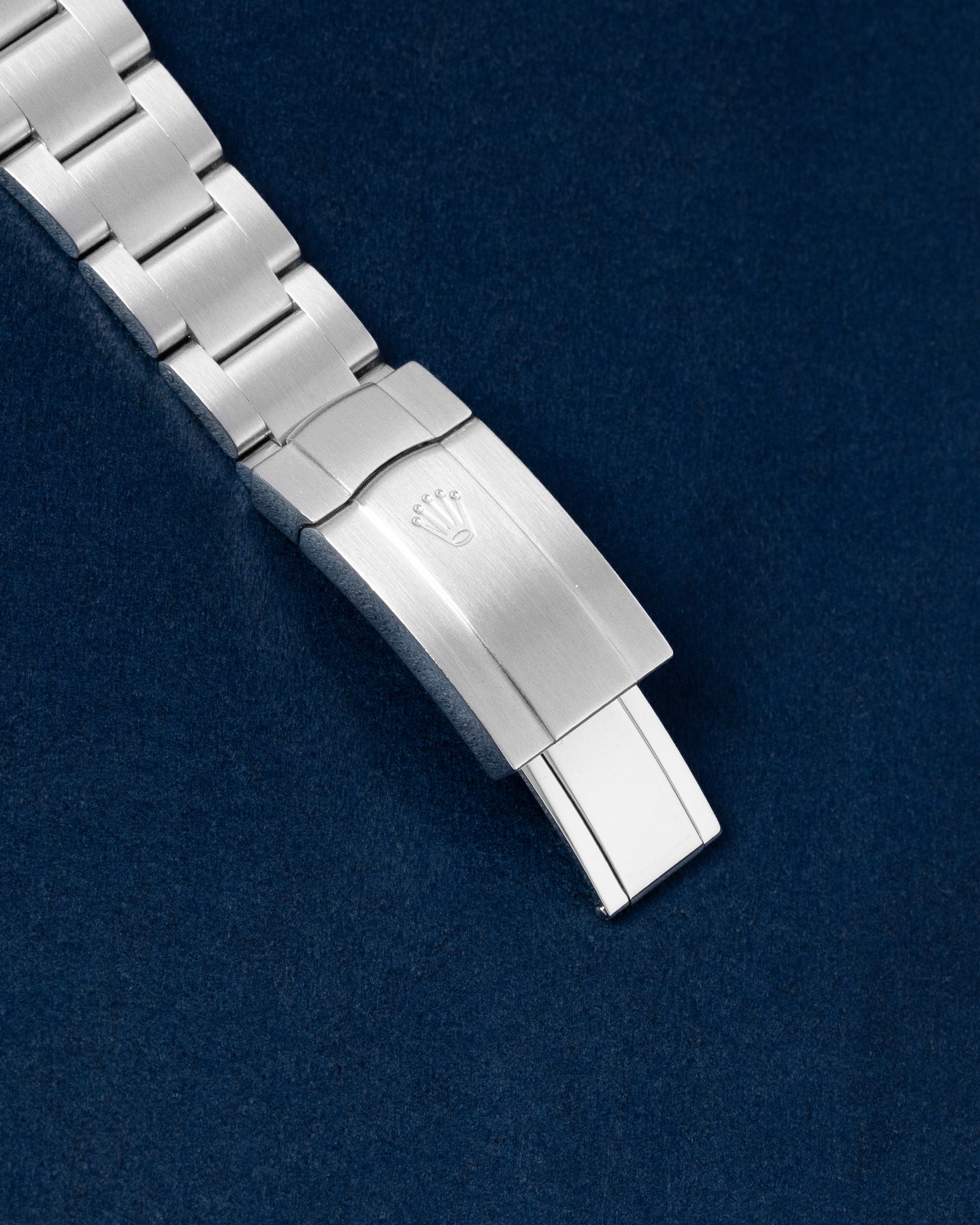
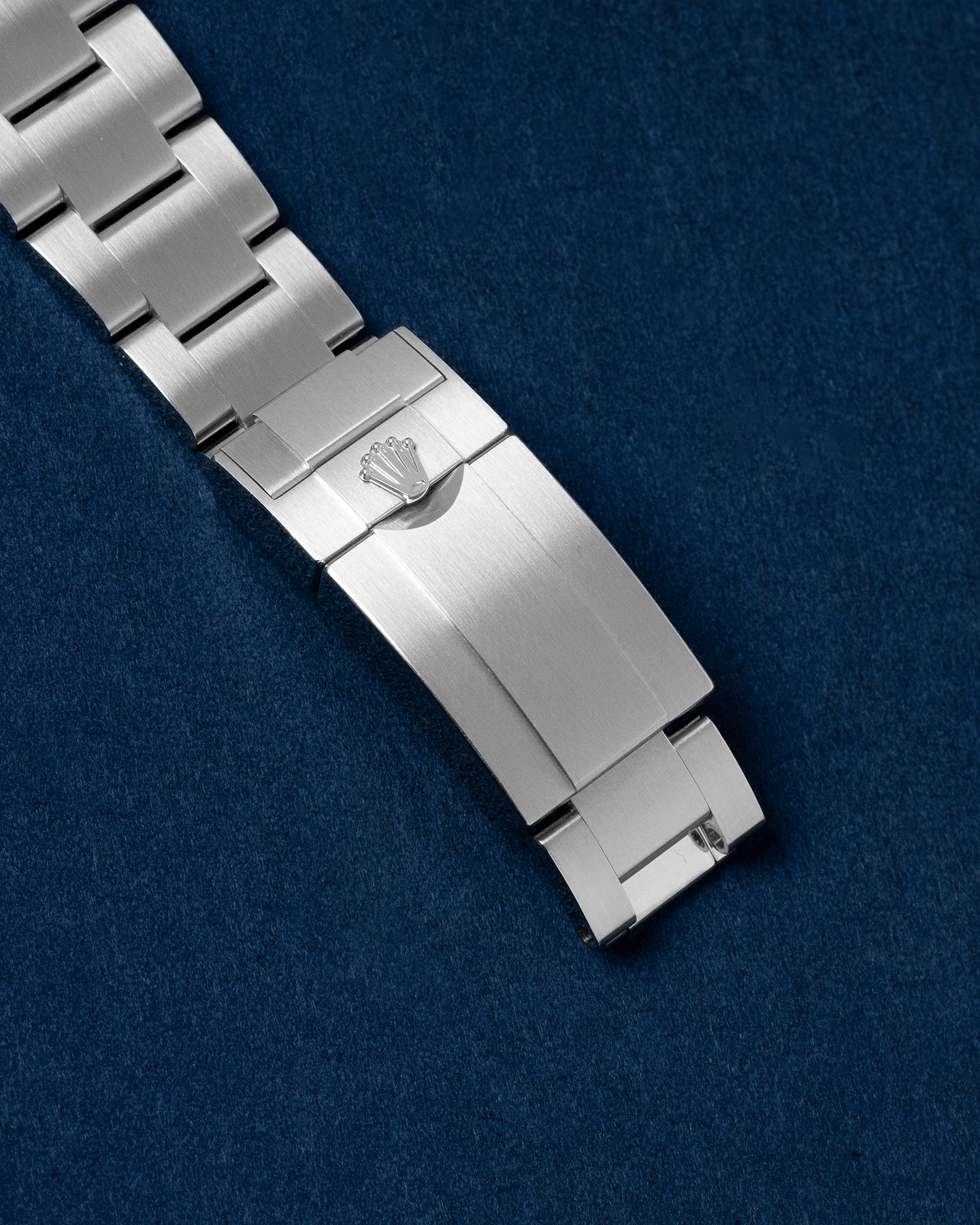
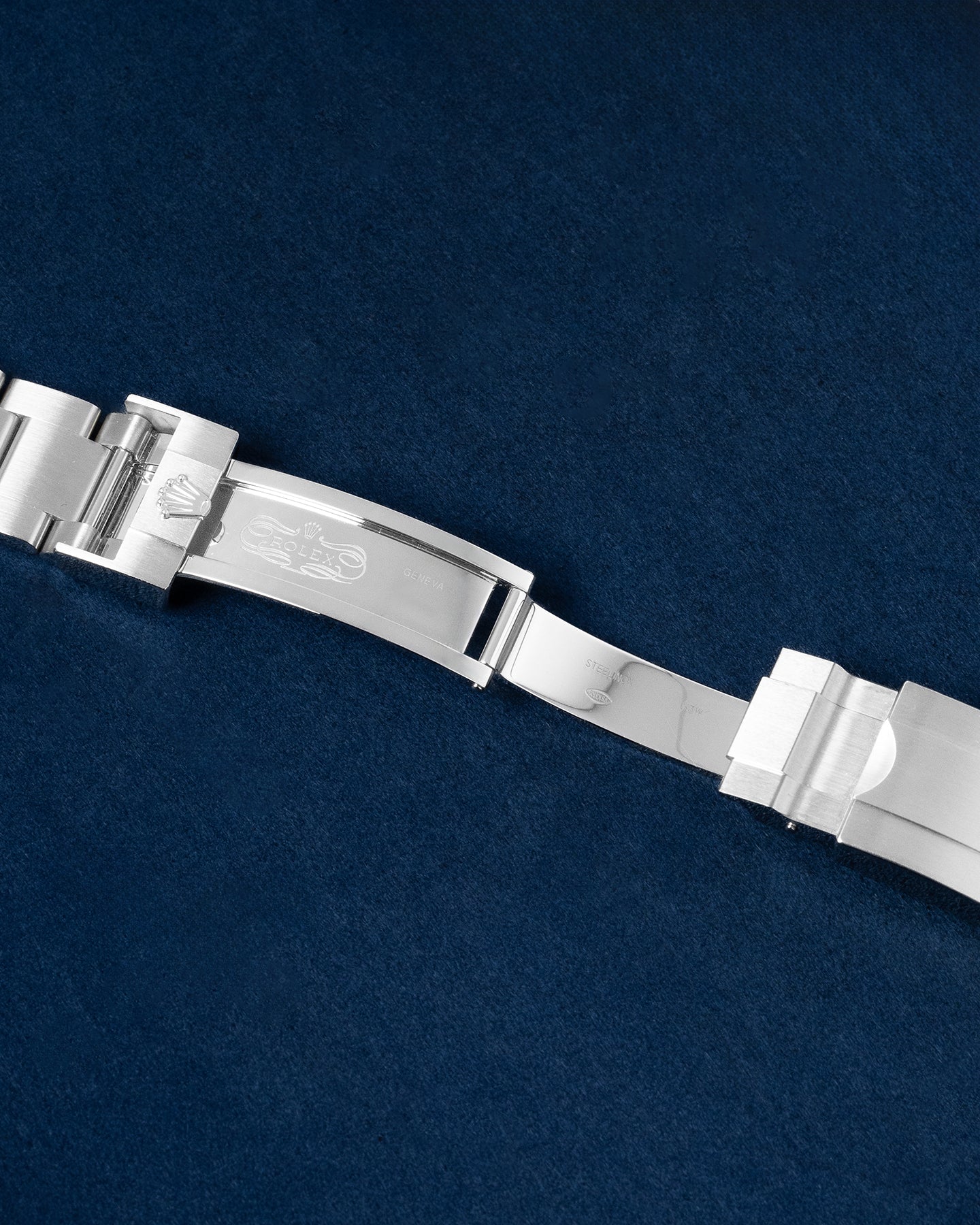
The most visible change is the case. For the first time in the history of the Rolex Air King, the 126900 features crown guards, the protective shoulders flanking the winding crown that formally place the model in Rolex's Professional lineup. The case is a new design specific to the Air-King rather than a borrowed Milgauss case, with a slimmer, more angular, slab sided profile that reads as a genuine sports watch where the 116900 wore more like a dressed up Oyster Perpetual. The bracelet was upgraded with slightly wider center links and the sturdy folding Oysterlock safety clasp with the Easylink 5mm extension, a genuine practical improvement that lets the wearer adjust the fit by five millimeters without tools as the wrist changes size through the day.
The difference in character between the two modern references is real and worth understanding before buying. The earlier 116900, with its smooth flanks and no crown guards, wears softer and dressier, closer to a dressed up Oyster Perpetual, while the current watch reads unmistakably as a sports watch. Neither is objectively better, and the choice comes down to which silhouette speaks to the buyer, but the crown guards mark the moment the modern Air-King fully committed to its professional identity.
The Caliber 3230 and the Dial Refinements
Inside, the 126900 upgraded to the caliber 3230, the time only member of Rolex's newest movement generation and a sibling of the caliber 3235 found in the Datejust and Submariner. The 3230 introduces the Chronergy escapement, made of nickel phosphorus to resist magnetism, retains the paramagnetic blue Parachrom hairspring and Paraflex shock absorbers, and delivers a 70 hour power reserve, up from the 48 hours of the outgoing caliber 3131, all with Superlative Chronometer certification at negative two to positive two seconds per day after casing. The dial was refined too, with Chromalight luminescent material added to the 3-6-9 numerals so they glow in the dark, and a 0 added before the 5 on the minute scale for better visual balance. The current Rolex Air King is a single reference line, offered in one configuration, which gives it a focused, purposeful identity.
Rolex Air-King Design and Identity
The Purist Steel Rolex
Across its long history the Rolex Air King has always stood for a particular idea, an honest, legible, understated steel Rolex without a date, a bezel complication, or any pretension. Even through its dramatic modern reinvention, that core identity has held. The name itself, the reference to flight, and the clean, instrument like dials all reinforce the model's genuine connection to aviation, a connection Rolex has honored consistently from the wartime tribute of 1945 to the pilot focused antimagnetic specification of the current watch.
That consistency of purpose is unusual in a catalogue where most models have been repositioned or restyled repeatedly. Even the dramatic jump to 40mm and the Bloodhound dial can be read as a return to first principles rather than a departure, since a legible, antimagnetic, aviation minded tool watch is exactly what an Air-King honoring RAF pilots always aspired to be. The through line from the plain 1945 original to the instrument dialed watch of today is the idea of an honest, purposeful Rolex without ornament.
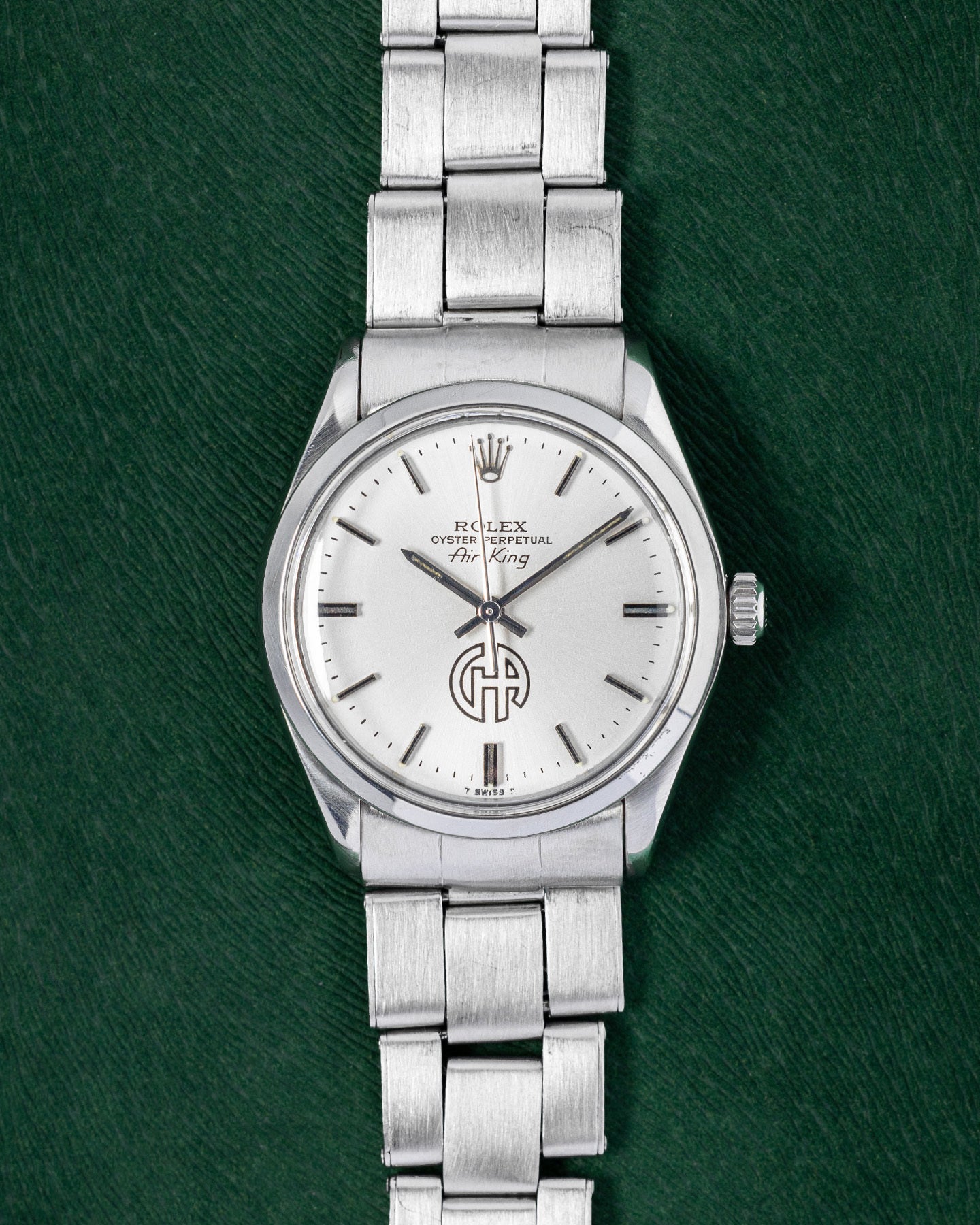
The Rolex Air King has also long been the model Rolex used for special dial commissions and corporate gift programs, precisely because it was the accessible everyman Rolex.
Commissioned and Corporate Dials
Vintage 5500 examples turn up with the logos of companies like Domino's Pizza on the dial, and pilots' associations and airlines such as Pan Am gave them to retiring aviators. These commissioned dials are a charming and collectible corner of the vintage Rolex Air King market, and they underline the model's identity as the approachable, real world Rolex rather than a status symbol.
Rolex Air-King Movements Across the Generations
The movement history of the Rolex Air King tracks the evolution of Rolex's automatic calibers across seven decades. The earliest references ran hand wound movements, the caliber 10.5 of the 1945 4925 and 4499. Self winding arrived in 1953 with the caliber 1030 in the 6552. The long lived 5500 ran the calibers 1520 and 1530, workhorse movements that powered a huge share of Rolex's mid century output. The modernized 14000 introduced the caliber 3000 in 1989, and the 14000M and the 114200 generation moved to the caliber 3130.
The modern 40mm era brought the model's most interesting movements. The 116900 carried the antimagnetic caliber 3131 shared with the Milgauss, and the current 126900 runs the caliber 3230 with its Chronergy escapement and 70 hour reserve. This progression, from a simple hand wound caliber to a modern antimagnetic chronometer, tells the whole story of the Rolex Air King in miniature, and it is part of why the model rewards close study. It is a rare thing for a single model name to span hand wound, early automatic, mid century workhorse, and cutting edge modern movements while keeping one consistent identity, and the Rolex Air King does exactly that. Whichever generation a buyer chooses, the movement inside a Rolex Air King is a genuine in house Rolex caliber built to run for decades with proper care.
Rolex Air-King vs Comparable Watches
Buyers considering the Rolex Air King are usually weighing it against its closest siblings in the catalogue, the time only steel Rolex references that occupy a similar space. The comparisons below address the questions we hear most often in the showroom.
Rolex Air-King vs Oyster Perpetual
The Oyster Perpetual is the Air-King's closest relative, and for much of the vintage era they literally shared a case and movement. The modern distinction is clear. The Oyster Perpetual is offered in a range of sizes and bright dial colors as the purest expression of the Oyster concept, while the Rolex Air King is a single 40mm antimagnetic reference with an instrument dial and a specific aviation identity. A buyer choosing between them is weighing the Oyster Perpetual's clean versatility against the character and technical purpose of the Rolex Air King.
Rolex Air-King vs Explorer
The Explorer is the other natural cross shop, and the two are deeply linked, since the modern Air-King borrows the Explorer's 3-6-9 dial layout and the vintage 5500 was sometimes sold with an Explorer dial. Both are honest, time only, tool oriented steel Rolexes rooted in mid century history. The Explorer leans into its mountaineering and exploration heritage with a cleaner dial, while the Rolex Air King carries the busier instrument dial and the antimagnetic case. For the buyer drawn to legible, no nonsense Rolex sport watches, both deserve consideration.
Rolex Air-King vs Milgauss
The Milgauss is the Air-King's technical twin, since the 116900 shared its case and antimagnetic caliber 3131. The Milgauss leans further into the antimagnetic theme with its lightning bolt seconds hand and, on the GV models, a green sapphire crystal, and it has always carried a higher price and more collector cachet. With the Milgauss now discontinued, the Rolex Air King has become the most accessible way into an antimagnetic Rolex, which is a meaningful part of its current appeal for the technically minded buyer.
The antimagnetic story is more than a talking point. Modern life is full of magnetic fields, from laptops and phones to speakers and tablet covers, and magnetism is one of the most common causes of a mechanical watch running fast. The soft iron shield that the 116900 inherited from the Milgauss genuinely protects the movement, and while the current 126900 relies more on the paramagnetic materials in its caliber than a full shield, the whole line retains a real resistance to magnetism that suits its pilot heritage and rewards an owner who actually wears the watch hard.
Rolex Air-King Pricing and the Secondary Market
Trading Near Retail
The Rolex Air King occupies an unusual and, for buyers, genuinely attractive position in the market. It is one of the few current production Rolex sport watches that trades near or even below its retail price on the secondary market, rather than at the large premiums that define the Submariner, the GMT-Master II, and the Daytona. That means a buyer is paying for the watch itself rather than a hype premium, which makes the Rolex Air King one of the most sensible value propositions in the entire modern Rolex catalogue.
Current production 126900 examples generally trade in the region of 7,500 to 9,000 dollars, close to the official retail price, which rose to around 8,150 dollars with the early 2026 increase. The discontinued 116900, available only pre-owned, sits in a similar range, typically a little below the current model, and retains its own following for the original Bloodhound design and the Milgauss derived caliber 3131. The 114200 and 114234 generation offers strong value, generally in the mid four to low five figure range depending on dial and bezel, with the white gold fluted bezel 114234 sitting at the upper end. Vintage 5500 references remain among the most accessible ways into vintage Rolex ownership at all, frequently trading between roughly 3,000 and 6,000 dollars, with rarer dial variants and gold examples commanding more.
The Vintage 5500 Value Story
The vintage Rolex Air King 5500 deserves special mention as one of the least expensive vintage Rolex references of all time, which makes it an ideal gateway into vintage brand ownership. A clean standard steel example can often be found in the low thousands, while rarer dials and the Explorer branded 5500 command significant premiums. That accessibility is remarkable when you consider that this is a genuine vintage Rolex with real history and an in house automatic movement, the kind of watch that in most other references would cost several times as much. Auction results underline the ceiling: Phillips has sold exceptional Explorer dial 5500 examples with Super Precision text for figures in the tens of thousands of Swiss francs, several times their estimates. Those results are the exception rather than the rule, driven by rare dial configurations and impeccable originality, but they show how much upside exists at the very top of the vintage market for the right example. For most buyers, though, the 5500 remains a genuinely attainable piece of Rolex history, and that accessibility is central to the enduring appeal of the vintage Rolex Air King.
Rolex Air-King as an Investment and Ownership Proposition
The Rolex Air King is best understood as a watch to wear and enjoy that also happens to represent one of the safer, more rational entry points into Rolex ownership. Because the modern references trade near retail rather than at inflated premiums, a buyer is far less exposed to the volatility that affects the hyped steel sports models, and the downside risk is correspondingly lower. The model's long history, its status as the last survivor of the Air series, and its genuine technical specification all provide a solid foundation of desirability.
On the vintage side, the 5500 and the earliest references have shown steady, slow appreciation, and the model's relative obscurity means it still flies under the radar compared with the Submariner or the Datejust, which many collectors see as opportunity. The dial variant is the single biggest factor in vintage value, and the difference between a common silver dial and a rare configuration or an Explorer branded example can be several multiples, so knowledge genuinely pays. As with any watch, condition, originality, and completeness drive value, and the vintage Rolex Air King market places a real premium on original dials, correct hands, and unpolished cases. A buyer approaching the Rolex Air King for the right reasons, for its history, its honesty, and its value, is unlikely to be disappointed, and Grand Caliber prices every example openly to the current market.
It is also worth remembering that the Air-King has already been discontinued once, in 2014, before its 2016 return, which is a reminder that availability is never guaranteed. The current single reference line could be revised or replaced at any point, and history suggests that clean examples of a discontinued Rolex generation tend to hold their value well once production ends. None of this should drive a purchase on its own, but it adds a rational floor beneath a watch that is already sensibly priced.
Authenticating and Servicing a Rolex Air-King
Authenticating a Rolex Air King requires knowledge of the model's long and layered reference history, because the same reference numbers sometimes appear across the Air-King, the Oyster Perpetual, and the Explorer, and the vintage 5500 in particular carries a wide range of dials, hands, and configurations. Every genuine watch carries correct reference and serial numbers, and the case, dial, hands, and movement should all be consistent with the specific reference and its production period. On vintage examples, originality of the dial and hands has a major effect on value, and reproduced or redialed pieces are a real risk, so professional verification matters. A complete set with box and papers aids both authentication and value, particularly on the modern references.
The overlap with the Oyster Perpetual and the Explorer during the 5500 era is the single trickiest area for a buyer, because a case and movement that are entirely correct can wear a dial from a related model, and telling an honest factory configuration from a later swap takes a trained eye and reference knowledge. Service dials, relumed dials, and refinished examples are all common on watches this old, and each affects value differently. This is exactly why buying a vintage example through a specialist who documents condition openly matters so much more than buying on a photograph alone.
In service terms, the Rolex Air King is a robust and straightforward watch to maintain. Rolex recommends servicing on the order of every ten years for modern references, though many owners service more frequently depending on use, and a full service involves disassembly, cleaning, inspection, fresh lubrication, reassembly, and regulation, with pressure testing to confirm water resistance. The workhorse movements across the model's history are well understood by Rolex trained watchmakers, which keeps the Rolex Air King practical to own for the long term. Water resistance on the Oyster case is genuinely useful in daily life, and a periodic pressure test keeps it reliable as gaskets age. Every Rolex Air King sold by Grand Caliber is authenticated in house before listing, so buyers do not rely on visual checks alone.
Selling or Consigning Your Rolex Air-King
Grand Caliber buys and consigns the Rolex Air King across every generation, from the current 126900 and the discontinued 116900 to the transitional 114200 references, the 14000 and 14000M generation, and the vintage 5500 and its 550X relatives. The value drivers are specific. Original dials, correct hands, unpolished cases, box and papers, and desirable dial variants all strengthen an example, and on the modern references a complete set in excellent condition is the sweet spot. On vintage pieces, the dial variant can make an enormous difference, with rarer configurations and the Explorer branded 5500 commanding the strongest interest. Gold and gold capped 550X examples, original bracelets, and commissioned corporate or crest dials all carry their own premiums, and an original unpolished case with sharp lugs will always outperform a heavily refinished one.
We offer two routes. An outright purchase gives you immediate liquidity at a fair market number, and consignment lets us place the watch with the right buyer for a higher net return over a slightly longer horizon. Because the Rolex Air King appeals to a knowledgeable community that specifically values its history and honesty, matching a given reference to the right buyer is where a specialist dealer earns its place. We handle authentication, photography, market positioning, and secure insured shipping. If you have a Rolex Air King to sell, call or email the Dallas showroom and we will give you an honest assessment of where it sits in the current market.
The Rolex Air-King at Grand Caliber in Uptown Dallas
Grand Caliber sits in Uptown Dallas at 2811 McKinney Avenue, in the corridor that has become the address for serious watch buying outside the authorized dealer network. The watches on our floor are authenticated in house, the prices are posted openly, and the Rolex Air King inventory rotates across the full catalogue. The current 40mm 126900, the discontinued 116900 with its Milgauss derived movement, the transitional 34mm 114200 and 114234 references, the long running 14000 and 14000M generation, and vintage 5500 examples when the condition and originality support the price. We also source the earlier hand wound references and the rarer 550X variations for collectors on request.
There is no allocation conversation at Grand Caliber. No purchase history requirement. No waitlist. Unlike the hyped steel sports references, the Rolex Air King is a watch you can simply buy, and if the specific reference you are looking for is in our case, it is yours today. If it is not, our sourcing network covers the major secondary markets in the United States and internationally, and we can typically locate a verified example quickly. We also buy Rolex Air King watches outright and take consignments, with free shipping and full insurance on outbound and inbound transit and national coverage for clients buying remotely.
Visit the showroom Monday through Friday, 10am to 5pm Central, or by appointment on Saturday. Call (214) 225-7198, email info@grandcaliber.com, or browse current Rolex Air King inventory at grandcaliber.com. Whether you are buying your first Rolex Air King, hunting a vintage 5500 or a discontinued Bloodhound, or selling a piece you already own, Grand Caliber is a trusted source for new and pre-owned Rolex Air King watches backed by in house authentication and transparent pricing.
Vintage
Vintage
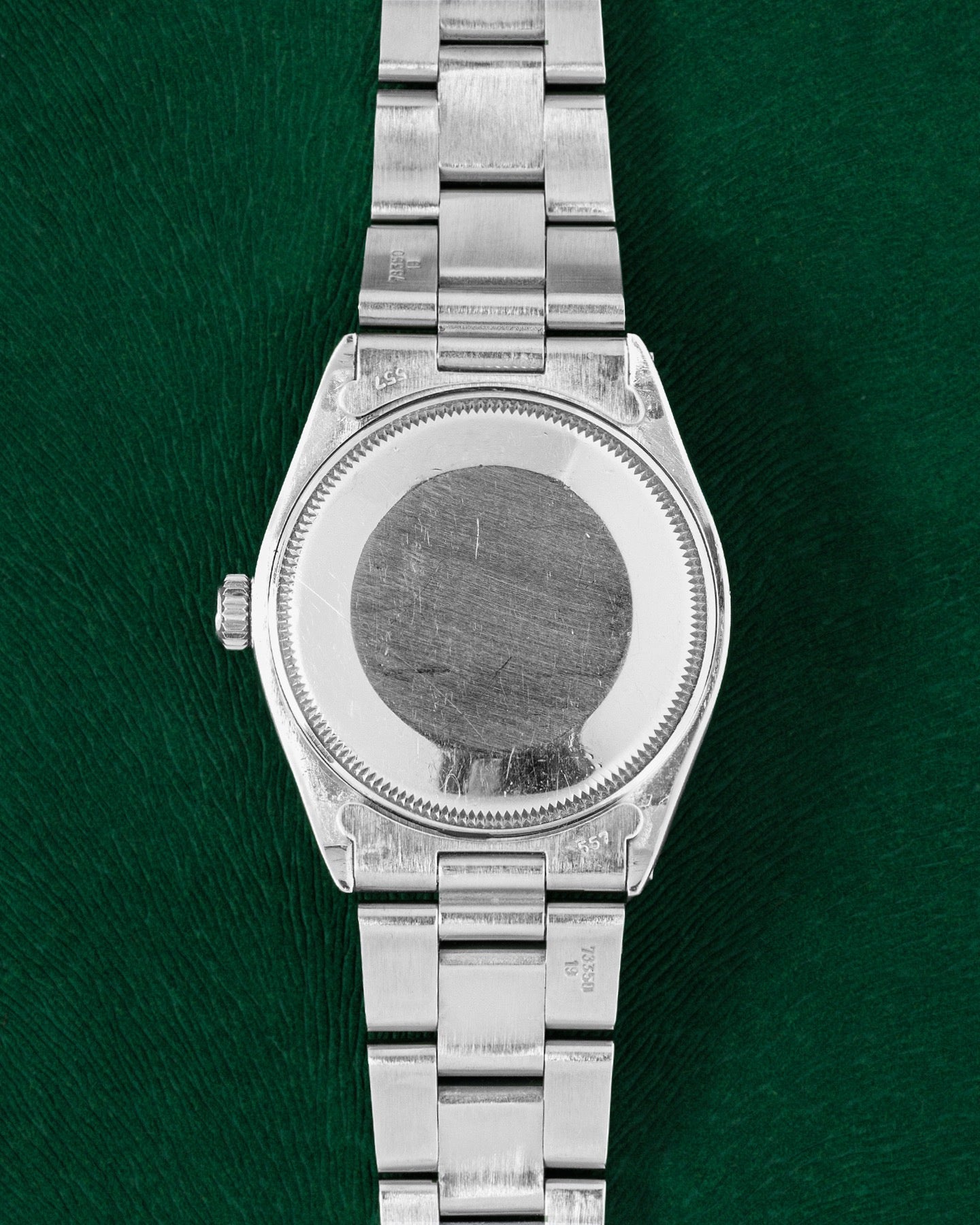
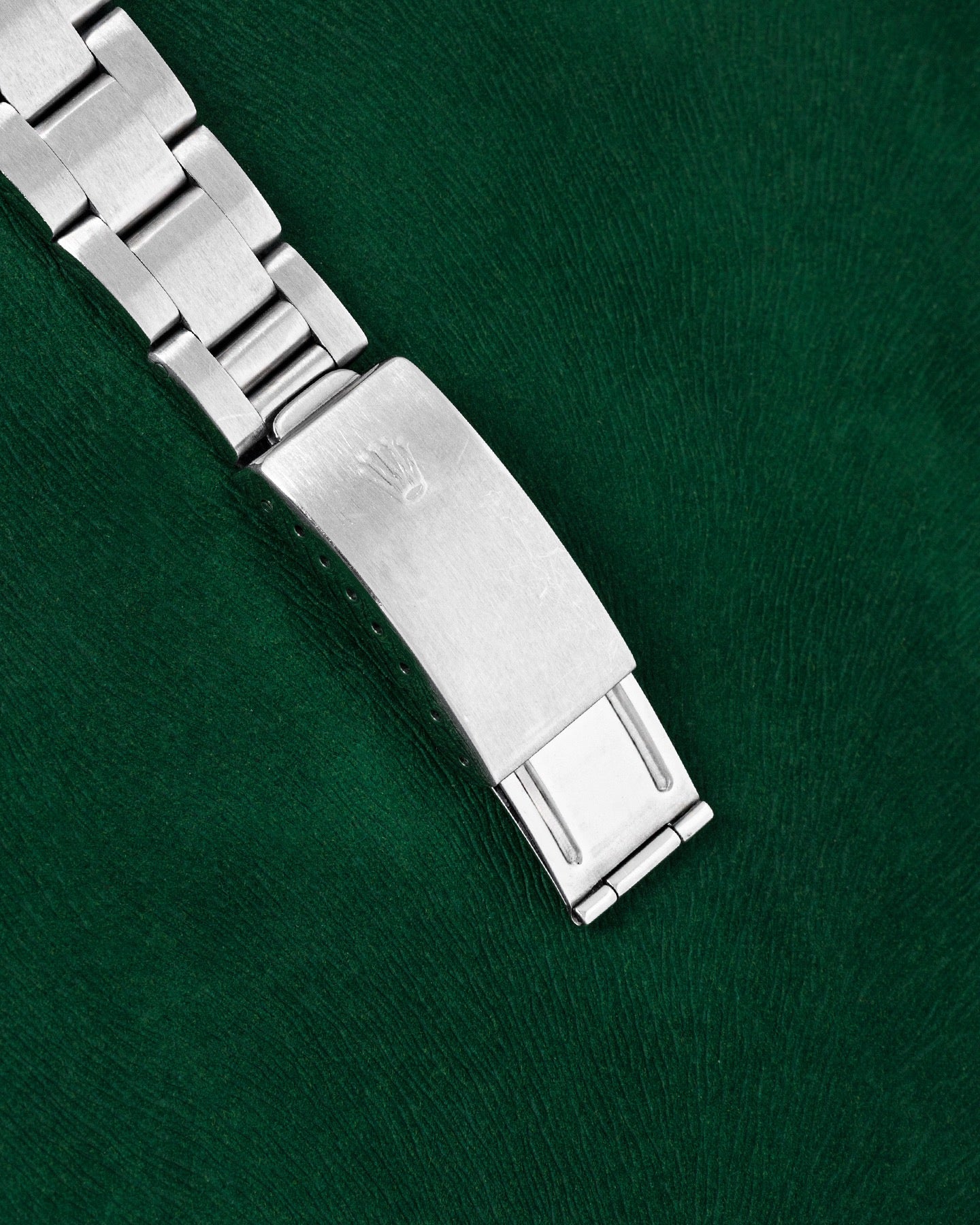
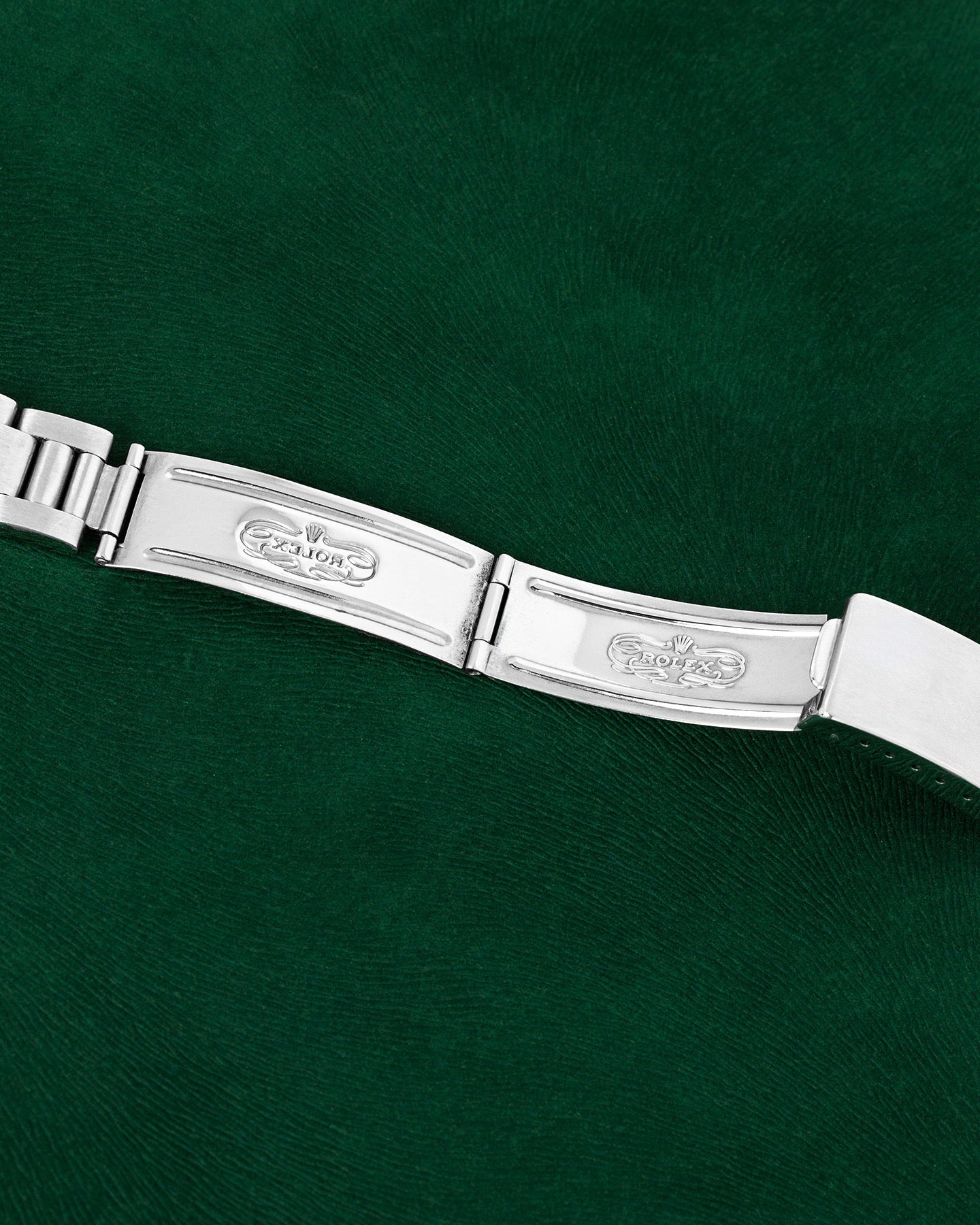
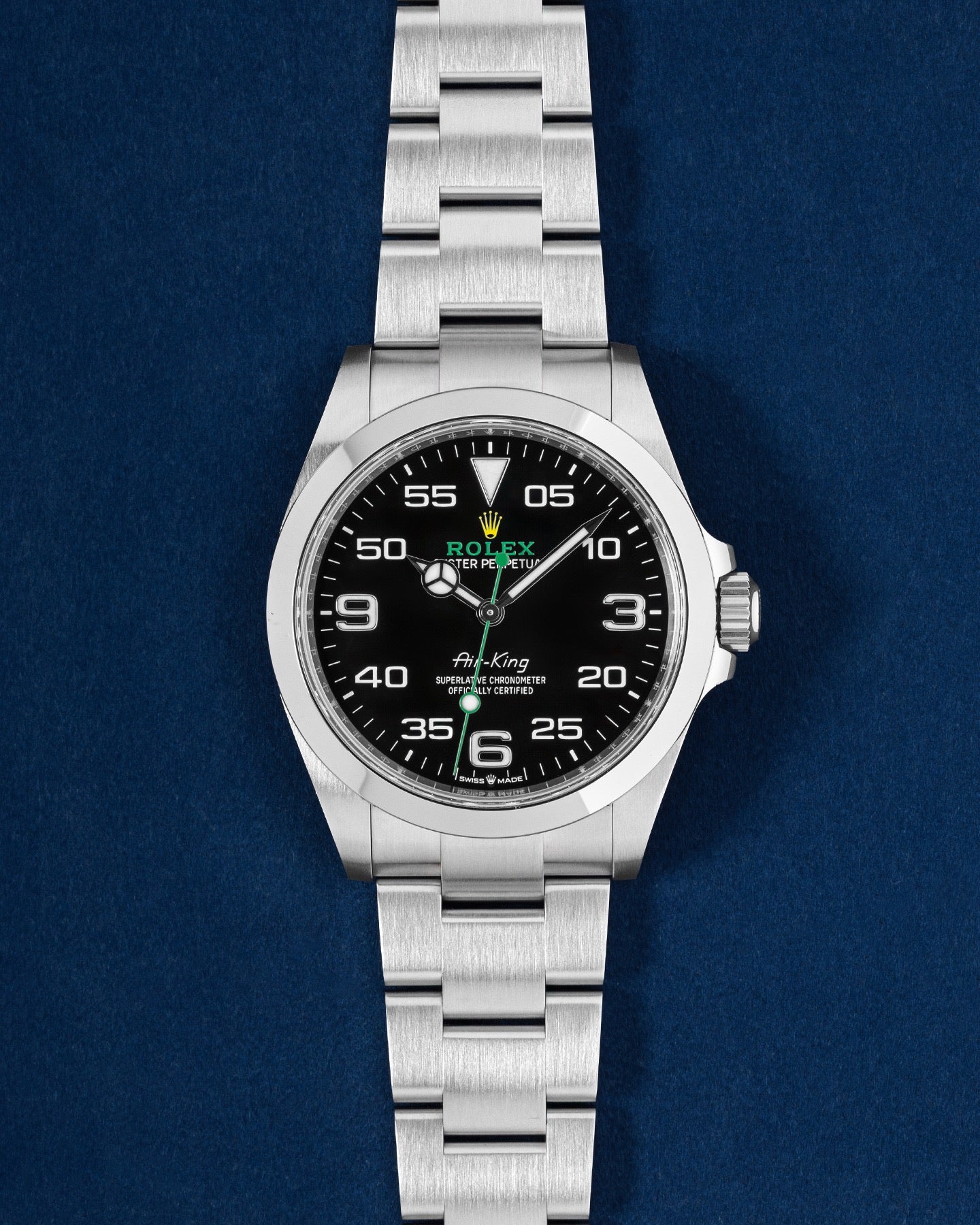
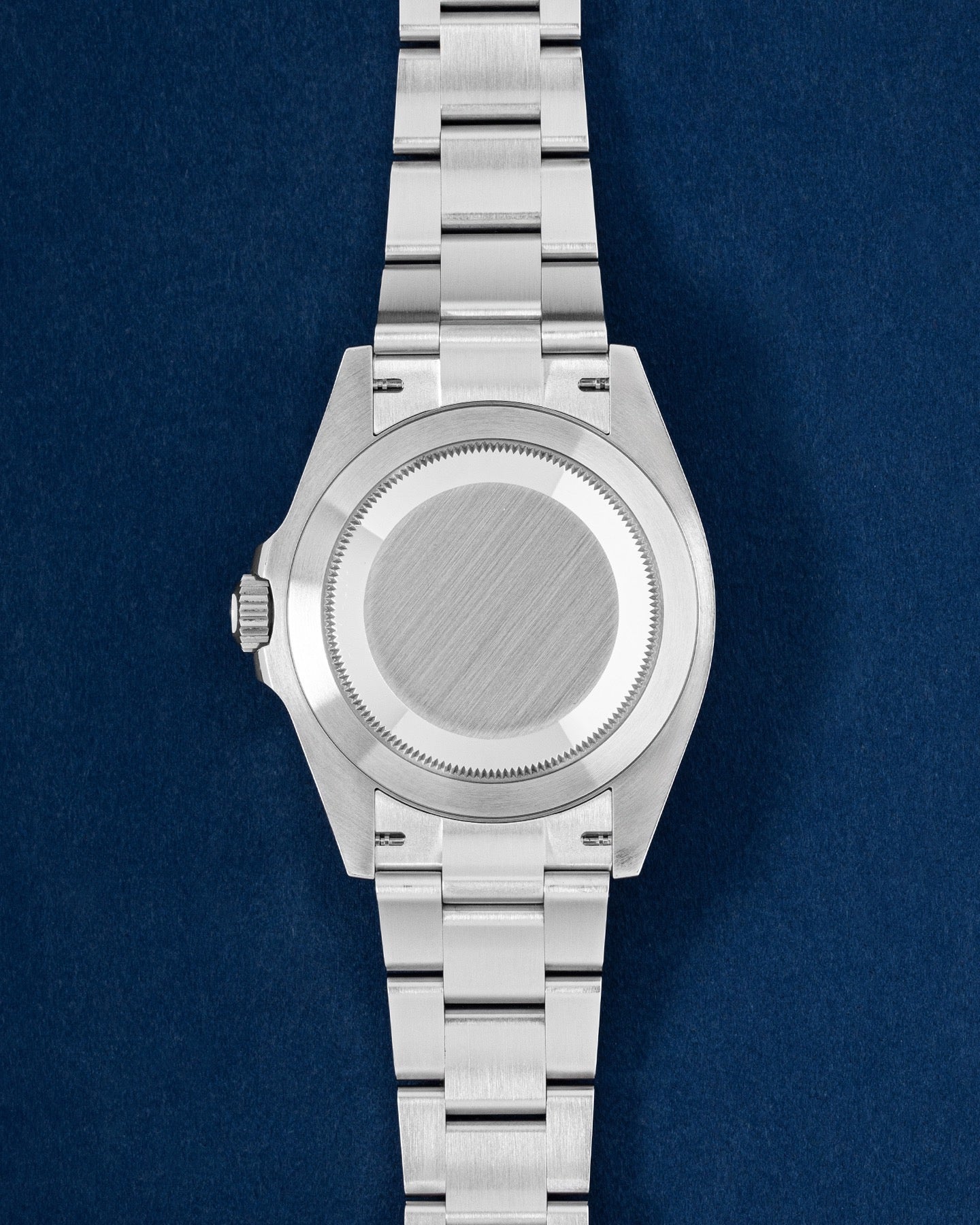
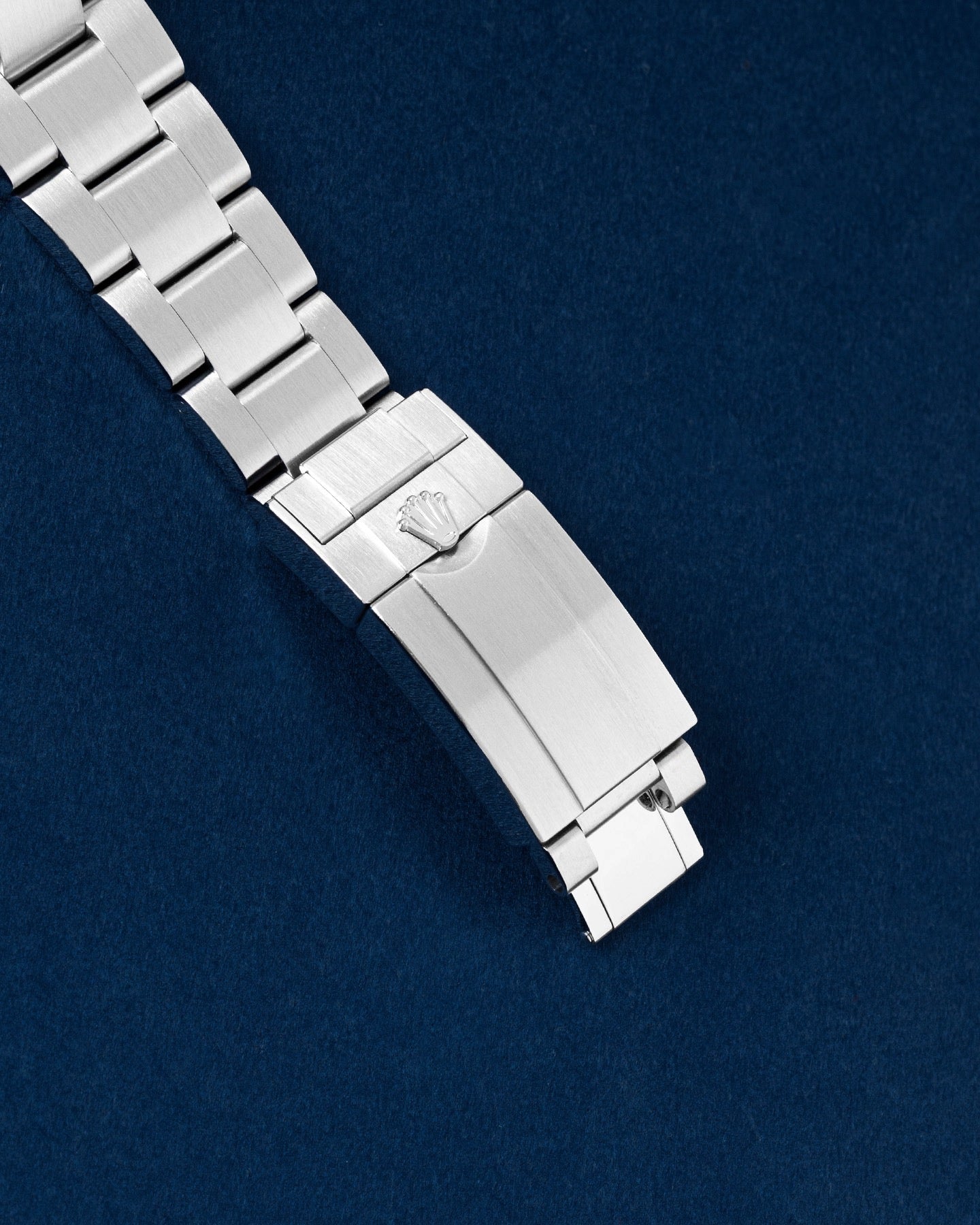
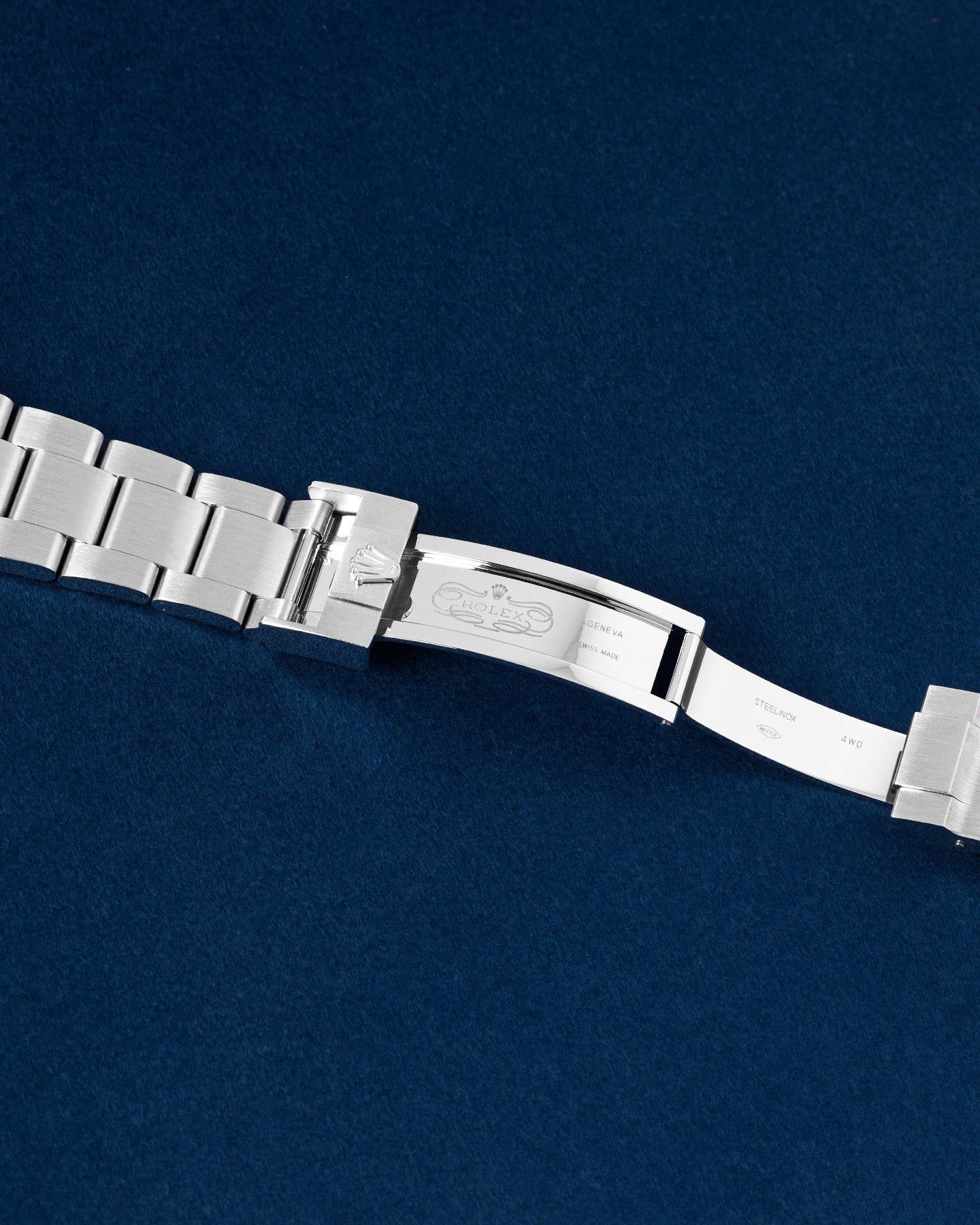
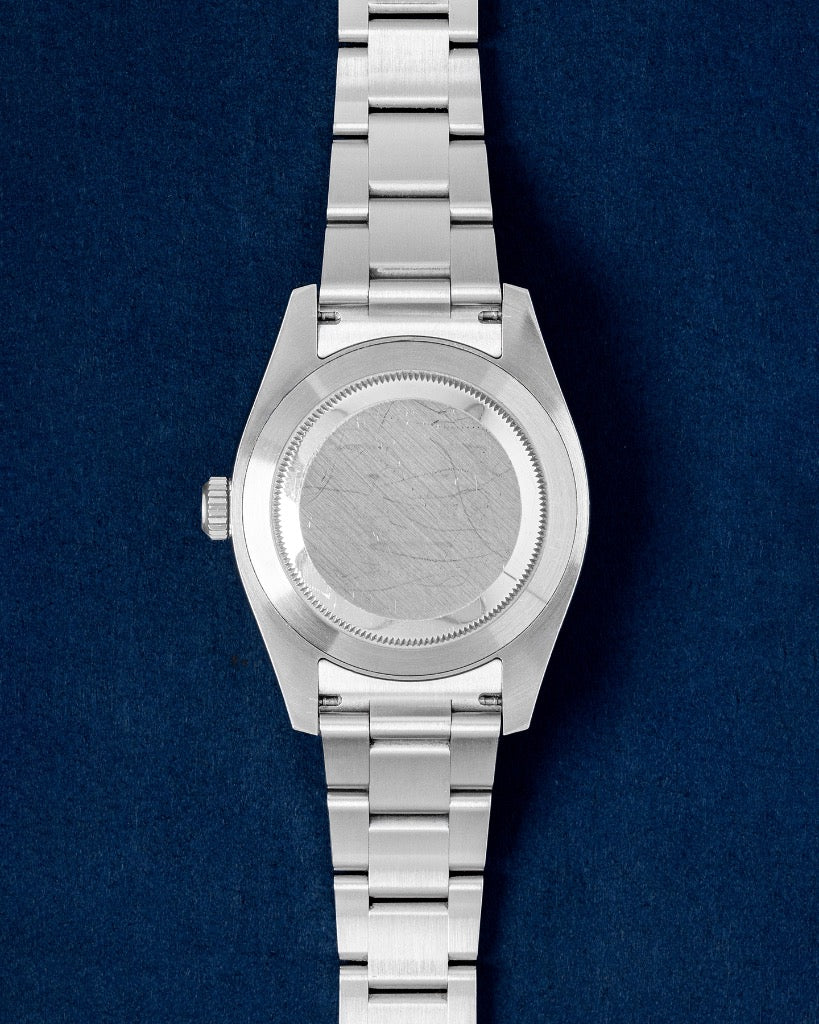
Rolex Air-King Black Dial 126900
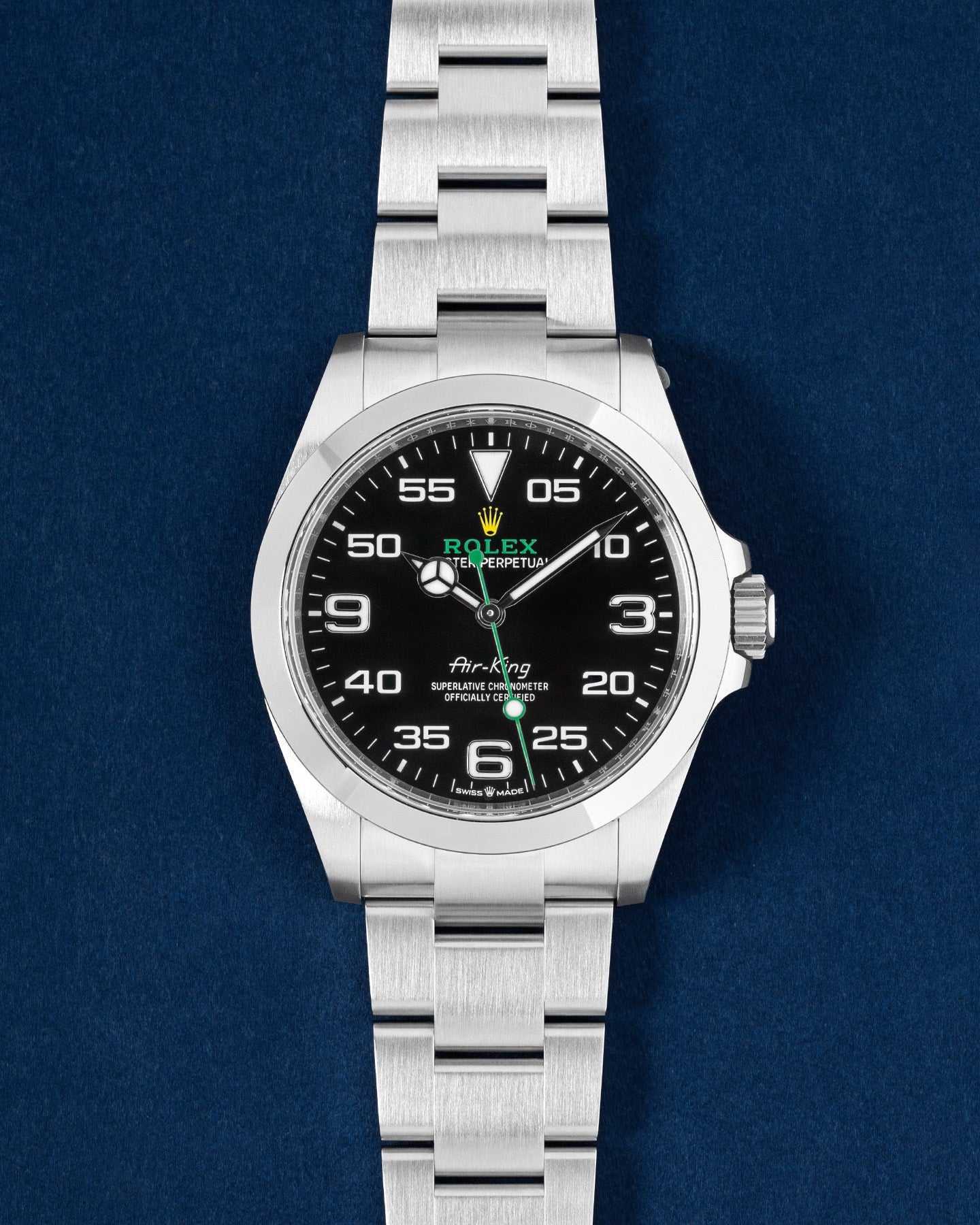
Vintage
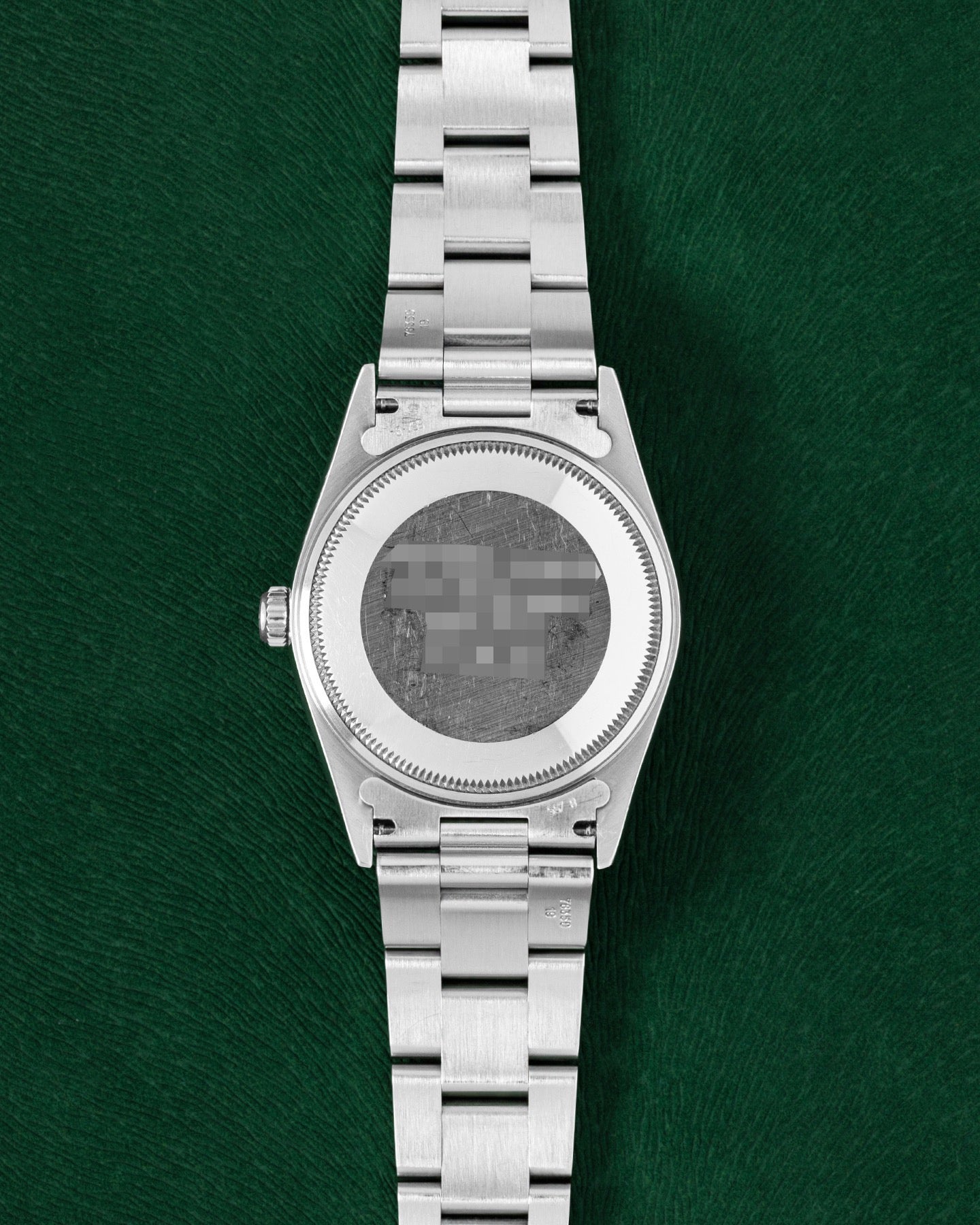
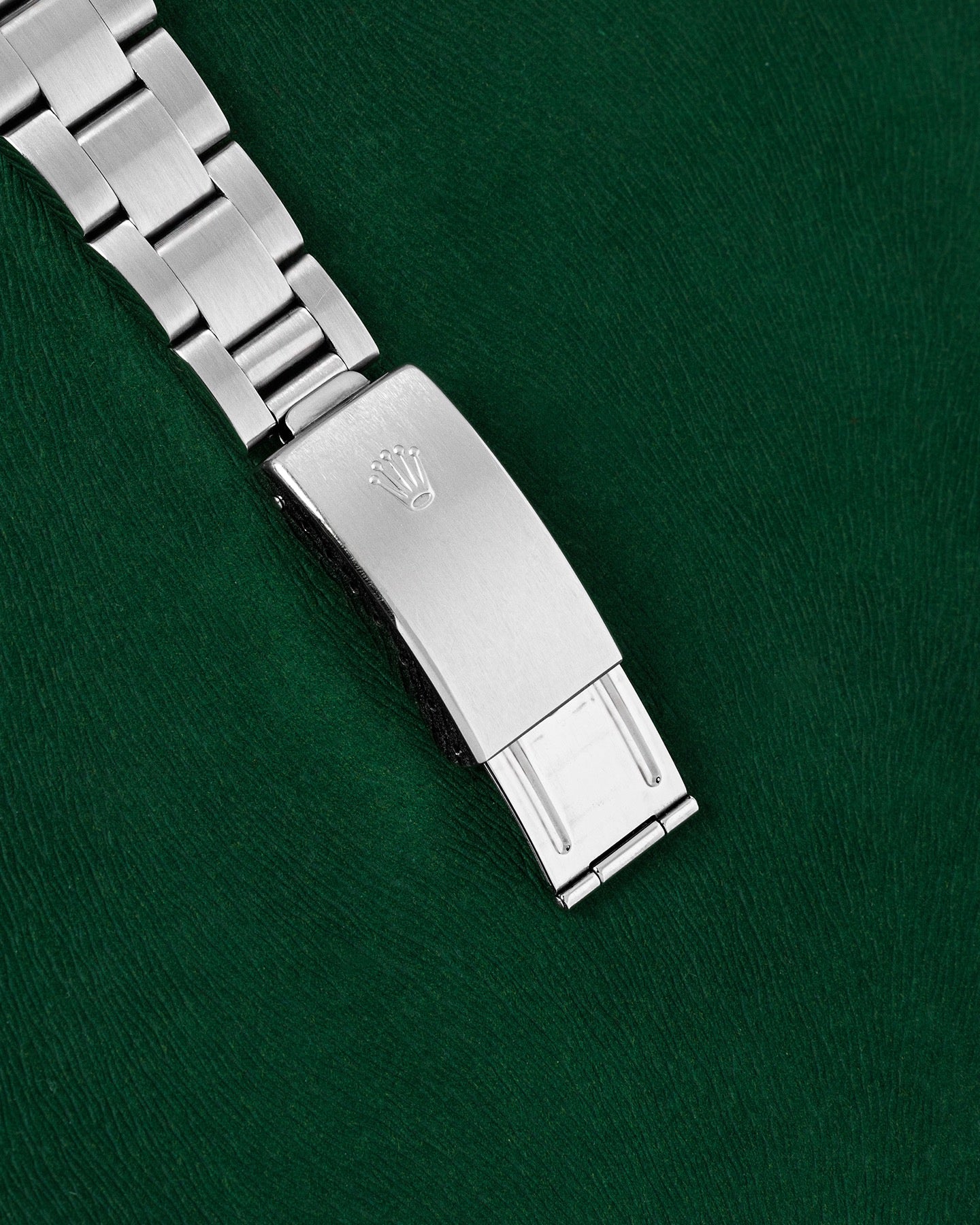
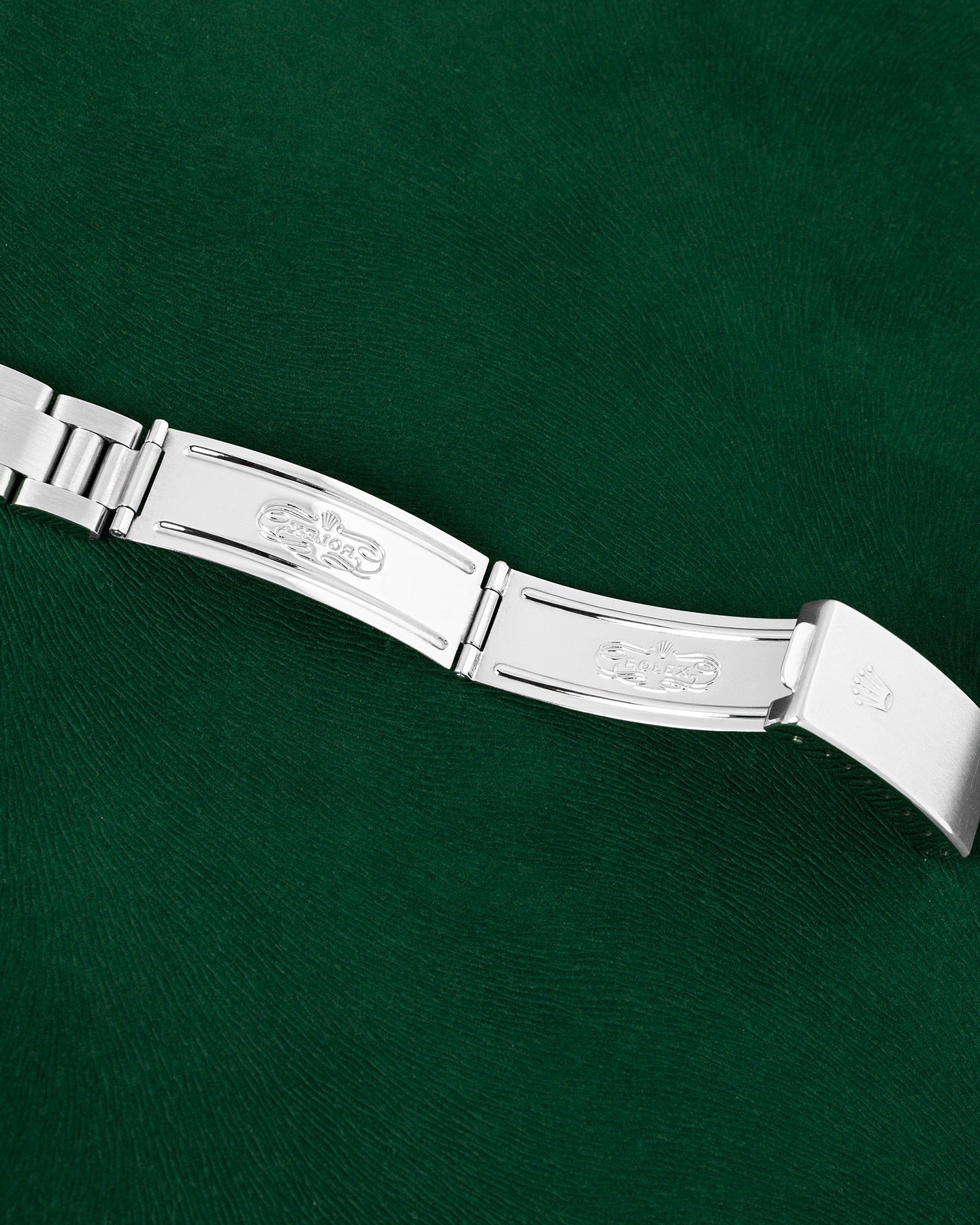
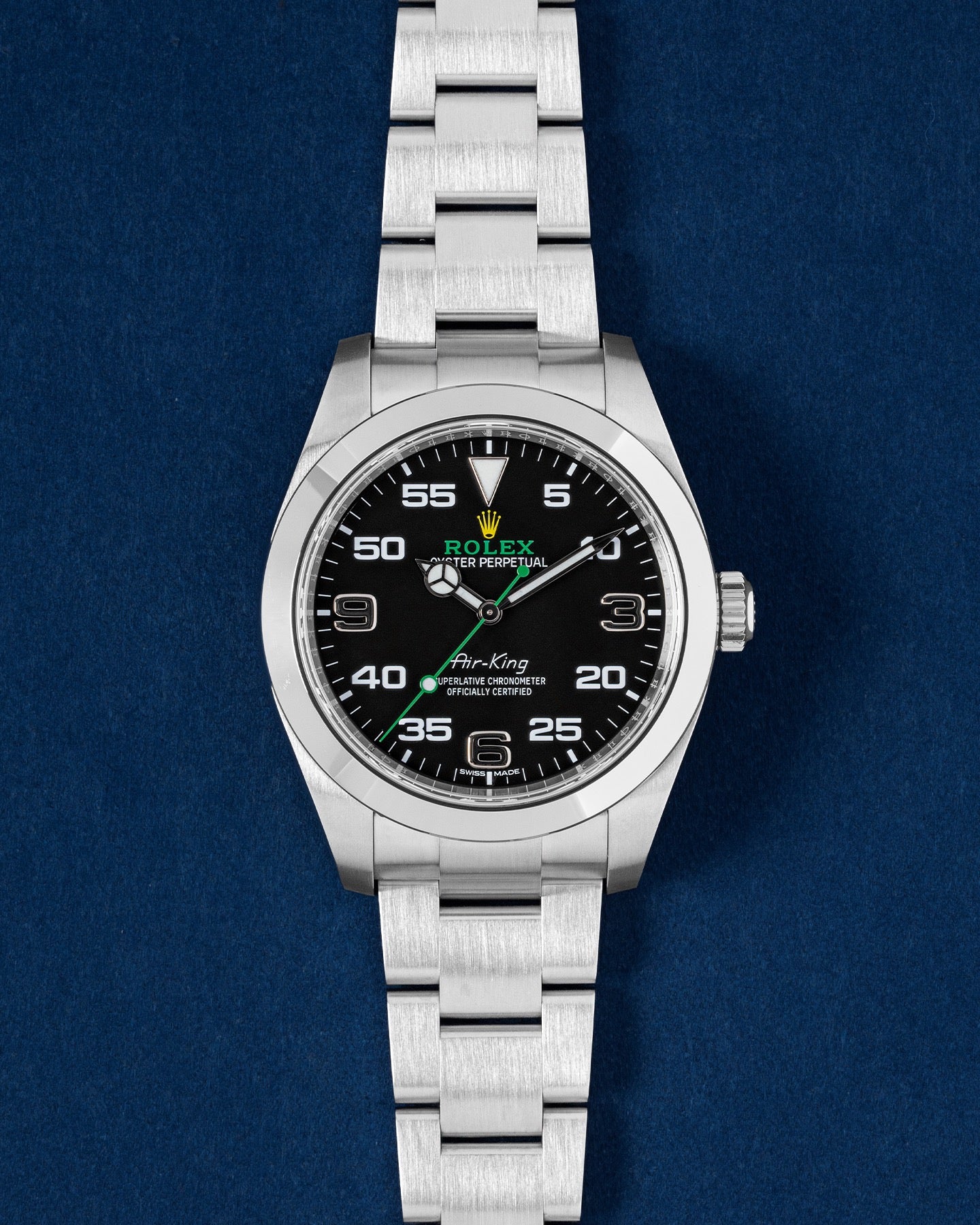


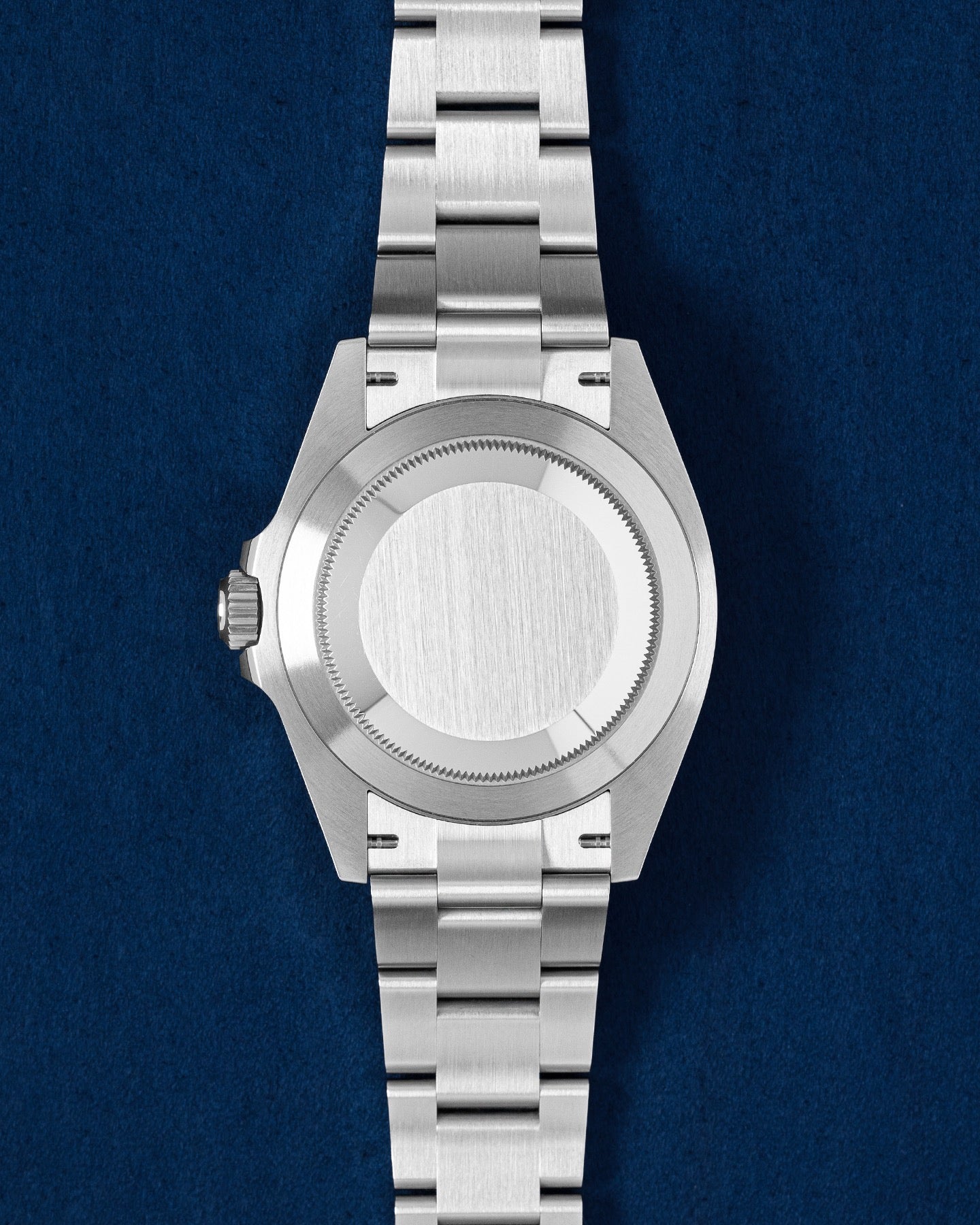
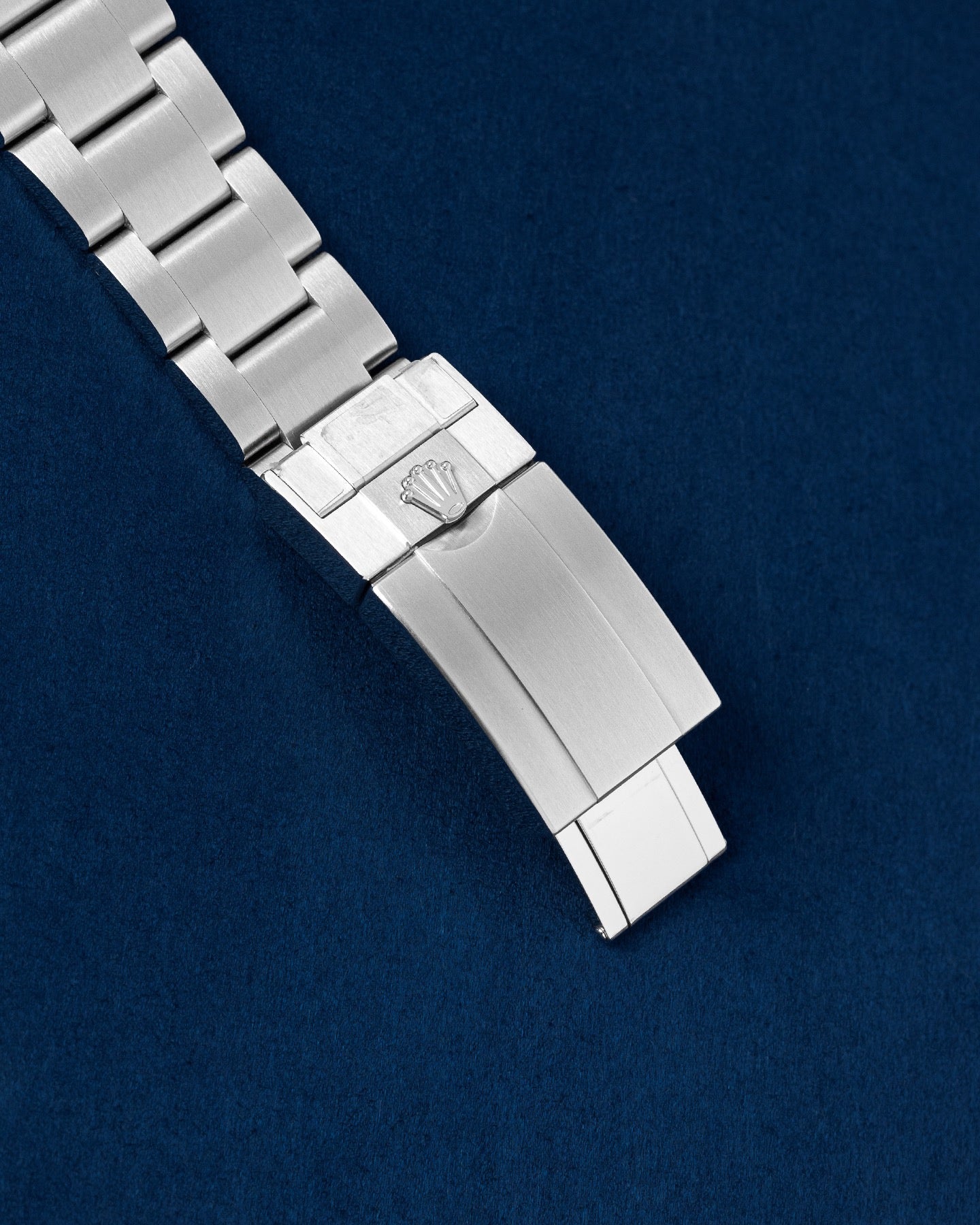
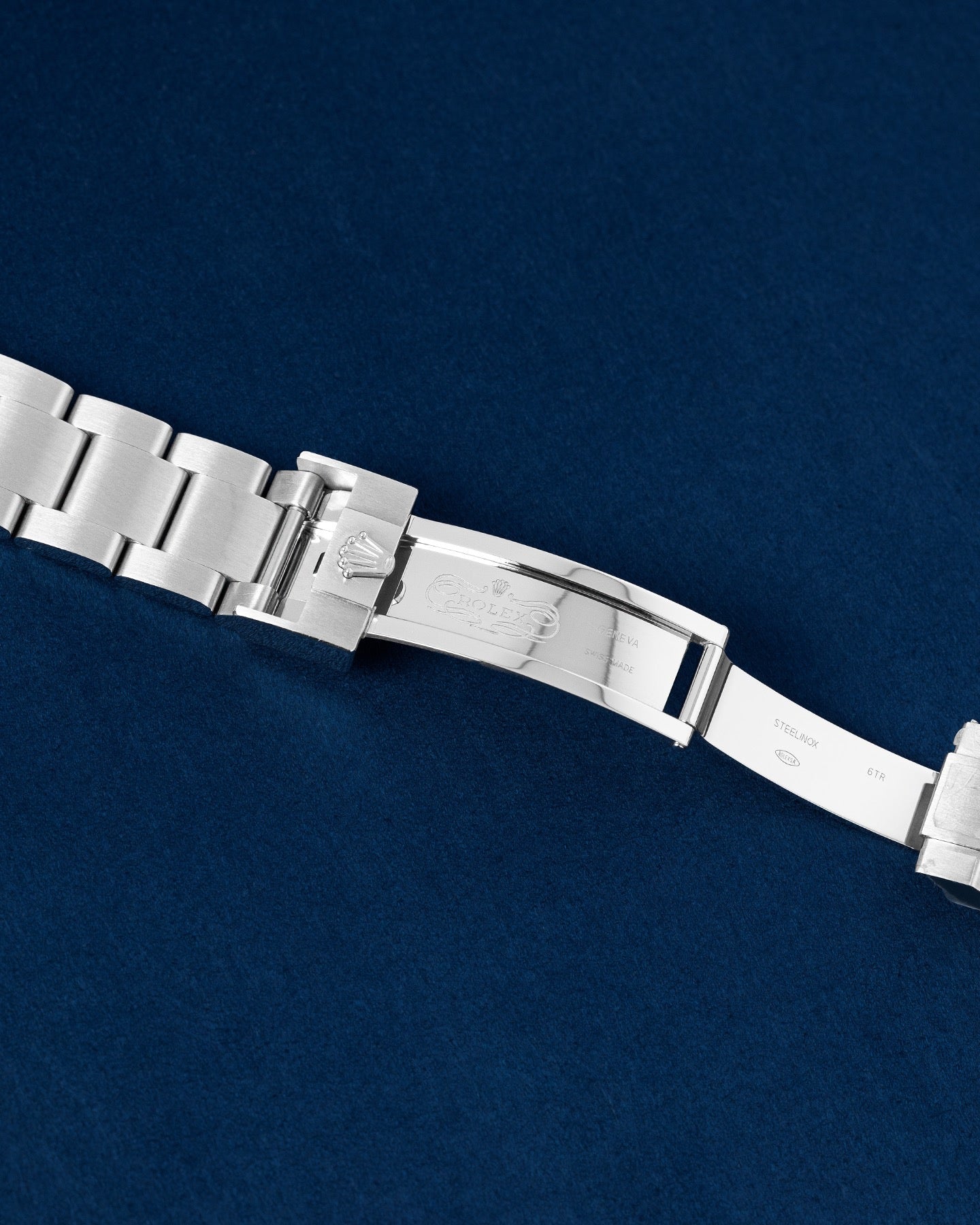
Rolex Air-King Automatic 126900

Vintage


Vintage
Vintage