Rolex Explorer
Shop new and pre-owned Rolex Explorer watches at Grand Caliber. Born from the 1953 conquest of Everest, it is the definitive go-anywhere, do-anything tool watch: a legible black 3-6-9 dial, a robust Oyster case, and no clutter.
The Rolex Explorer at Grand Caliber
The Rolex Explorer is the purest and most enduring tool watch Rolex makes, a watch born from mountaineering that has become the definitive go anywhere, do anything companion. Where the Submariner conquered the sea and the GMT-Master crossed the skies, the Rolex Explorer earned its name in the mountains, tied forever to the 1953 ascent of Mount Everest. For more than seventy years it has stayed remarkably true to a single idea, a legible black dial, a robust Oyster case, and nothing that is not needed, and that discipline is precisely why it is so beloved. The Explorer is often called the Rolex for people who do not like Rolex, the connoisseur's choice that whispers rather than shouts. Grand Caliber is a trusted source for new and pre-owned Rolex Explorer watches, serving collectors across the United States and internationally from our showroom in Uptown Dallas.
Grand Caliber sees the Rolex Explorer cross the desk in every form the model has produced. The current 36mm 124270 and the 40mm 224270 with the caliber 3230, the two tone 124273, the previous 39mm 214270, the modern classics 14270 and 114270 that opened the sapphire era, and the legendary vintage 1016 that ran for more than a quarter century and remains the most collectible reference of them all. We also handle the earliest references, the 6350 and 6610 that established the model, for collectors who want the watch closest to the original 1953 concept and are willing to pursue the deeper end of the vintage market. What follows is the complete history of the Rolex Explorer as a dealer who has handled the full reference range tells it, written to cover the entire model rather than only what happens to sit in the case today.
Our approach is straightforward. Every Rolex Explorer is authenticated in house before it is listed, pricing is posted openly on every product page, and there is no allocation conversation. If you are in Dallas you are welcome to handle any Rolex Explorer in the showroom, and if you are anywhere else in the country we ship fully insured. This guide covers the full arc of the Rolex Explorer, the Everest heritage, every major reference, the movements, the design, and the buying and ownership considerations, so you can approach the model from a position of genuine understanding.
The 1953 Everest Heritage
The Rolex Explorer is inseparable from the story of Mount Everest. On May 29, 1953, Sir Edmund Hillary and Tenzing Norgay became the first people to reach the summit of the highest mountain on earth, and Rolex Oyster Perpetual watches were part of the British expedition that made the climb. Rolex had spent years supplying its Oyster watches to Himalayan expeditions precisely to test them in the most extreme conditions on the planet, freezing temperatures that could stop a lesser watch, thin air, and the brutal altitude of the world's highest peaks, and time and again the watches performed. That heritage of proven reliability at the edge of human endurance became the foundation of the Explorer, and the brand named a model after the achievement to make the connection permanent.
The Honest Version of the Everest Story
The truth behind the legend is a little more nuanced than the marketing, and it is worth telling accurately. Rolex Oyster Perpetuals were provided to the 1953 expedition and were noted for exceptional accuracy and reliability in the field. There is genuine debate among historians about exactly which watches were worn at the very summit, with Hillary often associated with a Smiths watch and a Rolex believed to have been on the expedition and possibly worn by Norgay. What is not in doubt is that Rolex was an integral, tested part of the expedition, and that the brand launched the Explorer that same year to commemorate the achievement and the decades of high altitude testing behind it. The watch honors a genuine relationship between Rolex and exploration, not a myth.
This nuance is worth appreciating rather than glossing over, because it actually makes the story more interesting. Rolex had been quietly supplying and testing its Oyster watches on Himalayan expeditions for years before 1953, treating the mountains as the ultimate proving ground. The company understood that a watch which could survive Everest could survive anything, and it built a model around that hard won reliability. The honest version, that Rolex was a tested, integral tool of exploration rather than the single watch on a single wrist at the summit, is a stronger foundation than the simplified legend, and it is the version a serious dealer should tell.
The Earliest References and the Birth of the Explorer
The Rolex Explorer did not appear fully formed. It evolved from the large Oyster Perpetual watches Rolex supplied to expeditions in the early 1950s, and understanding those first references is the key to understanding where the model came from.
The Pre-Explorer References
The watches that led to the Rolex Explorer were references such as the 6098, the 6298, and, most importantly, the 6150. These were large, legible Oyster Perpetuals, and the 6150 in particular is often described as the pre-Explorer, because it began to establish the 3-6-9 dial grammar that would define the model. These were the watches, or watches very much like them, that Rolex was testing on Himalayan expeditions, and they are the direct ancestors of every Explorer that followed.
What makes these early references fascinating is watching the design language of the model emerge in real time. At first the watches were simply rugged Oyster Perpetuals with no Explorer name and no fixed dial layout. Then, gradually, the elements that would define the model appeared, the emphasis on legibility, the eventual arrival of the 3-6-9 numerals, the black dial optimized for contrast in harsh light. By the time the name appeared on the dial, the essential concept was already there, forged by the demands of high altitude expeditions rather than by a designer's whim.
Reference 6350 and the First Explorer Dial
In 1953, the same year as the Everest ascent, Rolex released the reference 6350, the first watch to carry the Explorer name on the dial. The 6350 established the essential formula that endures to this day, a matte black dial optimized for legibility, the luminous 3-6-9 Arabic numerals, and the robust waterproof Oyster case, and the earliest examples with their distinctive honeycomb textured dials are especially prized by collectors today. The 6350 is where the Explorer truly began as a named model, and it set a template that has survived, in spirit, for more than seventy years.
The honeycomb dial variants of the 6350 are especially prized today. The subtle textured pattern across the dial catches light in a way that flat dials cannot, and combined with the reference's historical importance as the first named Explorer, these examples command strong collector interest. Because these are early 1950s watches produced in limited numbers, finding a clean, original 6350 is genuinely difficult, and doing so is one of the more rewarding pursuits in vintage Rolex collecting.
Reference 6610
In 1955 Rolex refined the concept with the reference 6610, a thinner and more elegant watch that is often seen as the first truly resolved Explorer. It carried the model's signature look forward and improved the movement and proportions, bridging the experimental first references and the legendary reference that would follow, and doing so with a refinement that makes it quietly desirable in its own right. The 6610 is a beautiful and increasingly collectible early Explorer, and it laid the groundwork for the watch that would define the model for a generation.
The step from the 6350 to the 6610 shows Rolex refining rather than reinventing, a pattern that would characterize the entire model. The case grew slightly more elegant, the movement improved, and the overall execution matured, but the fundamental idea stayed put. Collectors who appreciate the earliest chapter of the model often gravitate to the 6610 precisely because it captures that moment of the concept coming fully into focus, just before the arrival of the reference that would carry it to legend.
The Reference 1016 and the Golden Age
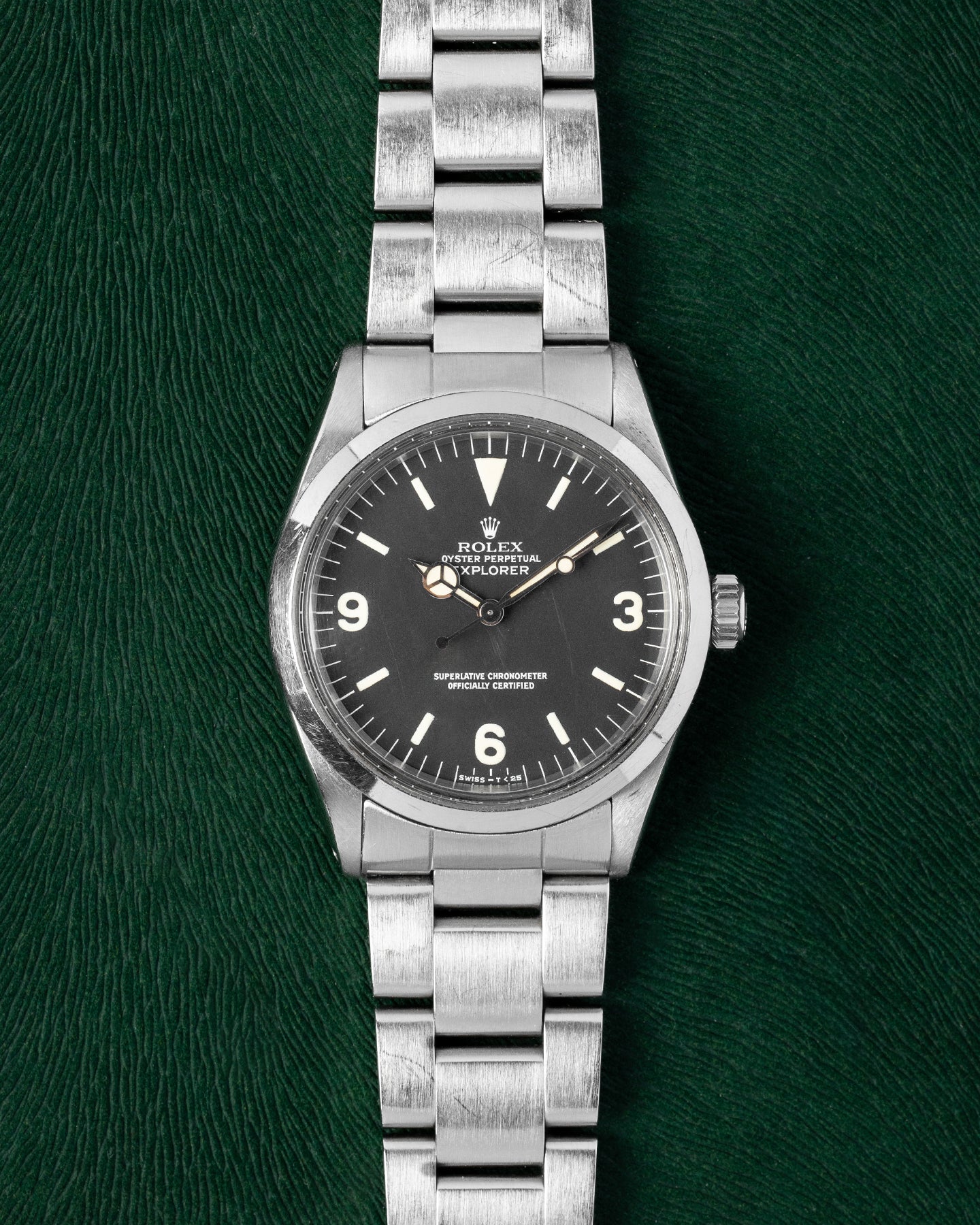
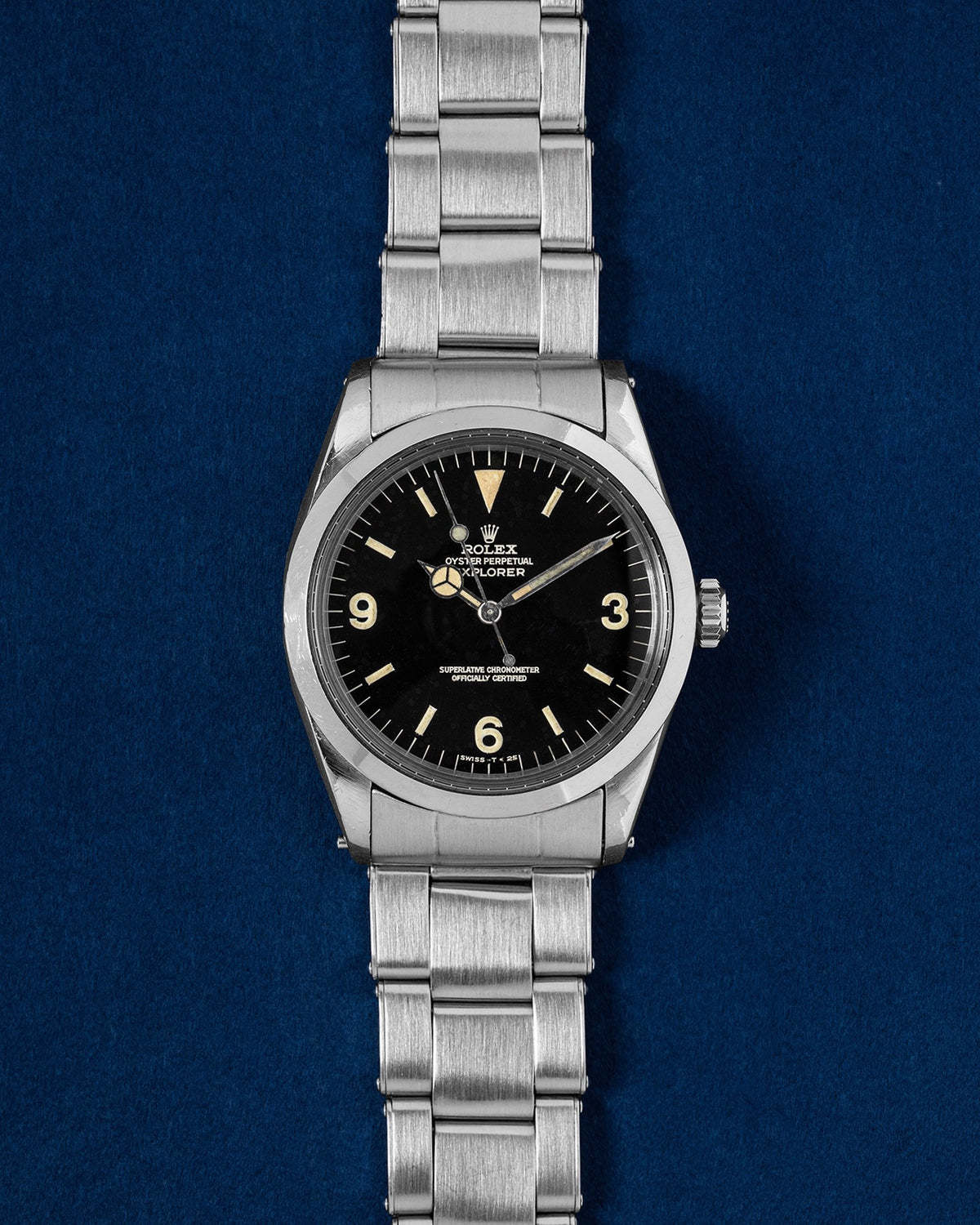
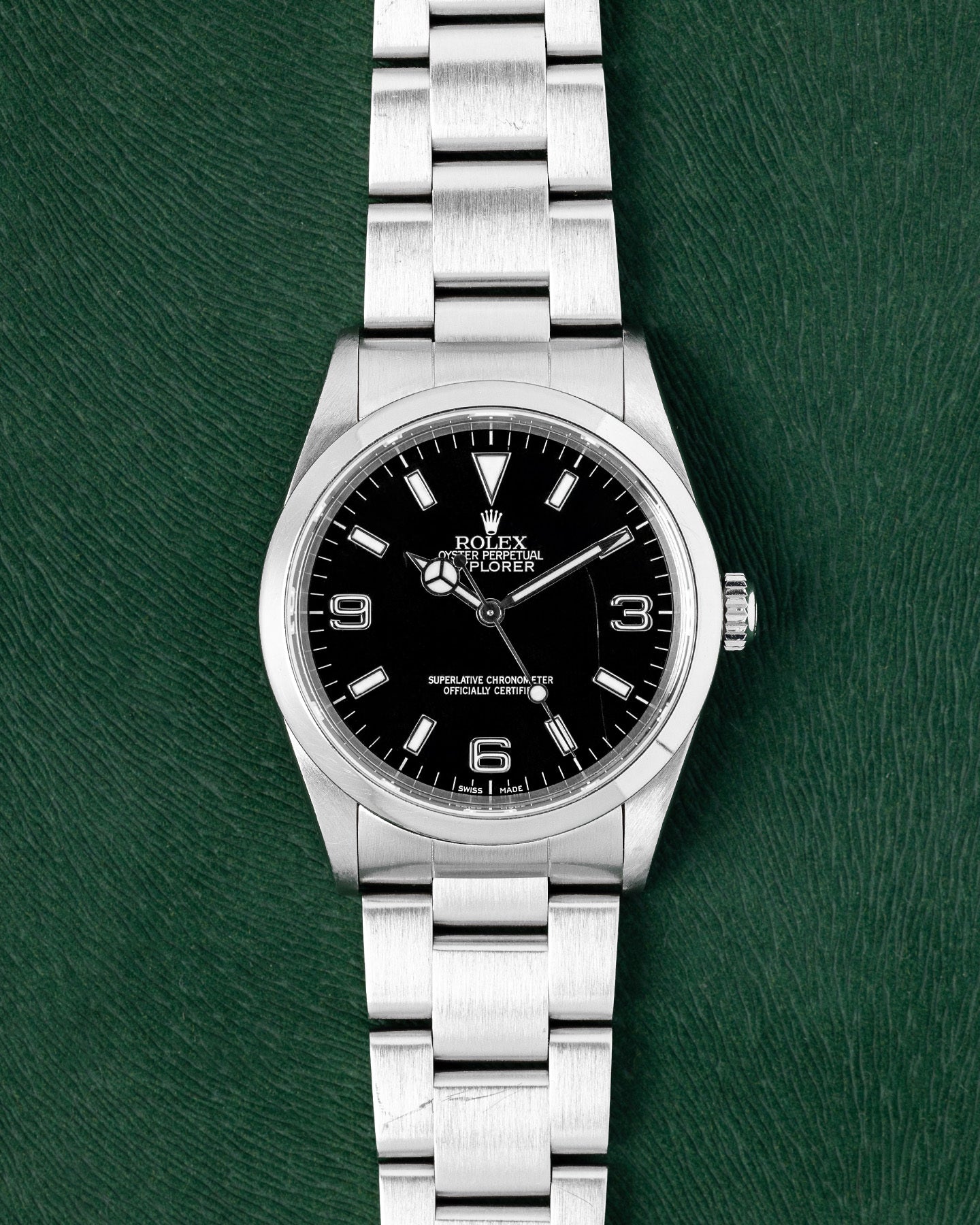
No reference defines the vintage Rolex Explorer like the 1016. Produced from around 1963 until the late 1980s, a remarkable run of more than a quarter century, the 1016 is one of the most beloved and collectible watches in the entire Rolex catalogue. For an entire generation it simply was the Rolex Explorer, and it remains the reference most collectors picture when the model is mentioned. Its 36mm steel Oyster case, matte or gilt black dial, and understated presence made it the definitive expression of the do everything tool watch.
The sheer length of the 1016's production run, spanning the early 1960s to the late 1980s, means it captured an enormous span of the brand's history in a single reference. A watch made at the start of the run and one made near the end differ in dial, lume, movement, and countless small details, yet both are unmistakably the same watch. That combination of consistency and variation is exactly what makes the reference so deep, and it rewards the collector who takes the time to learn how to read the subtle differences between years and dial types.
The 1016 Movements and Dials
Across its long life the 1016 was refined steadily. Early examples ran the caliber 1560, and later the caliber 1570, which gained hacking seconds in 1971, and water resistance was improved over the run. The dials evolved from glossy gilt with warm gold toned text to matte black with crisp painted white markers, and collectors track these variations exceptionally closely, since dial type has a significant effect on value. The earliest gilt dial 1016 examples in particular command strong premiums. The 1016 is a deep and rewarding reference to study, and it sits at the heart of vintage Rolex Explorer collecting.
Collectors often speak of the 1016 in terms of dial generations, since the reference ran so long that Rolex updated the dial several times. The transition from glossy gilt dials, produced through a galvanic process that left the text in a warm gold tone, to matte black dials with crisp white printing is the most significant divide, and it maps roughly to the mid to late 1960s. Later still came underline dials, exclamation point dials, and other subtle markers that collectors use to date and value an example. This depth of variation is exactly what makes the reference so absorbing to specialists, and it is why condition and originality matter so enormously to price.
Why the 1016 Endures
The 1016 endures because it perfected the formula. It is legible, robust, perfectly proportioned at 36mm, and utterly without pretension, the archetype of the one watch that can genuinely do anything. It was worn by adventurers, writers, and everyday enthusiasts who valued substance over show, and that reputation has only grown with time. For many collectors, a clean, original 1016 is the ultimate Explorer, and it remains the benchmark against which every other reference in the model is measured.
Part of the 1016's mystique comes from who wore it and how. Unlike the more overtly glamorous Rolex sports watches, the 1016 was a watch for people who did real things, worn by adventurers, professionals, and writers who valued a tool that simply worked and never drew attention to itself. It became a quiet signal of taste, the choice of someone who knew watches well enough to appreciate substance over flash. That reputation has only deepened with time, and it explains why the reference commands the devotion it does among people who understand the model.
The Modern Era: Reference 14270 and 114270
After the long reign of the 1016, Rolex brought the Rolex Explorer into the modern age in 1989 with the reference 14270. It was the first major redesign in a generation, and it modernized the watch while keeping its essential character completely intact, a balance the model has always struck well.
Reference 14270 and the Sapphire Era
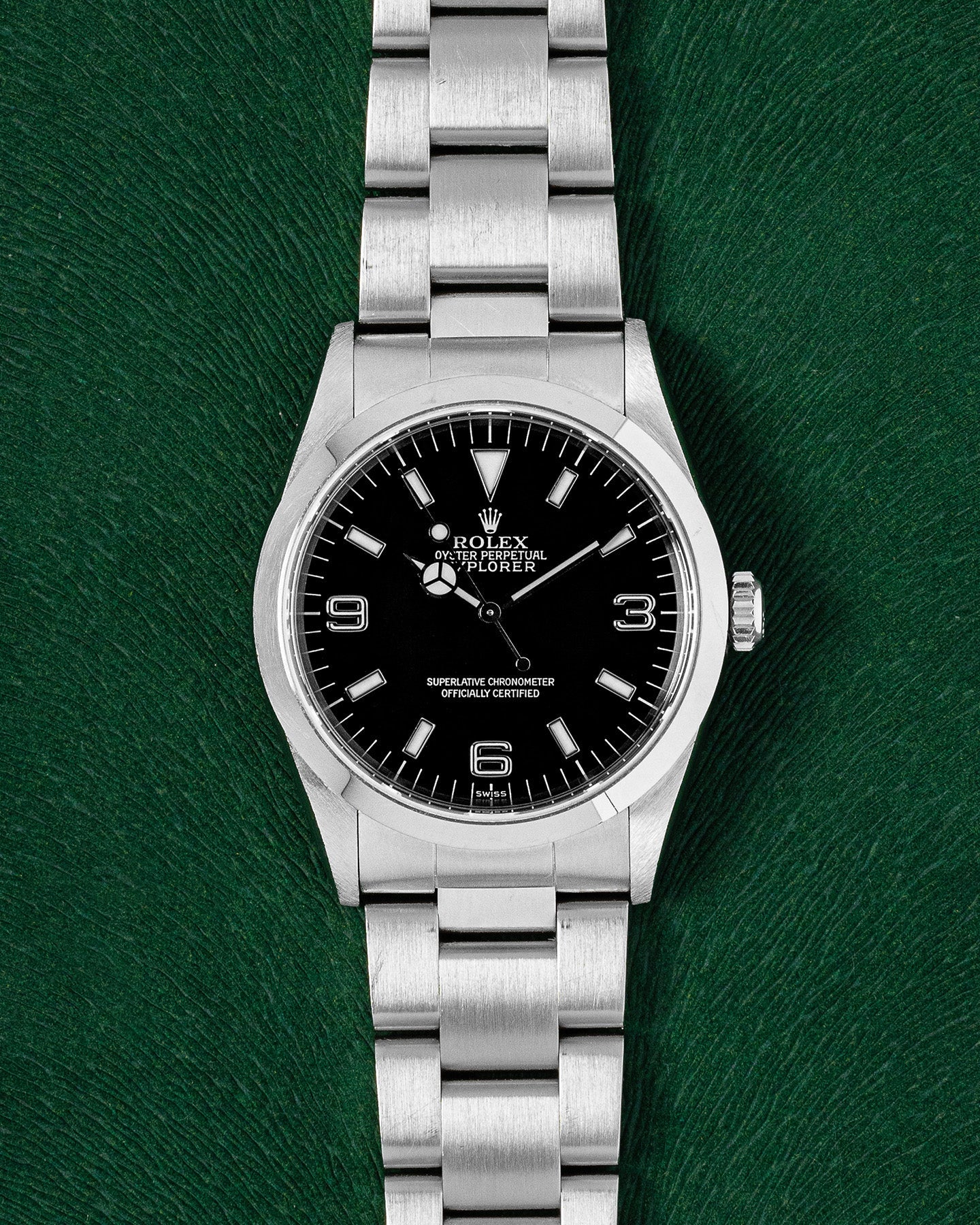
The 14270 introduced a scratch resistant sapphire crystal in place of the acrylic of the 1016, a glossy black lacquered dial, and applied white gold framed markers in place of the painted vintage dials, all powered by the new high beat caliber 3000. It retained the classic 36mm steel case, so the watch looked and felt like a Rolex Explorer while running on thoroughly modern underpinnings. The earliest 14270 examples carried a distinctive dial with black painted 3-6-9 numerals rather than the later white filled ones, earning the nickname the blackout dial, and these first series pieces are the most sought after of the reference.
The 14270 occupies an interesting place in the model's history as the bridge between the vintage and modern eras. It looks, at a glance, almost exactly like the 1016 it replaced, preserving the 36mm case and the essential dial layout, yet everything beneath the surface was new. That balance, honoring the classic look while quietly modernizing the engineering, is a pattern Rolex has repeated across the model ever since, and the 14270 is where it was first fully realized. For a buyer who wants genuine vintage character with the reliability of a sapphire crystal and a modern movement, the 14270 is a compelling and often underappreciated choice.
Reference 114270
In 2001 Rolex updated the model with the reference 114270, which retained the 36mm case and classic looks while bringing subtle improvements: the new caliber 3130, Super-LumiNova in place of the earlier lume, and solid end links in the bracelet for greater durability. The 114270 ran for nearly a decade and is one of the smartest value propositions in the entire model today, offering the classic 36mm look with a modern movement at an accessible price. The addition of solid end links and Super-LumiNova over the 14270 made it a more robust and practical everyday watch, and its long production run means good examples are readily available. It is a quietly excellent watch and a favorite of enthusiasts who prize the traditional proportions without paying a vintage premium.
The 39mm Era: Reference 214270
In 2010 Rolex made the boldest change in the model's history, discontinuing the 36mm case that had defined the Rolex Explorer since 1953 and introducing the reference 214270 with a larger 39mm case. For a brand as conservative as Rolex, and for a model as tied to its original proportions as the Explorer, this was a genuinely surprising move, and it modernized the watch for buyers who wanted a more contemporary size.
The 214270 and Its Evolution
The 214270 kept the classic black 3-6-9 dial and the Oyster case but scaled everything up to the new 39mm proportions, running the caliber 3132 with its improved specification. The earliest examples, now called the Mark I, drew some criticism for hands that looked slightly short for the larger case and for 3-6-9 numerals that were not filled with luminous material. Rolex responded in 2016 with an updated version, now called the Mark II, that lengthened the hands to better suit the larger dial and added luminous material to the 3-6-9 numerals for improved legibility, quietly resolving the main complaints under the same reference number without any fanfare. The 214270 gave the Explorer a modern presence and introduced the model to a new generation of buyers who found the 36mm too small, and it remains a popular and accessible modern reference.
The 39mm era is worth understanding for what it reveals about how Rolex thinks. The company rarely changes a signature proportion, and doing so on a model as heritage bound as this one was a genuine risk. The larger case pleased buyers who found the classic size dainty by modern standards, but it also drew criticism from purists who felt the 36mm proportions were fundamental to the watch's character. The fact that Rolex later returned to 36mm while keeping a larger option alive suggests the company heard both camps, and the 214270 stands as a decade long experiment that ultimately reshaped how the model is offered today.
The Return to 36mm and the Explorer 40
Having spent a decade at 39mm, the Rolex Explorer entered its current era with a decision that pleased traditionalists and a follow up that served everyone else. The model now spans two sizes, honoring its heritage while acknowledging modern tastes, and that flexibility is a real strength of the current lineup.
Reference 124270 and 124273
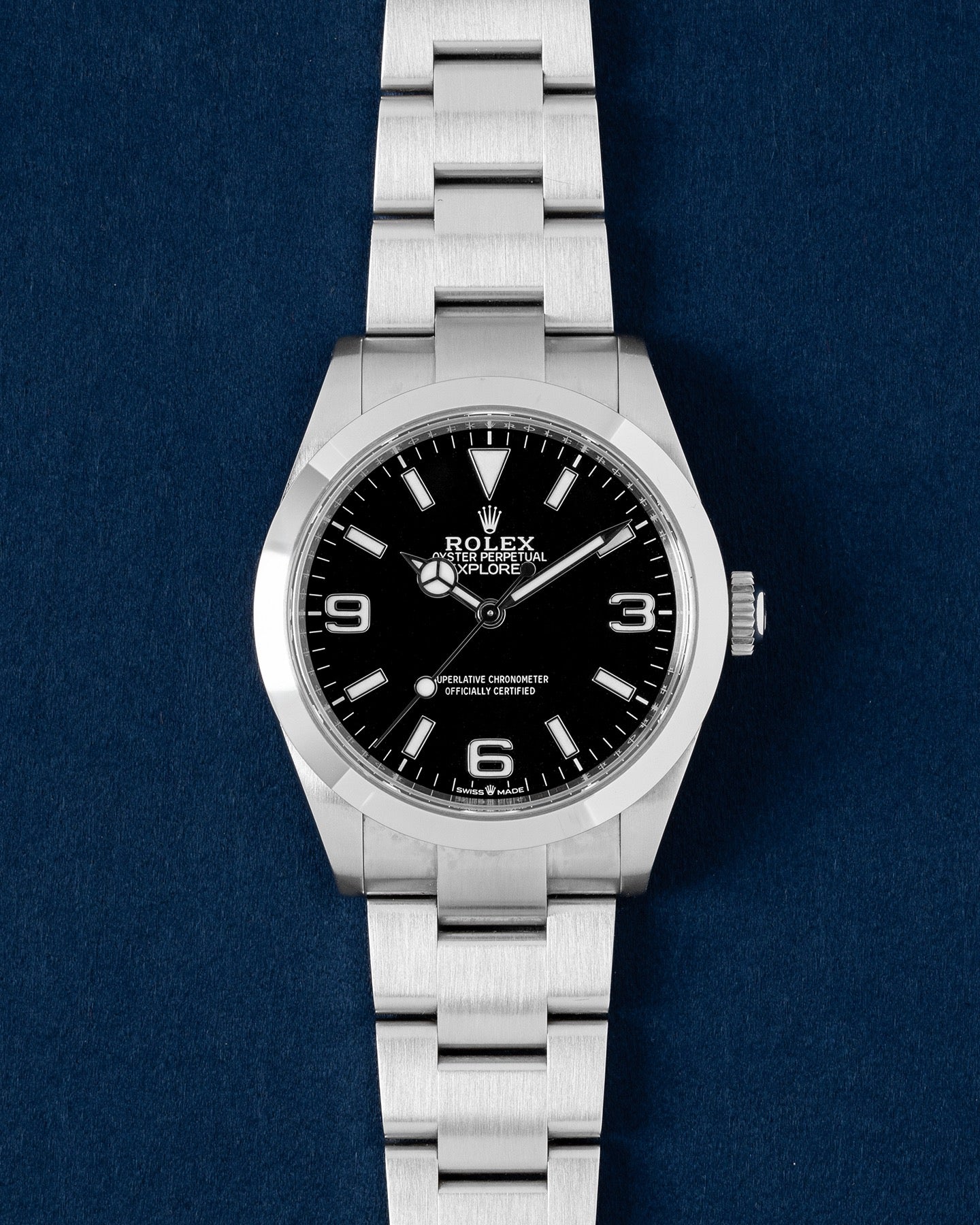
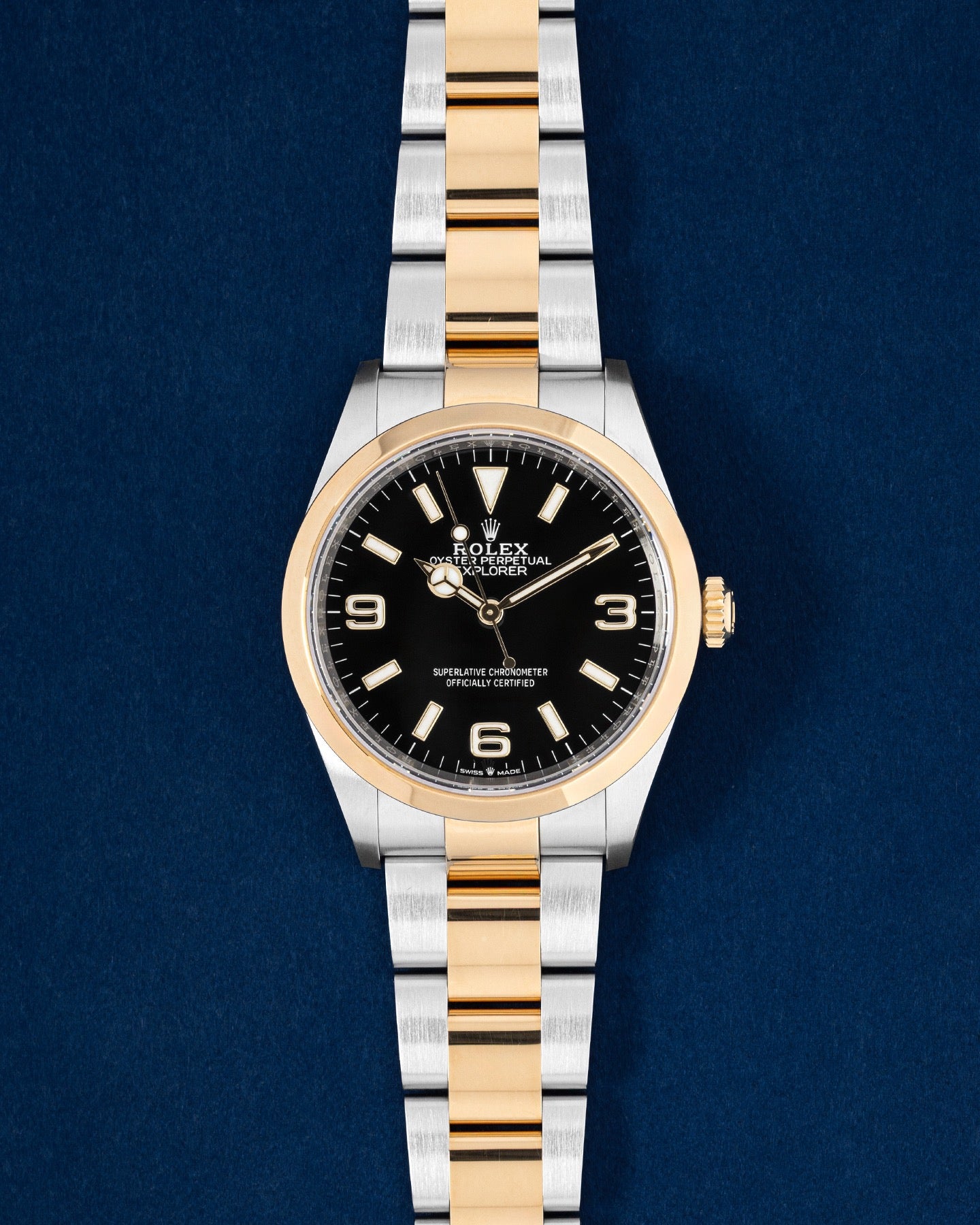
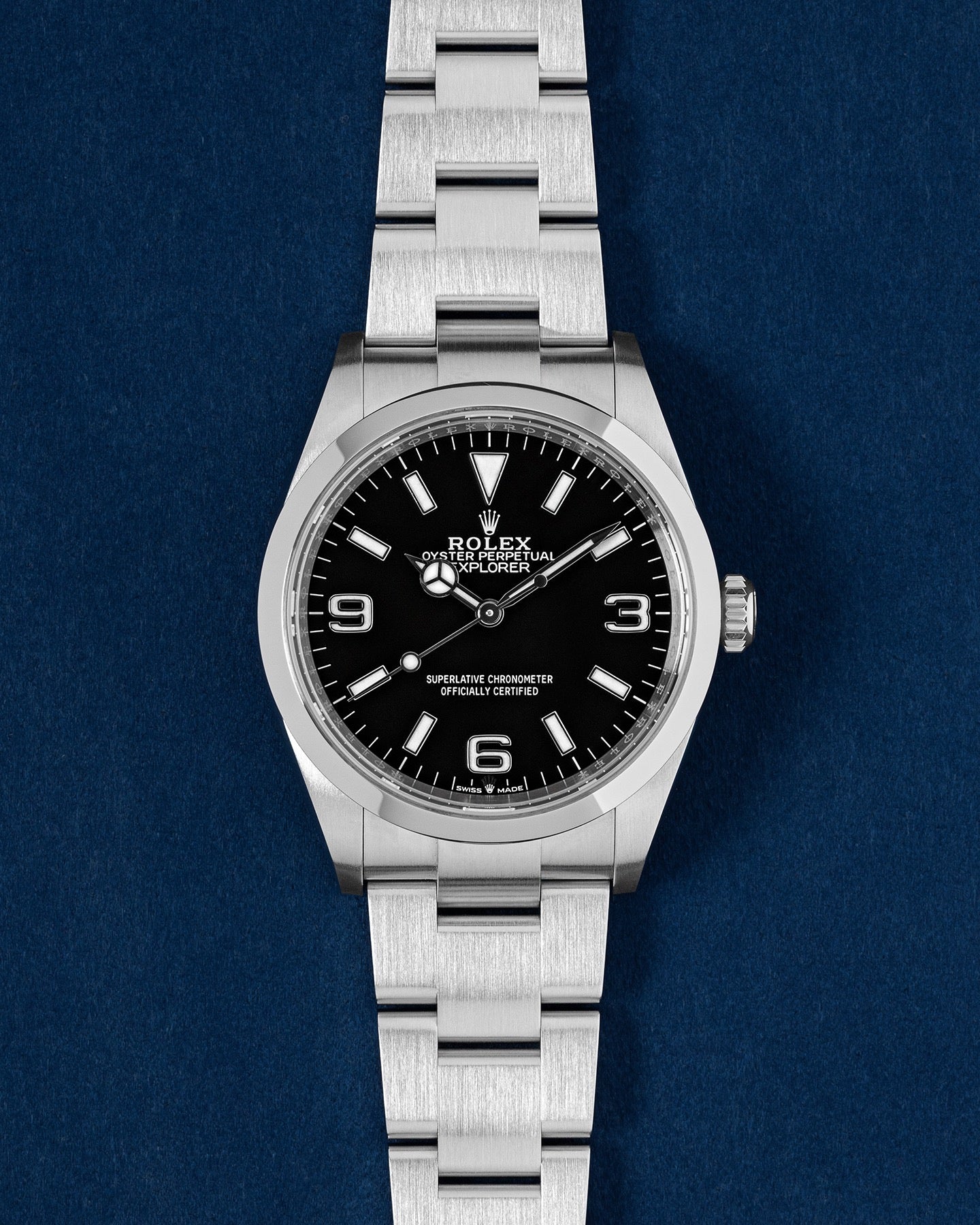
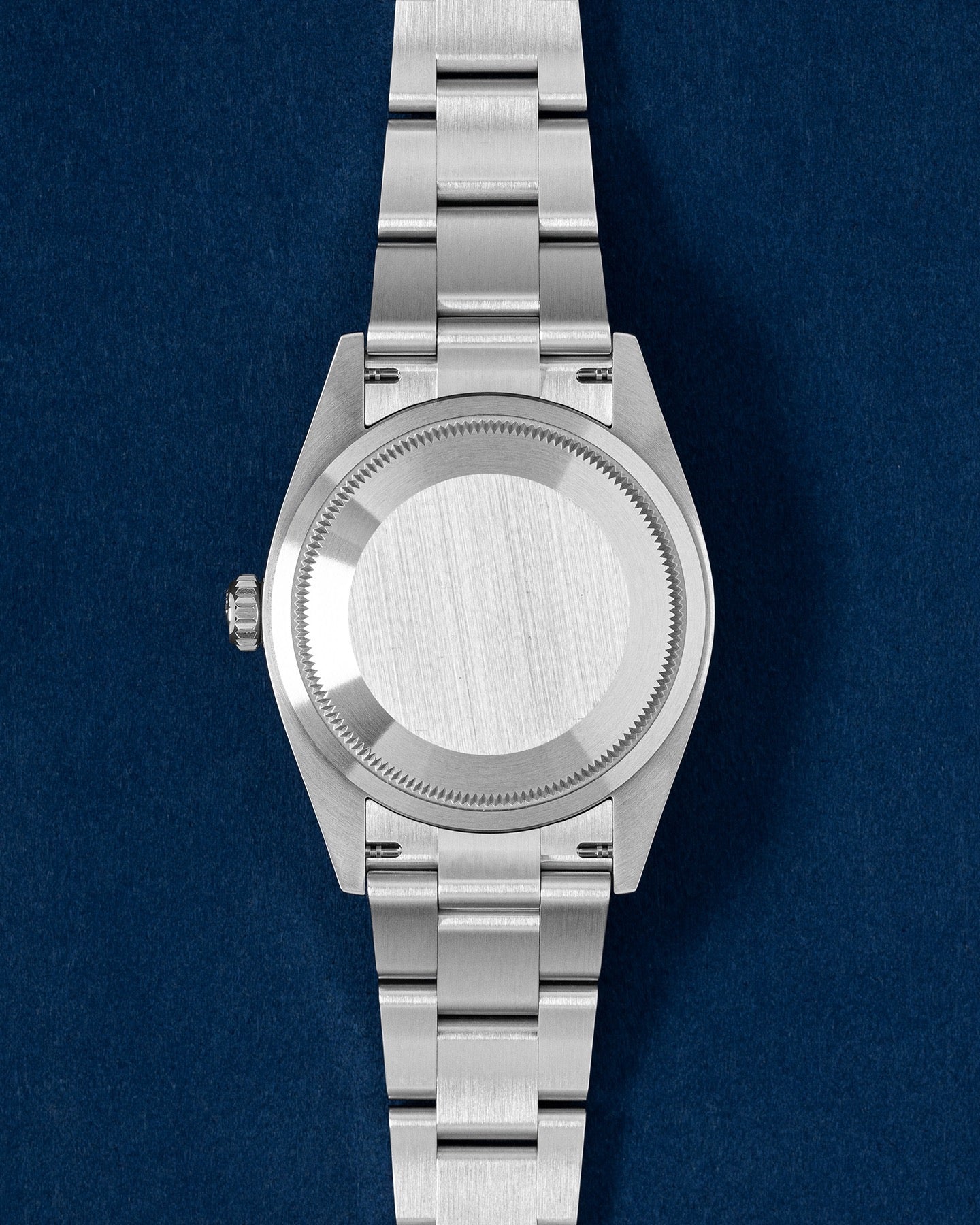
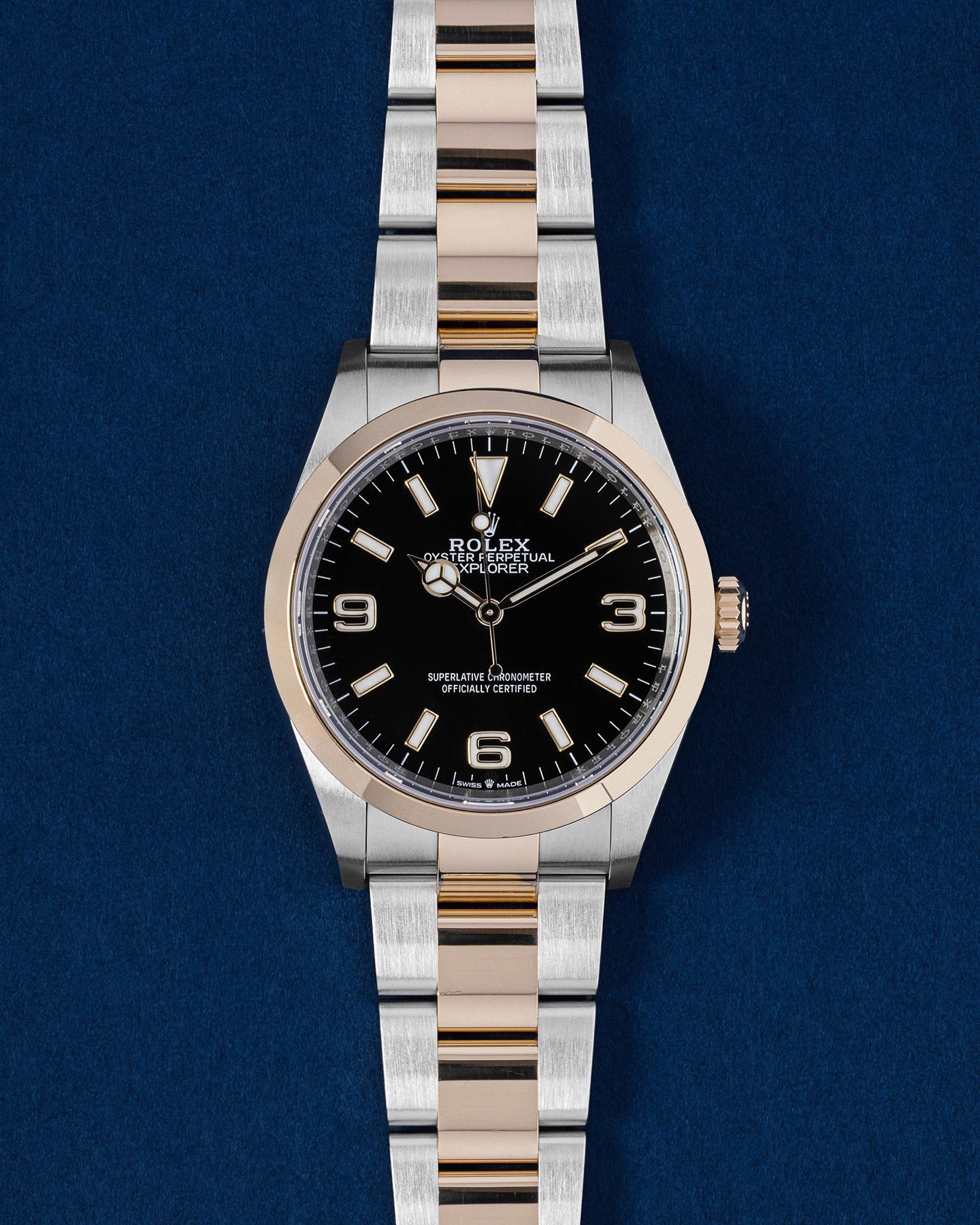
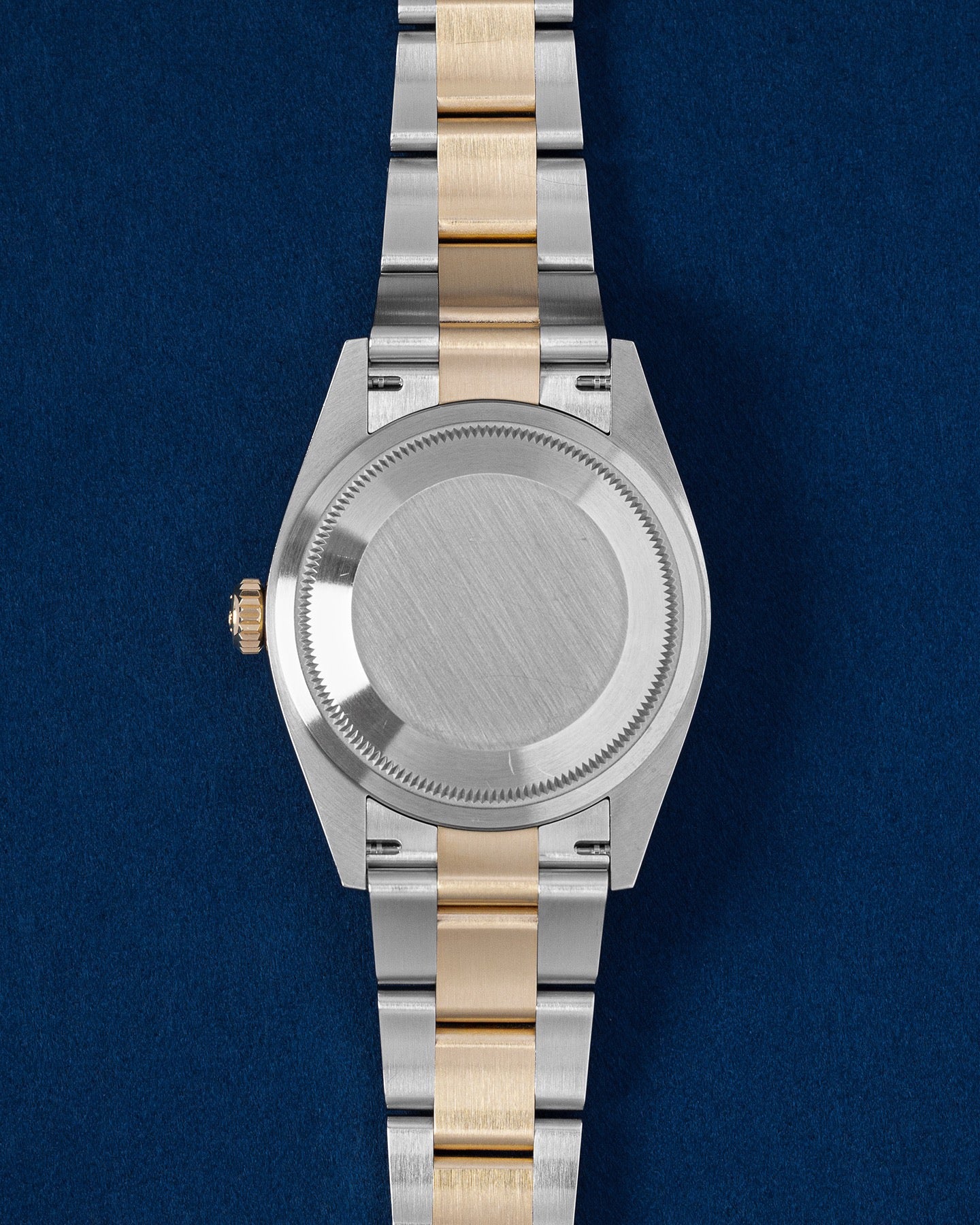
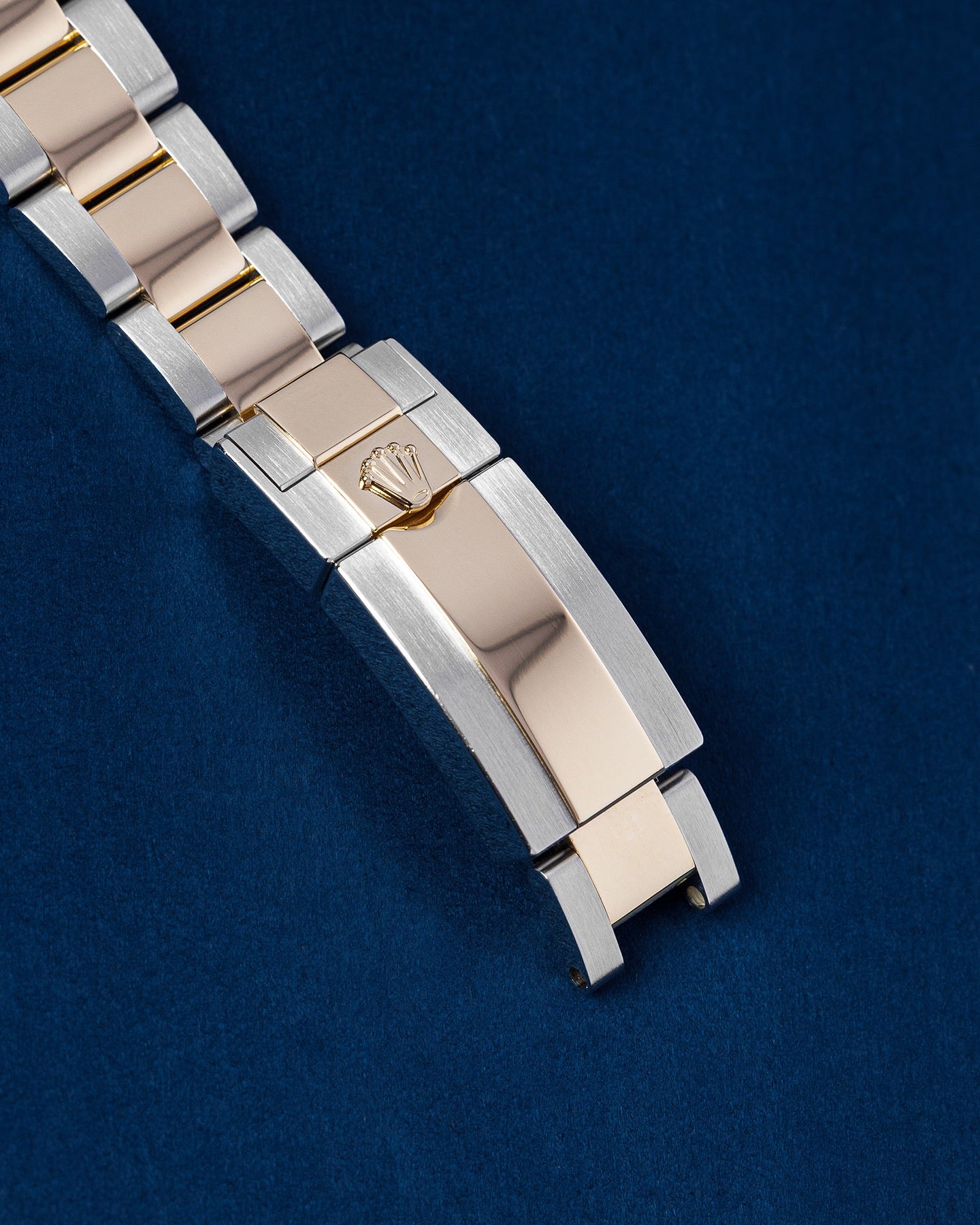
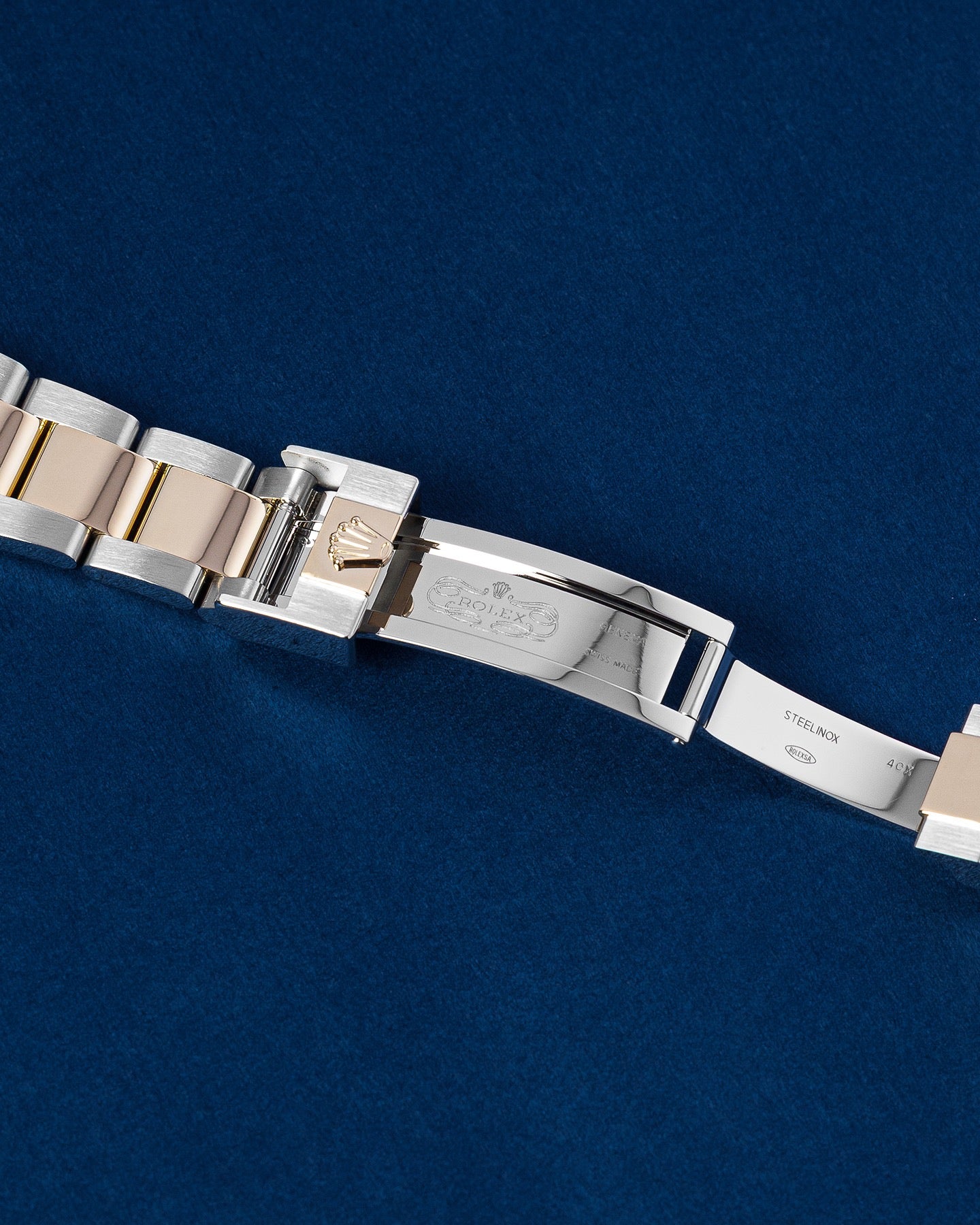
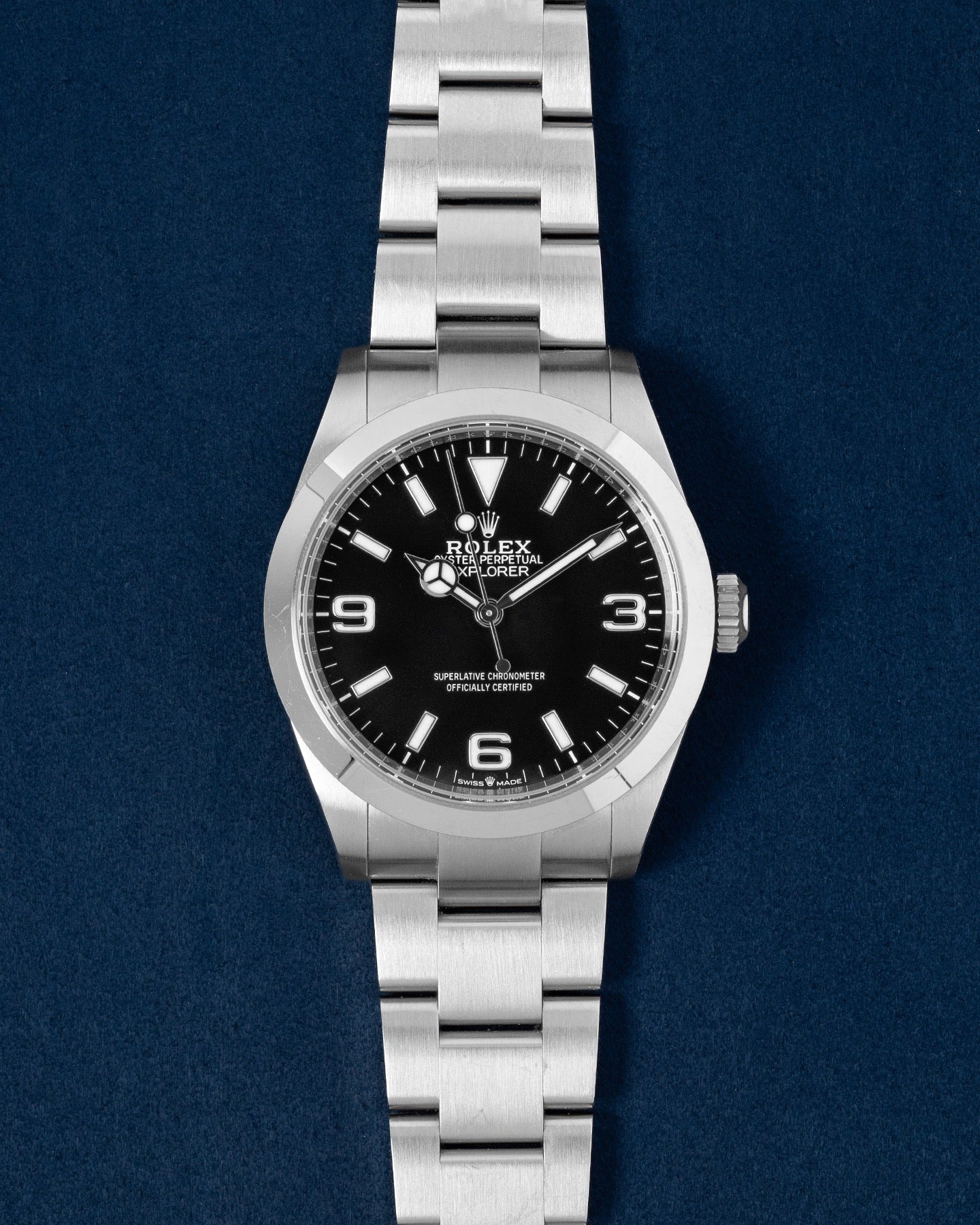
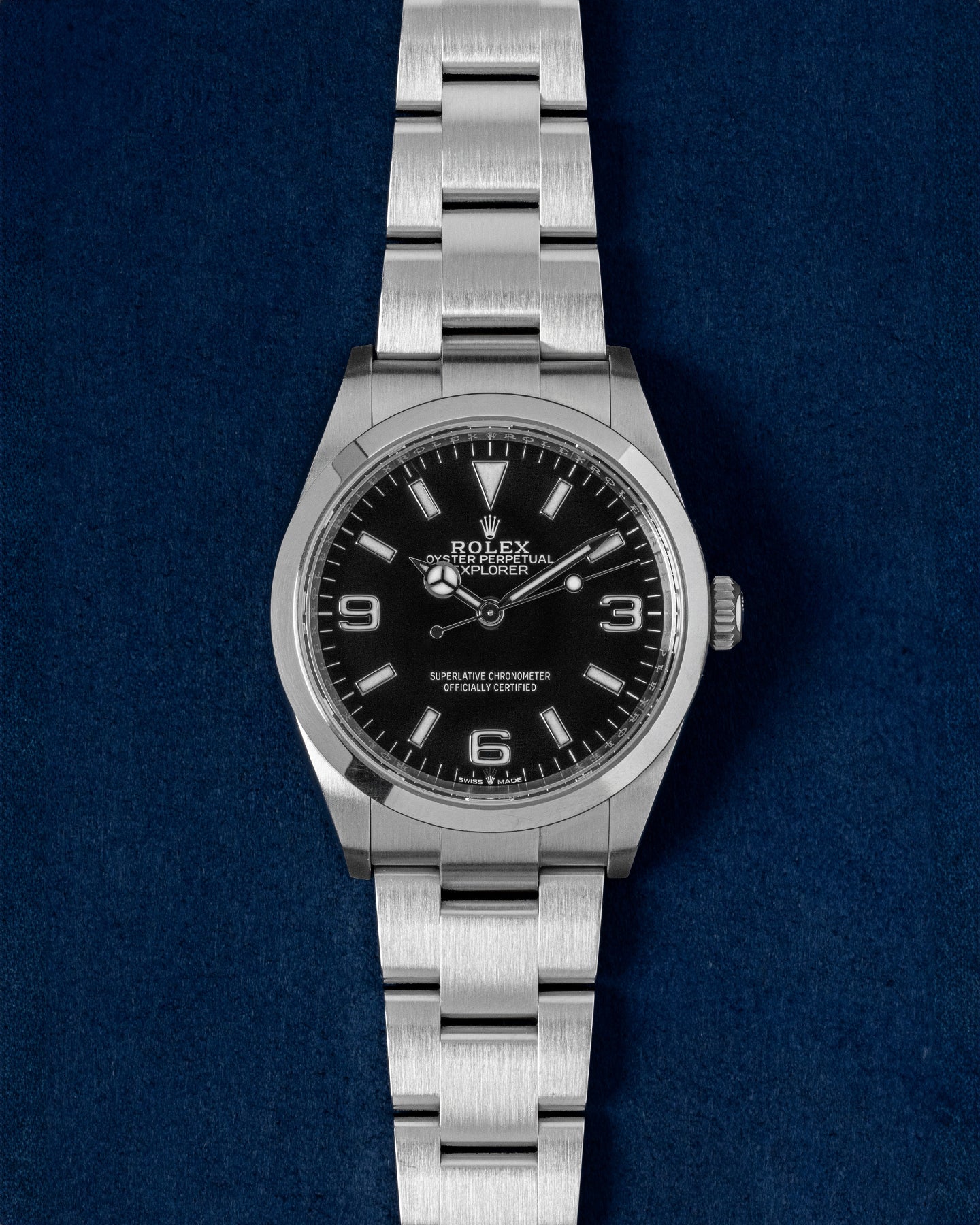
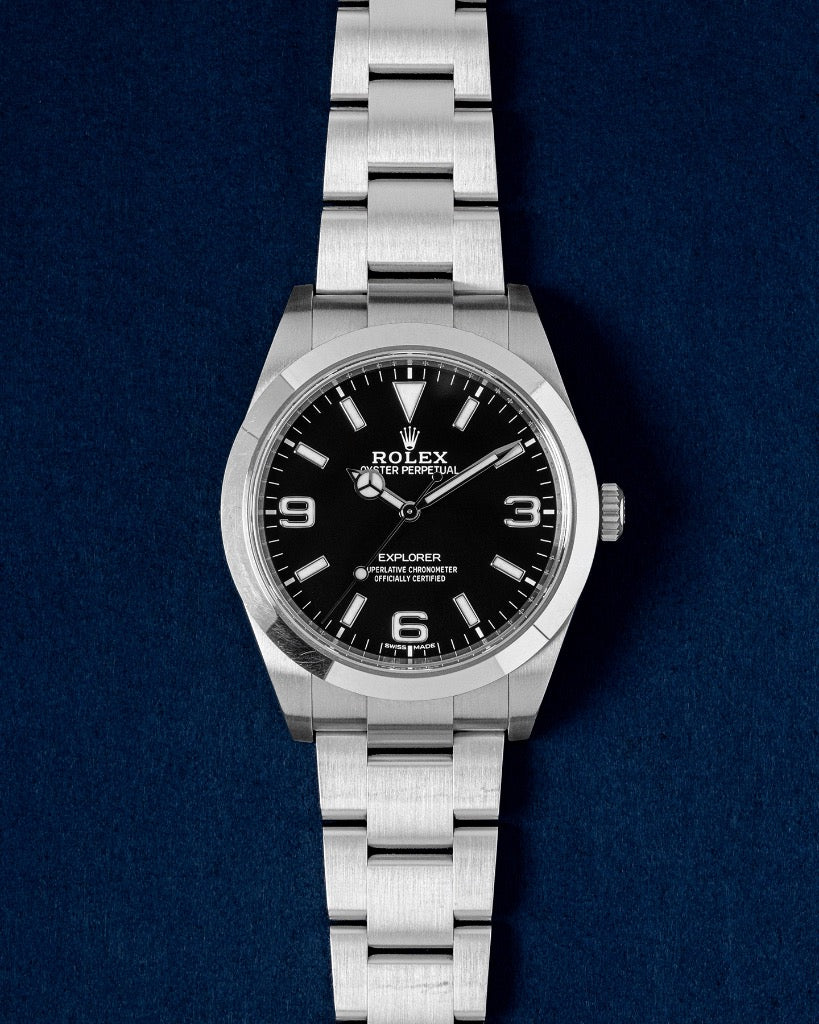
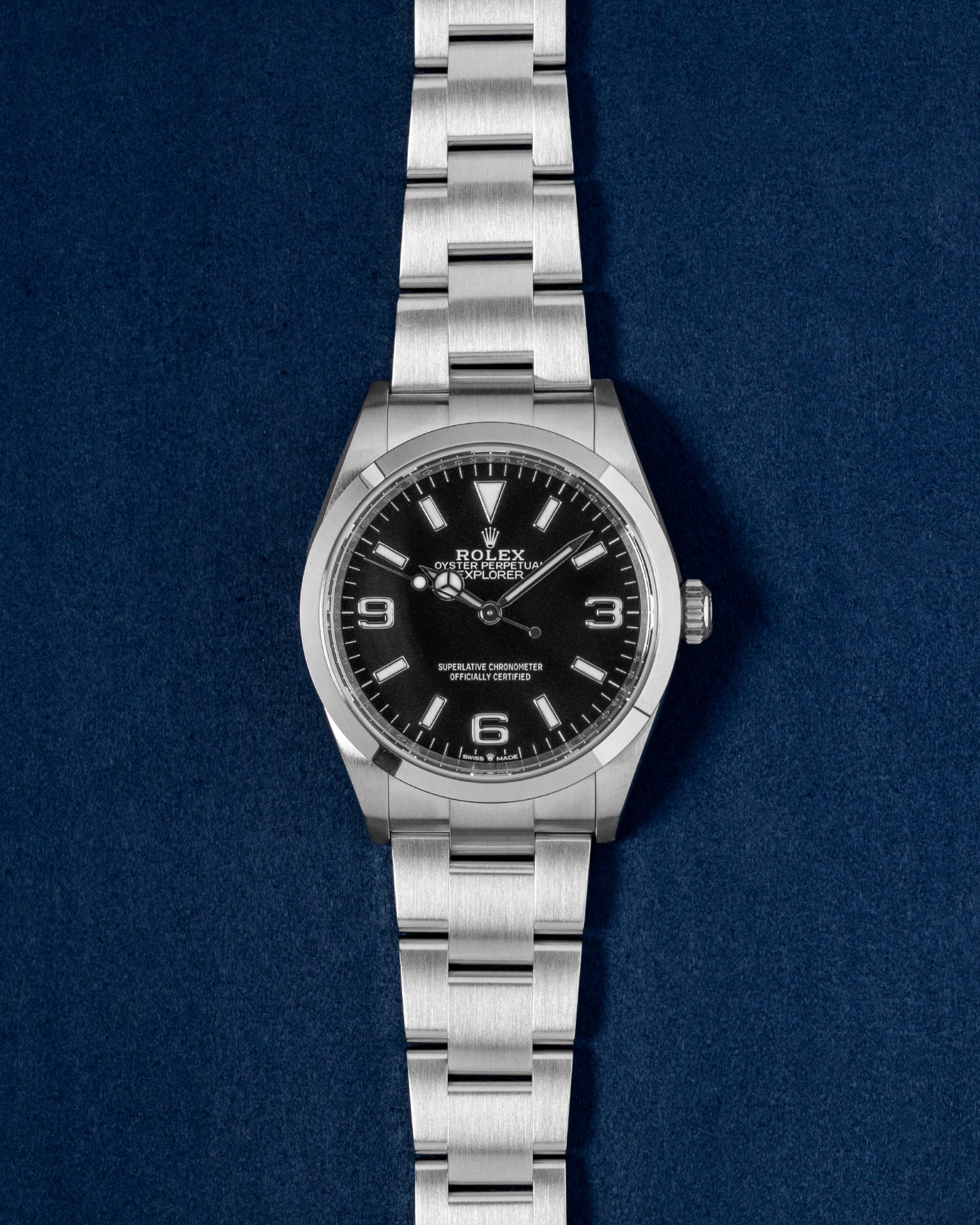
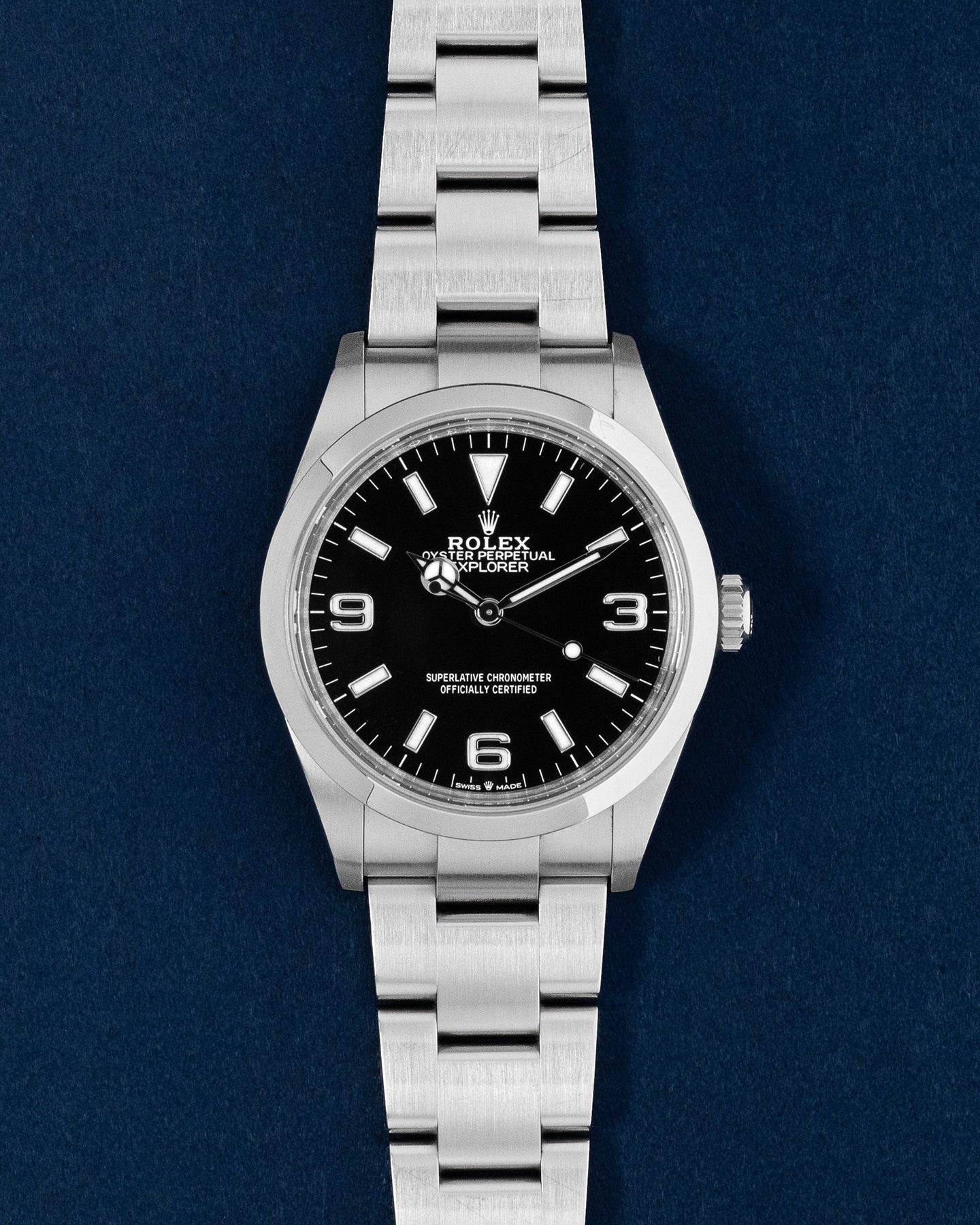
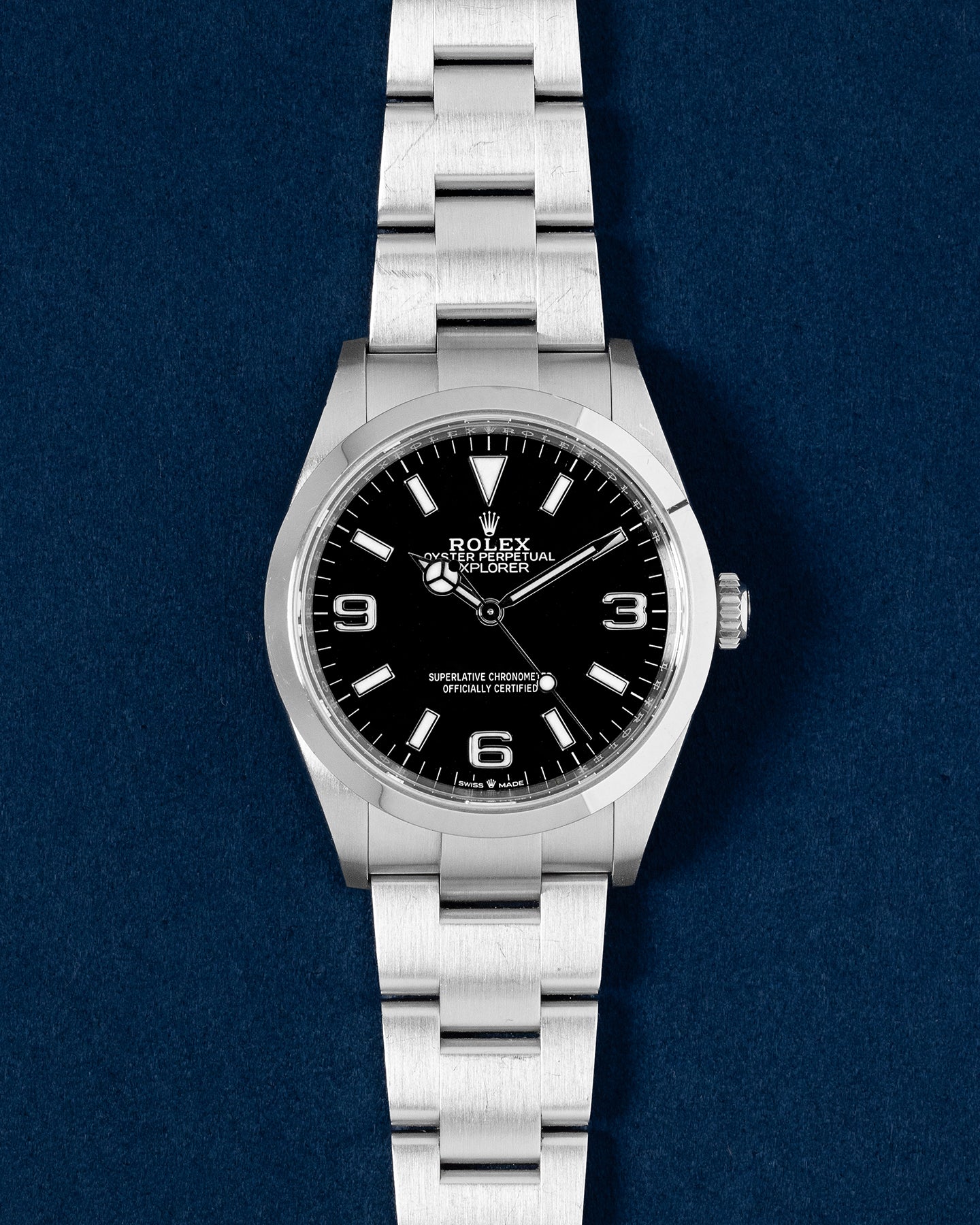
In 2021 Rolex returned the Rolex Explorer to its original 36mm case with the reference 124270, powered by the modern caliber 3230 with its 70 hour power reserve and Chronergy escapement. The return to 36mm was celebrated by enthusiasts who had always felt the classic proportions were essential to the model's character. Alongside it, Rolex introduced the reference 124273, the first ever two tone Rolex Explorer, combining Oystersteel with 18 karat yellow gold, a genuinely surprising but appealing twist on what had always been a traditionally austere steel tool watch. The 36mm 124270 is, for many, the definitive modern Explorer, and it sits closest to the spirit of the original.
The two tone 124273 deserves a moment of its own, because it represents a genuine departure for a model built on austere, tool watch values. Combining stainless steel with yellow gold on a watch designed for mountaineering struck some as incongruous and others as a delightful bit of playfulness, and it broadened the model's appeal to buyers who wanted a touch of warmth and luxury in an otherwise understated design. Whether or not it suits a given taste, it demonstrated that even the most disciplined model in the catalogue could stretch in new directions without losing its identity. For the buyer who wants a Rolex Explorer with a little more warmth and presence, the two tone reference is a genuine option that the austere history of the model would never have predicted.
Reference 224270 and the Explorer 40
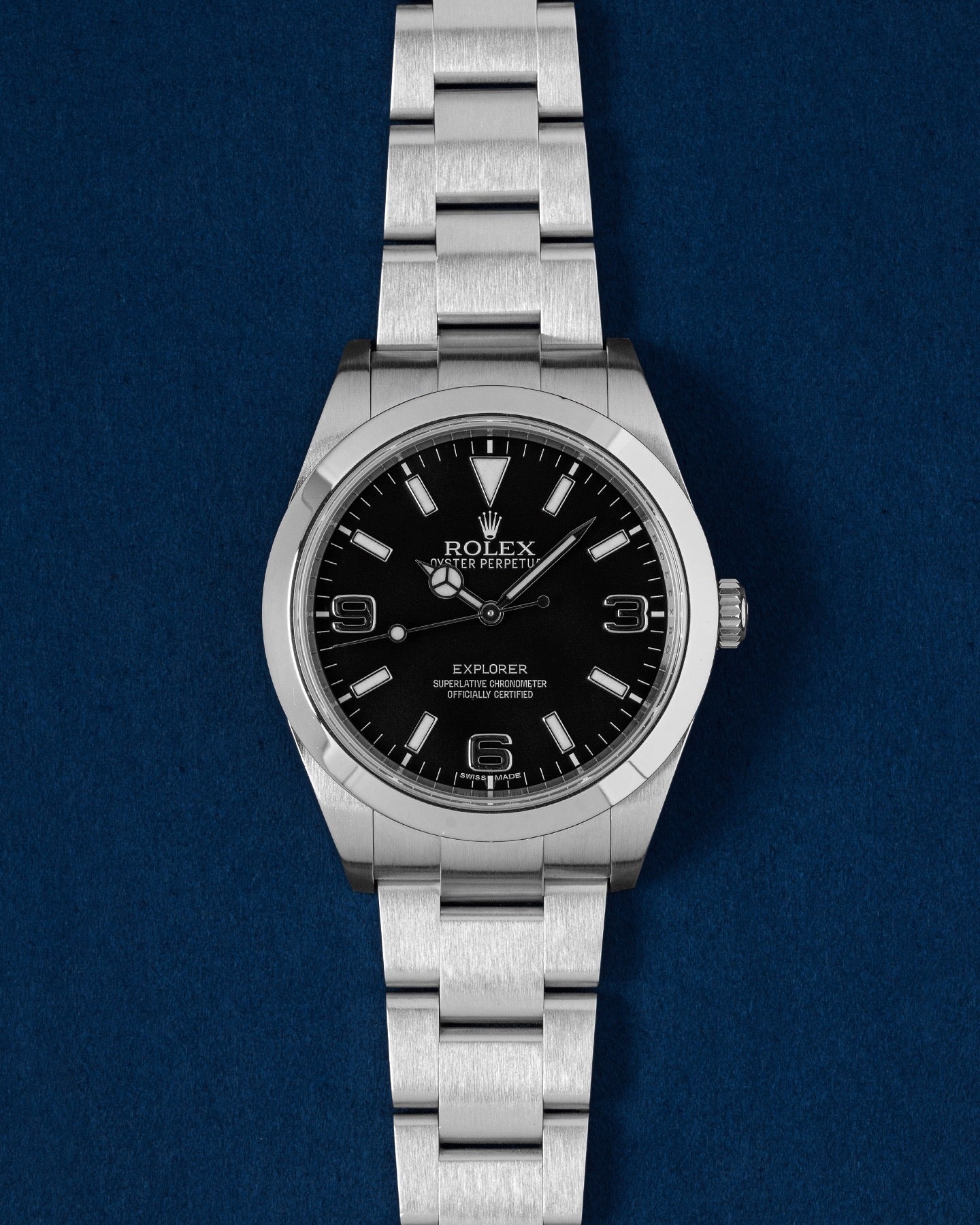
In 2023 Rolex added the reference 224270, the Explorer 40, giving the model a 40mm case for the first time and serving buyers with larger wrists who wanted the extra presence. Crucially, Rolex kept the 36mm in the lineup alongside it, so the modern Rolex Explorer offers both the classic and the contemporary size, both running the same excellent caliber 3230. This dual size strategy resolved the long running tension between traditionalists and buyers who wanted a larger watch, and it means there is now an Explorer proportioned to suit almost any wrist and taste.
The Explorer 40 wears differently than its 39mm predecessor despite the small numerical difference, with refined proportions and the benefit of everything Rolex learned across the 214270's run. On a larger wrist it has genuine presence without feeling oversized, and it brings the model firmly into line with contemporary preferences. Offering the 36mm and 40mm side by side is arguably the smartest the lineup has ever been, since it lets a buyer choose purely on wrist size and taste rather than compromising, and both share the identical modern movement and dial design.
Rolex Explorer Design and Identity
The Discipline of Restraint
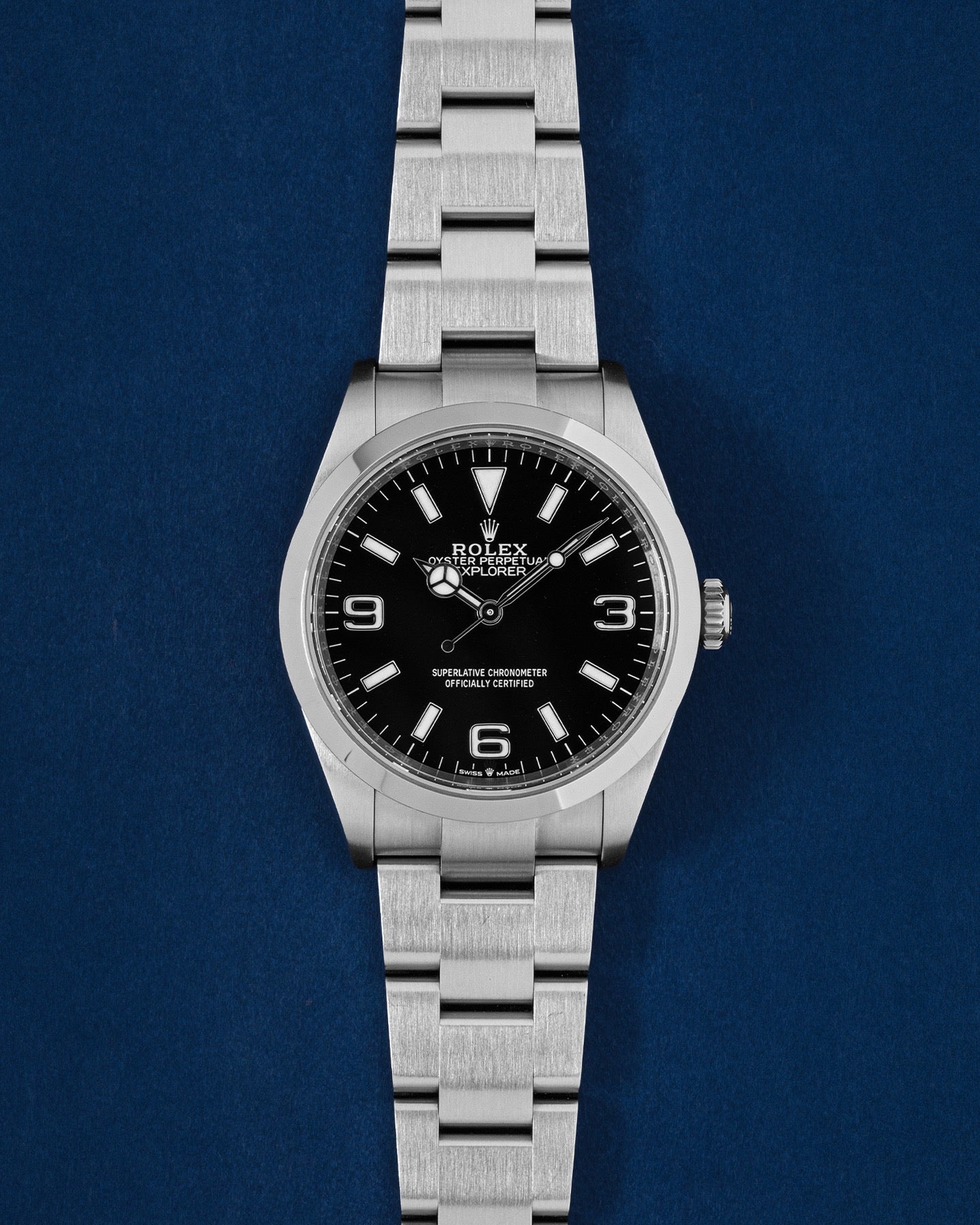
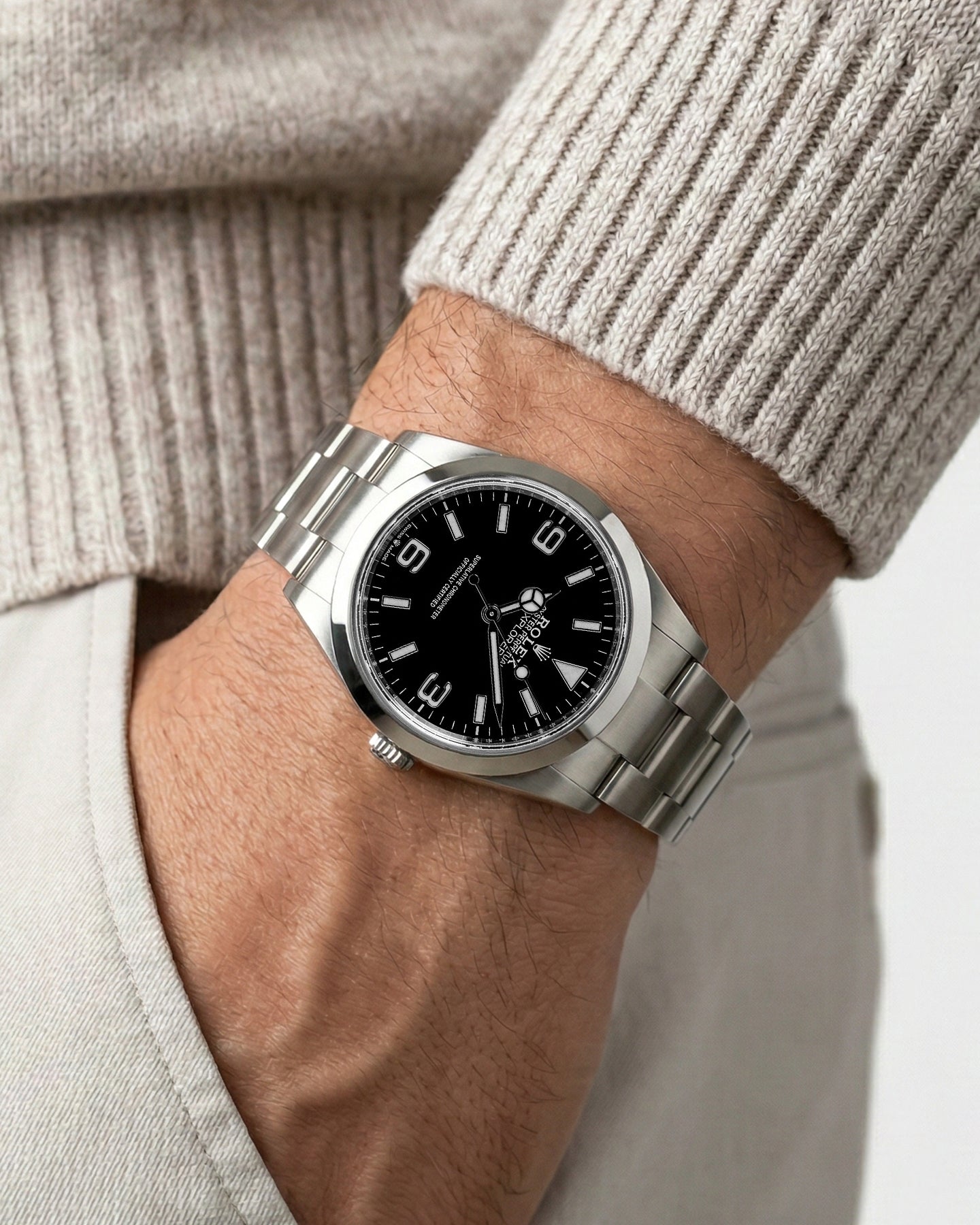
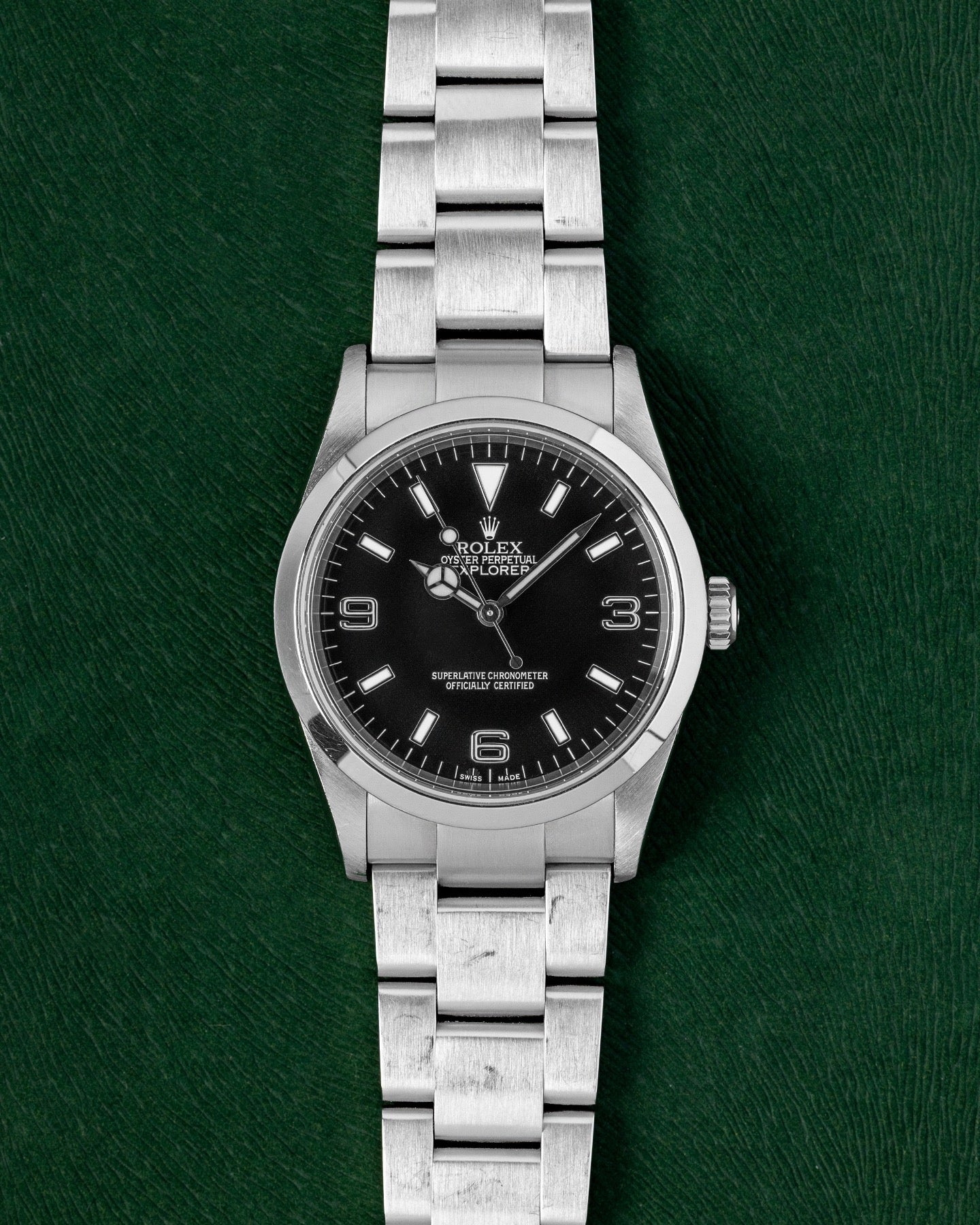
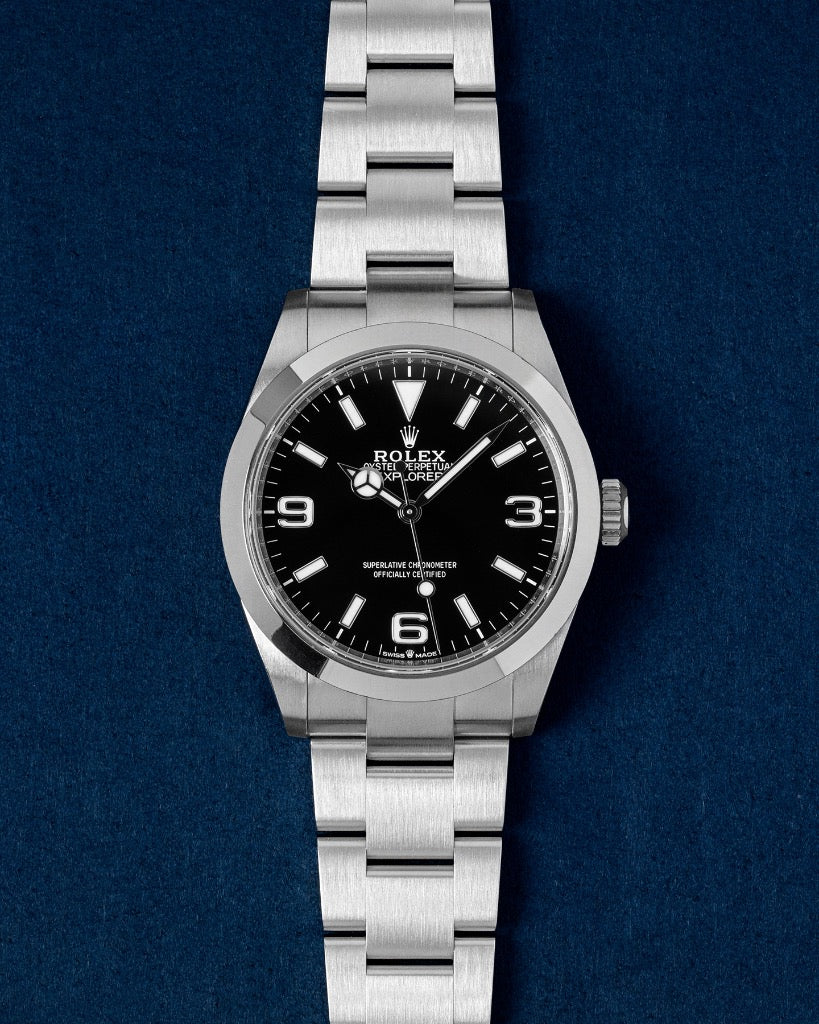
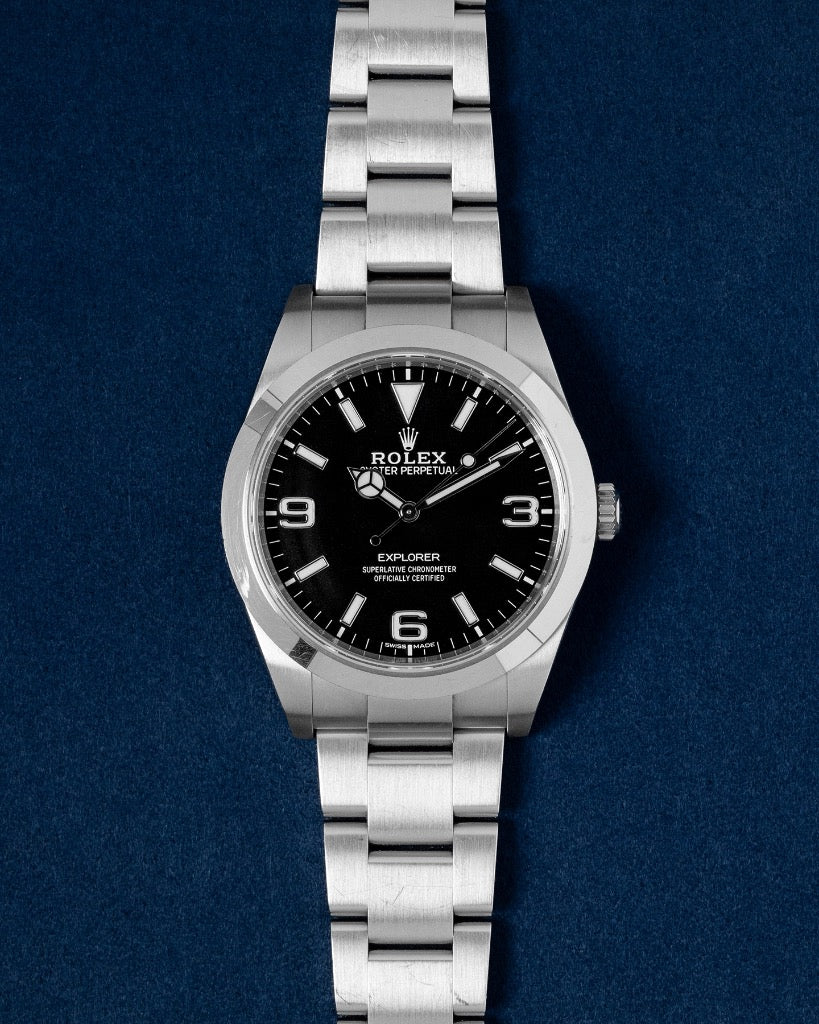
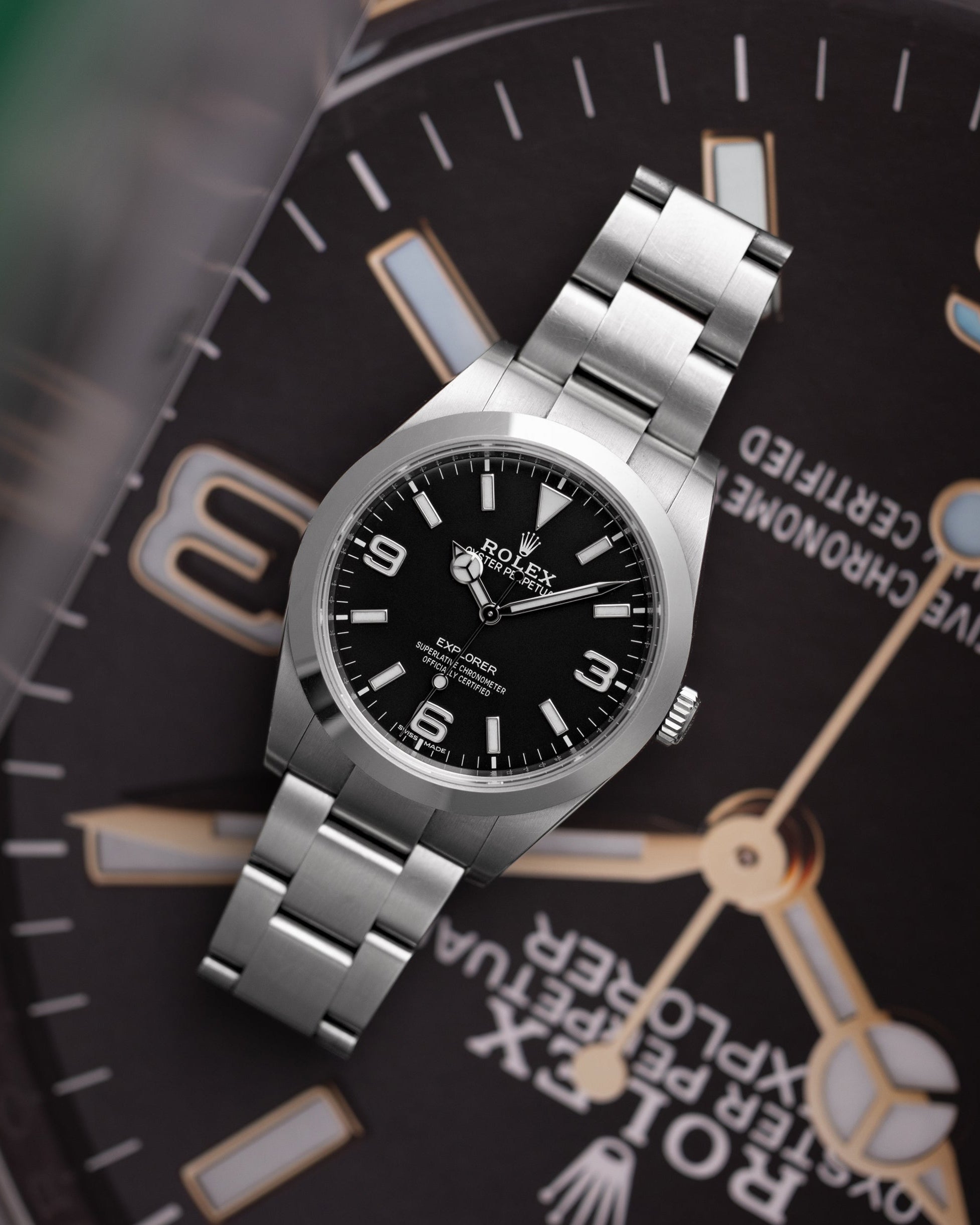
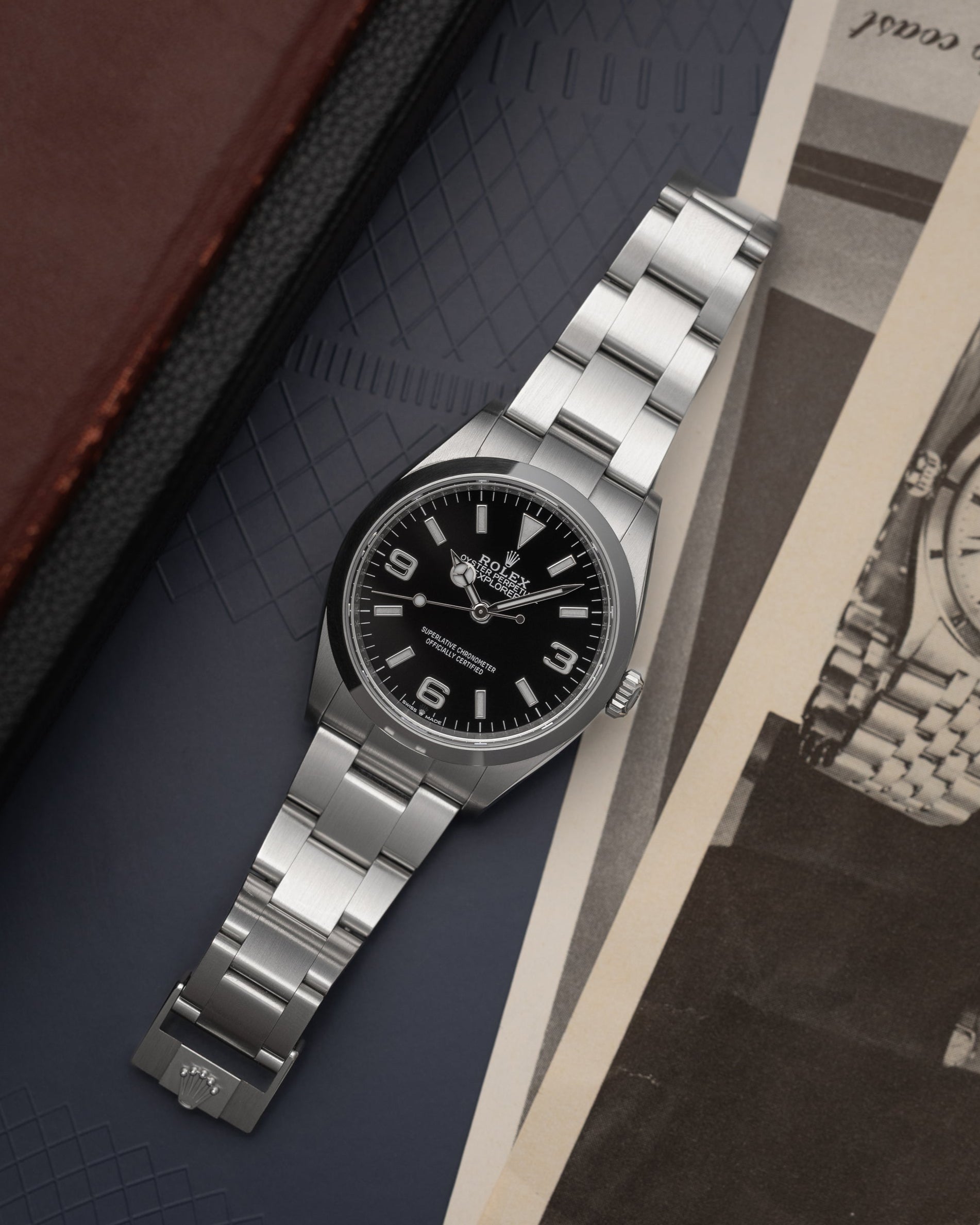
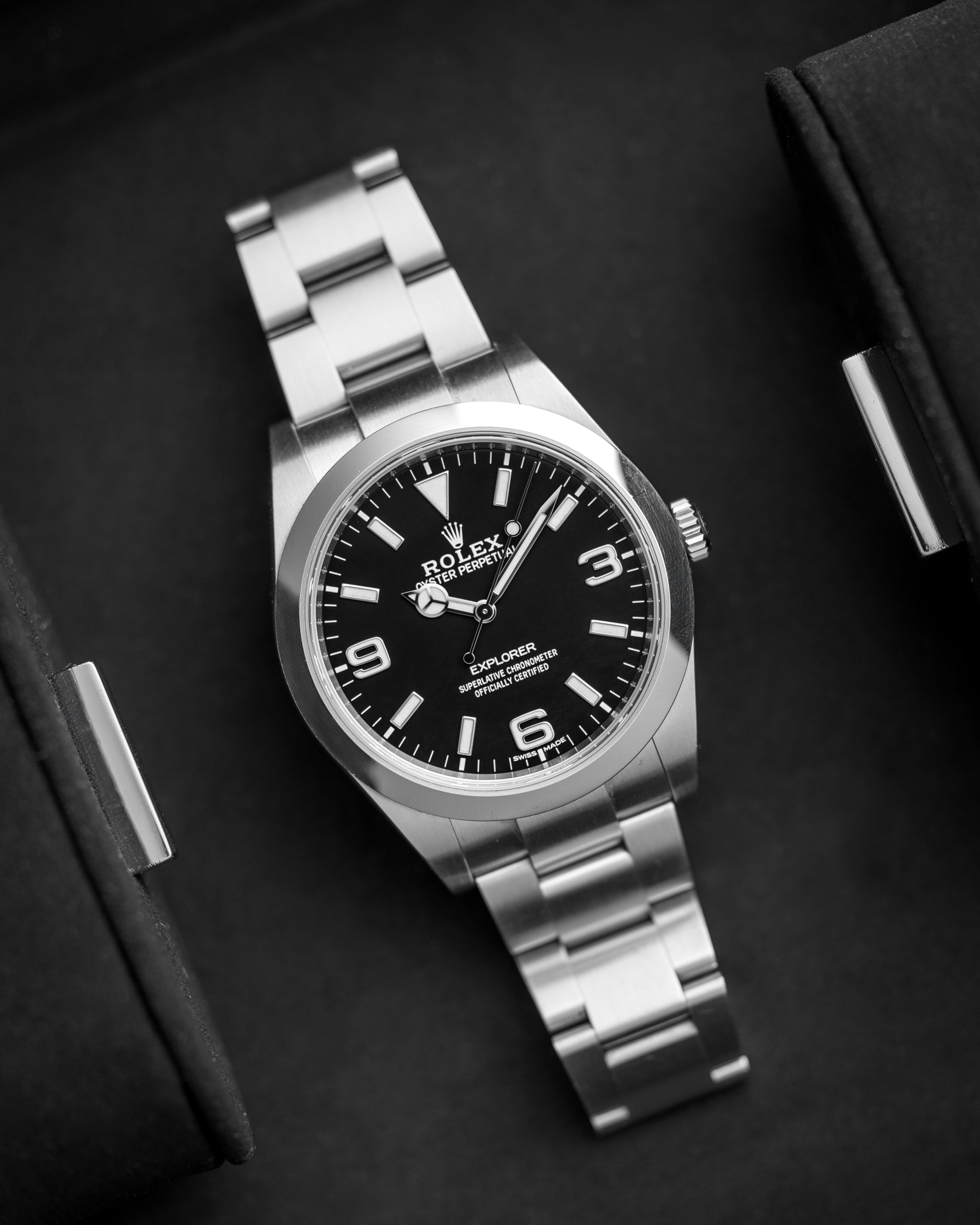
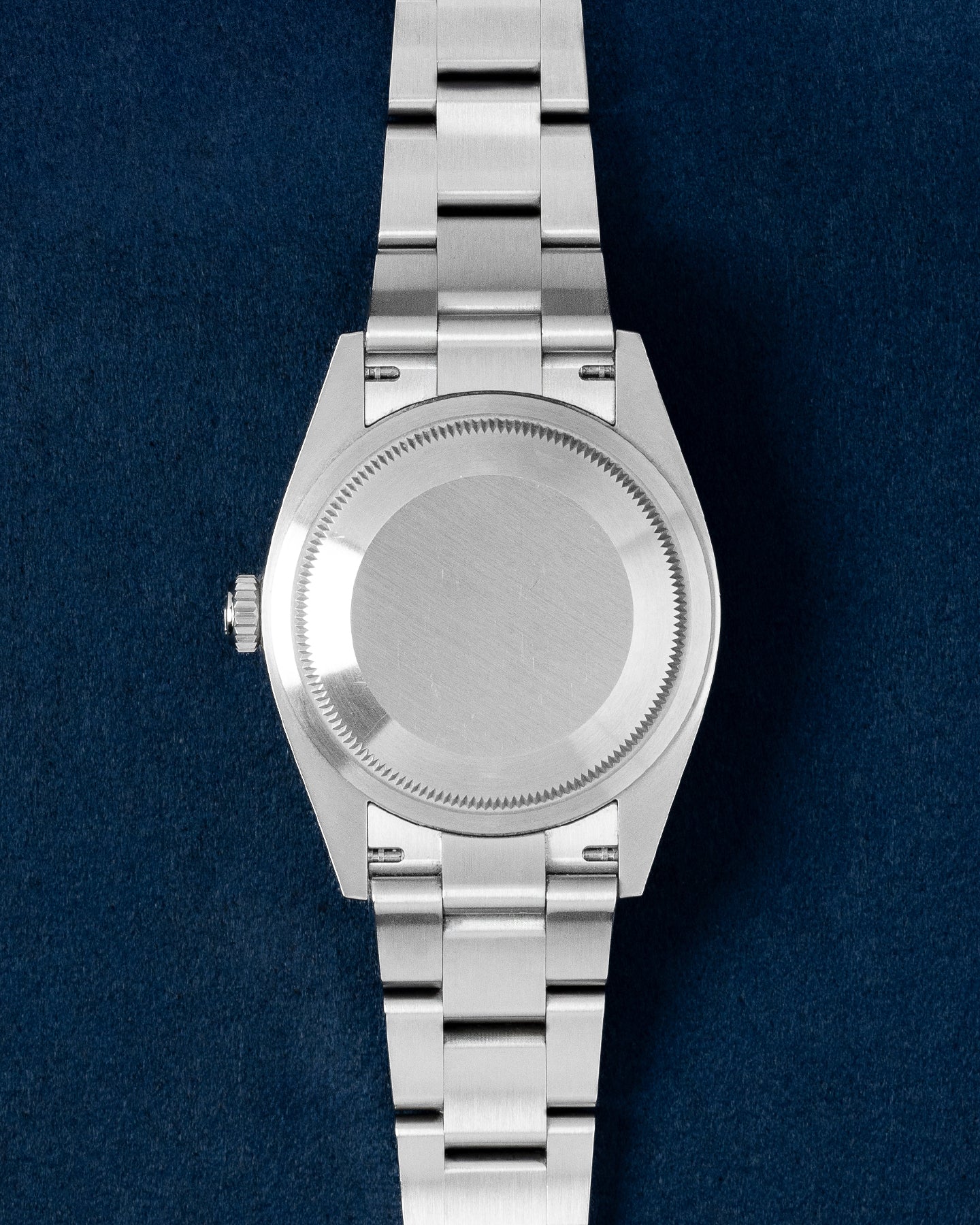
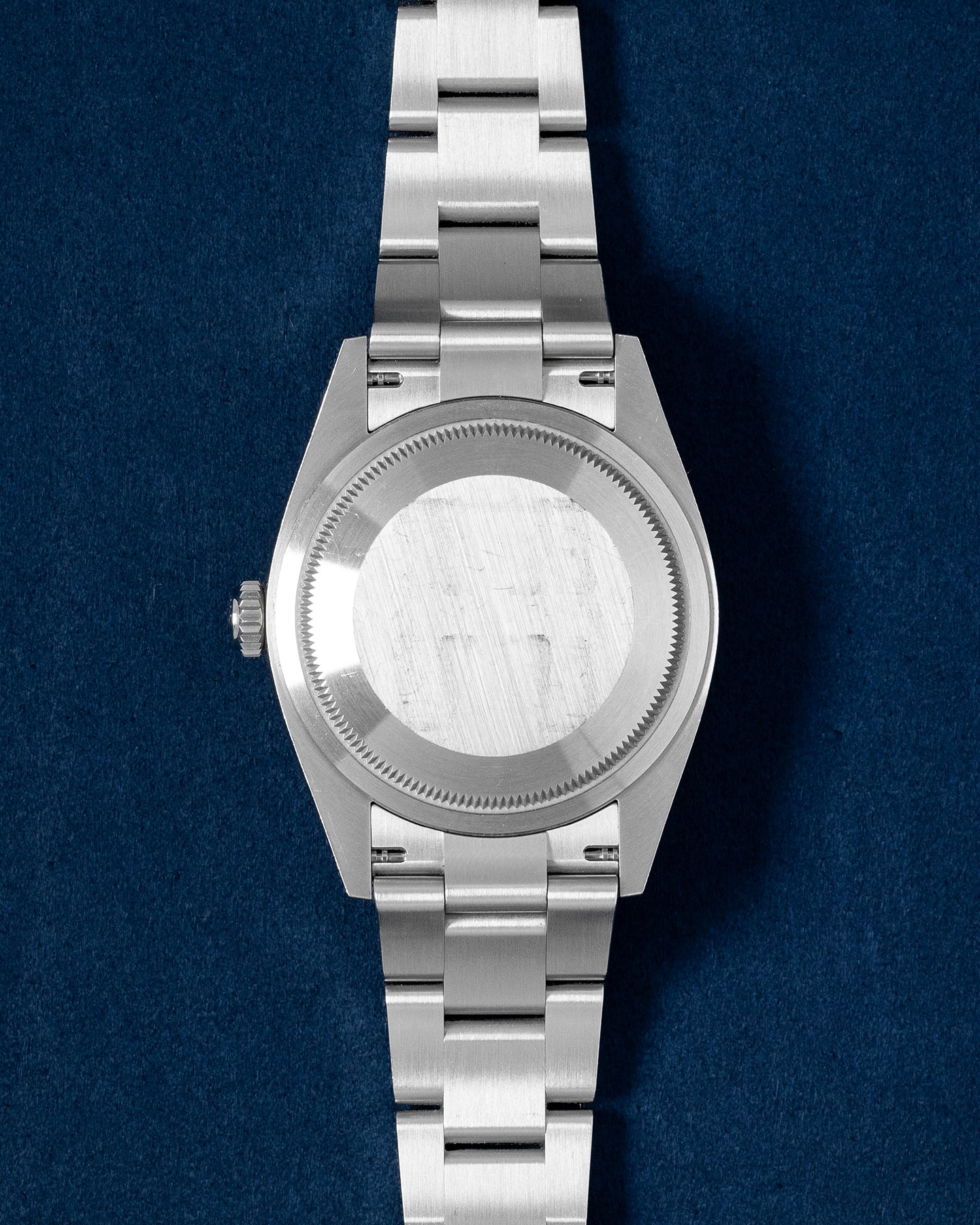
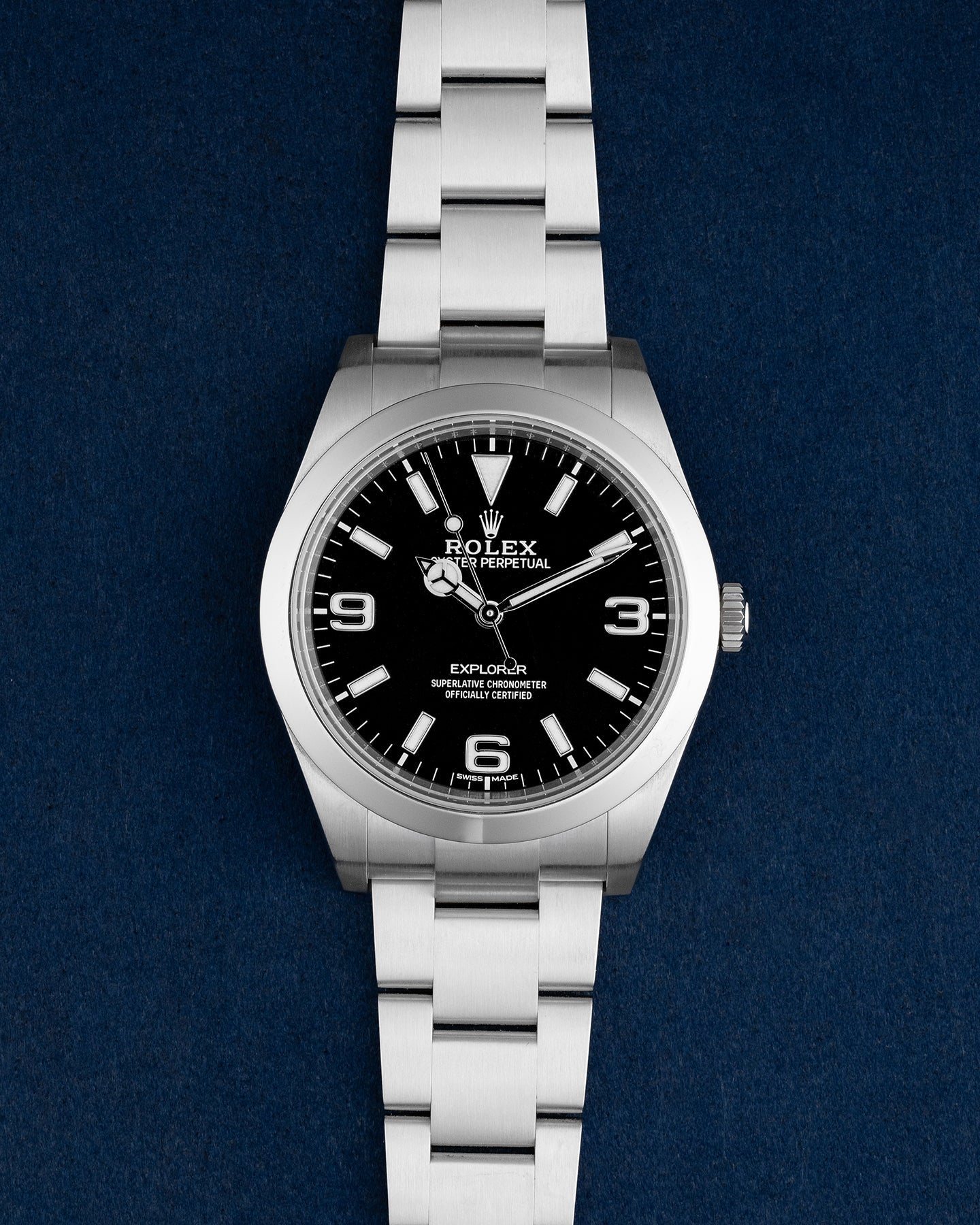
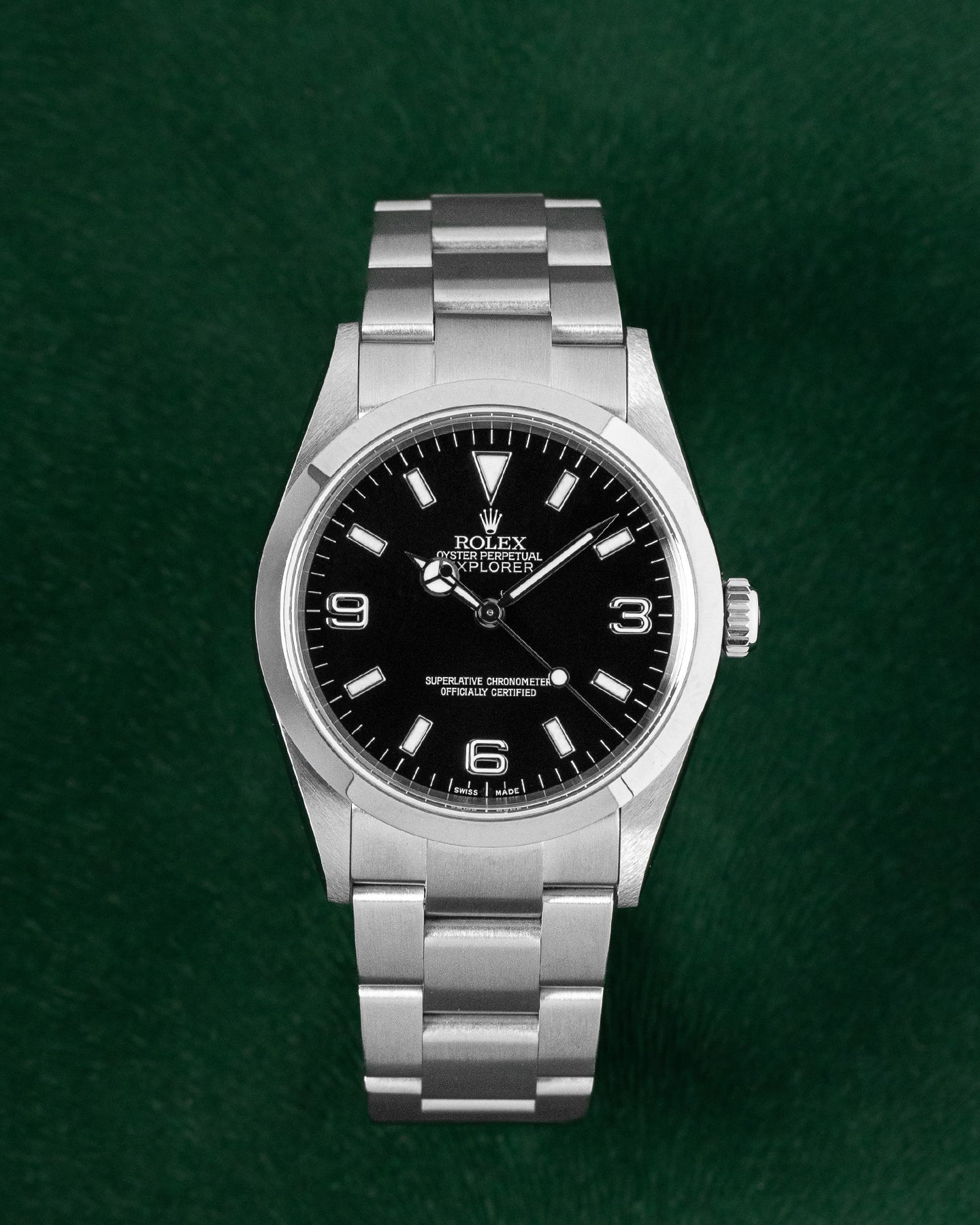
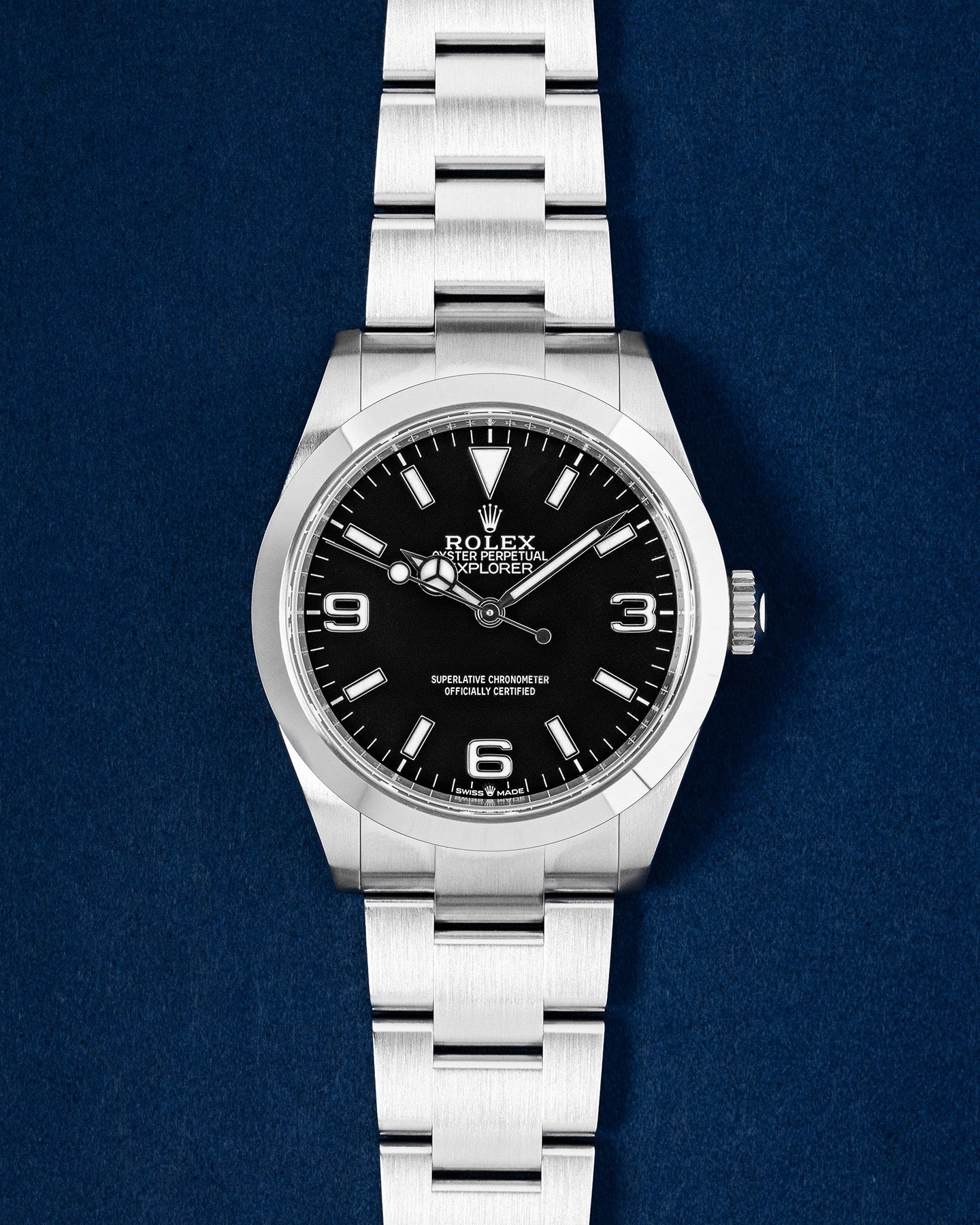
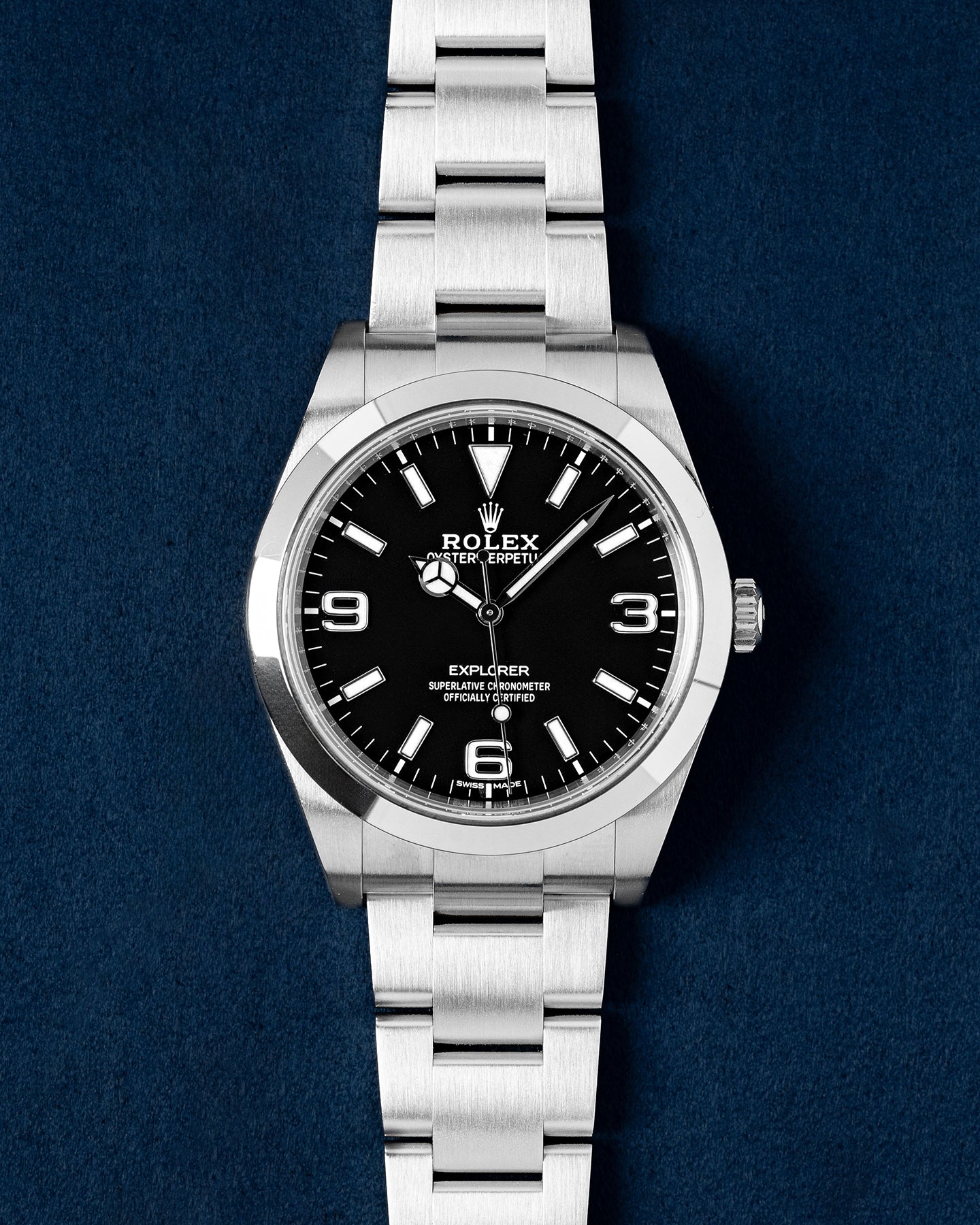
The genius of the Rolex Explorer is its restraint. Across seven decades and many references, the core formula has barely changed, a glossy black dial, the luminous 3-6-9 Arabic numerals, Mercedes style hands, a smooth bezel, and a robust Oyster case with no date and no clutter. It is a study in doing exactly enough and nothing more, and that quiet discipline is precisely what gives the model its timeless, understated, and enduring appeal. A layman might struggle to tell a 1016 from a 124270 at a glance, and that continuity is entirely deliberate.
That continuity is not laziness but confidence. Rolex changes the model constantly beneath the surface, updating movements, refining cases, improving lume and bracelets, yet it guards the essential appearance with real discipline. The result is a watch that feels both timeless and current, one that a person could have worn in 1960 or could buy new today and look equally correct in either era. Very few products of any kind achieve that, and it is a large part of why the model has never needed reinvention to stay relevant. The restraint is the design.
The One Watch Collection
This is the watch that best embodies the idea of a go anywhere, do anything timepiece, robust enough for genuine adventure yet elegant enough to slip under a shirt cuff in a boardroom. The modern Chromalight display gives a long lasting blue glow for legibility in the dark, a meaningful upgrade over earlier lume that honors the model's origins as a watch for extreme, low light environments where reading the time quickly could genuinely matter. The Explorer asks nothing of its wearer and suits everything they do, which is exactly why it is so often recommended as the ideal one watch collection, the single watch that can genuinely handle any occasion.
The phrase enthusiasts use is go anywhere, do anything, and few watches earn it as completely as this one. It is water resistant enough for real use, tough enough to ignore, legible in any light, and restrained enough to pair with a suit or a t-shirt without a second thought. For someone who wants to own a single serious watch and never think about whether it fits the occasion, this is very often the recommendation, and the advice tends to hold up over years of ownership rather than fading once the novelty wears off. That versatility is the model's deepest strength.
Rolex Explorer Movements
The movement history of the Rolex Explorer tracks the evolution of Rolex's automatic calibers across the decades. The early references ran the calibers of their era, and the legendary 1016 used the calibers 1560 and then 1570, the workhorse movements that powered so much of Rolex's mid century output, with hacking seconds arriving on the 1570 in 1971. The modern era began with the caliber 3000 in the 14270, followed by the caliber 3130 in the 114270 and the caliber 3132 in the 39mm 214270.
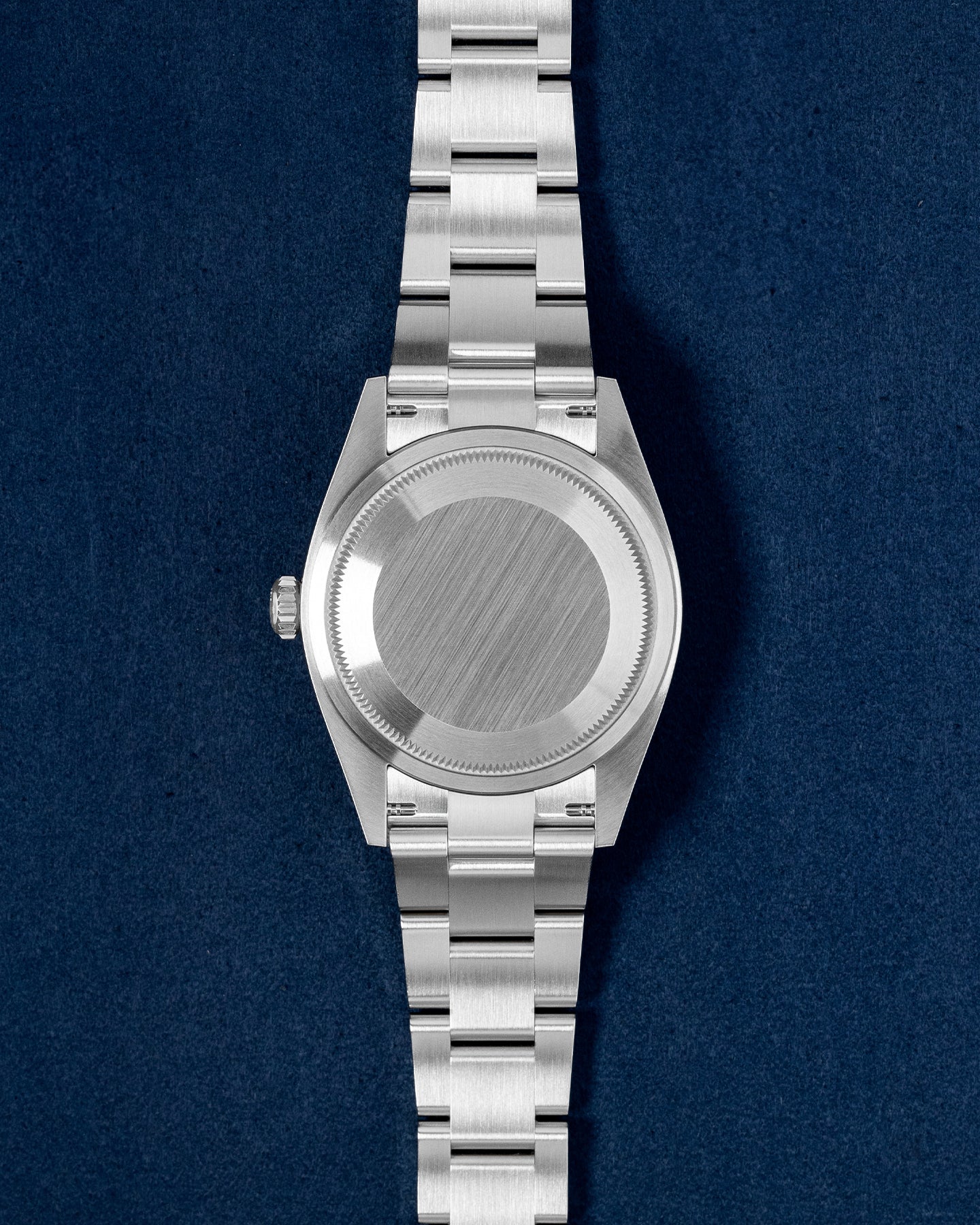
The current Rolex Explorer, in both 36mm and 40mm, runs the caliber 3230, one of Rolex's newest generation movements. It brings the Chronergy escapement, made of nickel phosphorus to resist magnetism, the paramagnetic blue Parachrom hairspring, Paraflex shock absorbers, and a 70 hour power reserve, all with Superlative Chronometer certification at negative two to positive two seconds per day. Whichever generation a buyer chooses, the movement inside an Explorer is a genuine in house Rolex caliber built to run reliably for decades, which is entirely in keeping with the model's tool watch mission.
It is worth noting how the movement upgrades track the model's quiet evolution. Each new caliber brought meaningful gains, longer power reserves, better magnetic resistance, improved shock protection, without ever changing what the watch is or how it wears. The current caliber 3230, with its 70 hour reserve, means a watch taken off on Friday evening will still be running come Monday morning, a genuinely useful improvement for a watch meant to be lived with. These are the kinds of refinements that reward long ownership, and they reflect the model's identity as a tool built to be used rather than admired in a safe.
Rolex Explorer vs Comparable Watches
Buyers considering the Rolex Explorer are usually weighing it against its closest relatives in the catalogue, the other clean, versatile steel Rolex references. The comparisons below address the questions we hear most often in the showroom. In each case the honest framing is that the Rolex Explorer is not simply better or worse than its relatives but occupies a distinct position, the pure, understated, heritage rich tool watch, and the right choice depends on what a particular buyer values most. Grand Caliber carries the Rolex Explorer alongside these other models, which is exactly why we can speak to the comparison without bias toward one side.
Rolex Explorer vs Oyster Perpetual
The Oyster Perpetual is the Explorer's closest sibling and the most common cross shop. Both are clean, time only steel Rolexes, but they differ in character. The Oyster Perpetual offers a range of sizes and bright, colorful dials as the purest expression of the Oyster concept, often at a lower price, while the Rolex Explorer carries the 3-6-9 dial, the Mercedes hands, the Everest heritage, and the Chromalight display. A buyer choosing between them is weighing the Oyster Perpetual's playful versatility against the tool watch character and history of the Rolex Explorer.
Rolex Explorer vs Explorer II
The Explorer II is the Explorer's larger, more complicated sibling. Introduced in 1971 for speleologists and cave explorers, it adds a fixed 24 hour bezel and a GMT hand to help distinguish day from night when working underground for days, and it has always been a bigger, more overtly sporty watch. The Rolex Explorer is simpler, slimmer, and more versatile, the pure tool watch, while the Explorer II is the more specialized and rugged instrument. For the buyer who wants the essential, understated original, the Rolex Explorer is the answer, while the Explorer II appeals to those who want more presence, the fixed 24 hour bezel, and the extra GMT function for tracking a second time zone.
Rolex Explorer vs Datejust
The Datejust is Rolex's classic everyday watch, and the comparison comes down to character. The Datejust adds a date and the Cyclops, comes in a huge range of dials, bezels, and metals, and leans dressier, while the Rolex Explorer is a no date sport tool watch with a single minded, rugged identity. A buyer who wants versatility and formality often chooses the Datejust, while the buyer who wants a clean, heritage rich adventure watch is drawn to the Rolex Explorer. Many collectors eventually own both, since they serve genuinely different roles. The Datejust handles the dressier end of daily life while the Rolex Explorer handles everything else, and together they cover almost any situation a person is likely to encounter.
Rolex Explorer Pricing and the Secondary Market
The Rolex Explorer occupies one of the most genuinely attractive positions in the entire Rolex catalogue for a buyer, because it is one of the very few Rolex sport watches that trades at or near its retail price on the secondary market rather than at the large premiums that define the Submariner, the GMT-Master II, and the Daytona. There is no multi year waitlist and no hype premium to overcome, which makes the Rolex Explorer one of the most sensible and accessible ways into a genuine Rolex sport watch.
Current and Modern Pricing
The current 36mm 124270 carries a retail price of around 7,900 dollars as of 2026 and typically trades close to that number, sometimes even slightly below it, on the secondary market. The 40mm 224270 sits a little higher at around 8,350 dollars retail and trades in a similar band, with full set examples in excellent condition commanding the upper end. The two tone 124273 is considerably more at around 14,600 dollars given its gold content. The discontinued 114270 offers exceptional value, delivering the classic 36mm Rolex Explorer look with a modern movement for meaningfully less. Across the modern references, the near parity between retail and pre-owned pricing means a buyer is unlikely to overpay when buying from a trusted source.
This pricing dynamic is genuinely unusual among Rolex sport watches and deserves emphasis, because it fundamentally changes the buying experience. With the most hyped references, a buyer either waits years on an allocation list or pays a large premium on the secondary market, and often both. The Rolex Explorer sidesteps that entirely. A buyer can walk in, choose the size and reference they want, and pay a fair, transparent price close to what the watch costs at retail, with none of the games. For anyone who finds the modern Rolex buying circus exhausting, the Rolex Explorer is a refreshing exception and one of the strongest arguments for the model.
Vintage Pricing and the 1016
The vintage market is a different story. The legendary 1016 has appreciated significantly over the years, with clean, original examples typically starting around 20,000 dollars and the earliest gilt dial pieces commanding considerably more. The early references, the 6350 and 6610, and rare dial variants can reach well into five and even six figures for exceptional examples. Vintage Rolex Explorer value is driven heavily by dial originality, condition, and completeness, which is exactly where the expertise of a specialist dealer matters most. Grand Caliber prices every example, modern and vintage, openly to the current market.
The gap between the modern and vintage markets is one of the most striking things about the model. A current Rolex Explorer can be bought new for well under 10,000 dollars, while a genuinely special vintage 1016 or early reference can cost several times that, and the two occupy almost entirely different collecting worlds. That range is part of what makes the Rolex Explorer so rewarding to explore, since a buyer can enter at a sensible price with a modern reference and, over time, develop the knowledge to pursue the deeper vintage waters where dial variants and originality drive real value.
Rolex Explorer as an Investment and Ownership Proposition
The Rolex Explorer is best understood as a watch to wear and enjoy rather than as a vehicle for short term speculation, and that is genuinely part of its appeal. Because the modern references trade at or near retail rather than at inflated premiums, a buyer faces very little downside risk, and the model's more than seventy years of heritage, its chronometer certified in house movement, and its genuine availability provide a solid foundation of enduring desirability. It is one of the very few Rolex sport watches a buyer can acquire without playing allocation games, and that alone makes the Rolex Explorer stand out in the current market.
The modern Explorer has not seen the dramatic appreciation of the hyped steel sports models in recent years, which is precisely why it makes more sense as a watch to own and wear than as a flip. On the vintage side, the 1016 and the early references have shown strong long term appreciation, and they occupy a genuinely different tier as serious collector pieces. As with any watch, condition, originality, and completeness drive value, and the vintage Rolex Explorer market places a real premium on original dials and unpolished cases. A buyer approaching the Rolex Explorer for its heritage, its versatility, and its honesty is unlikely to be disappointed.
There is also a real argument for the Rolex Explorer as a first serious Rolex. It offers genuine heritage, a chronometer certified in house movement, and iconic status, at a price close to the entry point of the brand's sport watches and without the frustration of waitlists. For someone building a collection or buying their one great watch, that combination of accessibility, substance, and history is difficult to beat, and it explains why the model is so often the considered choice of people who know the brand well rather than an impulse purchase.
Authenticating and Servicing a Rolex Explorer
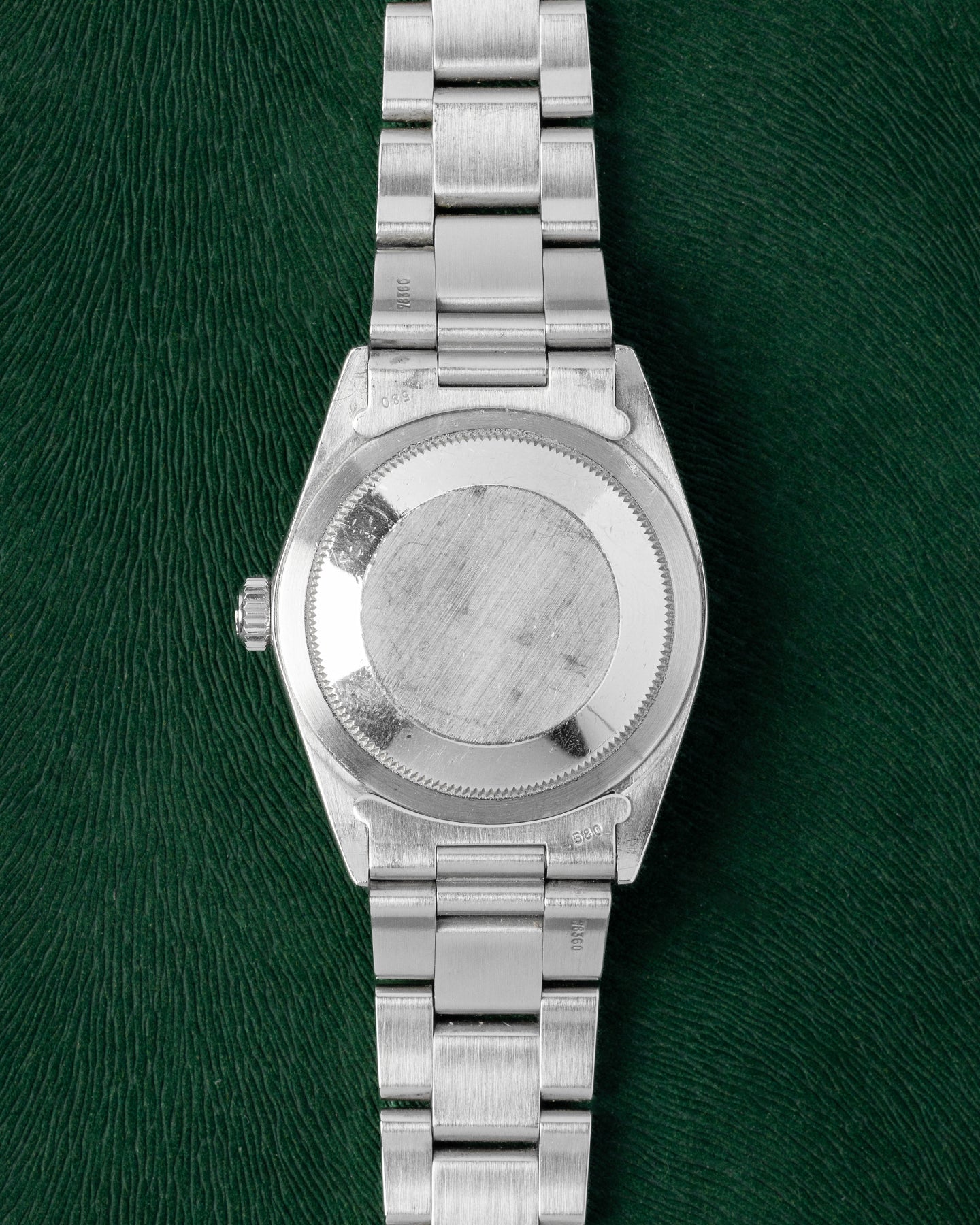
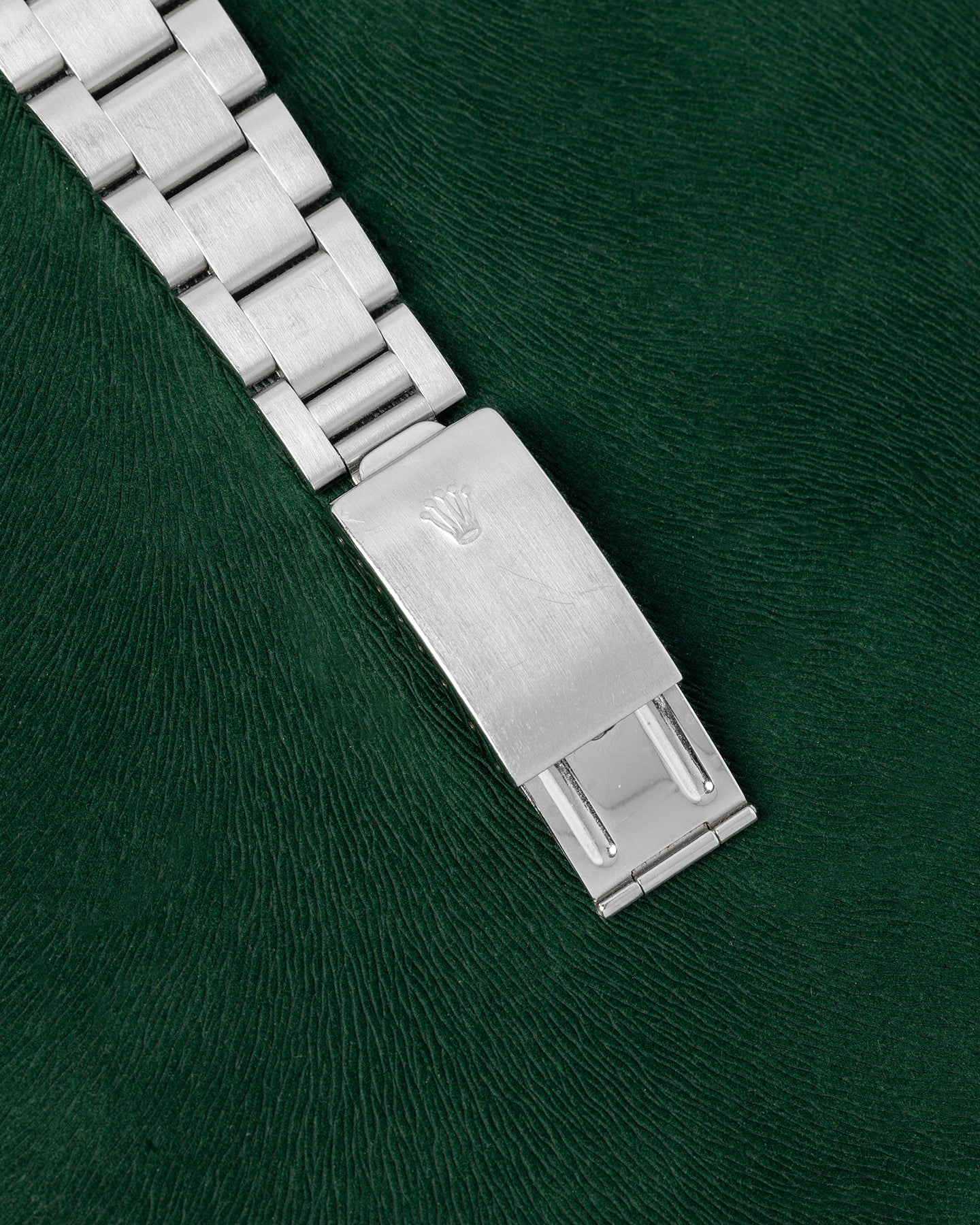
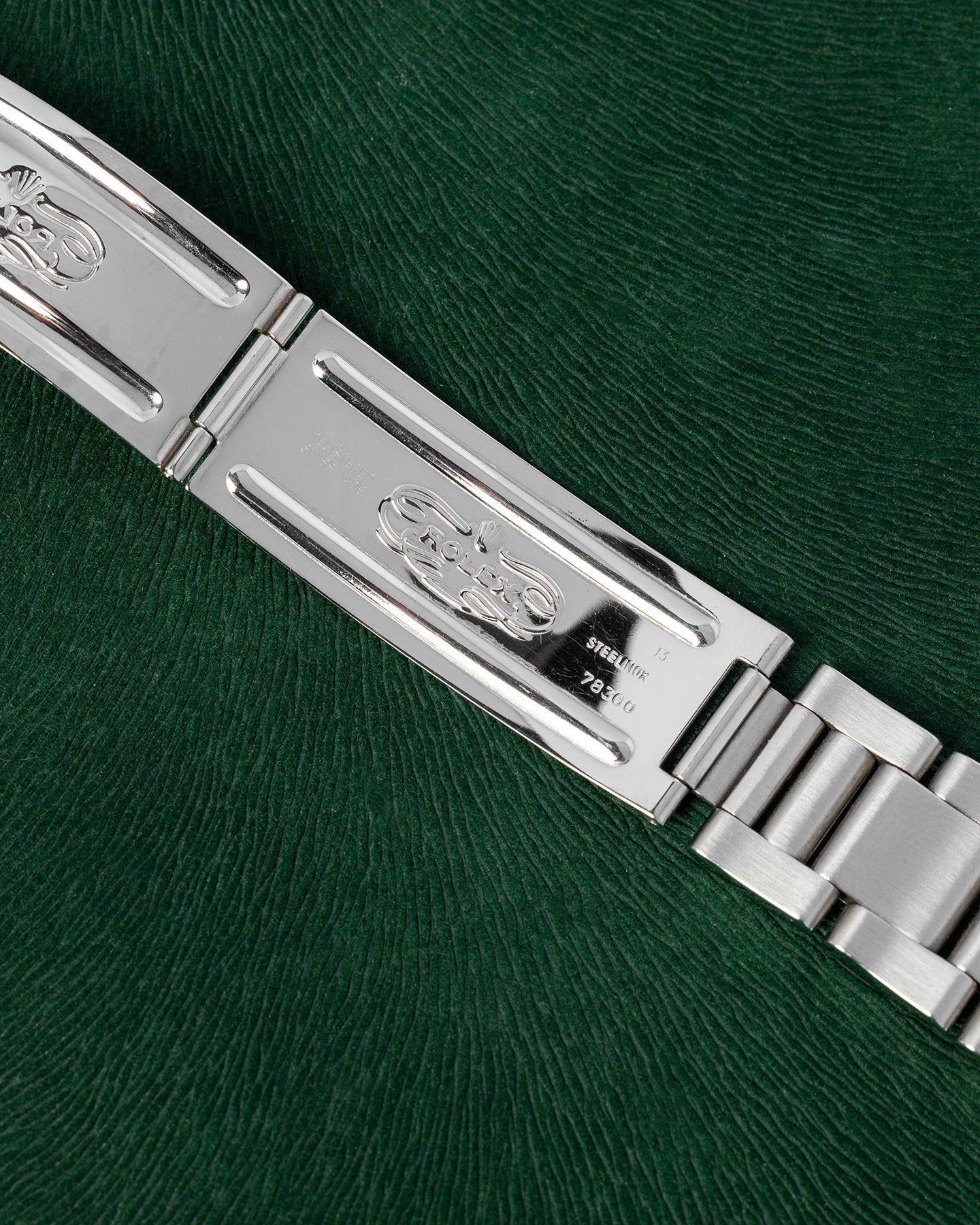
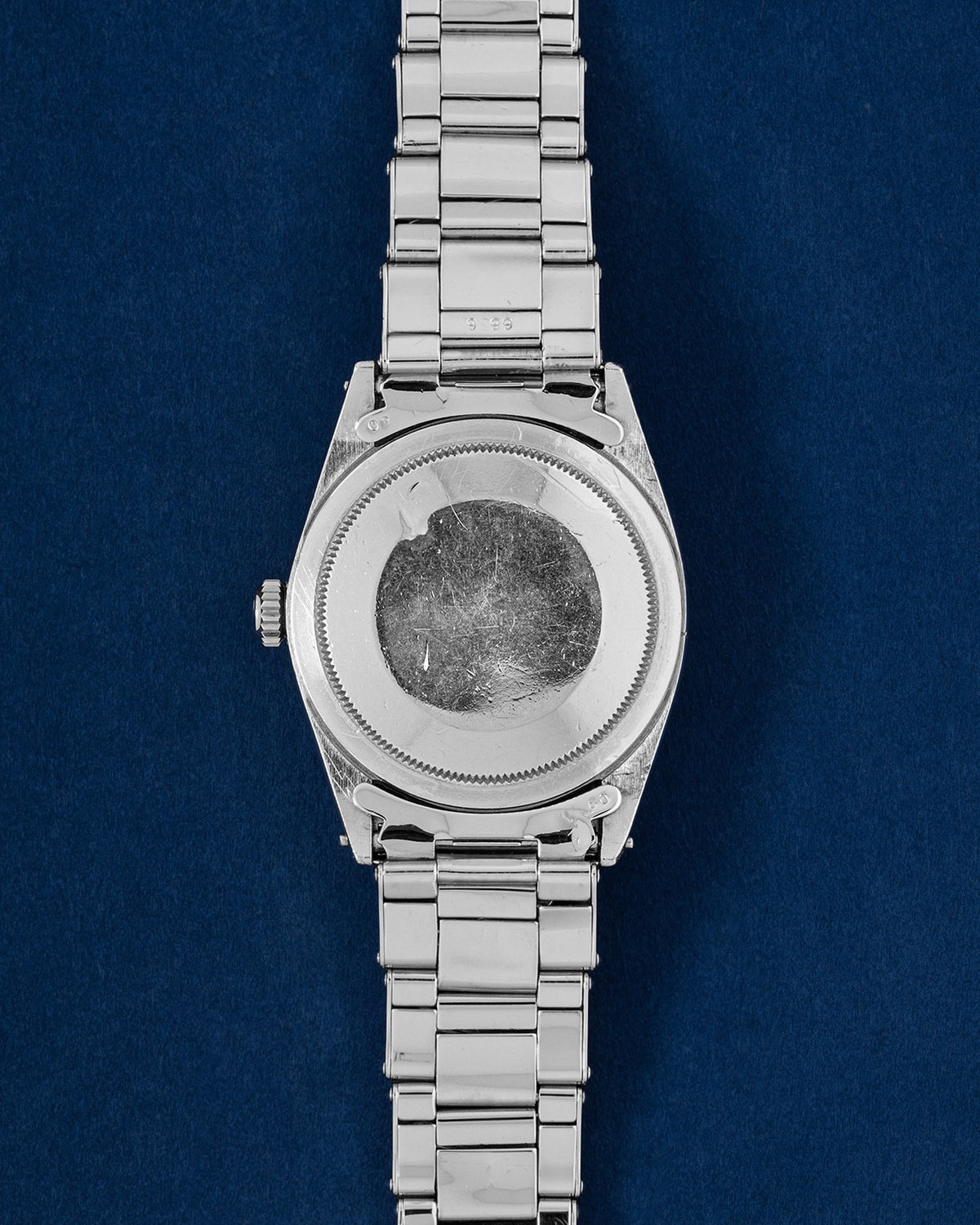
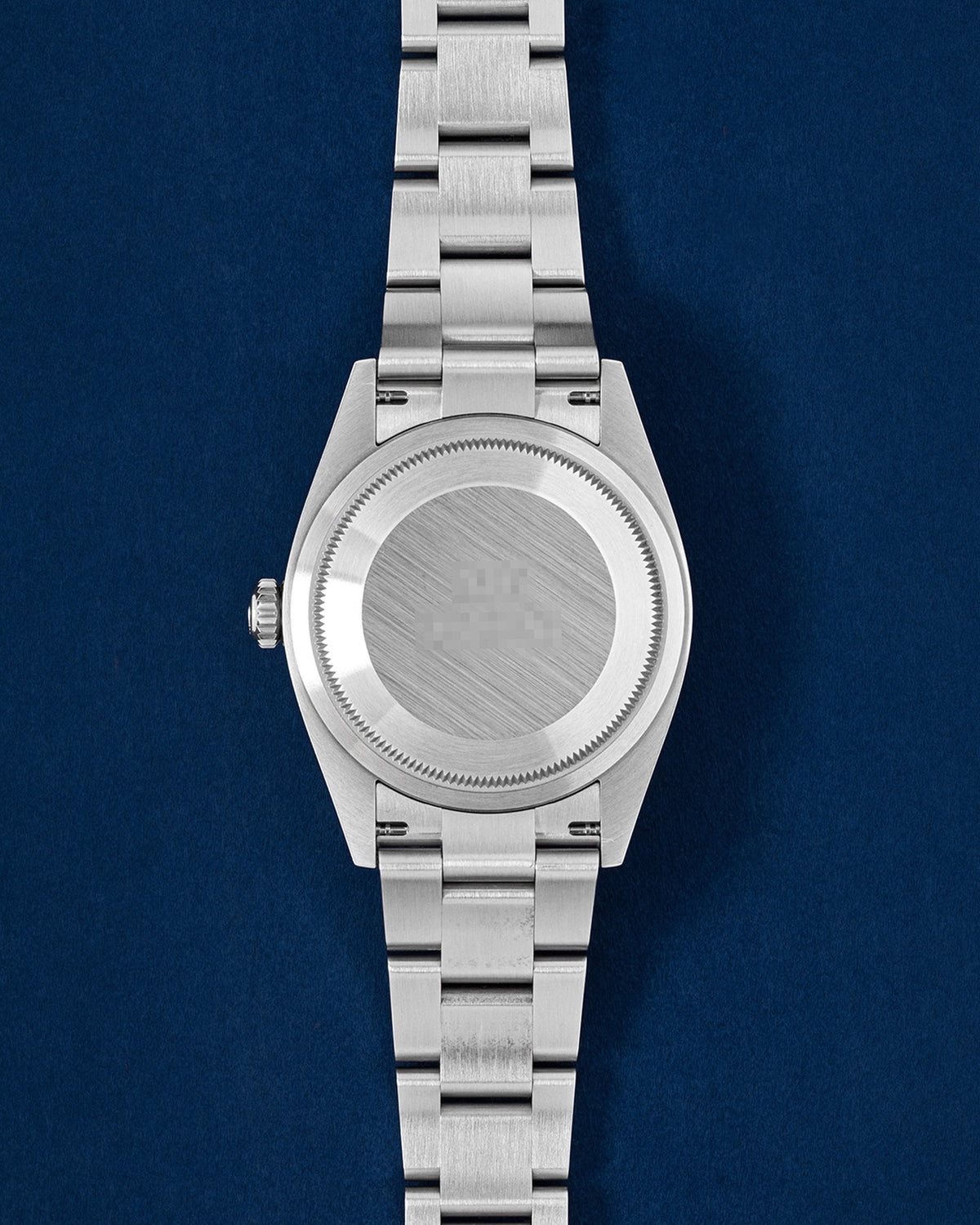
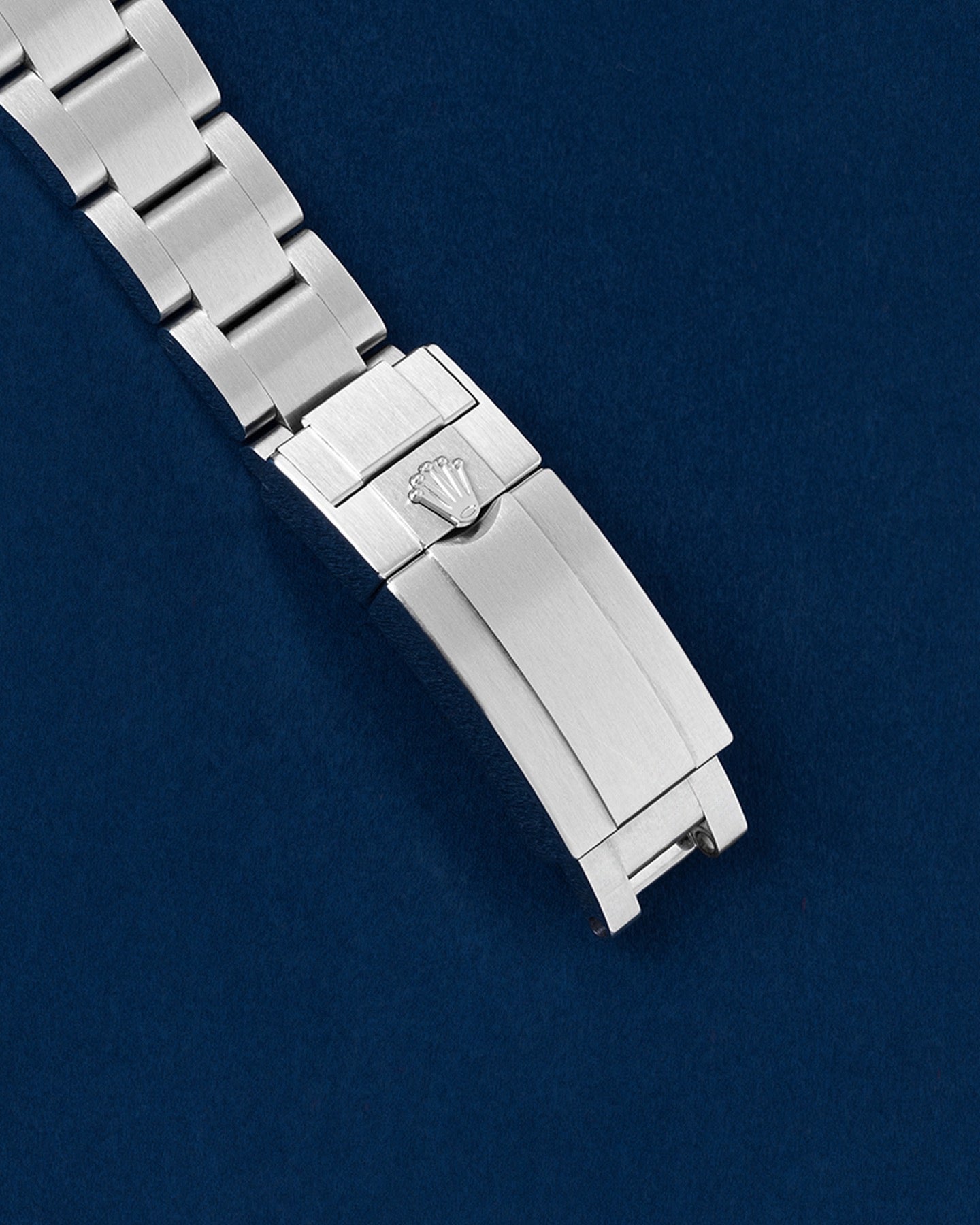
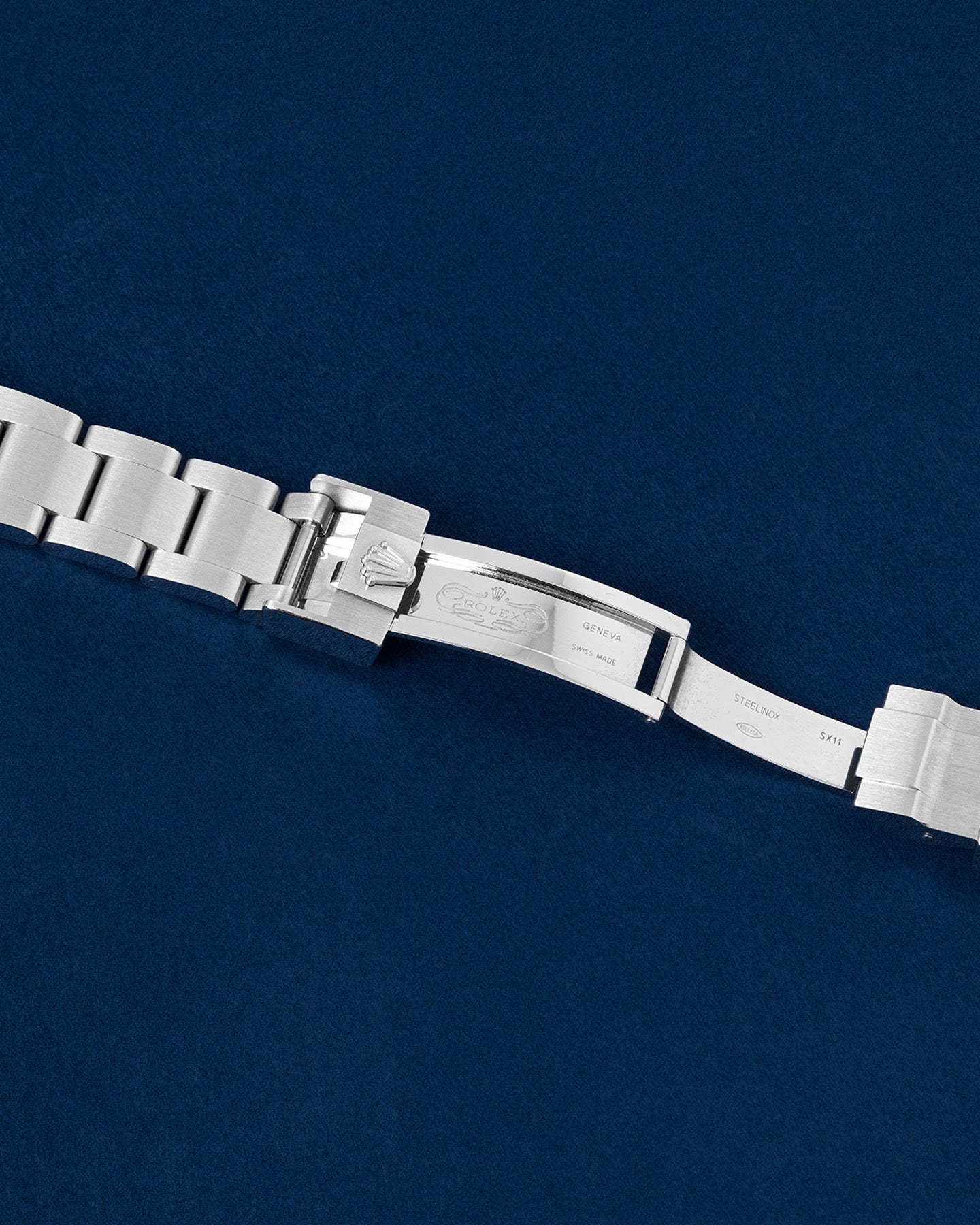
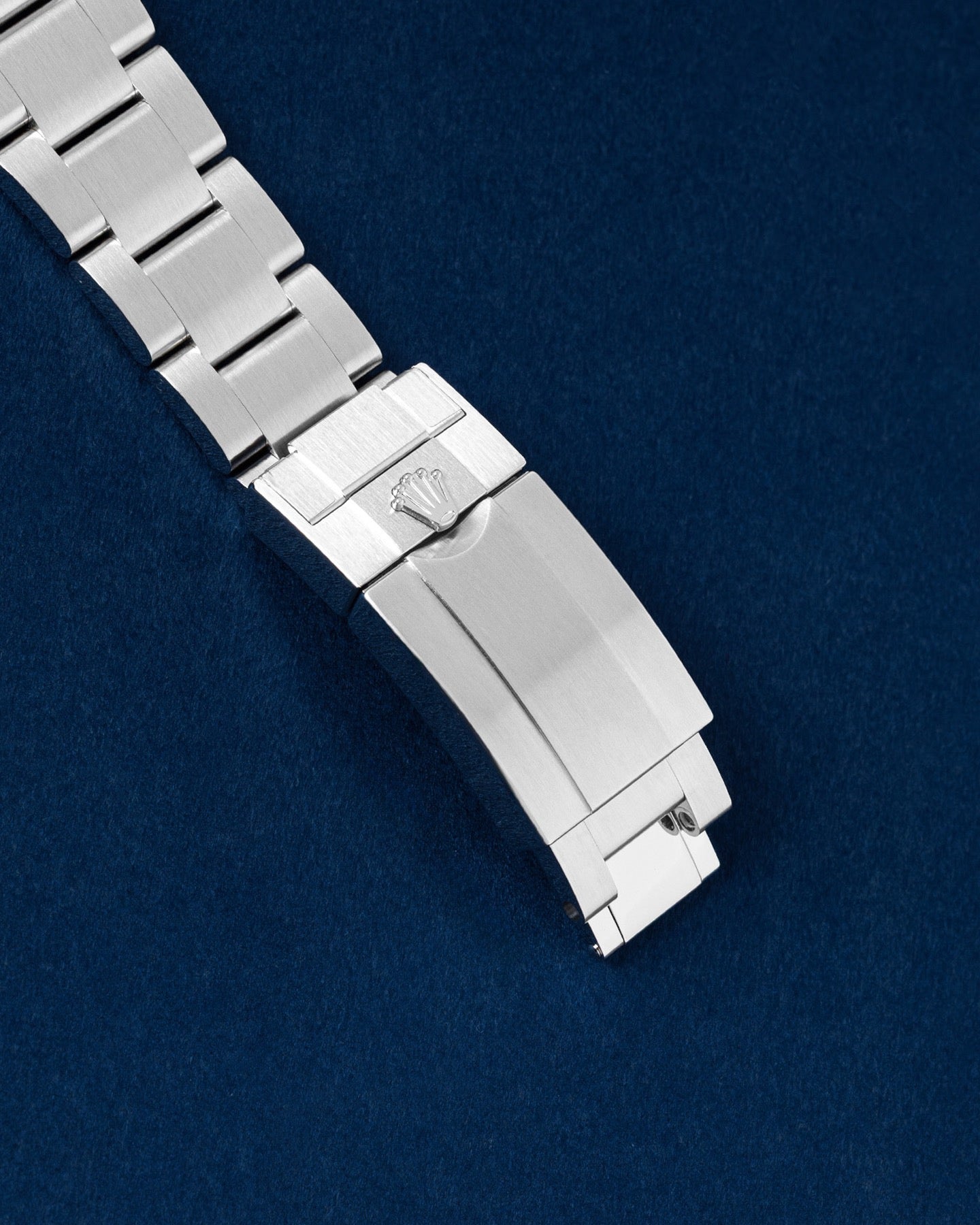
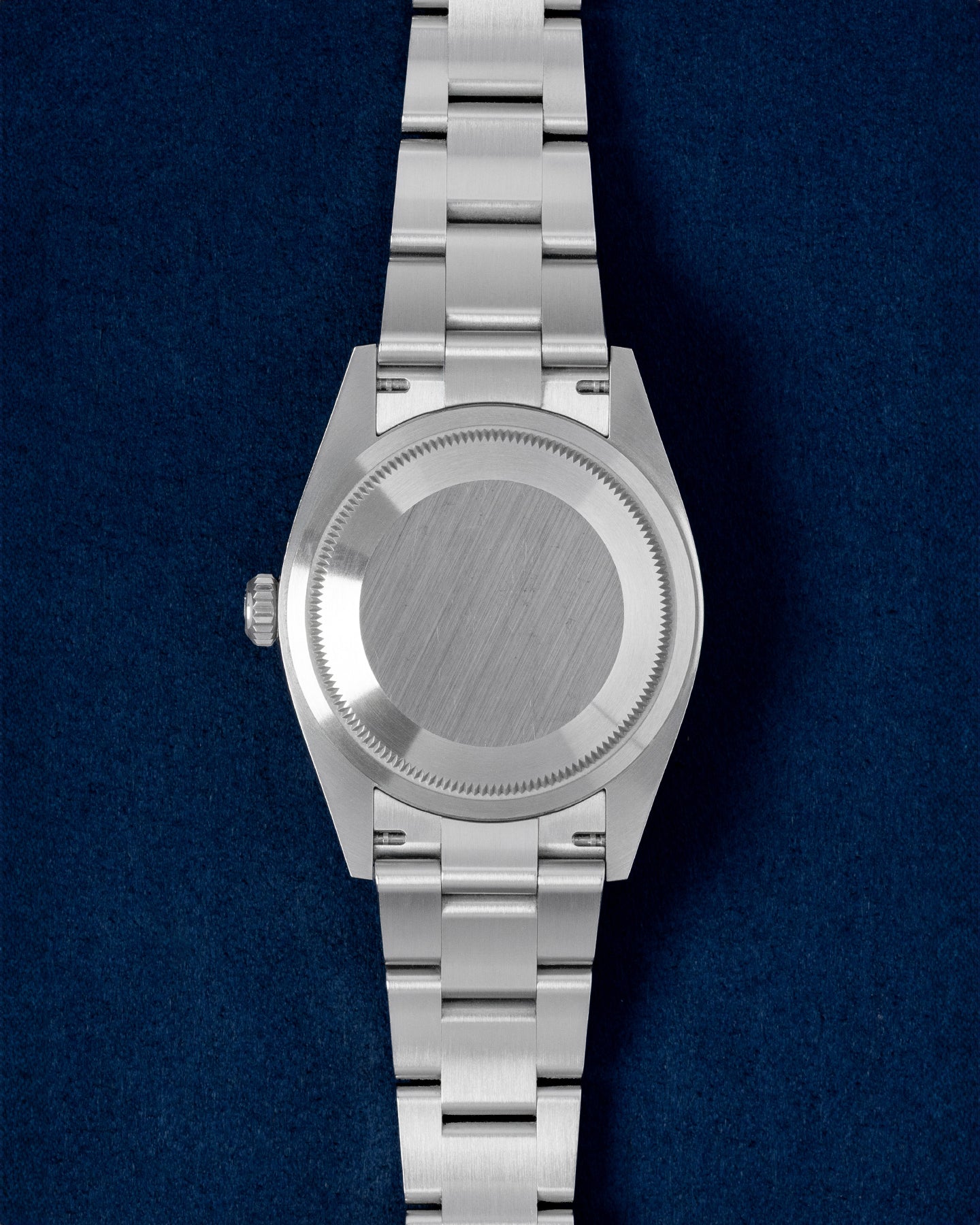
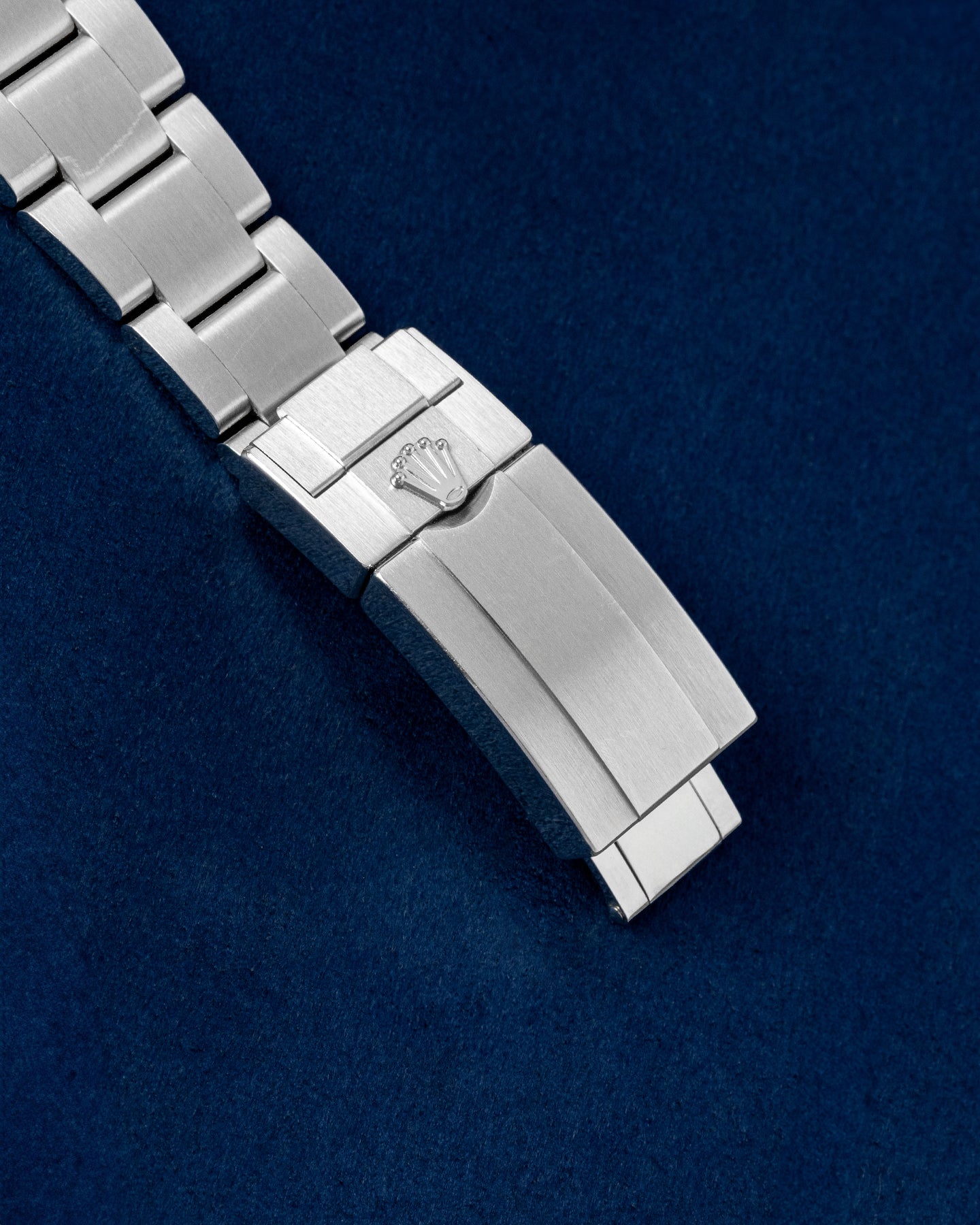
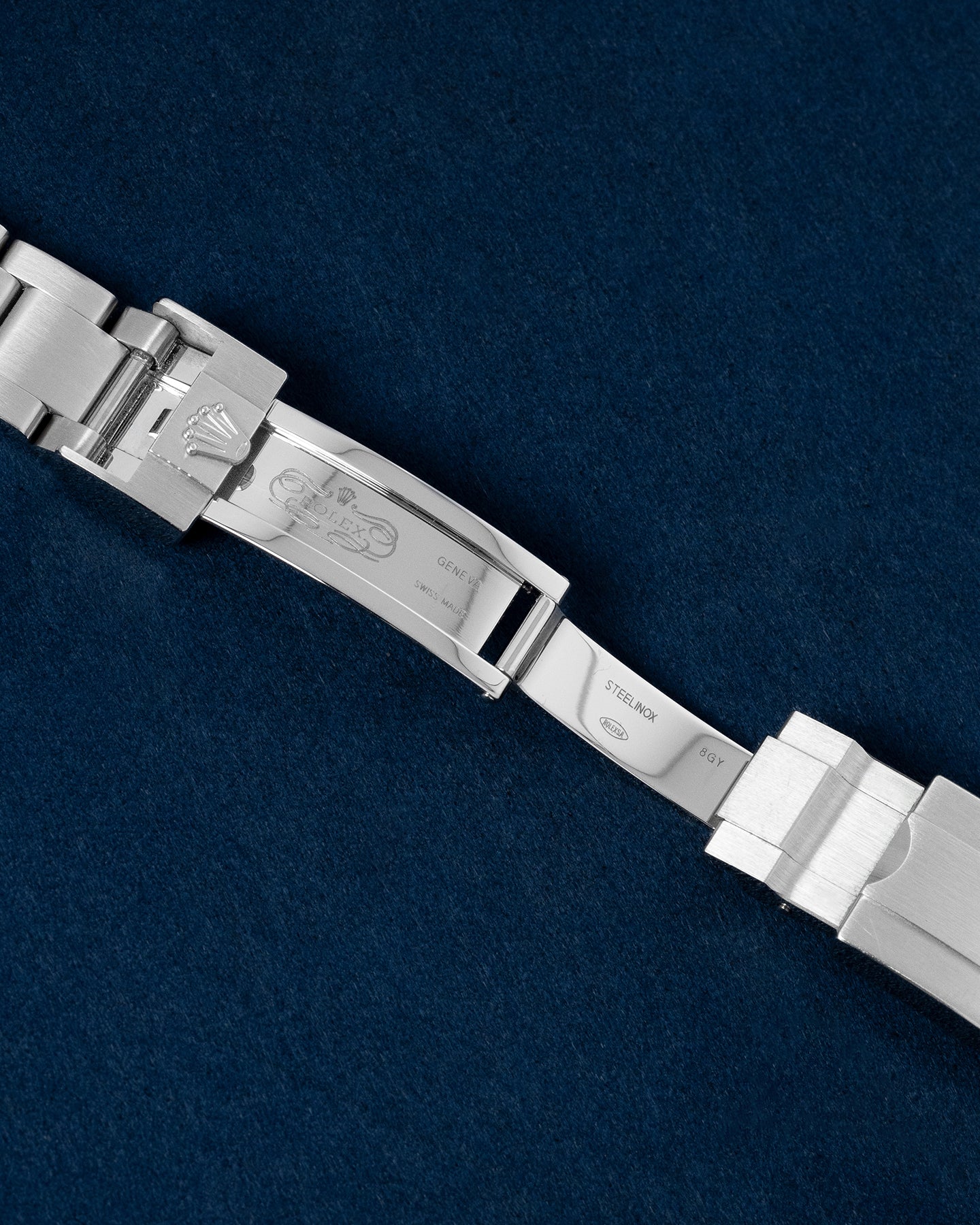
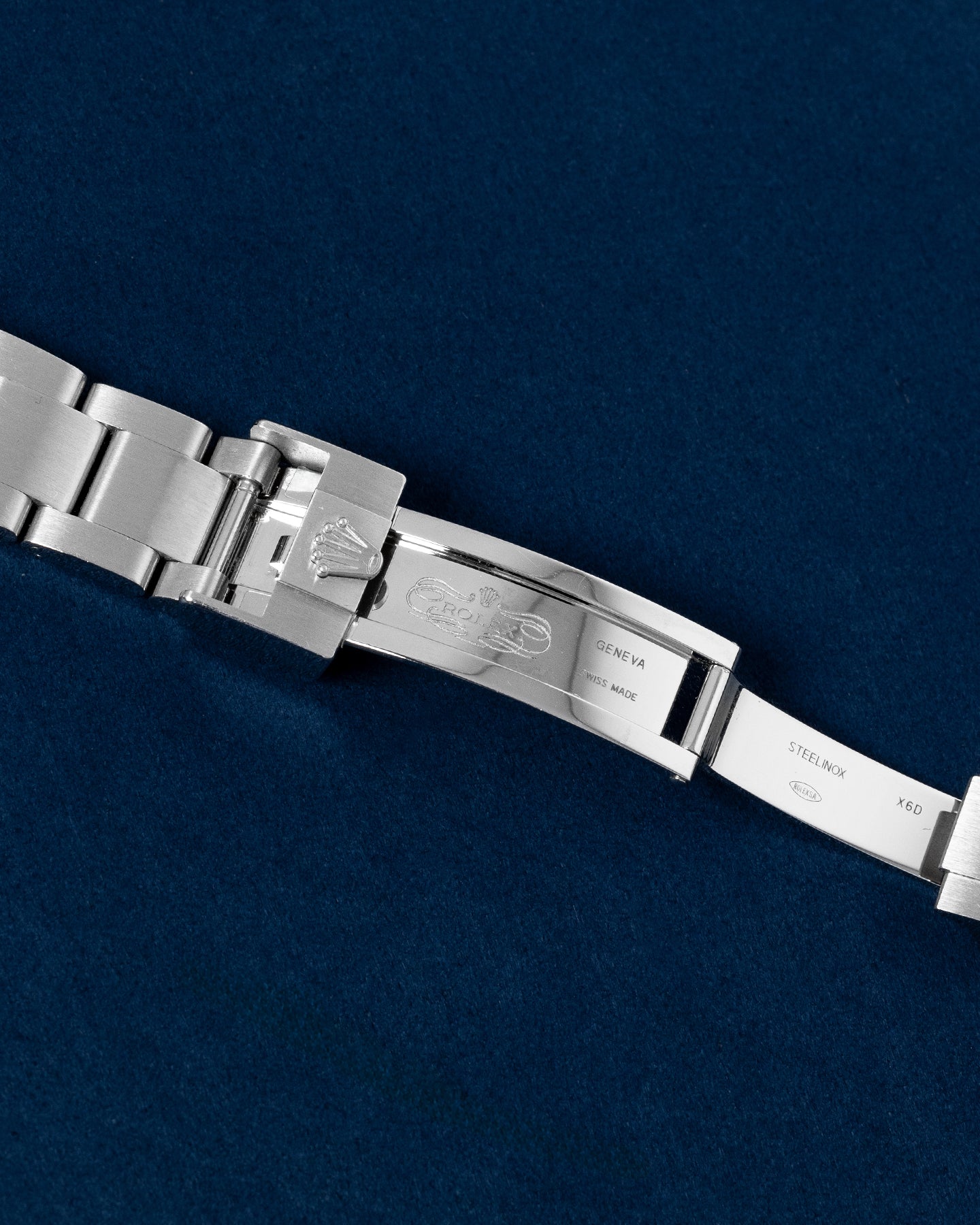
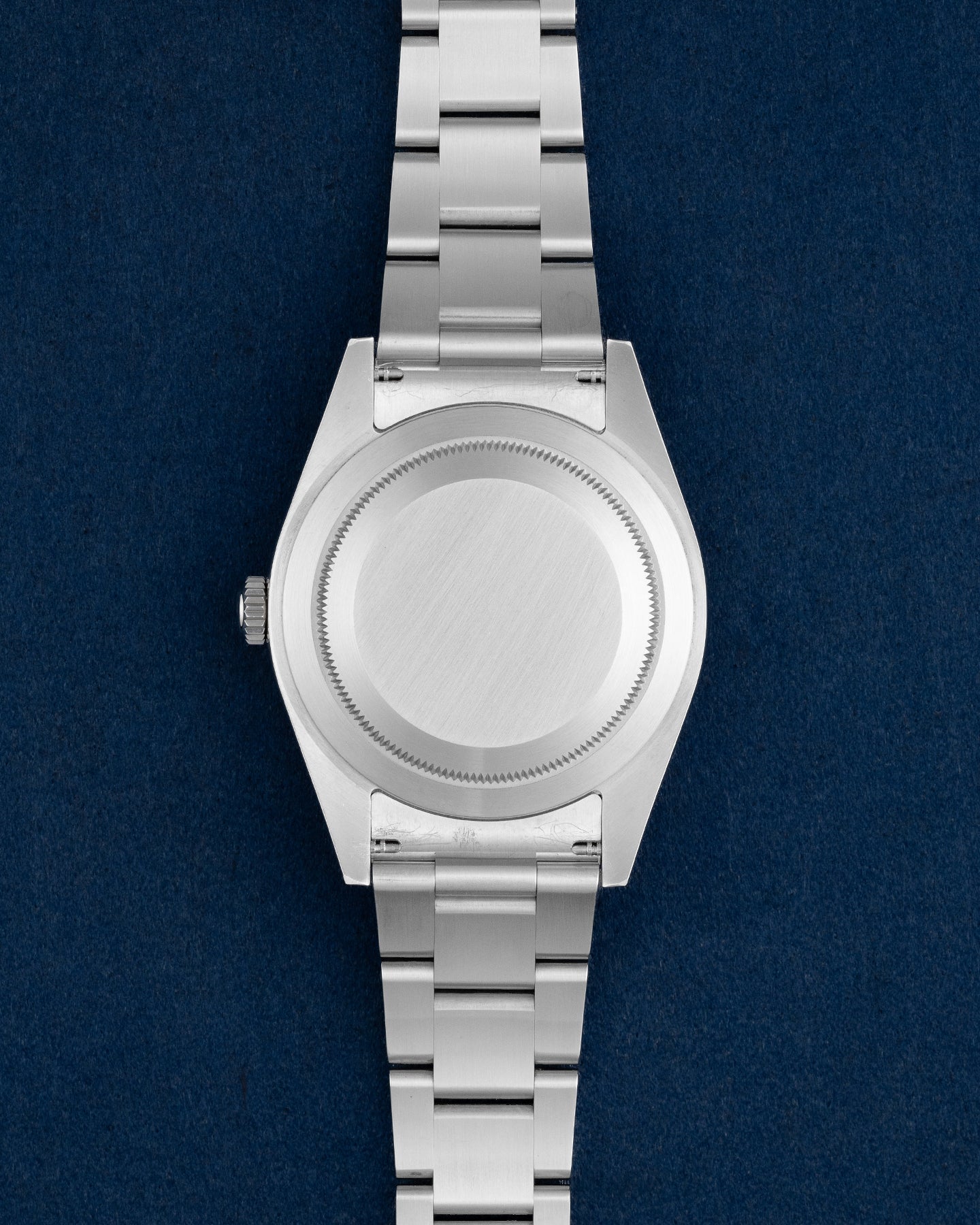
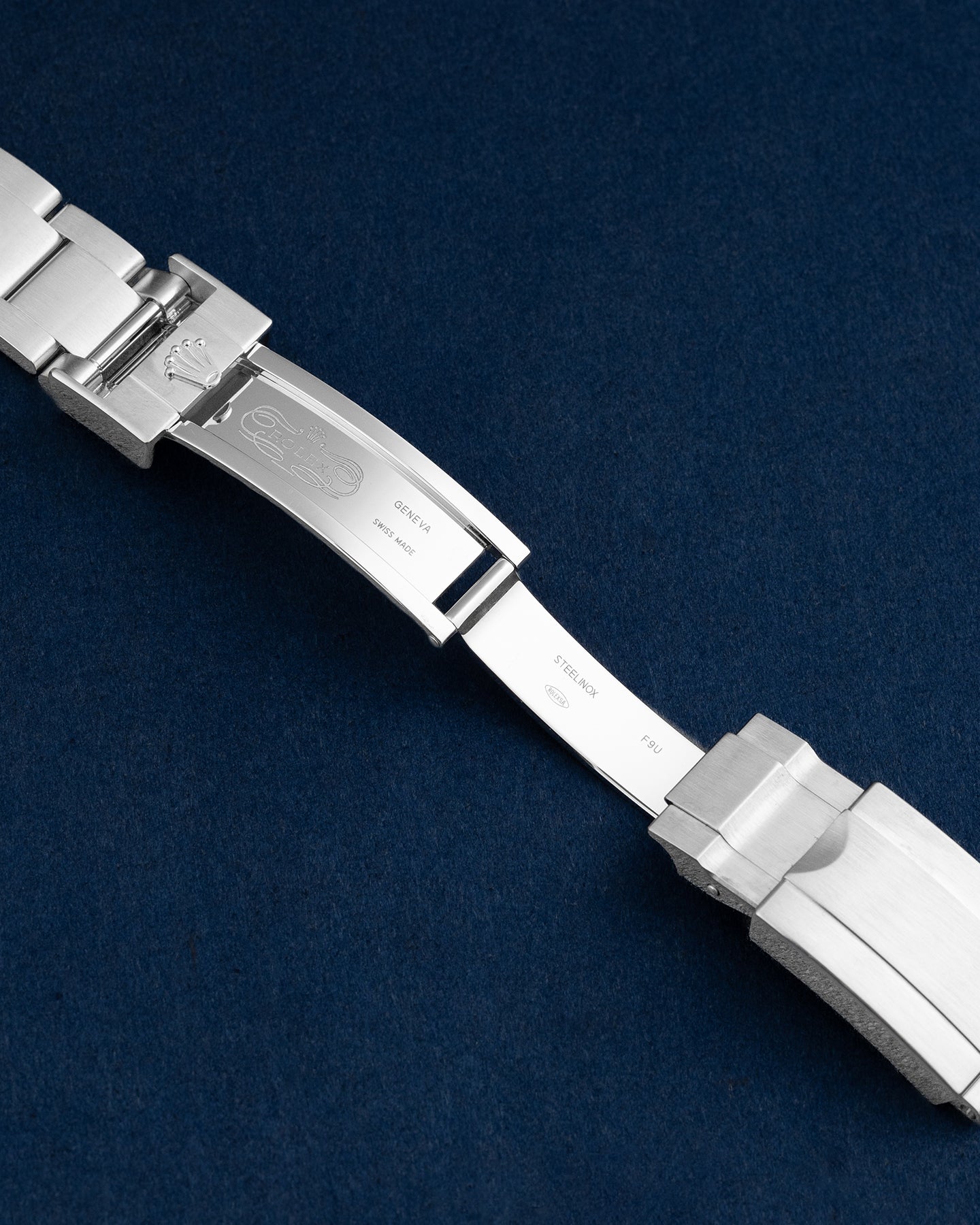
Authenticating a Rolex Explorer requires knowledge that spans the model's long history, because the differences between references, and between dial variants within a single reference, are specific and consequential for value. On modern watches, the case engravings, the rehaut, the laser etched coronet, the dial signatures, the bracelet stamps, and the movement should all be correct and consistent. On vintage references, particularly the 1016 and the early pieces, dial originality is everything, since redialed and refinished examples are common and have a major effect on value, and correct hands, lume, and bezels all matter. Given the value of these watches, professional verification is essential.
Vintage examples in particular reward a careful eye. Because the 1016 ran for more than twenty five years and passed through decades of servicing, many surviving examples have replaced dials, hands, or bezels, and a watch that looks correct at a glance may have been quietly altered over the years. On a reference where an original gilt dial can be worth multiples of a service dial, these details matter enormously to value. This is precisely the kind of assessment that separates buying a vintage Rolex Explorer from a specialist versus taking a chance on an anonymous listing.
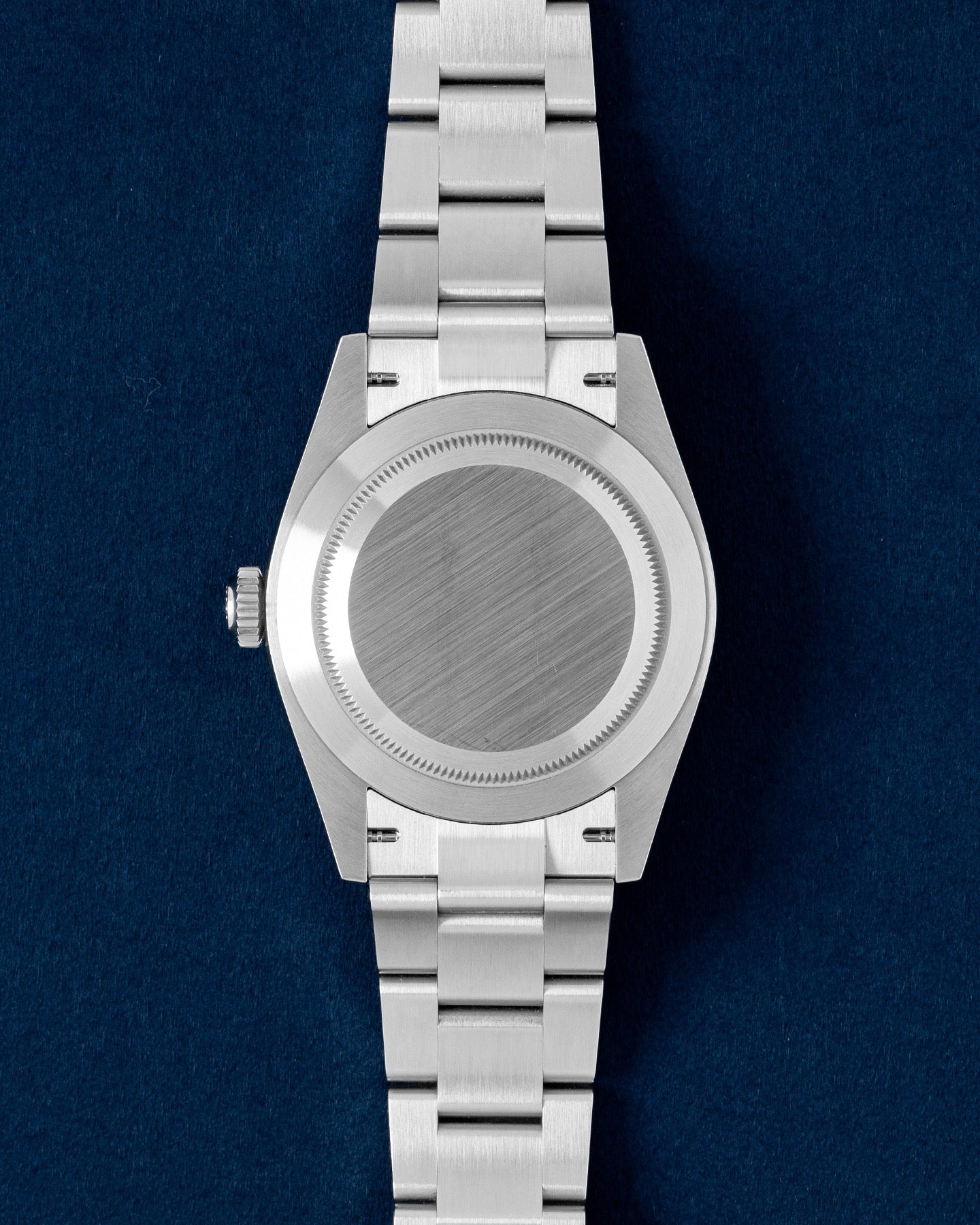
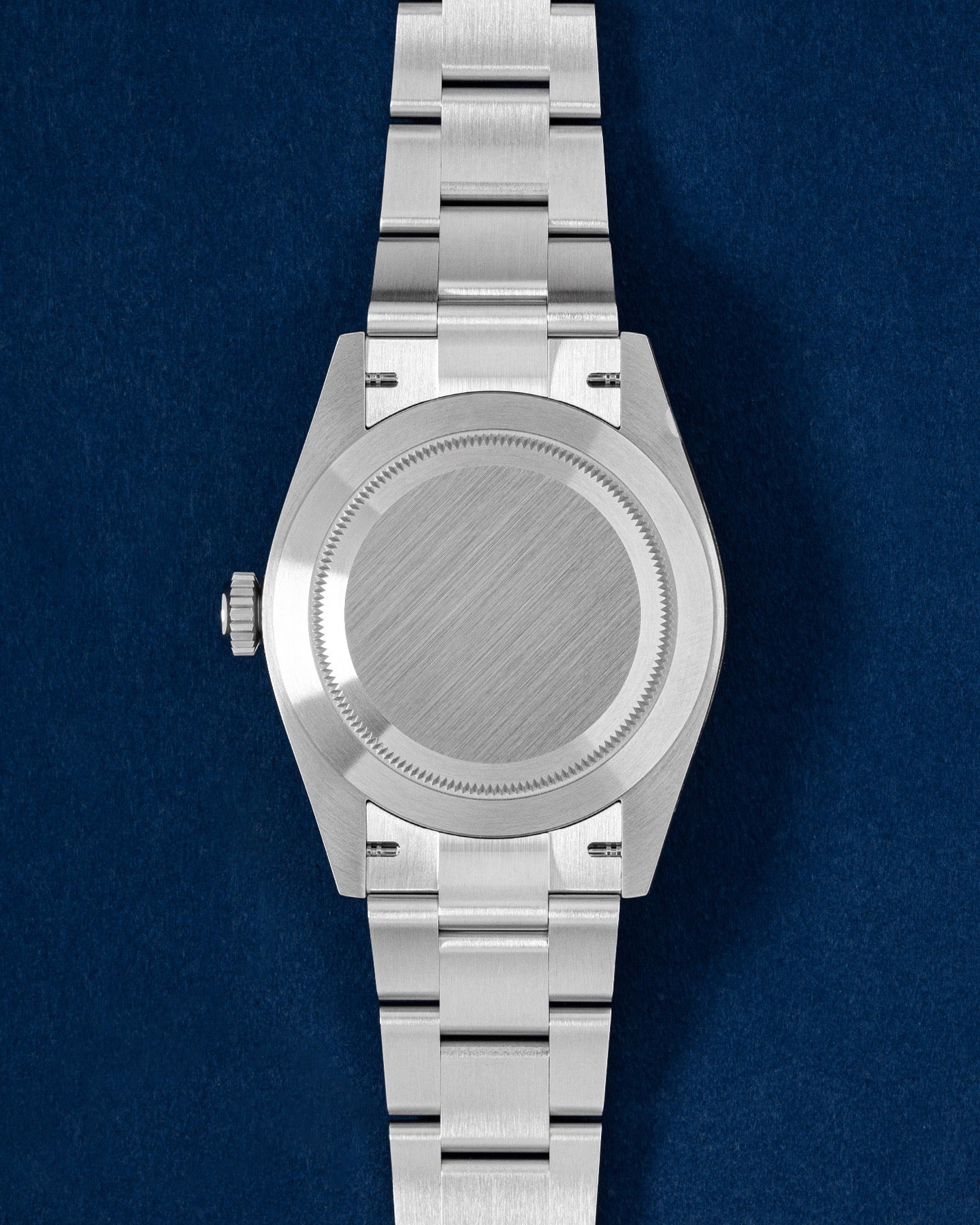
In service terms, the Rolex Explorer is a robust and straightforward watch to maintain, following standard modern Rolex practice with a recommended service interval on the order of every ten years, though many owners service more frequently depending on use. A full service involves complete disassembly, thorough cleaning, careful inspection of every component, fresh lubrication, precise reassembly, and regulation to factory tolerances, with pressure testing to confirm the Oyster case water resistance is intact. The workhorse movements across the model's history are well understood by Rolex trained watchmakers, which keeps the model genuinely practical to own for the long term, whether the watch is a current reference or a decades old vintage piece. Every Rolex Explorer sold by Grand Caliber is authenticated in house before listing, so buyers do not rely on visual checks alone.
Selling or Consigning Your Rolex Explorer
Grand Caliber buys and consigns the Rolex Explorer across every generation, from the current 124270 and 224270 and the two tone 124273 to the 39mm 214270, the modern classics 14270 and 114270, and the vintage 1016 and early references. The value drivers are specific. Original dials, correct hands, unpolished cases, box and papers, and desirable dial variants all strengthen an example, and on vintage pieces the dial type and originality can make an enormous difference to value. On modern references, a complete set in excellent condition is the sweet spot.
We offer two routes. An outright purchase gives you immediate liquidity at a fair market number, and consignment lets us place the watch with the right buyer for a higher net return over a slightly longer horizon. Because the Rolex Explorer appeals to a knowledgeable community that specifically values its heritage and restraint, matching a given reference to the right buyer is where a specialist dealer earns its place. We handle authentication, photography, market positioning, and secure insured shipping. If you have a Rolex Explorer to sell, particularly a vintage or early example, call or email the Dallas showroom and we will give you an honest assessment of where it sits in the current market.
The Rolex Explorer at Grand Caliber in Uptown Dallas
Grand Caliber sits in Uptown Dallas at 2811 McKinney Avenue, in the corridor that has become the address for serious watch buying outside the authorized dealer network. The watches on our floor are authenticated in house, the prices are posted openly, and the Rolex Explorer inventory rotates across the full model. The current 36mm 124270 and 40mm 224270, the two tone 124273, the previous 39mm 214270, the modern classics 14270 and 114270, and vintage 1016 and early references when the condition and originality support the price. We source across the model on request.
There is no allocation conversation at Grand Caliber. No purchase history requirement. No waitlist. The Rolex Explorer is one of the more attainable Rolex sport watches, and if the specific reference you are looking for is in our case, it is yours today. If it is not, our sourcing network covers the major secondary markets in the United States and internationally, and we can typically locate a verified example quickly. We also buy Rolex Explorer watches outright and take consignments, with free shipping and full insurance on outbound and inbound transit and national coverage for clients buying remotely.
Visit the showroom Monday through Friday, 10am to 5pm Central, or by appointment on Saturday. Call (214) 225-7198, email info@grandcaliber.com, or browse current Rolex Explorer inventory at grandcaliber.com. Whether you are buying your first Rolex Explorer, hunting a vintage 1016 or an early 6350, or selling a piece you already own, Grand Caliber is a trusted source for new and pre-owned Rolex Explorer watches backed by in house authentication and transparent pricing.
Vintage



Vintage


Vintage
Vintage
Vintage
Vintage