

New & Pre Owned Rolex Watches
Shop New & Pre Owned Rolex Watches at Grand Caliber in Dallas, Texas. From Submariner to Daytona, explore timepieces that balance heritage and innovation, proving why Rolex remains the most recognized name in modern horology.
The Most Trusted Source for Pre-Owned Rolex Watches
Grand Caliber is a Rolex watches specialist serving collectors and first-time buyers across the United States and internationally. Every Rolex watch in our inventory is authenticated in-house by a team that has spent careers in the trade, with each piece disassembled, inspected, and verified against Rolex production records before it reaches the showroom floor. We carry new Rolex watches in sticker, pre-owned Rolex watches with full box and papers, and vintage Rolex watches with honest patina across every current production line, including the Submariner, Daytona, GMT-Master II, Datejust, Day-Date, Explorer, Yacht-Master, Sea-Dweller, Sky-Dweller, Air-King, and the new Land-Dweller.
Our pricing model is built on transparency. Every Rolex watch on the site has its price posted on the page, with no allocation conversations, no purchase history requirements, and no waitlists for the steel sports Rolex watches the authorized dealers cannot deliver this year. If a Rolex watch is on our floor, it is available to buy today. We ship insured nationwide for clients outside the local market, and we welcome international inquiries on rare and collectible Rolex watches that the global secondary market has limited supply of. The Grand Caliber model is simple: real watches, real prices, real conversations.
We work with buyers at every level of the Rolex market. First-time Rolex buyers building their first serious watch collection. Seasoned collectors hunting specific references and discontinued configurations. Investors looking at Rolex watches as a liquid asset class. Estate executors evaluating inherited Rolex pieces. Trade professionals sourcing inventory for the resale market. The volume and diversity of Rolex watches that move through our floor each year gives us a working read on the market that most collectors do not have access to, and we share that read openly with anyone considering a purchase.
Rolex Watches: A Brief History
Rolex watches begin in 1905, not in Switzerland but in London, where a 24-year-old German named Hans Wilsdorf opened a firm called Wilsdorf and Davis with his brother-in-law Alfred Davis. The company distributed timepieces to British jewelers who cased the movements and stamped their own retail names on the dials. Wilsdorf was already convinced of something the watchmaking establishment refused to take seriously. He believed the wristwatch would eventually replace the pocket watch as the dominant form. The compact movements available at the time could not match the accuracy of larger pocket pieces, and the wristwatch was widely dismissed as a ladies' accessory.
The name Rolex was registered in 1908. Wilsdorf wanted a short word that read cleanly in any language and looked balanced across a small dial. The five letters fit. In 1910, a Rolex wristwatch became the first of its kind anywhere in the world to earn a Swiss Certificate of Chronometric Precision. Four years later, Britain's Kew Observatory granted a Rolex wristwatch a Class A precision certificate, a rating that until that moment had been issued only to marine chronometers. Rolex watches had arrived as serious instruments rather than fashion accessories.
Wartime trade barriers pushed Wilsdorf to relocate the firm to Geneva, where Montres Rolex S.A. was registered in 1920. From that point forward, Rolex watches were Swiss in the full sense of the word. Geneva headquarters, Bienne movement production, and the talent of a deep Swiss watchmaking labor pool at its disposal. In 1931 the five-pointed crown that now serves as the brand emblem made its first appearance, and in 1945 Wilsdorf transferred ownership of the company to a private foundation that still controls it today. Rolex has never gone public, and that structural fact shapes everything about how the brand operates.
Three specific inventions built the moat that keeps Rolex watches dominant. The Oyster case, patented in 1926, sealed the wristwatch against the elements through a screw-down bezel, caseback, and winding crown. The Perpetual rotor, patented in 1931, gave Rolex watches the first commercially successful self-winding mechanism, with a free-rotating weight that swept a full 360 degrees in either direction. The Datejust, released in 1945, was the first self-winding chronometer wristwatch with an automatically changing date in a window on the dial. Every modern Rolex watch in the catalog sits on those three foundations.
Guide to Rolex Key Terms
Understanding Rolex watches at the buyer level means learning a specific vocabulary the brand and its collectors use. The terminology covers bracelets, clasps, dials, bezels, materials, and movements, and once it is internalized, every Rolex watch on the market becomes legible. Below are the most relevant bracelet and clasp terms for anyone choosing a Rolex.
Rolex Bracelet Terms
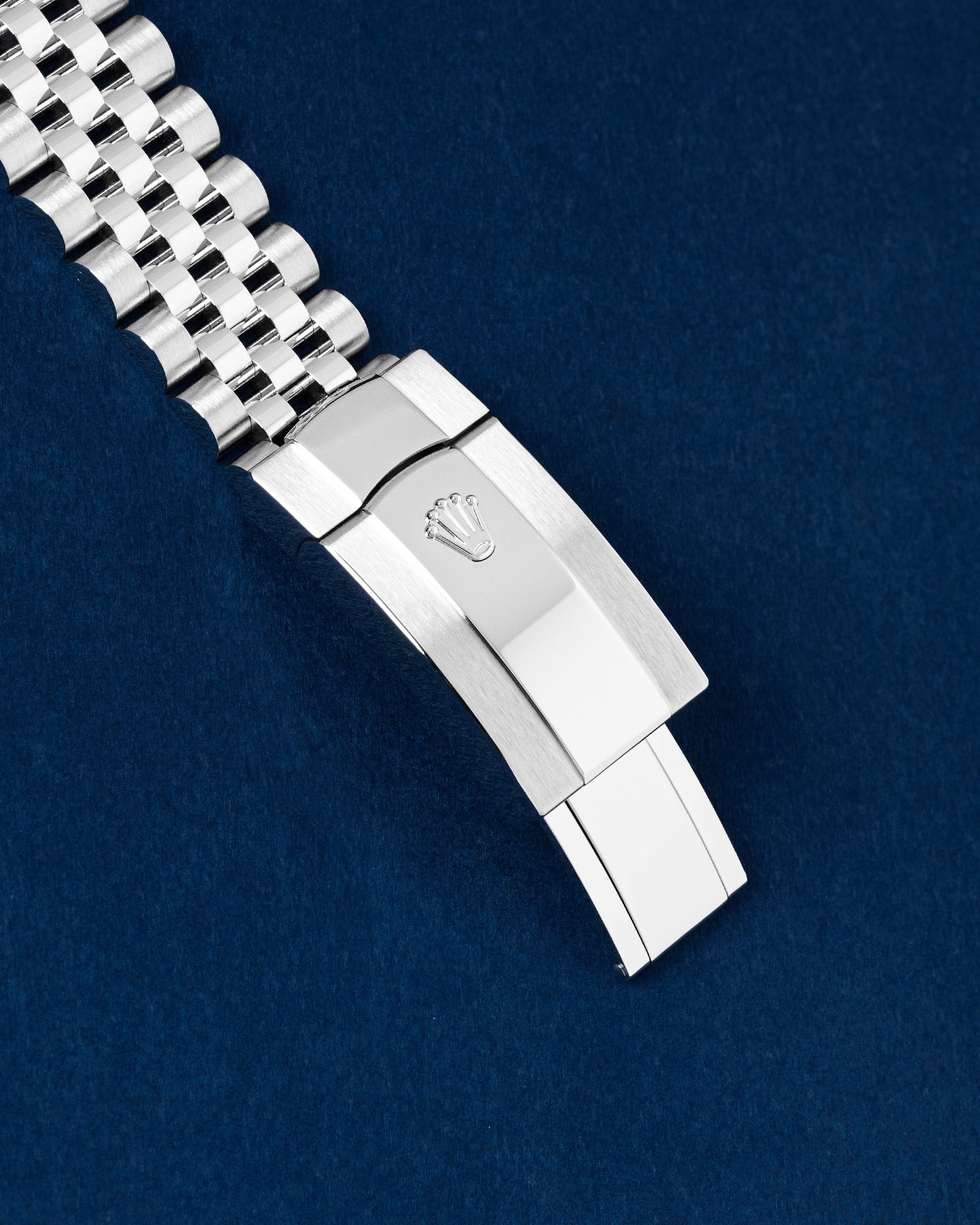
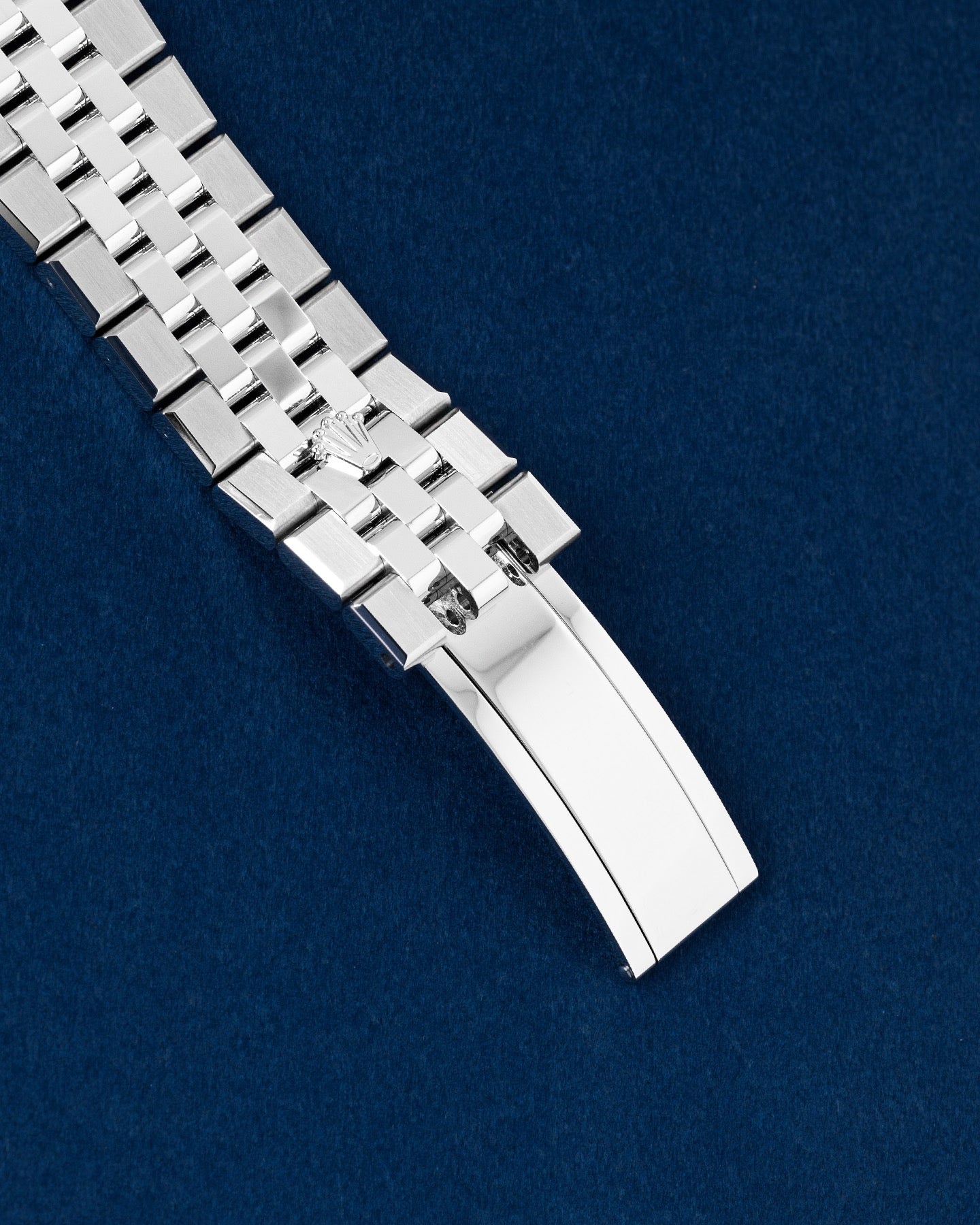
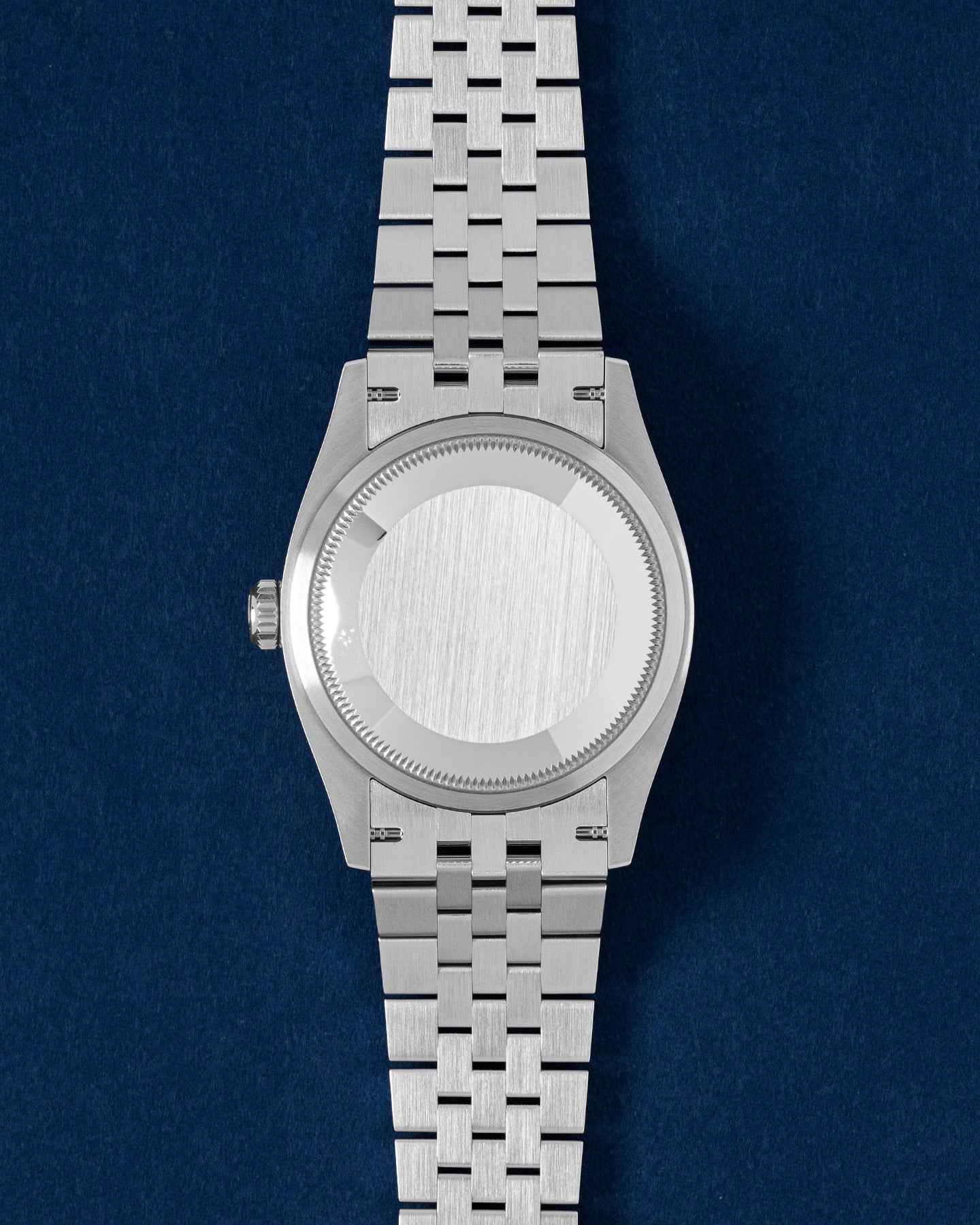
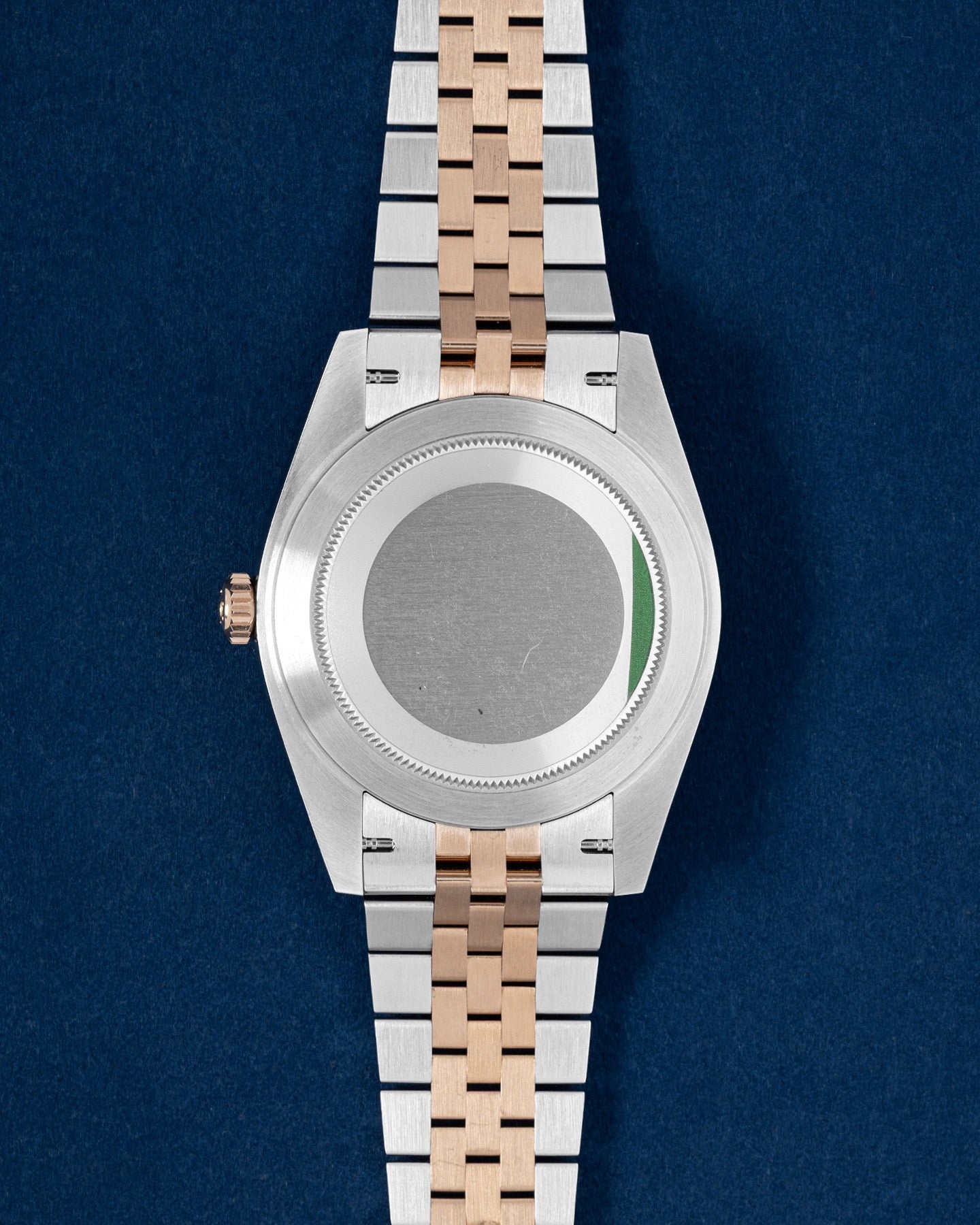
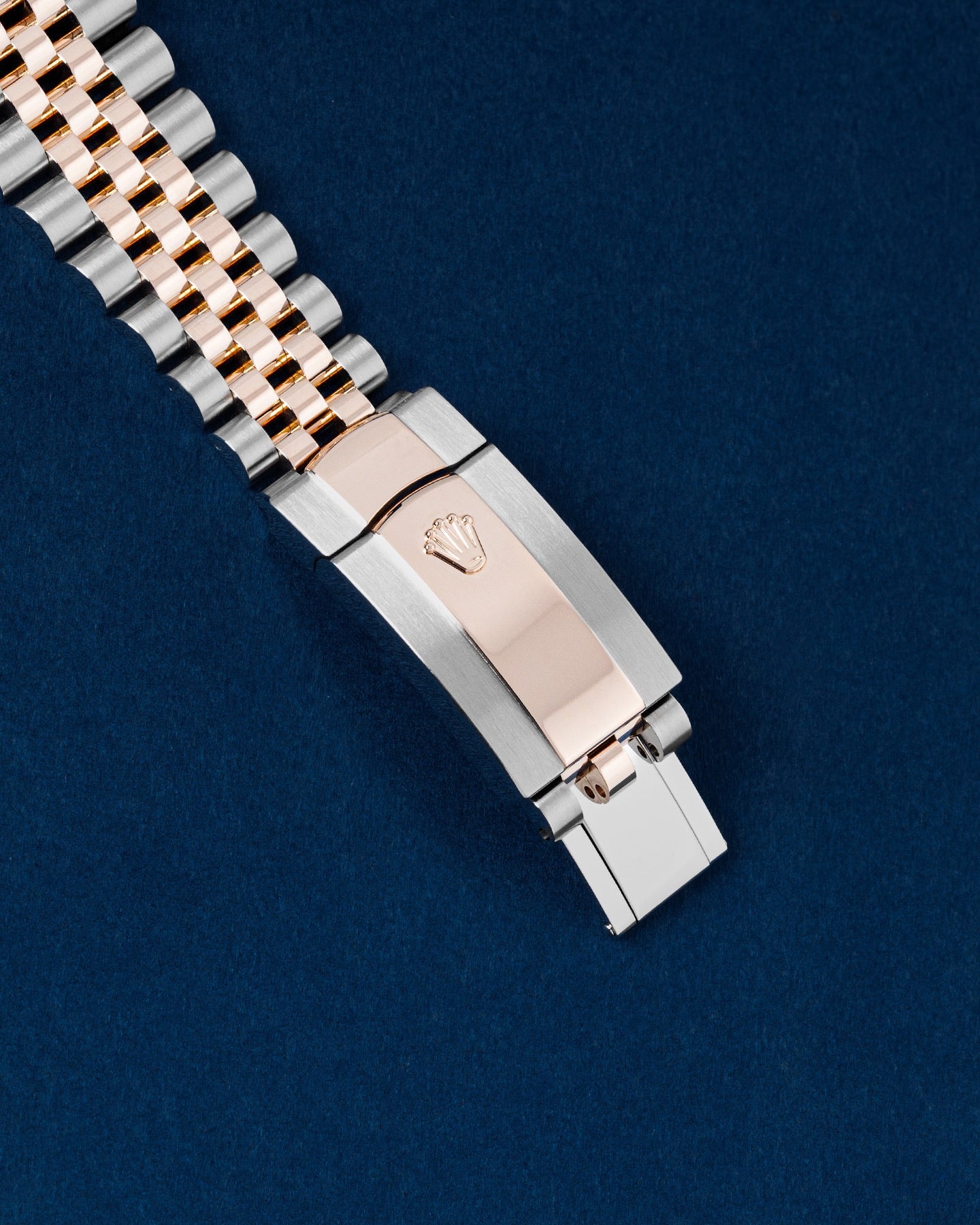
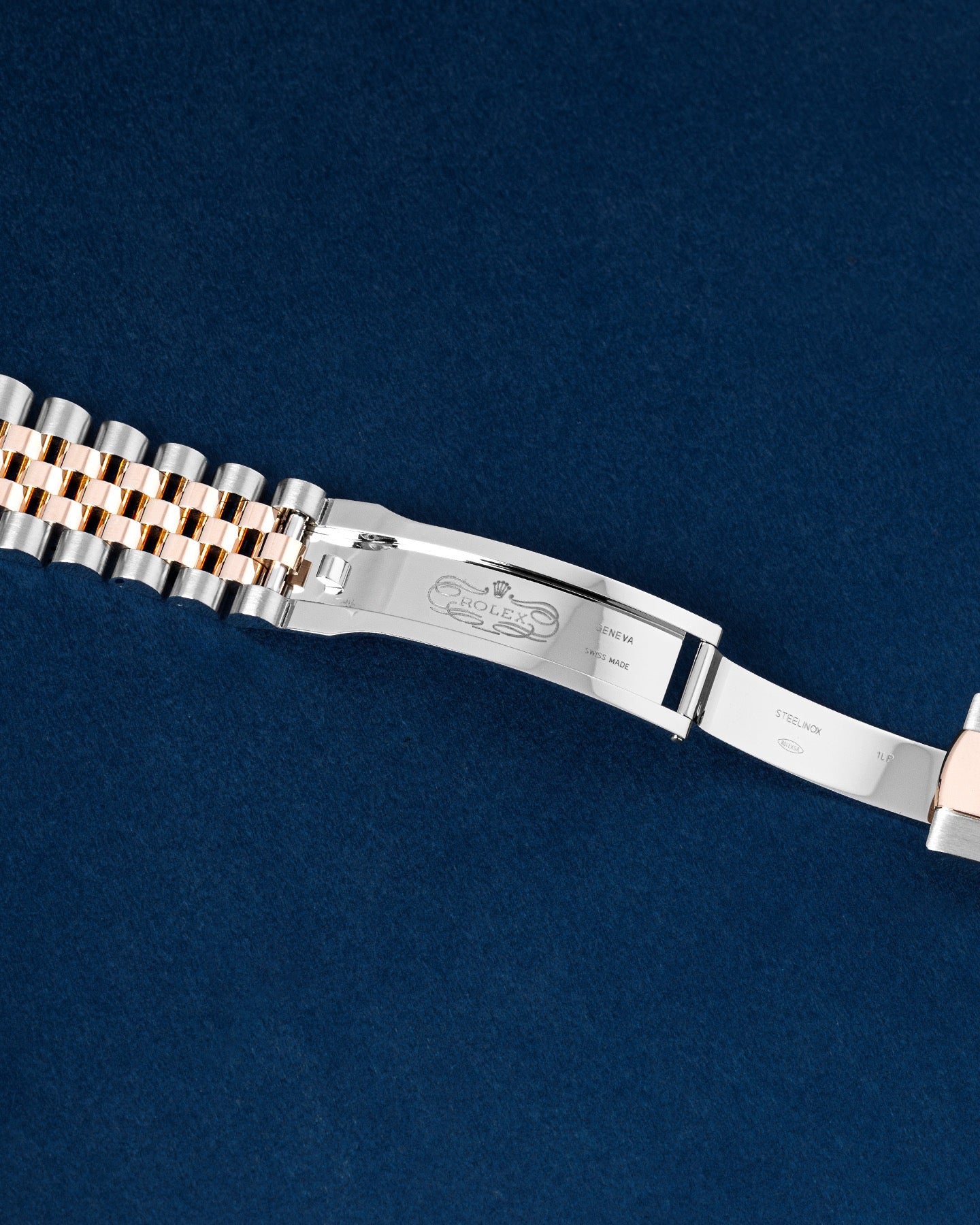
Rolex watches are sold on five distinct bracelet styles, each engineered in-house. The Oyster bracelet, introduced in the 1930s, uses three flat links per row and is the bracelet most associated with Rolex sports models including the Submariner, GMT-Master II, Daytona, and Sea-Dweller. It is the most durable Rolex bracelet and the easiest to size for daily wear. The Jubilee bracelet, created in 1945 for the Datejust 40th anniversary, uses five smaller links per row with polished outer rows and brushed inner rows. The Jubilee is dressier than the Oyster and pairs naturally with Datejust and GMT-Master II Rolex watches in two-tone or solid gold.
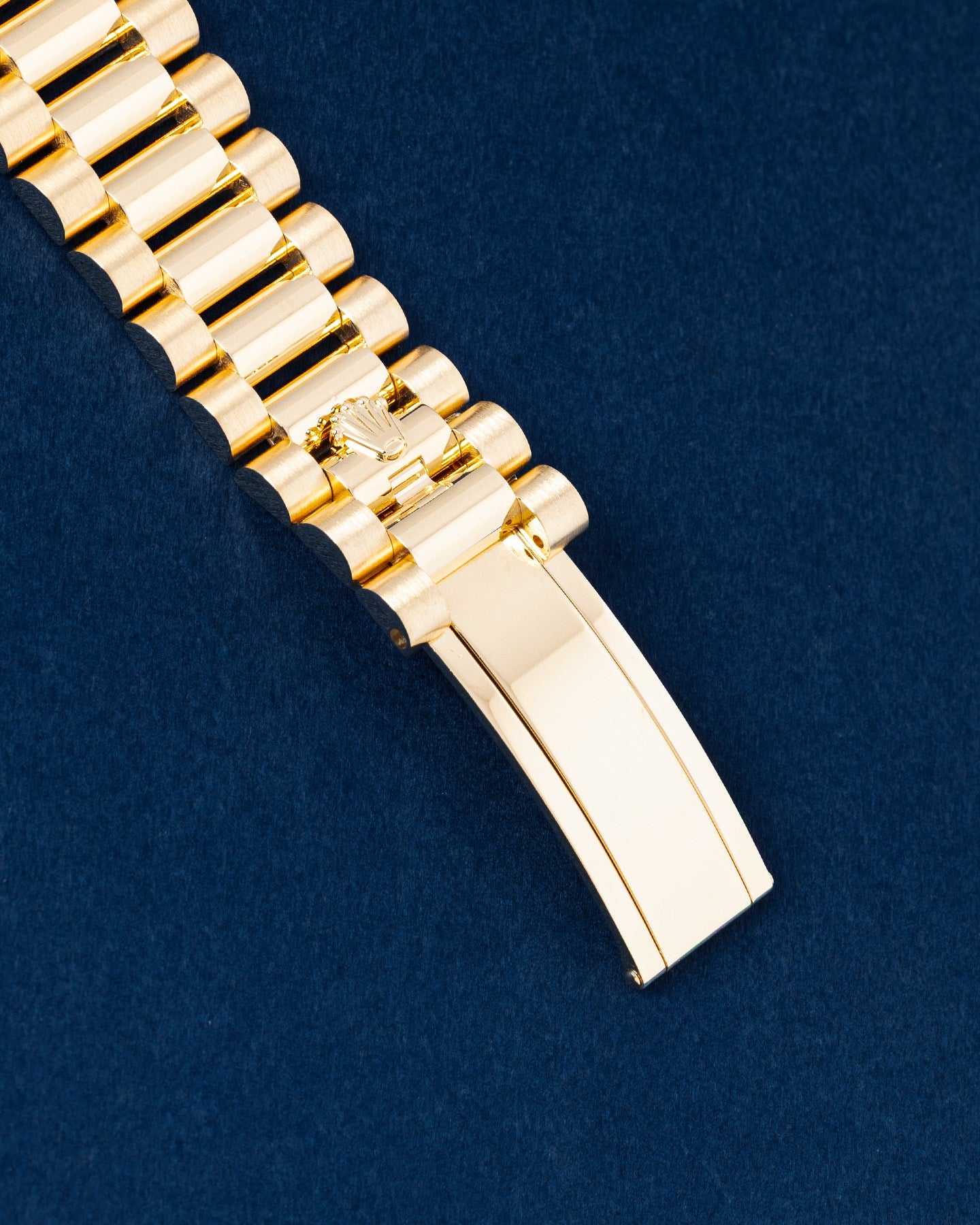
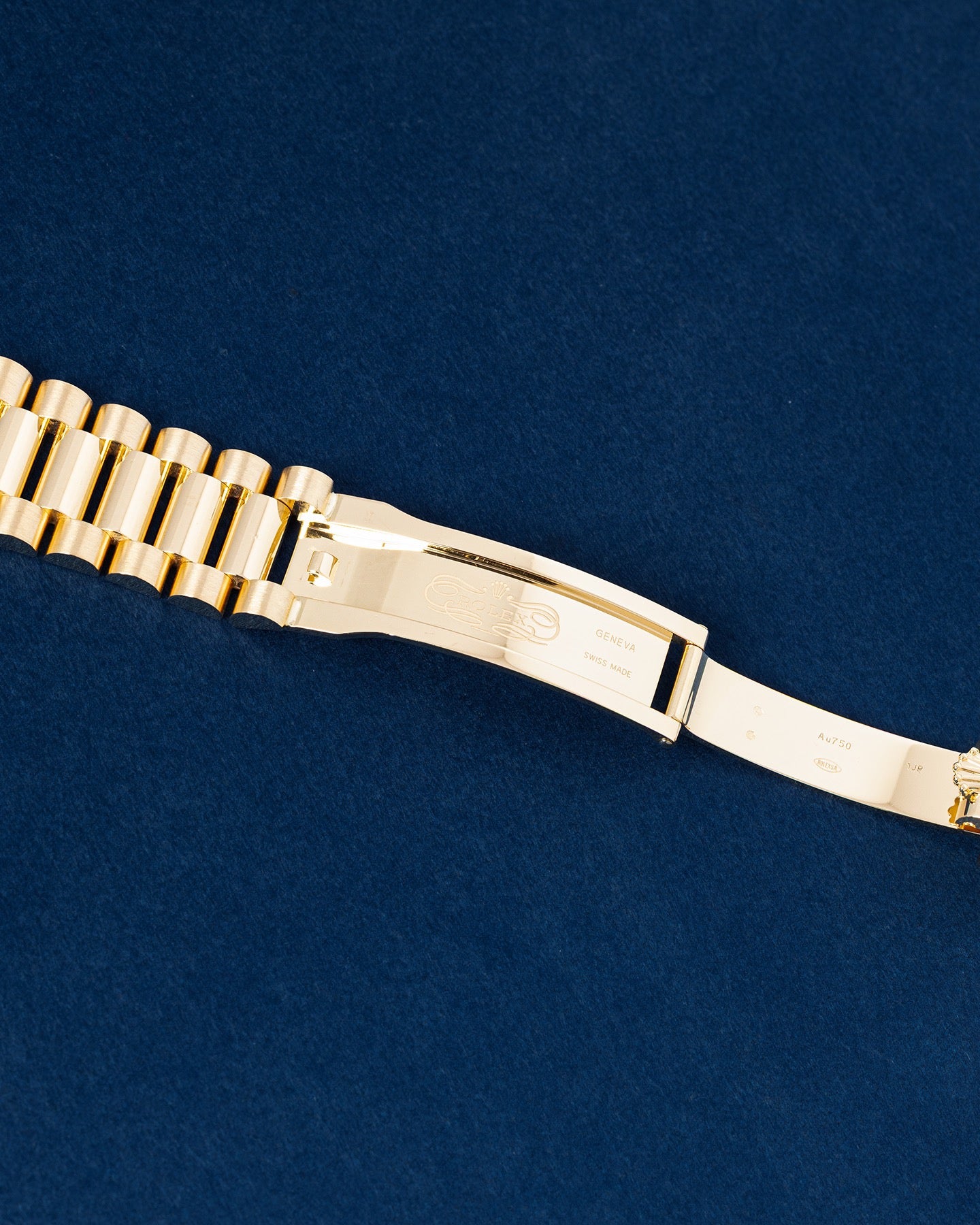
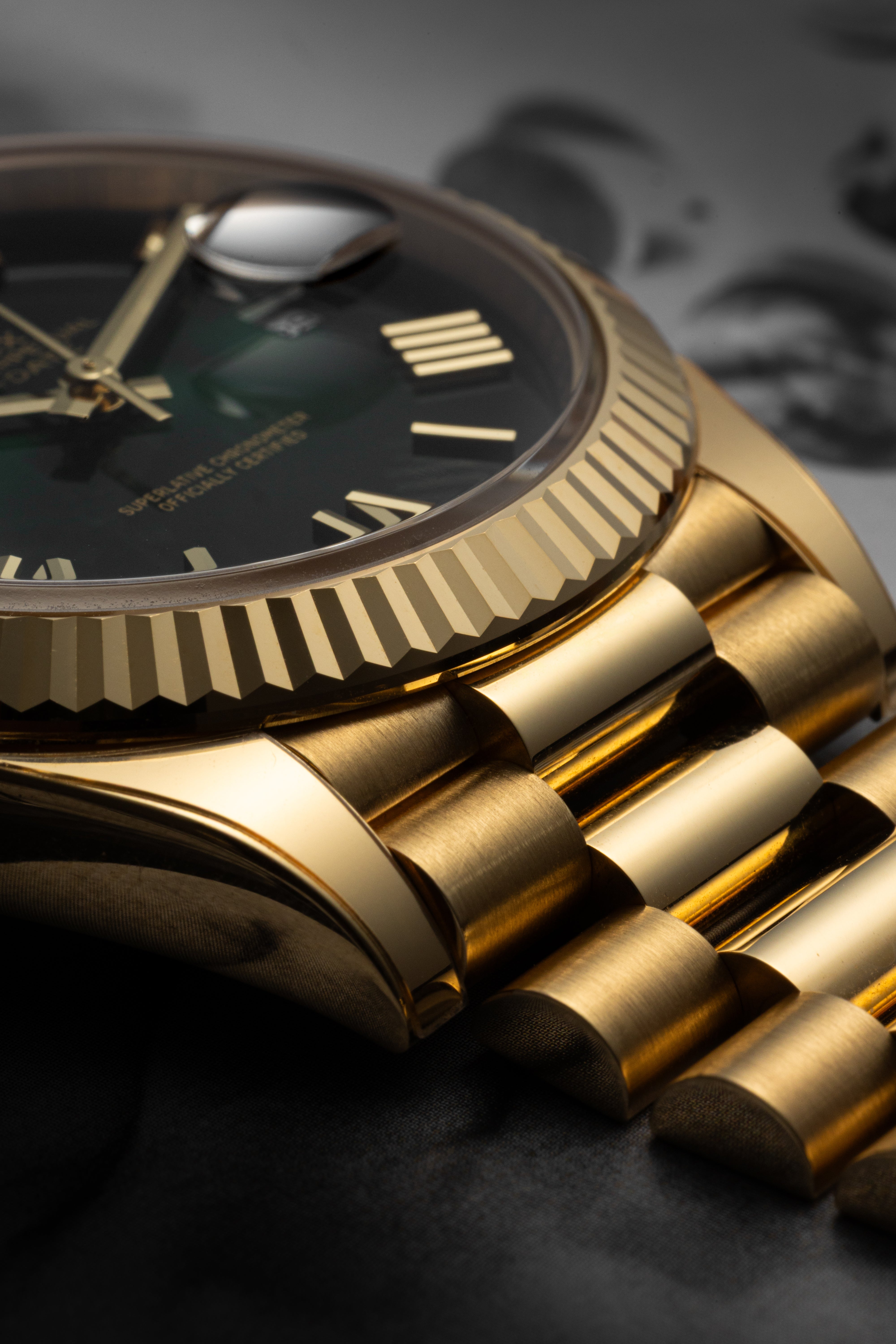
The President bracelet, designed in 1956 for the Day-Date launch, uses three semi-circular links per row and is available only in precious metals. It is the dressiest of the Rolex bracelets and the one most associated with the Day-Date itself. The Oysterflex bracelet, introduced in 2015, looks like a rubber strap but is built around a titanium-nickel alloy core, giving Rolex watches the durability of a bracelet with the comfort of a strap. Oysterflex appears on Yacht-Master, Daytona, and Sky-Dweller Rolex watches in precious metals. The Pearlmaster bracelet, used on the highest jewelry references, features rounded center links and is typically gem-set.
Rolex Clasp Terms
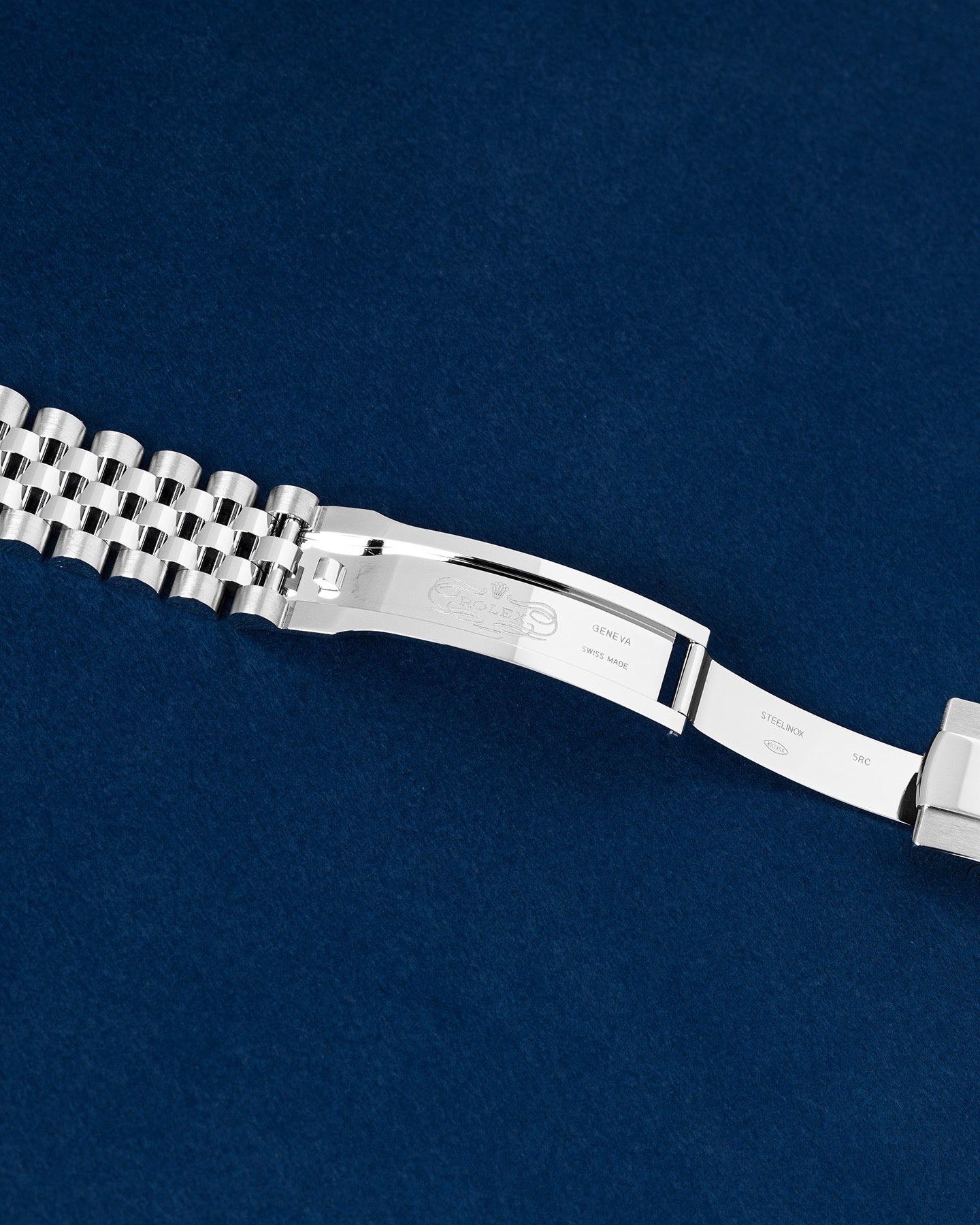
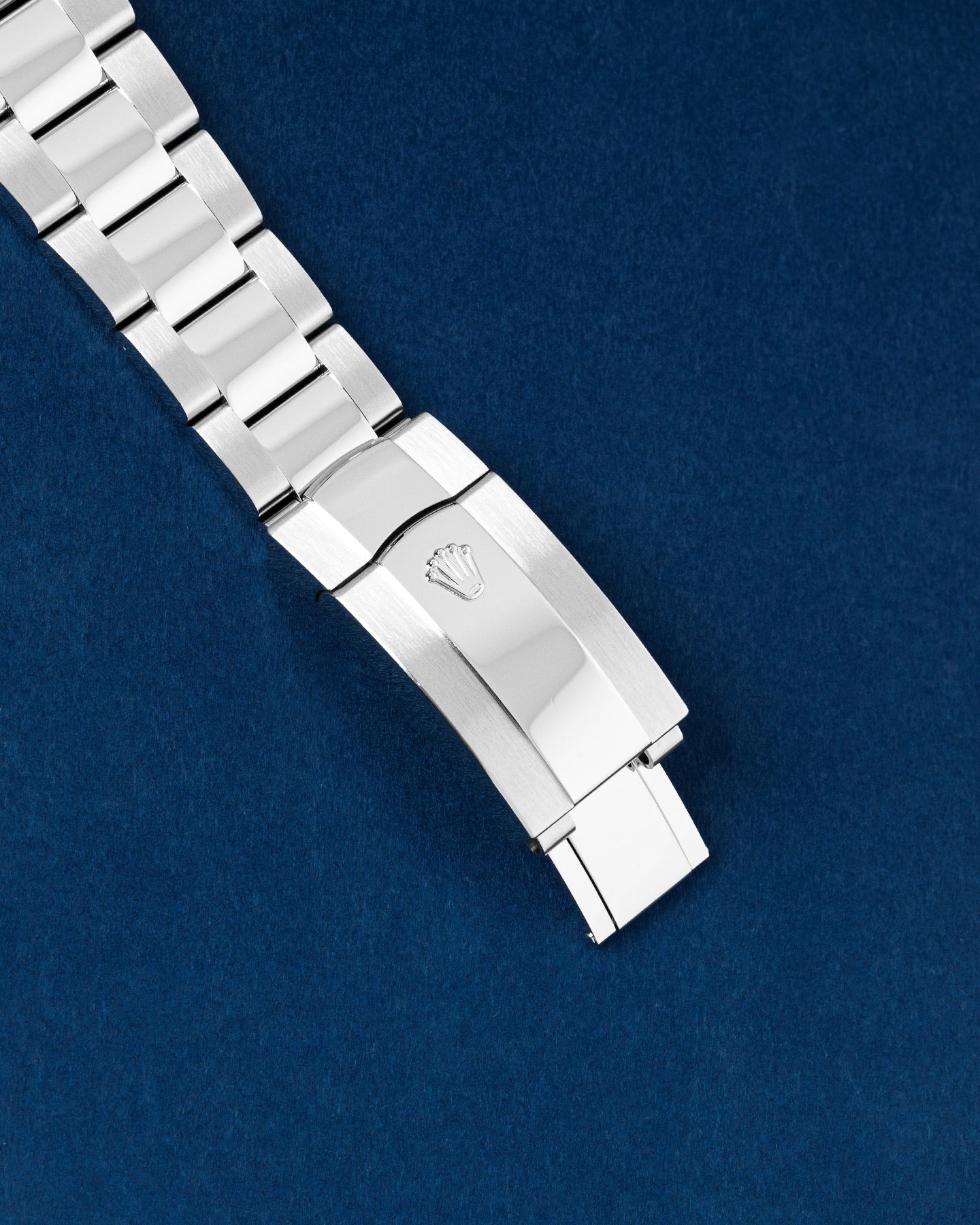
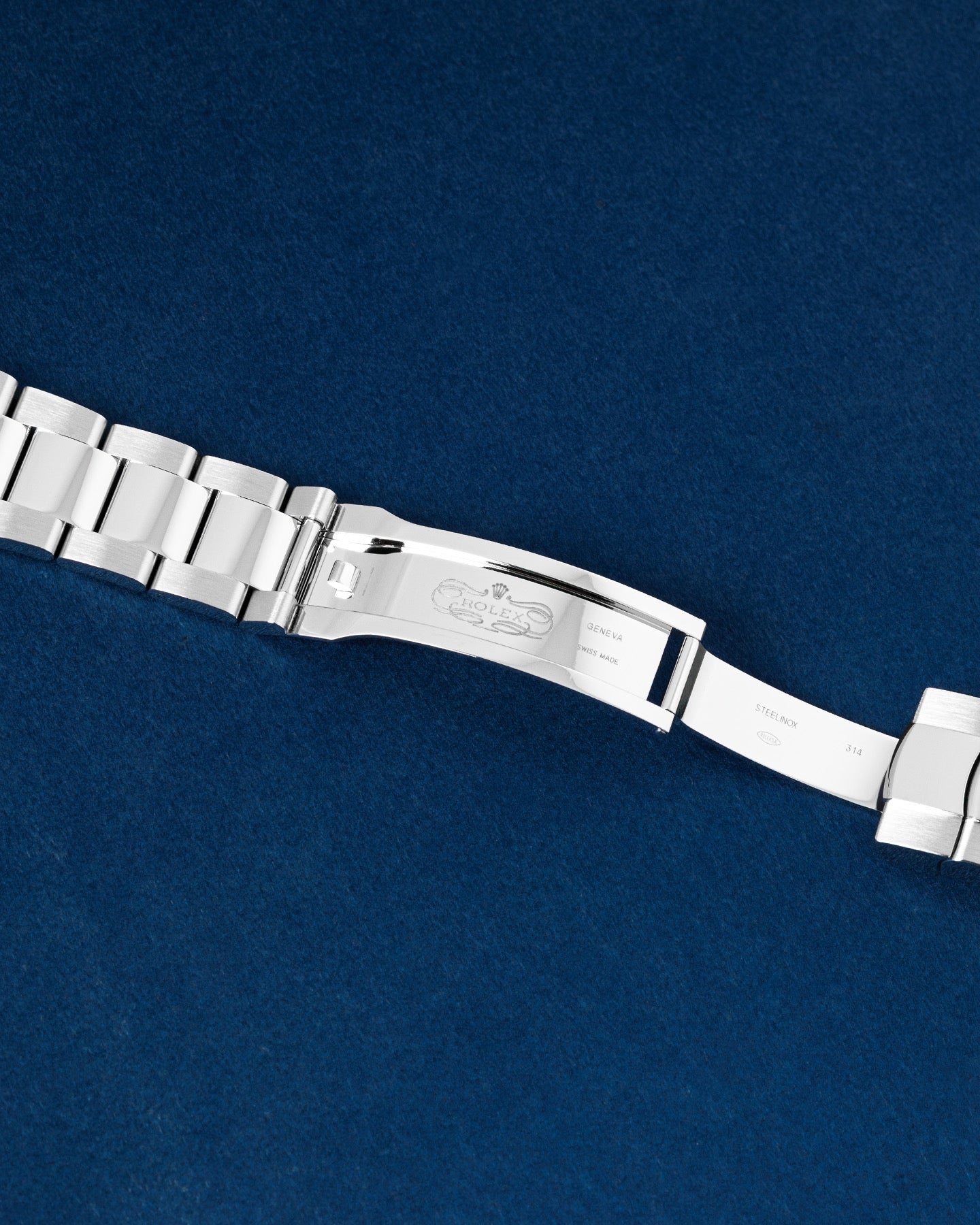
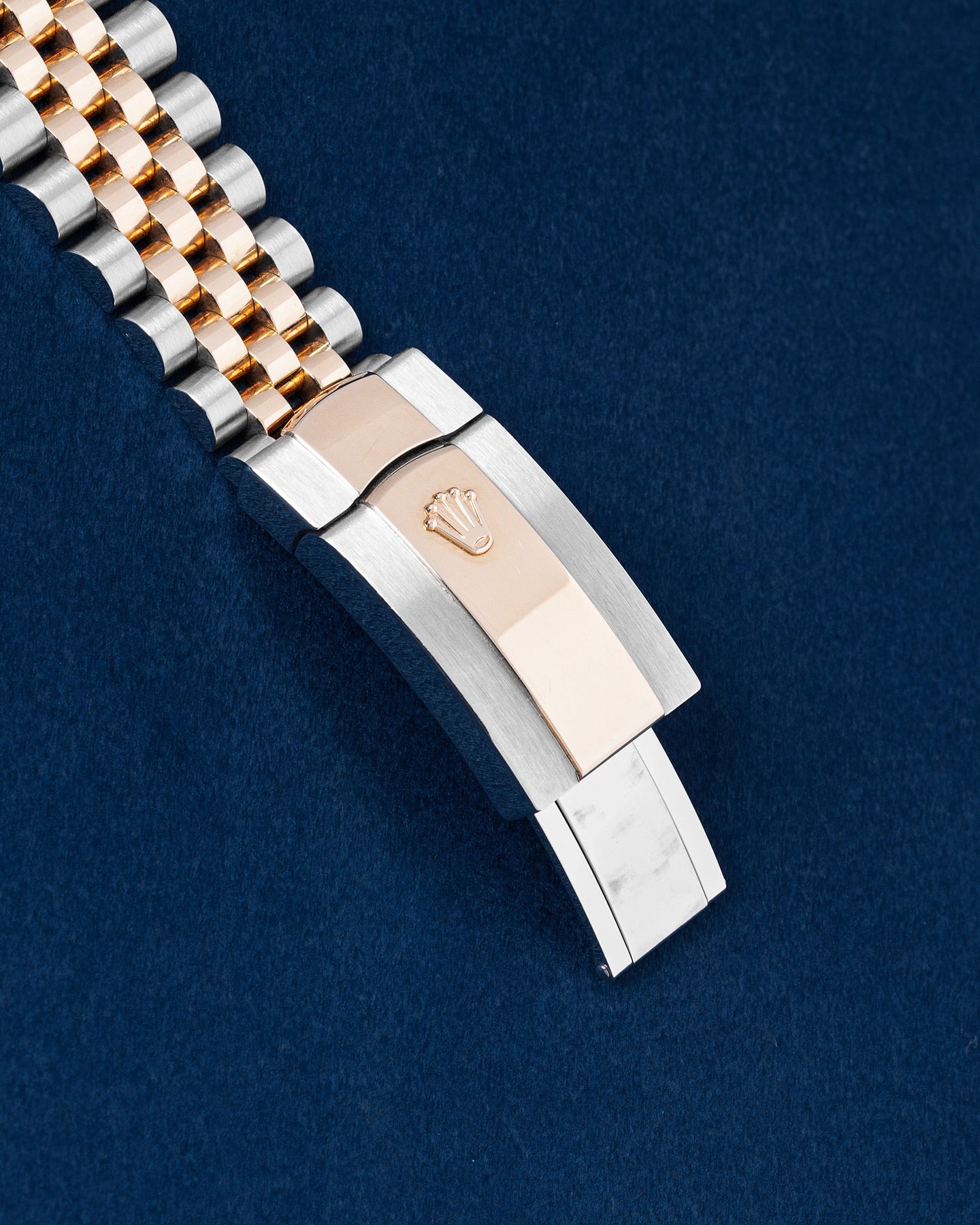
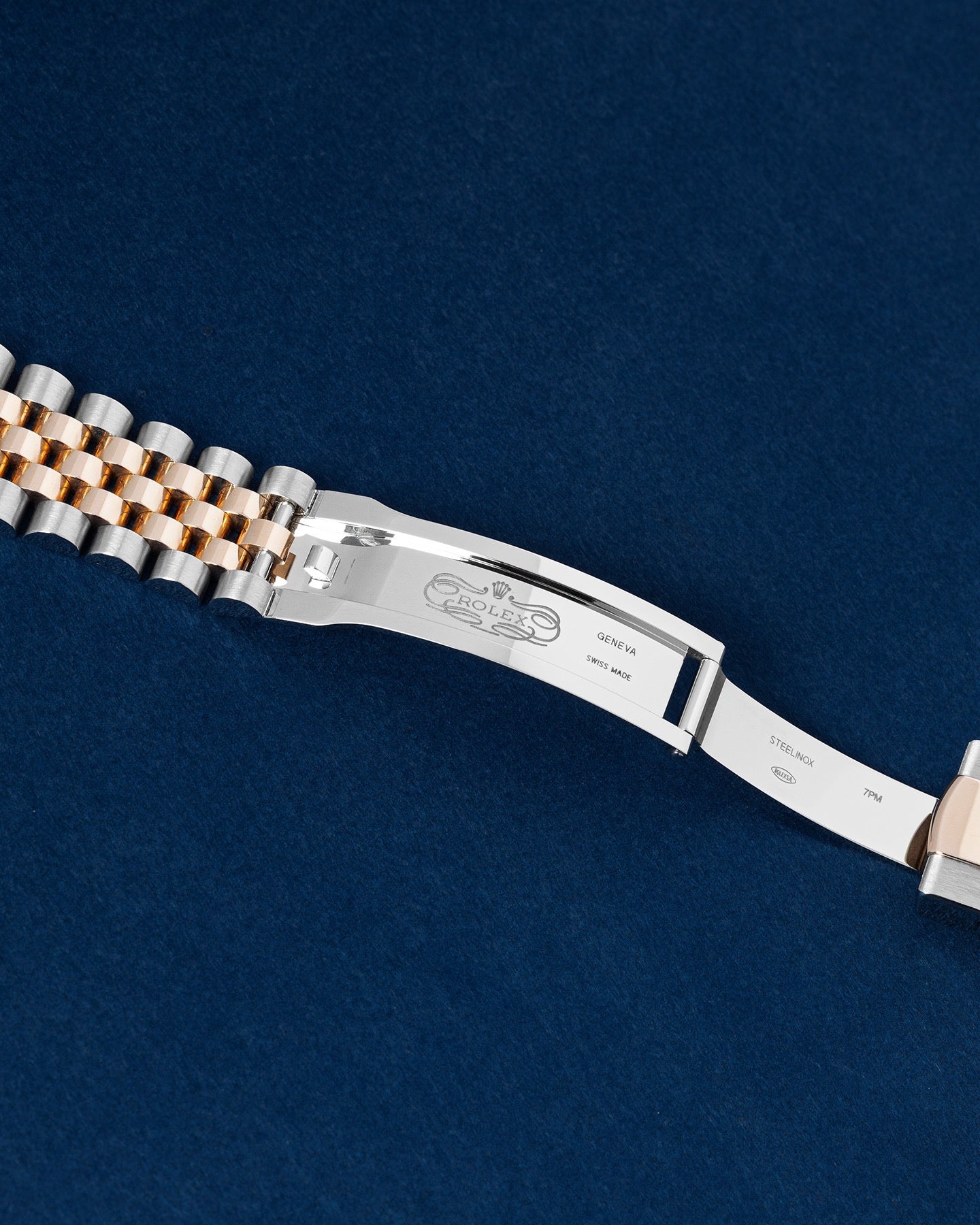
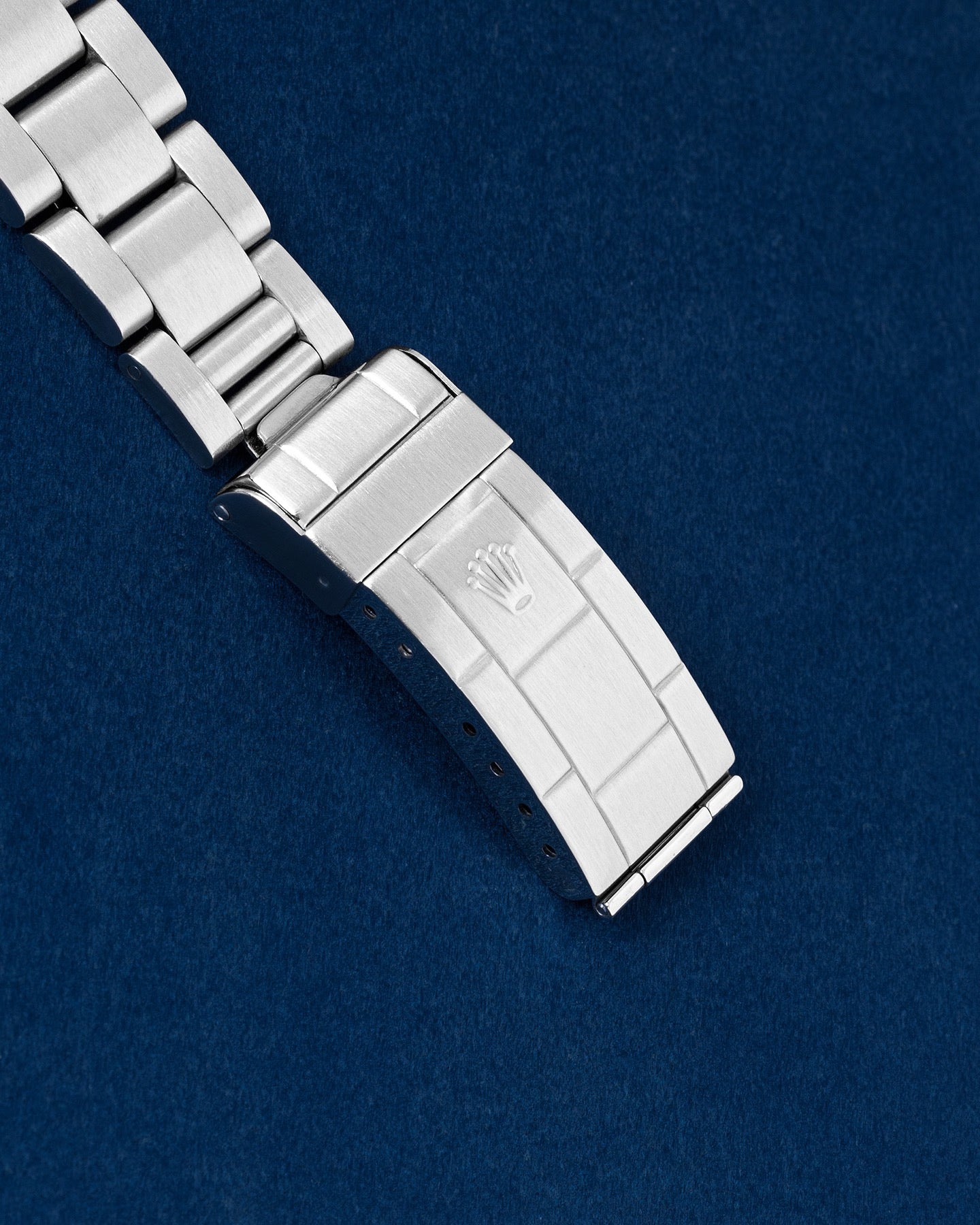
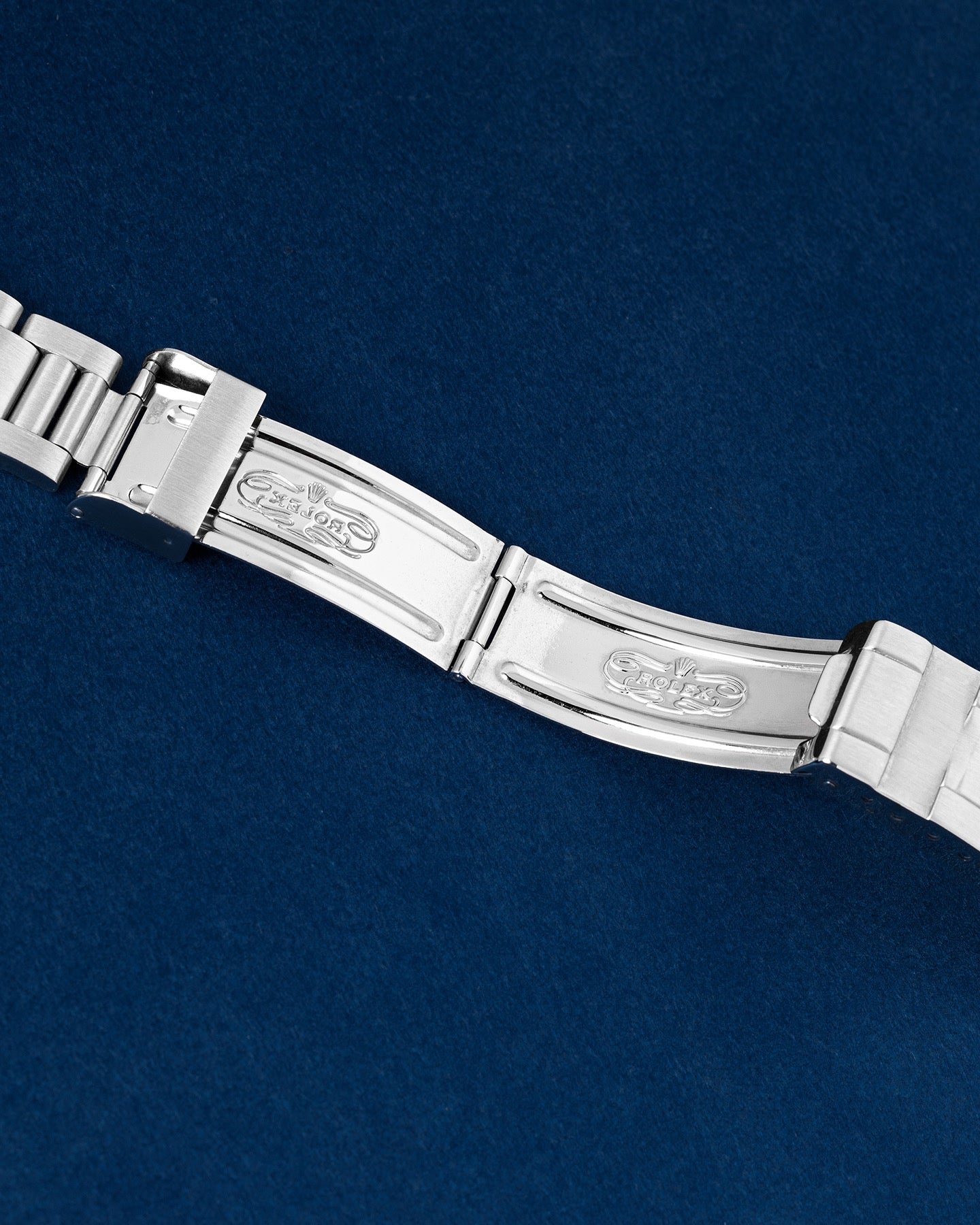
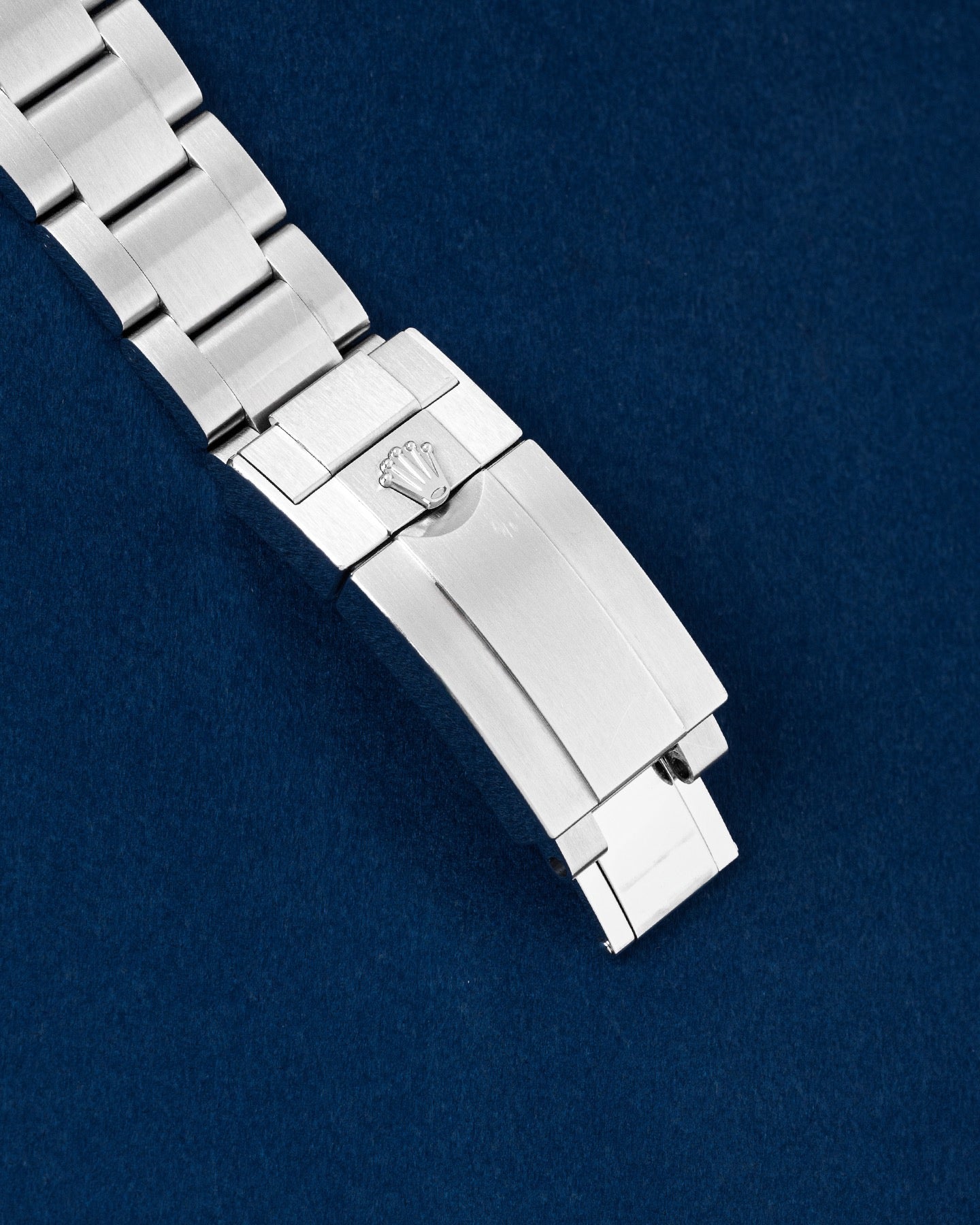
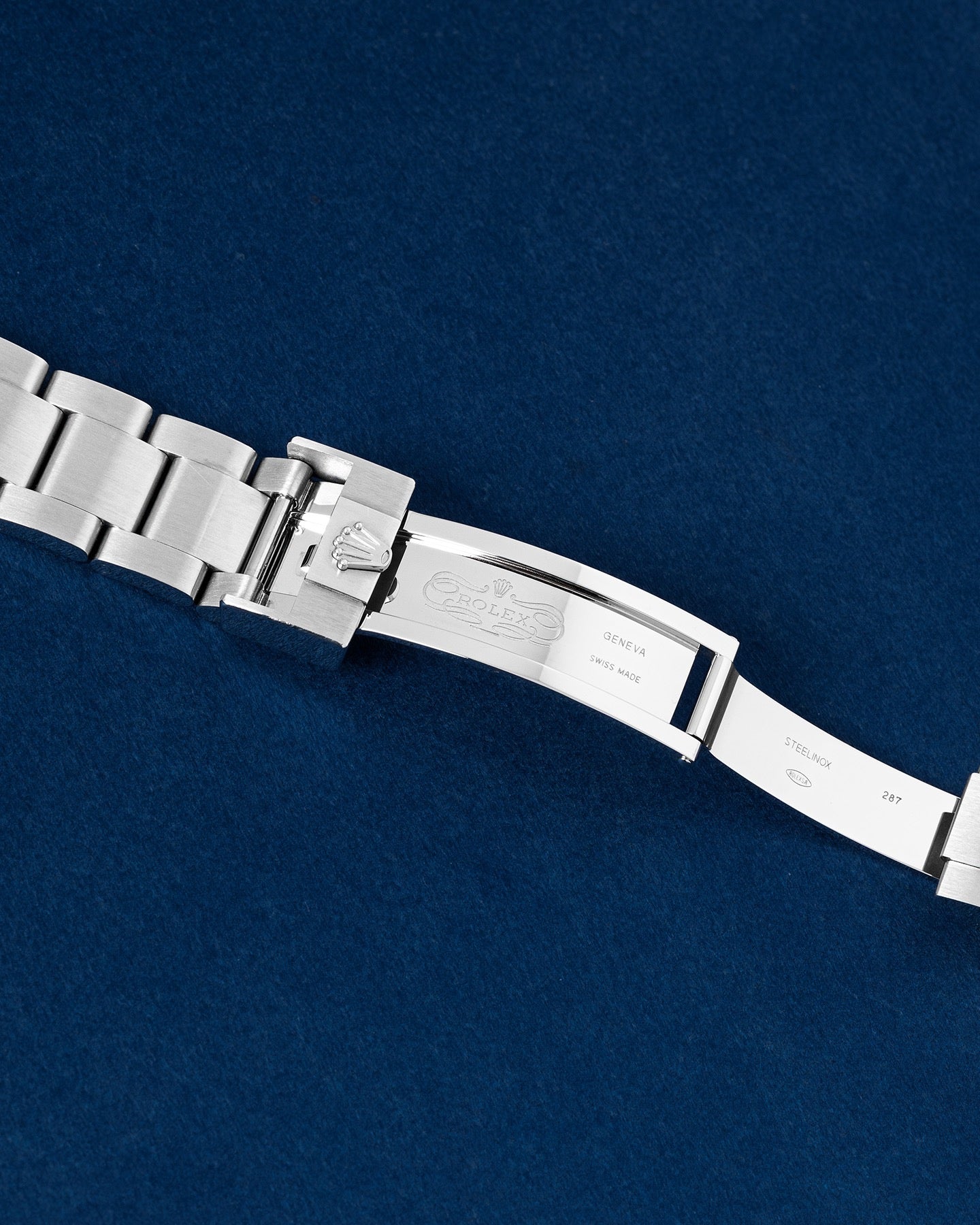
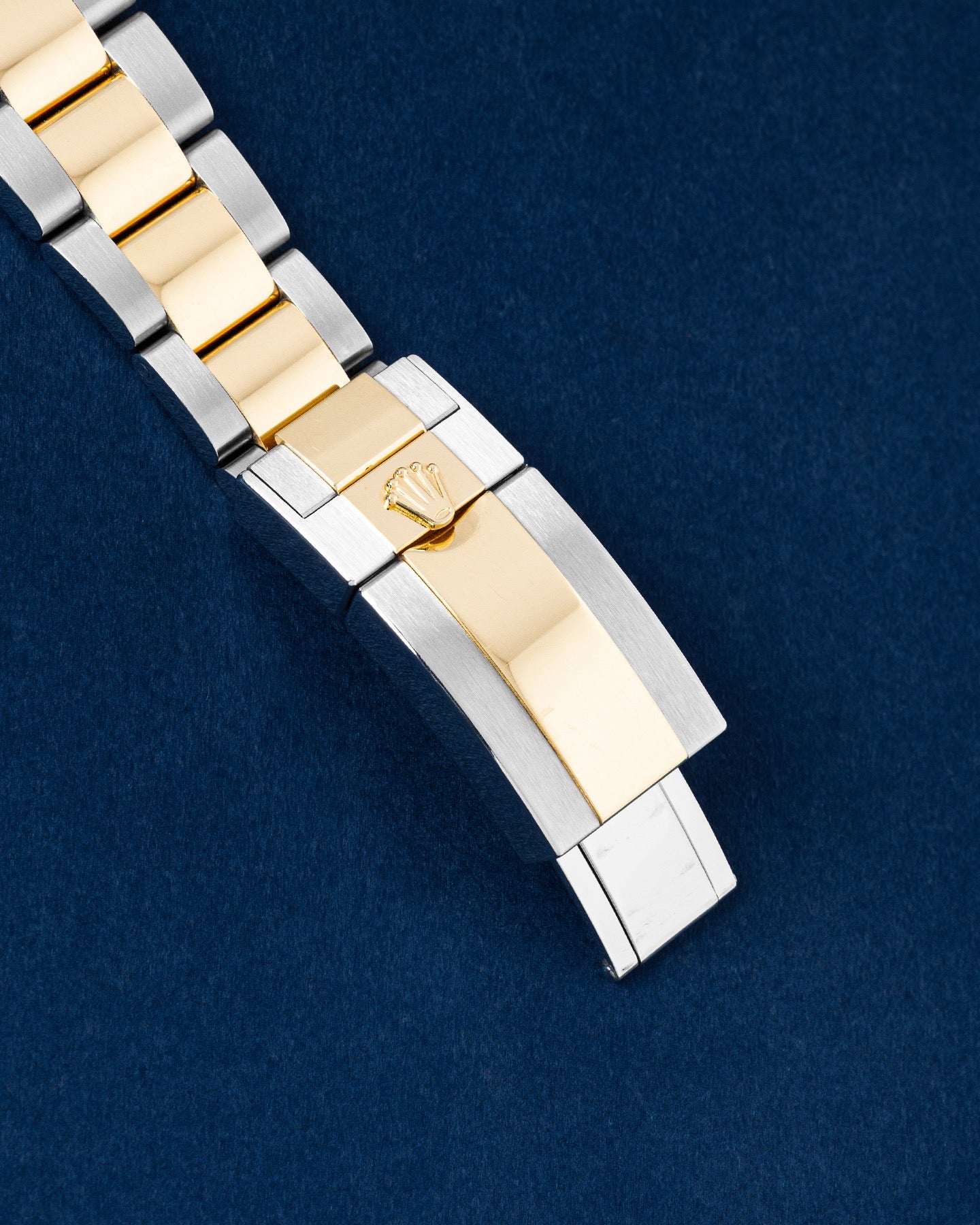
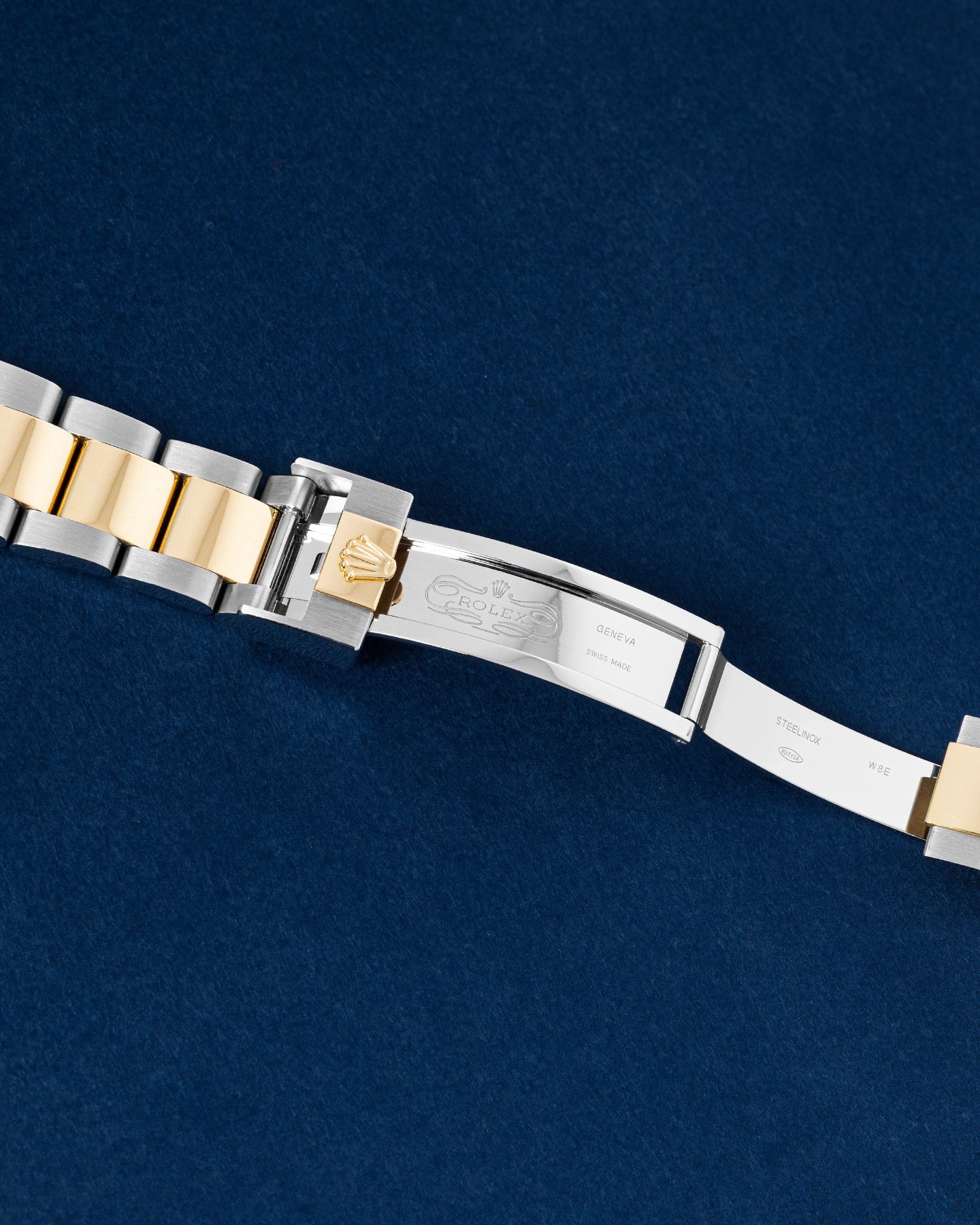
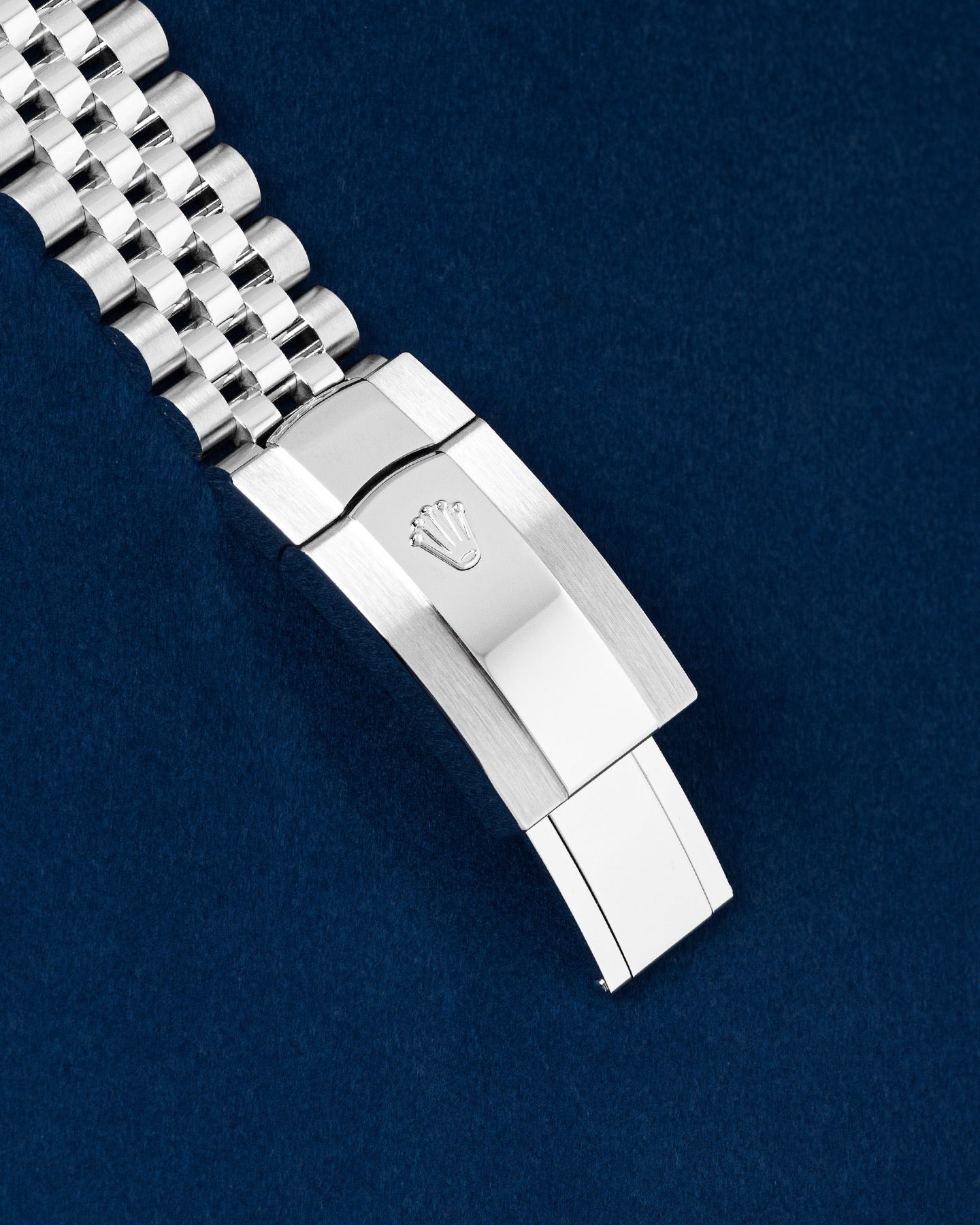
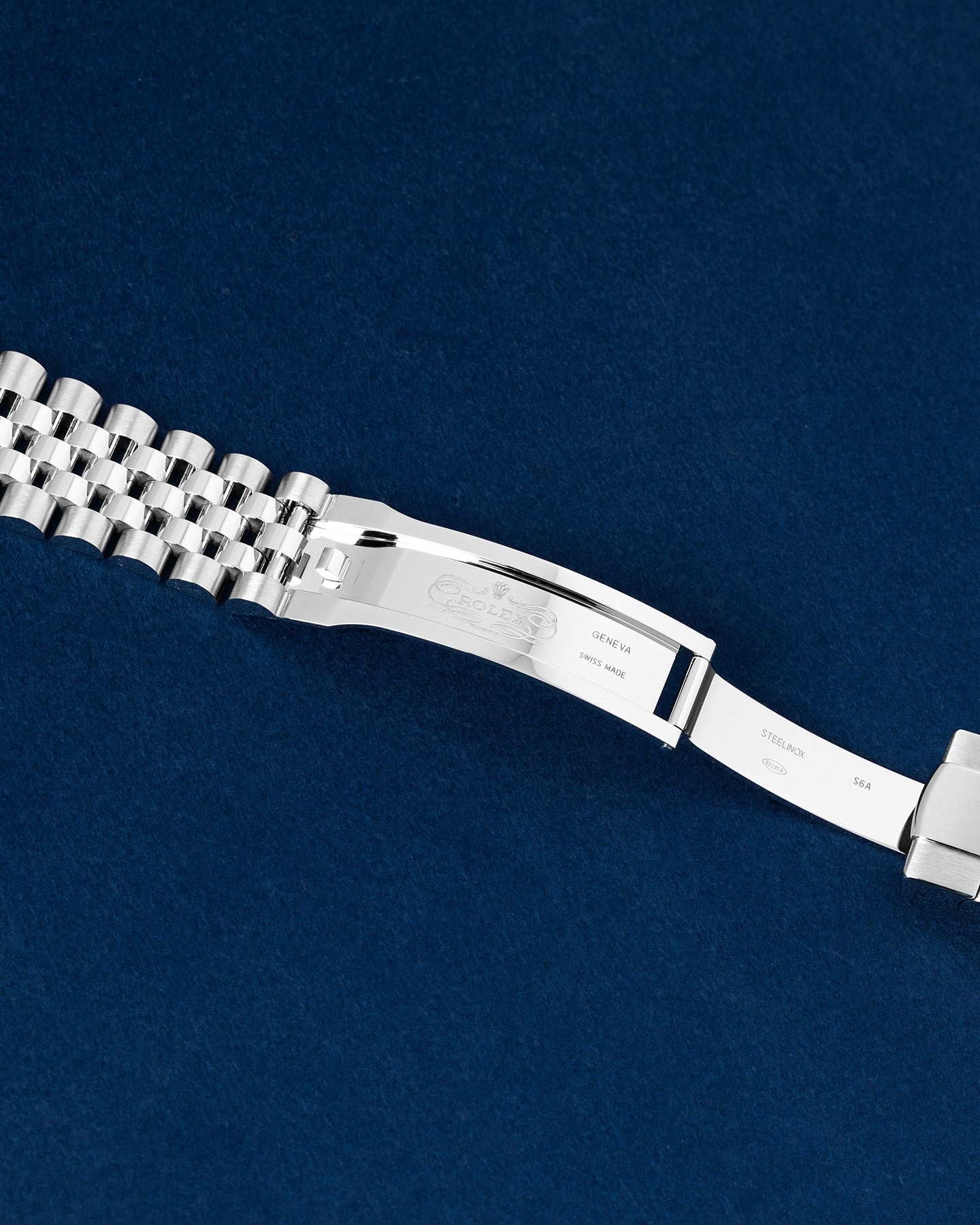
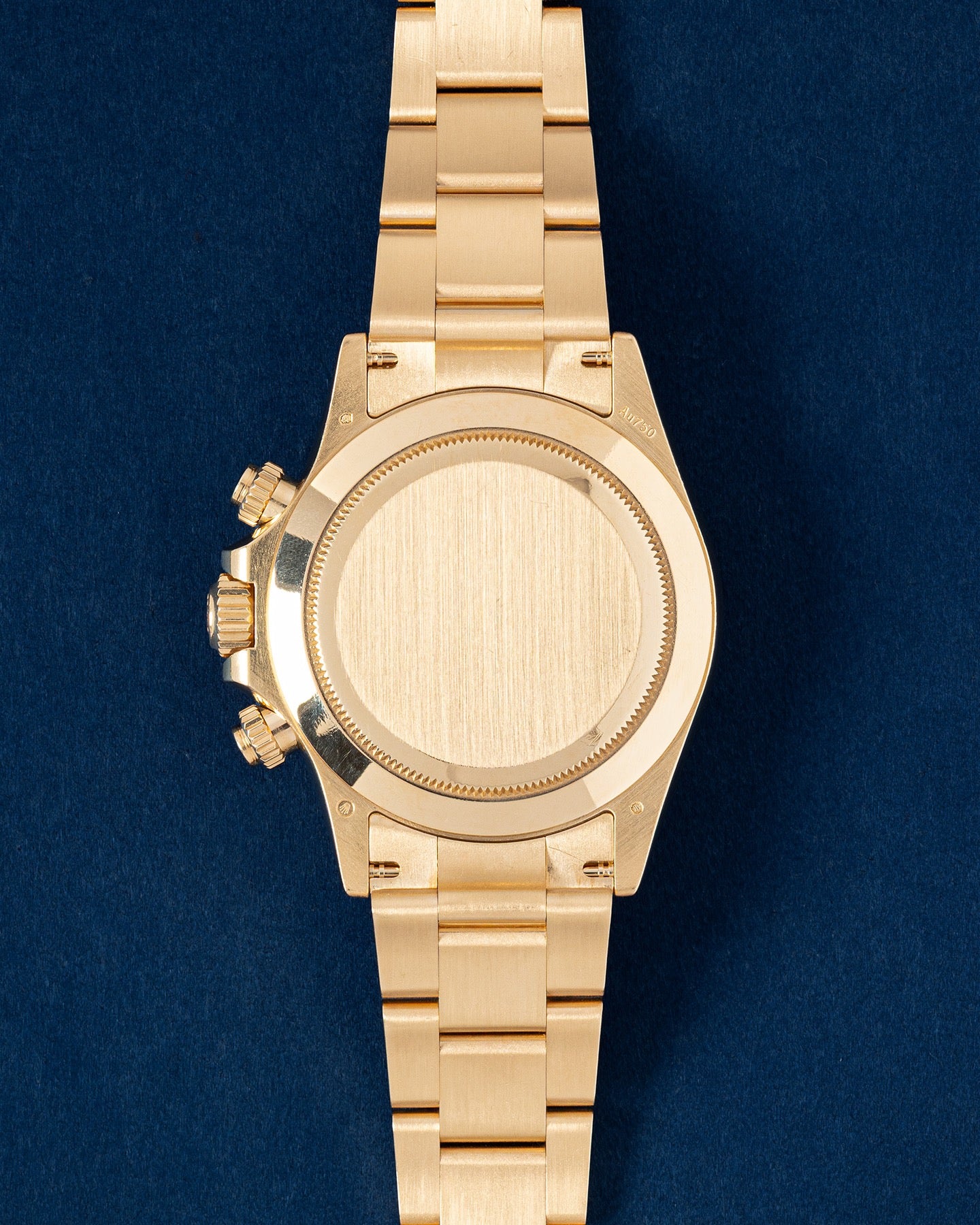
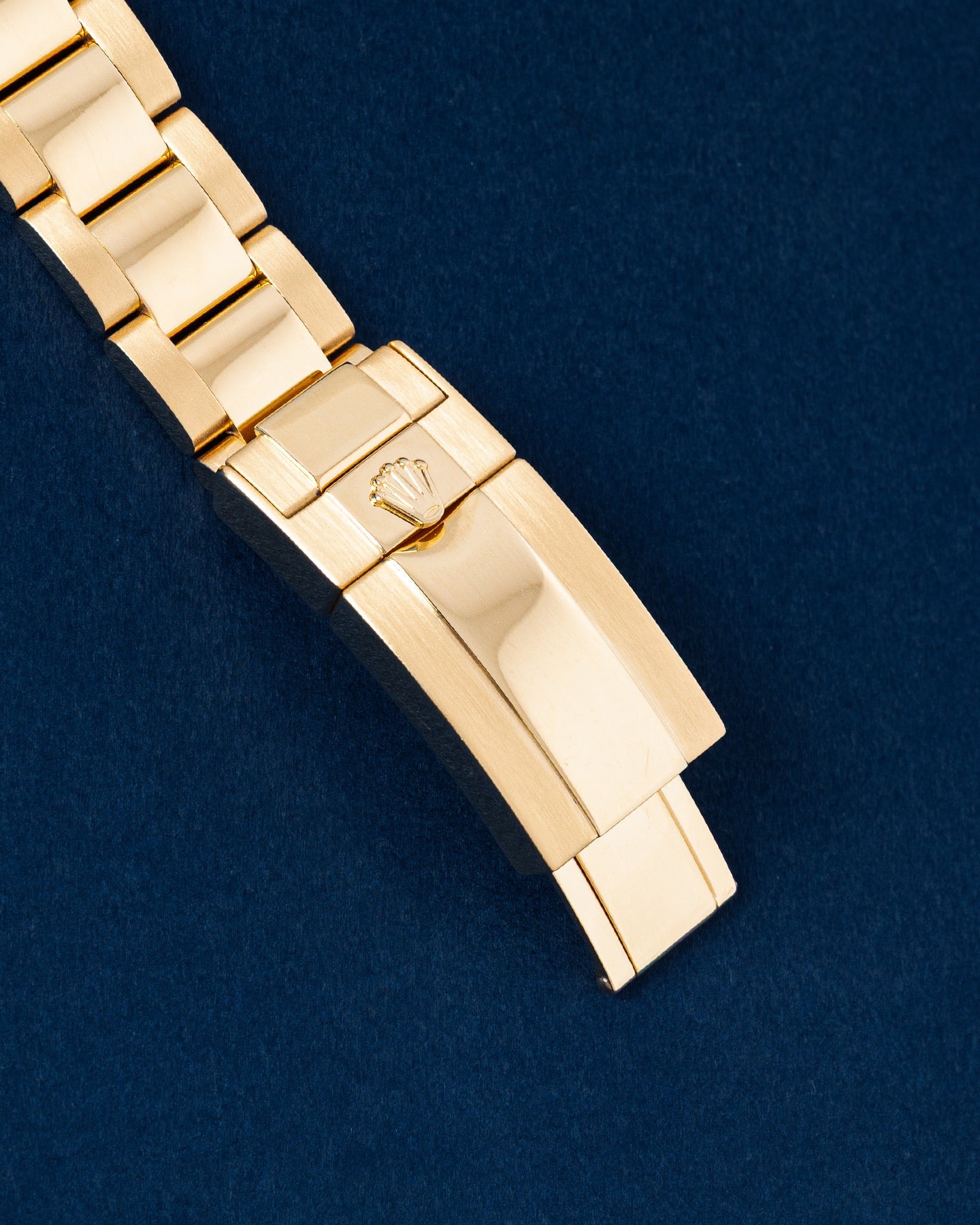
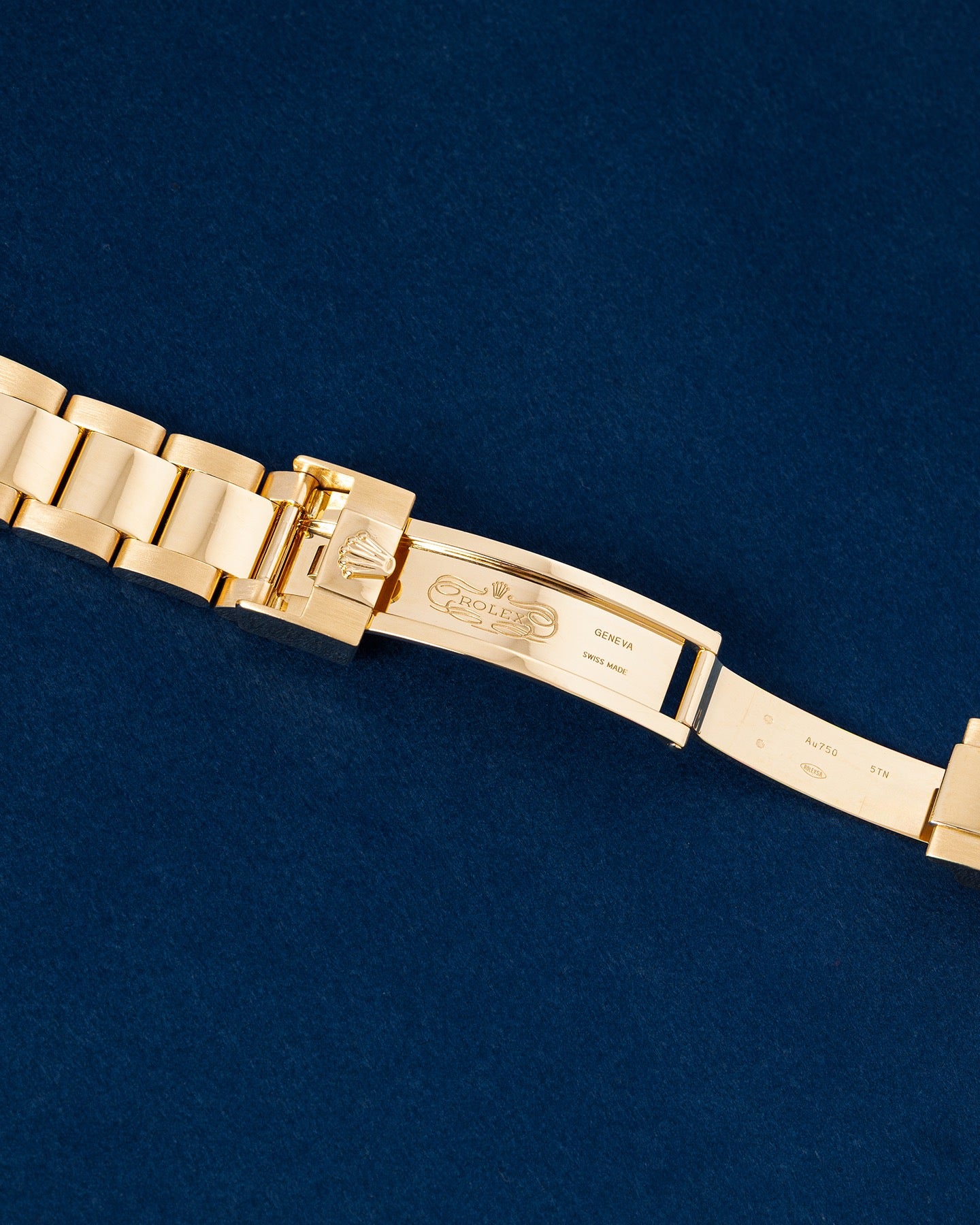
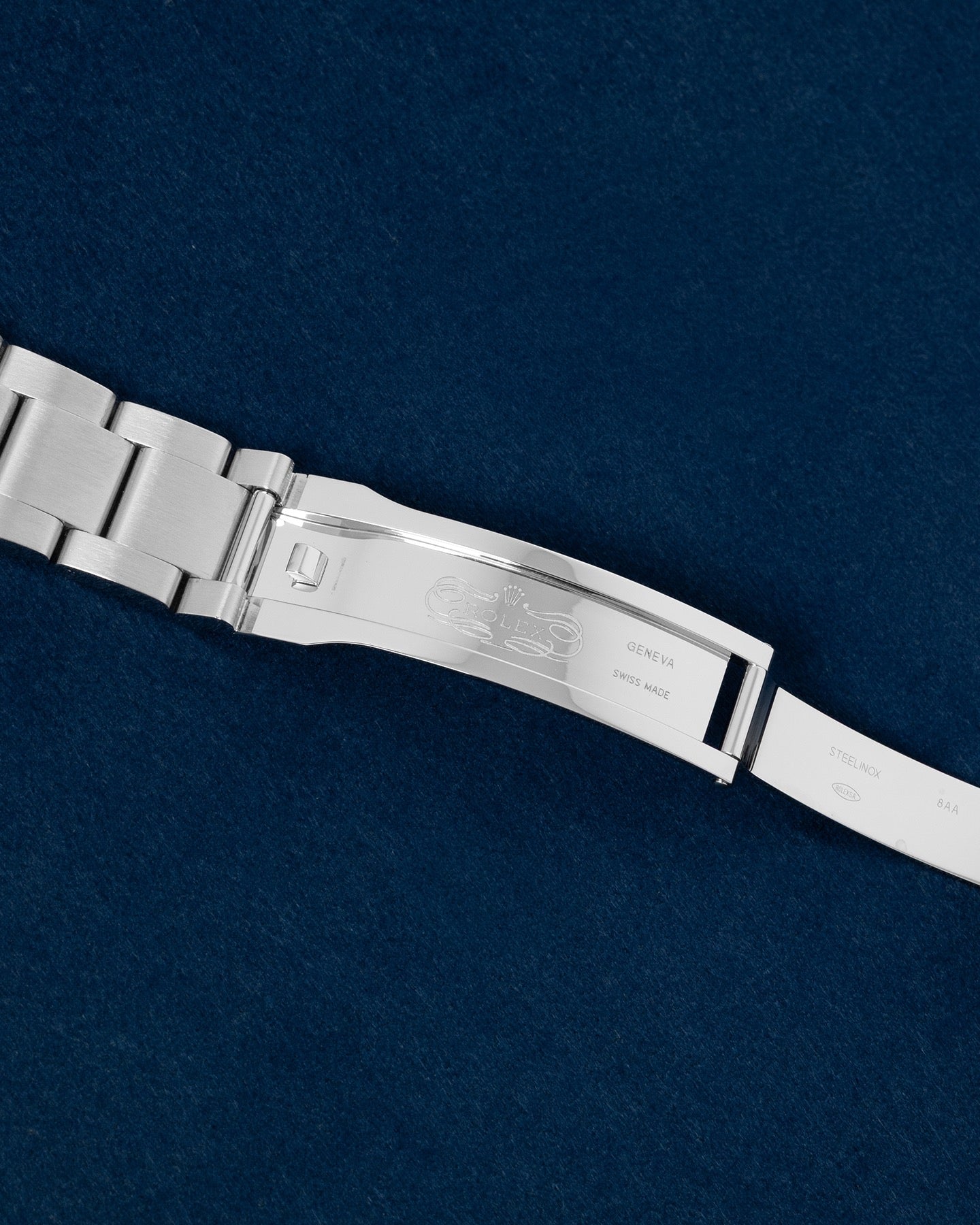
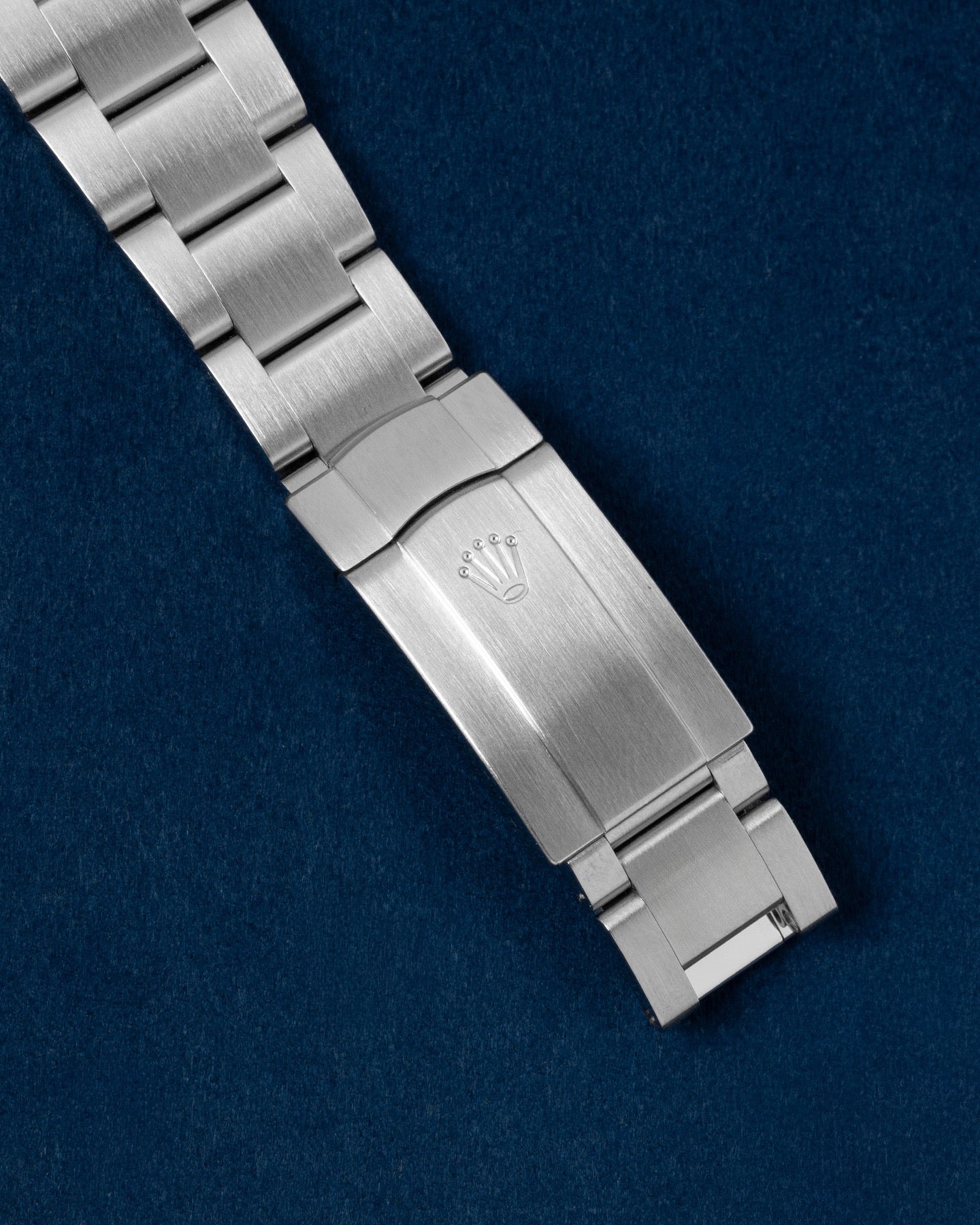
Rolex clasps are not afterthoughts. The Oysterclasp is the standard folding clasp on most current sports Rolex watches and includes the Easylink extension, which allows the bracelet to be lengthened by 5mm without tools for hot-weather wrist swell. The Glidelock clasp, used on the Submariner, Sea-Dweller, Yacht-Master, and Deepsea Rolex watches, allows micro-adjustment in 2mm increments up to 20mm of additional length, useful for wearing the watch over a wetsuit. The Crownclasp is the concealed clasp used on the Jubilee bracelet on Datejust Rolex watches in precious metals, presenting an unbroken bracelet line when worn. The Oysterlock clasp uses a folding safety lock for the standard Oyster bracelet on Submariner, GMT-Master II, and Daytona Rolex watches.
Looking to Sell Your Rolex
Grand Caliber is one of the most active buyers of Rolex watches in the United States, with valuation expertise built on the volume of inventory that moves through our floor each year. The process starts with a call, text, or email containing the reference number, year, condition, and any included accessories. A real number comes back the same day in most cases, grounded in the same secondary-market data we use to price our showroom inventory. There is no protracted appointment cycle, no inflated estimate followed by a lowball offer, and no obligation to sell.
We buy Rolex watches in every condition and configuration. Current production references in steel, two-tone, and solid gold. Discontinued favorites like the steel Pepsi GMT-Master II 126710BLRO, the Hulk Submariner 116610LV, the Kermit, and the green-dial John Mayer Daytona in yellow gold. Vintage four-digit Rolex watches with original components, faded bezels, and patina-rich dials. The number we offer is honest in both directions: we will not undersell what we know we can move, and we will not overstate what we know we cannot.
Clients who prefer to consign a Rolex rather than sell outright have that option as well. Consignment splits typically favor the seller and allow time for the right buyer to surface, which can matter for unusual configurations or specific vintage Rolex watches with a narrower audience. We also handle estate liquidations and full collection sales for clients who need to move multiple Rolex watches at once with proper documentation and tax-conscious structuring.
Rolex Watch Models in Current Production
The current Rolex catalog covers eleven active production lines, from daily-wear sports references to the most complicated movements the brand has ever produced. Below is a buyer-grade breakdown of each Rolex watch line currently in production, with the reference numbers, sizes, and movements relevant to anyone shopping for a Rolex today.
Rolex Submariner
The Rolex Submariner arrived in 1953 as the first purpose-built dive watch from the brand and remains the gateway Rolex watch for most first-time buyers. The current production references are 124060 in no-date form and 126610 in date form, both running 40mm Oystersteel cases on the Oyster bracelet with the Oysterlock clasp and Glidelock extension. Movement choices are calibre 3230 for the no-date and calibre 3235 for the date, both delivering 70 hours of power reserve. Water resistance is rated at 300 meters. The Submariner is versatile enough to wear with a suit and capable enough to dive with, and its design language has changed remarkably little since the crown-guard 5512 of the late 1950s. Two-tone and solid gold Submariner Rolex watches are also in current production, with the green-dial Starbucks 126610LV available in Oystersteel.
Rolex Datejust
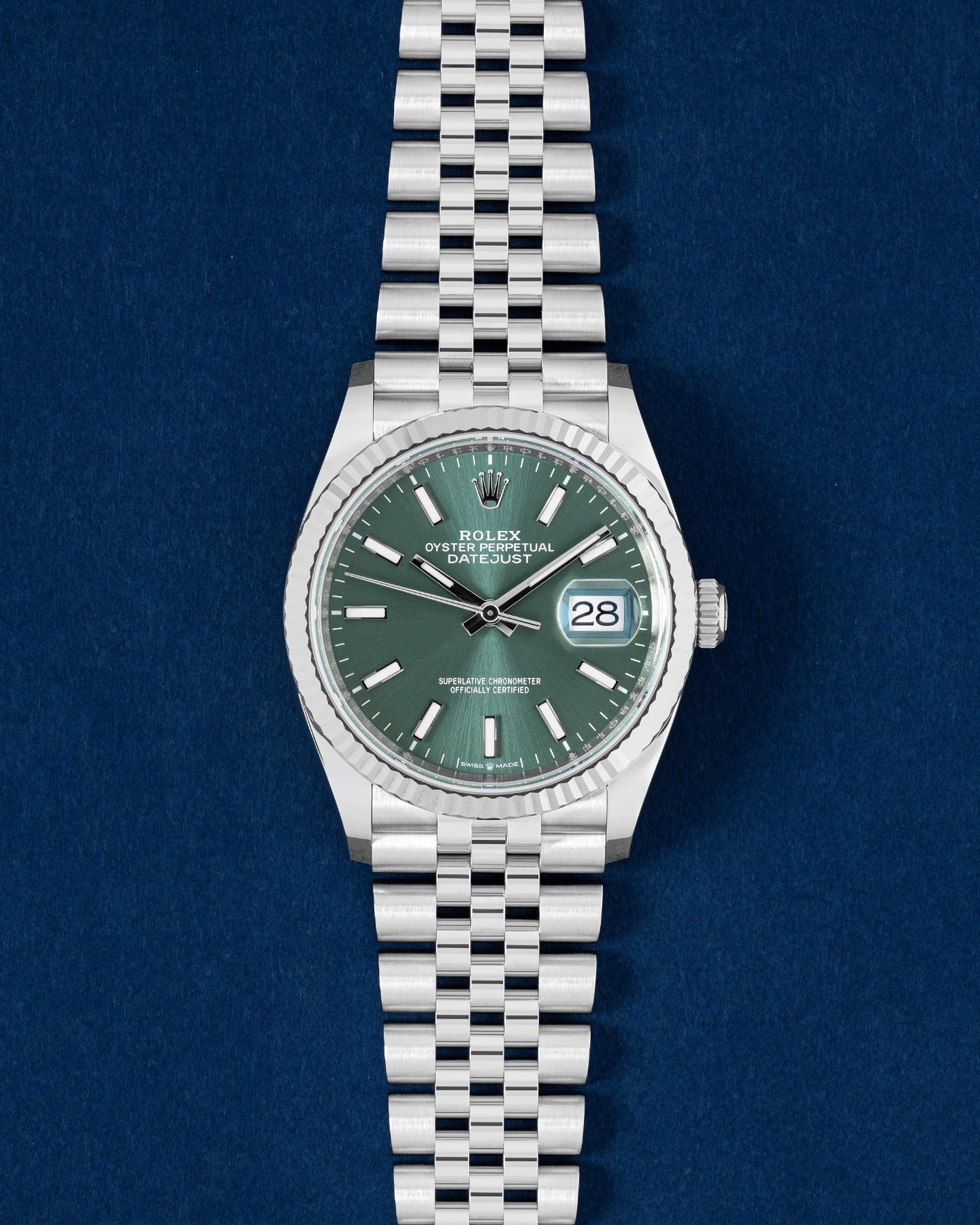
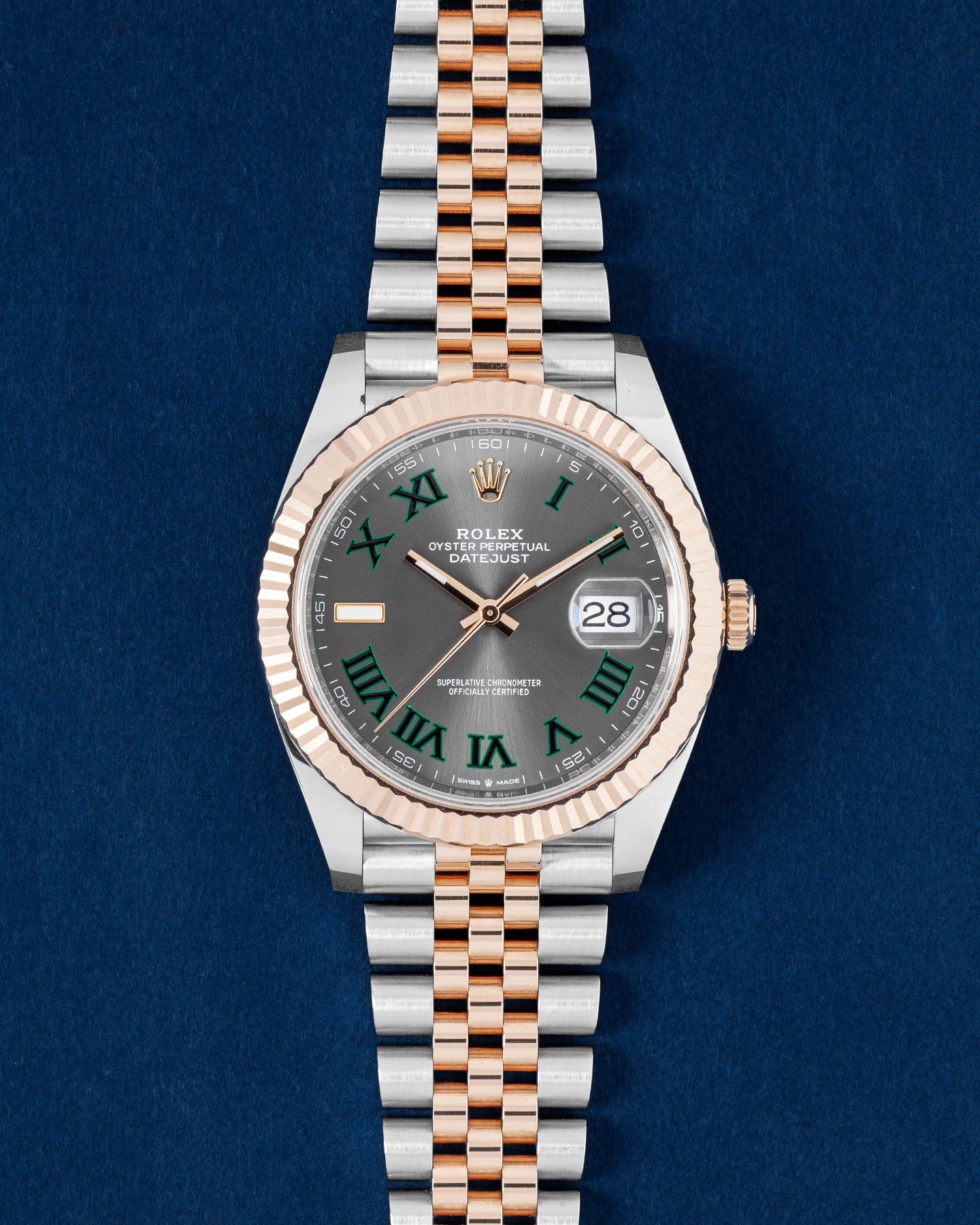
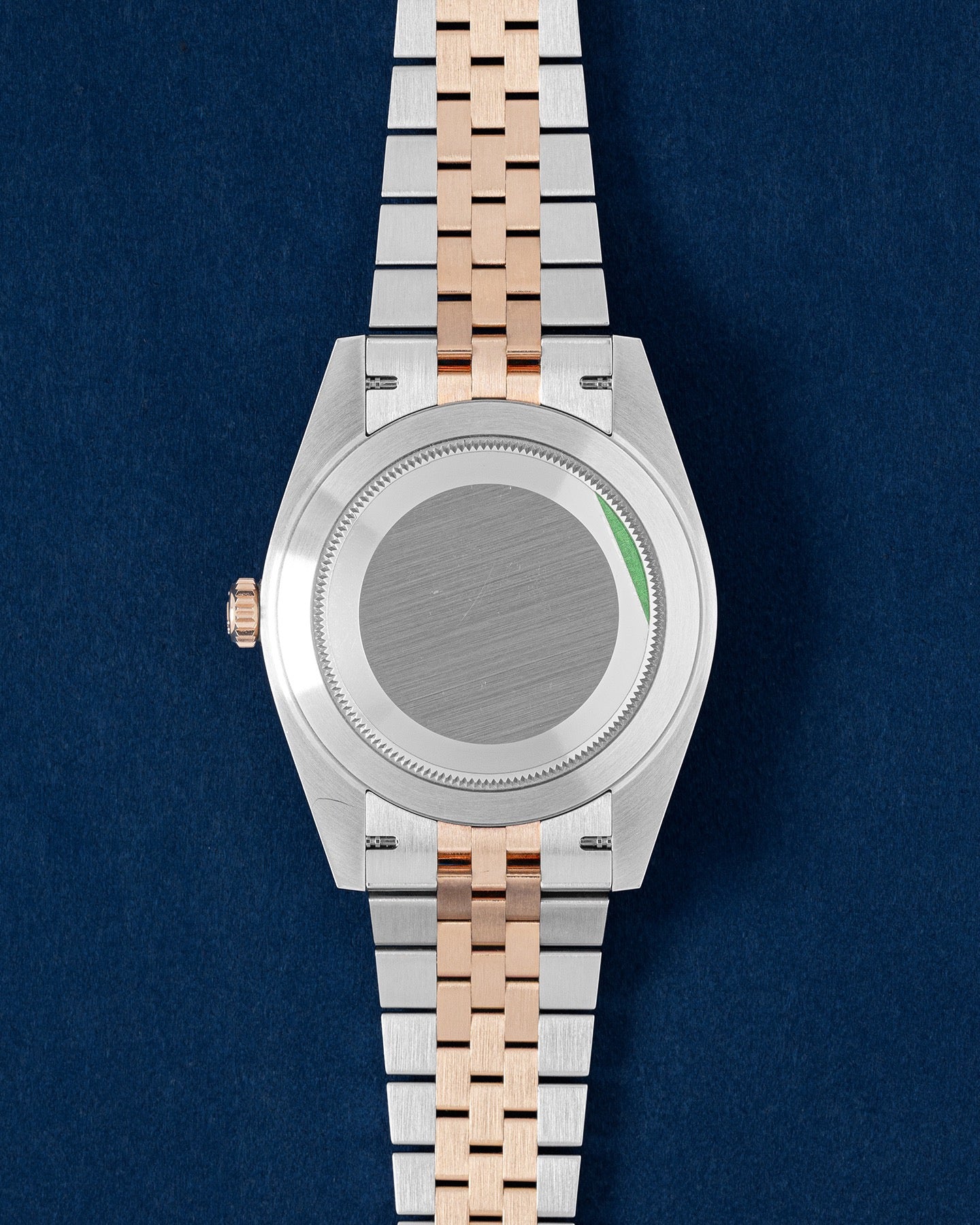
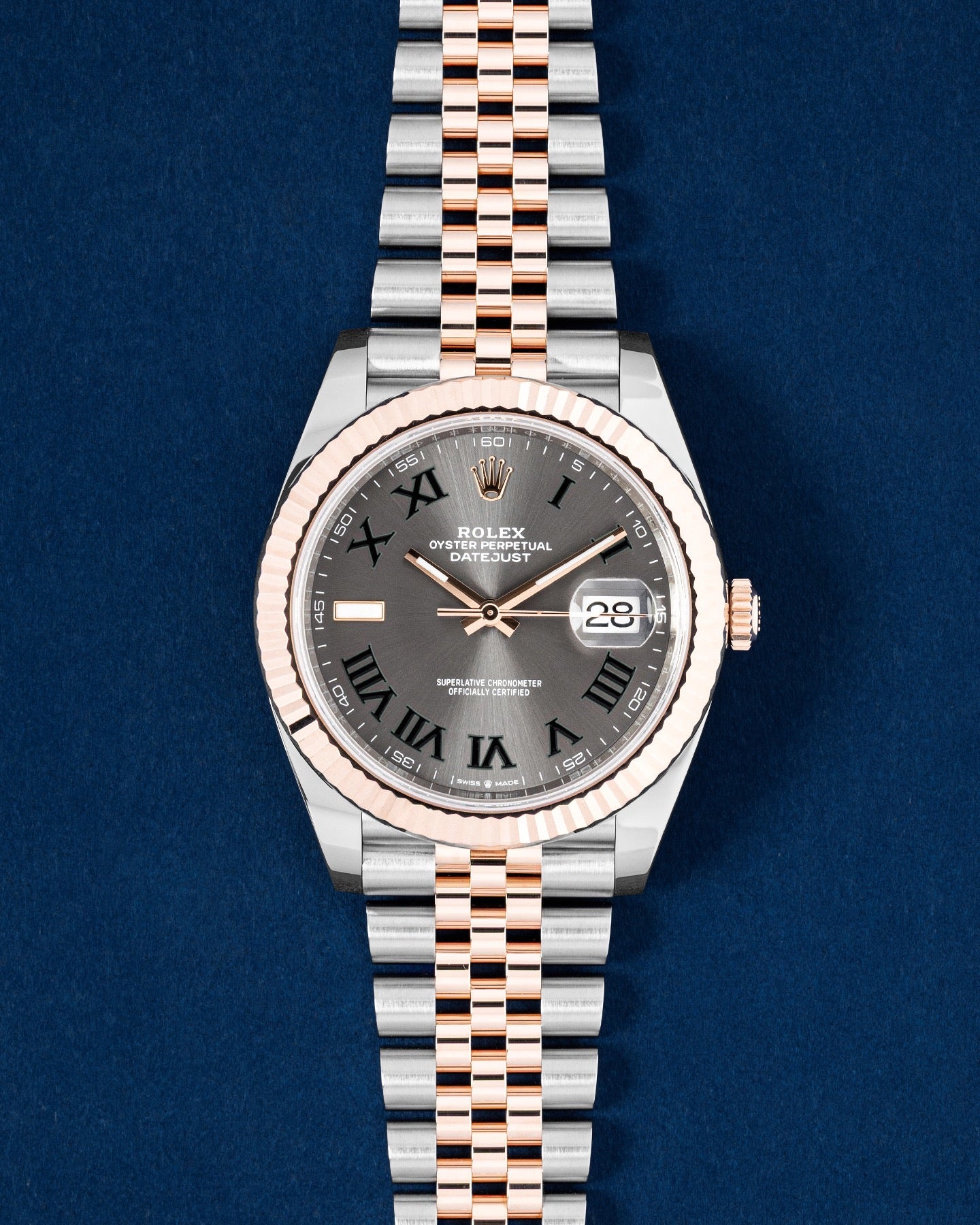
The Rolex Datejust is the longest continuously produced Rolex watch line and by volume the brand's most-sold model. Current production covers the Datejust 36 in the 126200 reference family and the Datejust 41 in the 126300 family, each available in Oystersteel, two-tone Rolesor with yellow or Everose gold, and solid gold configurations. Bracelet choices include the Oyster and Jubilee, and bezel options range from smooth to fluted to diamond-set. Dial configurations on the Datejust are the most diverse in the Rolex catalog, with everything from clean white Roman to slate sunburst to mother-of-pearl with diamond markers. The movement is calibre 3235 with a 70-hour reserve. The Lady-Datejust in 28mm runs the calibre 2236 with a silicon Syloxi hairspring, while the Datejust 31 fills the middle slot in the 278 reference family.
Rolex Daytona
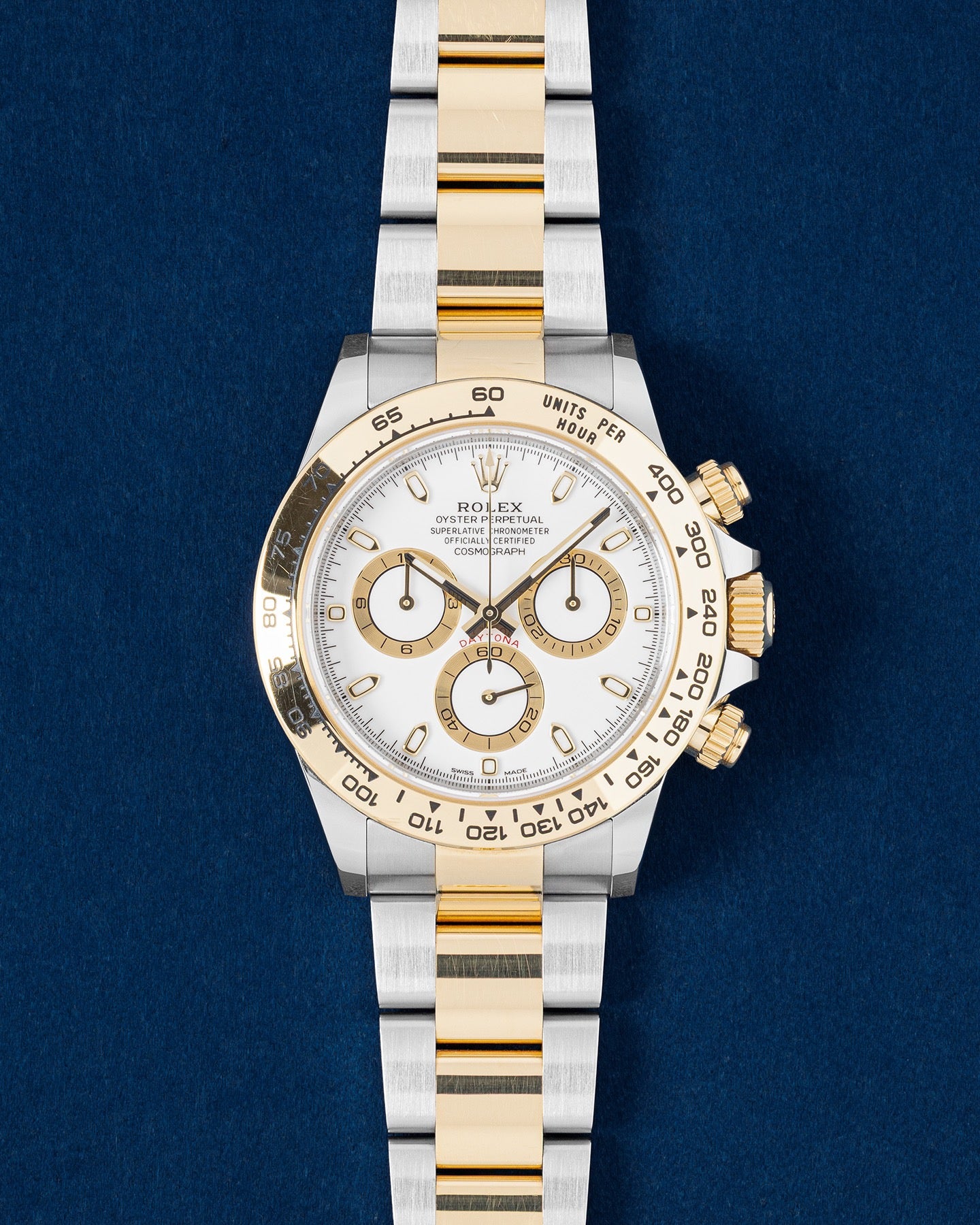
The Rolex Daytona is the chronograph in the catalog and the watch most collectors describe as the next acquisition once the Submariner is in the box. The current production reference 126500LN, released in 2023, runs the calibre 4131 in a 40mm Oystersteel case with the ceramic Cerachrom bezel and 72 hours of power reserve. Precious metal Daytona Rolex watches include the yellow gold, white gold, Everose, and platinum references, with the platinum Daytona reference 126506 featuring the ice-blue dial and chestnut-brown ceramic bezel reserved exclusively for that material. The Le Mans 100th anniversary Daytona 126529LN and the John Mayer green-dial 116508 in yellow gold round out the most sought-after current Daytona configurations on the global secondary market.
Rolex Day-Date
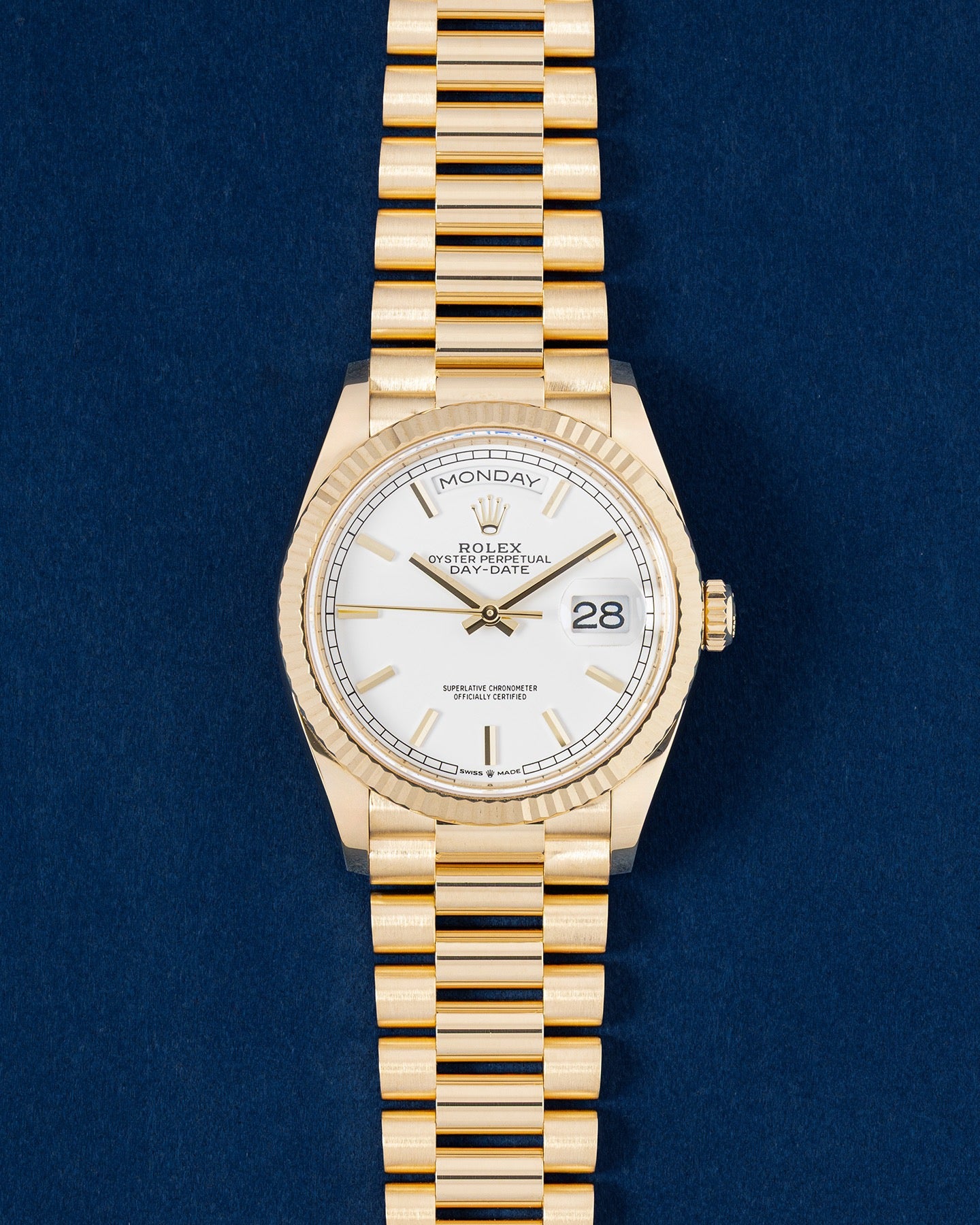
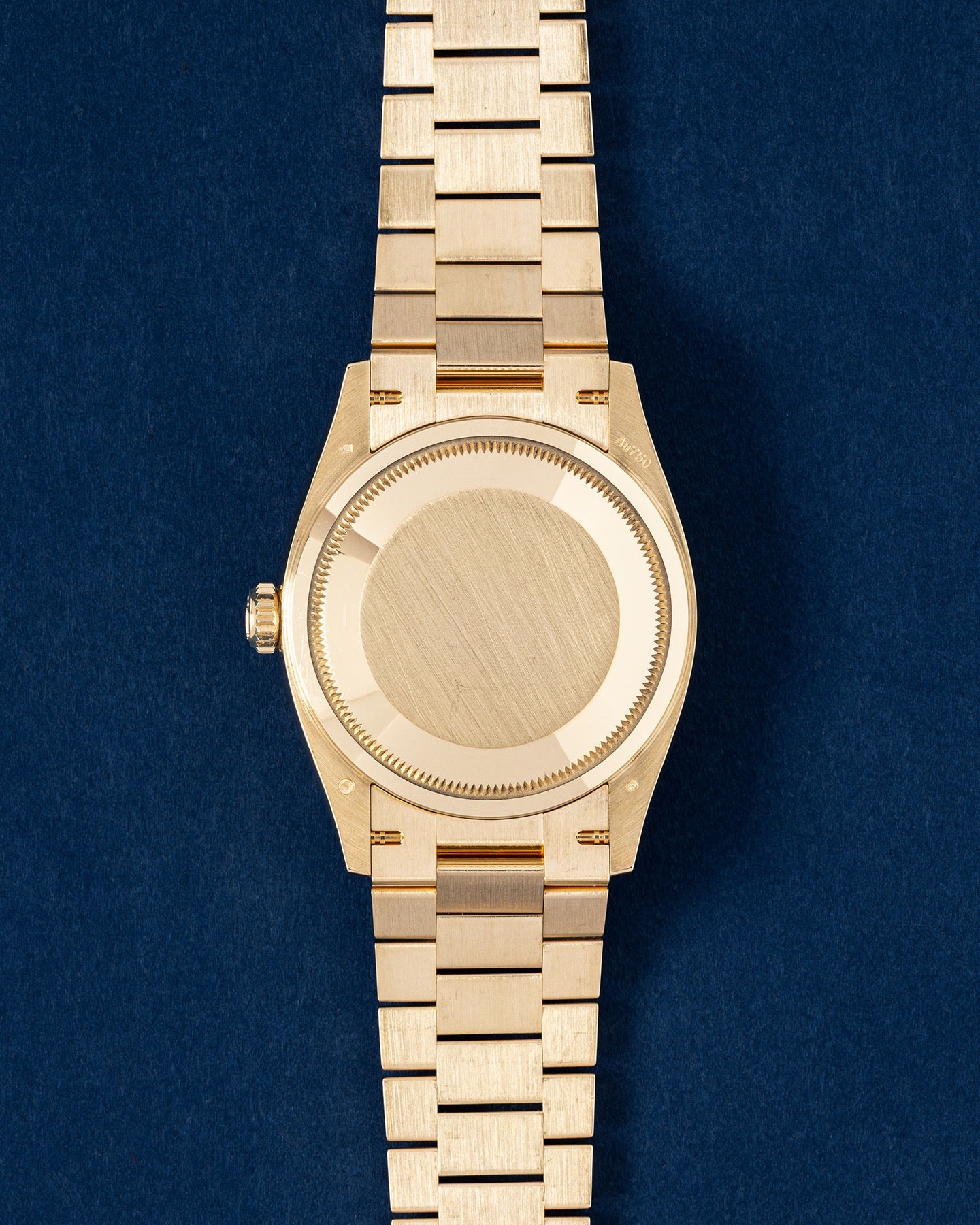
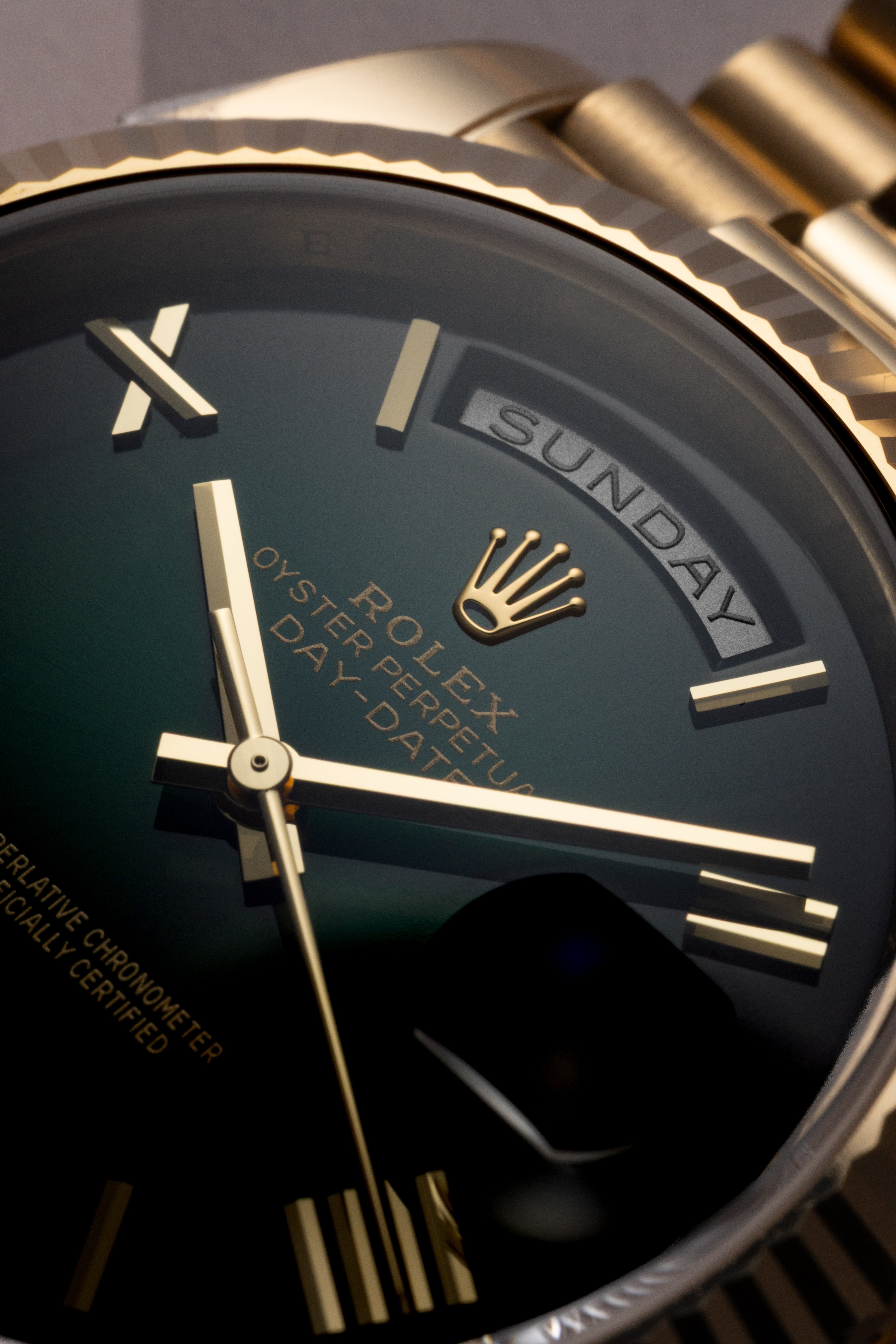
The Rolex Day-Date was the first wristwatch in the world to display the date and the day of the week spelled out in full on the dial, launched in 1956 and produced exclusively in precious metals from day one. Current production covers the Day-Date 36 in the 128 reference series and the Day-Date 40 in the 228 series, both on the President bracelet and both running calibre 3255 with 70 hours of reserve. Available metals include yellow gold, white gold, Everose, platinum, and the new Jubilee Gold alloy introduced for the 2026 anniversary releases. Dial options range from clean champagne to diamond-set to natural stone hardstones including ammonite, eisenkiesel, and turquoise. There is no Oystersteel Day-Date Rolex watch in the catalog and there never has been one.
Rolex GMT-Master II
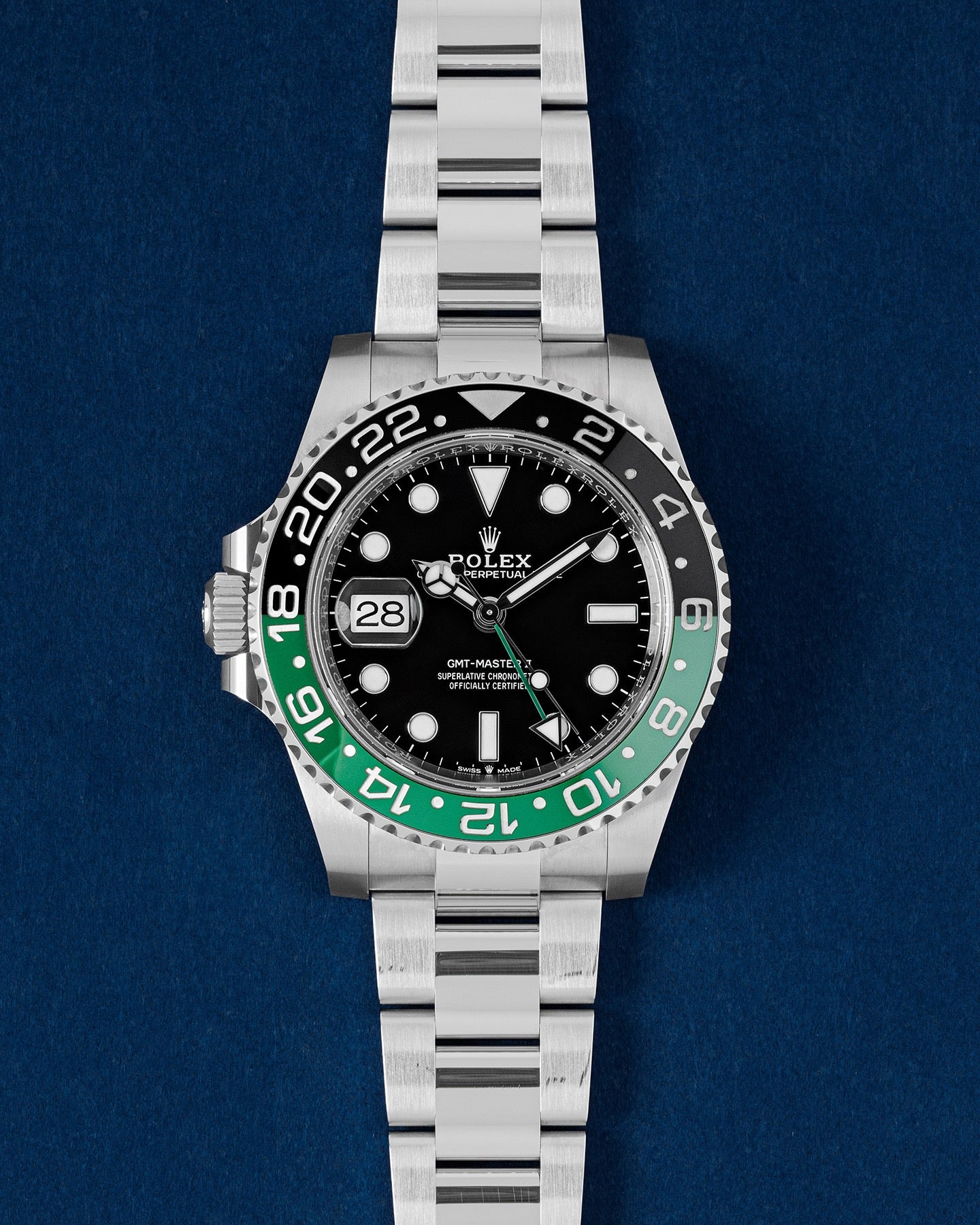
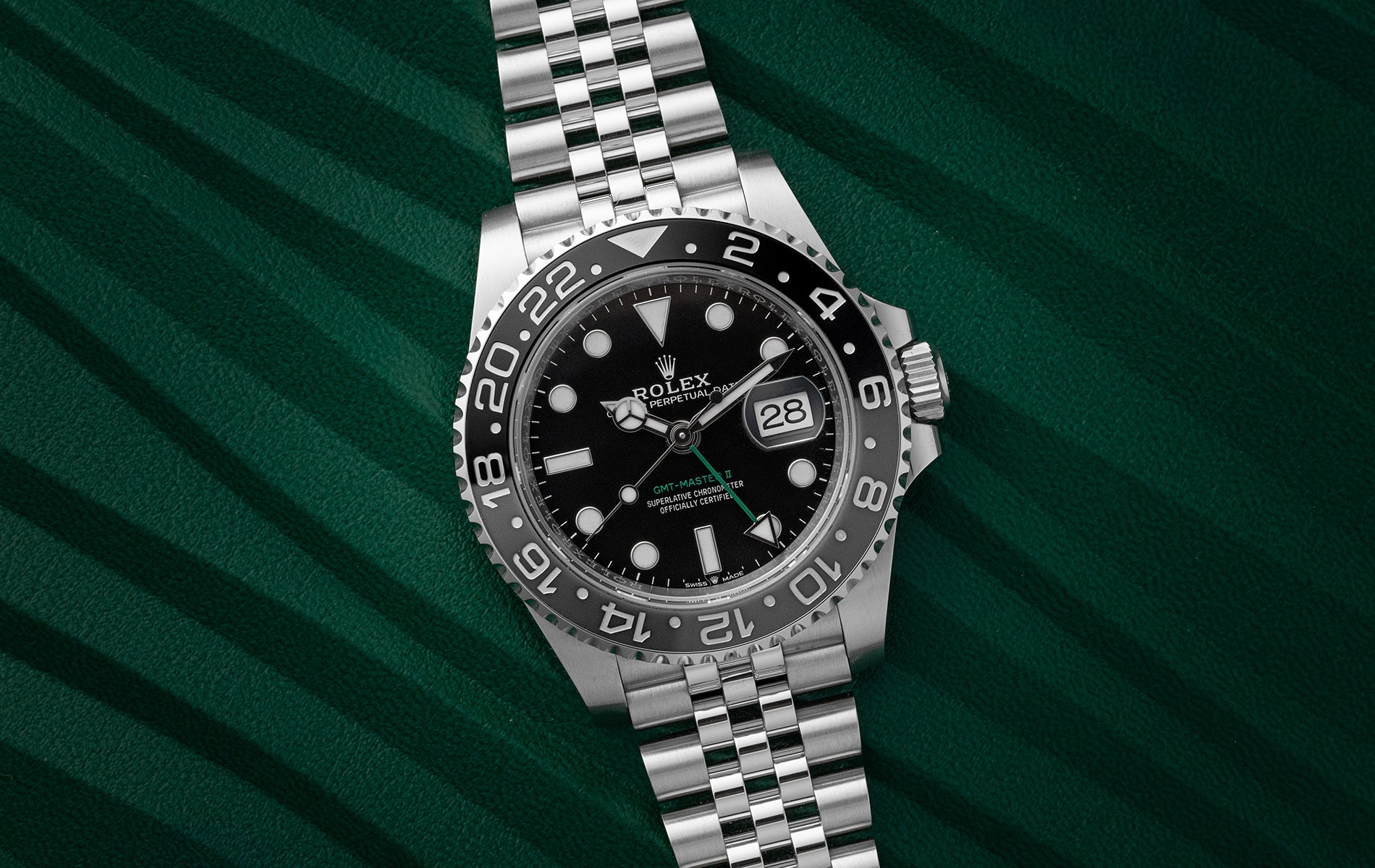
The Rolex GMT-Master II is the travel chronograph that built its reputation on a single feature: an independently adjustable local-hour hand that allows the wearer to track three time zones simultaneously. Current production references include the steel Batman 126710BLNR with the blue-and-black Cerachrom bezel, the steel Sprite 126720VTNR with the green-and-black bezel and left-handed crown, and the two-tone Root Beer 126711CHNR in steel and Everose gold with the brown-and-black bezel. The movement is calibre 3285 with a 70-hour reserve and a 100-meter depth rating. As of Watches and Wonders 2026, Rolex confirmed the discontinuation of the steel Pepsi GMT-Master II reference 126710BLRO, with secondary-market prices on Pepsi Rolex watches moving significantly in response.
Rolex Explorer
The Rolex Explorer launched in 1953 to commemorate the Hillary and Norgay summit of Mount Everest and remains the Rolex watch for buyers who want a Rolex that does not look like one. Same Oyster DNA, less flash, lower acquisition cost than a Submariner. The current production Explorer is offered in two sizes: the 36mm reference 124270 and the 40mm reference 224270. Both run calibre 3230 with a 70-hour reserve and a 100-meter depth rating. The Explorer II in 42mm reference 226570 adds a 24-hour second time zone hand and a fixed bezel marked for AM and PM tracking, with the Polar dial version offered alongside the standard black dial. Explorer Rolex watches are among the most underrated pieces in the catalog and a frequent recommendation for collectors who already own a Submariner.
Rolex Yacht-Master
The Rolex Yacht-Master launched in 1992 as a more luxurious nautical alternative to the Submariner, with a bidirectional bezel for tracking elapsed time and availability in precious metals from launch. Current production covers the Yacht-Master 40 in steel, two-tone, and full precious metal, the Yacht-Master 42 in white gold, yellow gold, and titanium with Oysterflex, and the all-new Yacht-Master II in 44mm. The Yacht-Master II, redesigned in 2026, is a regatta chronograph with a programmable countdown mechanism designed to time the starting sequence before a sailboat race. The 2026 redesign moved the countdown scale from the dial to the flange, gave the countdown hands a counterclockwise rotation for more intuitive reading, and introduced the new calibre 4162 with 72 hours of reserve. The titanium Yacht-Master 42 is the lightest sports Rolex watch ever produced.
Rolex Sea-Dweller
The Rolex Sea-Dweller arrived in 1967 when professional saturation divers found that helium molecules were seeping into their Submariners during compression and then expanding catastrophically during decompression. Rolex partnered with the French diving firm COMEX to design a watch that could vent the gas safely, and the result was the Sea-Dweller with a depth rating of 610 meters and a helium escape valve at nine o'clock. The current Sea-Dweller reference 126600 is rated to 1,220 meters in a 43mm case, while the Deepsea reference 126660 reaches 3,900 meters in a 44mm case. The titanium Deepsea Challenge reference 126067 is rated to 11,000 meters, the deepest depth rating of any production Rolex watch.
Rolex Sky-Dweller
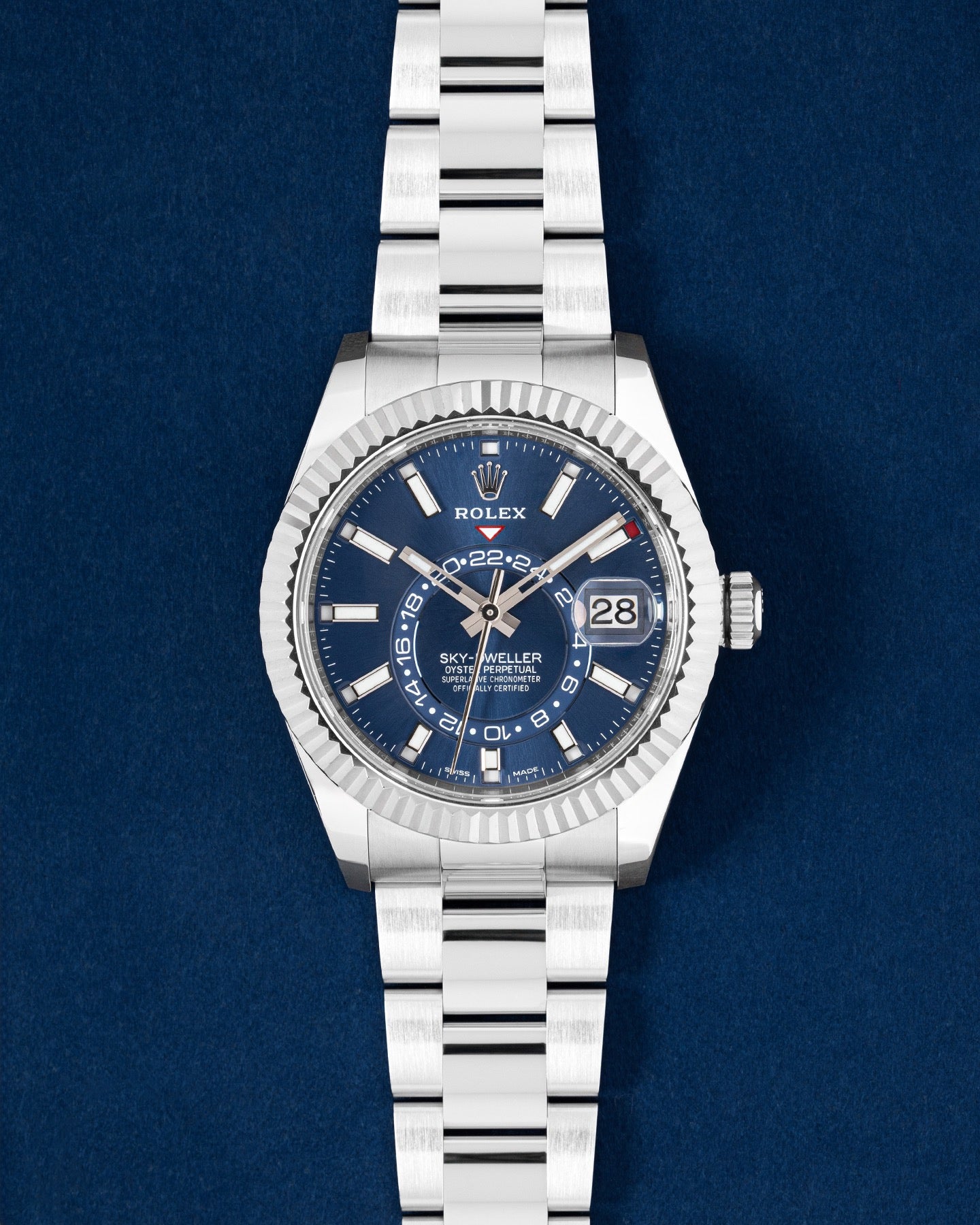
The Rolex Sky-Dweller, introduced in 2012, is one of the most complicated movements Rolex has ever produced. It pairs an off-center 24-hour second time-zone display with an annual calendar that needs adjustment only once a year, in the February-to-March changeover. The Ring Command bezel rotates to select what the crown is adjusting. The current movement is calibre 9002, an evolution of the original 9001, and the Sky-Dweller is offered in steel and gold Rolesor, white gold, yellow gold, Everose, and platinum configurations. The Sky-Dweller is the Rolex watch for the buyer who wants serious complication without leaving the Rolex catalog.
Rolex Air-King
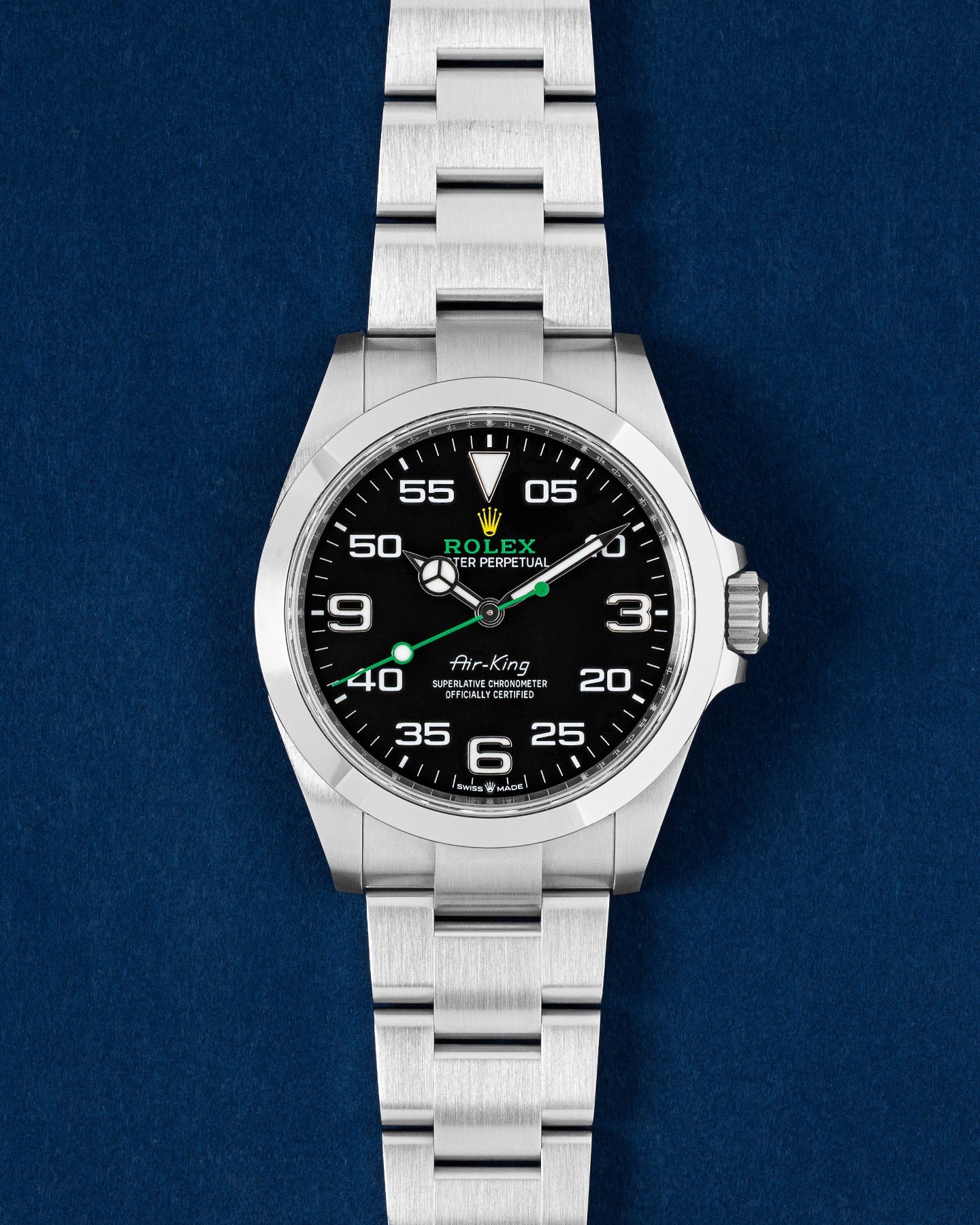
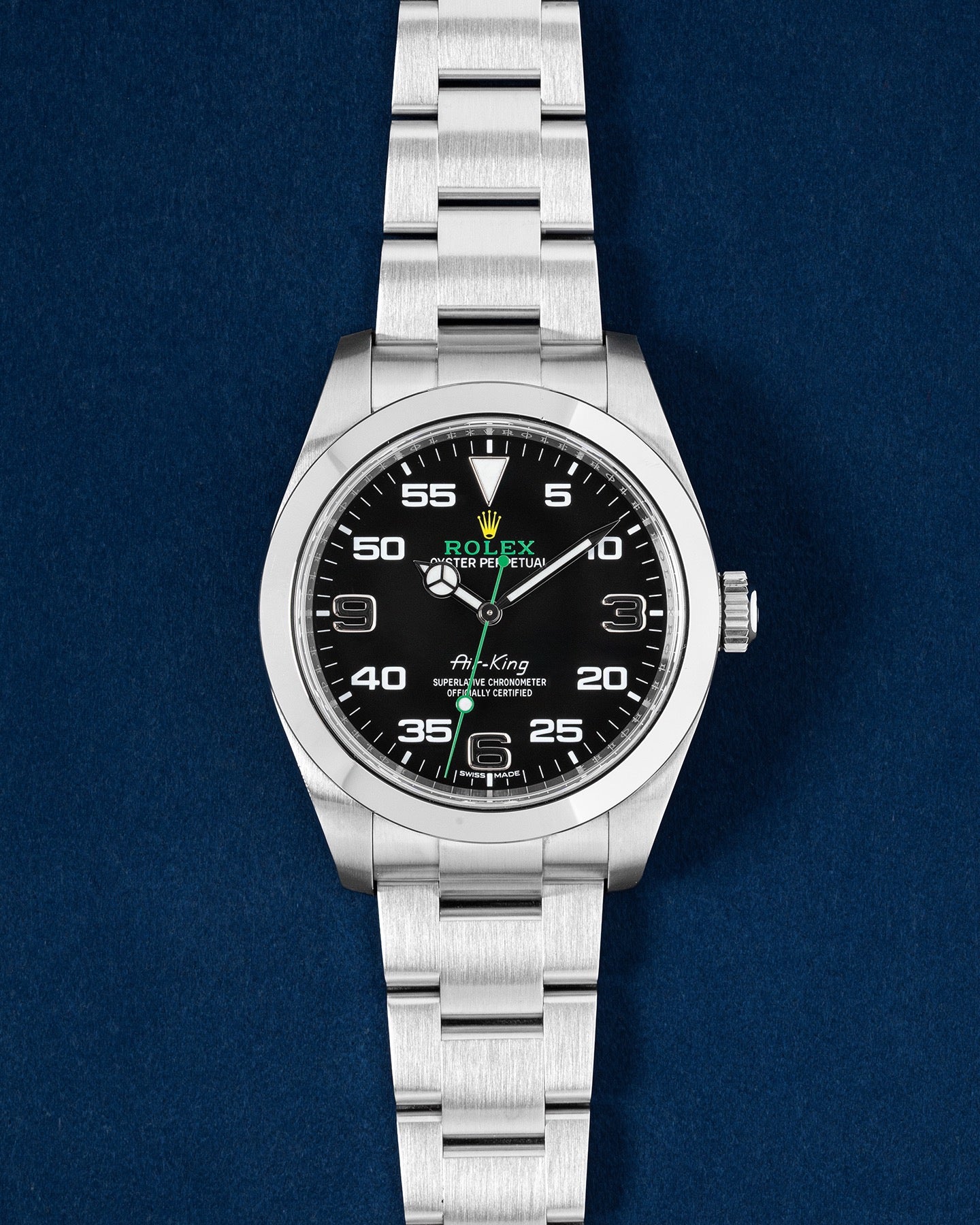
The Rolex Air-King name has been part of the Rolex catalog since 1945, originally created to honor Royal Air Force pilots flying in the Battle of Britain. The current reference 126900 carries the calibre 3230 in a 40mm Oystersteel case with a black dial, prominent 3, 6, and 9 numerals, the orange Air-King script that defines the modern Air-King aesthetic, and a 70-hour reserve. The Air-King is one of the most accessible entry points into the Rolex catalog and a watch that flies under the radar for buyers who would otherwise default to a Submariner or Explorer.
Rolex Land-Dweller
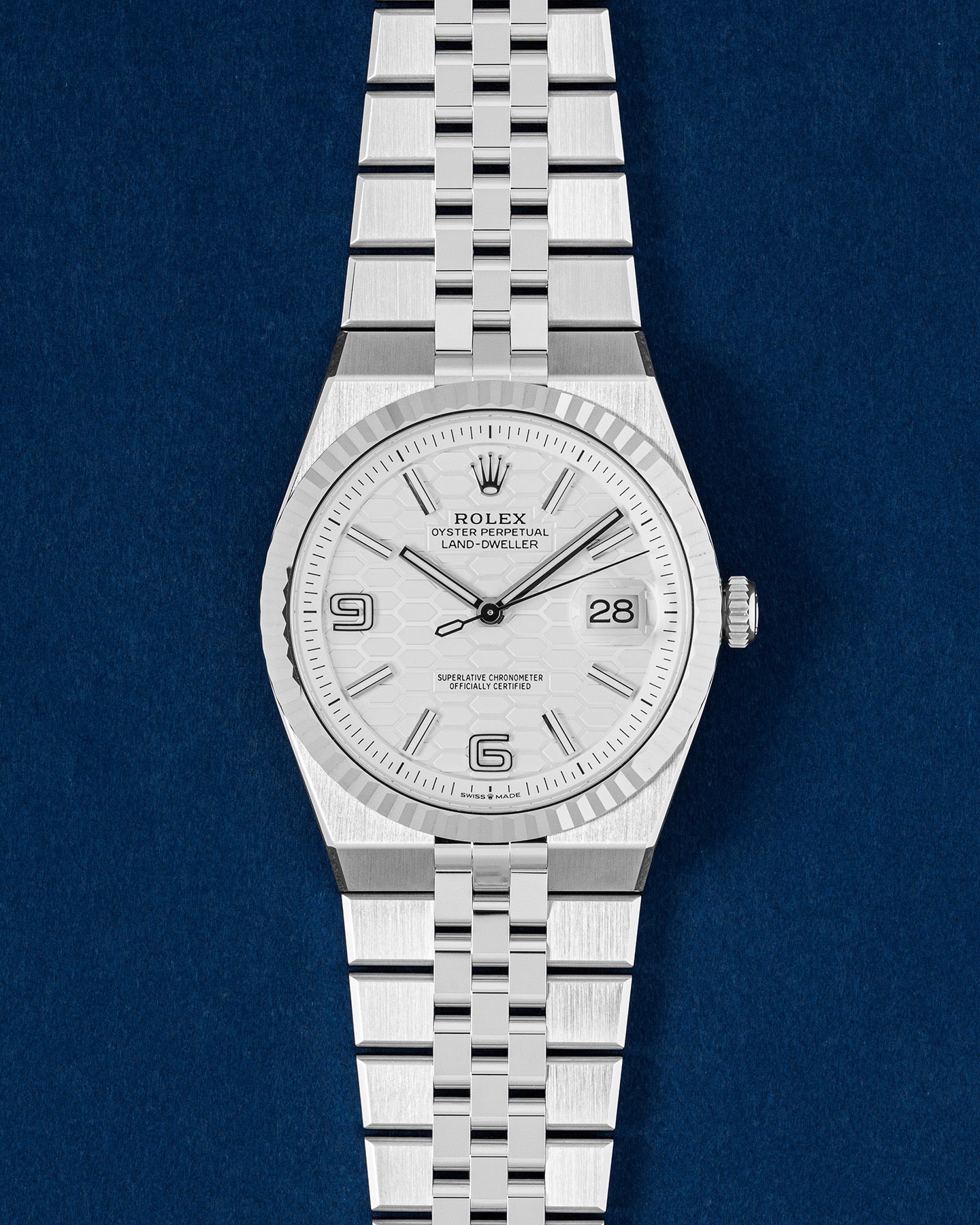
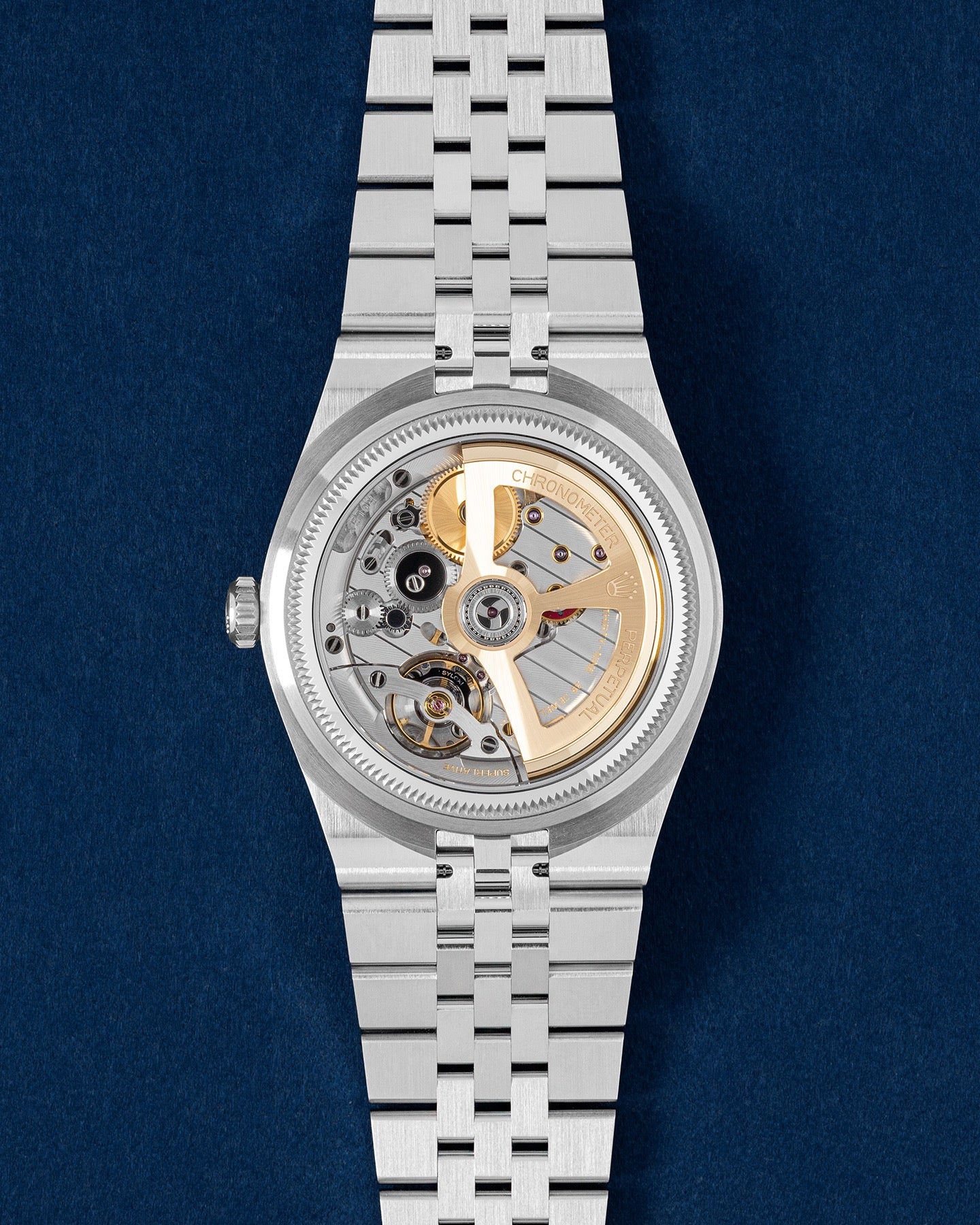
The Rolex Land-Dweller, debuted at Watches and Wonders 2025, was the first genuinely new Rolex collection in over a decade. A 36mm and 40mm Rolex watch with an integrated bracelet, a honeycomb-motif dial cut by femtosecond laser, and the all-new calibre 7135. That movement runs at 5 Hz, substantially faster than the 4 Hz standard across most of the Rolex catalog, and introduces the Dynapulse escapement, a new architecture for transmitting energy to the oscillator. The Land-Dweller carries 32 patents, 18 of which are exclusive to the watch, and is offered in Oystersteel, two-tone Everose Rolesor, white gold, yellow gold, and platinum configurations.
Expert Opinions on Rolex Watches
Our position on Rolex watches, after years in the trade and thousands of pieces through the showroom, is straightforward. Rolex remains the single most important brand in the modern watch industry, and Rolex watches remain the most liquid luxury asset class in the world. The combination of in-house manufacturing, conservative annual production volume, deep secondary market liquidity, and unmatched cultural recognition is what makes a Rolex watch the default first acquisition for most serious collectors and the default core holding even after collections expand into Patek Philippe, Audemars Piguet, and independent watchmaking.
The buying advice we give most often: choose the Rolex watch you actually want to wear, not the Rolex watch the secondary market is currently chasing. Trends in steel sports references move in cycles, and the Pepsi everyone is competing for in 2026 is not necessarily the Pepsi everyone will be competing for in 2030. A Rolex worn daily and serviced properly will outlive the trend cycle either way, and the watches that hold the strongest long-term value are usually the ones the original owner actually loved. That principle holds across the entire Rolex catalog.
Rolex Price Trends
The Rolex watches market has been through three distinct phases since 2020. The pandemic-driven run-up from 2020 to early 2022 pushed steel sports Rolex prices to historical highs, with some Daytona and GMT-Master II references trading at three times retail on the secondary market. The correction from mid-2022 through 2023 brought those same Rolex watches back toward more rational multiples, and by 2024 the market had largely stabilized around premiums of 20 to 60 percent above retail for the most sought-after steel sports references. The 2025 and 2026 cycles have been driven primarily by specific catalog changes and anniversary releases rather than broad speculative demand.
The discontinuation of the steel Pepsi GMT-Master II at Watches and Wonders 2026 moved secondary prices on that specific Rolex watch by a meaningful margin in the weeks following the announcement. Similar discontinuation effects have historically applied to the Hulk Submariner, the original ceramic Daytona references, and the Milgauss when those Rolex watches left the catalog. Buyers who track Rolex discontinuation patterns ahead of major brand events often capture the most predictable price movements in the entire luxury watch market. We track these cycles continuously and update our pricing in real time to reflect where the market actually sits, not where it sat last quarter.
Popular Rolex Watch Comparisons
Buyers shopping for a Rolex watch often arrive at the showroom already weighing the Rolex against another luxury brand, usually Omega or Tudor. Below is our working comparison framework for both.
Rolex vs Omega Watches
Rolex and Omega are the two pillars of mainstream Swiss watchmaking and have been positioned against each other since the early 20th century. Omega has its own historical legitimacy. Omega watches were the first on the moon with the Speedmaster Professional, the official timekeeper of the Olympic Games, and the watchmaker behind James Bond's wrist since 1995. Omega's Co-Axial escapement and Master Chronometer certification, jointly developed with METAS, set a real internal standard for accuracy and magnetic resistance. The Omega Speedmaster, Seamaster, and Constellation are excellent watches at every price point.
Where Rolex watches separate from Omega is in three areas. First, brand equity translates more directly into resale value on Rolex than on Omega, meaning a pre-owned Rolex retains a higher percentage of retail than a comparable pre-owned Omega. Second, Rolex production discipline keeps supply tighter than Omega, which sustains stronger secondary market dynamics. Third, the cultural shorthand of a Rolex watch is stronger than the cultural shorthand of an Omega in most markets, even where the Omega watch is technically the more interesting piece. The right answer between Rolex and Omega depends on whether the buyer values resale stability and brand recognition or movement innovation and value at retail.
Rolex vs Tudor Watches
Tudor was founded by Hans Wilsdorf himself in 1926 as a younger-brother brand to Rolex, sharing case construction, bracelet architecture, and quality control with the parent company for most of the 20th century. The current Tudor catalog runs on in-house Manufacture Calibre movements developed in partnership with Kenissi, and Tudor watches today are genuinely strong independent products rather than budget Rolex alternatives. The Tudor Black Bay, Pelagos, and Royal lines have built their own collector following.
The decision between Rolex and Tudor usually comes down to budget and intent. A Tudor Black Bay 58 in steel runs roughly one-third the retail of a steel Rolex Submariner and offers a similar wearing experience with a less universally recognized brand. For buyers who want a Submariner-style watch without the Rolex price tag or the AD friction, Tudor is the obvious answer. For buyers who want the Rolex watch specifically for the resale liquidity, brand recognition, and long-term hold value, the Submariner is the answer. Both can be the right call depending on what the buyer is solving for.
Rolex Features
Rolex watches are defined by a handful of design and engineering features the brand has refined over a century. Below are the four most important categories.
Rolex Dials
Rolex dials are produced in the brand's Chêne-Bourg facility in Geneva and represent some of the most labor-intensive components on any Rolex watch. The catalog includes sunburst dials, matte dials, lacquered dials, mother-of-pearl dials, meteorite dials, and natural stone hardstone dials in materials ranging from lapis lazuli to turquoise to ammonite to eisenkiesel. The 2026 anniversary releases expanded the natural stone dial program substantially across the Datejust, Day-Date, and Oyster Perpetual Rolex watches. Dial configuration is often the single largest driver of value on otherwise identical Rolex references, with rare dials commanding multiples on the secondary market.
Rolex Movements
Rolex movements are produced in the brand's Bienne facility and are tested twice, first as bare movements and again after encasing. The current movement family includes the calibre 3230 in time-only sports references, the calibre 3235 in date sports references, the calibre 3255 in Day-Date Rolex watches, the calibre 3285 in GMT-Master II, the calibre 4131 in the current Daytona, the calibre 9002 in the Sky-Dweller, the calibre 7135 in the new Land-Dweller, and the calibre 7140 in the Perpetual 1908. Every Rolex movement is certified to the Superlative Chronometer standard of negative two to positive two seconds per day, twice as strict as the COSC chronometer standard the rest of the industry uses.
Rolex Sizes
Current production Rolex watches range from 28mm Lady-Datejust to 44mm Yacht-Master II and Deepsea Challenge. The most common sport sizes are 40mm Submariner, 40mm GMT-Master II, 40mm Daytona, 40mm Air-King, 40mm Land-Dweller, and 41mm Datejust. The 36mm size, historically the standard men's Rolex, has come back into favor over the past five years and is now offered across Datejust, Day-Date, Explorer, and Land-Dweller Rolex watches. The 42mm size covers Explorer II, Yacht-Master 42, and Sky-Dweller. The Deepsea at 44mm and the Yacht-Master II at 44mm are the largest Rolex watches in current production.
Rolex Materials
Rolex produces nearly every material on every Rolex watch in-house. Oystersteel is the brand's proprietary 904L-grade stainless steel, harder and more corrosion-resistant than the 316L standard used by most of the industry. Everose is the proprietary 18-karat pink gold alloy that resists color fading from chlorine and salt water exposure. Yellow gold, white gold, and platinum are cast in the same Plan-les-Ouates foundry that produces Oystersteel cases. The 2026 anniversary year introduced Jubilee Gold, a new proprietary gold alloy with a distinct hue, used initially on Day-Date Rolex watches. Hairsprings are made of Parachrom, a paramagnetic niobium-zirconium alloy patented by Rolex, with many newer movements using Syloxi silicon hairsprings instead.
Frequently Asked Questions About Rolex Watches
Why Do Rolex Watches Cost So Much
Rolex watches cost what they do because of in-house manufacturing of nearly every component, proprietary materials, hand-finishing labor measured in dozens of hours per watch, and production discipline that holds supply below demand. Rolex makes roughly one million Rolex watches per year and could produce more, but the brand chooses not to in order to protect resale value and brand positioning. A century of certifications, expeditions, and championship sponsorships also feed directly into pricing power. The wristwatch as cultural object is largely a category Rolex created, and Rolex watches sit at the top of that category by design.
Are Rolex Watches A Good Investment
Rolex watches are among the most liquid luxury assets in the world. The pre-owned market is deep, the pricing is transparent at this point, and a serviced Rolex watch with box and papers can move in days. Specific steel sports Rolex references have historically appreciated above retail, while precious metal Day-Dates and dress Rolex watches generally hold value rather than climb. As with any market, individual references fluctuate. The floor under any Rolex watch is the global recognition of the brand itself, which is why Rolex watches function as a luxury asset class even when individual prices move.
How Much Does A Real Rolex Cost
A new Rolex watch from an authorized dealer starts around $6,500 for an Oyster Perpetual and climbs past $75,000 for solid gold Day-Date and Yacht-Master II configurations. Pre-owned Rolex watches start lower for older Datejust references and climb significantly for sought-after steel sports models on the secondary market. Vintage Rolex watches with original components can reach six and seven figures at auction, with the Paul Newman Daytona reference 6239 holding the record for the highest price ever paid for a wristwatch at $17.75 million.
How to Authenticate Pre-Owned Rolex Watches
Authentication is the single most important step in the pre-owned Rolex watches market, and the step where most buyers without trade experience get burned. A counterfeit Rolex watch in 2026 is no longer the obvious knockoff of fifteen years ago. The best fakes now use Swiss movements, machined cases, applied dial logos, and convincing weight, and they pass casual inspection routinely. A pre-owned Rolex watch should never be purchased without full in-house authentication by a dealer who guarantees it in writing.
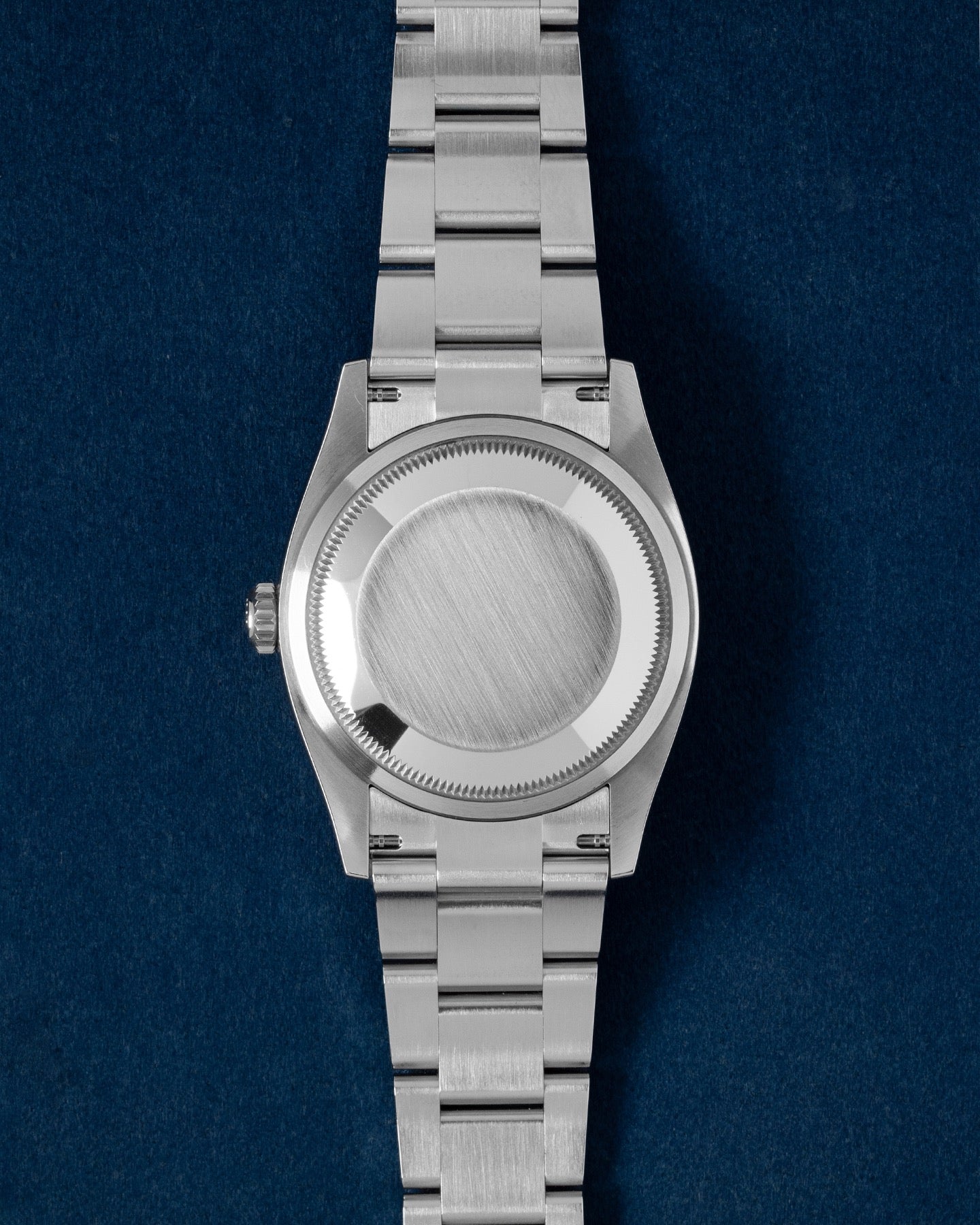
The Grand Caliber authentication process for pre-owned Rolex watches covers every component. The case is verified against Rolex serial number records, with case dimensions, lug profiles, and crown guard geometry measured against reference specs. The bracelet is examined link by link for correct stamping, end-link fit, and clasp markings. The dial is inspected under loupe for correct font, applied indices, lume composition, and any signs of refinishing or repainting. The movement is opened, identified by calibre, and checked for genuine Rolex components versus service parts or aftermarket substitutions. Any included papers, including the original warranty card, service receipts, and Rolex hangtags, are cross-checked against the watch.
Buyers shopping pre-owned Rolex watches outside Grand Caliber should look for three things in any dealer. First, in-house authentication rather than third-party deferred verification. Second, a written guarantee of authenticity with a money-back clause. Third, a transparent service history on the specific Rolex watch, including the date of the last full service and what was done. Any pre-owned Rolex watches dealer that resists those three asks is a dealer to walk away from.
Need Help Choosing a Rolex Watch
For buyers who are not sure which Rolex watch is the right starting point, the conversation begins the same way every time. A call, message, or email to the showroom returns a real human with working knowledge of the entire Rolex catalog and no commission pressure to push a specific reference. Most first-time Rolex buyers land on one of three watches: the Submariner if they want a versatile sports Rolex, the Datejust 41 if they want a Rolex they can wear with everything, or the Explorer if they want a Rolex that does not announce itself.
Grand Caliber sits in Uptown Dallas at 2811 McKinney Avenue and ships insured nationally for clients outside the area. Visit the showroom Monday through Friday, 10am to 5pm Central, or by appointment on Saturday. Call (214) 225-7198 or email info@grandcaliber.com. Browse the full current inventory of Rolex watches at grandcaliber.com.


Rolex GMT-Master II 126711CHNR


Vintage


Rolex GMT-Master II 126720VTNR


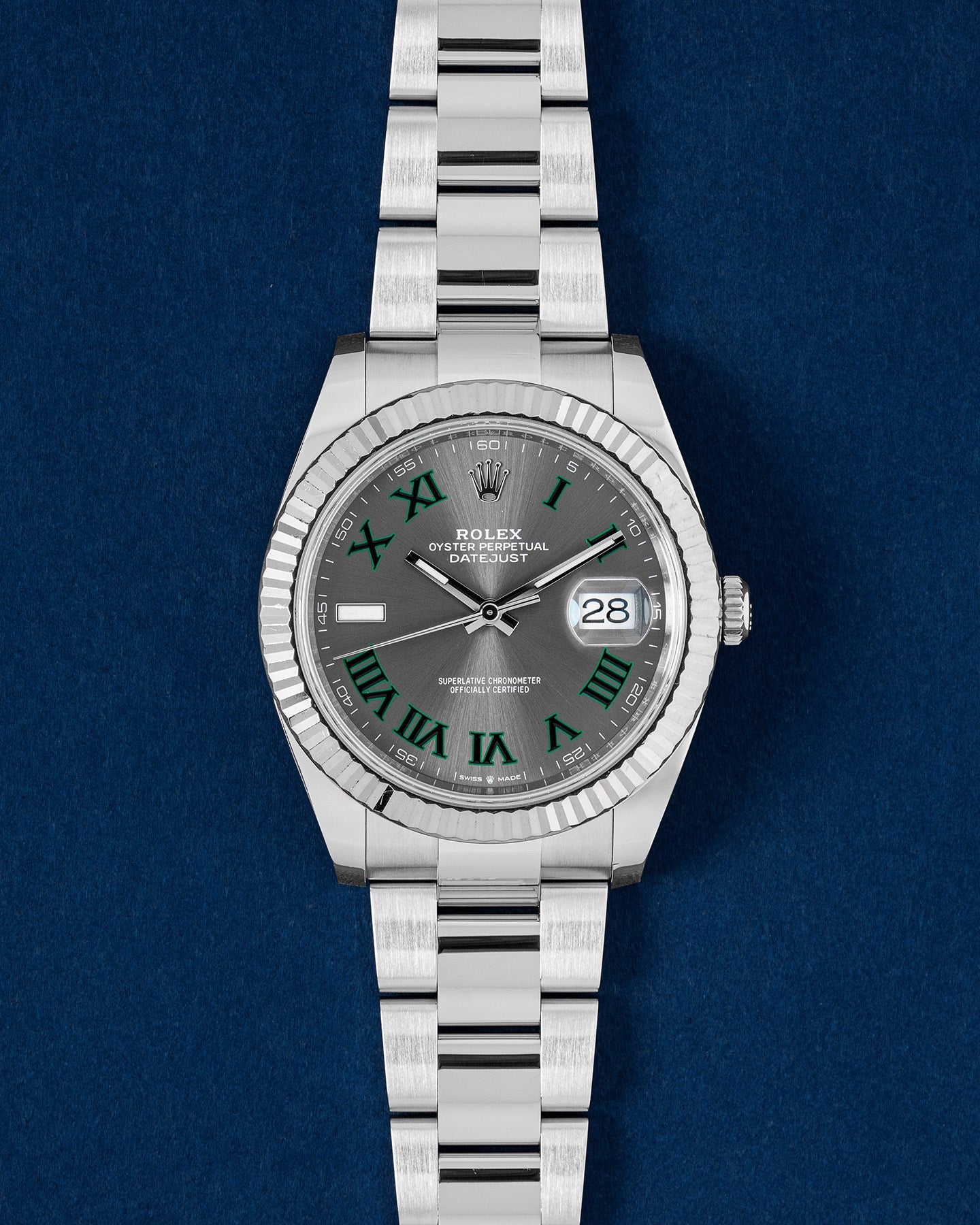
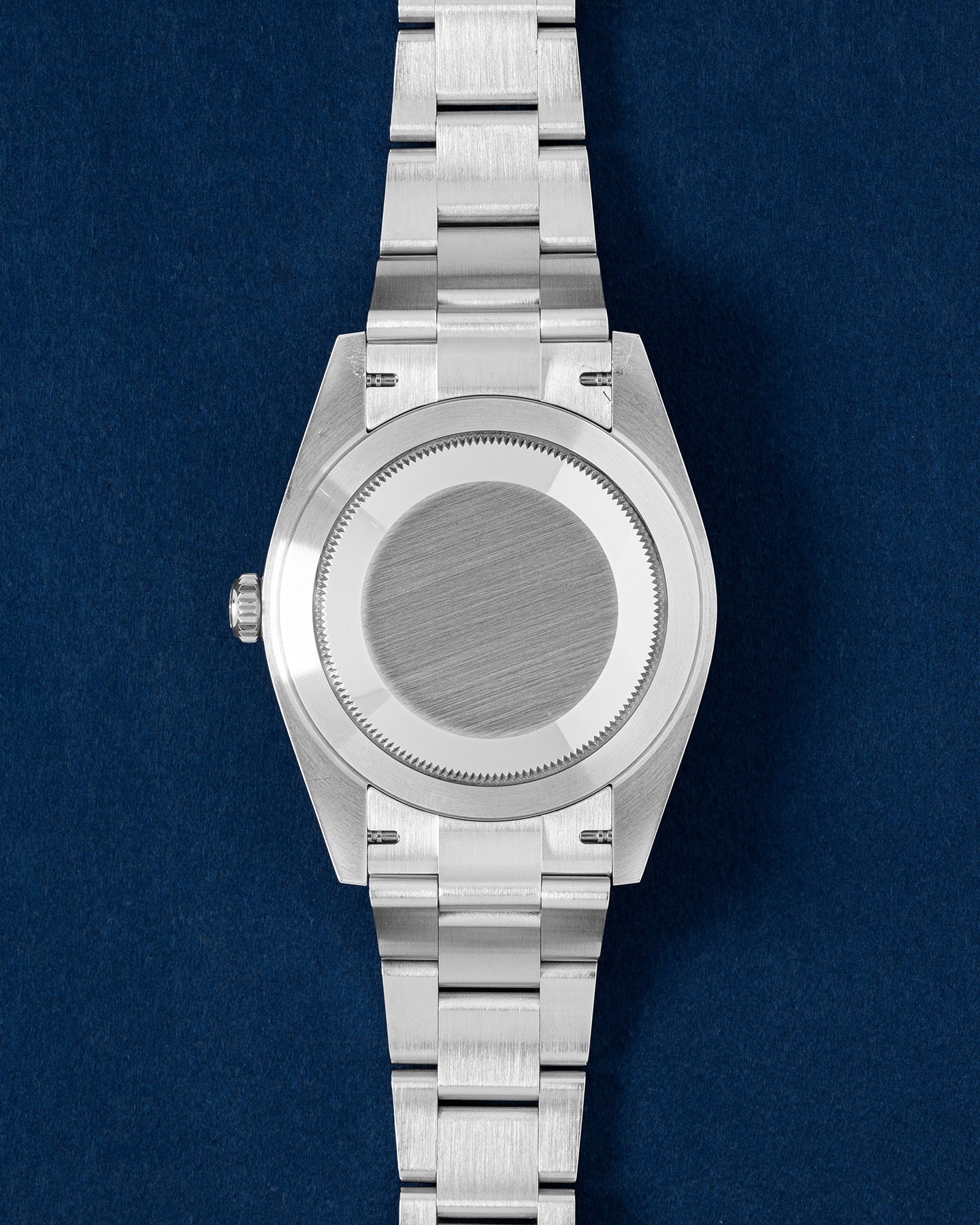
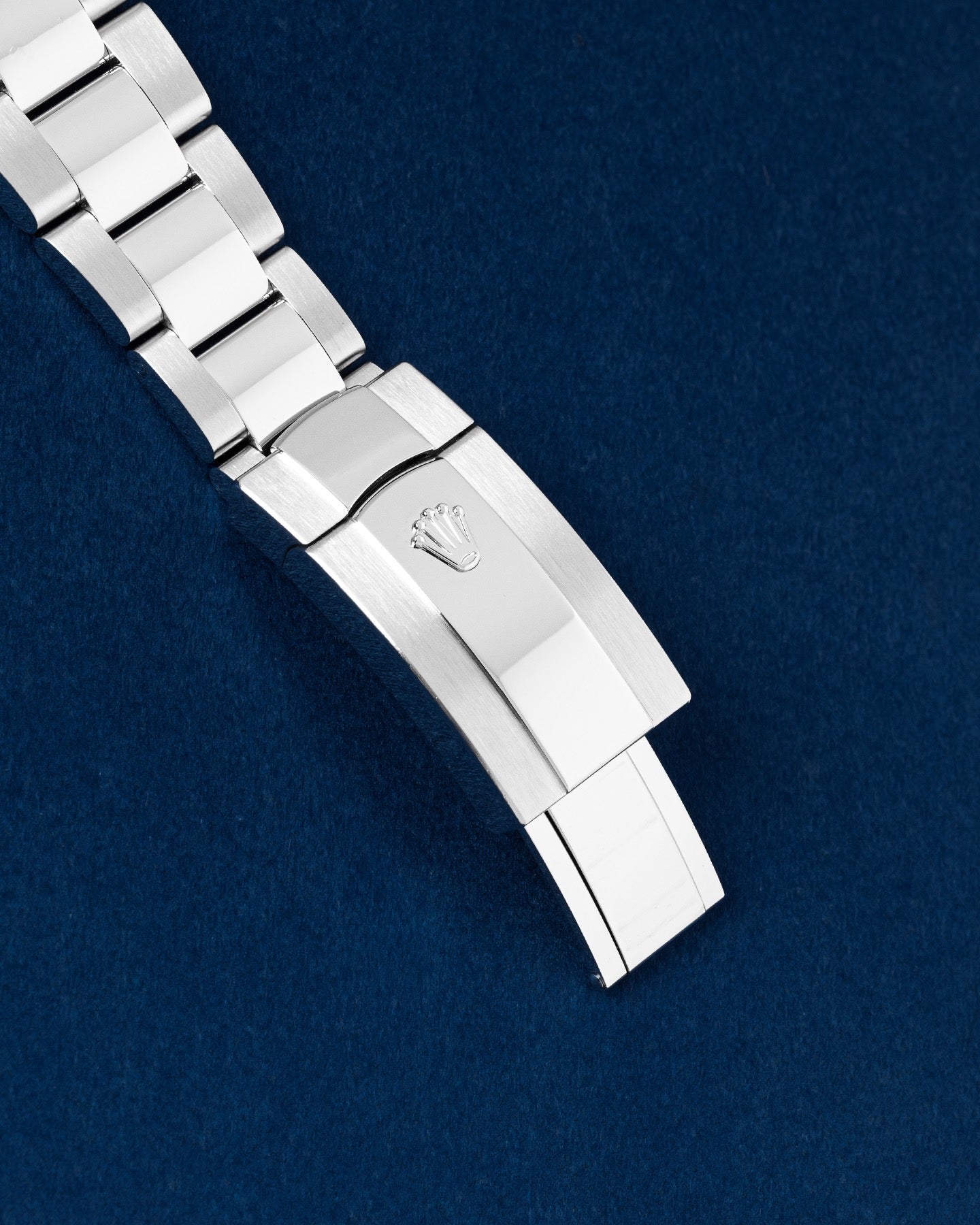
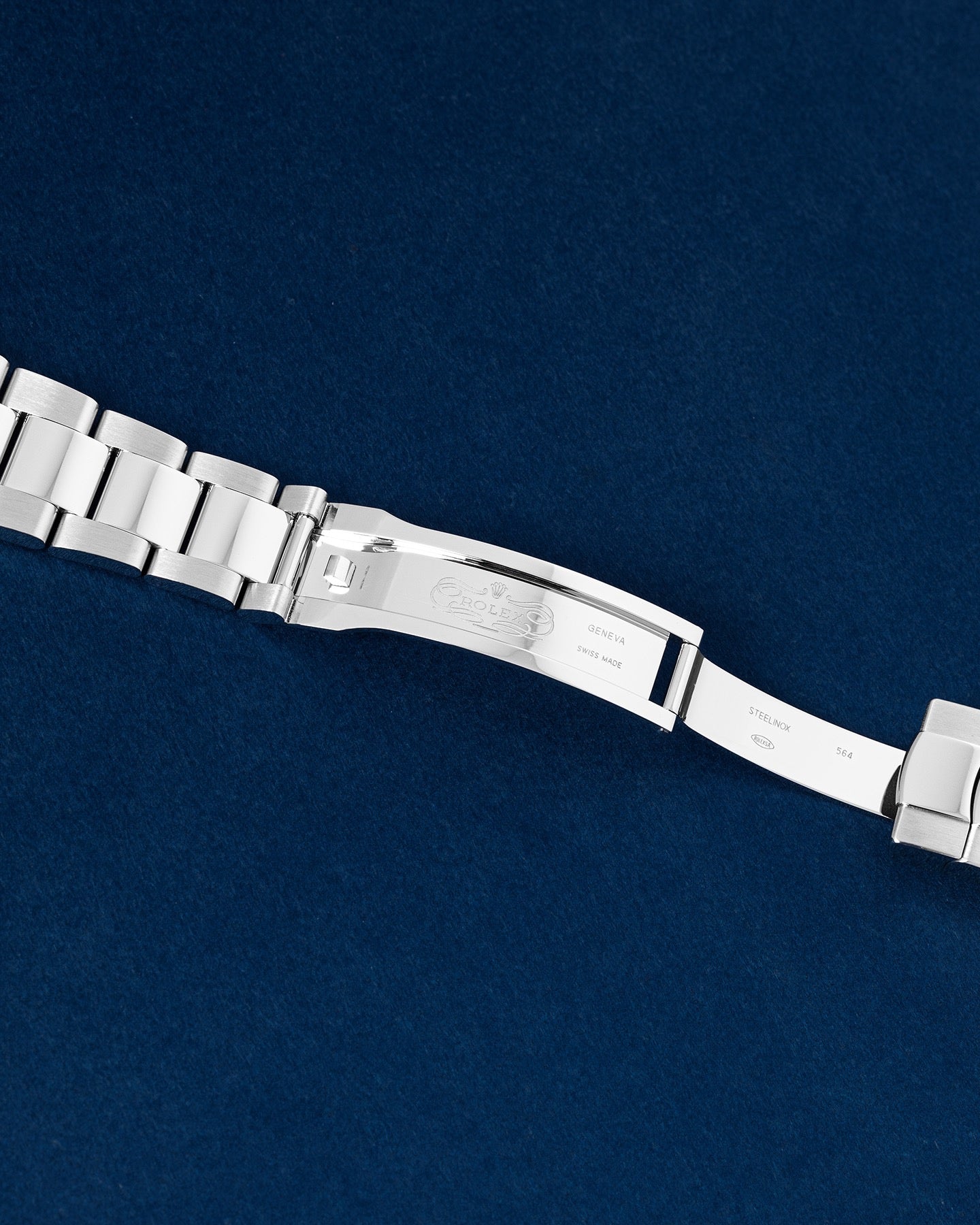
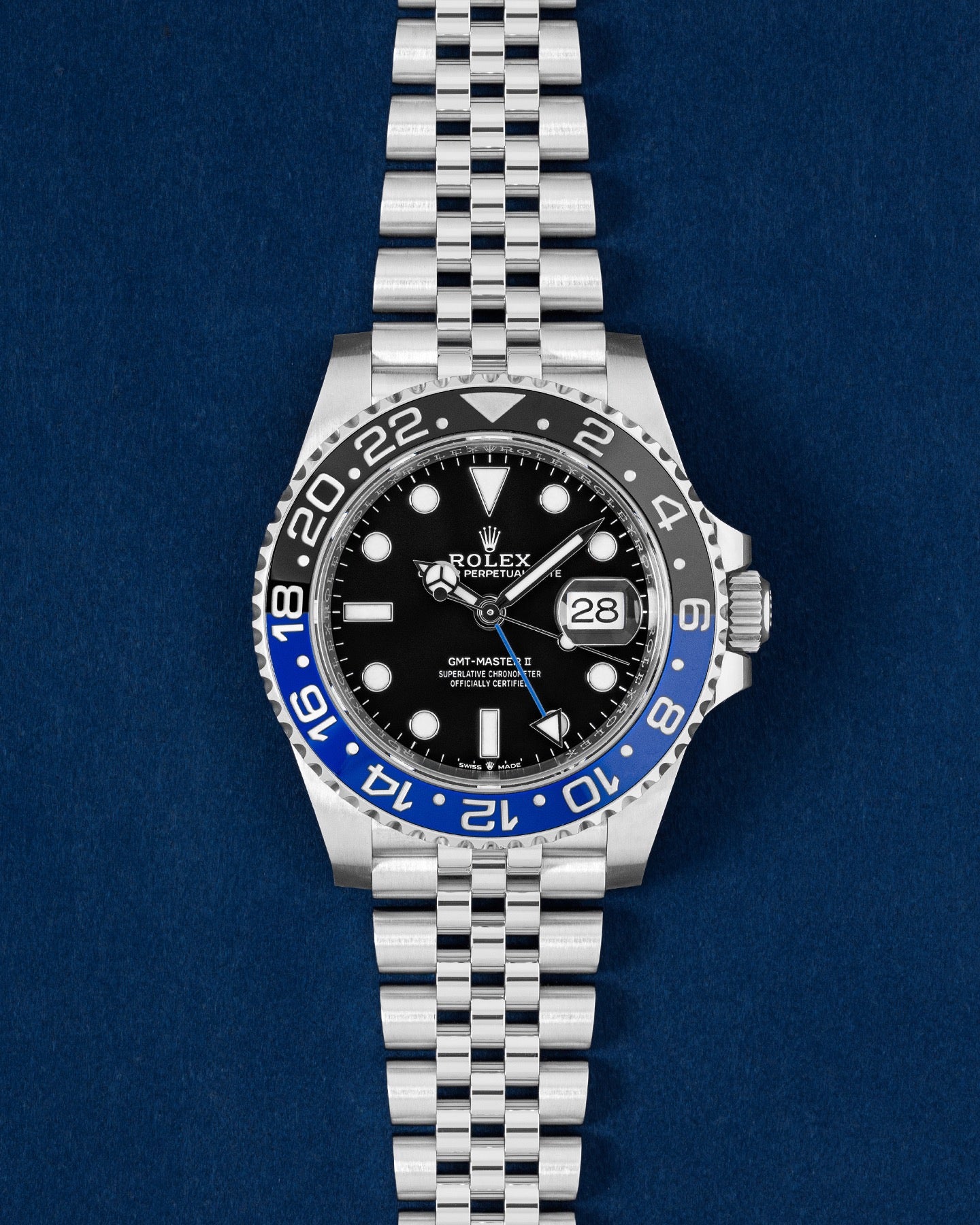
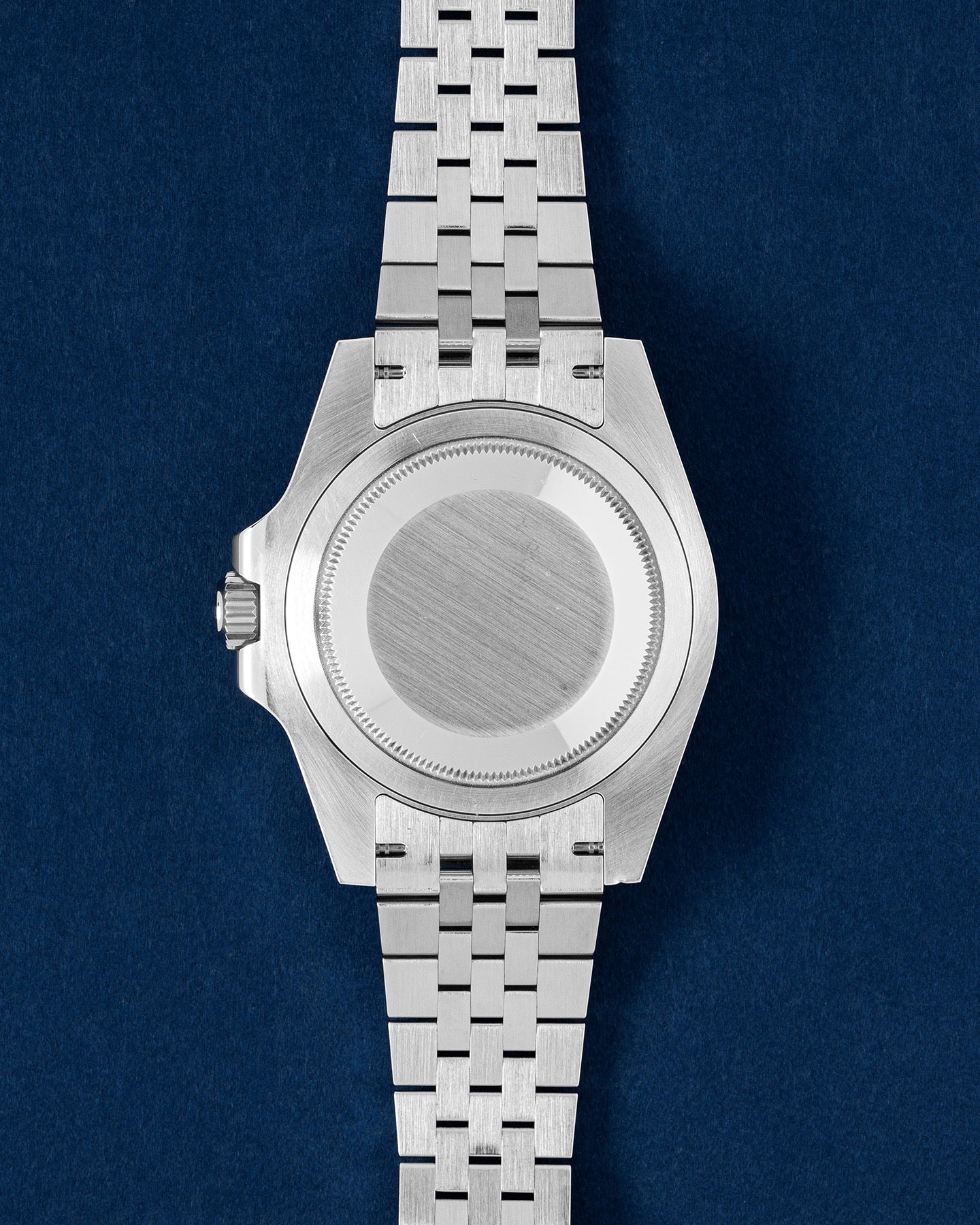
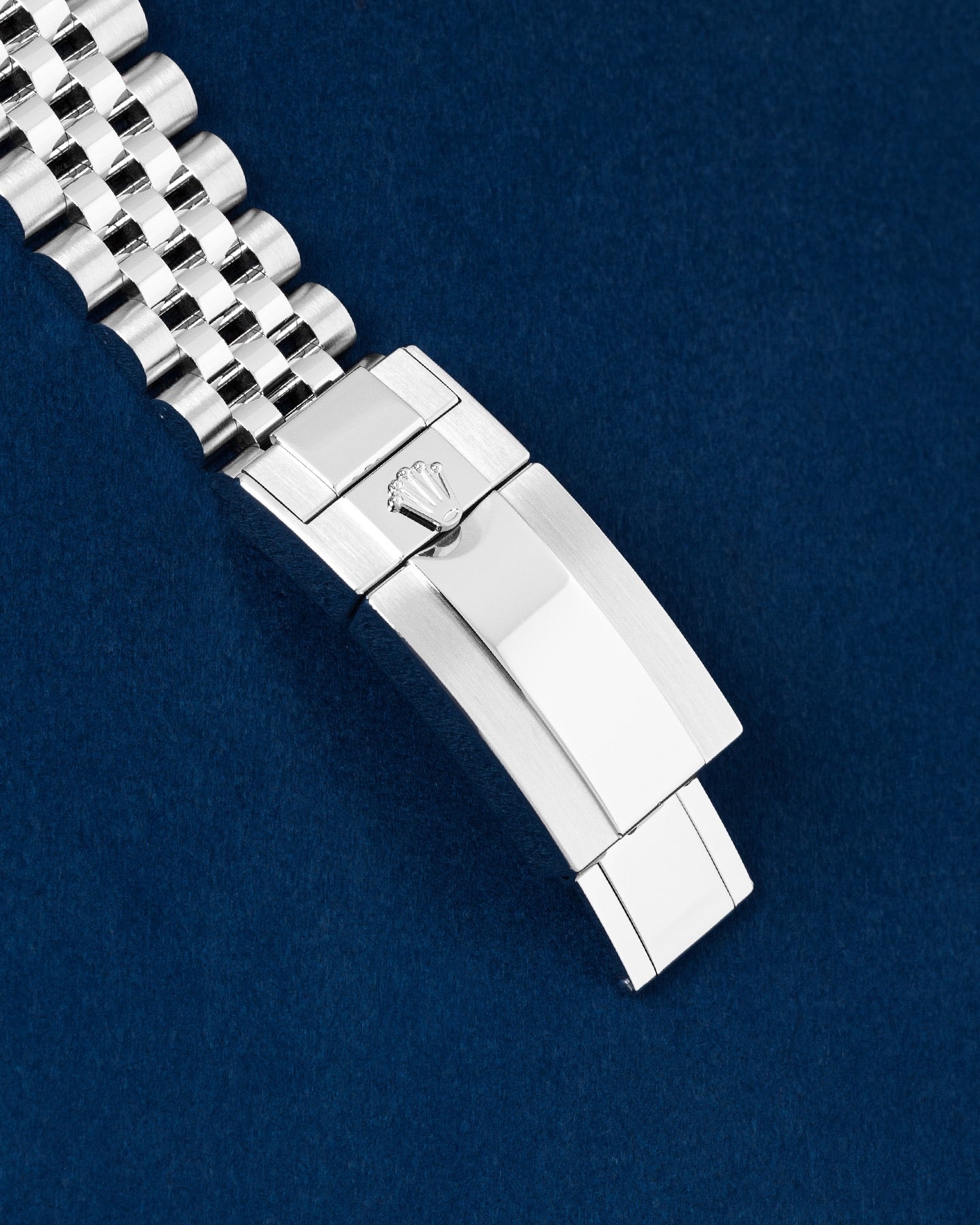
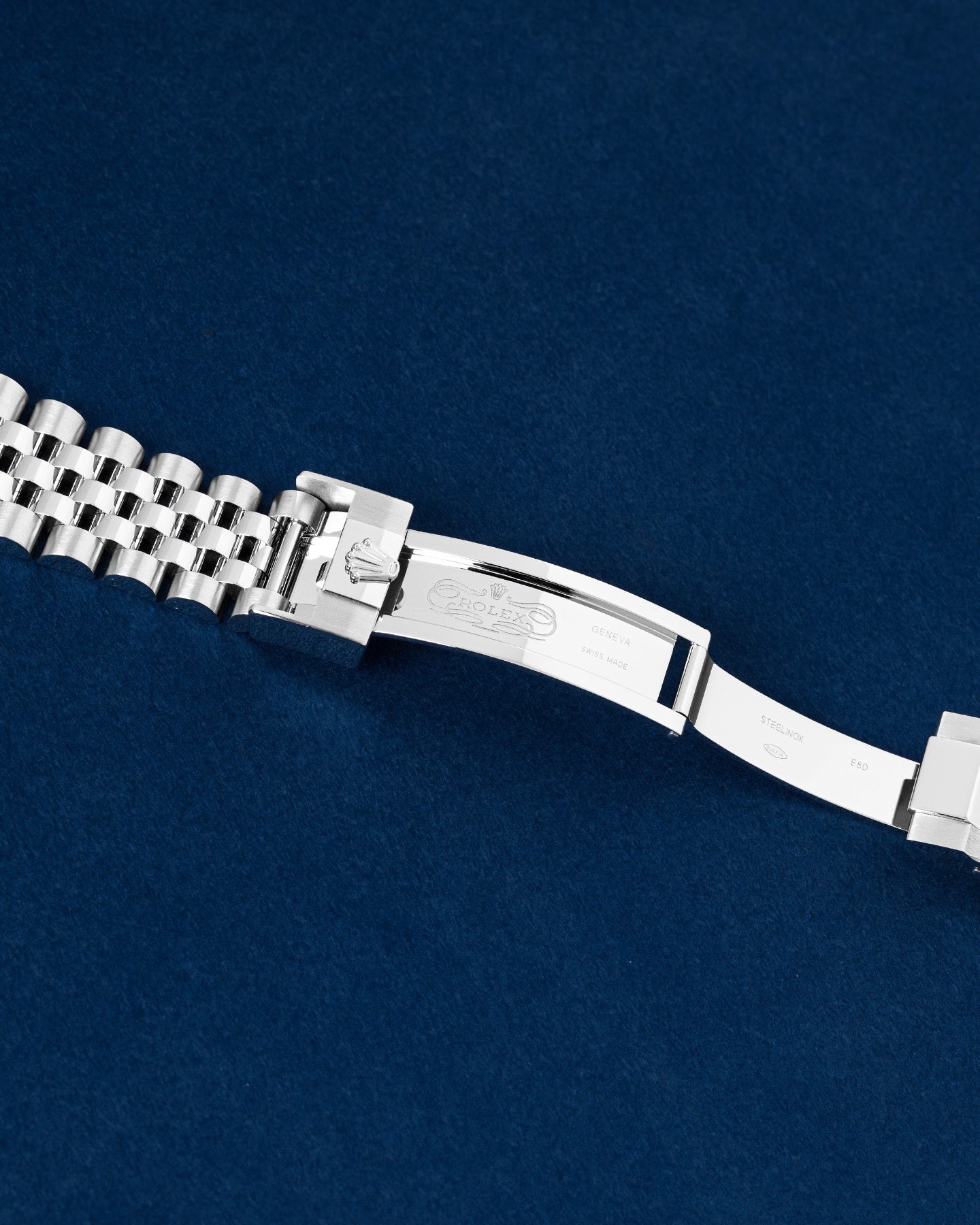
Rolex GMT-Master II 126710BLNR
Vintage


Vintage
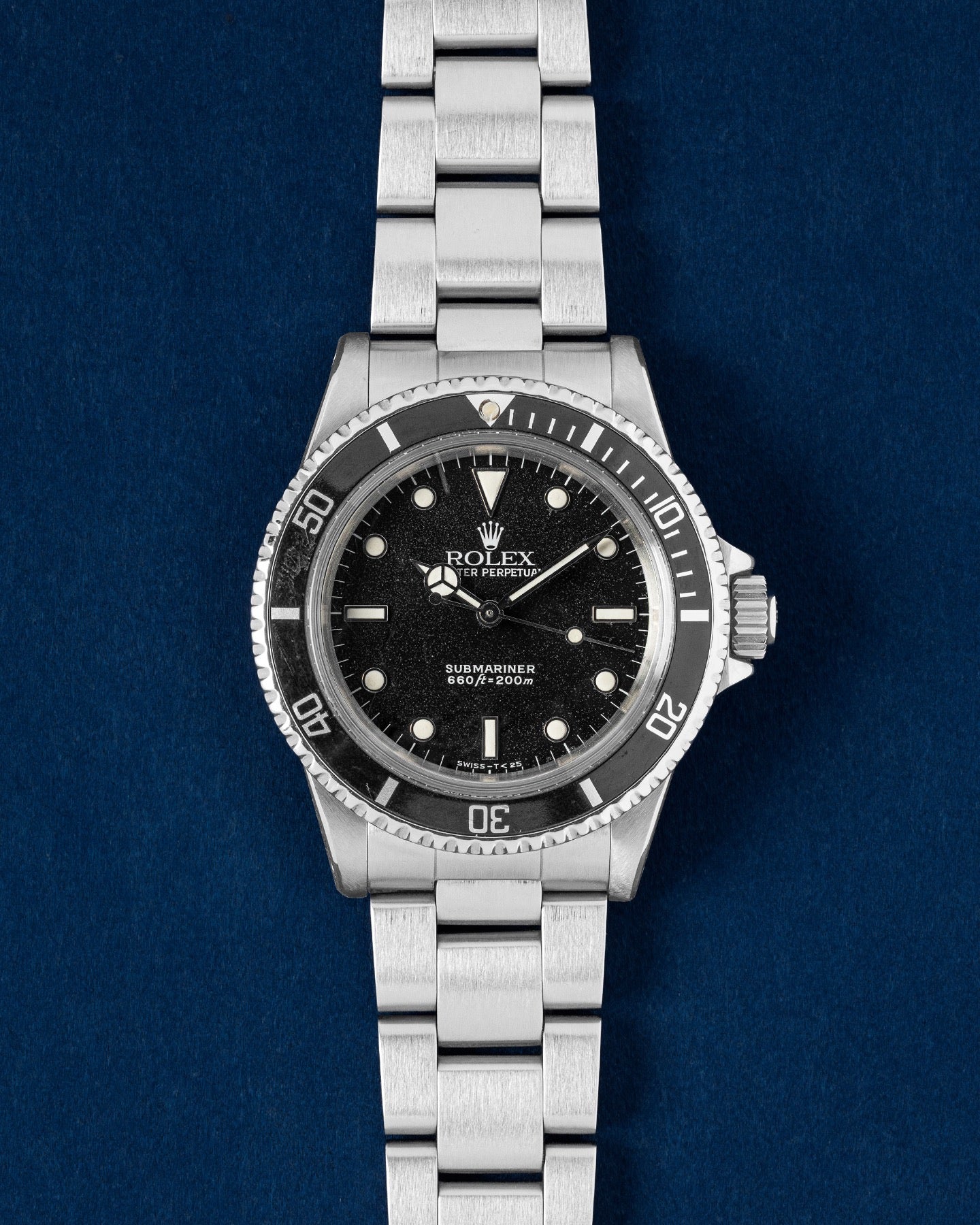
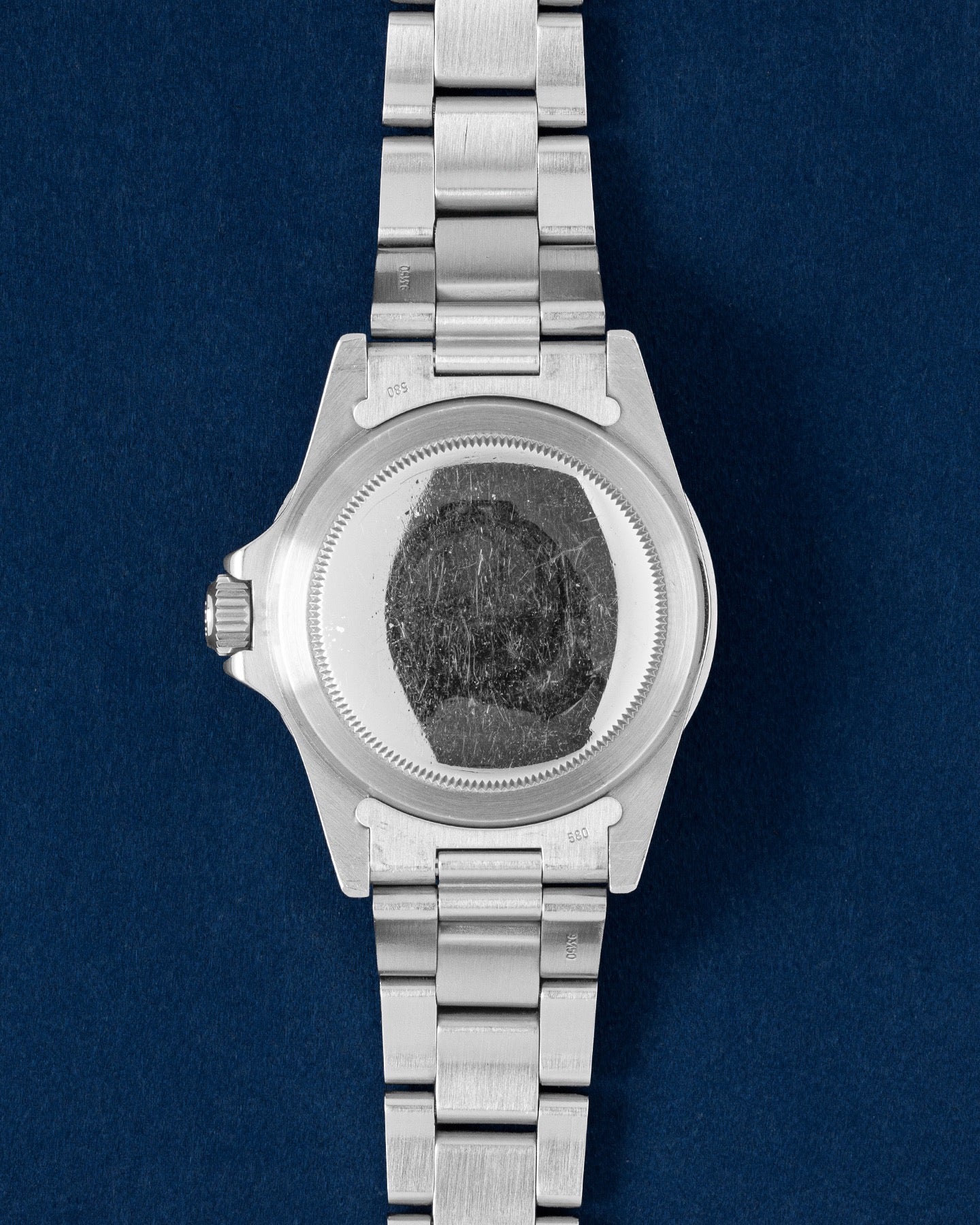

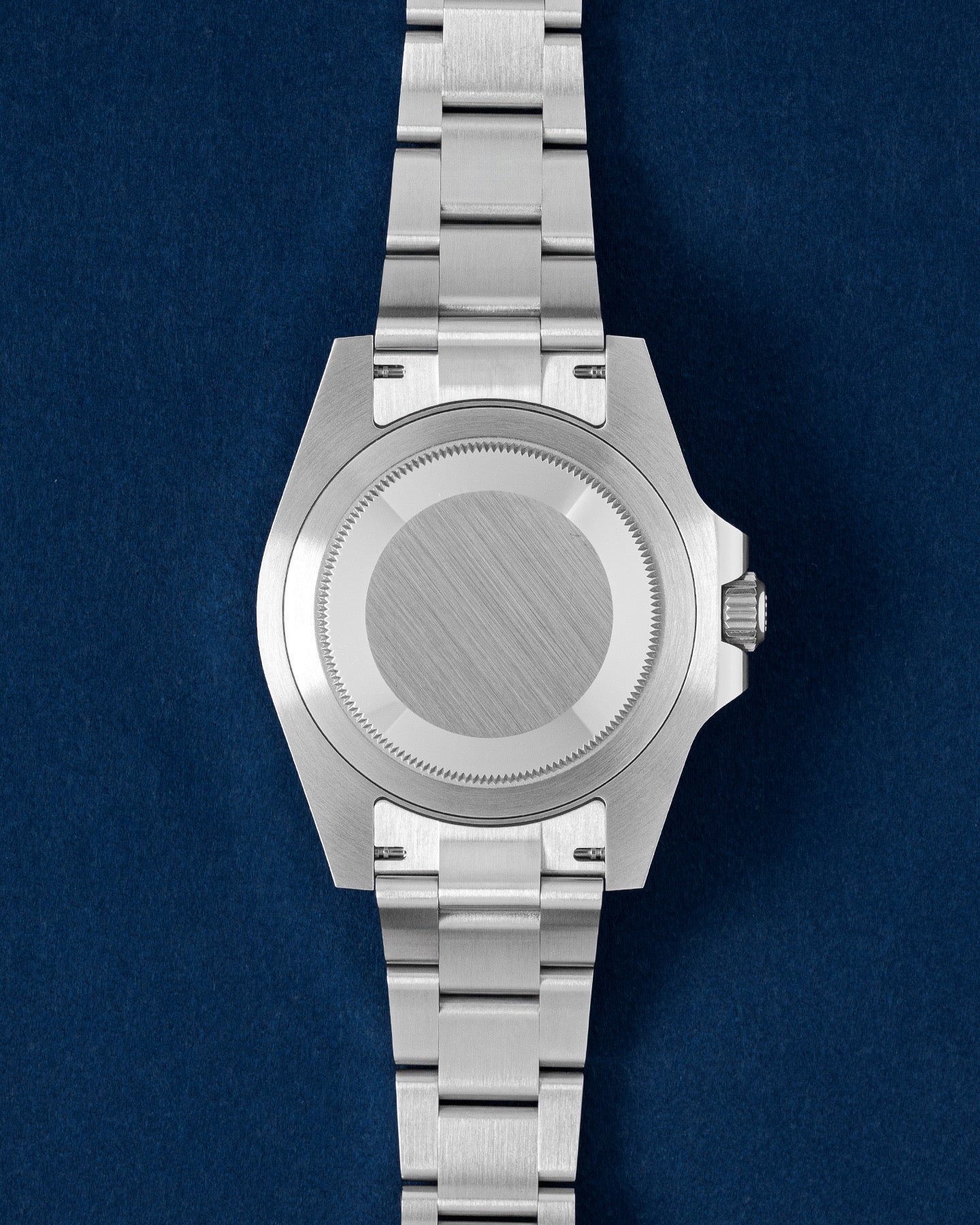
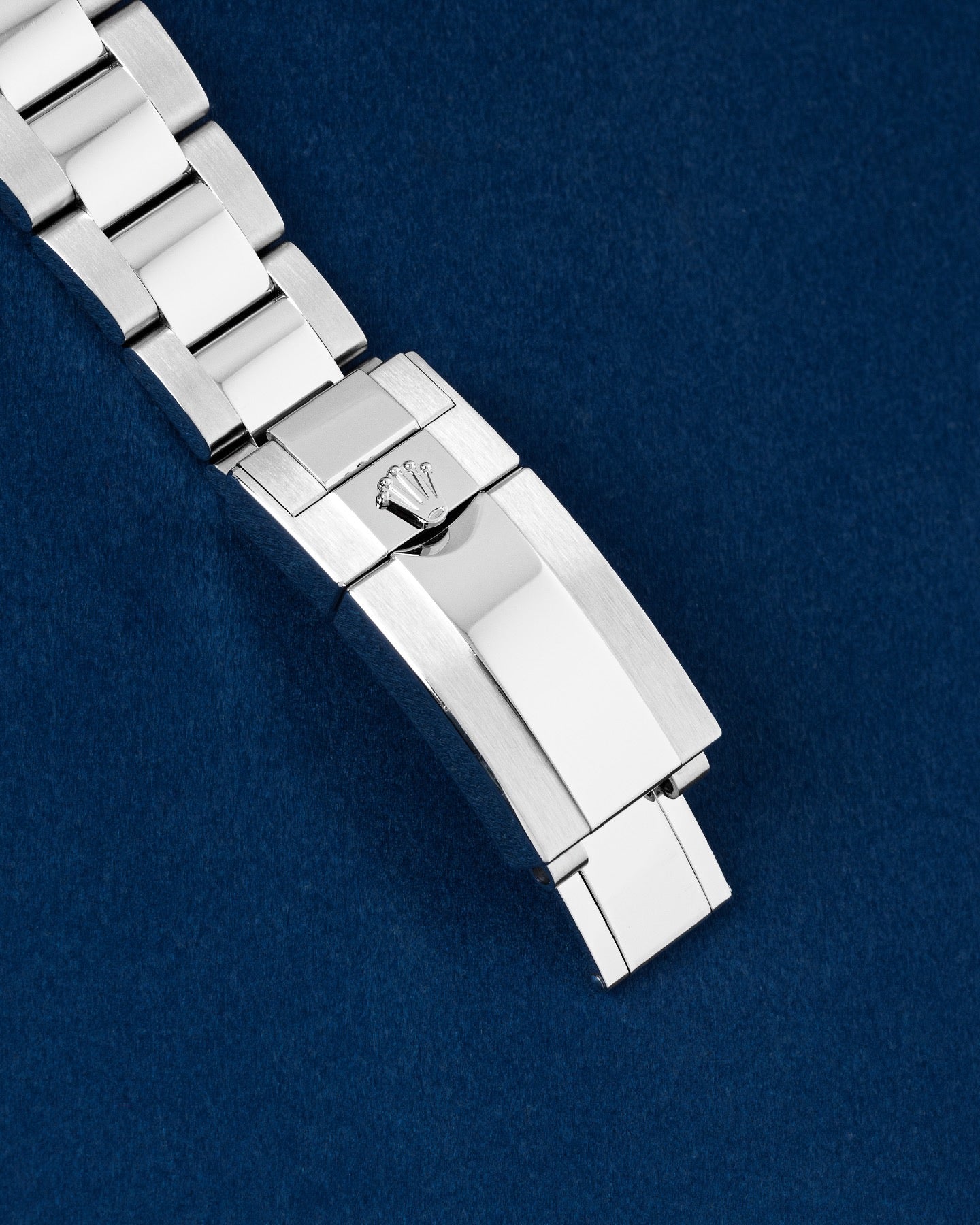
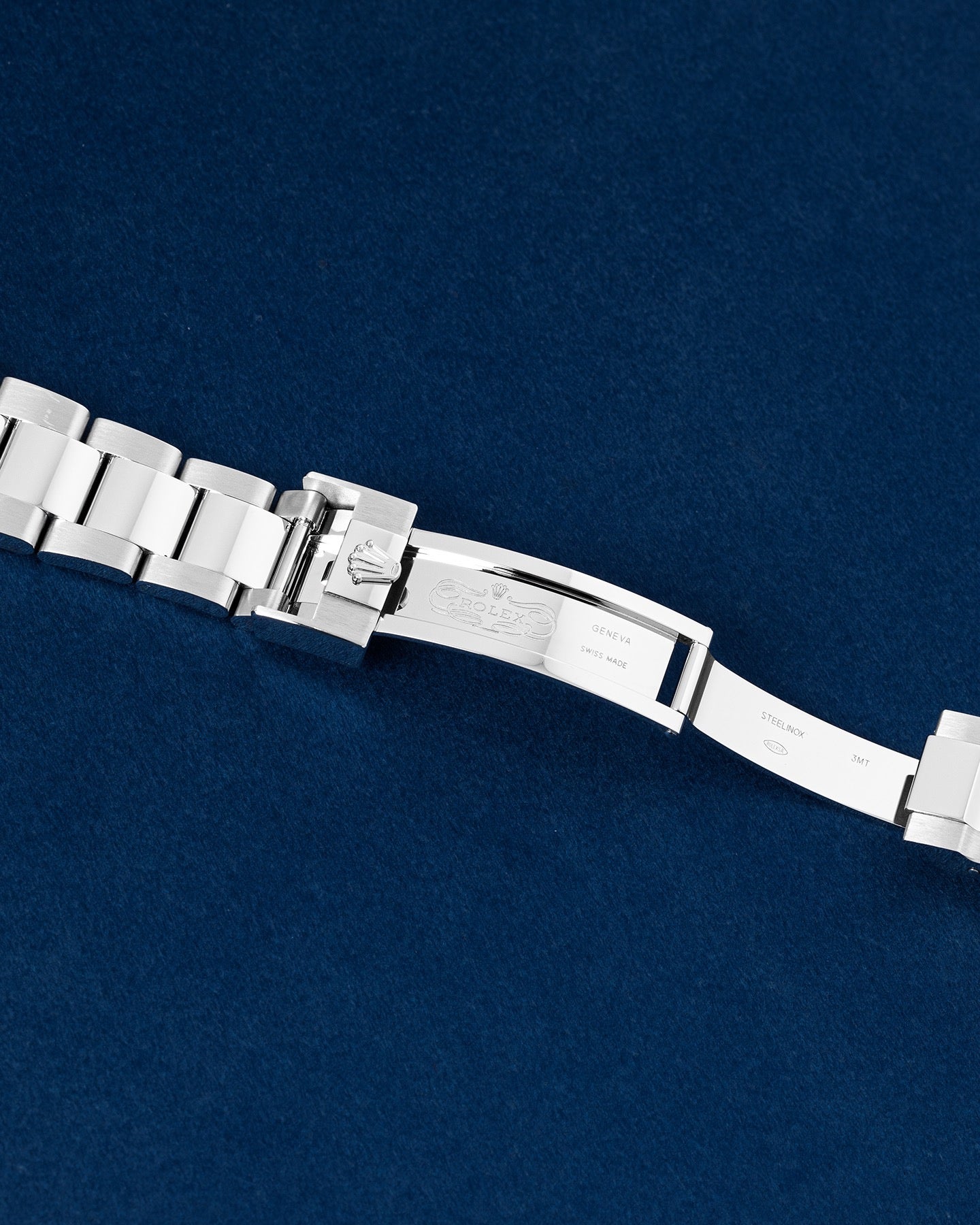
Rolex GMT-Master II 126720VTNR
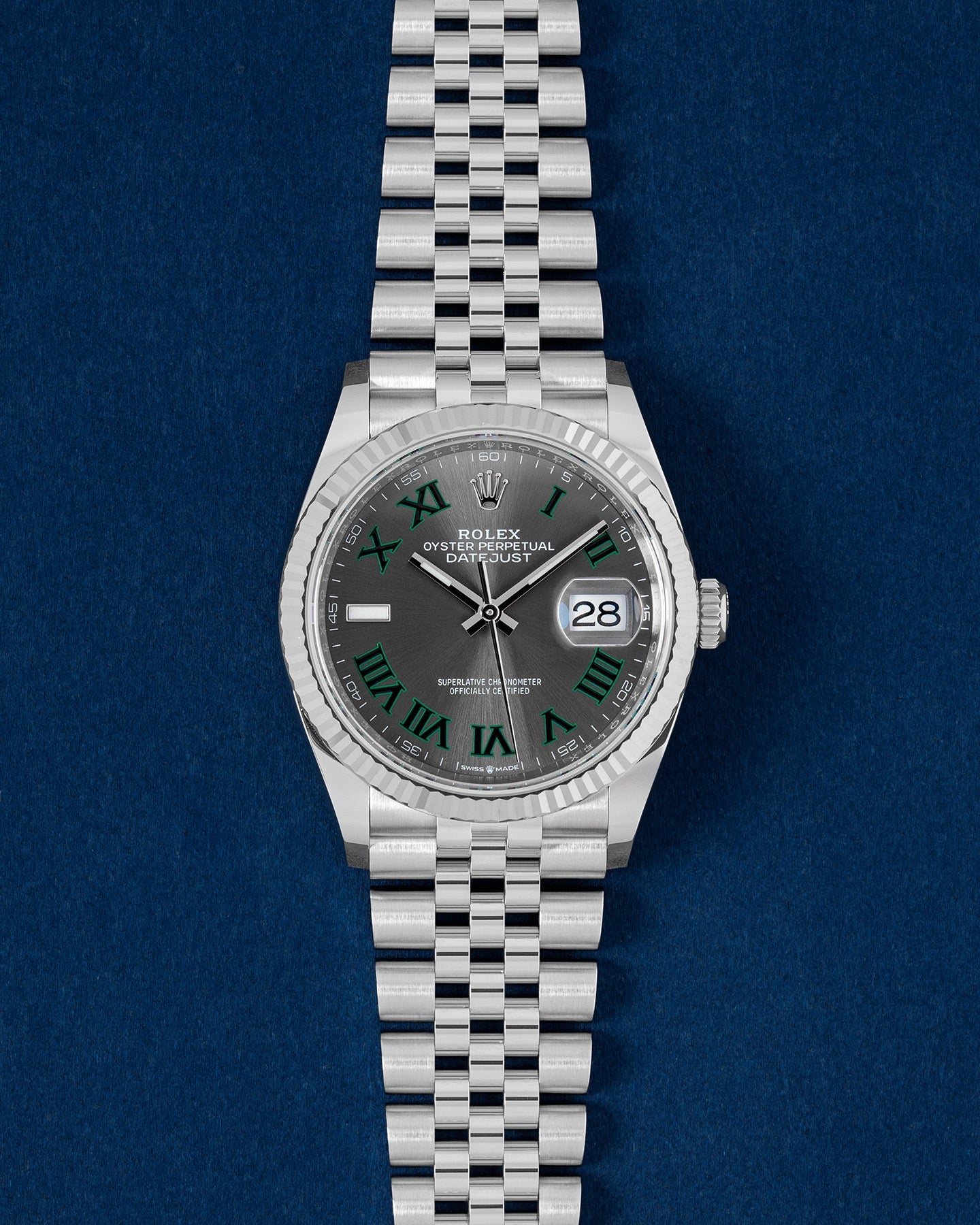
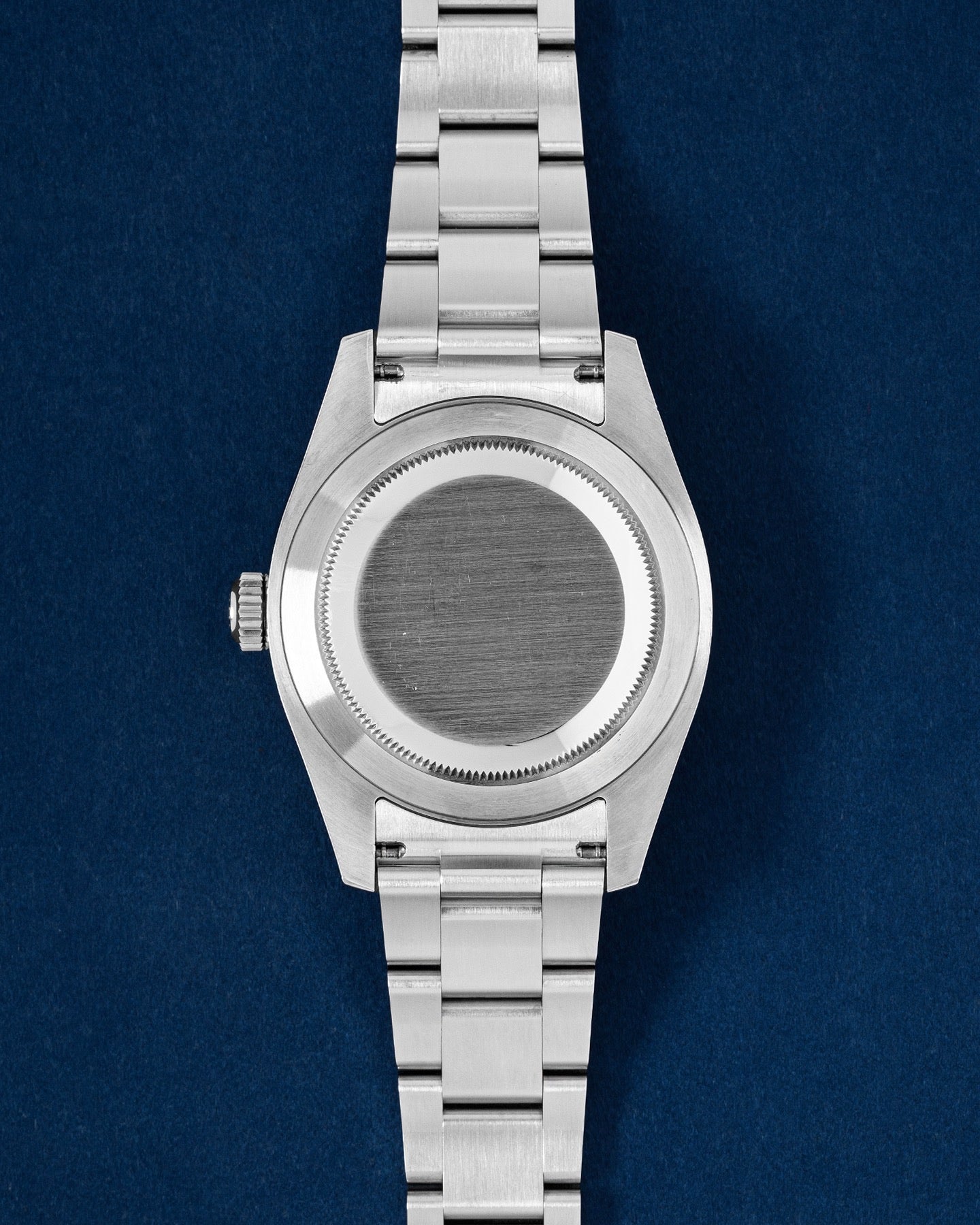
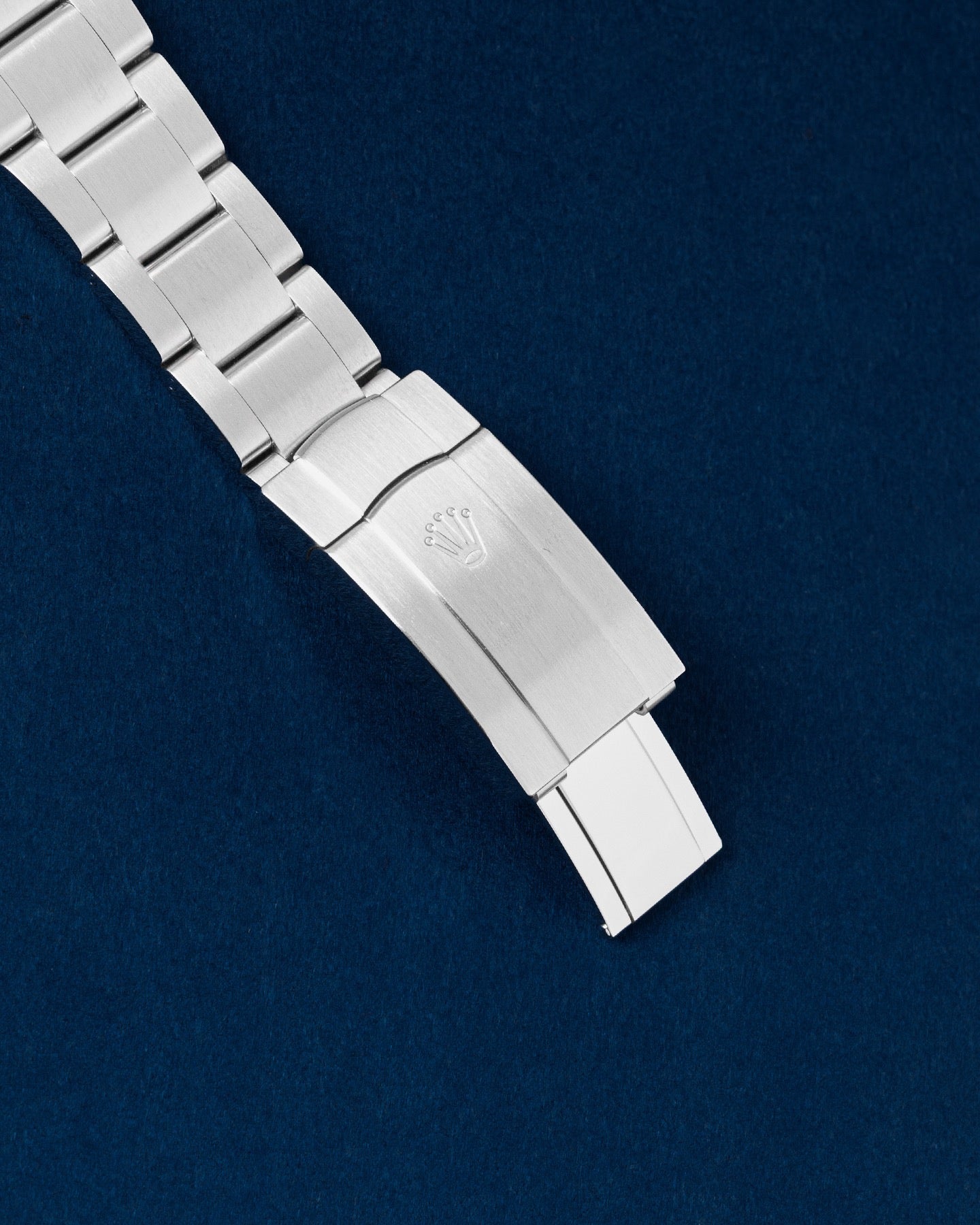
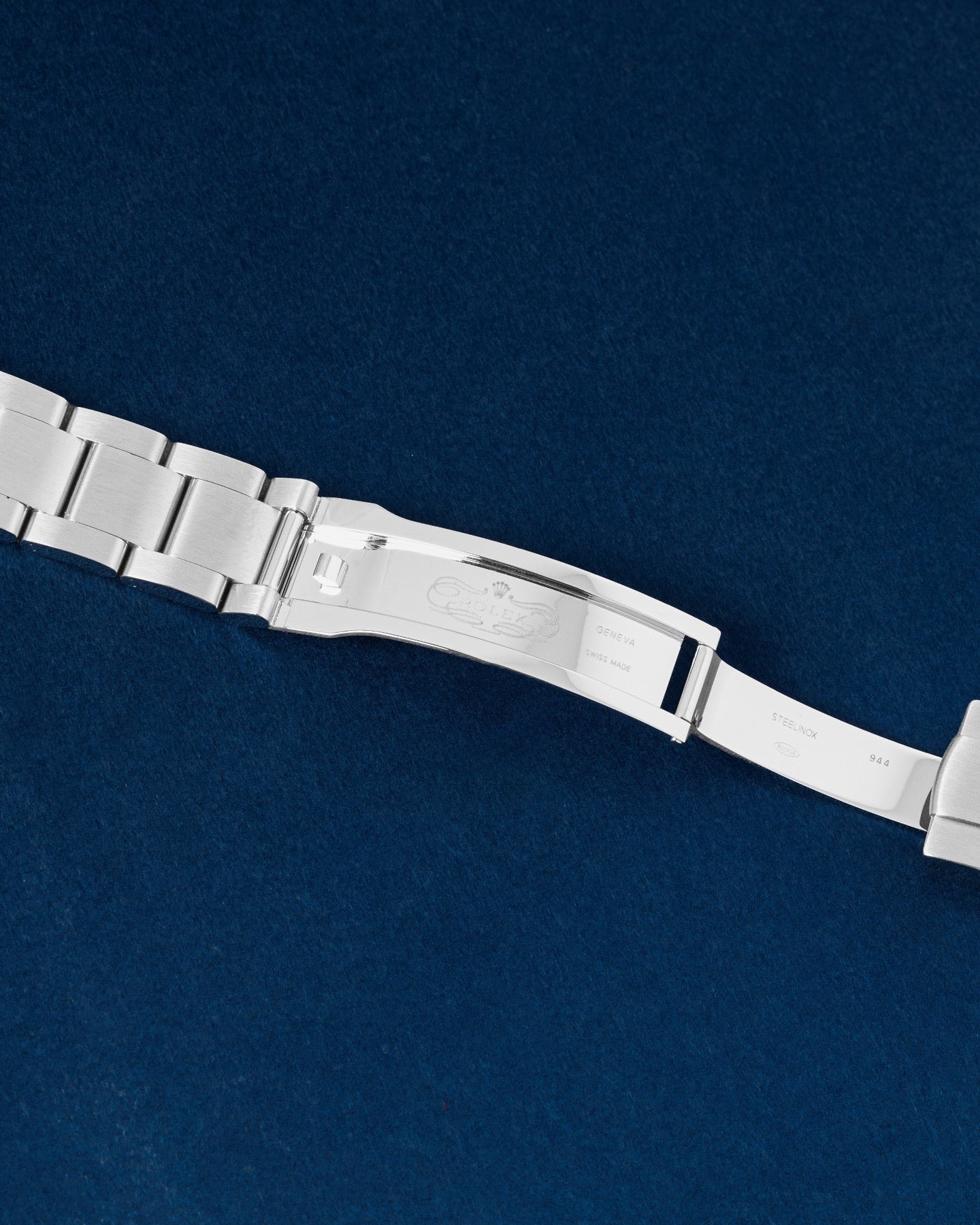
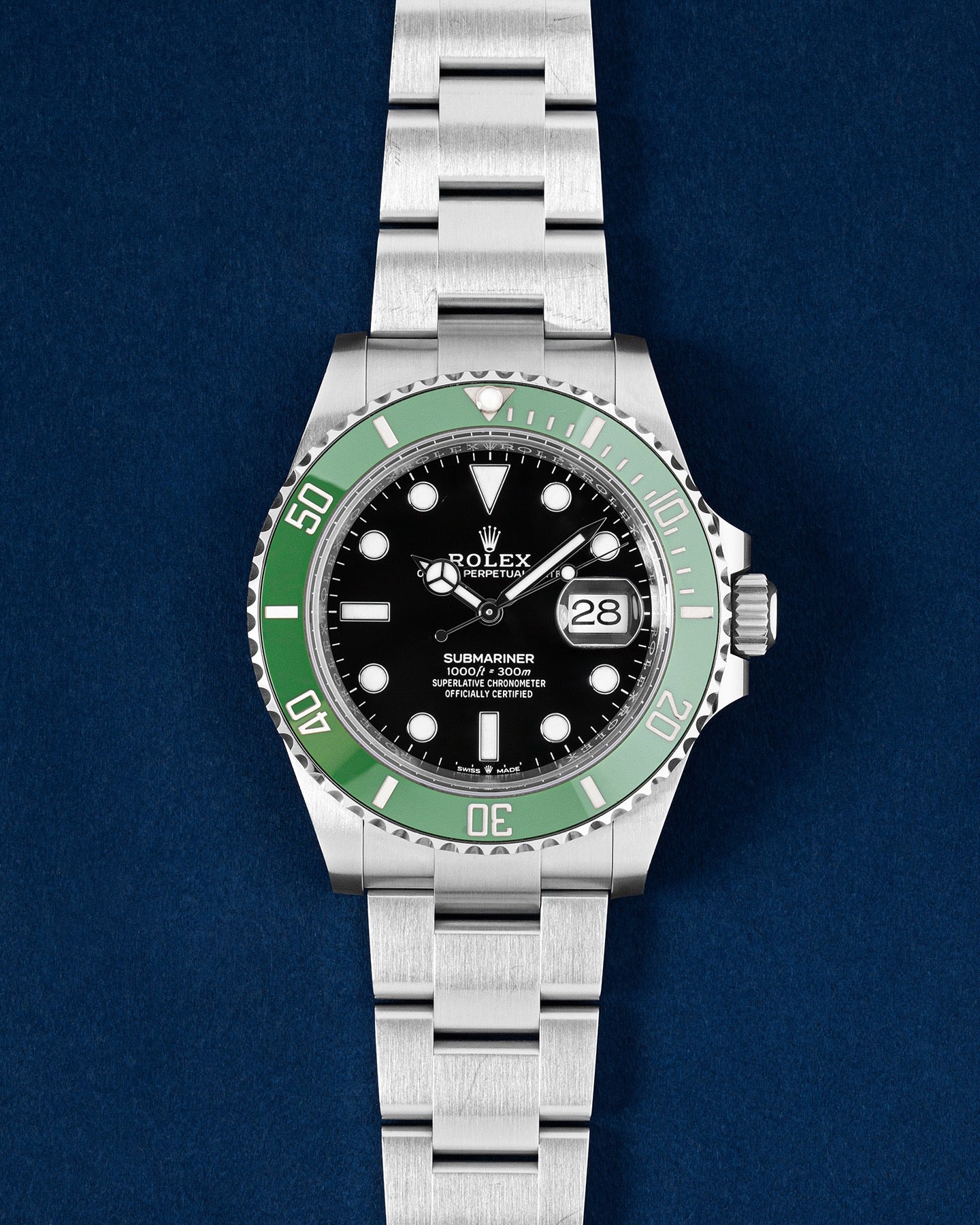
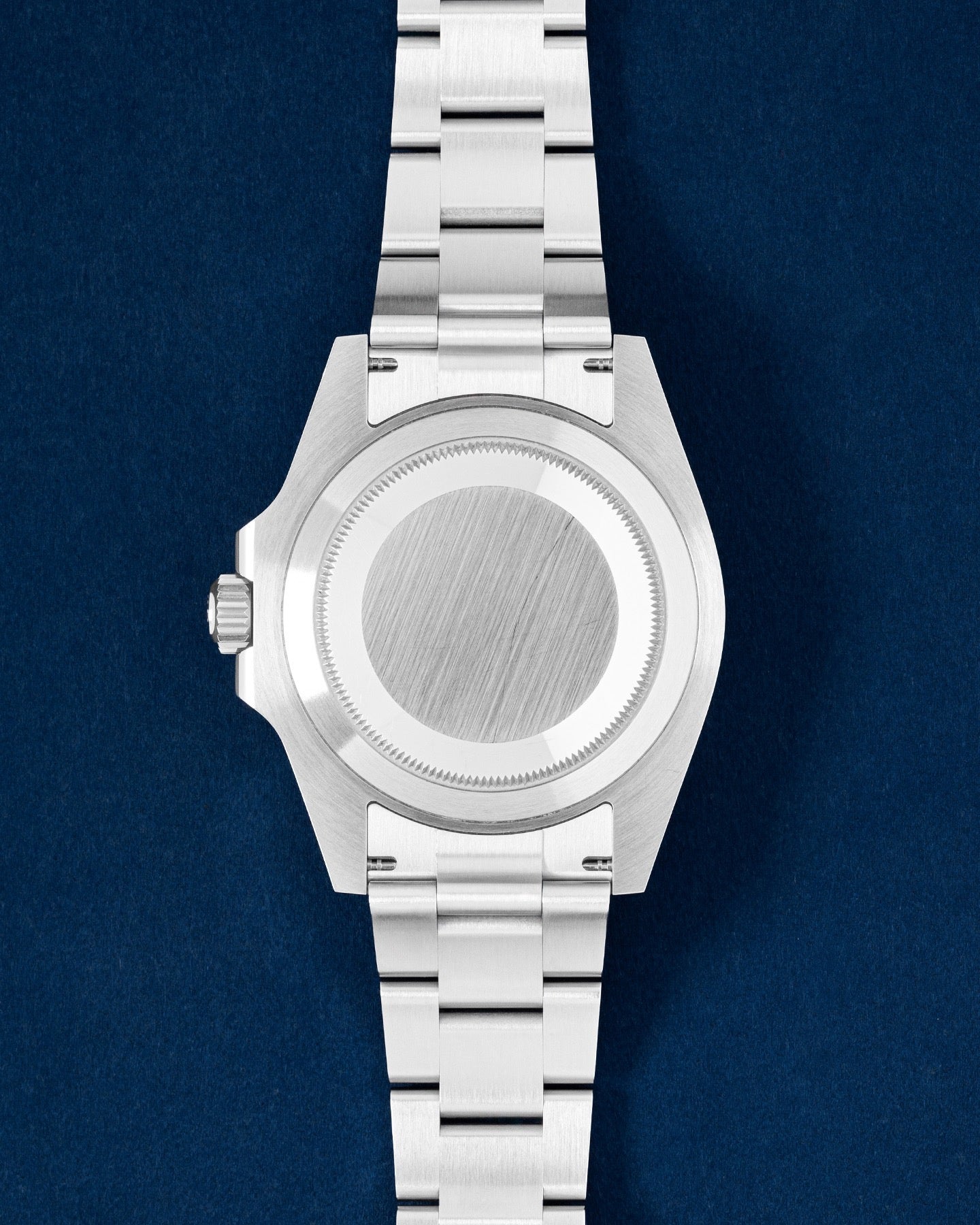
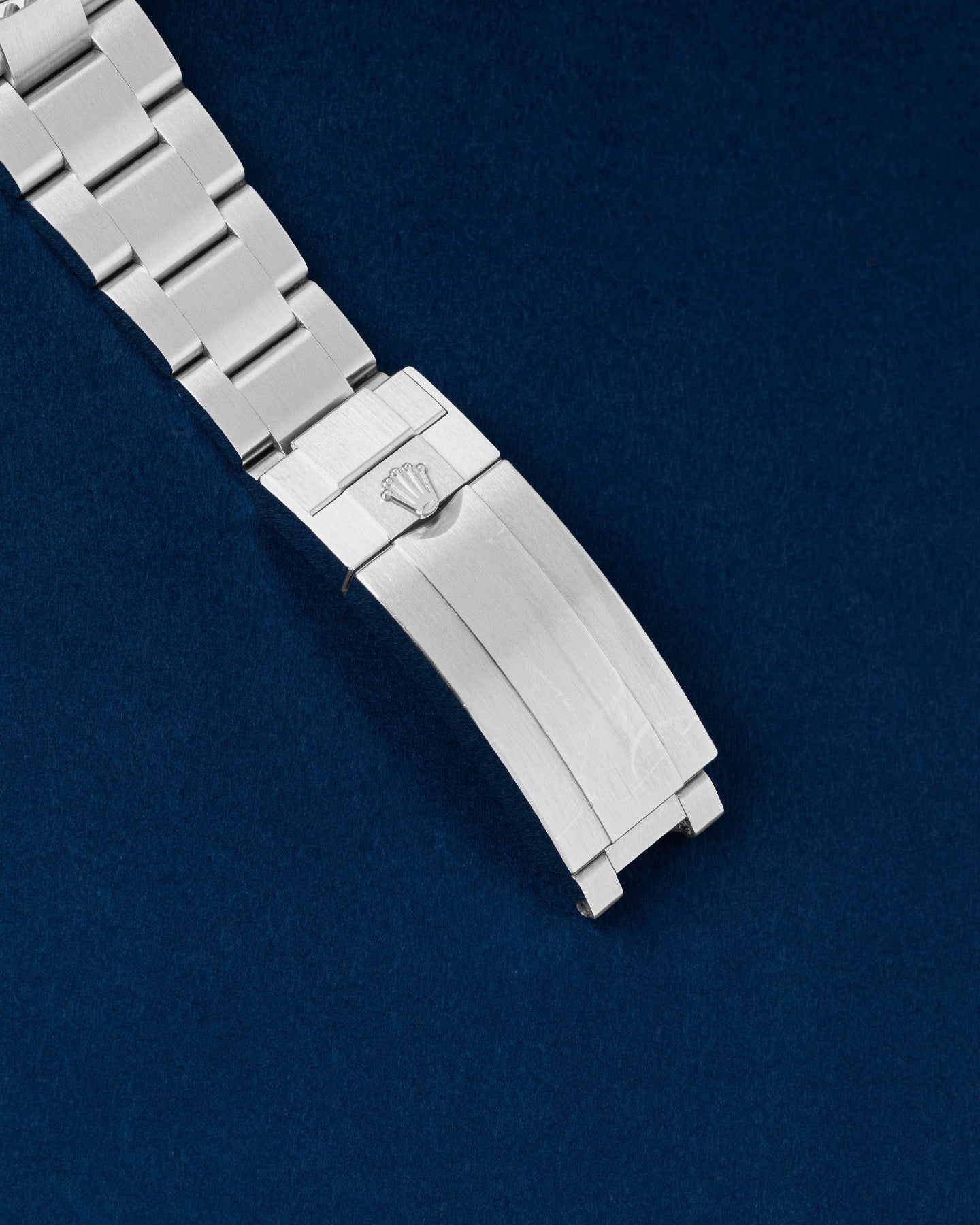
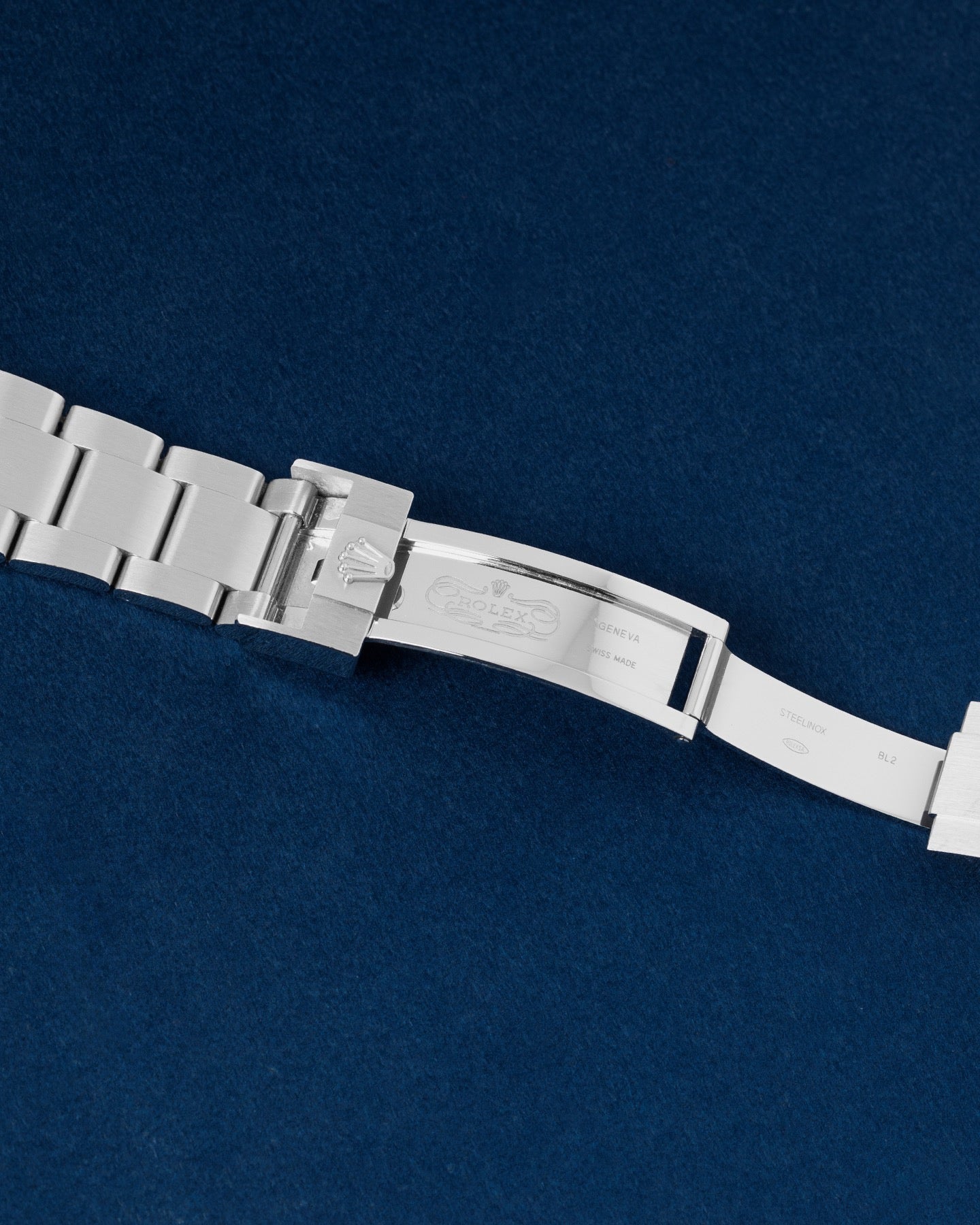
Rolex Submariner Date 126610LV


Vintage
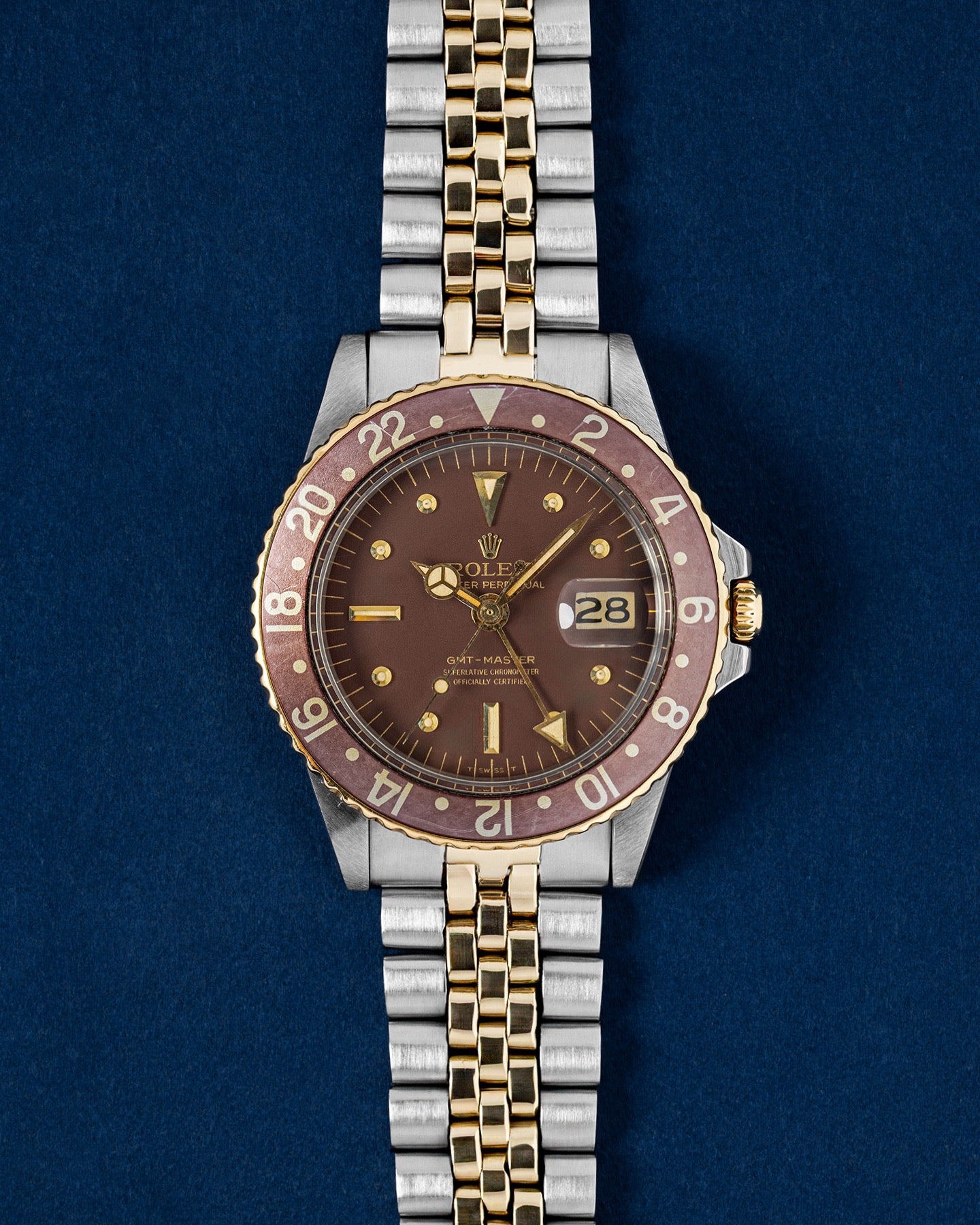
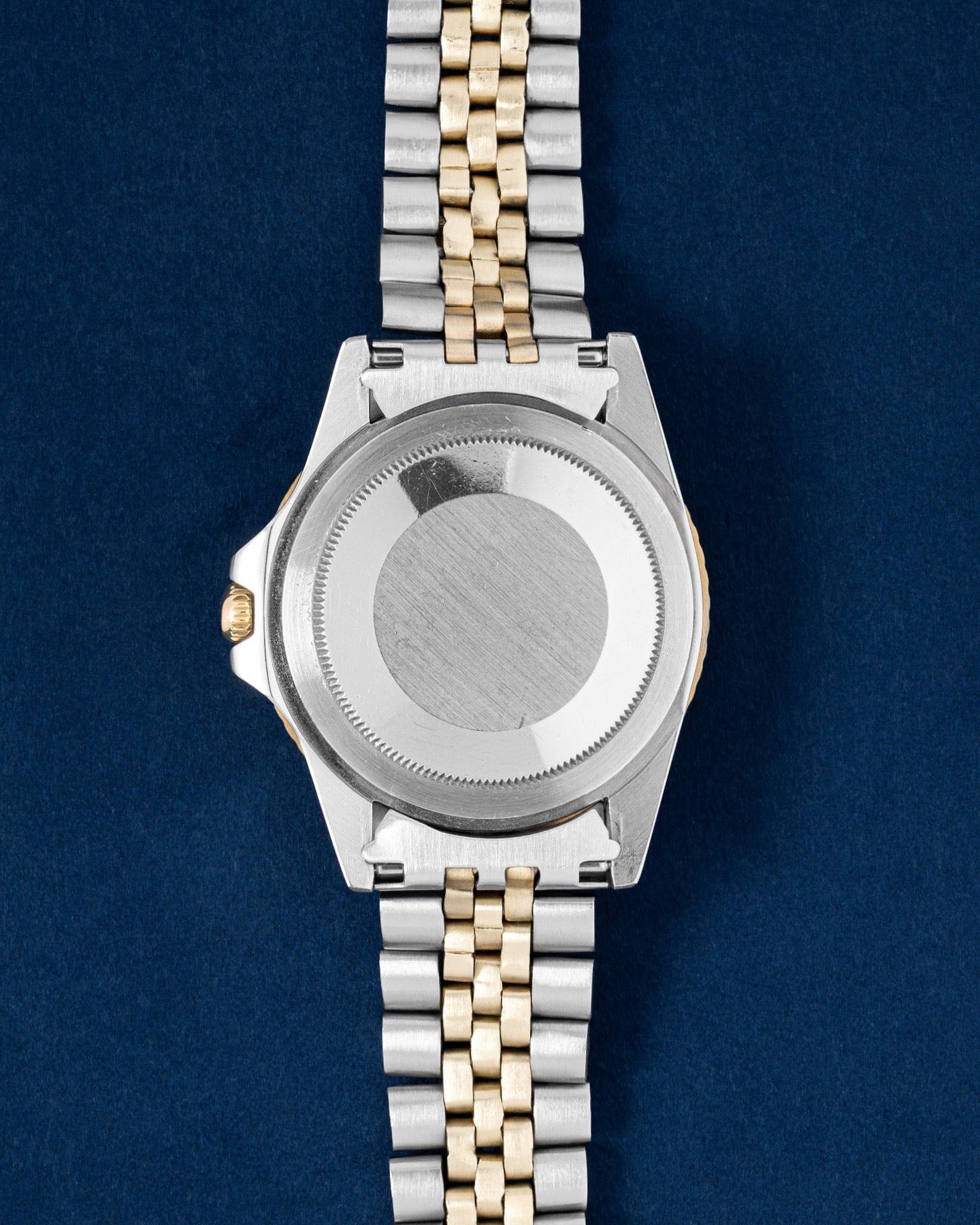
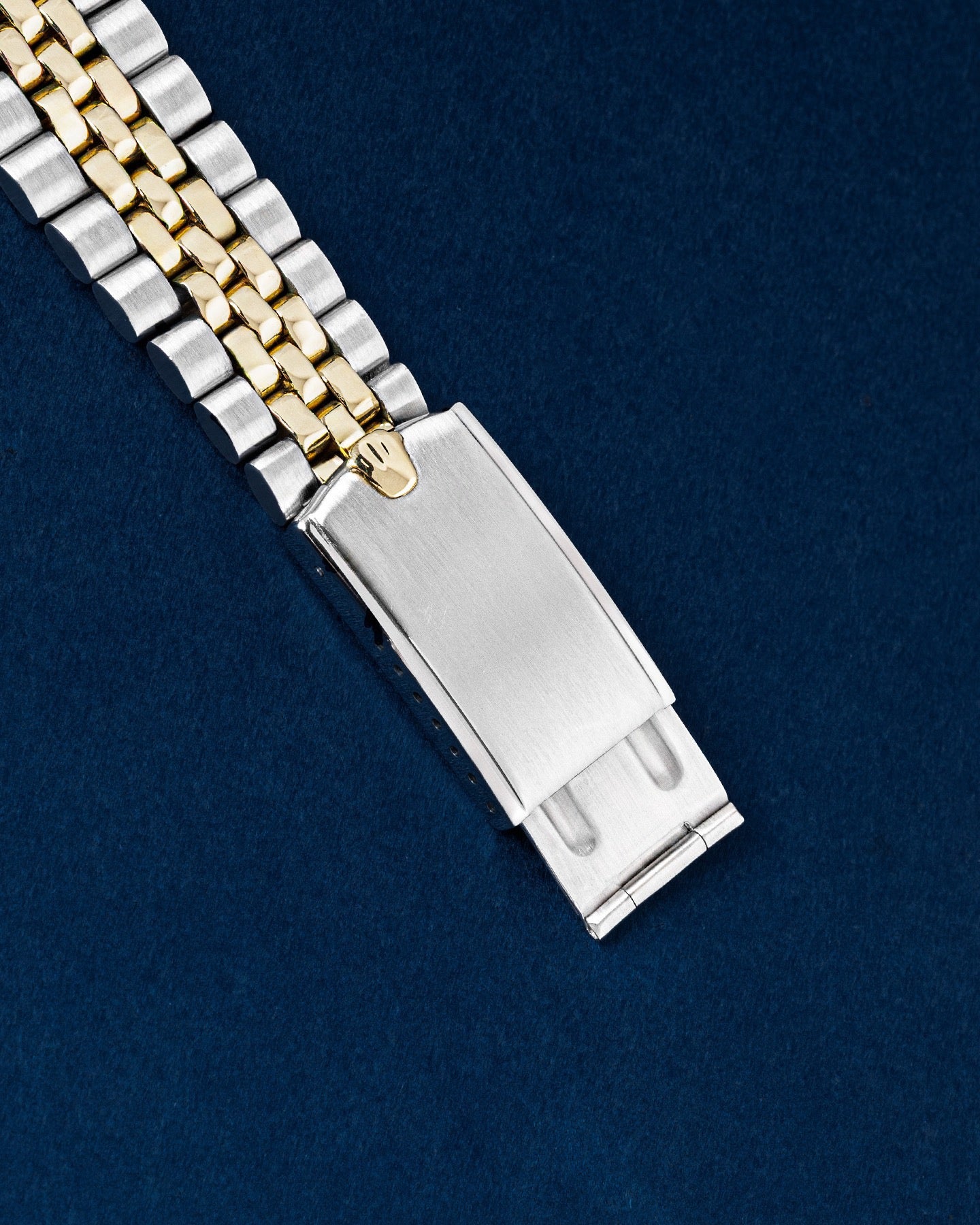
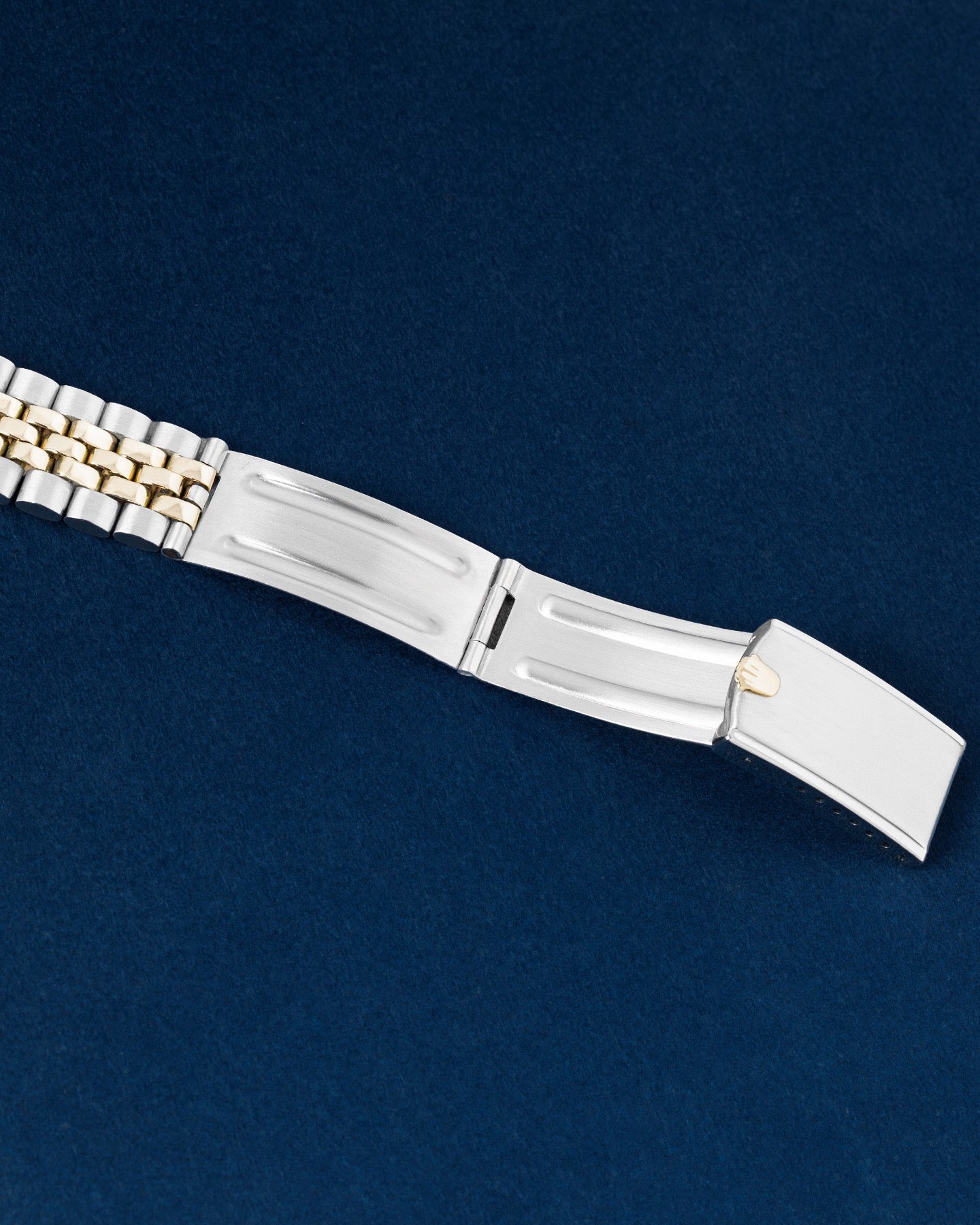


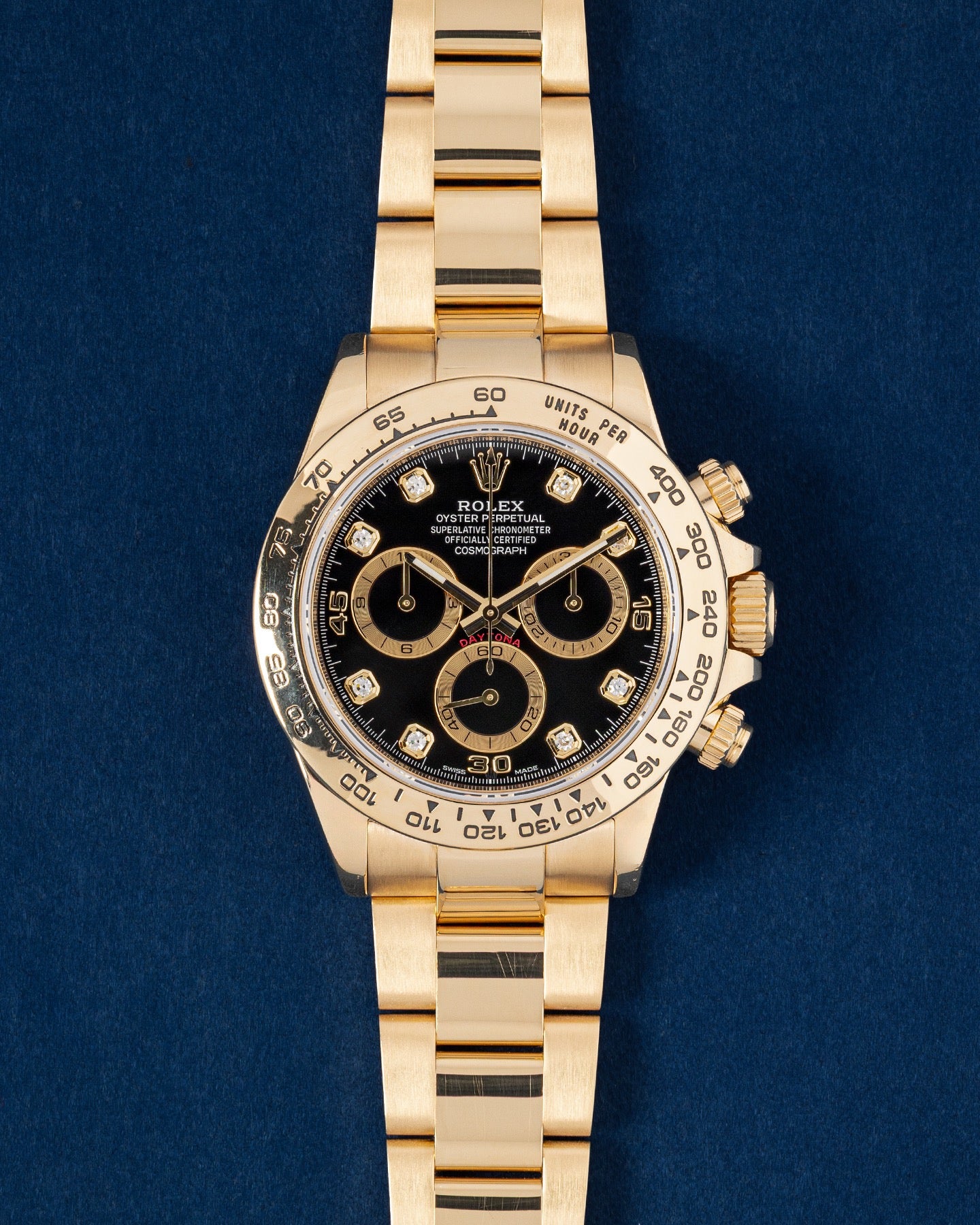
Vintage


Rolex GMT-Master II 126710GRNR
Vintage


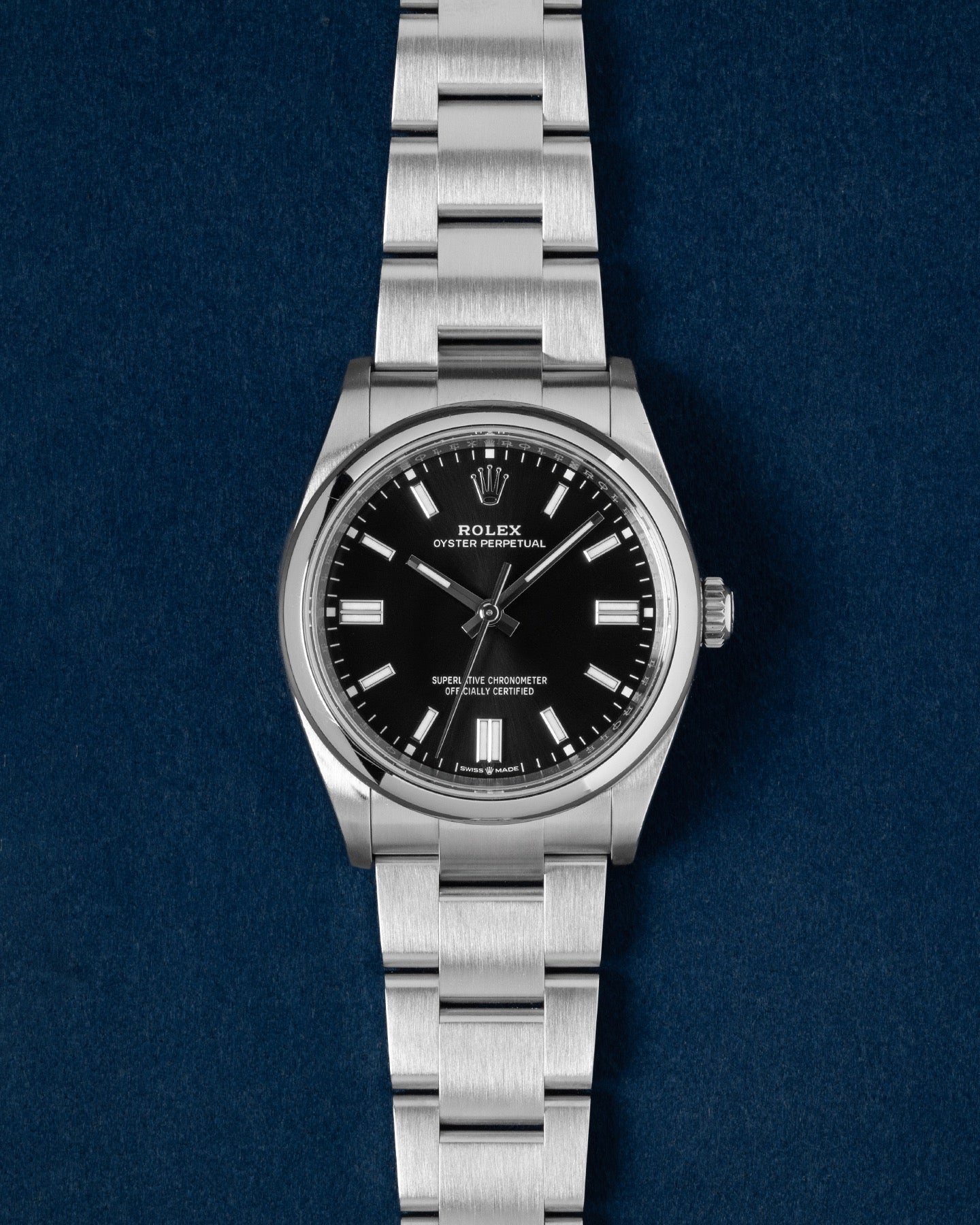
Rolex Oyster Perpetual 36 126000


Vintage


Rolex Submariner Date 126610LN


Vintage


Rolex GMT-Master II 126710BLRO
History of Rolex
Hans Wilsdorf was twenty-four when he founded Rolex in London in 1905, betting that a wristwatch could match the accuracy of a pocket watch. By 1910, a Rolex movement had earned the first wristwatch chronometer certification ever issued. What followed is the spine of modern watchmaking: the Oyster case in 1926, the Perpetual rotor in 1931, the Datejust in 1945, the Submariner in 1953, the GMT-Master in 1954, the Day-Date in 1956. The brand remains privately held by the Hans Wilsdorf Foundation. Production is deliberate, design moves in decades, and the continuity is the point.
Why Choose Grand Caliber
We are a luxury watch dealer based in Uptown Dallas, with a showroom on McKinney Avenue and a clientele that runs nationwide. Grand Caliber buys, sells, sources, and consigns Rolex across the full catalog, from current sport references to mid-century vintage, and every watch is authenticated in-house before it goes online. Pricing is posted on every product page, "Make an Offer" is open on every listing, and inventory is one-of-one. No waitlists. If you are in Dallas, come handle the watch before you buy it. If not, we ship fully insured. Most of our clients prefer to text.
FAQs
What is the most affordable Rolex?
The most accessible entry point in current production is the Oyster Perpetual, with retail starting around $6,000 to $7,000 for the smaller stainless steel cases. It is a clean, no-date, three-hand watch in the Rolex tradition, and the recent run of colored dials has made it one of the more interesting designs in the catalog. On the pre-owned market, the door opens wider. Earlier Datejusts in stainless steel, prior-generation Air-King references, and 36mm Oyster Perpetuals from the 2010s regularly land in the $5,000 to $8,000 range, depending on condition and box-and-papers status. Vintage Datejusts from the 1970s and 1980s sit lower still, especially two-tone references the collector market has not yet fully repriced. Some of the best-wearing Rolexes ever made live in this range. If you are buying your first Rolex and budget is the question you are weighing, pre-owned is where the value lives. Tell us what you are looking for and what you want to spend. We will walk you through what is in the case, what is on the way, and what fits the wrist you have.
Can I walk into Rolex and buy a watch?
Walking into a Rolex Authorized Dealer and buying a current-production sport model off the shelf is not how the brand operates right now. The Submariner, GMT-Master II, Daytona, and Explorer are allocated to long-standing AD clients through waitlists that often run a year or longer. Building that purchase history takes time, and even then, the specific reference you want may not be the one offered when your number comes up. Some dress models in precious metals are easier to acquire directly, depending on the dealer and the moment, and a few smaller dress references can be purchased without a wait. The secondary market is the alternative most buyers eventually find. We stock current and recent references in our showroom with no waitlist, no purchase history requirement, and no allocation game. The watch on our website is the watch in our case. If you want to come see one in person, our showroom is on McKinney Avenue in Uptown Dallas. Walk in any weekday between ten and five, or call ahead to set up a Saturday appointment. We will have a watch ready for you to handle.
What is the best first Rolex to buy?
The honest answer is that it depends on how you live. If you want one watch that handles a suit on Monday and a weekend on Saturday, the Datejust 36 or 41 in stainless steel is the answer most collectors give and the answer that holds up. It is the most quietly versatile watch Rolex makes, the design is unchanged in spirit since 1945, and the resale market has been stable on it for decades. If you are drawn to sport models, the Submariner no-date is the purest expression of the line and arguably the most influential dive watch ever built. The Explorer 36 is the choice for a smaller wrist or a buyer who wants real understatement, and it carries one of the great origin stories in watchmaking, tied to the 1953 Everest expedition. If you want color and presence at a lower entry price, the Oyster Perpetual 36 in turquoise, candy pink, or coral red is making serious noise on the secondary market. None of these is a wrong answer. Tell us what you are after, what you wear, what wrist size you have. We will tell you what we have.
Which Rolex model has the highest demand?
The Daytona sits at the top, and has for years. AD waitlists for the steel ceramic Daytona run multiple years, and the secondary market reflects that pressure with consistent premiums over retail. The chronograph layout is one of the most balanced ever drawn, the Newman connection still moves the vintage market, and the platinum reference 116506 with the ice-blue dial is among the most desired watches of the modern era. The GMT-Master II in Pepsi and Batman configurations runs close behind, and the no-date Submariner holds steady demand across cycles. Beyond the sport icons, the Day-Date in platinum with an ice-blue dial commands serious collector interest. Discontinued or limited references like the Hulk Submariner, the Kermit, and the John Mayer-collaborated Daytona trade well above their original retail. Demand shifts with each new release. When Rolex announces something at Watches and Wonders, the secondary market reprices the discontinued models within hours, sometimes within minutes. Watching that ripple is half the fun of collecting. If a particular reference is on your radar, our specialists track availability across the market, and we can tell you what fair money looks like at any given moment.
How often should a Rolex be serviced?
Rolex's published guidance is roughly every ten years, assuming normal wear. In practice, most watchmakers consider every five to ten years a reasonable interval for daily-worn pieces, and longer for watches in light rotation. A full service includes movement disassembly, ultrasonic cleaning, lubrication, gasket replacement, regulation on a timing machine, and pressure testing for water resistance. The signs that a watch is ready are usually subtle. Power reserve drops below where it used to hold. The watch starts running a few seconds fast or slow per day where it used to run within a second or two. Moisture appears under the crystal in cold weather, or the bezel rotates loosely. A Rolex that is wound and worn regularly will tell you when it needs attention. There is no need to send a watch in on a calendar schedule if it is keeping good time. Service can be arranged through Rolex directly, an authorized service center, or an independent specialist with the right credentials and parts access. We offer service in-house as well, and our team is happy to talk you through the options when your watch is ready for it.
How much does a full Rolex service cost?
A standard time-and-date service through Rolex or an authorized service center generally runs $800 to $1,200 for references like the Datejust, Submariner, Explorer, or Oyster Perpetual. The number includes movement work, gasket replacement, regulation, pressure testing, and a light polish if the case and bracelet warrant it. Chronograph movements run higher because of the additional complexity. A Daytona service usually lands in the $1,500 to $2,000 range, sometimes higher depending on what the watchmaker finds when the caseback comes off. Vintage references can run above those numbers. A 1960s Submariner with tritium lume, original hands, and an aged dial may need parts that are no longer in standard production, and the watchmaker's job becomes preservation as much as repair. Independent specialists sometimes quote lower than Rolex for routine work, though parts availability varies by reference and the quality of the work varies more than the price tag suggests. For a specific quote on a watch in our care, our team can advise based on what the movement actually needs, what condition the case and bracelet are in, and whether you want the work done as a refresh or a full preservation.
Can I wear my Rolex every day?
Yes, and we hope you do. Rolex builds its watches for daily wear, and the design choices reflect that intent at every level. The Oyster case is rated to depths most owners will never approach: 100 meters for the Datejust, 300 meters for the Submariner, 1,220 meters for the Sea-Dweller. The bracelets are engineered for decades of wear, the clasps are designed to take abuse, and the crystals are sapphire on every modern reference. Daily wear is also healthier for a mechanical movement than long stretches of stillness, since regular winding keeps the lubricants distributed where they should be. The watches that come back to us in the best condition are almost always the ones that lived on a wrist, not the ones that lived in a safe. There are common-sense limits. Avoid hot tubs and saunas, since heat ages gaskets faster than anything else. Rinse the watch with fresh water after a swim in the ocean. Have it pressure-tested before any serious water use if it has not been serviced recently. Beyond that, the answer is straightforward. Wear it. The watch was built for it.
How long does a Rolex last?
Properly maintained, a Rolex will outlast its first owner. The pre-owned market is full of seventy-year-old references still keeping accurate time on their original movements, having had nothing more than routine service across the decades. The case, bracelet, and movement are all designed to be serviceable, and Rolex maintains parts availability for vintage references far longer than most manufacturers in the industry. A Datejust your grandfather bought in 1965 can be brought back to running condition today. A modern Submariner purchased now will reasonably be wearable, accurate, and valuable a generation from today. That is the deal Rolex offers, and the deal it has kept for over a century. Some references will need more attention than others over their lifetimes. A daily-worn chronograph asks more of its movement than a dress watch worn twice a month. Vintage pieces with tritium dials and aluminum bezels age in ways that modern ceramic-bezel sport models do not, and the aging is part of the appeal. The watches reward consistent wear and periodic service. They do not reward being stored in a drawer for ten years and then expected to perform.
Is it safe to buy a Rolex on the secondary market?
It is, when the dealer authenticates and stands behind what they sell. The pre-owned Rolex market is large and well-established, with billions of dollars in annual transaction volume across dealers, auction houses, and platforms. The market is not uniform, and the protection a buyer needs is straightforward: in-house authentication, transparent pricing, honest condition disclosure, and a real warranty on the sale. At Grand Caliber, every Rolex is authenticated by our specialists before it is listed. Every watch is photographed individually, and box-and-papers status appears in the spec list of every product page. If a watch has a service-replacement dial, an aftermarket bezel insert, or any non-original component, we say so in writing, and the price reflects it. Buying pre-owned from a dealer with that posture is no riskier than buying new from an Authorized Dealer, and often more transparent about what you are actually getting. The market for vintage Rolex in particular is one where dealer reputation matters more than almost any other factor. If you have a question about a specific watch in our inventory, we are happy to walk through it with you on the phone, in the showroom, or over text.
Is a Rolex a good investment?
Rolex holds value better than almost any other luxury good, and certain references have appreciated meaningfully over the last decade. Steel sport models, discontinued configurations, and original-condition vintage are the strongest performers on the secondary market. A 5513 Submariner with a glossy dial and a faded bezel insert is a different financial instrument today than it was twenty years ago, and the same is true for early Daytonas, early Explorers, and the right Day-Date references. We will be honest with you. A watch is not a stock. Buyers who treat it primarily as a financial instrument tend to make worse collecting decisions than buyers who choose what they love to wear. The collectors we see do best are the ones who buy the watches they actually want, hold them, and let the market be what it is. They tend to end up with collections that have appreciated, but the appreciation was a byproduct of taste and patience, not a strategy. Among luxury purchases, a Rolex is one of the more durable stores of value in the world. Among investments, there are better options. Buy it because you want it on your wrist.