

Ceramic Watches
Harder than steel and lighter on the wrist, ceramic has become one of the most coveted materials in modern watchmaking. At Grand Caliber, we offer pre-owned ceramic watches from Hublot, Omega, IWC, Tudor and Audemars Piguet, each one inspected in-house and presented with complete transparency.
Ceramic Watches at Grand Caliber
Ceramic watches look sharp on day one, and they still look that way years later. That is because high-tech ceramic is far harder than steel, so it shrugs off the small scratches that mark most watches. It is also light, warm on the skin and rich in color. As a result, ceramic watches have moved from a niche idea to one of the most exciting parts of fine watchmaking.
Grand Caliber is a trusted source for pre-owned ceramic watches, and we also serve buyers across the United States and beyond. This collection brings together the leaders in the field, such as Hublot, Omega, IWC and Audemars Piguet. It also covers Tudor, Panerai and Jaeger-LeCoultre, as well as rare limited editions.
Every one of our ceramic watches is checked in-house before it goes online. Each one is also priced in the open and shipped fully insured. There are no waitlists, so you can buy the watch you want today. When the piece you want is not in the grid above, just ask, because our team can often find it fast. Make an Offer is also open on every listing.
Our clients come to ceramic watches for many reasons, so no two visits look the same. Some want a black watch that stays crisp, while others love bold color. Some also want a light watch for sport or travel. Either way, our talk about ceramic watches starts with how you live rather than what is trending.
What Defines Ceramic Watches
Ceramic watches, however, use a man-made material that has little in common with a coffee mug. Most ceramic watches, for example, are made from zirconium oxide, which is pressed and fired into a dense, glassy solid. So the result is hard, light and stable. So here are the traits that set ceramic apart from steel and gold.
Hardness and Scratch Resistance
The first trait, of course, is hardness. Watch ceramic is several times harder than steel, so daily knocks against a desk or door frame rarely leave a mark. Only very hard materials, such as diamond tools, can scratch it. As a result, a ceramic case or bezel keeps its polish far longer than metal. In fact, many owners say their ceramic watches still look new after years of daily wear.
Light Weight and Comfort
Ceramic is also much lighter than steel, while it feels smooth and warm on the wrist. So a large ceramic watch can wear far more easily than a steel one of the same size. Ceramic also does not cause skin reactions for most people, because it contains no nickel. In short, ceramic watches are a great choice for buyers who want a bold case without the weight.
Color That Never Fades
Color is baked into ceramic, rather than painted on top. So it does not fade in sunlight, salt water or chlorine, even after many years. That is why so many brands now use ceramic for bezels, too. Black is the classic shade, although blue, green, white and even red are now possible. As a result, ceramic watches offer some of the richest colors in watchmaking.
Ceramic Bezels and Ceramic Cases
Some watches use ceramic only for the bezel, while others use it for the whole case. A ceramic bezel, such as the Rolex Cerachrom, protects the part of the watch that takes the most knocks. A full ceramic case, however, gives the whole watch that hard, scratch-proof finish. Both count as ceramic watches, although a full ceramic case delivers the most dramatic look. Our collection also includes both styles.
How Ceramic Watches Are Made
Making ceramic watches is far harder than making steel ones. The process takes great skill, so only a handful of firms do it well. It also explains why ceramic pieces often cost more than their steel twins. So here is how a ceramic case goes from powder to polished finish.
From Powder to Case
First, makers mix a very fine zirconium oxide powder with a binder, as well as any color pigments. Then they press or mold the mix into a rough case shape. At this stage, the part is soft and chalky, so it must be handled with care. In fact, it looks nothing like the gleaming case it will become.
Firing and Shrinkage
Then the rough case goes into a kiln, where it is fired at very high heat. During this step, the powder fuses into a dense solid, while the part also shrinks by up to a quarter. That shrinkage is never perfectly even, so getting tight tolerances is very hard. As a result, many parts are rejected before they ever reach a watch.
Polishing with Diamond Tools
Once fired, the case is so hard that normal tools cannot cut it. So makers use diamond tools to grind, shape and polish every surface. This takes hours, especially when a case mixes brushed and polished finishes. Then the finished case is fitted with gaskets, a crystal and a caseback. In short, every ceramic case is a small feat of craft.
The Challenge of Color
Color, however, has always been the hardest part of making ceramic watches. Many pigments burn off in the kiln, so early ceramic watches came only in black or white. Over time, however, brands learned to keep brighter colors stable. IWC added sand, green and blue cases, while Hublot created a vivid red ceramic in 2018. So today, ceramic watches come in a far wider range of shades than ever before.
A Brief History of Ceramic Watches
The history of ceramic watches is short, although it moves fast. It also follows a few bold brands that took a risk on a new material. So each step forward opened the door to new colors, shapes and ideas. So here is how ceramic went from a lab experiment to the wrists of collectors.
The First Ceramic Cases
Firstly, in 1986, IWC introduced a Da Vinci chronograph with a black zirconium oxide case. It was one of the first luxury watches with a full ceramic case, so it caused a stir. Around the same time, Rado also built its Integral watch with a ceramic bracelet. These early pieces also proved that ceramic could survive daily wear. Still, the material was hard to make, so ceramic watches stayed rare for years.
The Pilot's Chronograph of 1994
Later, in 1994, IWC returned to ceramic with a black pilot's chronograph, known by its reference 3705. It also paired a matte black ceramic case with a steel crown and pushers. Only a small number were made, so it is now a cult piece for collectors. In fact, IWC later paid tribute to it with a limited edition. As a result, the 3705 remains a key part of the story of ceramic watches.
Ceramic Goes Mainstream
Then, in 2000, Chanel launched the J12, which made a full ceramic watch fashionable for the first time. Soon after, Hublot launched the Big Bang in 2005, which used ceramic as part of its bold mix of materials. Also in 2005, Rolex introduced its first Cerachrom ceramic bezel on the GMT-Master II. So within a few years, ceramic watches had moved from the fringe to the center of luxury.
The Black Ceramic Era
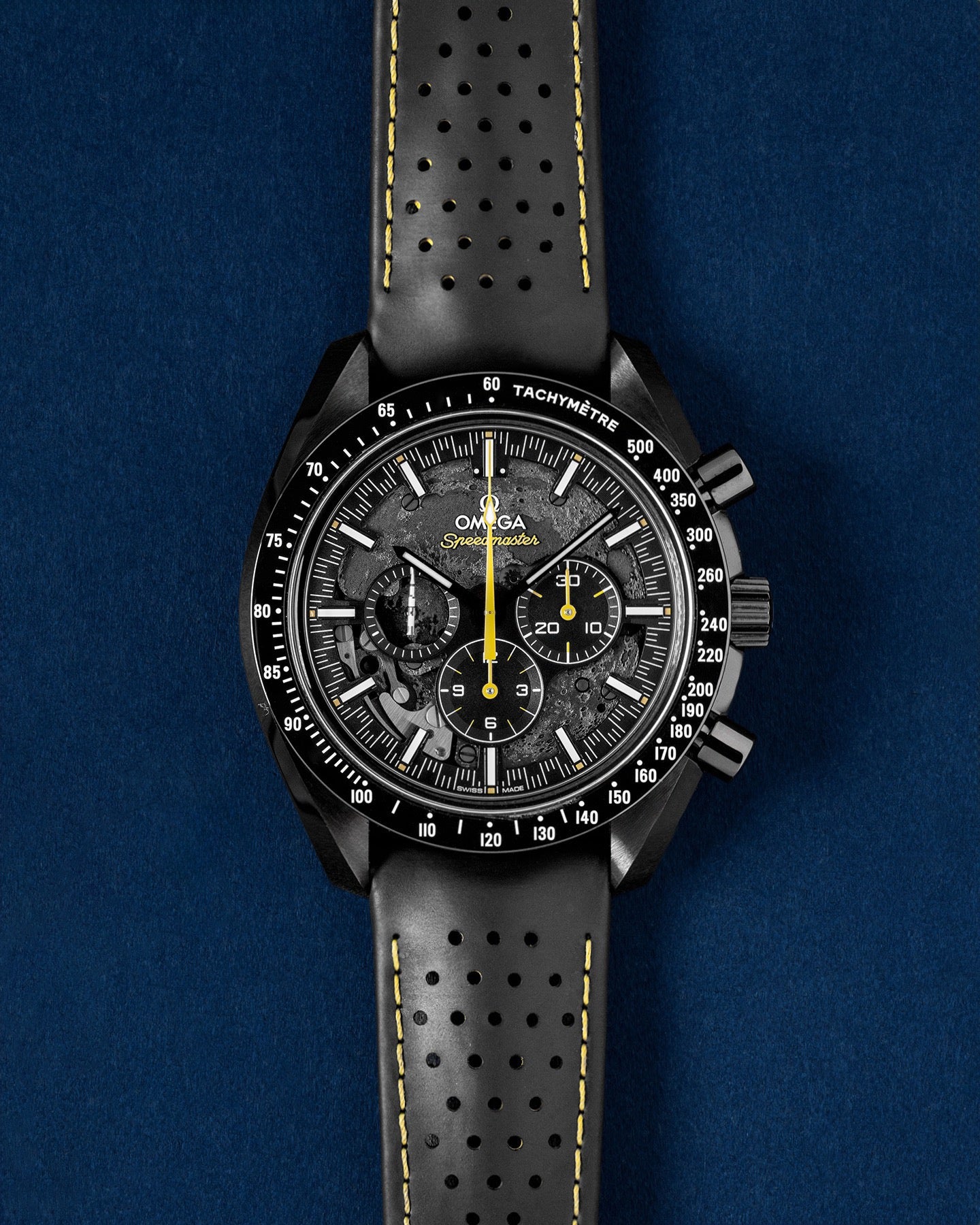
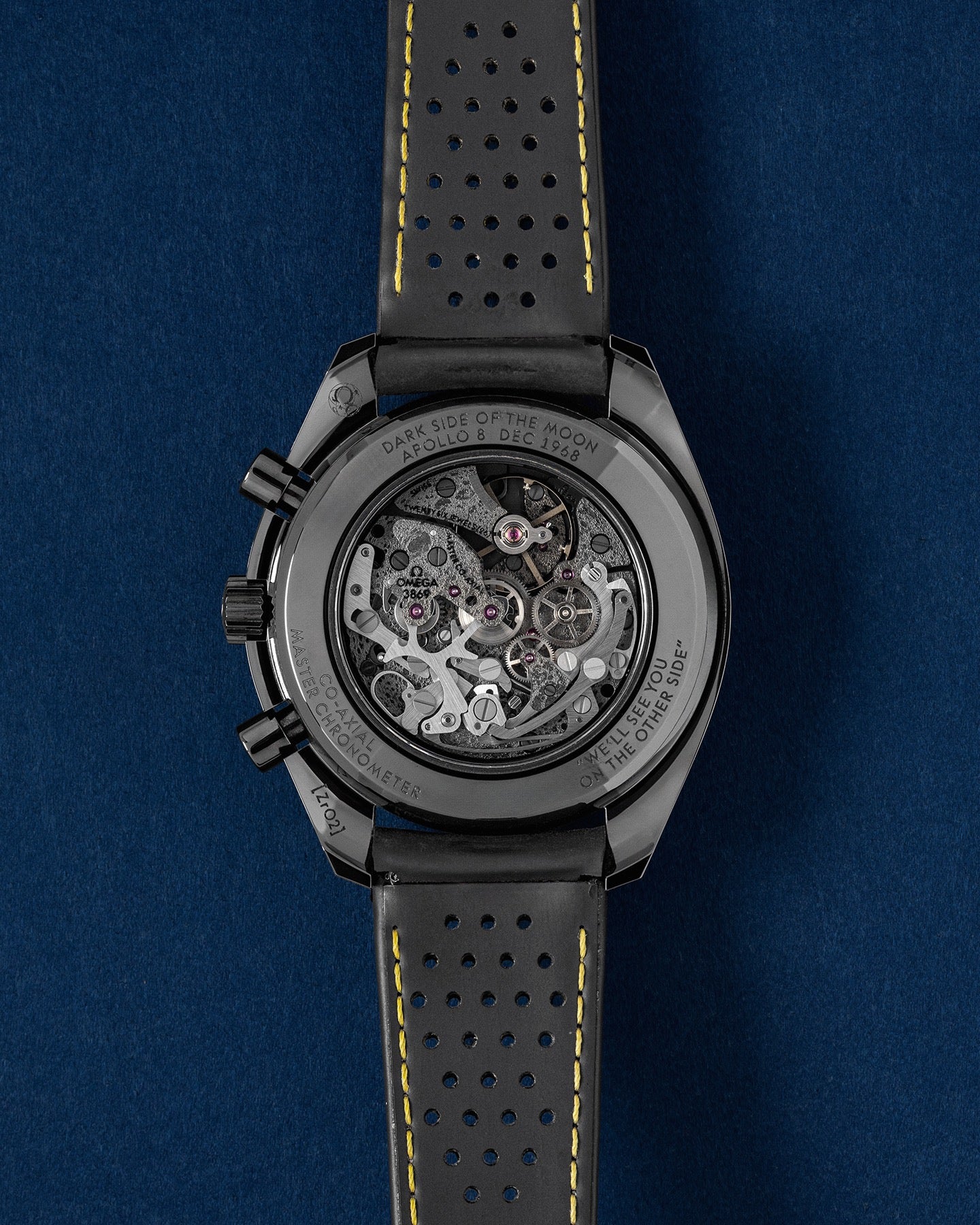
The 2010s then brought a wave of black ceramic watches. Audemars Piguet built Royal Oak Offshore models in black ceramic, while IWC added ceramic Top Gun pilot's watches. Then, in 2013, Omega launched the Speedmaster Dark Side of the Moon, with a case cut from a single block of black ceramic. Omega also later added a black ceramic Planet Ocean and Seamaster 300M. As a result, the all-black ceramic watch became a modern classic.
Two-Color Bezels and the Rise of Cerachrom
Rolex kept pushing ceramic forward, too. Firstly, in 2013, it launched a two-color blue and black Cerachrom bezel on the GMT-Master II. Then, in 2014, it followed with the famous red and blue "Pepsi" bezel. Later, in 2016, the steel Daytona also gained a black Cerachrom bezel. So today, nearly every Rolex sport watch wears a ceramic bezel.
The Color Revolution
Then, by 2017, brands had learned to make ceramic in bright, stable colors. IWC launched sand, green and blue Top Gun cases, while Hublot unveiled its red Big Bang Unico in 2018. Tudor also built the Black Bay Ceramic in 2021, which became its first watch with a Master Chronometer movement. Then Hublot added blue, yellow and other shades. As a result, ceramic watches now come in nearly any color you can imagine.
Ceramic Watches Today
Today, ceramic watches are also a standard part of nearly every major brand's line. They range from tough dive watches to elegant dress pieces, as well as wild limited editions. Many brands also mix ceramic with gold, titanium or carbon. So ceramic has become one of the most exciting materials in the field. Yet its core appeal is still the same, because it looks new for years.
Types of Ceramic Watches
Not all ceramic watches serve the same purpose, so it helps to know the main styles. Some use ceramic for the whole case, while others use it only for the bezel. Some also mix ceramic with gold or titanium. So here is a guide to the main types you will find in our collection.
Full Ceramic Case Watches
Full ceramic watches use ceramic for the entire case, so they offer the most scratch resistance. The Omega Dark Side of the Moon, the Hublot Big Bang in ceramic and the Tudor Black Bay Ceramic are, for example, fine choices. The Audemars Piguet Royal Oak Offshore in black ceramic also belongs here. So these ceramic watches suit buyers who want a bold, all-over look.
Ceramic Bezel Watches
Ceramic bezel watches, however, use ceramic only for the ring around the crystal. So they keep a steel or gold case, while the bezel stays bright and scratch-free. The Rolex Submariner, the Omega Seamaster and many TAG Heuer models also use this style. In fact, it is now the most common way to wear ceramic on a luxury watch.
Ceramic Dive Watches
Ceramic dive watches also pair a hard case with real water resistance. The Omega Planet Ocean Deep Black and the black ceramic Seamaster 300M are, of course, great examples. Ceramic suits divers well, too, because salt water cannot rust or fade it. Our dive watches collection also shows more options for the water.
Ceramic Pilot's Watches
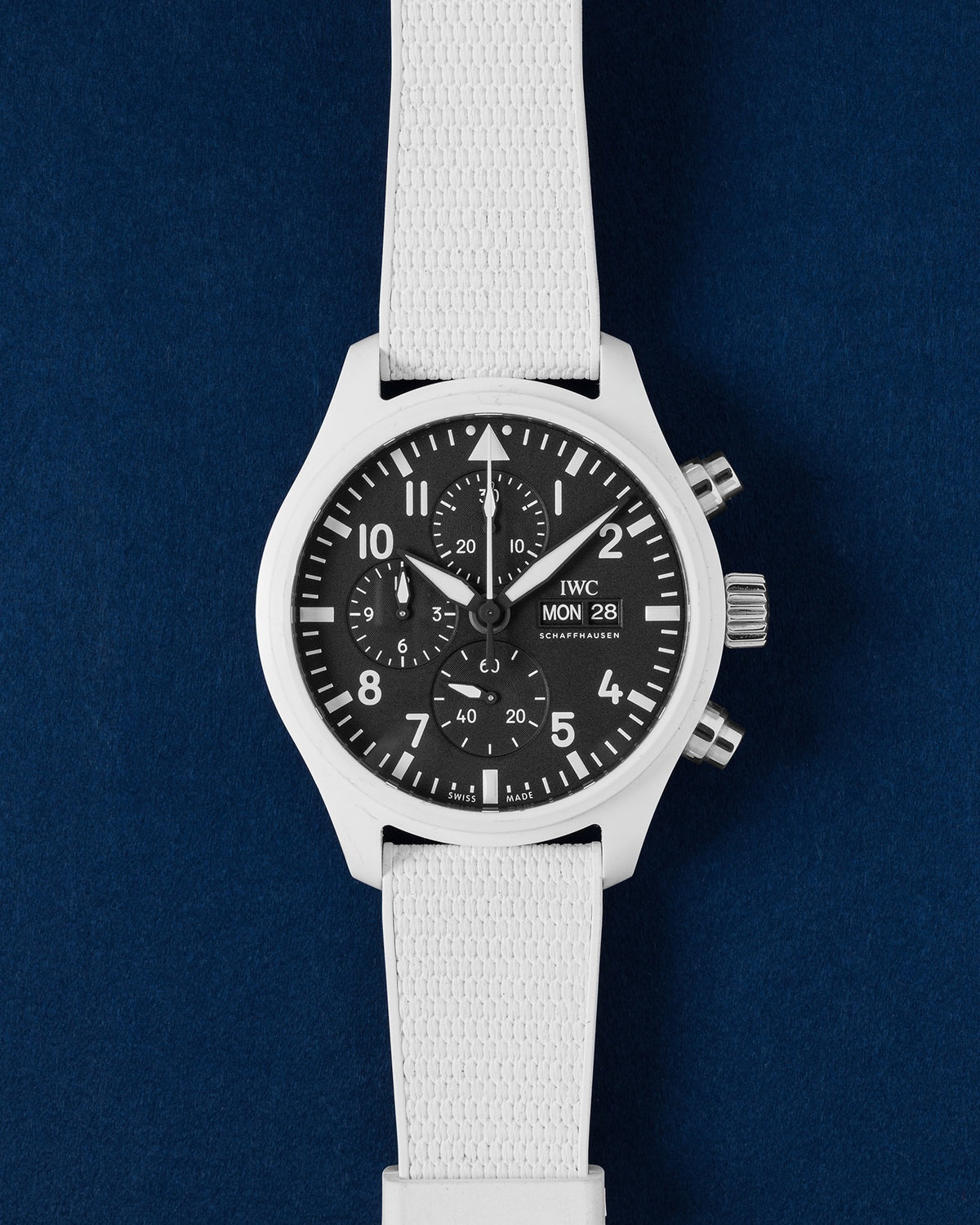
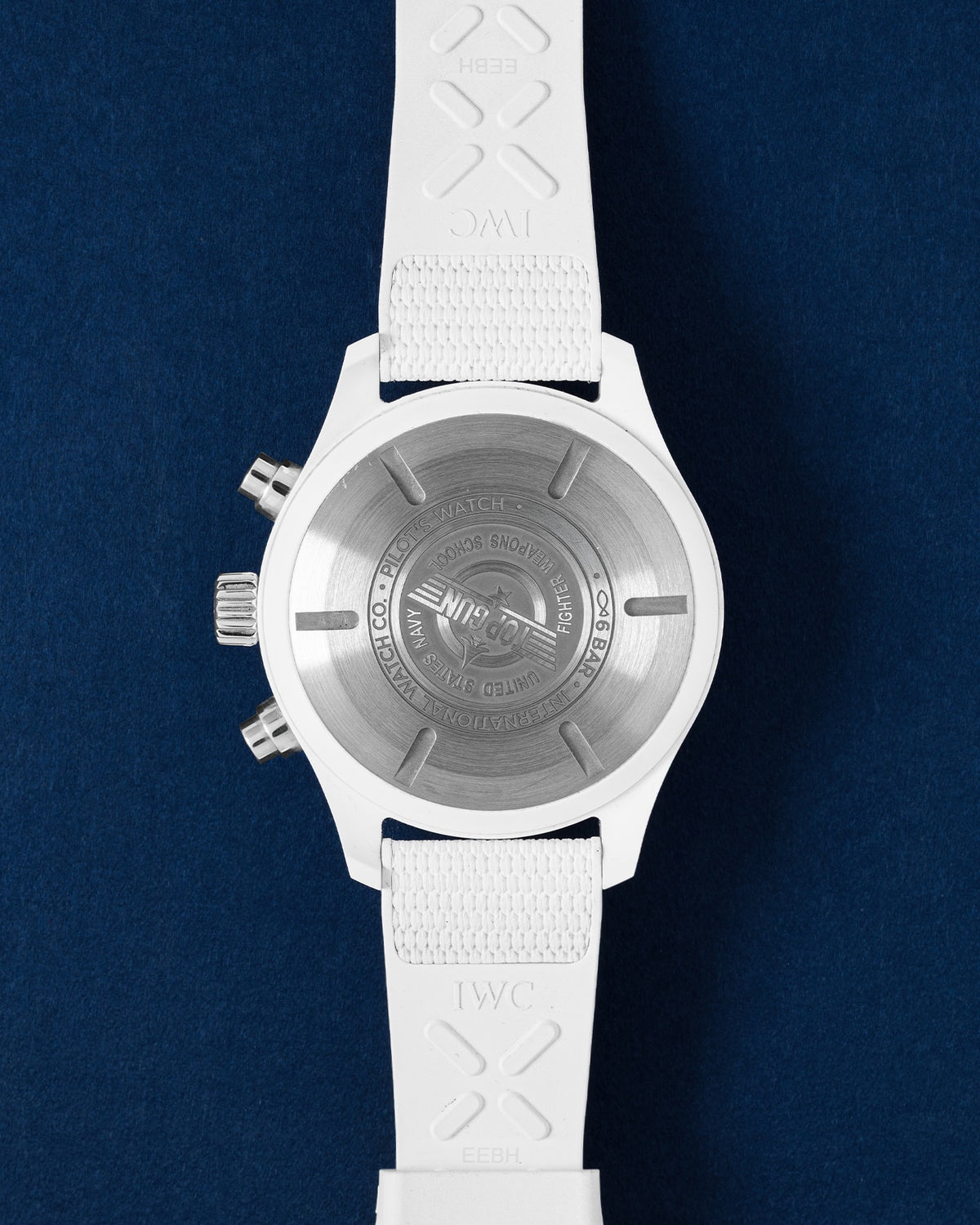
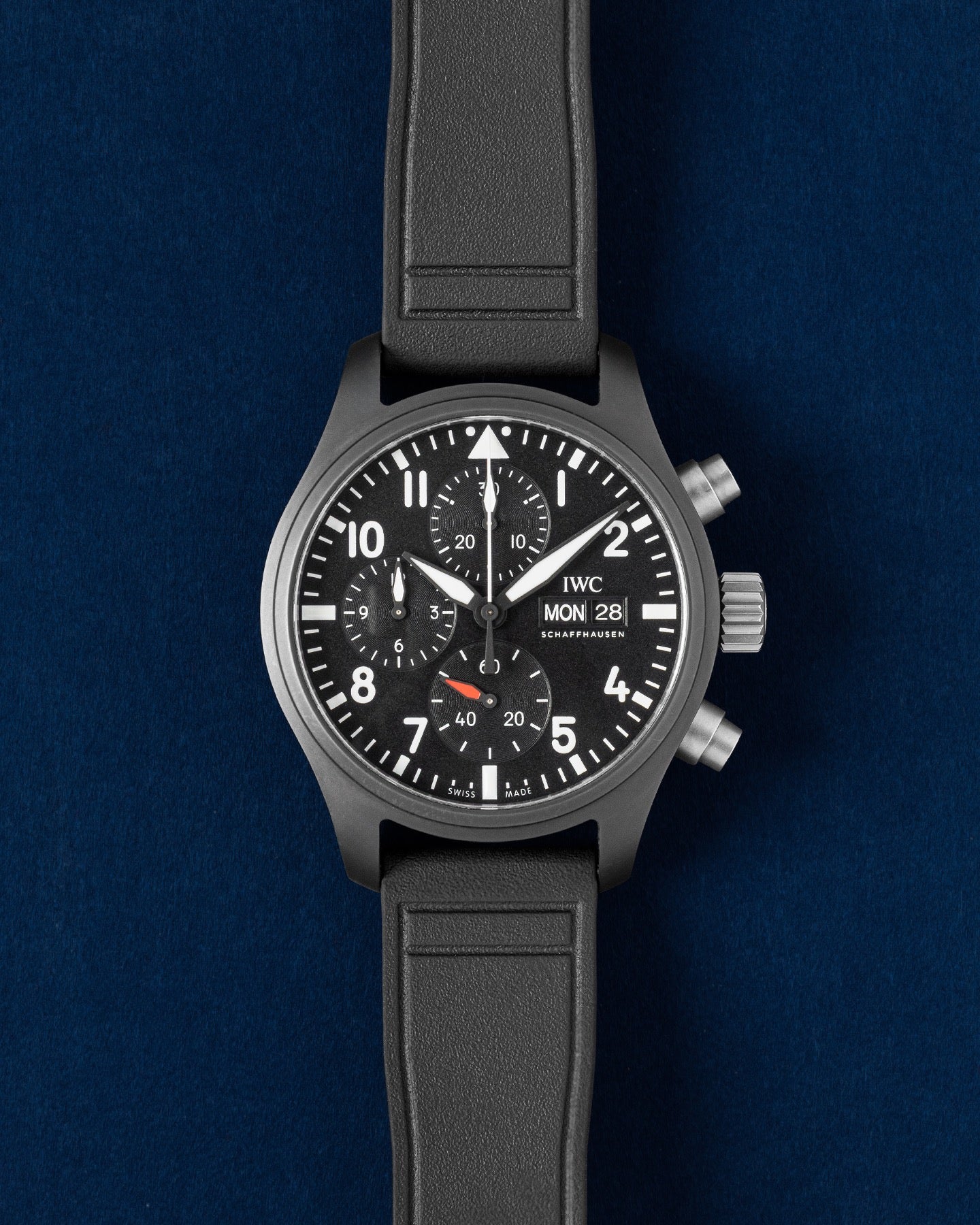
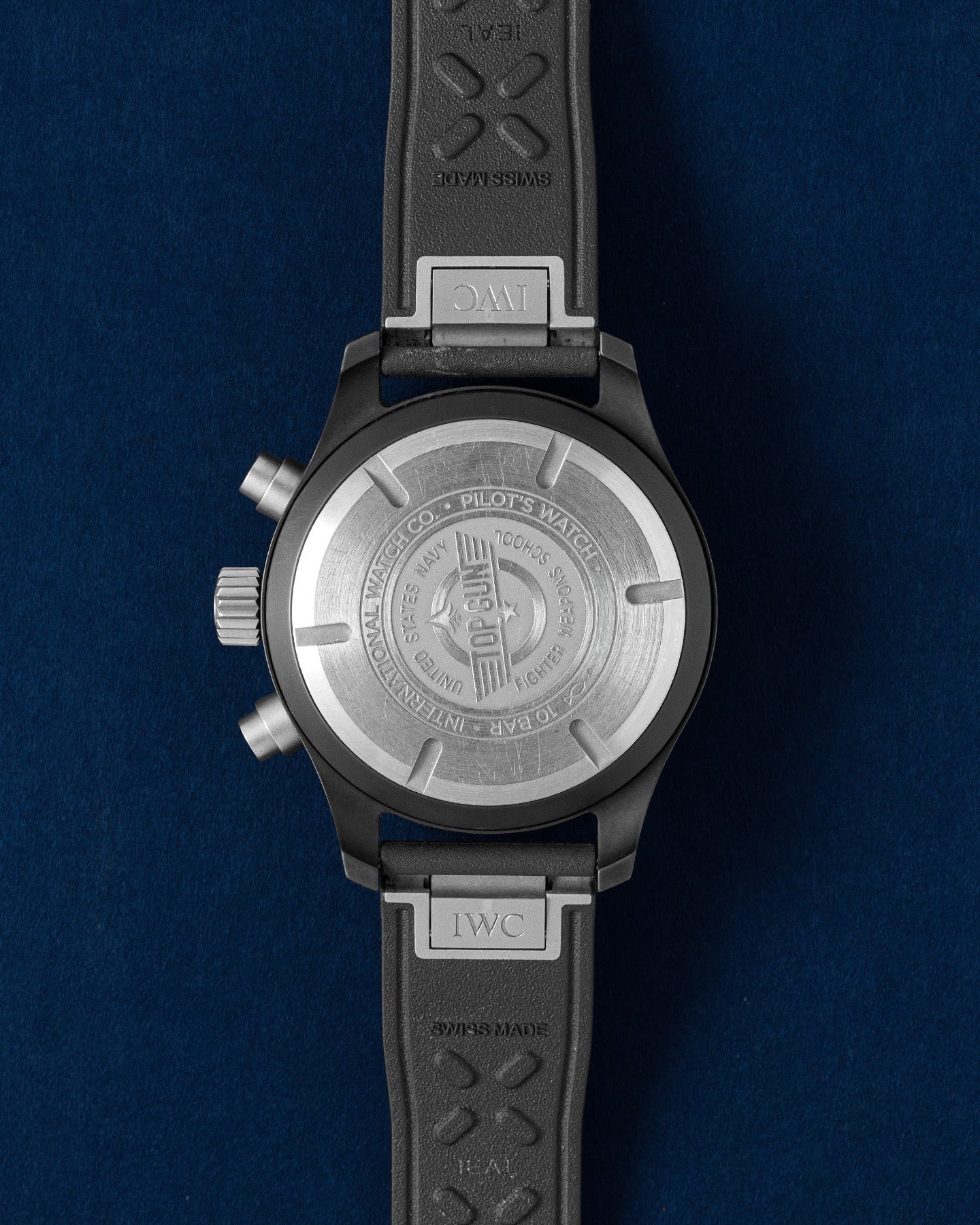
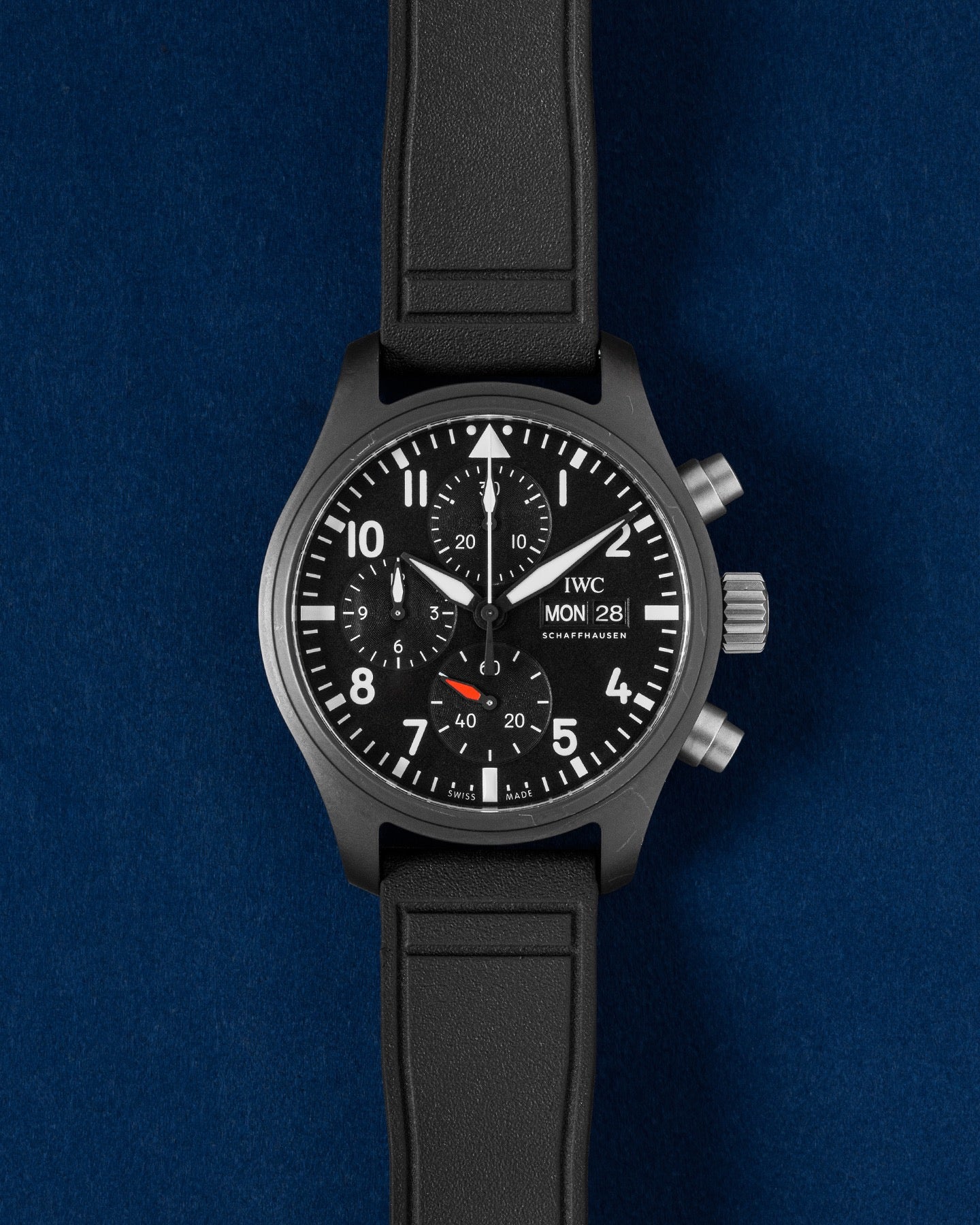
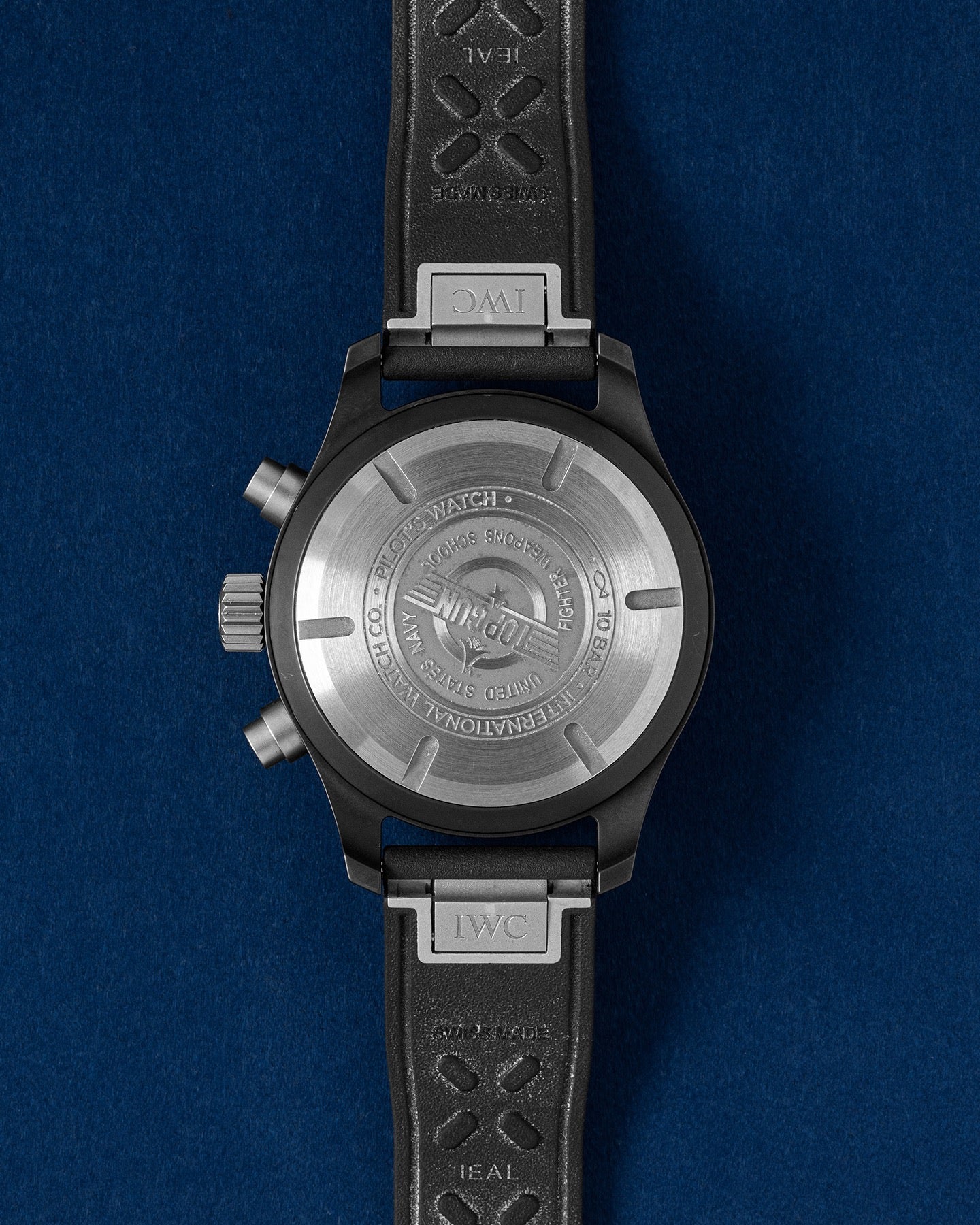
Ceramic pilot's watches come mainly from IWC, because it has used ceramic for decades. The Top Gun line uses black and colored ceramic cases, so they stay light and tough. Special editions, such as the Lake Tahoe in white ceramic, also stand out. Our pilot watches collection also covers more flight-ready designs.
Ceramic Chronographs
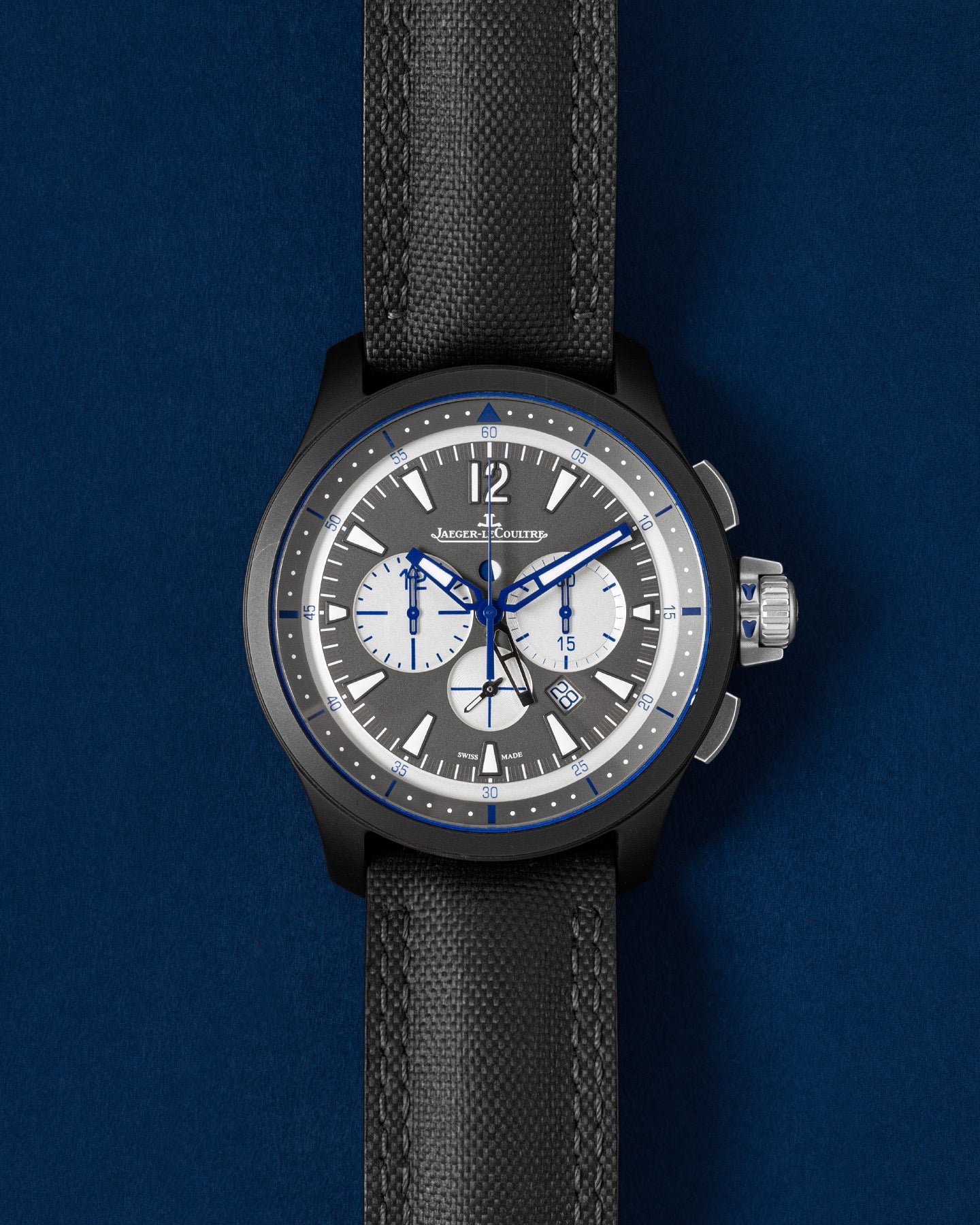
Many of the boldest ceramic watches, in fact, are chronographs. The Omega Dark Side of the Moon, the Hublot Big Bang and the Royal Oak Offshore, for instance, all add a stopwatch. Jaeger-LeCoultre also makes a ceramic Master Compressor chronograph. So these watches mix function with a dramatic look. Our chronograph watches collection also covers more timing options.
Colored Ceramic Watches
Colored ceramic watches, meanwhile, are the newest and most playful part of the field. Hublot offers red, blue, yellow and other shades, while IWC makes sand, green and blue cases. Girard-Perregaux also offers a green ceramic Laureato. So these ceramic watches suit buyers who want a watch that truly stands out.
Ceramic and Gold Watches
Some ceramic watches also mix ceramic with gold for extra luxury. Hublot pairs ceramic with gold on many Big Bang models, while Rolex sets Cerachrom bezels on gold cases. Omega also fuses ceramic with gold on some Seamaster and Speedmaster models. So these pieces blend warmth and toughness in one design. Our gold watches collection also shows more options in precious metal.
Guide to Ceramic Watch Key Terms
Ceramic watches come with their own language, so a few key terms make shopping easier. Once you know them, you can also compare models with confidence. Here are the terms that come up most often when we talk about ceramic watches.
Material Terms for Ceramic Watches
Zirconium oxide, also called zirconia, is the main material in most ceramic watches. Sintering, meanwhile, is the firing process that fuses the powder into a solid. Cerachrom is the name Rolex gives its ceramic bezels, while Ceratanium is a titanium alloy from IWC with a ceramic-like surface. Finally, Magic Gold is a Hublot material that blends gold with ceramic for extra scratch resistance.
Finish Terms for Ceramic Watches
A polished finish gives ceramic a deep, glossy shine, while a matte or brushed finish gives a softer look. Many ceramic watches also mix both finishes on one case. Meanwhile, the term "monobloc" describes a case made from one piece, such as on the Dark Side of the Moon. In short, finish shapes how a ceramic watch catches the light.
Movement and Testing Terms for Ceramic Watches
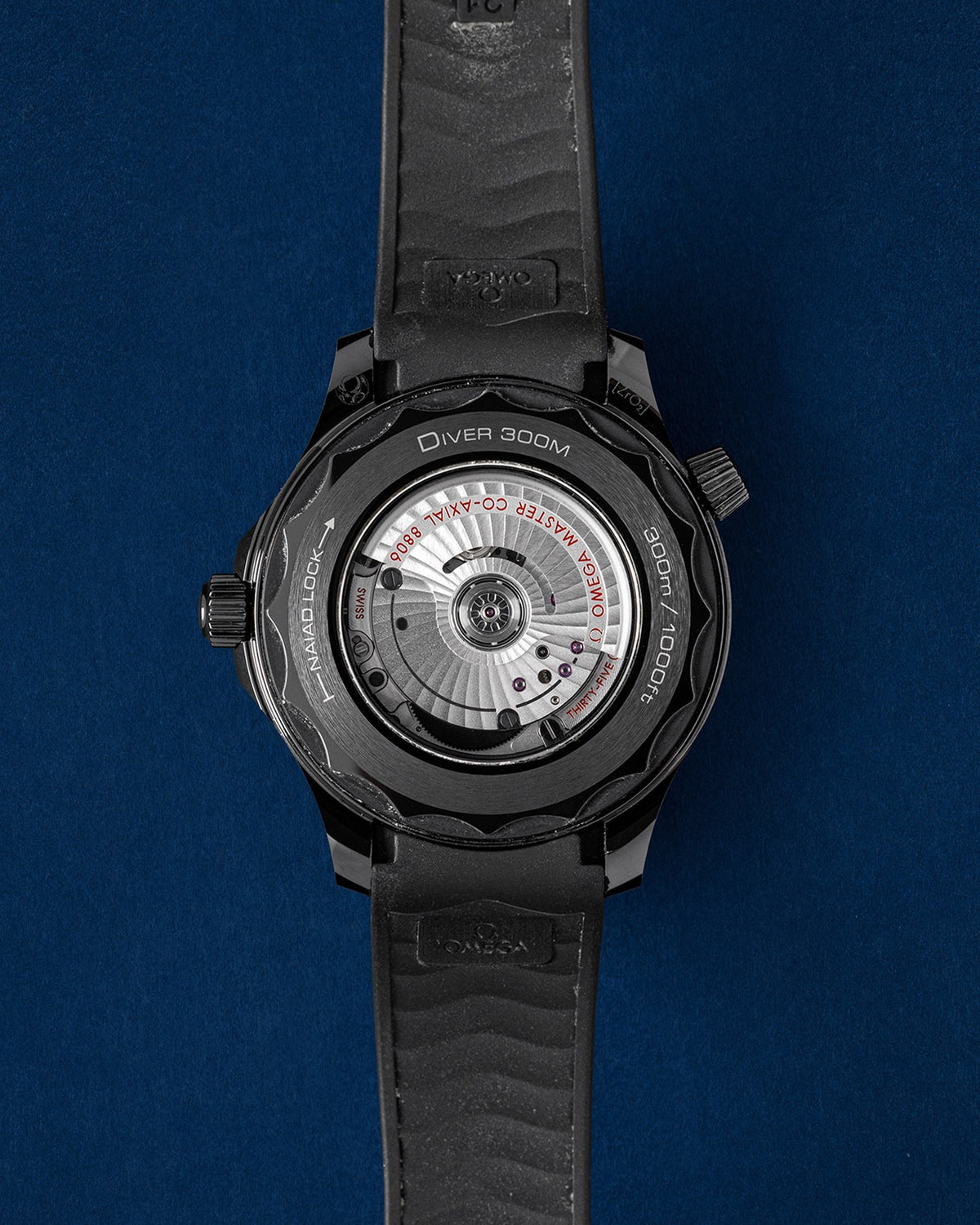
A Master Chronometer is a watch tested by METAS for accuracy and magnetic resistance, such as the Omega and Tudor ceramic models. COSC is the Swiss chronometer test, while a co-axial escapement is an Omega design that cuts friction. Finally, a sapphire crystal is the clear cover over the dial, which is also very hard. So these terms tell you how well ceramic watches are built and tested.
Looking to Sell Your Ceramic Watches
Grand Caliber buys ceramic watches every day, so selling to us is simple. Firstly, call, text or email us with the brand, model, year and condition. Also tell us which box and papers you still have. We will then come back with a real number, often the same day. There is no pressure, and there is also no obligation. If you prefer, also bring the watch to our Uptown Dallas showroom, so we can look at it together.
We buy ceramic watches across the full range, such as Hublot Big Bang, Omega Dark Side of the Moon and IWC Top Gun models. We also buy Tudor, Panerai and Audemars Piguet ceramic pieces, as well as rare limited editions. Either way, we will also explain plainly how condition, service history and papers shape your offer.
Consignment is also available when you want to reach more buyers. We handle estate sales and full collection sales with care, too. Many clients also trade ceramic watches toward another piece in our stock. In many cases, a trade is the easiest way to move from one watch to the next, because it saves time on both sides.
The Brands That Define Ceramic Watches
Many brands now make ceramic watches, although a handful have shaped the field more than the rest. Each one also brings its own style. So here is a closer look at the makers you will find most often in our collection of ceramic watches.
Hublot
Hublot has done more than almost any brand to make ceramic exciting. The Big Bang launched in 2005, and it soon became famous for its bold mix of ceramic, rubber and gold. Later, Hublot also made all-black ceramic models, as well as the Classic Fusion and Spirit of Big Bang in ceramic.
Hublot is also the leader in colored ceramic. In 2018, it created a vivid red ceramic, and it then added blue, yellow and other shades. Many models also come as limited editions with artists and designers. So Hublot offers some of the boldest ceramic watches in the world.
Omega
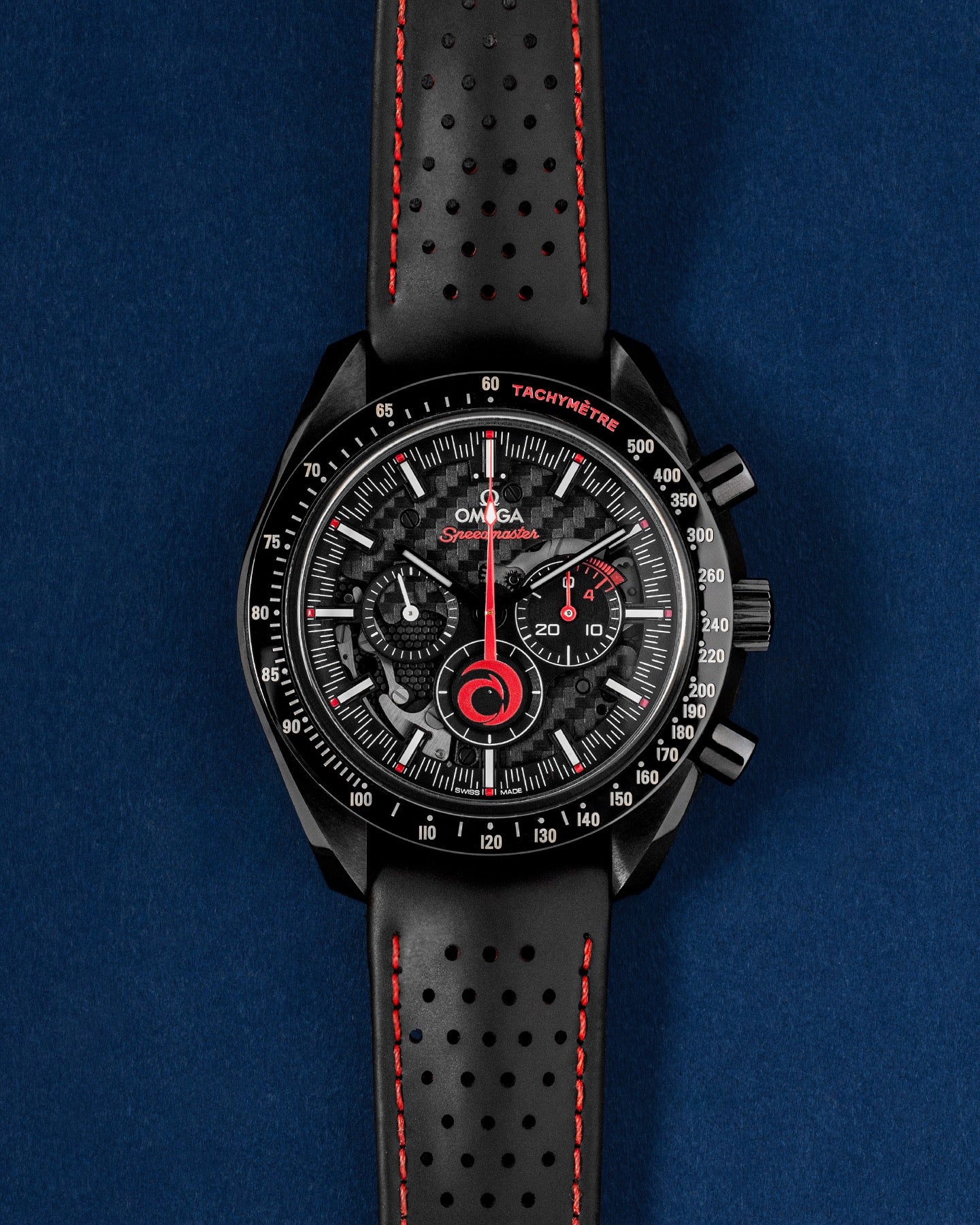
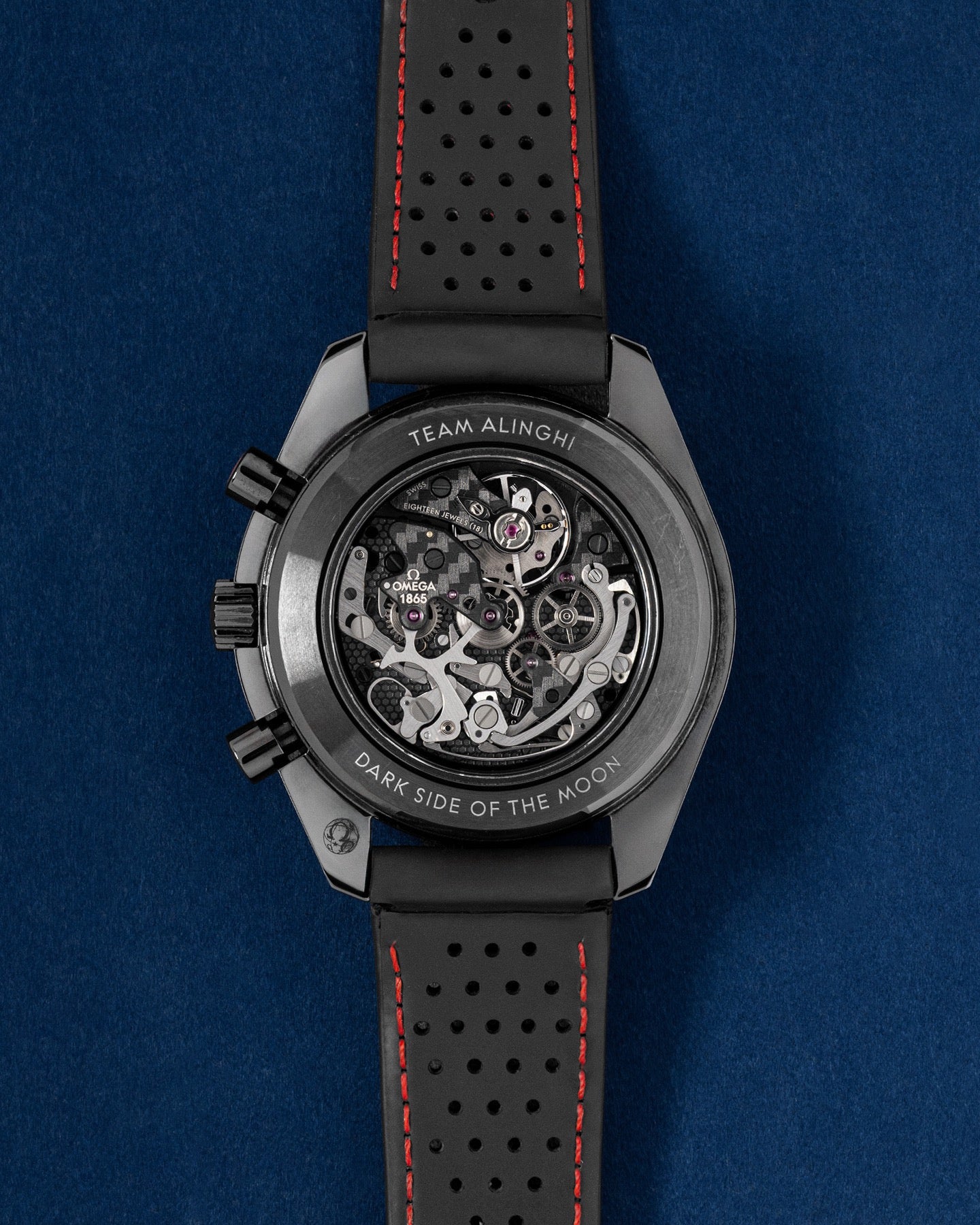
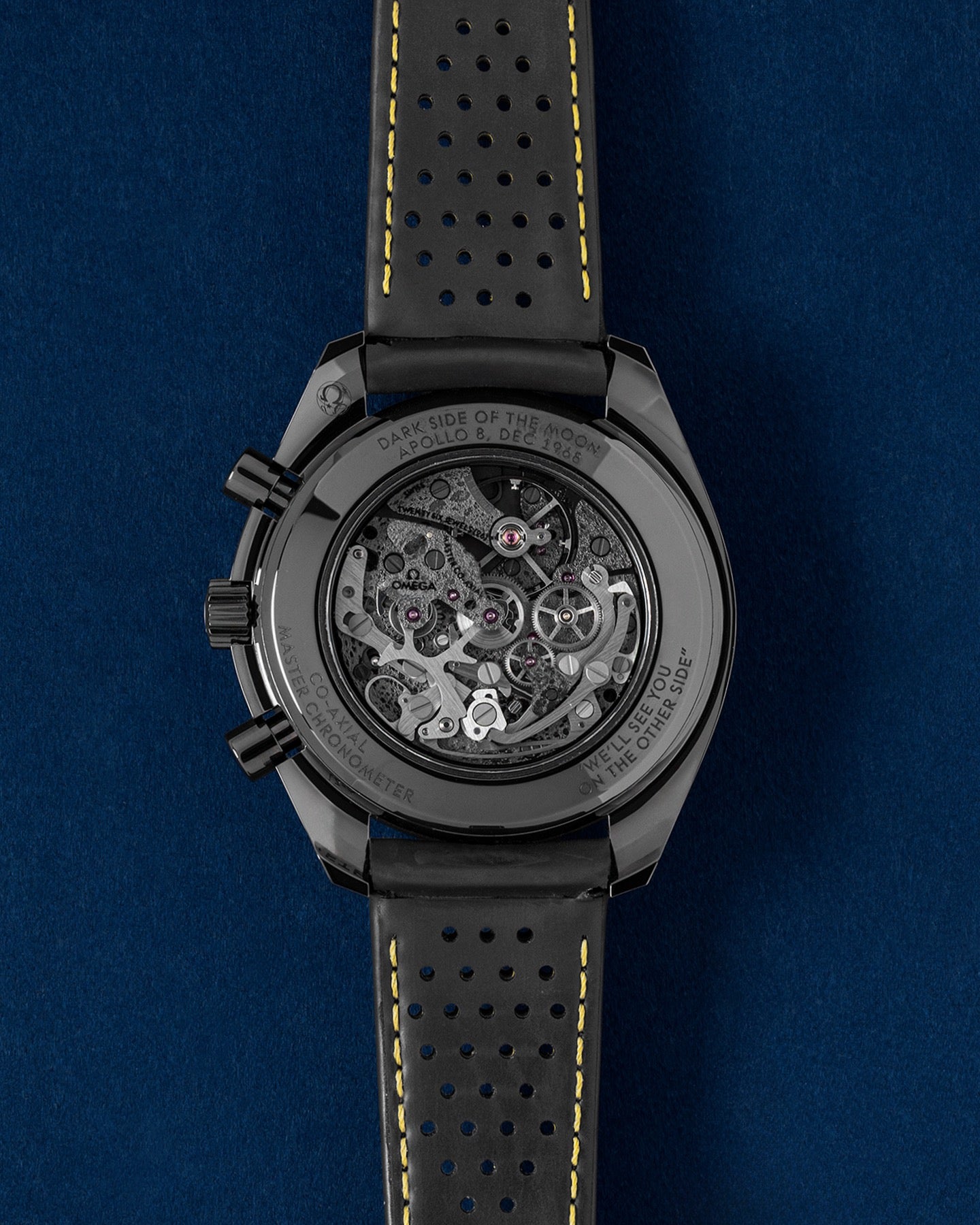
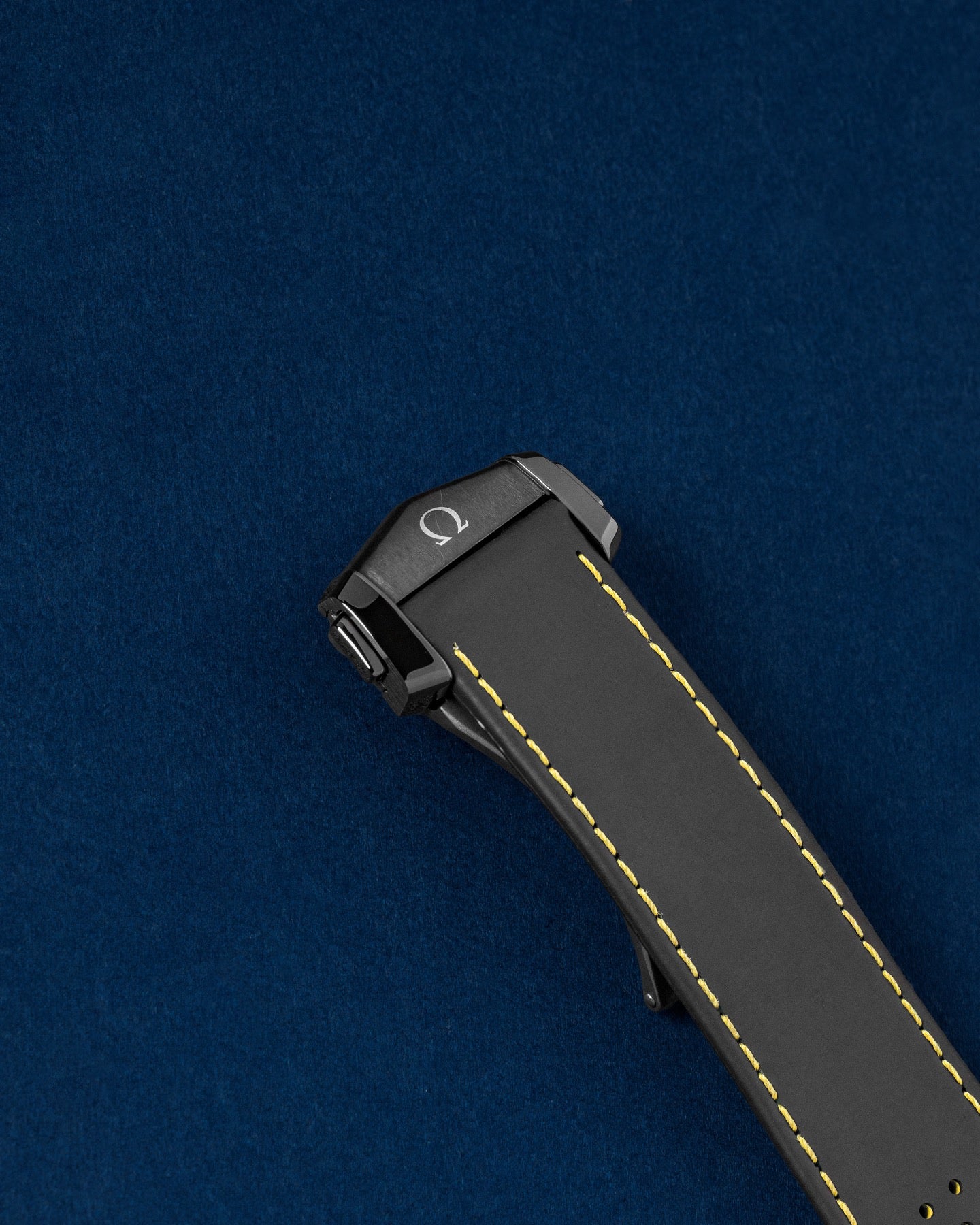
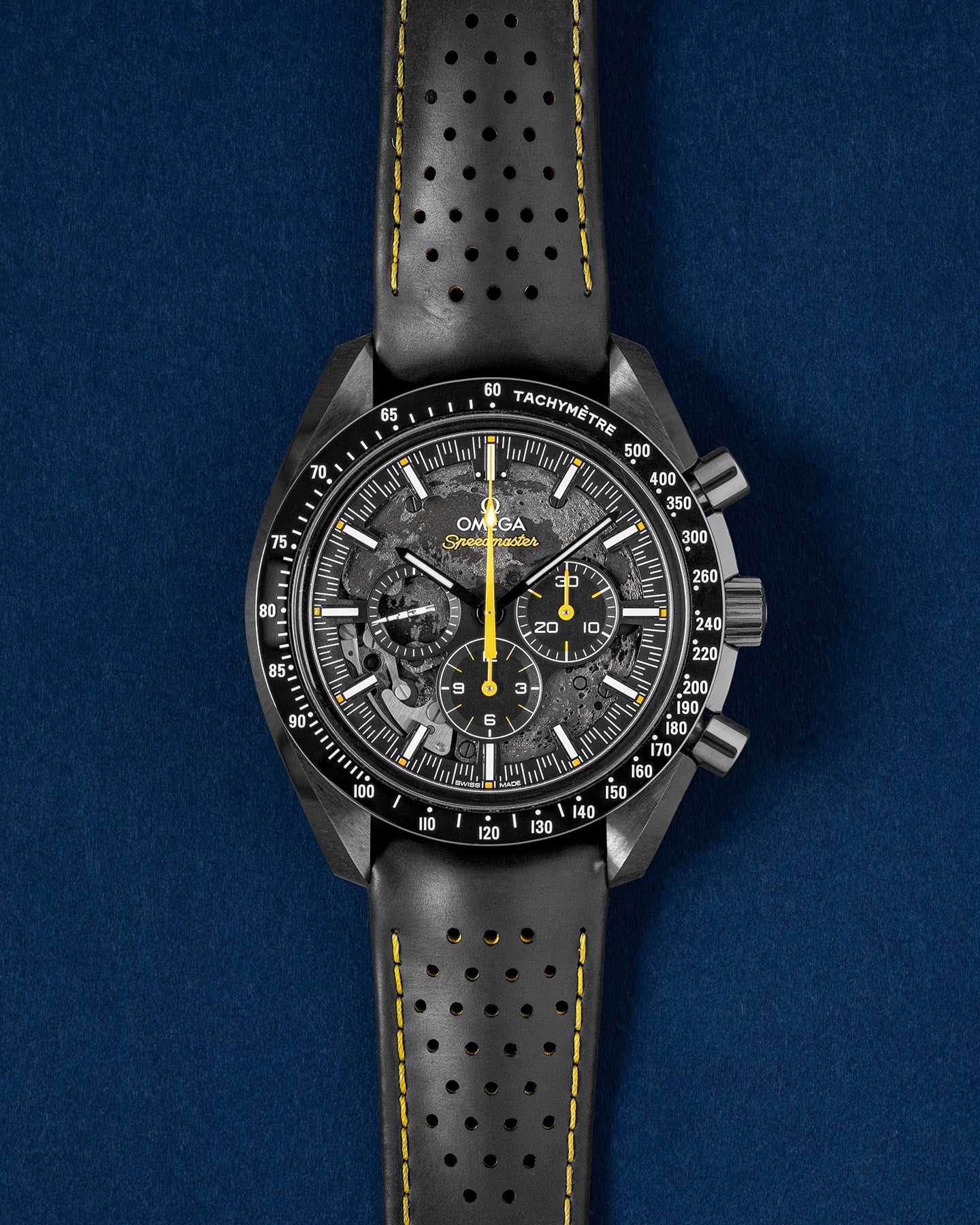
Omega launched the Speedmaster Dark Side of the Moon in 2013, and it then became an instant hit. Its case is made from a single block of black ceramic, while the dial is also ceramic. The line then grew to include many versions, such as the Apollo 8 with a skeleton-style dial. These ceramic watches also use Omega's own chronograph movements.
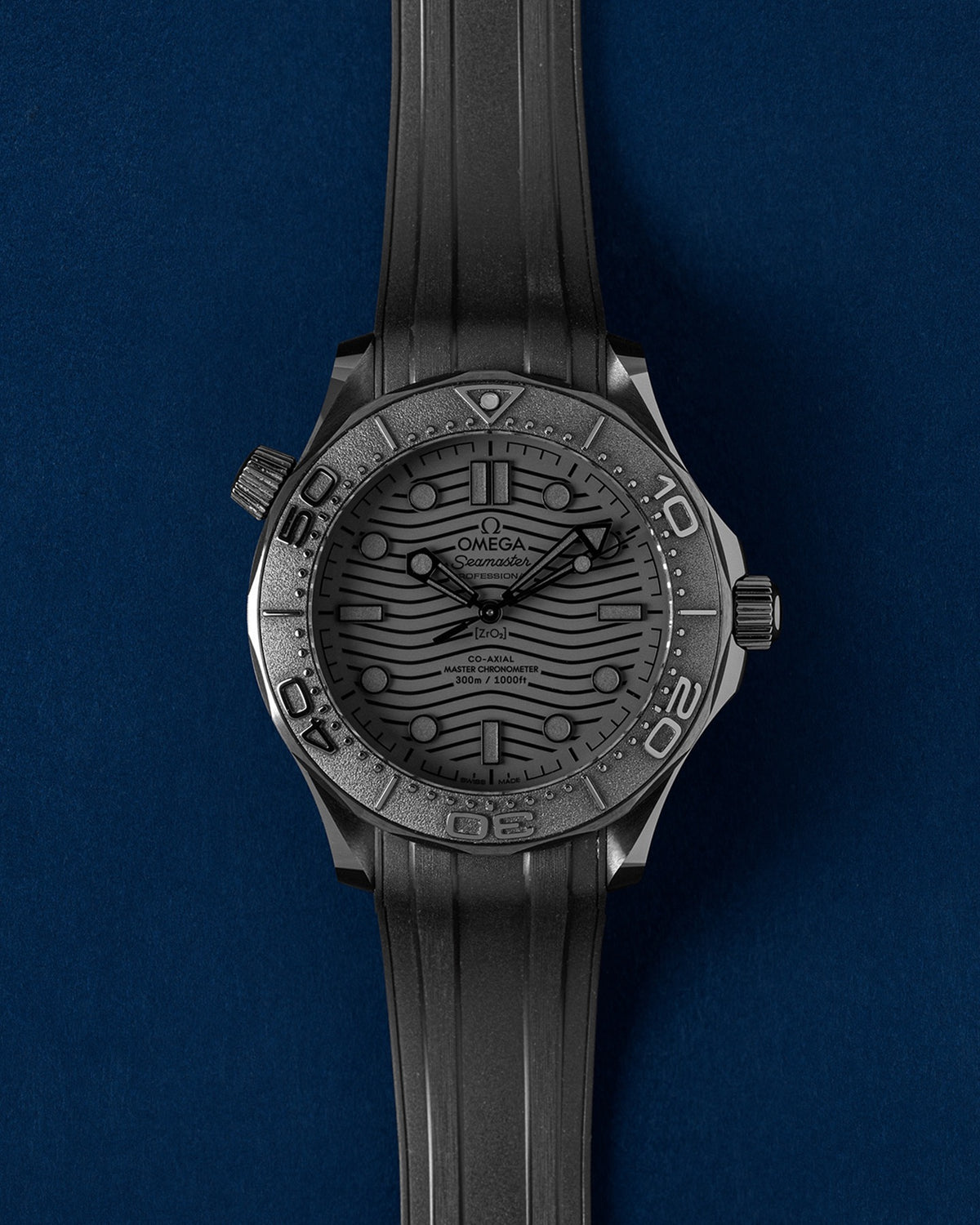
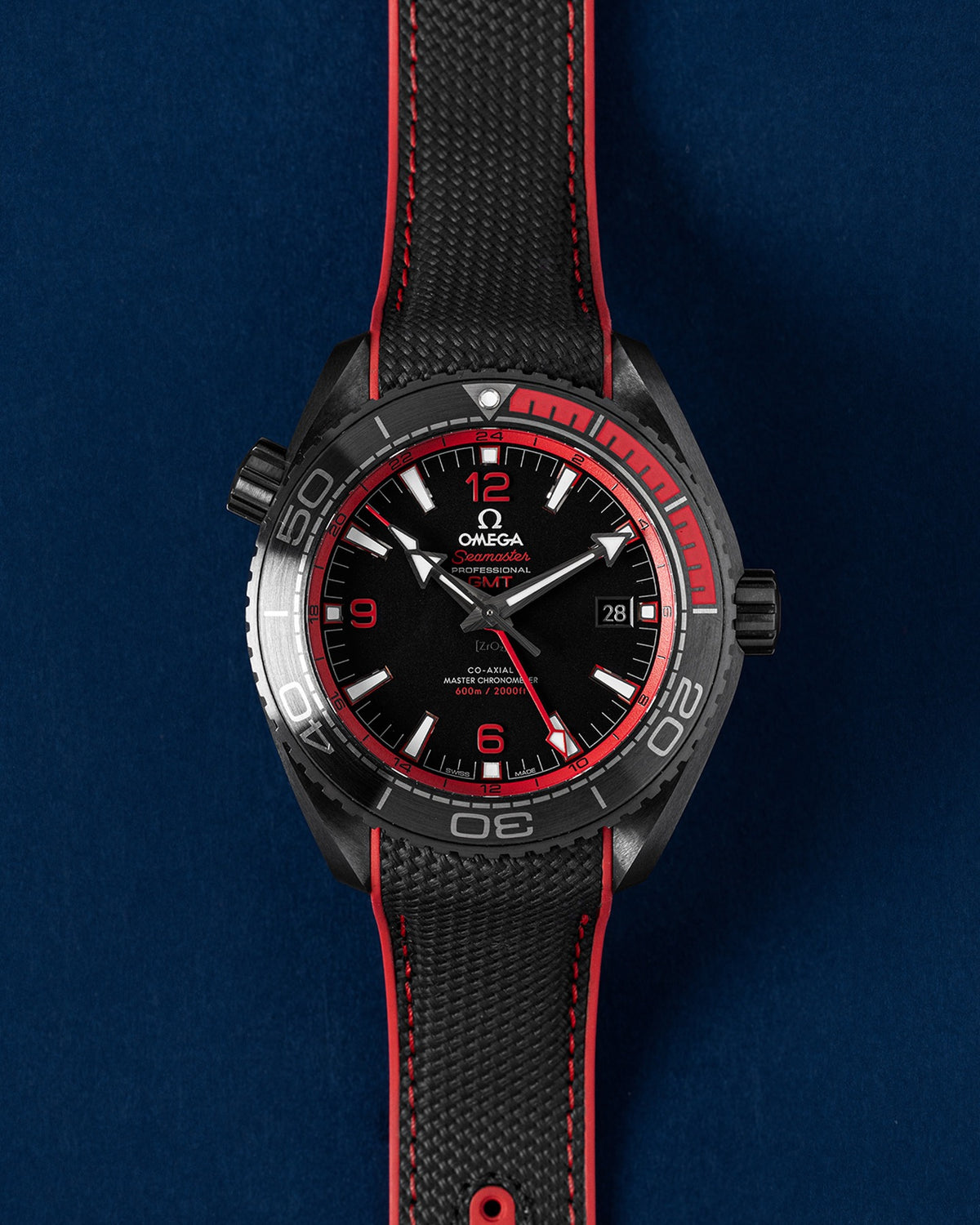
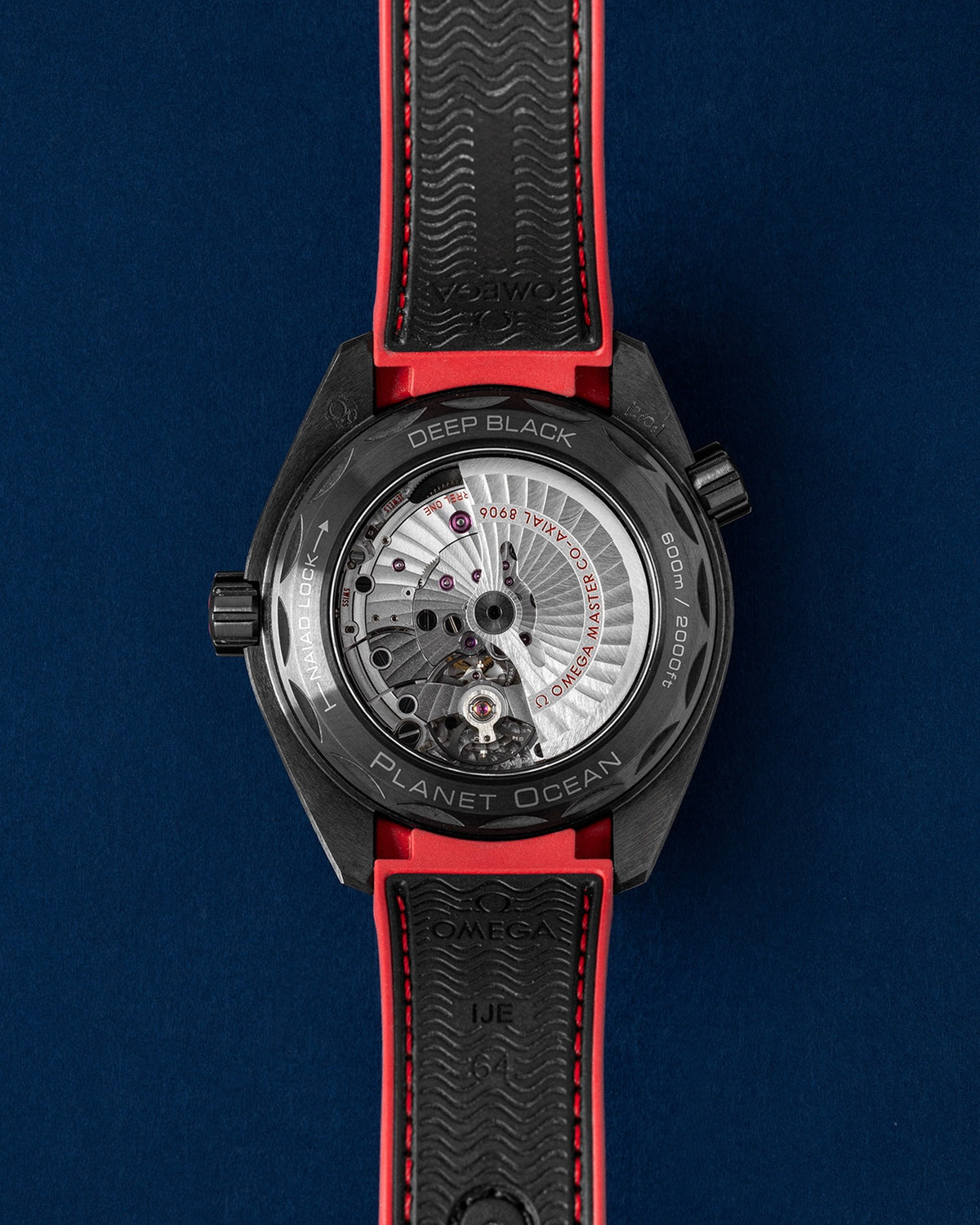
Omega also offers ceramic dive watches. The Planet Ocean Deep Black is rated to 600 meters, so it is one of the toughest ceramic watches made. The black ceramic Seamaster 300M is also a favorite. As a result, Omega covers both sport and space in ceramic.
IWC
IWC was a true pioneer, because it built a ceramic Da Vinci in 1986. It then made the cult 3705 pilot's chronograph in 1994. Today, the Top Gun line also carries that tradition forward with black and colored ceramic cases.
IWC also created Ceratanium, a light titanium alloy with a hard black surface. Special editions, such as the Lake Tahoe and the Mojave Desert, also offer rare colors. So IWC is a key name for anyone who loves ceramic watches.
Audemars Piguet
Audemars Piguet also uses ceramic on some of its most striking Royal Oak Offshore models. Black ceramic cases, for example, give the famous octagonal design a stealthy, modern look. The brand has also made ceramic Royal Oak models with complex movements. So AP offers some of the most refined ceramic watches at the top of the market.
Rolex Cerachrom
Rolex does not make full ceramic cases, although its Cerachrom bezels are famous. They first appeared on the GMT-Master II in 2005, and they also now appear on the Submariner, the Daytona and other sport models. The colors are also nearly impossible to scratch or fade. So Cerachrom has helped make ceramic a normal part of luxury watches.
Tudor
Tudor launched the Black Bay Ceramic in 2021, and it then quickly drew attention. Its matte black ceramic case pairs with a black dial, while the movement is certified as a Master Chronometer. In fact, it was the first Tudor to earn that title. So the Black Bay Ceramic is one of the best values in ceramic watches today.
Panerai
Panerai has also used ceramic on several Luminor and Radiomir models. The Radiomir Black Seal in ceramic, for instance, gives the classic cushion case a dark, modern look. Panerai also uses other high-tech materials, such as carbon and titanium. So Panerai offers bold ceramic watches with real naval roots.
Jaeger-LeCoultre and Girard-Perregaux
Jaeger-LeCoultre has also made ceramic Master Compressor models, which pair fine movements with tough cases. Girard-Perregaux also offers the Laureato in ceramic, including a green edition made with Aston Martin. Both brands show that ceramic watches can be elegant as well as sporty.
The Science of Ceramic Watches
The appeal of ceramic watches, in short, comes down to science. Ceramic behaves very differently from metal, so it helps to know why. Once you understand it, you can also choose and care for your watch with more confidence. So here are the basics, in plain terms.
Why Ceramic Is So Hard
Metal is made of atoms that can slide past each other, so it bends and scratches. Ceramic, however, locks its atoms in a rigid structure. So a hard object tends to glide across the surface rather than dig in. That is why ceramic watches keep their shine, while steel watches slowly pick up fine marks. In fact, only very hard materials, such as diamond or sapphire, can scratch good ceramic.
Why Ceramic Can Crack
The same rigid structure also has a downside. Because ceramic cannot bend, a sharp blow can make it chip or crack. So a fall onto a stone floor is the main risk for ceramic watches. Still, most daily knocks are far too soft to cause harm. In short, ceramic trades a little impact strength for a lot of scratch resistance.
Heat, Cold and Magnetism
Ceramic also stays stable in heat and cold, so it does not swell or warp. It also warms quickly to the skin, which makes it feel pleasant to wear. In addition, ceramic is not magnetic, so the case itself will not attract magnets. As a result, ceramic watches handle a wide range of conditions with ease.
Ceramic Watches for an Active Life
Ceramic watches are also a natural fit for people who stay busy. They are light, tough and easy to clean, so they keep up with almost anything. So here is how they handle the most common parts of an active life.
Ceramic Watches for Travel
Travel is hard on watches, because bags, armrests and security trays all cause scuffs. Ceramic watches, however, shrug off that kind of wear. They are also light, so they stay comfortable on long flights. A ceramic GMT or pilot's watch also tracks time at home, too. So many frequent flyers choose ceramic as their travel watch.
Ceramic Watches for Sport and the Gym
Ceramic watches also suit sport, especially golf, tennis and cycling. They stay light on the wrist, while sweat cannot harm the case. A rubber strap also makes them easy to rinse after a workout. Still, take your watch off for heavy lifting, because a hard knock against a bar can chip ceramic. In short, ceramic is a great partner for most sports.
Ceramic Watches in Hot Weather
Hot summers are another reason to love ceramic watches. Ceramic, for instance, does not get as heavy or sticky on the wrist as a steel bracelet. Paired with a rubber or fabric strap, it also stays cool and comfortable. So ceramic is a smart choice for long Texas summers, as well as beach trips and pool days.
Questions to Ask Before Buying Ceramic Watches
Buying ceramic watches is easy when you ask the right questions. So here are the ones our team hears most, along with what to look for. They also apply whether you shop with us or elsewhere.
Firstly, ask whether the whole case is ceramic or only the bezel. Both are great, although they wear differently. Then ask about chips, especially on the lugs, corners and bezel edge. Also ask whether the strap is original, because many ceramic watches use special fitted straps. Finally, ask about box, papers and service history, as well as any past repairs.
It also helps to try the watch on, especially if it is a large model. Ceramic watches often wear lighter than their size suggests, so a 44mm case may feel smaller than you expect. In fact, many buyers are surprised by how comfortable a big ceramic watch feels. So our team is always happy to let you compare sizes in person or by video call.
Early and Discontinued Ceramic Watches
Ceramic watches are still young, although the early ones already draw strong interest. They also show how brands first learned to tame the material. Many were also made in small numbers, so they are hard to find today. As a result, the best early examples are prized by collectors who love the story of ceramic.
Early IWC Ceramic Watches
Early IWC ceramic watches, above all, sit at the top of this niche. The 1986 Da Vinci in black ceramic, for instance, was one of the first of its kind. The 3705 pilot's chronograph from 1994 is also a cult favorite, especially because so few were made. So these pieces mark the true start of modern ceramic watches.
First-Generation Cerachrom Rolex Models
Early Rolex models with Cerachrom bezels also have a strong following. The first black ceramic GMT-Master II from 2005, of course, started the trend. The first two-color Cerachrom bezels, from 2013 and 2014, are also popular, too. So these watches mark the moment ceramic became part of the Rolex story.
Early Hublot and Omega Ceramic Models
Early Hublot Big Bang models in ceramic also helped define the brand's look. The first all-black models, in particular, became icons of the 2000s. Meanwhile, the first Omega Dark Side of the Moon from 2013 is now a modern classic. So these ceramic watches remain popular with buyers who love where the trend began.
Expert Opinions on Ceramic Watches
Watch experts, in fact, often praise ceramic watches as the most practical modern material. They point out that ceramic stays sharp for years, while steel slowly picks up marks. Many also love how light and comfortable a large ceramic watch feels. Still, they note that ceramic can crack if it hits a hard floor or a stone edge.
Experts also tend to agree on a few simple points. Firstly, buy ceramic watches from brands with real experience in the material, because quality varies. Secondly, check the edges and corners closely, especially on pre-owned pieces. Finally, buy from a dealer who checks every watch, because fakes exist here, too. In fact, that advice holds whether you are buying your first ceramic watch or your tenth.
Ceramic Watch Price Trends
Ceramic watches have also shown real staying power over time. Popular models, such as the Dark Side of the Moon and the Black Bay Ceramic, remain in steady demand. Limited Hublot and IWC editions also draw strong interest, especially in rare colors. Meanwhile, top pieces from Audemars Piguet in ceramic stay highly sought after.
Several things also support that appeal. Ceramic is hard to make, so supply is often tight. Ceramic watches also keep their looks, which helps them hold their appeal over time. As a result, a well-chosen ceramic piece can bring both joy and lasting value. Our team can also explain which models have held up best.
Limited Editions and Collaborations in Ceramic Watches
Some of the most exciting ceramic watches, however, are made in small numbers. Brands often use ceramic for special editions, because it shows off color so well. These pieces also make great additions to a collection. Here, then, are the main types you will see.
Limited Edition Ceramic Watches
Limited edition ceramic watches also often mark a special event, place or partner. Omega has made many Dark Side of the Moon editions, such as the Alinghi model. Hublot also releases limited Big Bang models in rare colors, while IWC makes special Top Gun editions. So limited editions let you own ceramic watches with a story of their own.
Artist and Designer Collaborations
Hublot, in particular, loves to team up with artists and designers. It has made ceramic watches with Takashi Murakami, as well as with the fashion designer Yohji Yamamoto. Other brands also work with car makers, such as Girard-Perregaux with Aston Martin. These pieces are rare, so they often appeal to buyers who want something truly unique.
Ceramic with Precious Metals and Gems
Some ceramic watches also add gold or gems for extra luxury. Hublot offers ceramic models with gold accents, while some brands set diamonds into ceramic bezels. The contrast between dark ceramic and bright gems is also striking. Still, these pieces keep the same tough case as standard ceramic watches.
Popular Ceramic Watch Comparisons
Buyers often weigh ceramic against other materials, so here are the comparisons we hear most. Each choice has strengths, too, which means the right one depends on your taste and lifestyle. Our team is also glad to put any of these ceramic watches side by side for you.
Ceramic vs Steel Watches
Steel is the classic watch material, because it is tough, bright and easy to polish. Ceramic, however, is far harder, so it resists scratches much better. It is also lighter and never fades. On the other hand, steel can bend on a hard knock, while ceramic can crack. So ceramic suits buyers who want a watch that stays new, while steel suits those who want proven toughness.
Ceramic vs Titanium Watches
Titanium is light and strong, so it is a popular rival to ceramic. Both materials are comfortable on the wrist, too. However, titanium scratches more easily, while ceramic stays crisp. Titanium also resists hard knocks better, because it bends rather than cracks. So the choice comes down to scratch resistance versus impact strength.
Black vs Colored Ceramic Watches
Black is the classic shade for ceramic watches, because it looks stealthy and modern. It also pairs well with almost any outfit. Colored ceramic, however, makes a much bolder statement. Blue, green and white ceramic also tend to be rarer, so they often stand out to collectors. In the end, the choice comes down to whether you want quiet style or a bold look.
Ceramic vs Carbon Watches
Carbon cases are very light, and they also often show a unique pattern. Ceramic, by comparison, is heavier but far more scratch-resistant. Carbon also has a matte, textured look, while ceramic can be glossy or matte. Some brands, such as Hublot and Audemars Piguet, offer both. So try each on your wrist, because the feel is quite different.
Ceramic Watch Features
Beyond the case, however, ceramic watches differ in many small ways. Dial style, movement, size and strap also change how a watch looks and feels. So it helps to know your options before you choose. So here is a quick guide to the main features of modern ceramic watches.
Ceramic Watch Dials
Many ceramic watches use dark dials that match the case, especially in all-black designs. Some, such as the Dark Side of the Moon, even use ceramic dials. Skeleton dials are also popular, mainly on Hublot models. Meanwhile, bright hands and markers help keep a black dial easy to read. So the dial often sets the whole mood of the watch.
Ceramic Watch Movements
Ceramic watches also use the same fine movements as their steel twins. Omega uses its own co-axial chronograph movements, while Tudor uses a Master Chronometer movement. Hublot also uses its in-house Unico movement in many Big Bang models. So a ceramic case never means a lesser movement inside.
Ceramic Watch Sizes
Ceramic watches generally range from about 38mm to over 45mm. Many are on the larger side, because ceramic keeps big cases light. Still, smaller models, such as the 38mm Laureato, suit slimmer wrists. So try the lug-to-lug length as well as the diameter, because it shapes how a watch fits.
Ceramic Watch Straps and Bracelets
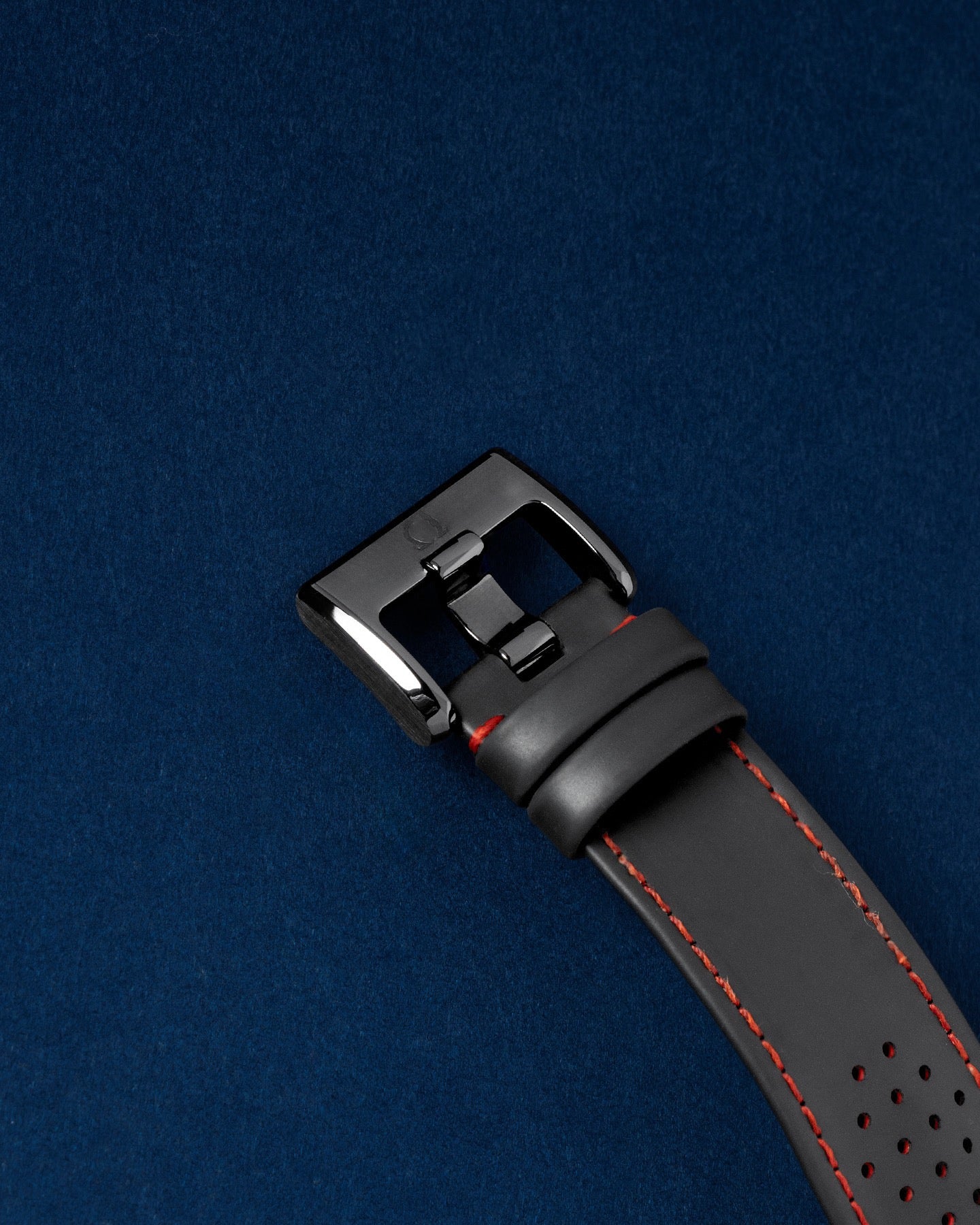
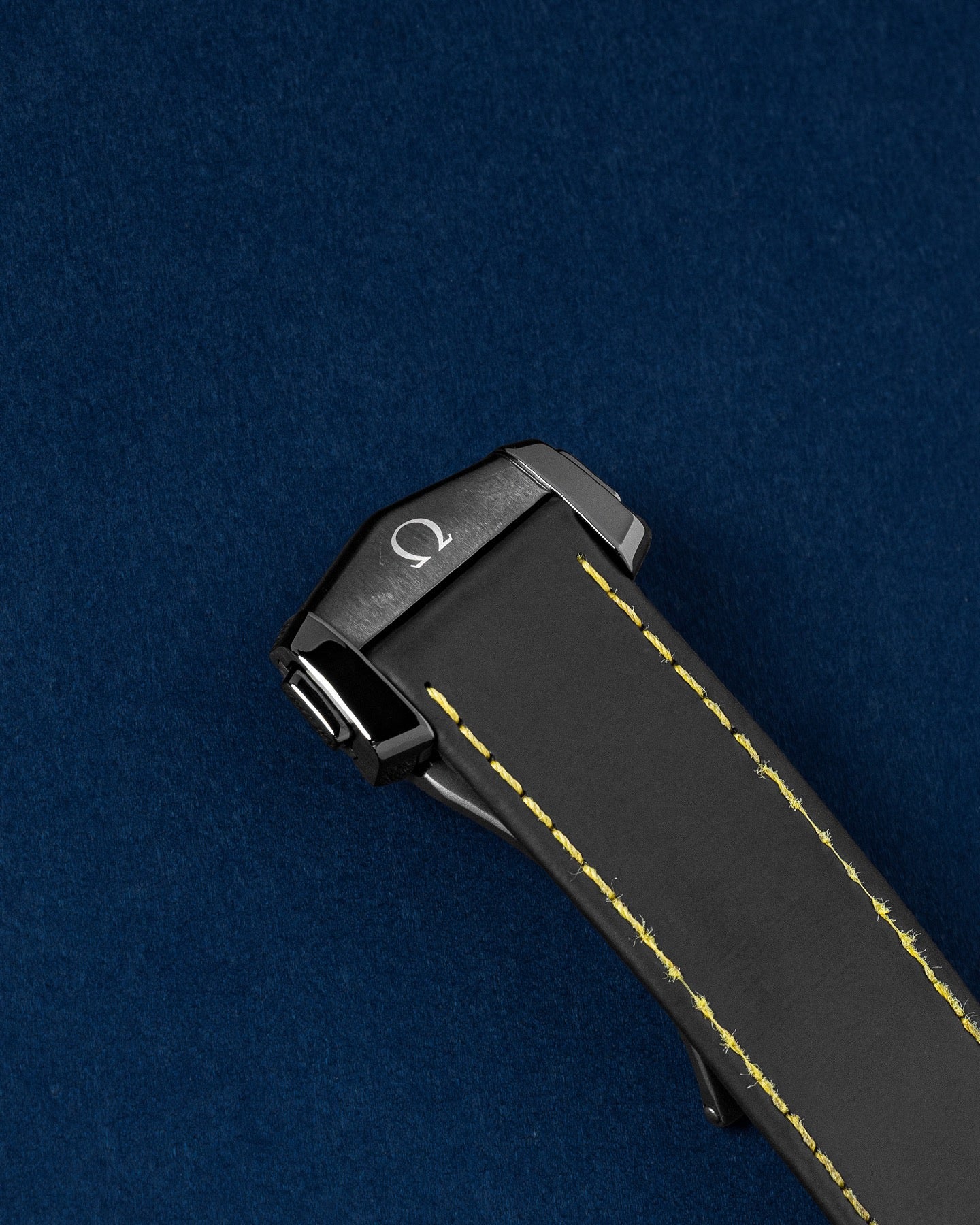
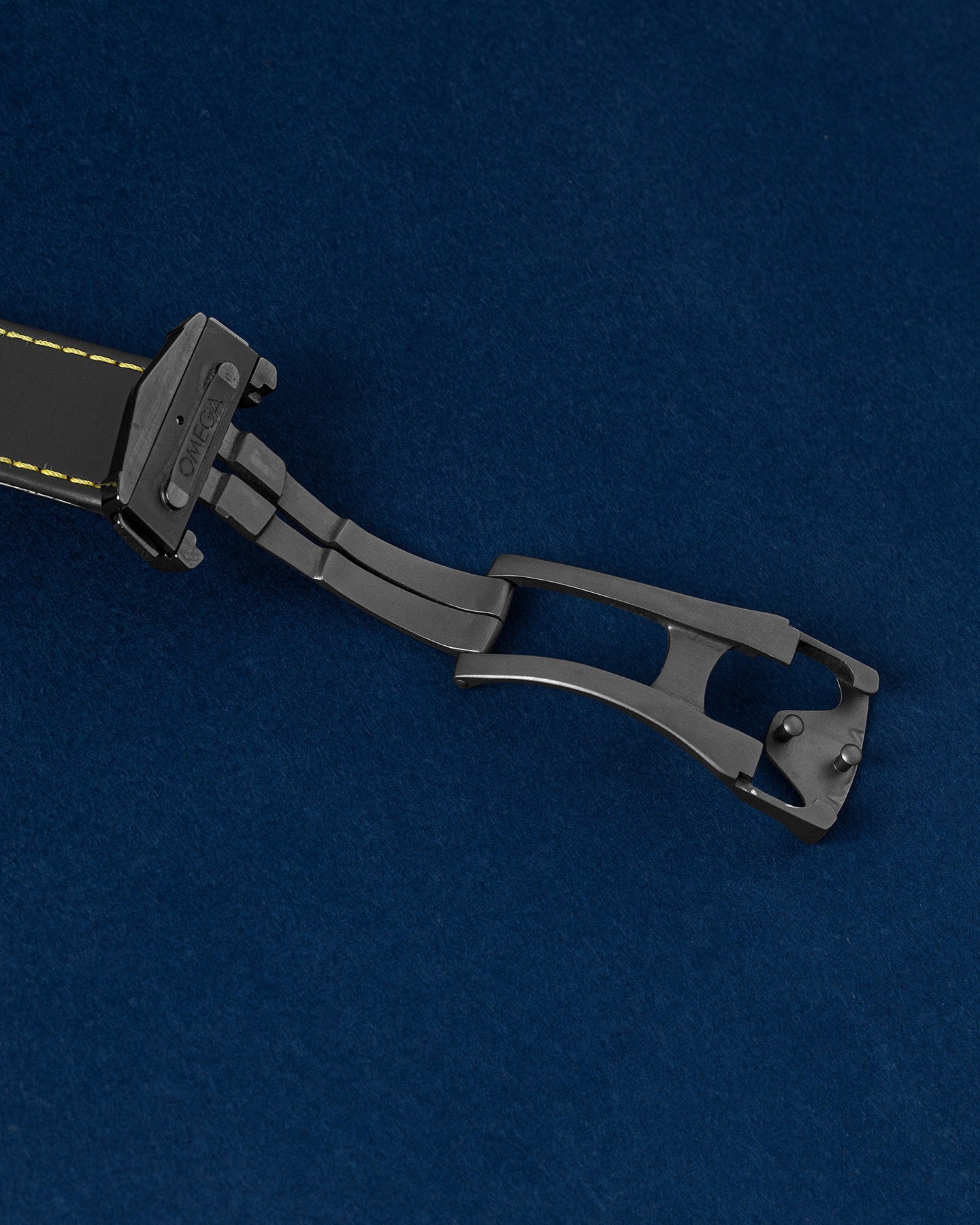
Most ceramic watches come on rubber, fabric or leather straps, because a full ceramic bracelet is costly to make. Rubber suits sport models well, while fabric adds a casual touch. Some models, however, do offer matching ceramic bracelets, such as the Hublot Big Bang Integrated. So the strap can change the whole look of the watch.
Choosing a Color for Ceramic Watches
Color is one of the great joys of ceramic watches, because the shade is part of the material itself. So the color you choose will look the same in ten years as it does today. So here is a quick guide to the main options.
Black Ceramic Watches
Black is the classic choice, and it is also the most versatile. It also looks stealthy with jeans, sharp with a suit and bold on a rubber strap. Most of the icons, such as the Dark Side of the Moon and the black Big Bang, come in black. So black ceramic watches are the safest place to start.
White Ceramic Watches
White ceramic feels fresh and clean, especially in summer. It also stands out more than black, while still pairing well with most outfits. The IWC Lake Tahoe and many Chanel models, for instance, made white ceramic famous. So white ceramic watches suit buyers who want a bright, modern look.
Blue and Green Ceramic Watches
Blue and green ceramic, meanwhile, offer color without being loud. They also look rich in the sun, because ceramic gives them a deep, even tone. Hublot, IWC and Girard-Perregaux all offer strong options, too. As a result, these ceramic watches have become favorites with buyers who want something different.
Bold Colors in Ceramic Watches
Red, yellow and sand, however, are the boldest shades in ceramic watches. They were once nearly impossible to make, so they are still fairly rare. Hublot and IWC lead the way here, especially with limited editions. So a bold color is a great choice when you want a watch that starts a conversation.
Living with Ceramic Watches
Ceramic watches are easy to live with, as long as you know a few simple rules. They need very little care, so they suit busy lives. So here is how to get the most out of your ceramic watch every day.
Daily Wear
Ceramic watches are made for daily wear, so you can wear them to work, the gym or the beach. They also shrug off desk scuffs, sleeve wear and small knocks. They also handle sweat, sun and salt water with ease. In fact, daily wear is where ceramic truly shines.
Avoiding Hard Knocks
The one weakness of ceramic, however, is a sharp, hard impact. So try not to drop your watch on stone, tile or concrete, because ceramic can chip or crack. Take it off for heavy work, too, such as moving furniture or lifting weights. Still, normal life rarely puts ceramic at risk.
Cleaning Ceramic Watches
Cleaning ceramic watches is also simple. Firstly, wipe the case with a soft cloth, or rinse it with fresh water if the watch is water-resistant. A soft brush also helps clear dirt from the edges. Then dry it well, especially the strap. So your ceramic watch will keep its shine for years.
How to Wear Ceramic Watches
Ceramic watches are, above all, some of the most versatile modern watches you can own. They work with jeans, a polo or a suit, so they fit almost any day. Still, a few simple tips help you wear them well in every setting.
Ceramic Watches at Work
At the office, for example, a black ceramic watch looks sharp and modern. A slim model on a leather strap also slips easily under a shirt cuff. So choose a design with clean lines rather than a busy dial. In fact, many professionals wear ceramic watches every day for this reason.
Ceramic Watches on Weekends
On weekends, however, ceramic watches truly come alive. A bold Big Bang or a colored Top Gun suits a day out, while a ceramic diver suits the pool. A rubber strap also feels great in the heat. As a result, ceramic is often the watch people reach for when they want to have fun.
Ceramic Watches with Formal Wear
Many people also wear black ceramic watches with a suit or tuxedo. The deep black finish pairs well with a dark suit, especially at evening events. A slim ceramic piece on leather also looks refined and confident. However, for strict black-tie events, a classic dress watch is still the more formal choice.
Building a Collection with Ceramic Watches
Ceramic watches also make a great addition to any collection. Many buyers start with one black ceramic piece, such as a Dark Side of the Moon or a Black Bay Ceramic. Then they add a colored ceramic watch for contrast. A ceramic chronograph also adds function, while a ceramic diver adds sport. So a small group of ceramic watches can cover a wide range of style.
From there, many buyers also balance their collection with steel and gold. A steel sport watch and a gold dress watch, for instance, pair well with a ceramic piece. However, the ceramic watch often becomes the one you wear most. In fact, its toughness makes it the easiest watch to grab every morning.
Men's and Women's Ceramic Watches
Ceramic watches are made for everyone, so the field includes many sizes and colors. Most men's ceramic watches sit between 41mm and 45mm, although smaller cases are growing more popular. Women's ceramic watches also range widely, such as 33mm to 38mm models. Meanwhile, white ceramic has long been a favorite with women, too. So the best approach is to choose by fit and style rather than by label.
Many women also wear larger ceramic watches as a bold statement. A black ceramic chronograph on a slim wrist, for instance, looks confident and modern. Gem-set and colored ceramic models also add extra sparkle. Either way, our team can also help you find ceramic watches that fit comfortably and look right.
Condition and Originality in Pre-Owned Ceramic Watches
Condition, of course, matters a great deal with pre-owned ceramic watches. Because ceramic resists scratches, most pieces look very clean. Still, chips and cracks are the key things to check. The key, therefore, is to know which details affect quality and value.
Edges, Corners and Bezels
Edges and corners, for example, are the first things to check on pre-owned ceramic watches. A hard knock can leave a small chip, especially near the lugs or bezel. A chip cannot be polished out the way a steel scratch can, so it may need a new part. Our team checks every edge closely before a watch is listed.
Straps, Dials and Hands
Straps wear out over time, especially rubber and fabric ones. So a fresh strap can make a big difference. Original dials and hands also matter, as well as any special parts on limited editions. We also note clearly when a part has been replaced.
Box, Papers and Service Records
Box and papers add confidence, as well as value, to pre-owned ceramic watches. Original warranty cards also help confirm the date and origin of a watch. Service records also show how well a watch has been cared for. So every listing at Grand Caliber states clearly what is included.
How We Authenticate Pre-Owned Ceramic Watches
Ceramic watches are faked, too, so careful checking matters. At Grand Caliber, every watch is examined in-house before it is listed. We check serial and model numbers, as well as case markings. We also inspect the ceramic finish, because fake ceramic often looks dull or uneven. Then we open the caseback to examine the movement.
We also check every detail against our own records, especially on limited editions. If a part has been replaced, we say so clearly. As a result, you know just what you are getting with each of our ceramic watches. That honesty is also a big reason clients return to us again and again.
Ceramic Watch Service and Maintenance
Ceramic watches also need the same regular care as any fine watch. Most ceramic watches benefit from a full service every five to ten years, too. However, a water test every year or two is also smart, especially if you swim often. During service, a watchmaker cleans and oils the movement, while also replacing worn gaskets.
Ceramic parts also need a skilled hand, because they cannot be bent or reshaped like steel. So service should go to a watchmaker with experience in ceramic. Grand Caliber also works with the best watchmakers in Dallas. So our team can advise on any of your ceramic watches, whether you bought them from us or elsewhere.
Buying Your First Ceramic Watch
Buying your first ceramic watch is exciting, so take your time and enjoy it. Firstly, think about how you will wear it, such as daily, at the office or on weekends. Then decide between black and colored ceramic. Also consider your budget, because great ceramic watches exist at many price points. A Tudor Black Bay Ceramic, an IWC Top Gun or an Omega Dark Side of the Moon, for example, each make a superb first choice.
Above all, buy from a dealer who checks every piece and explains it clearly. Our team at Grand Caliber also spends real time with first-time buyers. We can compare ceramic watches side by side, as well as explain how each one wears. So you can buy your first ceramic watch with confidence.
Why Buy Pre-Owned Ceramic Watches
Pre-owned ceramic watches also offer real advantages. Firstly, ceramic barely shows wear, so a pre-owned piece often looks close to new. You also gain access to limited and past models that boutiques no longer sell. In addition, pre-owned pricing often brings a higher tier of watch within reach. So the secondary market opens up far more choice.
At Grand Caliber, moreover, every pre-owned piece is checked in-house and priced in the open. We also ship fully insured, while Make an Offer is open on every listing. As a result, buying pre-owned ceramic watches from us is simple and safe. Our team is also always ready to answer any questions before you buy.
Need Help Choosing Ceramic Watches
Choosing among ceramic watches is personal, so we are always glad to help. Maybe you know the exact model you want, or maybe you are still exploring. Either way, our team can also talk you through colors, sizes, straps and movements. We can help by phone or email, as well as in person at our McKinney Avenue showroom in Uptown Dallas. When the watch you want is not in the collection above, we can also find it through our network worldwide.
Grand Caliber is well respected in the Dallas community, and we also serve buyers across the United States, including Hawaii and Alaska. Every order also ships fully insured. Call (214) 225-7198 or email info@grandcaliber.com when you want to ask about any of our ceramic watches. You can also request a quote on a watch you want to sell, or set up a time to see the collection in person.

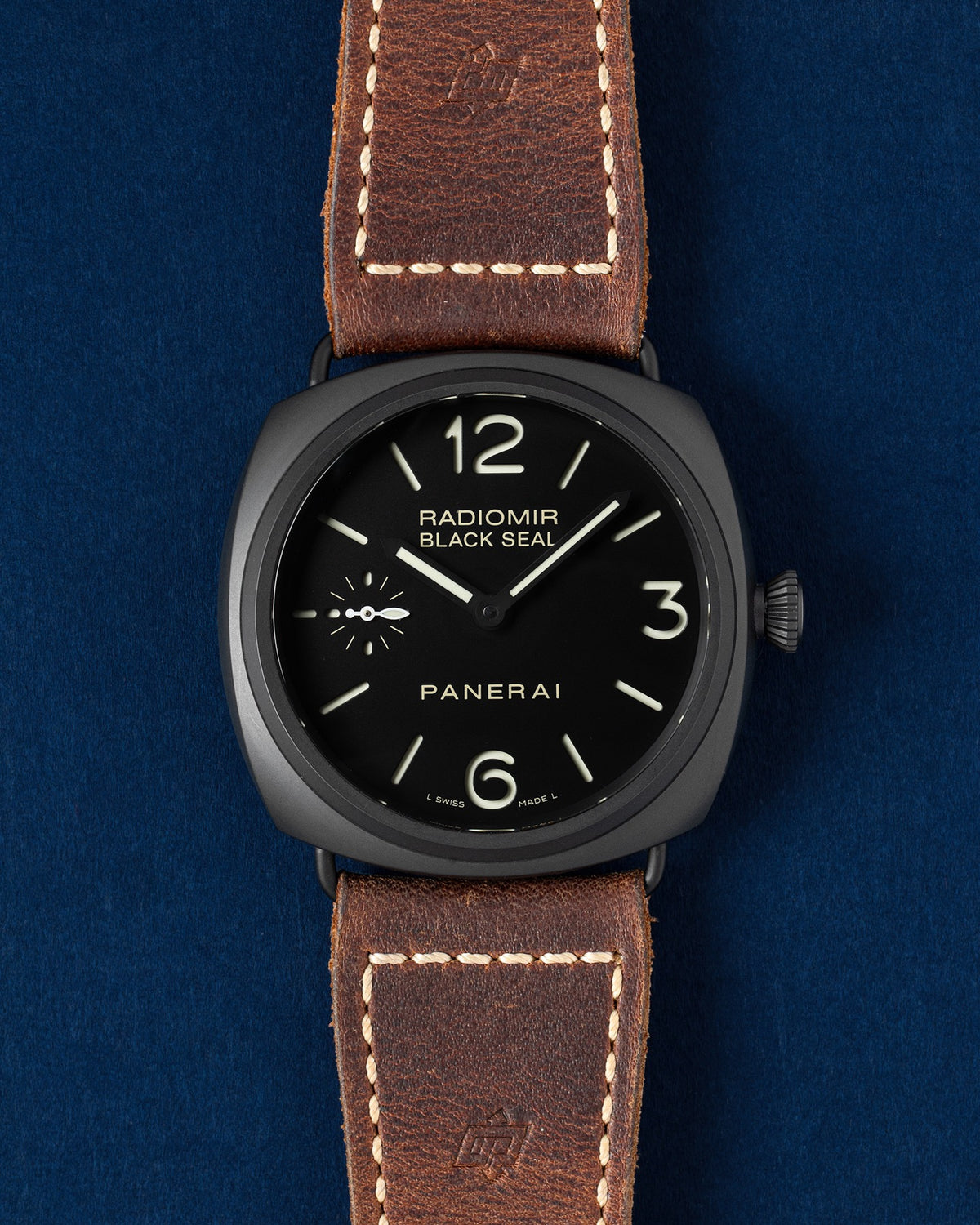
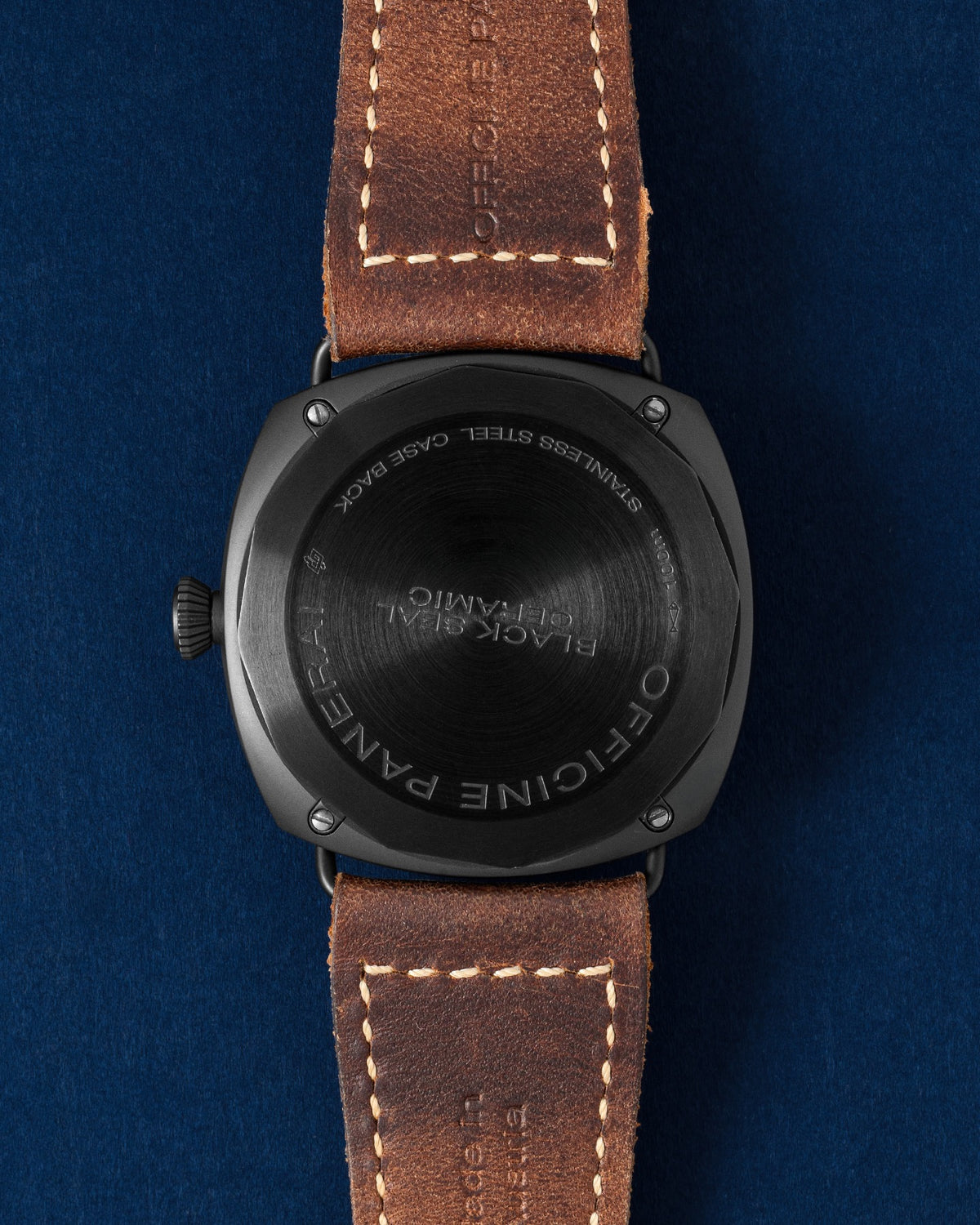
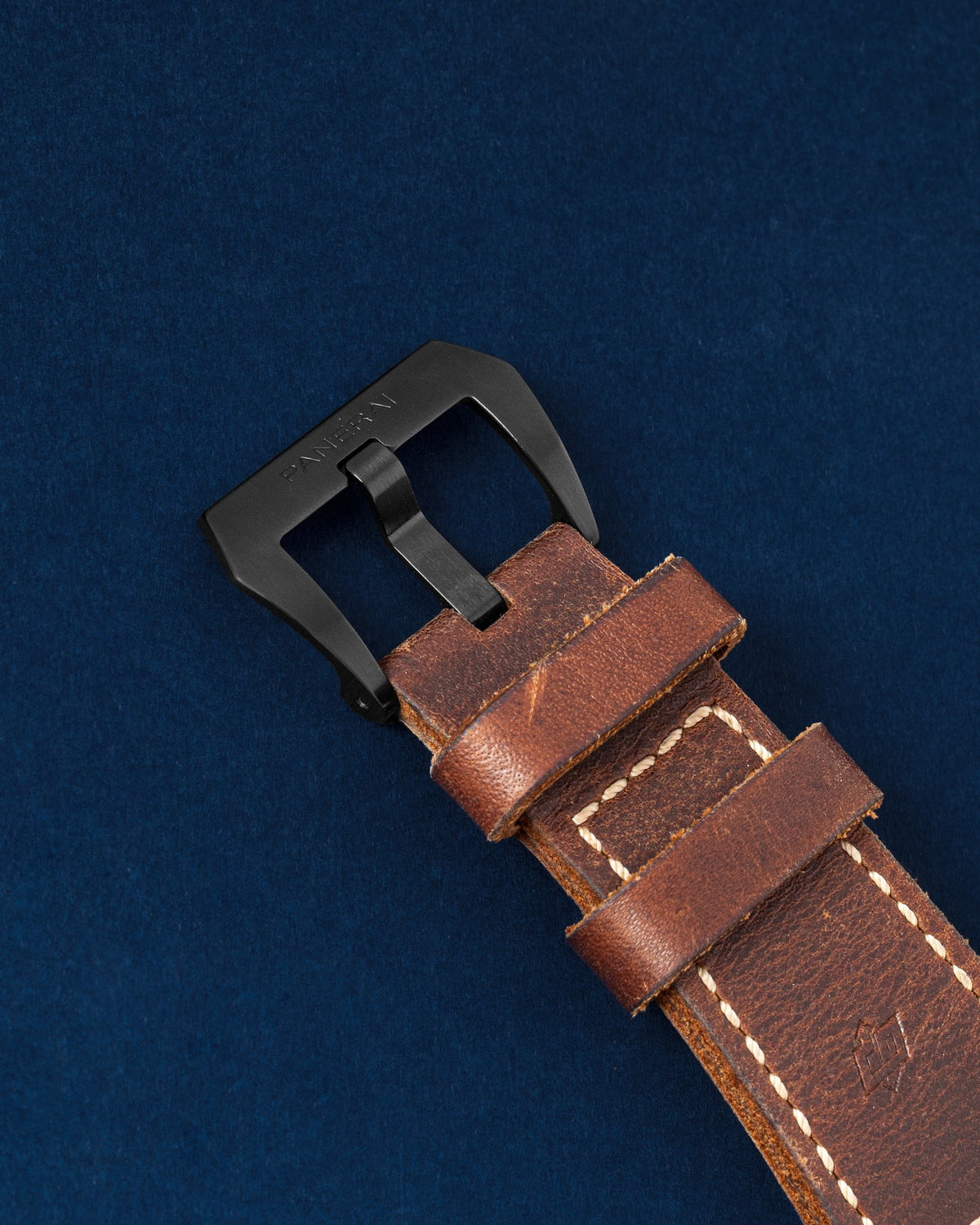
Panerai Radiomir Black Seal PAM 00292
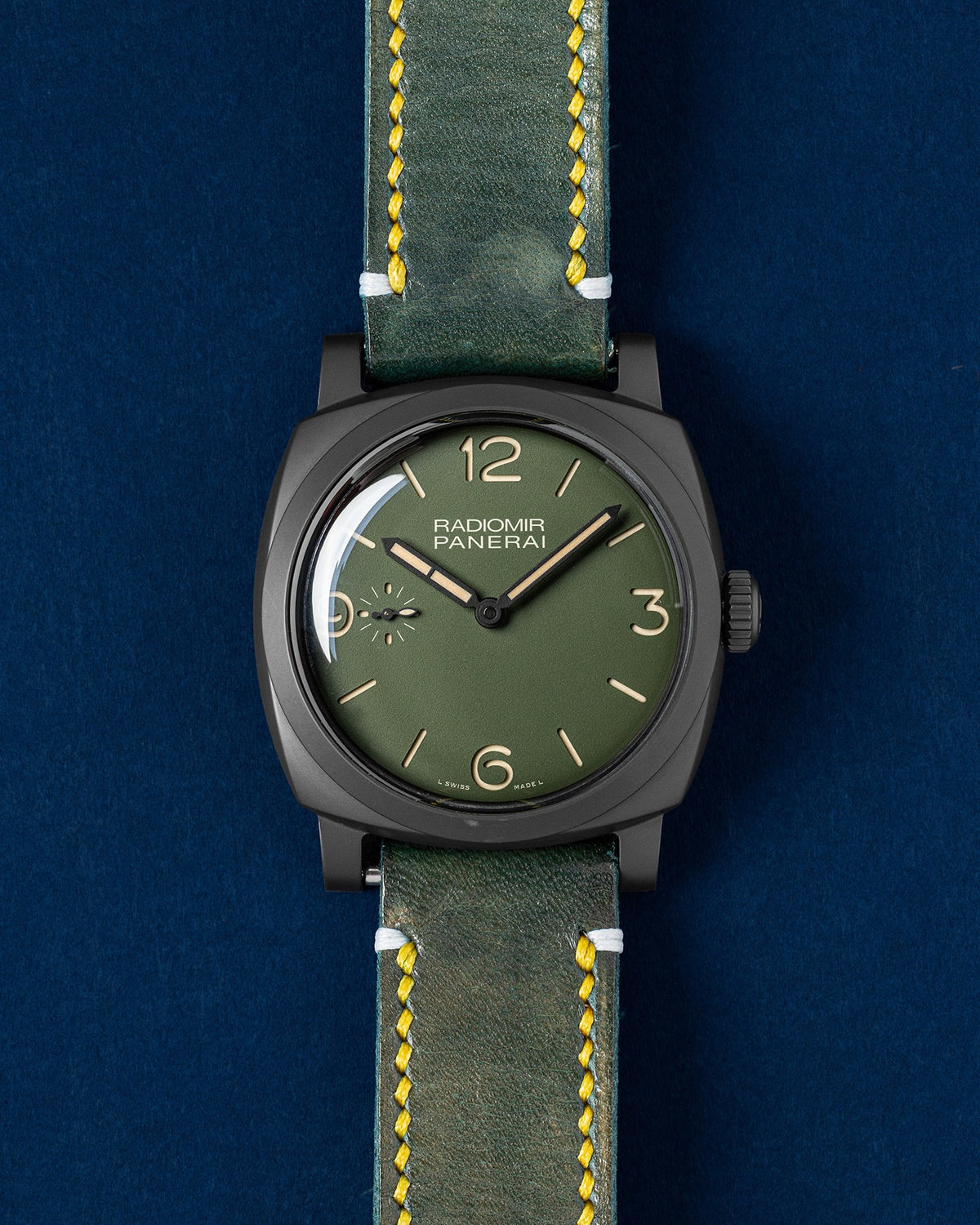
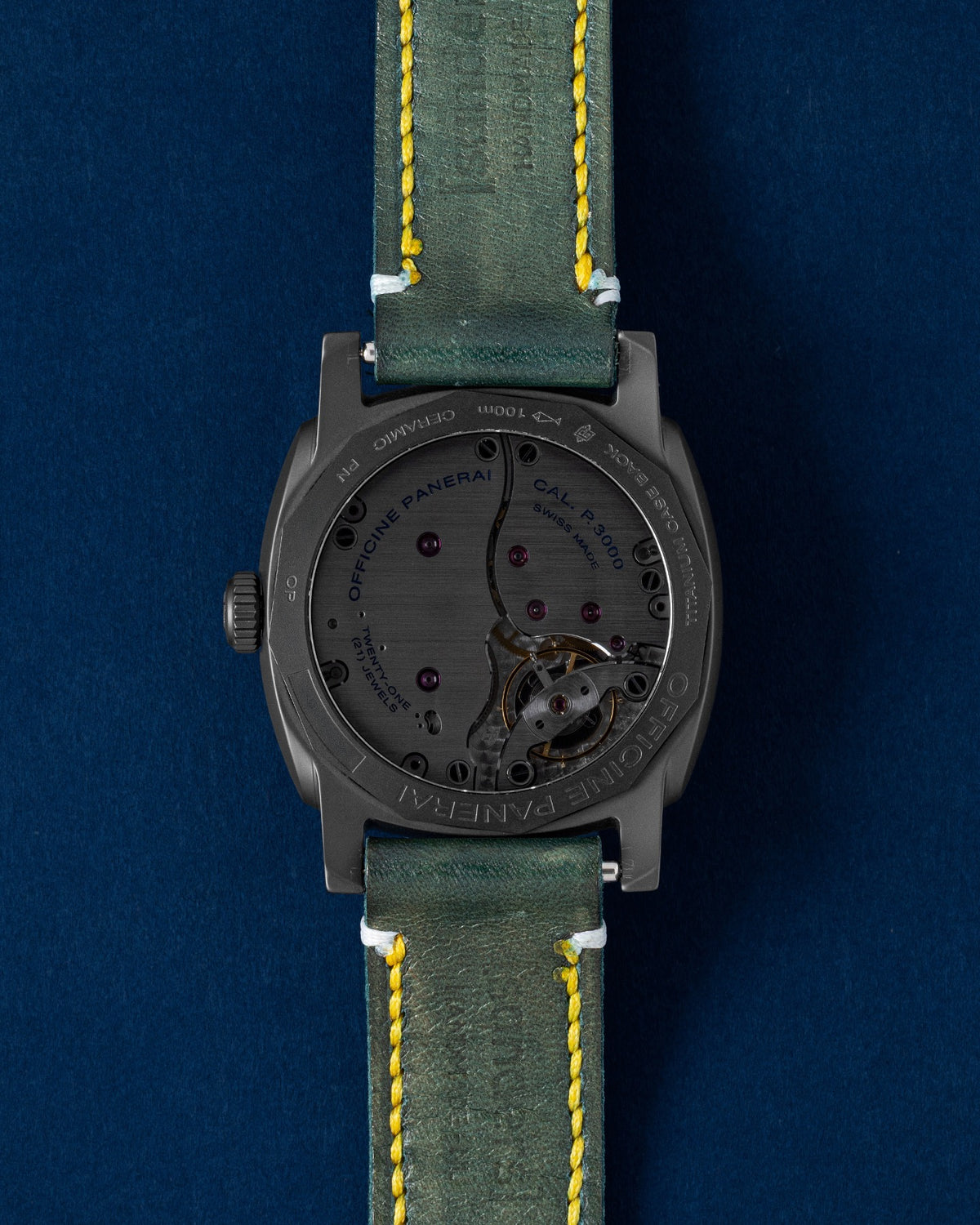

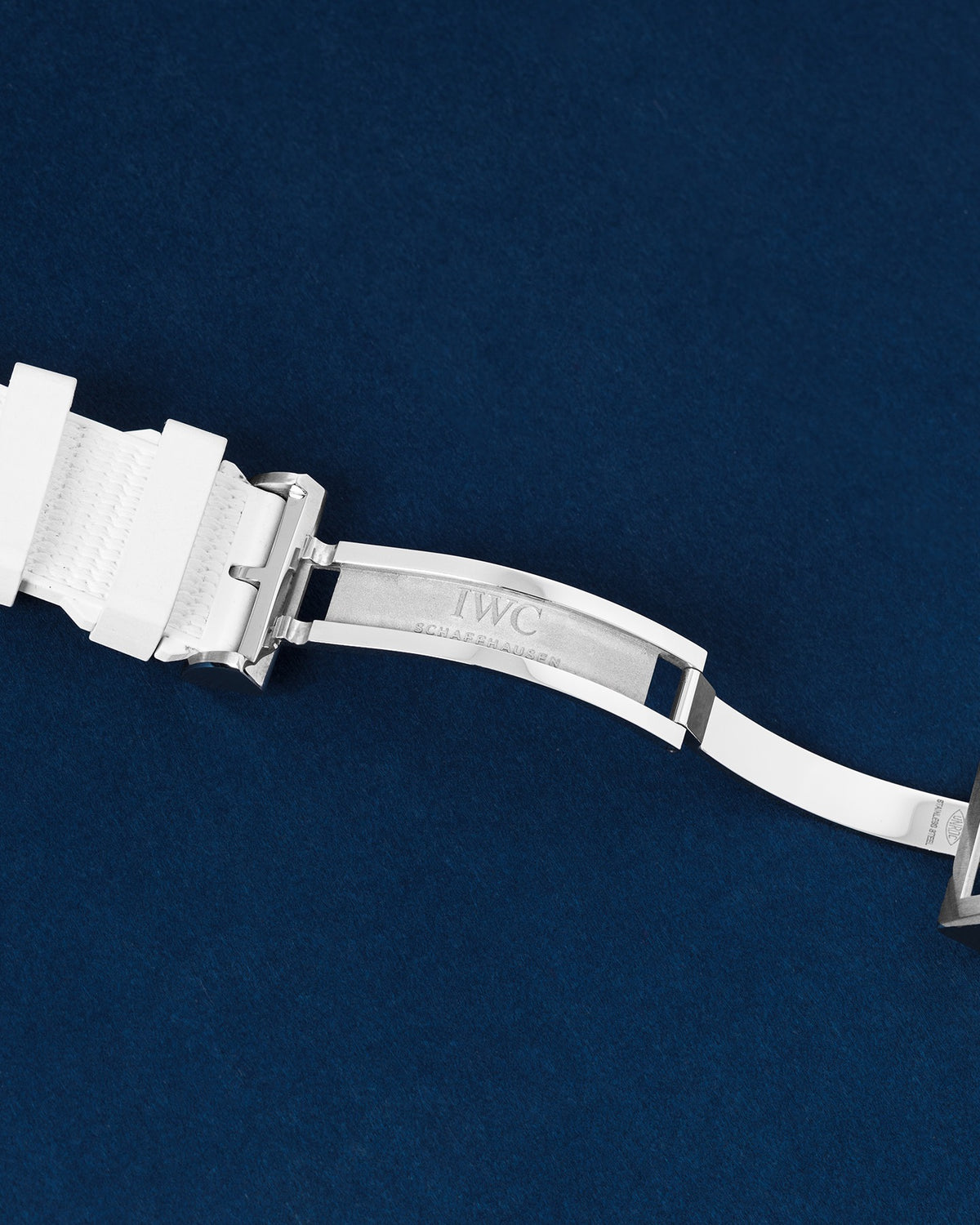
IWC Pilot Top Gun Lake Tahoe IW389105
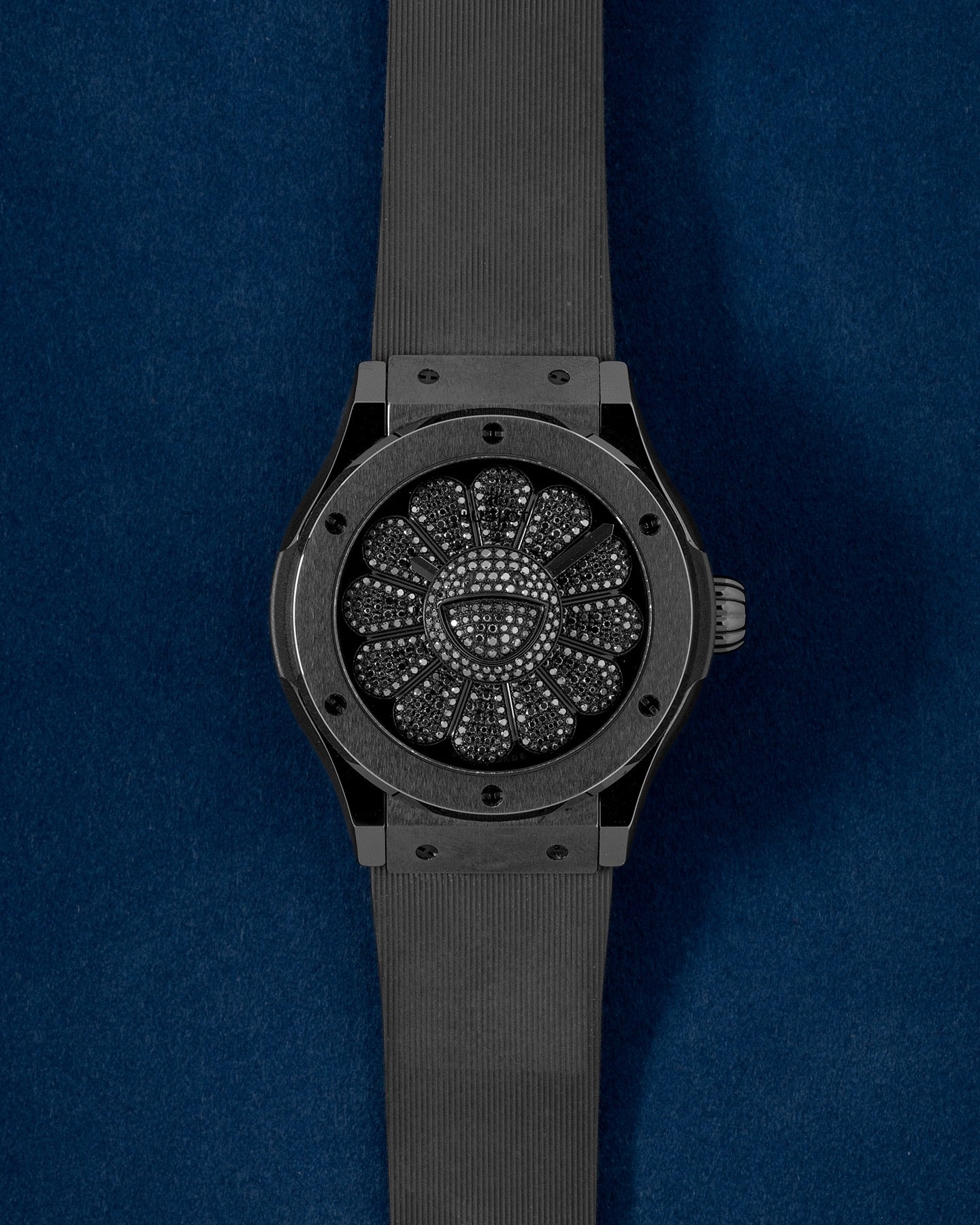
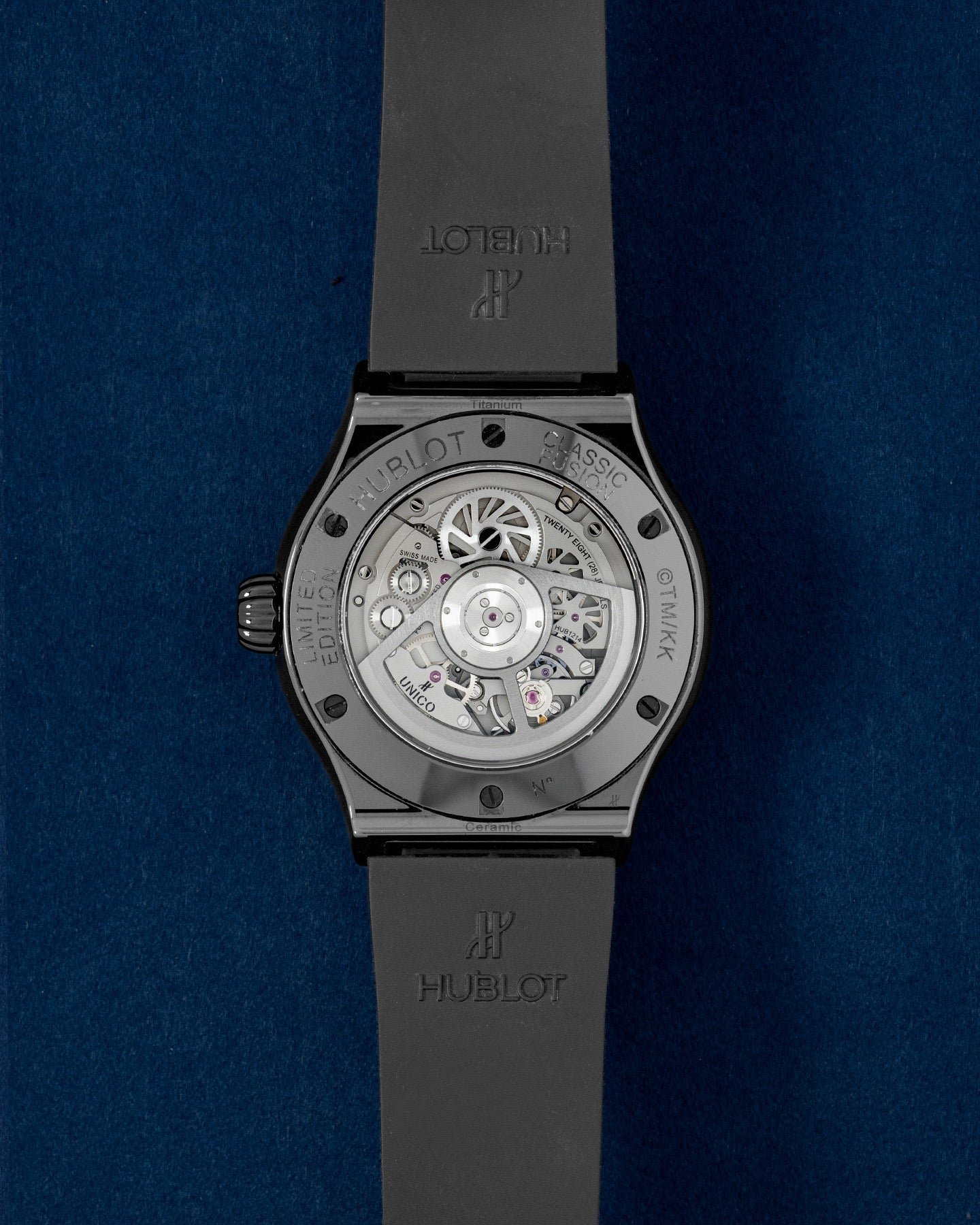


Hublot Spirit Of Big Bang 642.HX.0170.RX







Hublot King Power 701.CQ.0112.HR


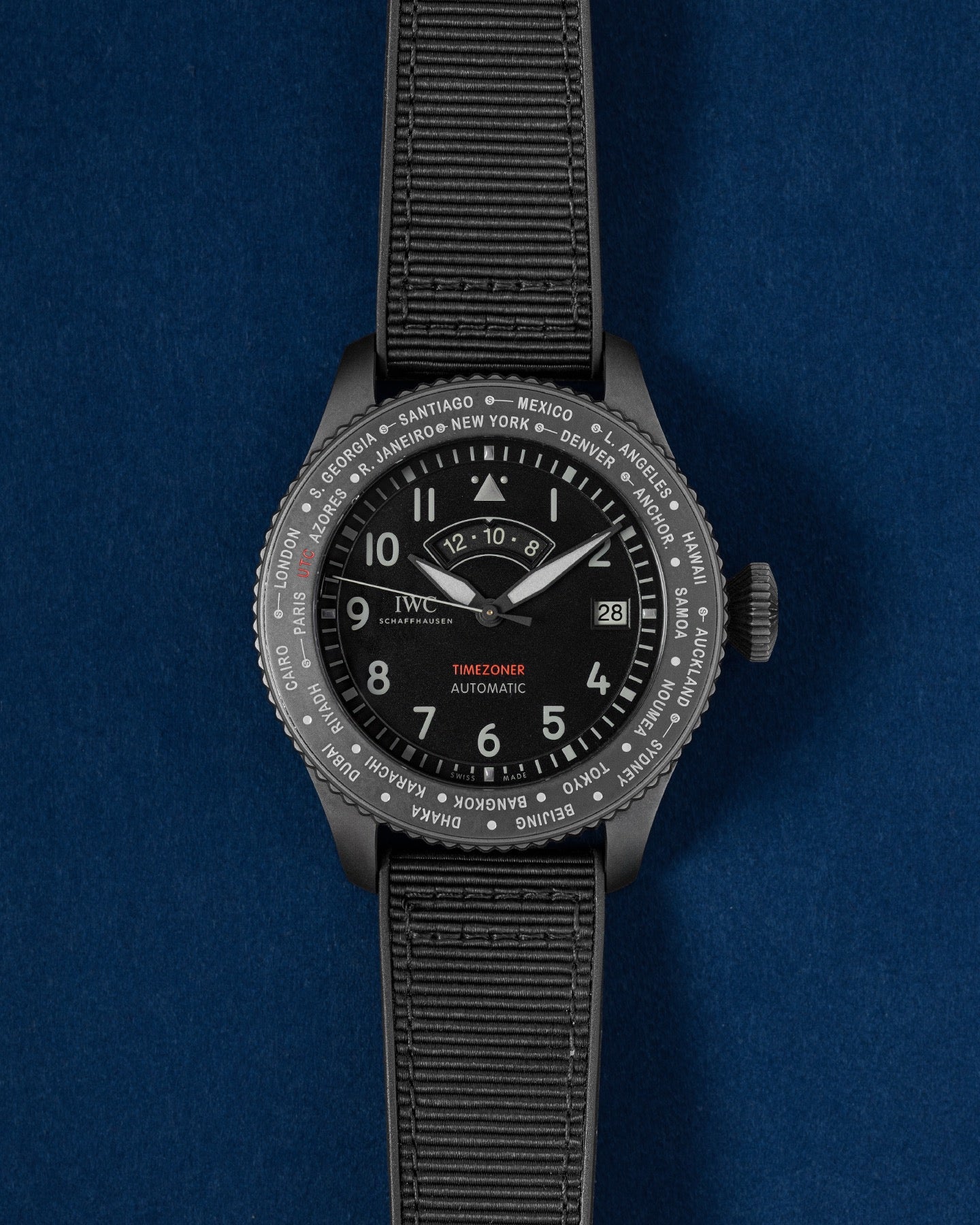
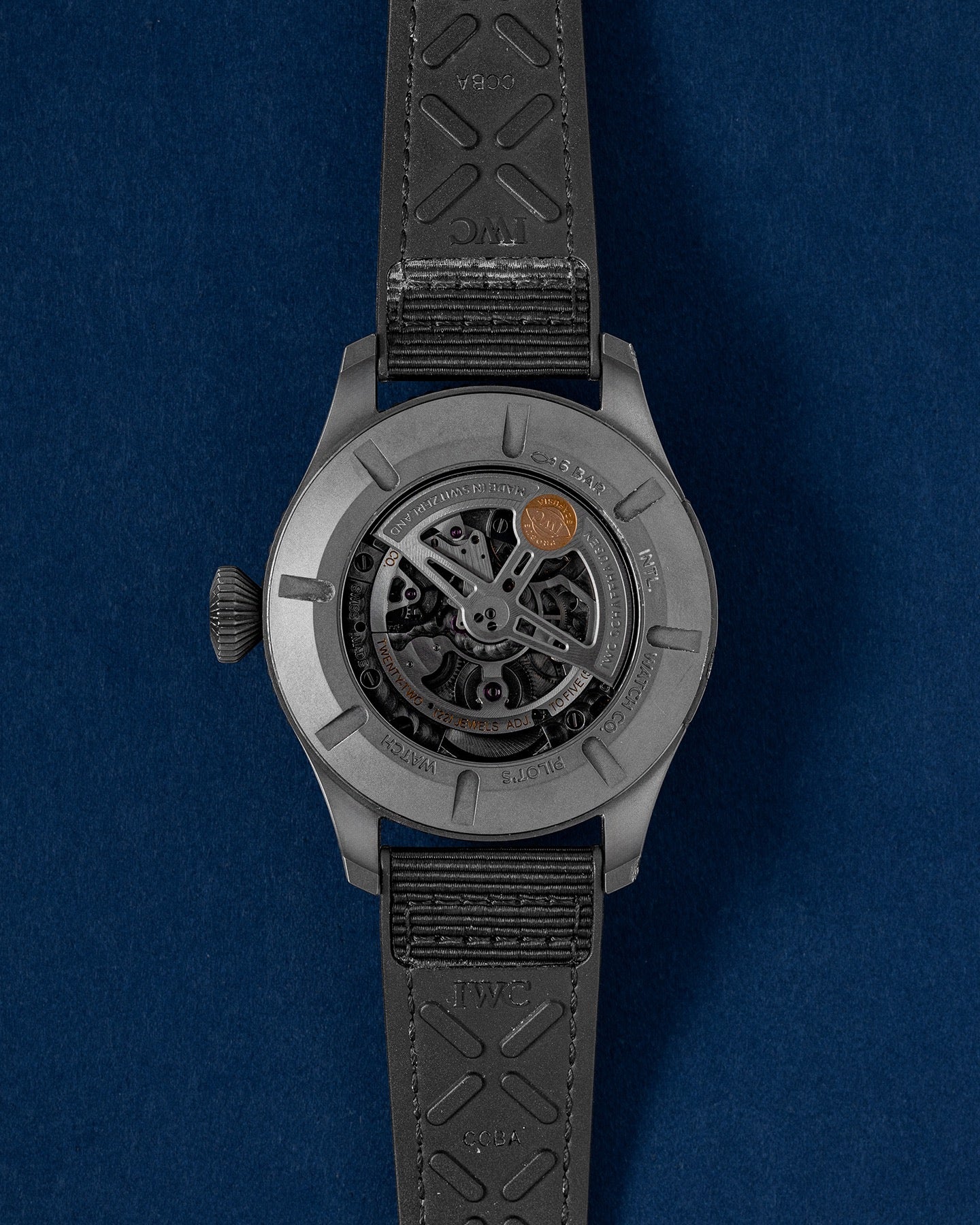
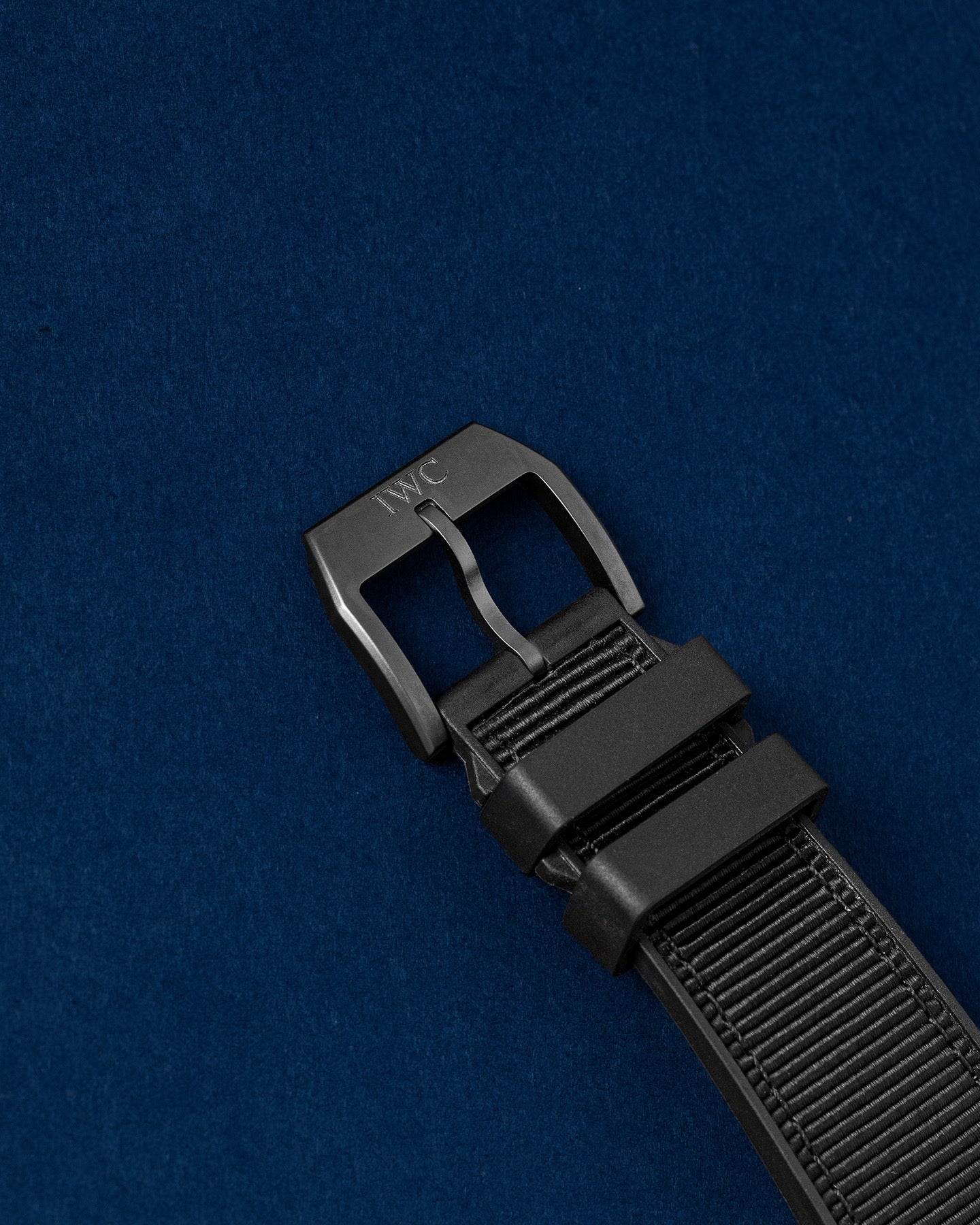
IWC Timezoner Top Gun Pilot IW395505


Hublot Big Bang Unico 411.JB.4901.RT


