

Seiko Watches
Founded in Tokyo in 1881 by Kintaro Hattori, Seiko is one of the most important names in watchmaking, the manufacture that built Japan's first wristwatch and diver's watch and changed the industry forever with the world's first quartz watch in 1969. Its catalog is among the deepest anywhere, spanning the accessible mechanical Seiko 5, the professional Prospex divers, the artisan dials of Presage, the refined King Seiko, and the technical GPS Solar Astron.
The Most Trusted Source for Seiko Watches
Seiko is one of the most important and influential names in the history of watchmaking, a Japanese manufacture that has produced everything from the world's first quartz wristwatch to genuine haute horology, and whose catalog spans an extraordinary range of price and purpose. Grand Caliber is a trusted source for new and pre-owned Seiko Watches, serving collectors and enthusiasts across the United States and internationally from our showroom in Uptown Dallas. Few brands reward a collector's curiosity the way Seiko Watches do, because its history is so deep and its range so vast, and the secondary market has grown to appreciate the many milestone and collectible references it has produced. We buy, sell, source, and consign Seiko Watches with the same authentication rigor, transparency, and market knowledge we bring to every luxury brand we handle.
What sets Seiko apart is a rare combination of scale, heritage, and genuine innovation. This is the company that changed the entire industry with the quartz Astron in 1969, that built Japan's first diver's watch in 1965, and that continues to develop its own movements in house across every tier of its range. From the accessible mechanical Seiko 5 to the artisan dials of the Presage collection and the professional tool watches of Prospex, Seiko Watches are made by a manufacture that has always pursued precision and value in equal measure, and that combination is exactly what draws enthusiasts to the brand. It is why Seiko Watches have earned such a devoted following at every level, from first-time buyers to advanced collectors, and why the brand commands genuine respect across the entire watch world.
Our approach is straightforward. Every watch is authenticated in house before it is listed, pricing is posted openly on every product page, and Make an Offer is available on every listing. If you are in Dallas you are welcome to handle any Seiko in the showroom, and if you are anywhere else in the country we ship fully insured. This guide covers the full Seiko universe, the history, the collections current and discontinued, the movements and technology, and the buying and ownership considerations, so you can approach the brand from a position of genuine understanding. Grand Caliber has built its reputation on treating Seiko Watches with the same seriousness we bring to the grandest names, and that begins with knowing the brand's enormous range well enough to guide you to exactly the right one.
Seiko Watches: A Brief History
The story of Seiko begins in 1881, when a 21 year old entrepreneur named Kintaro Hattori opened a shop selling and repairing watches and clocks in central Tokyo. His guiding philosophy, that the company should always be one step ahead of the rest, would drive more than a century of relentless innovation and shape everything the company went on to build. In 1892 Hattori established the Seikosha factory, whose name translates roughly as the House of Exquisite Workmanship, initially producing wall clocks before moving on to pocket watches and, in time, to the wristwatches that would make the company famous. In 1913 the company built the Laurel, the first wristwatch made in Japan at a time when pocket watches still dominated, and in 1924 the Seiko name, meaning exquisite or success, appeared on a watch dial for the first time, beginning a brand that would become known around the world.
Through the twentieth century Seiko grew into a genuine powerhouse of watchmaking, notable for an unusual internal structure in which two divisions, Daini Seikosha and Suwa Seikosha, competed against each other to build better watches. In 1960 the company launched Grand Seiko as the pinnacle of its mechanical watchmaking, and in 1964, as official timekeeper of the Tokyo Olympics, it demonstrated its precision on the world stage, developing stopwatches and chronographs that pushed its technical capabilities forward. The brand then entered sports and dive watchmaking in earnest, and in 1965 produced Japan's first diver's watch, waterproof to 150 meters and fitted with a specially designed screw-down crown, a watch that established the design language for every Seiko diver that followed and launched one of the most respected dive lineages in the industry.
The defining moment came on December 25, 1969, when Seiko unveiled the Quartz Astron, the world's first quartz wristwatch. Accurate to within a few seconds a month and vastly more precise than any mechanical watch of the day, it triggered the Quartz Revolution that reshaped the entire global industry and, for a time, threatened the traditional Swiss makers who had long dominated it. In the decades since, Seiko has continued to innovate, from the Kinetic movement that generates power from wrist motion to the modern GPS Solar Astron, while reviving its mechanical heritage through the Presage, Prospex, and King Seiko lines. Today Seiko Watches represent one of the deepest and most respected catalogs in all of watchmaking, spanning nearly every price point and purpose imaginable. That unbroken thread, from a small Tokyo repair shop in 1881 to a manufacture that reshaped the industry and still makes everything from accessible automatics to genuine haute horology, gives Seiko Watches a story of authenticity that very few brands at any price can claim.
Guide to Seiko Key Terms
Understanding Seiko Watches means learning a broad vocabulary, because the brand's range is so wide and its history so deep. The terms below appear throughout any serious discussion of Seiko, and knowing them changes how you understand a given watch.
Seiko Movement Terms
Seiko develops its own movements across every tier, and several terms recur. Automatic and mechanical refer to the self-winding and hand-wound movements found across the range, from the workhorse 7S and 4R series in the Seiko 5 to the higher-specification 6R with its longer power reserve and the premium 8L found in the top Prospex divers. Quartz refers to the battery-powered movements the brand pioneered, while Solar and Kinetic are Seiko's own technologies that generate power from light and from wrist motion respectively. Spring Drive, found in the highest Prospex references, blends a mechanical mainspring with electronic regulation for exceptional accuracy. These movement technologies are central to why Seiko Watches offer such range, letting a single brand serve everyone from a first-time buyer to a serious collector of Seiko Watches.
Seiko Collection Terms
The modern range is organized into clear collections. Seiko 5 and Seiko 5 Sports are the accessible automatic sports watches that have introduced generations to mechanical watchmaking. Prospex is the professional specialist line for divers, adventurers, and athletes. Presage is the mechanical dress collection known for its artisan Japanese dials. King Seiko is the revived heritage line of refined mechanical watches. Astron is the GPS Solar flagship. Understanding these collections is the key to navigating Seiko Watches and finding the one that suits you.
Seiko Heritage Terms
Several terms come from the brand's storied past. The 62MAS refers to that first 1965 diver, endlessly referenced and reissued. Nicknames like the Turtle, the Samurai, the Sumo, the Monster, and the Willard describe distinctive dive watch case shapes with devoted followings. The SKX names the famous discontinued dive series, and the SARB names a cult discontinued dress and sports line. Grand Seiko, once the pinnacle of the Seiko range, is now a fully independent brand. Understanding this heritage explains why so many Seiko Watches carry such collector significance.
Looking to Sell Your Seiko
Grand Caliber buys and consigns Seiko Watches, and while much of the range is accessible, certain Seiko Watches attract genuine and sometimes strong collector interest. If you own a Seiko and are considering selling, the value drivers are specific. Discontinued cult references, vintage divers, limited editions, high-end Prospex and Spring Drive pieces, sought-after Presage and King Seiko models, and any watch with its original box, papers, and documentation command the strongest interest. Condition matters, and a clean, complete example always achieves a better result than an incomplete one.
We offer two routes. An outright purchase gives you immediate liquidity at a fair market number, and consignment lets us place the watch with the right buyer for a higher net return over a slightly longer horizon. Because the most collectible Seiko Watches trade among a knowledgeable and passionate community that knows exactly what it wants, matching a reference to the right buyer is where a specialist dealer earns its place. We handle authentication, photography, market positioning, and secure insured shipping. Because the collectible end of the Seiko market is driven by knowledgeable enthusiasts who know exactly what they are looking for, an honest, well-researched valuation is what serves a seller best, and that is exactly what we provide. If you have a Seiko to sell, particularly a vintage, discontinued, or high-end piece, call or email the Dallas showroom and we will give you an honest assessment of where it sits in the current market.
Seiko Watch Collections in Current Production
The Seiko catalog is organized into a handful of clear collections spanning accessible mechanical sports watches, professional tool watches, artisan dress watches, and technical flagships, and understanding how they relate is essential to choosing well. The sections below cover the significant collections across the Seiko universe, because the searched and collected Seiko Watches span the whole range from the entry-level Seiko 5 to the highest Prospex and Astron references. Because the page covers the brand universally, the sections that follow describe each collection in general terms rather than as a snapshot of any single moment's stock, so a reader can understand the full breadth of Seiko Watches and where each line fits.
Seiko 5 and Seiko 5 Sports
The Seiko 5 is one of the most important watches the brand makes, an accessible automatic that has introduced more people to mechanical watchmaking than perhaps any other timepiece. Named for its five key attributes, which included automatic winding, a day-date display, water resistance, a recessed crown, and a durable case and bracelet, the line offers reliable in-house automatic movements and honest construction at a remarkably low price. The modern Seiko 5 Sports range, which succeeded the beloved and now discontinued SKX series, brings that same value into a sportier, more contemporary format across a huge variety of colors and styles, including the standout automatic GMT that offers a genuine travel complication for a fraction of what rivals charge. For the buyer wanting a first mechanical watch, the Seiko 5 is among the most recommended Seiko Watches available, and the piece that begins many collections of Seiko Watches.
The Seiko 5 endures because it delivers the genuine experience of a mechanical watch, an automatic movement, a display caseback on many references, and honest durability, at a price that makes it accessible to almost anyone. It has become a genuine rite of passage for new enthusiasts and a beloved daily beater for seasoned collectors alike. The huge variety of dials, case shapes, colors, and special editions means there is a Seiko 5 for very nearly every taste. Among all Seiko Watches, the Seiko 5 has probably done more than any other to bring people into mechanical watchmaking.
Seiko Prospex
Prospex, short for Professional Specifications, is the brand's serious tool watch collection, built for divers, adventurers, and athletes, and it carries Seiko's dive heritage that stretches back to 1965. The range spans the Sea sub-collection of divers, including the cushion-cased Turtle, the angular Samurai, the refined Sumo, the rugged Monster, and the faithful heritage reissues of the earliest Seiko divers, along with the Land series such as the cult Alpinist with its internal compass bezel, the Speedtimer chronographs that revive the brand's racing heritage, and the titanium LX flagship line with Spring Drive. Most carry ISO 6425 dive certification and 200 meters or more of water resistance, meaning they are genuinely fit for the purpose rather than merely styled as dive watches. For the buyer who wants a genuine tool watch, Prospex holds some of the most capable Seiko Watches ever made.
Prospex succeeds because it pairs authentic tool-watch capability with the brand's deep dive heritage, offering watches that are genuinely built for the water and the field rather than merely styled to look the part. The range runs from accessible automatic divers to the titanium LX flagships with Spring Drive, so there is a Prospex at nearly every level of seriousness and budget. The heritage reissues in particular have become favorites for faithfully recreating the classics. For the buyer who wants a capable, characterful tool watch, Prospex holds some of the most respected Seiko Watches in the catalog, and the pieces that many collectors of Seiko Watches prize most.
Seiko Presage
Presage is the brand's mechanical dress collection, and it showcases some of the most beautiful dials in all of watchmaking at its price. Drawing on Japanese craft traditions, Presage dials feature porcelain fired by master artisans, hand-painted enamel, urushi lacquer, and intricately textured sunburst finishes, with the celebrated Cocktail Time line, inspired by the colors of classic cocktails, and the knife-edge Sharp Edged line among the most admired. Powered by the brand's own automatic movements, often with a signature open-heart aperture revealing the balance wheel in motion on the dial, Presage delivers finishing and dial craft that rival watches costing several times more. For the buyer who wants a genuine mechanical dress watch with real artistry, Presage offers some of the most rewarding Seiko Watches to own.
Presage stands out because it brings genuine Japanese craft traditions to the dial, treating each face as a small work of art whether in porcelain, enamel, or lacquer. At a price where most rivals offer plain, mass-produced dials, Presage delivers hand-finished artistry and a mechanical movement, an unusual combination that has won the collection a devoted following. The open-heart references, which reveal the balance wheel through the dial, are especially popular. For the buyer who wants beauty and mechanical substance together, Presage offers some of the most quietly impressive Seiko Watches, and a compelling reason many enthusiasts fall for Seiko Watches in the first place.
Seiko King Seiko
King Seiko is the revived heritage collection, a line that traces its roots to the refined mechanical watches that competed alongside Grand Seiko in the 1960s. Reintroduced in the modern era to genuine enthusiast enthusiasm, King Seiko sits clearly above the standard range in finishing and refinement, offering sharply faceted cases, beautifully executed and often richly textured dials, and higher-specification automatic movements. It occupies a compelling middle ground for the enthusiast who wants something more elevated than the core collections without stepping up to a fully independent brand. For the buyer who appreciates classical mechanical watchmaking with genuine heritage, King Seiko represents some of the most refined Seiko Watches in the current range.
King Seiko matters because it revives a genuine piece of the brand's history, the refined mechanical watches that once competed internally for the honor of being the finest, and brings that spirit into the modern catalog. The finishing is a clear step above the core collections, with sharply faceted cases and beautifully executed dials, yet it remains far more attainable than a fully independent luxury brand. For the enthusiast who wants elevated mechanical watchmaking with real heritage, King Seiko holds some of the most refined Seiko Watches available today, bridging the gap between the everyday collections and the finest Seiko Watches the company has ever produced.
Seiko Astron
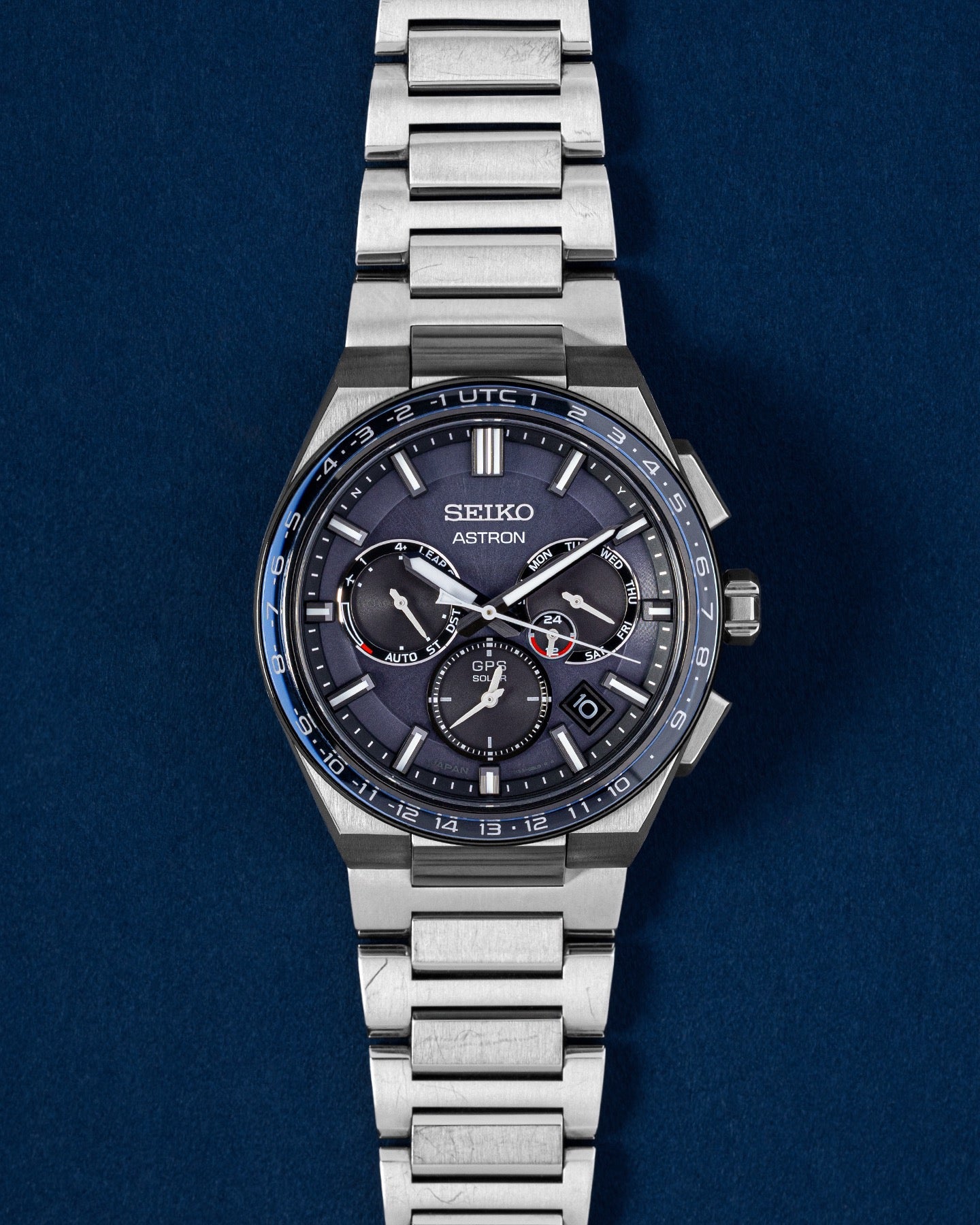
Astron is the brand's technical flagship and a direct descendant of the legendary 1969 original, the watch that changed the industry. The modern Astron is a GPS Solar watch, powered entirely by light and able to receive signals from the global network of GPS satellites to identify the correct time zone and set itself accurately anywhere on earth at the push of a button. Typically cased in lightweight titanium with hard, scratch-resistant ceramic bezels, and powered entirely by light so it never needs a battery change, it represents Seiko at its most technologically ambitious. Carrying a name of genuine horological significance, the Astron is a statement of the brand's engineering leadership. For the buyer who wants cutting-edge technology and a piece of watchmaking history, the Astron is among the most advanced Seiko Watches available.
The Astron carries genuine historical weight, since it revives the name of the 1969 original that changed watchmaking forever, and it backs that legacy with real modern technology. The GPS Solar system means the watch never needs a battery change and always shows the correct time anywhere on earth, adjusting automatically to the local time zone. Cased in titanium with hard ceramic bezels, it is both technical and durable. For the buyer who wants innovation with a storied name behind it, the Astron is among the most advanced Seiko Watches the brand makes, and a fitting flagship for a company whose Seiko Watches have repeatedly pushed the whole industry forward.
Discontinued and Vintage Seiko Highlights
With a history stretching back to 1881 and an enormous output across more than a century, Seiko offers one of the deepest and most rewarding fields in all of vintage and discontinued collecting, and it is where much of the brand's collector value truly lives. Vintage here spans the brand's storied mid-century and quartz-era pieces and the huge number of discontinued modern references, and both offer genuine opportunity for the informed buyer. Because Seiko has produced watches continuously and in such volume for so long, its back catalog is one of the richest in the entire industry, offering something for nearly every taste and budget. That depth is a large part of what makes discontinued and vintage Seiko Watches so rewarding to pursue.
Vintage Seiko Watches
The vintage Seiko market is vast and, for now, remarkably accessible relative to its significance. The earliest divers, including the 1965 62MAS and the 1970s references worn by real explorers and soldiers in the field, the vintage chronographs such as the pioneering automatic chronograph of 1969, the early King Seiko pieces, and the historic quartz Astron that started a revolution are all genuine landmark watches with real collector significance. Because Seiko produced so many models in such enormous numbers over the decades, there is almost limitless variety for the collector to explore, and clean, original, unpolished examples reward the patient buyer who knows what to look for. For the enthusiast who values horological history, vintage Seiko Watches offer some of the most significant and undervalued mechanical watches of their eras.
Collecting vintage Seiko is rewarding precisely because the brand made so many genuinely important watches in such numbers, yet prices for many references have not caught up to their significance. The dive and chronograph history alone offers landmark pieces, and the brand's role in the quartz revolution gives even its electronic watches real collector interest. Because condition and originality drive value on older watches, buying through a knowledgeable dealer protects the buyer, and among affordable vintage options, vintage Seiko Watches remain some of the most rewarding to pursue.
Discontinued Modern References and Limited Editions
The modern discontinued segment is equally rewarding, and it is where much of the enthusiast market focuses. Cult discontinued references such as the SKX dive series and the SARB dress and sports line have become genuinely collectible since they left production, their prices climbing as supply dwindles, while limited Prospex editions, sought-after Presage dials, special Save the Ocean releases tied to ocean conservation, and milestone anniversary pieces all attract dedicated collector demand. Because these Seiko Watches are no longer available new, condition and completeness drive value, and a full set with box and papers commands a clear premium. This is the segment where prices have moved most in recent years, as collectors chase the references that are simply no longer made and supply continues to shrink. Grand Caliber actively sources discontinued and limited Seiko references for collectors on request.
The modern limited and discontinued market is where following the brand closely pays off most, because Seiko produces a constant stream of special editions and periodically retires beloved references, and once they are gone the secondary market is the only source. Sold-out Save the Ocean divers, discontinued cult favorites, limited Presage and Prospex dials, and anniversary pieces all develop dedicated followings. Because these Seiko Watches can only be acquired secondhand after they leave production, a full set with box and papers commands a premium, and the informed collector who moves early is rewarded.
Expert Opinions on Seiko Watches
Within the watch community, Seiko Watches enjoy a reputation among the great value propositions and genuine innovations in all of watchmaking, a brand that delivers in-house movements, real heritage, and honest quality at prices that consistently undercut its rivals. The consensus among collectors and commentators is that Seiko rewards the enthusiast at every level, from the beginner buying a first automatic to the seasoned collector chasing a rare vintage diver. The brand's role in horological history, above all the quartz Astron and the long line of pioneering divers, is universally respected, and its finishing and dial craft, particularly in Presage and the higher tiers, are widely praised.
The critical view holds that Seiko Watches offer more genuine watchmaking per dollar than almost any competitor, and that the depth of the catalog means there is a Seiko for virtually everyone. Experts consistently praise the value of the Seiko 5, the artistry of Presage, the capability of Prospex, and the collectibility of the discontinued and vintage references. The honest counterpoint they raise is that resale on standard current-production models is modest, since so many are affordable and widely available, so buyers should approach most standard current Seikos as watches to wear and enjoy rather than as investments. For the enthusiast who wants real watchmaking, real history, and real value, that is precisely the appeal of Seiko Watches. The buyer who discovers the brand rarely stops at one, because the depth of the catalog and the steady stream of new and collectible references make collecting Seiko Watches a genuinely absorbing pursuit.
Seiko Price Trends
The market for Seiko Watches is unlike that of almost any other brand, because the catalog spans such an extraordinary range. New, an entry Seiko 5 can be found around 100 to 300 dollars, the core Prospex divers and Presage dress watches generally run from around 400 to 1,500 dollars, and the higher references, including the titanium LX Prospex with Spring Drive and the top Astron models, reach several thousand dollars. Few brands offer genuine in-house mechanical watchmaking across so wide a span of prices, which is what makes Seiko Watches so distinctive, which is central to the brand's enduring appeal.
On the secondary market, the picture divides clearly. Standard current-production Seikos typically trade below retail, which makes them an outstanding value for a buyer who simply wants to wear and enjoy the watch. The exception, and it is a significant one, is the discontinued and vintage segment, where cult references such as the SKX and SARB, limited editions, vintage divers, and high-end Spring Drive and King Seiko pieces hold their value well and in some cases appreciate meaningfully. Buyers should approach standard models as pieces to enjoy, while recognizing that the collectible references are where value is preserved. Grand Caliber prices its new and pre-owned Seiko Watches to the current market, with condition and desirability reflected openly in the posted price. For a value-focused buyer, this transparency is a real advantage, especially given how much the market varies across the range, and it is one more reason so many enthusiasts choose to buy their Seiko Watches from a specialist dealer who knows the brand.
Popular Seiko Watch Comparisons
Buyers considering Seiko are usually weighing it against the other strong names in accessible and enthusiast watchmaking. The comparisons below address the questions we hear most often in the showroom. In each case the honest framing is that Seiko is not simply better or worse than its rivals but occupies a distinctive position, offering genuine in-house watchmaking, real heritage, and remarkable value across an unusually wide range, and the right choice depends on what a particular buyer values most. Grand Caliber carries Seiko Watches alongside these other names, which is exactly why we can speak to the comparison without bias toward one side.
Seiko vs Citizen Watches
Citizen is the natural Japanese rival and the most common comparison. Both brands offer tremendous value and their own movement technology, Citizen with its light-powered Eco-Drive and Seiko with its mechanical, Solar, and Kinetic movements. Citizen leads in solar and titanium technology and offers exceptional accuracy in its high-end quartz, while Seiko offers a deeper mechanical range, a richer dive and dress heritage, and stronger collectibility at the enthusiast end. For the buyer who wants mechanical watchmaking and collector depth, Seiko Watches generally hold the edge, and Grand Caliber can help you weigh the two.
Seiko vs Tissot Watches
Tissot, a Swiss brand offering accessible mechanical watches, is a frequent cross-shop for the buyer weighing Japanese against Swiss value. Tissot brings Swiss heritage, the popular PRX, and proven movements, while Seiko counters with in-house movements across every tier, a deeper dive and dress heritage, and generally stronger finishing at the price. Both are excellent value propositions. For the buyer who wants genuine in-house watchmaking and a broader range of styles and complications, Seiko Watches make a compelling case against their Swiss counterpart.
Seiko vs Hamilton Watches
Hamilton, a Swatch Group brand with American heritage and Swiss production, competes closely at the accessible mechanical level. Hamilton offers strong value, cinematic heritage, and proven movements, often in field and aviation styles, while Seiko offers its own in-house movements, a far broader range from dive to dress, and a deeper well of history and collectible references. A buyer choosing between them weighs Hamilton's Swiss character against the range and heritage of Seiko Watches, and Grand Caliber can help you compare both honestly.
Seiko vs Grand Seiko Watches
Buyers often ask how Seiko relates to Grand Seiko, and the distinction matters. Grand Seiko began as Seiko's premium line and became a fully independent brand, operating at an entirely different level of finishing, movement technology, and price. Where Seiko offers tremendous value and genuine watchmaking across accessible and mid-range tiers, Grand Seiko is a luxury watchmaker in its own right. For the buyer moving up from Seiko, Grand Seiko is the natural next step, and Grand Caliber carries both, so you can explore the full spectrum from the finest Seiko Watches to the independent brand above them.
Seiko Features
Across the collections, certain features define what a Seiko is and explain why the brand commands such loyalty at every level. Understanding them clarifies why Seiko Watches are valued the way they are by people who know watchmaking. From the movements to the dials to the dive heritage, a Seiko is a coherent expression of genuine watchmaking and value that runs consistently through the whole range, which is the essence of what the brand has stood for since 1881.
Seiko Movements
The movement is central to the brand's value, and Seiko is unusual in developing its own across every tier. At the accessible end, the reliable 7S and 4R automatic movements power the Seiko 5 and many Prospex divers with proven durability, while the higher-specification 6R movements add a longer power reserve of around 70 hours, and the premium 8L movements, hand-assembled and related to those in the brand's finest watches, drive the top Prospex references. Beyond mechanical, Seiko pioneered quartz and developed its own Solar, Kinetic, and Spring Drive technologies. This vertical integration across every price point is rare in the industry and central to why Seiko Watches offer such value.
The significance of this in-house movement program is hard to overstate, because it means a buyer at almost any budget is getting genuine Seiko engineering rather than a generic outsourced movement. From an affordable automatic to a Spring Drive that rivals fine Swiss watchmaking, the brand controls its own technology end to end. This is a defining reason so many enthusiasts respect the value that Seiko Watches deliver.
Seiko Dials and Design
Seiko Watches are renowned for design and finishing that punch far above their price, from the artisan porcelain, enamel, and lacquer dials of Presage to the deeply textured, ocean-inspired dials of Prospex and the sharp, legible designs across the range. The brand's faceted, diamond-cut hands and applied markers are shaped to catch the light with genuine clarity, a hallmark that rewards close inspection. This attention to dial craft and legibility, present even on affordable models, gives the watches a quality feel well beyond their cost. It is a large part of why Seiko Watches inspire such loyalty among enthusiasts who value getting genuine craft for their money.
Seiko Dive Heritage
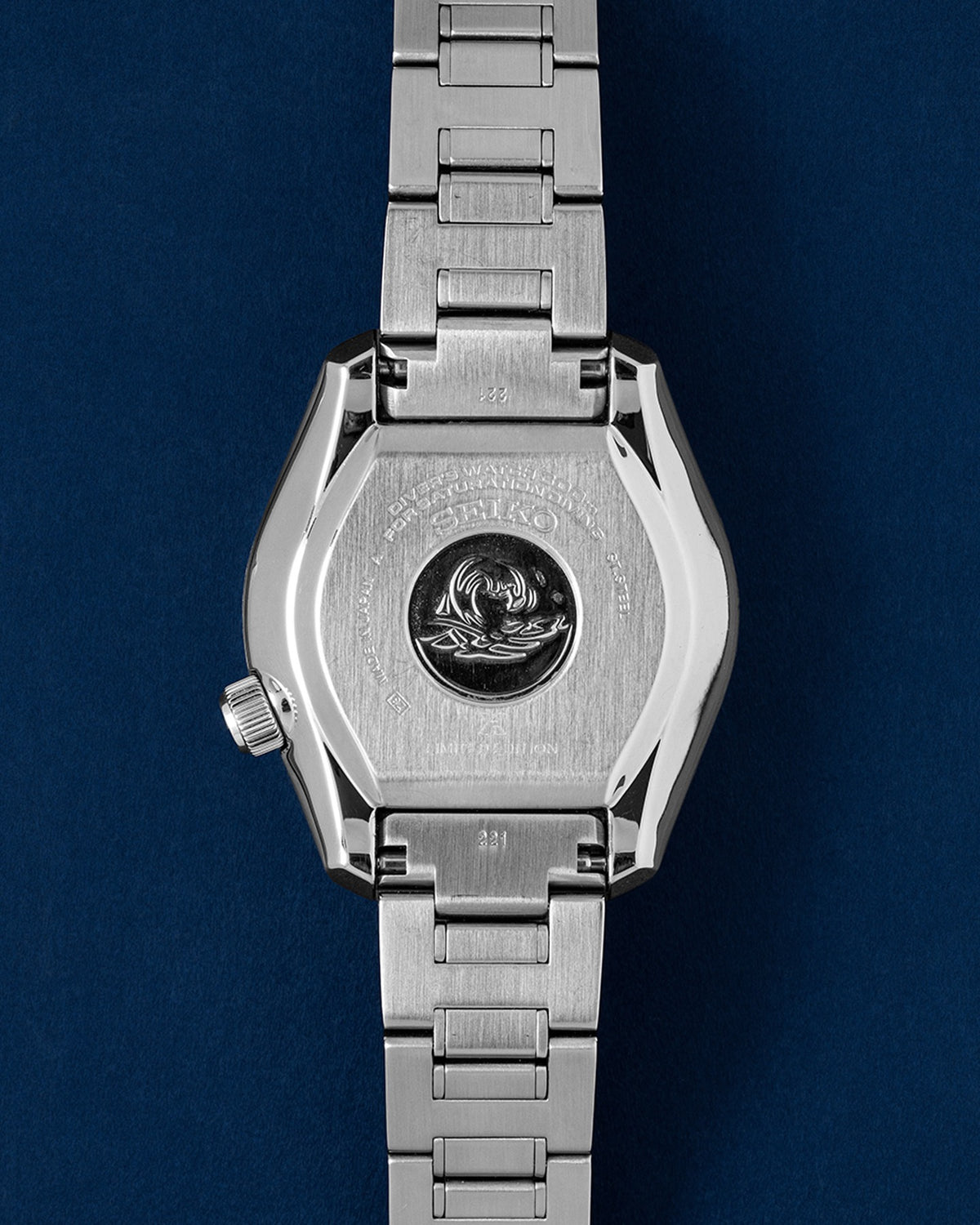
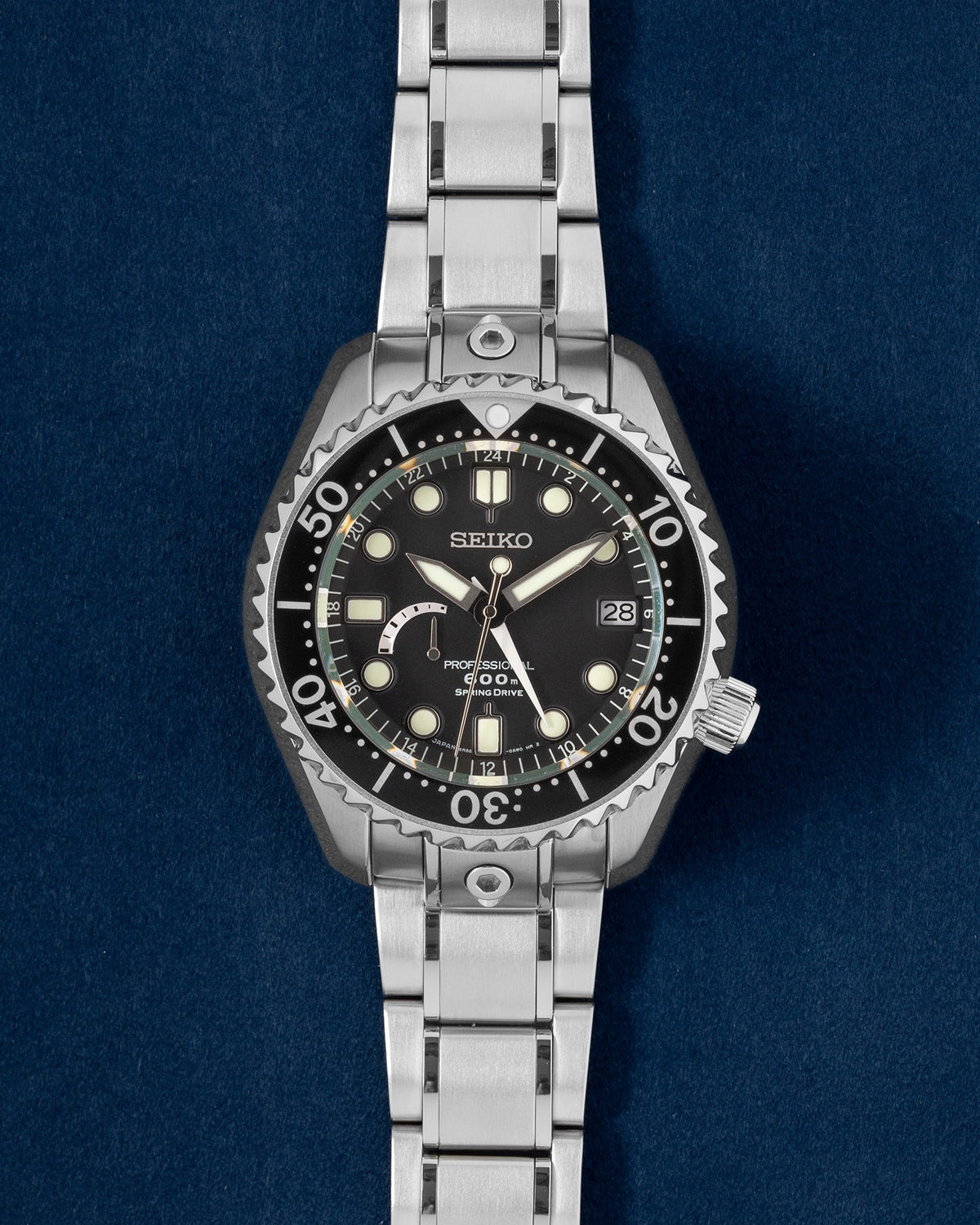
Few brands have a dive heritage as deep as Seiko's, which built Japan's first diver in 1965 and has been at the forefront of the category ever since. Milestones include the 1975 professional Tuna with its distinctive protective shroud and 600 meter rating for saturation diving, the watches worn by real explorers and soldiers, the many beloved case shapes with their enthusiast nicknames, and the modern heritage reissues that faithfully recreate the classics for a new generation. Seiko divers are prized for genuine capability, ISO certification, and outstanding value. This authentic dive pedigree is one of the strongest reasons collectors are drawn to Seiko Watches.
What makes the dive heritage so compelling is that it is genuine, not manufactured, running in an unbroken line from 1965 to the present through watches actually used by professionals, explorers, and military divers. Each modern reissue and new release builds on that real history, which gives even an accessible Prospex diver a sense of authentic lineage. For the collector who values a true tool-watch story, the dive pedigree behind Seiko Watches is difficult for any rival to match.
Seiko Materials and Sizes
Seiko Watches are made in a wide range of materials, from stainless steel across the core collections to lightweight titanium in many Prospex and Astron references, along with the brand's own hardened coatings and ceramic bezels on the higher pieces. Case sizes span the whole spectrum, from compact 38mm and 40mm dress and sports watches to substantial 44mm and 45mm dive and technical references, and the brand has increasingly offered its classics in more wearable proportions, so there is a well-proportioned option for almost any wrist. Sapphire crystals feature on the higher tiers, with Seiko's own hardened crystal on others. This breadth of materials and sizes means there is a Seiko suited to most tastes and most wrists, part of what makes Seiko Watches so genuinely accessible to such a wide range of buyers.
How to Authenticate Seiko Watches
Authenticating Seiko Watches requires knowledge of the brand's vast catalog, because with so many references produced over so many decades, verifying that a watch is correct and original matters, especially on vintage and collectible pieces. Every genuine watch carries a reference number and a movement caliber, and the case, dial, hands, and movement finishing should all be consistent with the specific reference. On vintage pieces, correct dials, hands, and bezels are essential, since these parts are frequently replaced or reproduced, and originality has a significant effect on value.
Because Seiko has produced enormous numbers of watches over more than a century, and because popular references are sometimes counterfeited or assembled from mismatched service parts, confirming that a dial, case, movement, and serial number all correspond to a genuine original configuration matters a great deal, particularly on sought-after vintage divers and discontinued cult references where value depends heavily on originality. A full set with the original box, papers, and documentation both aids authentication and adds value. The decisive step is inspection by a specialist who handles these watches regularly. Every Seiko sold by Grand Caliber is authenticated in house before listing, so buyers do not rely on visual checks alone, which is exactly the assurance a serious dealer provides. With Seiko Watches, where a vast catalog and many collectible vintage references reward careful verification, that rigor lets a buyer shop with genuine confidence.
Seiko Service and Maintenance
A Seiko is a genuine mechanical or technical watch and benefits from regular service, with the interval depending on the movement. Mechanical and automatic references generally follow a service cycle of roughly every three to five years, adjusted to how the watch is worn and how it is running, while quartz, Solar, and Kinetic models require only periodic battery or capacitor replacement and gasket attention to stay reliable. A complete service involves full disassembly, thorough cleaning, inspection of every component, replacement of any worn parts, fresh lubrication, careful reassembly, and precise regulation. For the Prospex divers and other water-resistant references, service should include pressure testing whenever the case is opened, since water resistance depends on the seals performing correctly.
A genuine ownership advantage is that Seiko's mainstream movements are widely understood and robust, so service on standard references is straightforward and can be handled by the brand or by many competent watchmakers, which keeps maintenance accessible. The highest-end Spring Drive and 8L-based Prospex pieces are more specialized and are best serviced by Seiko or a specialist. The reward is that a well-maintained Seiko will run reliably for decades, and many vintage examples continue to perform generations after they were made. Grand Caliber can advise on realistic service considerations for any reference and point owners toward appropriate specialists.
Buying Your First Seiko Watch
For a first Seiko, the right choice depends on what draws you to the brand. If you want an accessible first mechanical watch, the Seiko 5 and Seiko 5 Sports are among the most recommended automatics at any price. If you want a genuine tool watch, a Prospex diver offers real capability and the brand's dive heritage. If you want a mechanical dress watch with beautiful craft, the Presage collection delivers hand-finished artisan dials and a genuine automatic movement at a remarkable price. If you want something more elevated, King Seiko offers refined heritage, and if you want cutting-edge technology, the Astron leads. Each represents a very different way into the brand, and there is no single right answer, only the Seiko Watches that speak most directly to you.
The common first-buyer considerations are worth stating plainly. Decide whether you want mechanical, quartz, Solar, or Spring Drive, since the range covers all of them. For collectible or vintage pieces, buy the best condition and most complete example you can, since original parts, box, and papers matter enormously on discontinued and vintage references. And buy the watch you are genuinely drawn to, because Seiko rewards long ownership at every level. Grand Caliber authenticates every piece in house, prices openly, and guides rather than pressures, so a first Seiko is a confident acquisition rather than a gamble. Every piece we sell has been vetted for authenticity and condition, so whether it is your first Seiko or an addition to an established collection of Seiko Watches, you know exactly what you are getting.
Need Help Choosing a Seiko Watch
Choosing among Seiko Watches is easier with a knowledgeable conversation, and Grand Caliber makes that straightforward. You can book an appointment at the Uptown Dallas showroom to handle the watches in person, arrange a phone or text consultation to talk through references and current market pricing, or send an email inquiry about a specific piece or a sourcing request for something we do not currently have in stock. Given how vast the catalog of Seiko Watches is, from an accessible Seiko 5 to a rare vintage diver or a high-end Spring Drive Prospex, finding the right example is often where our expertise matters most.
To reach the Dallas showroom, call (214) 225-7198 or email info@grandcaliber.com. We serve collectors and enthusiasts across the United States with fully insured nationwide shipping, and international inquiries are welcome. Whether you are buying your first automatic, hunting a discontinued cult reference or a vintage diver, or selling a piece you already own, Grand Caliber is a trusted source for new and pre-owned Seiko Watches backed by in-house authentication and transparent pricing.

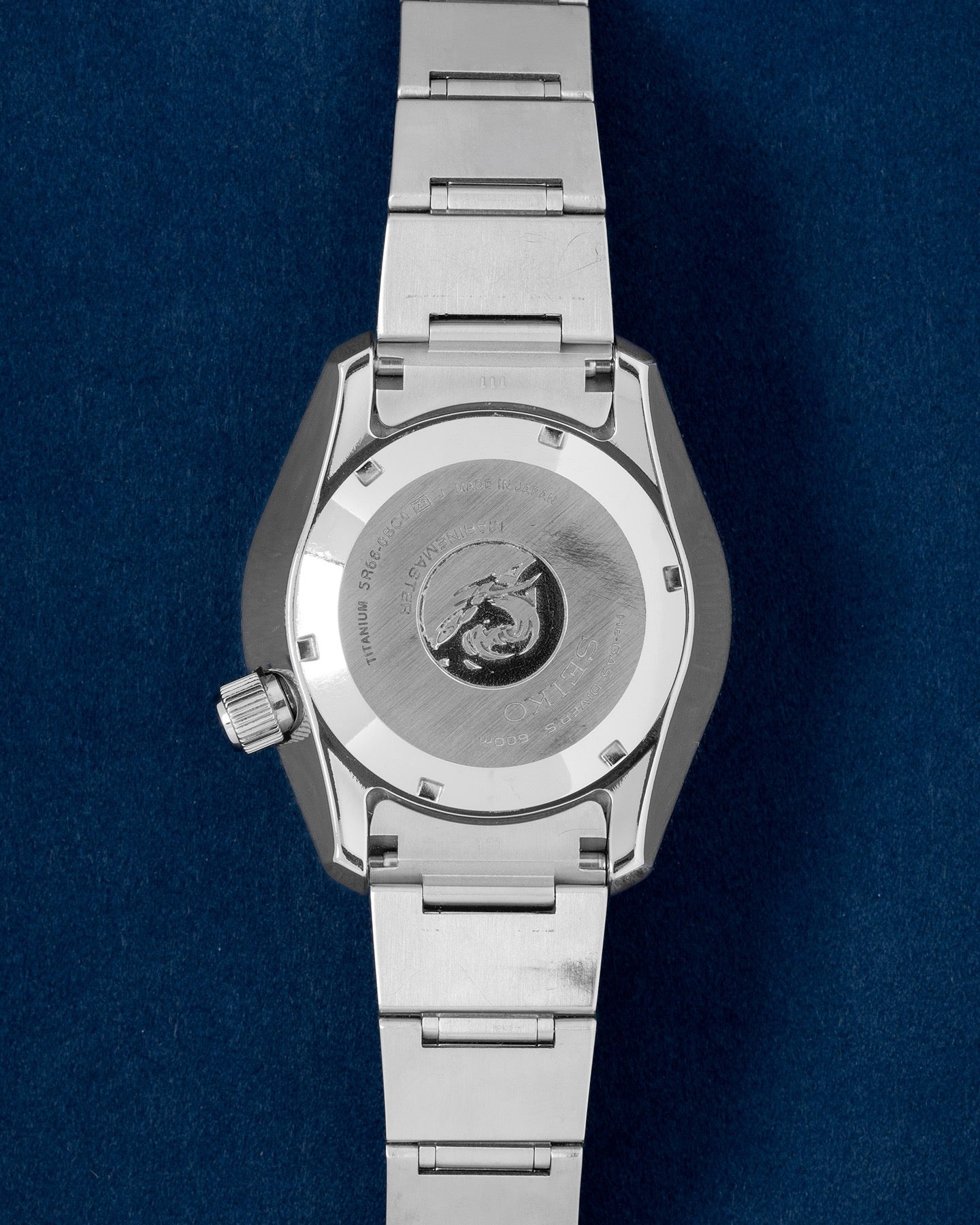
Vintage
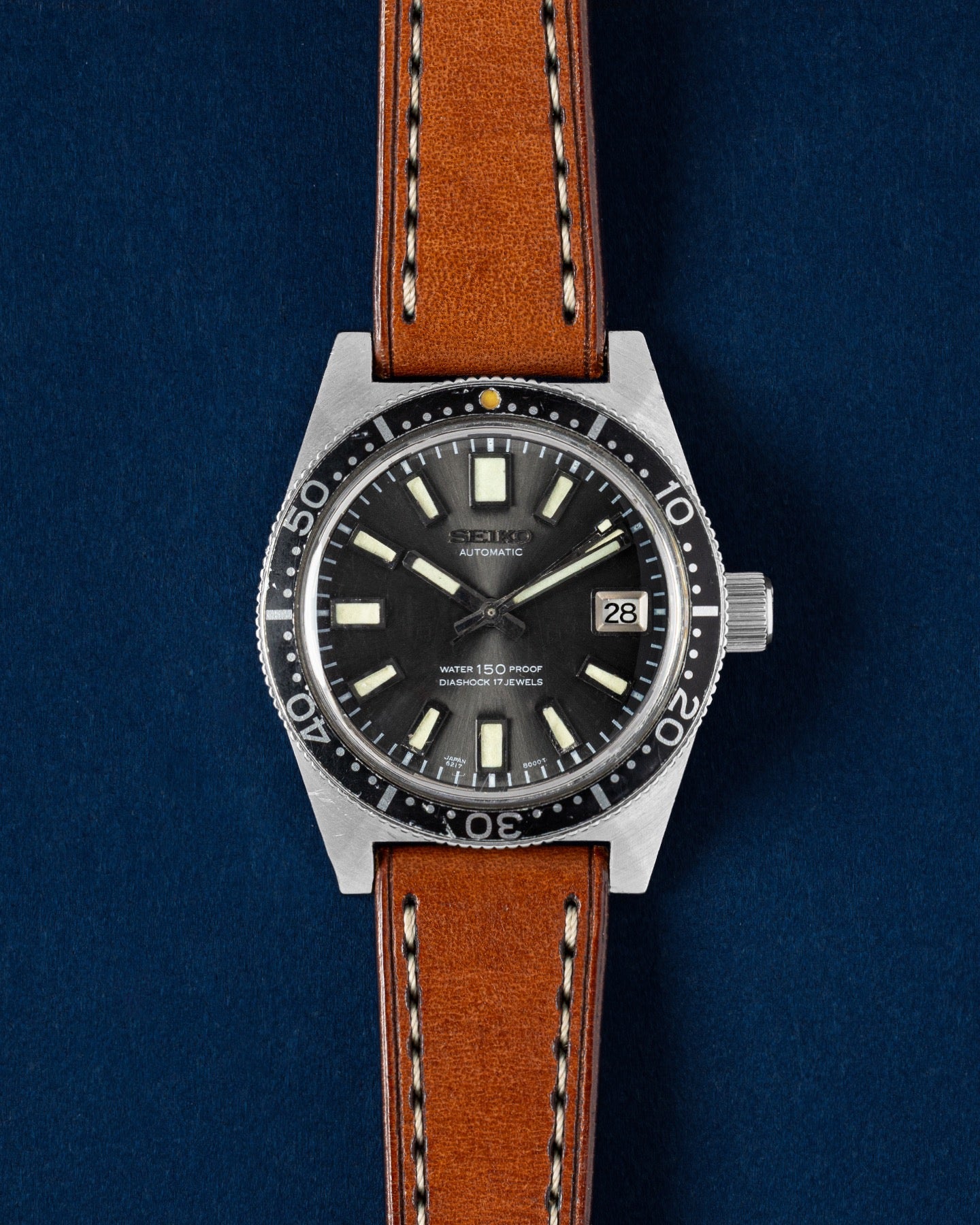
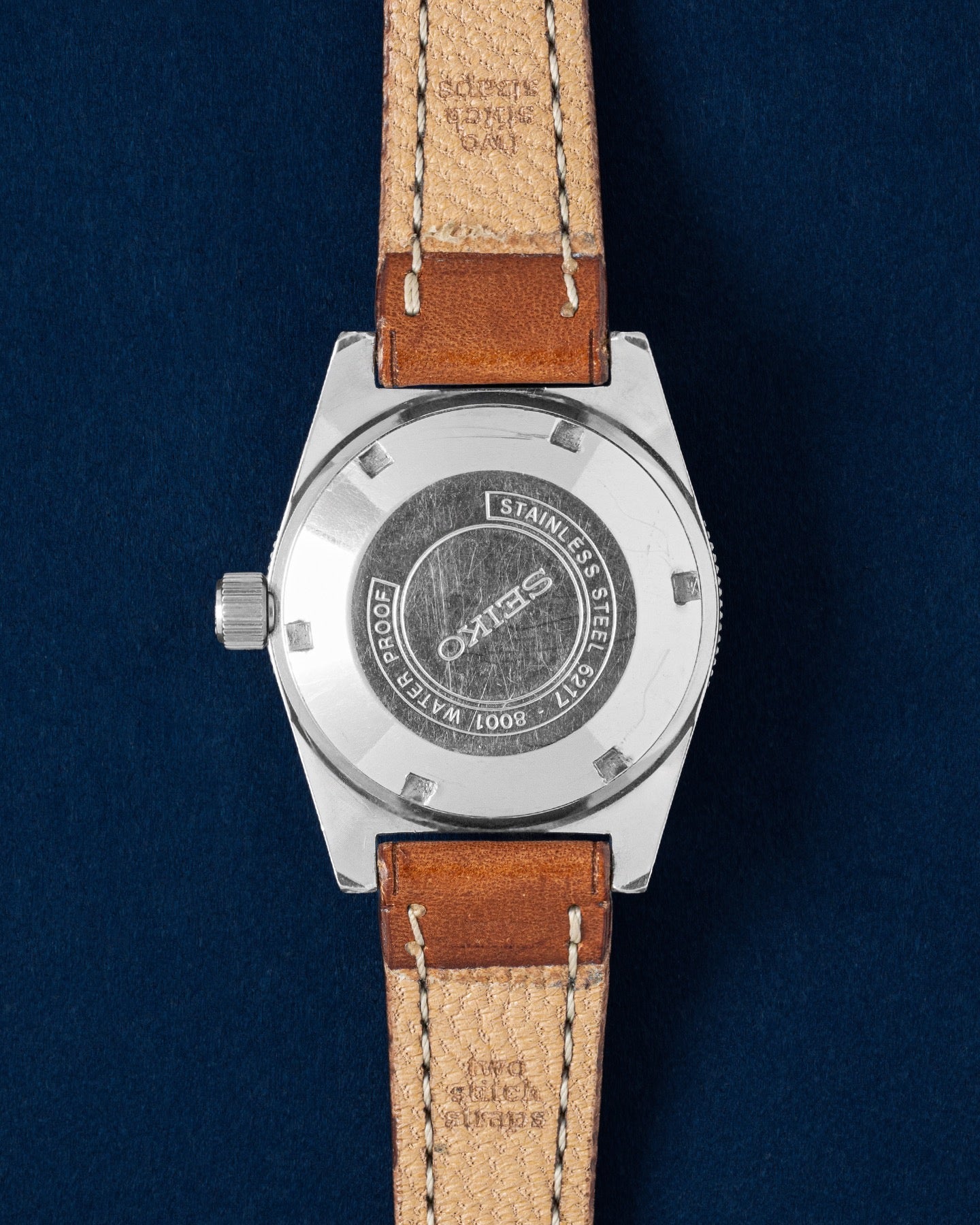
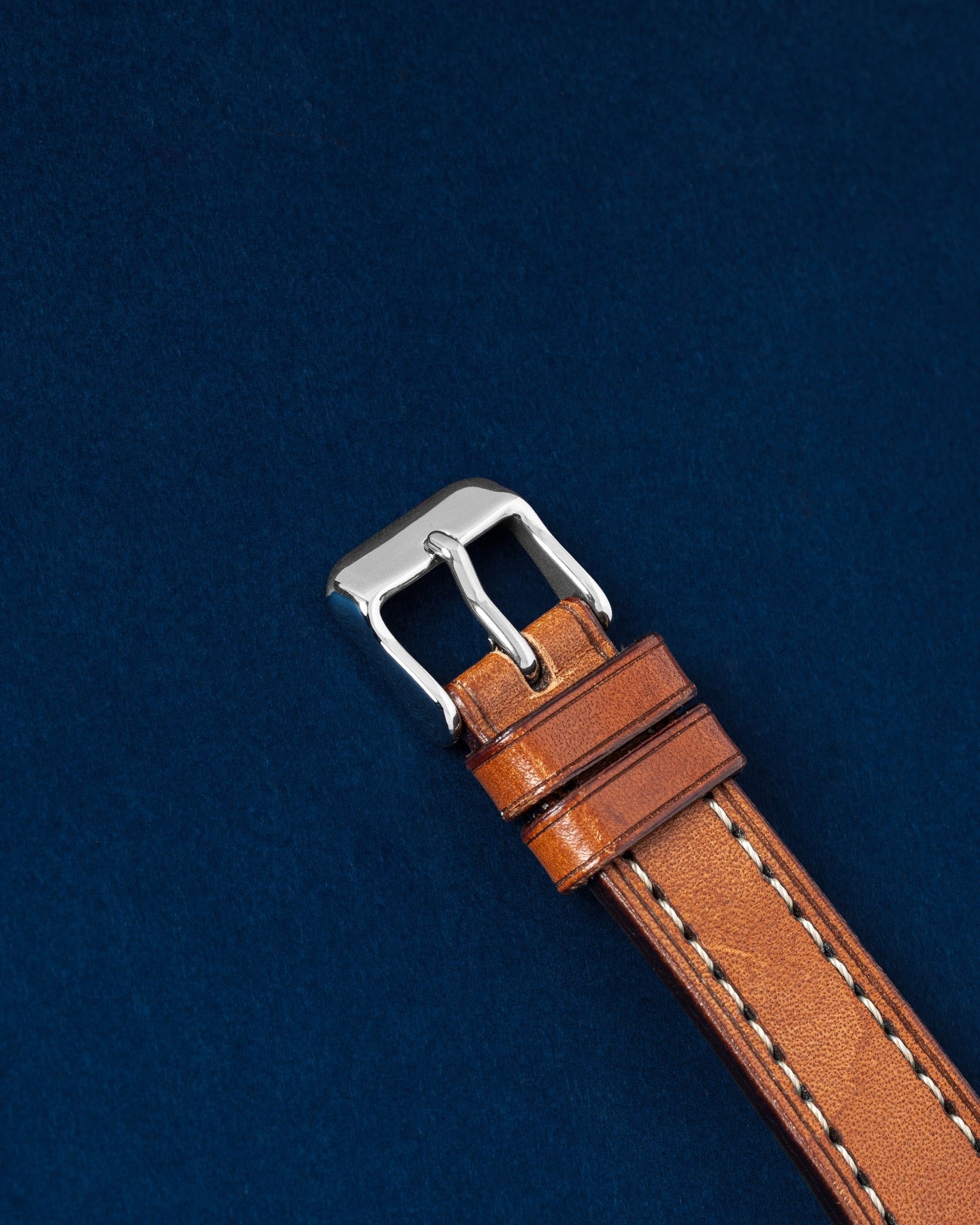
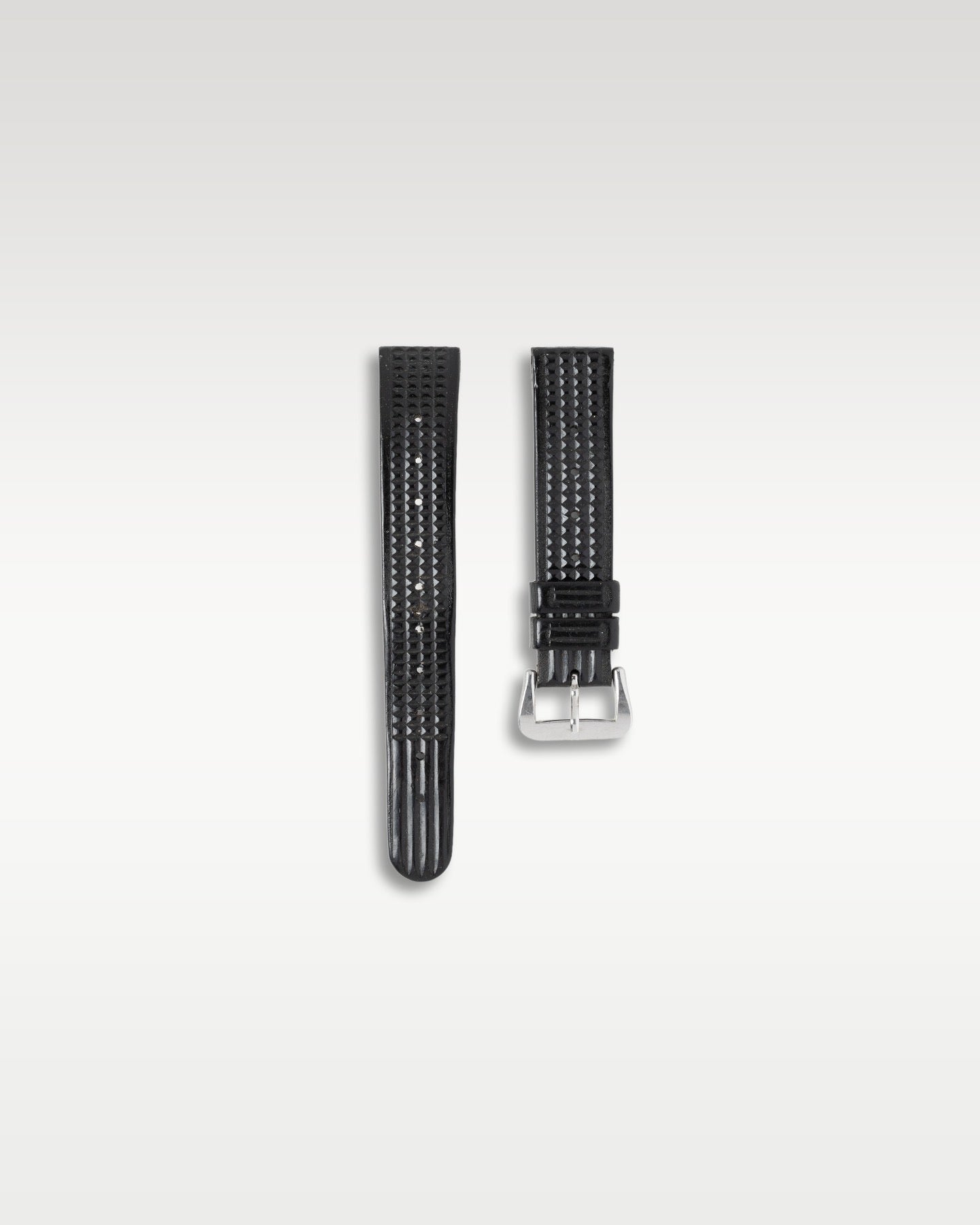
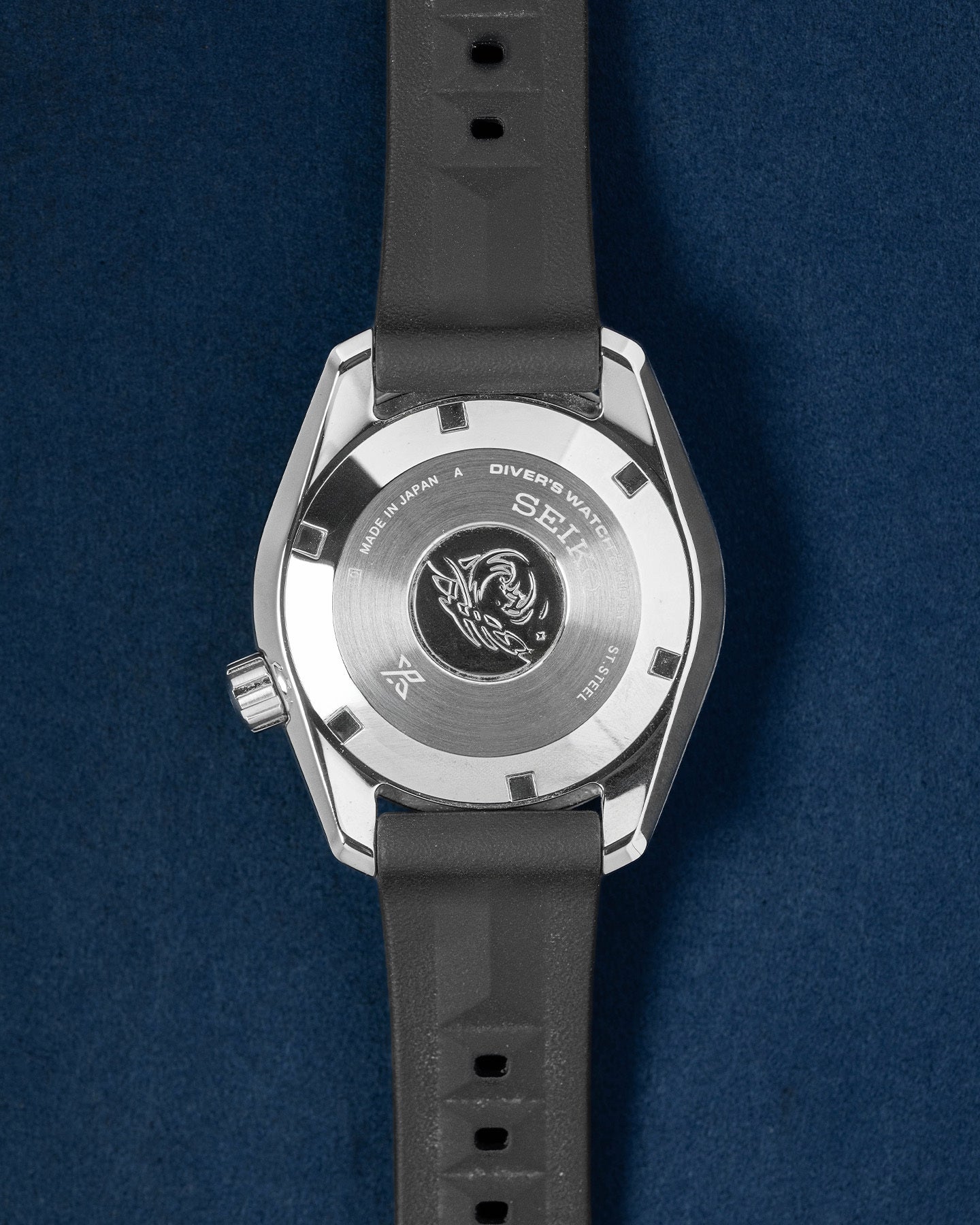
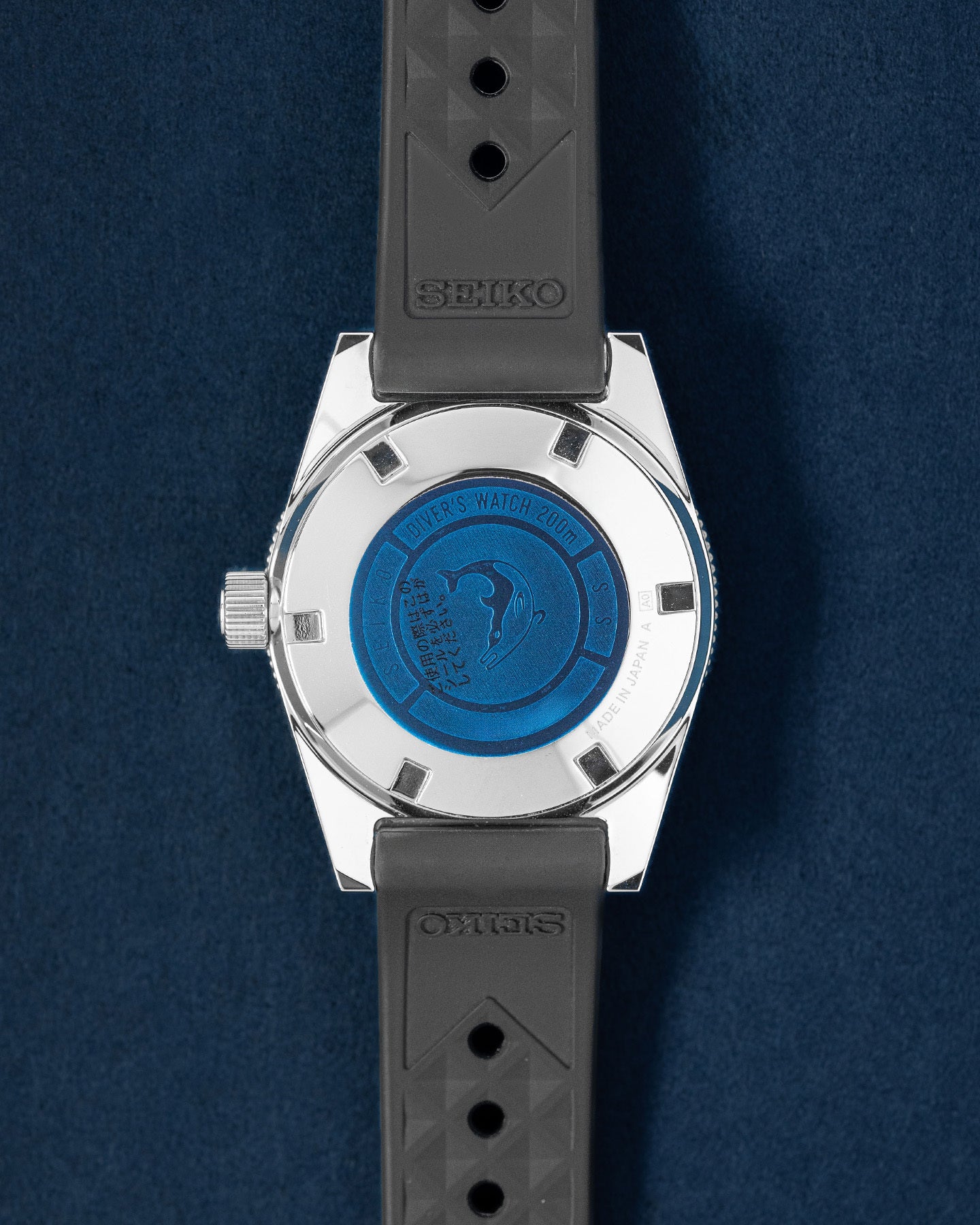
Seiko Scuba 62mas Diver 6217-8001
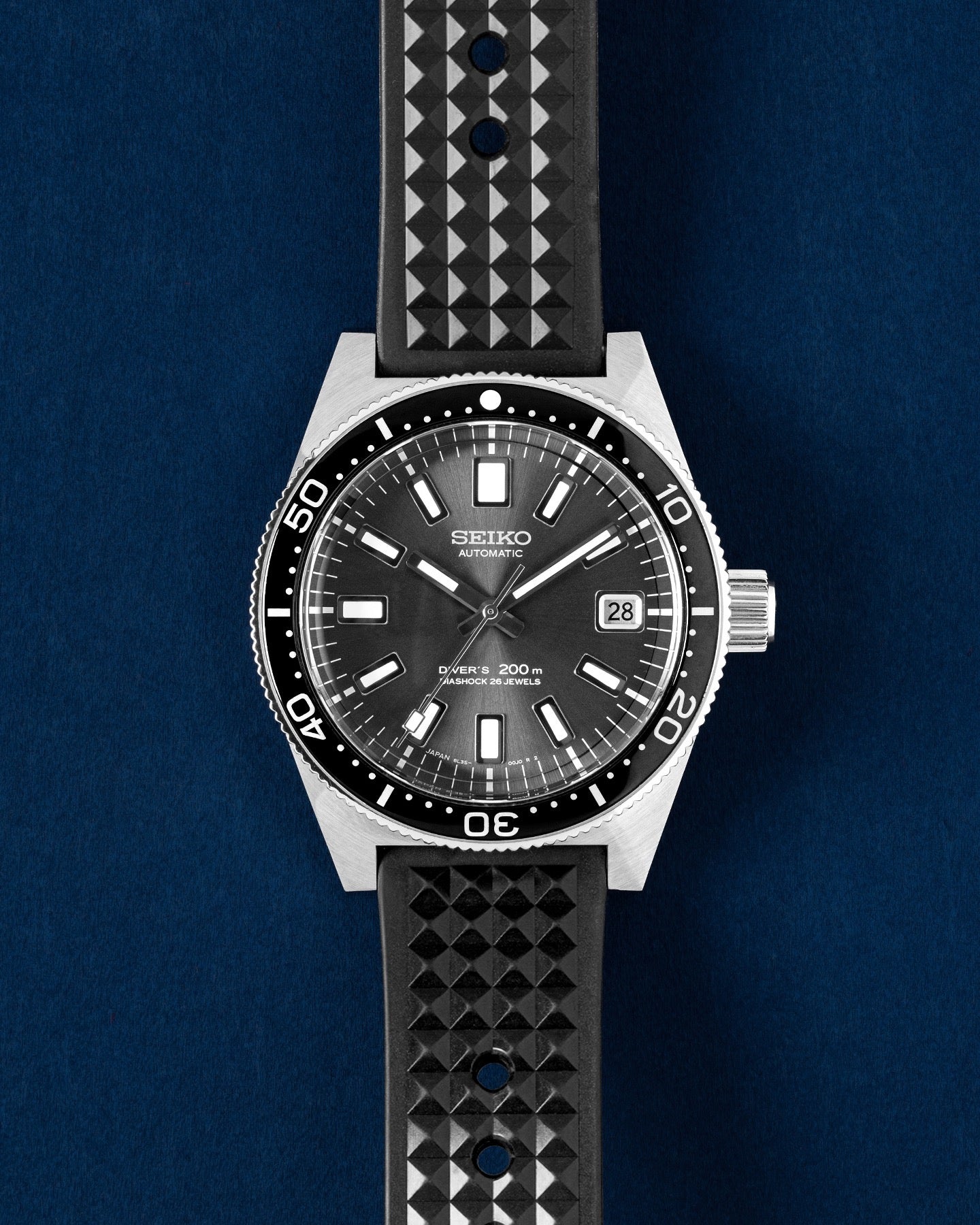
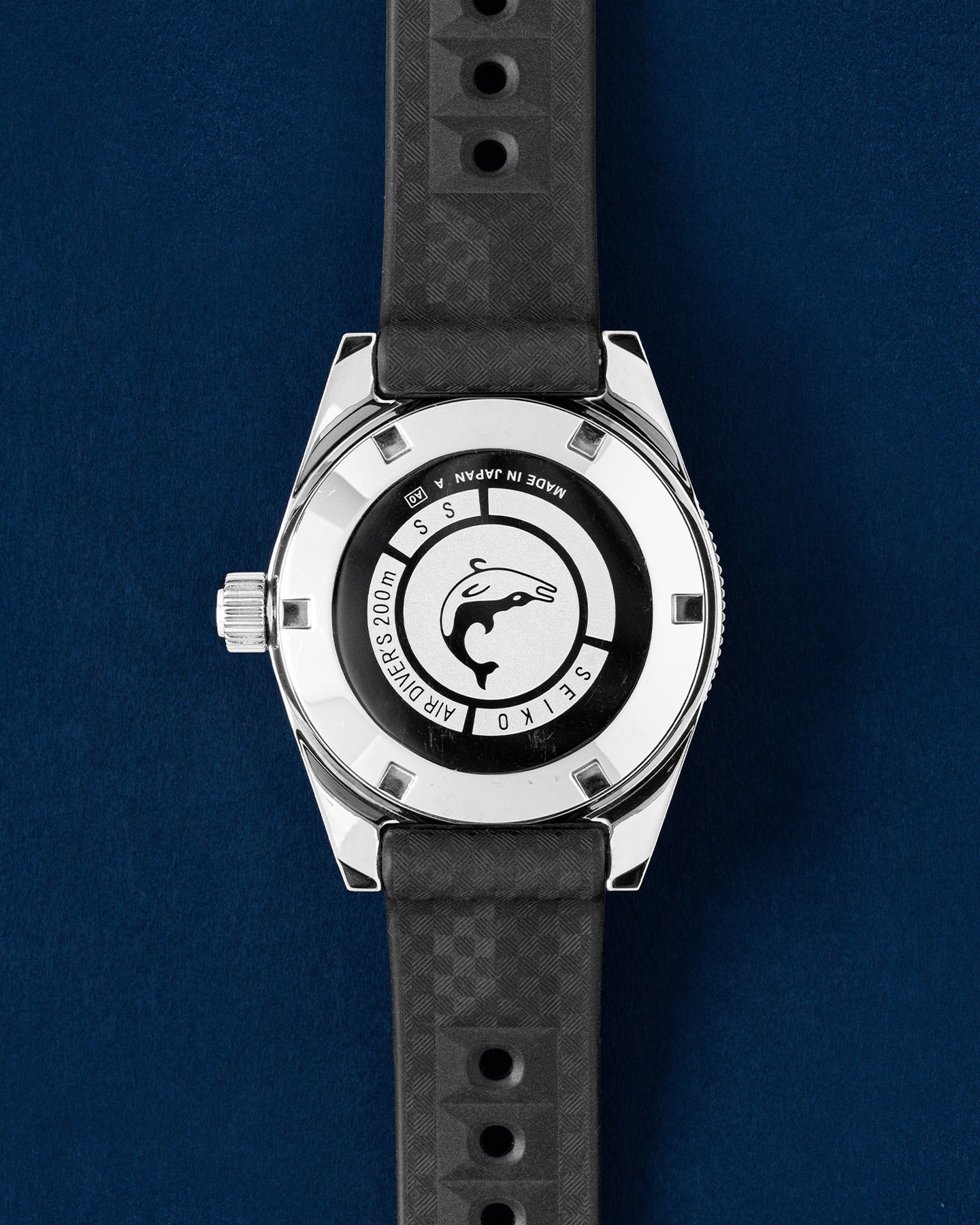
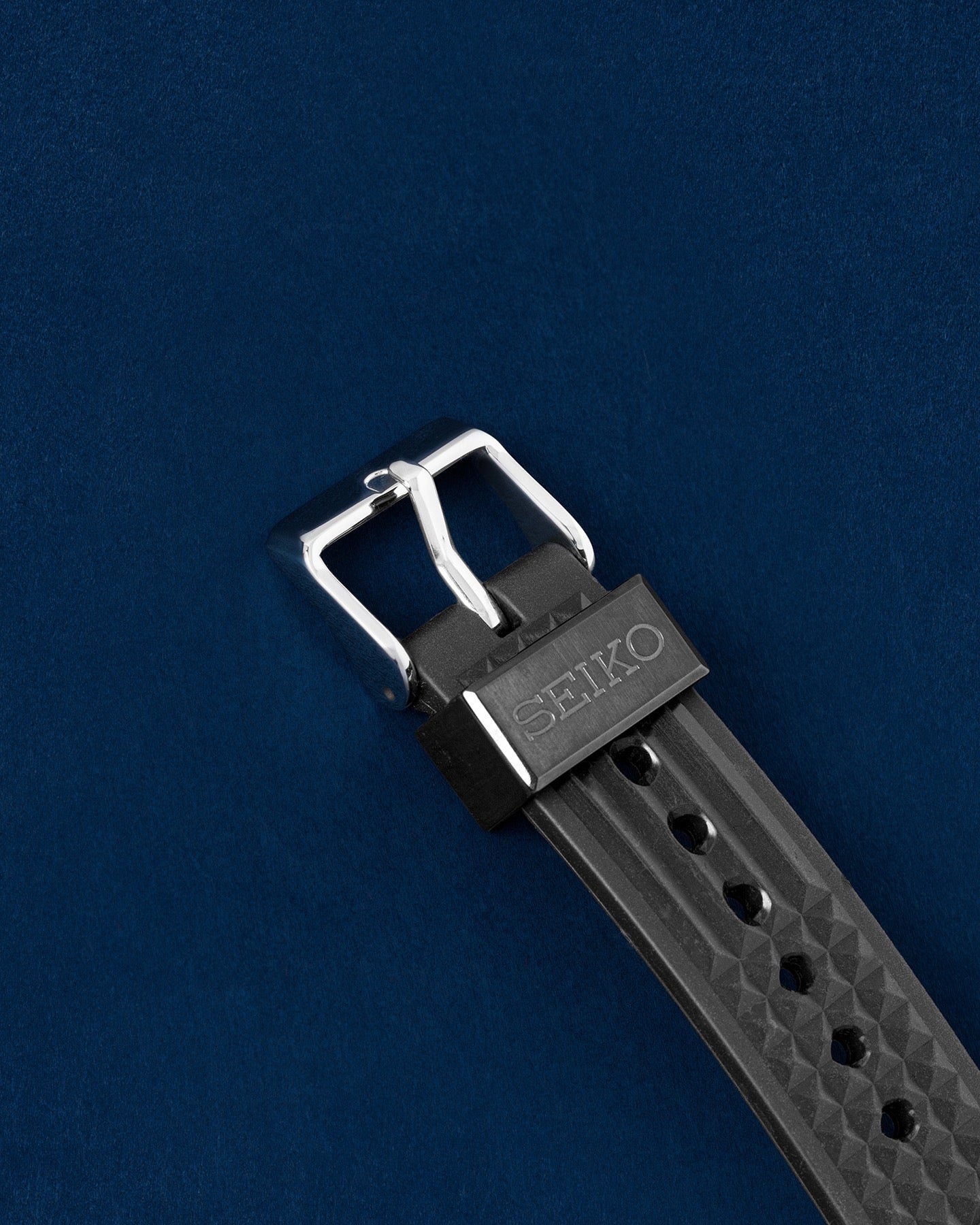
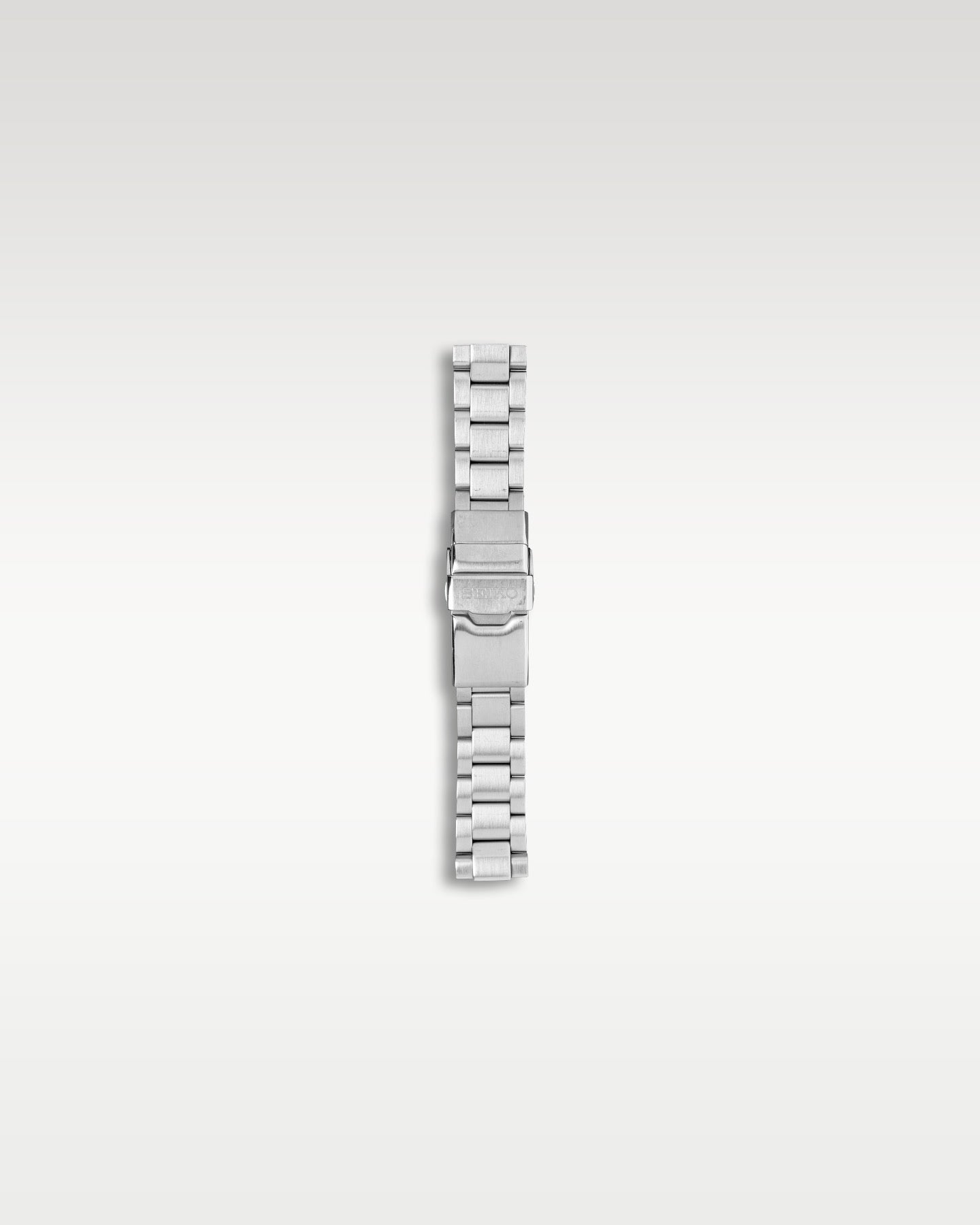
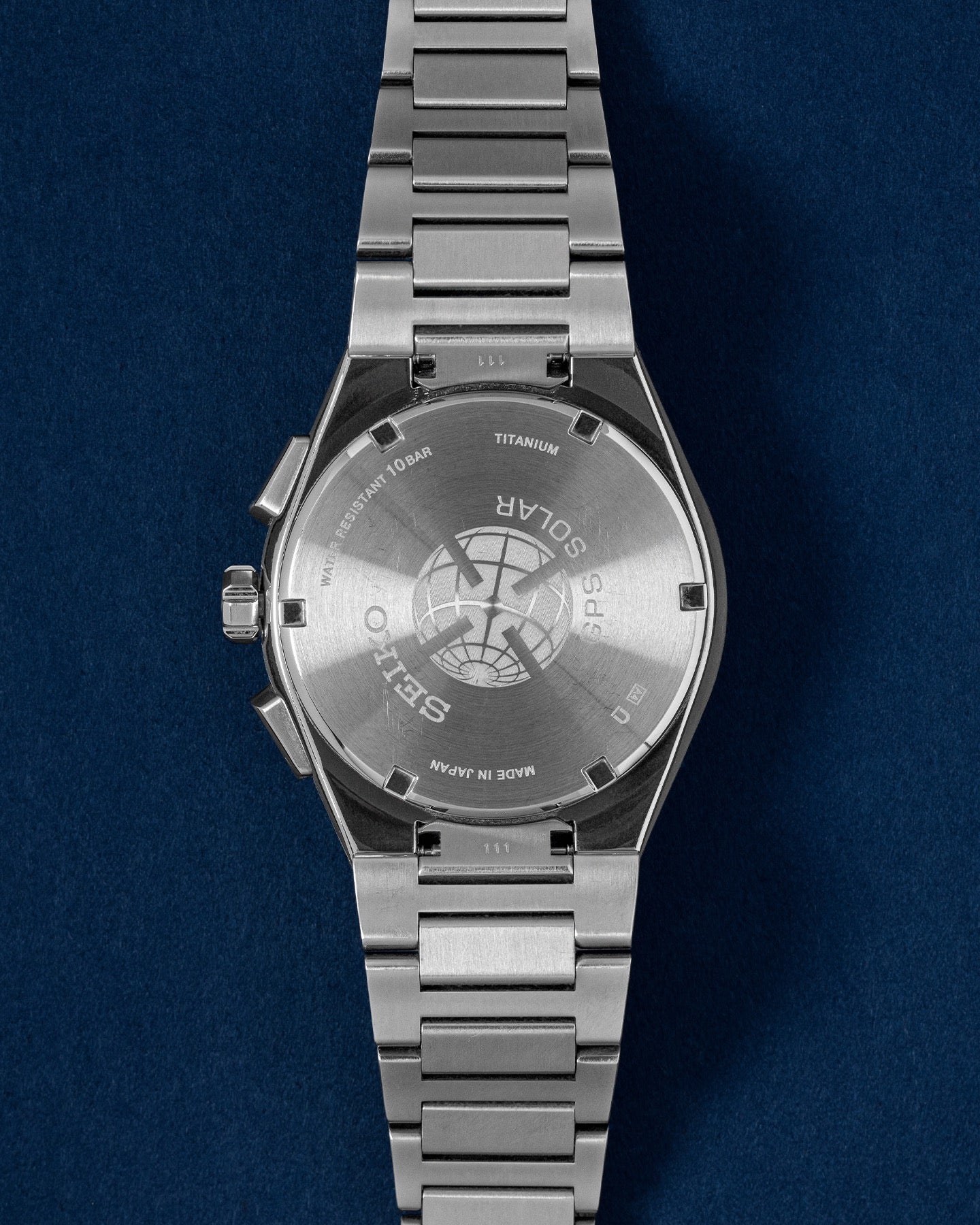
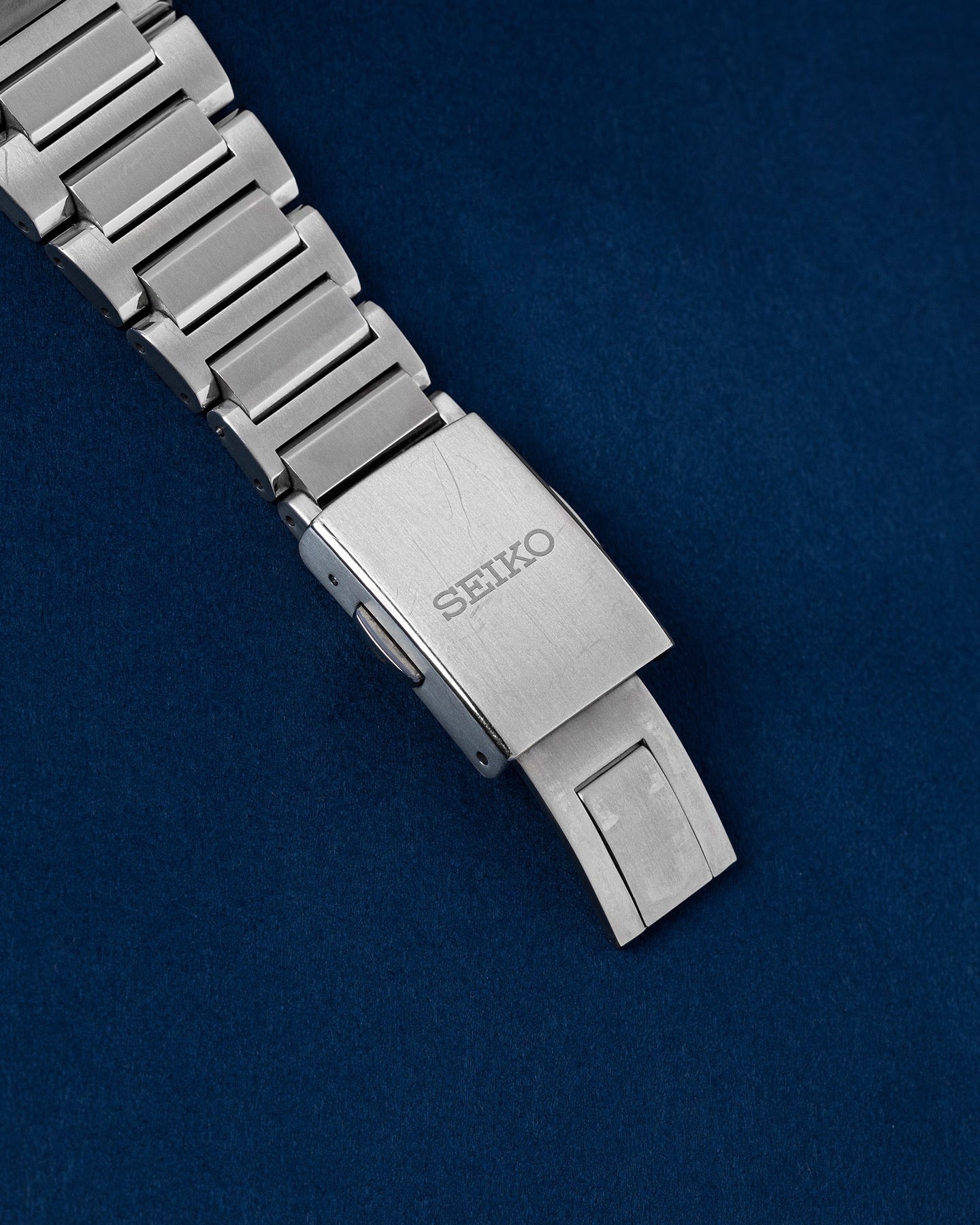
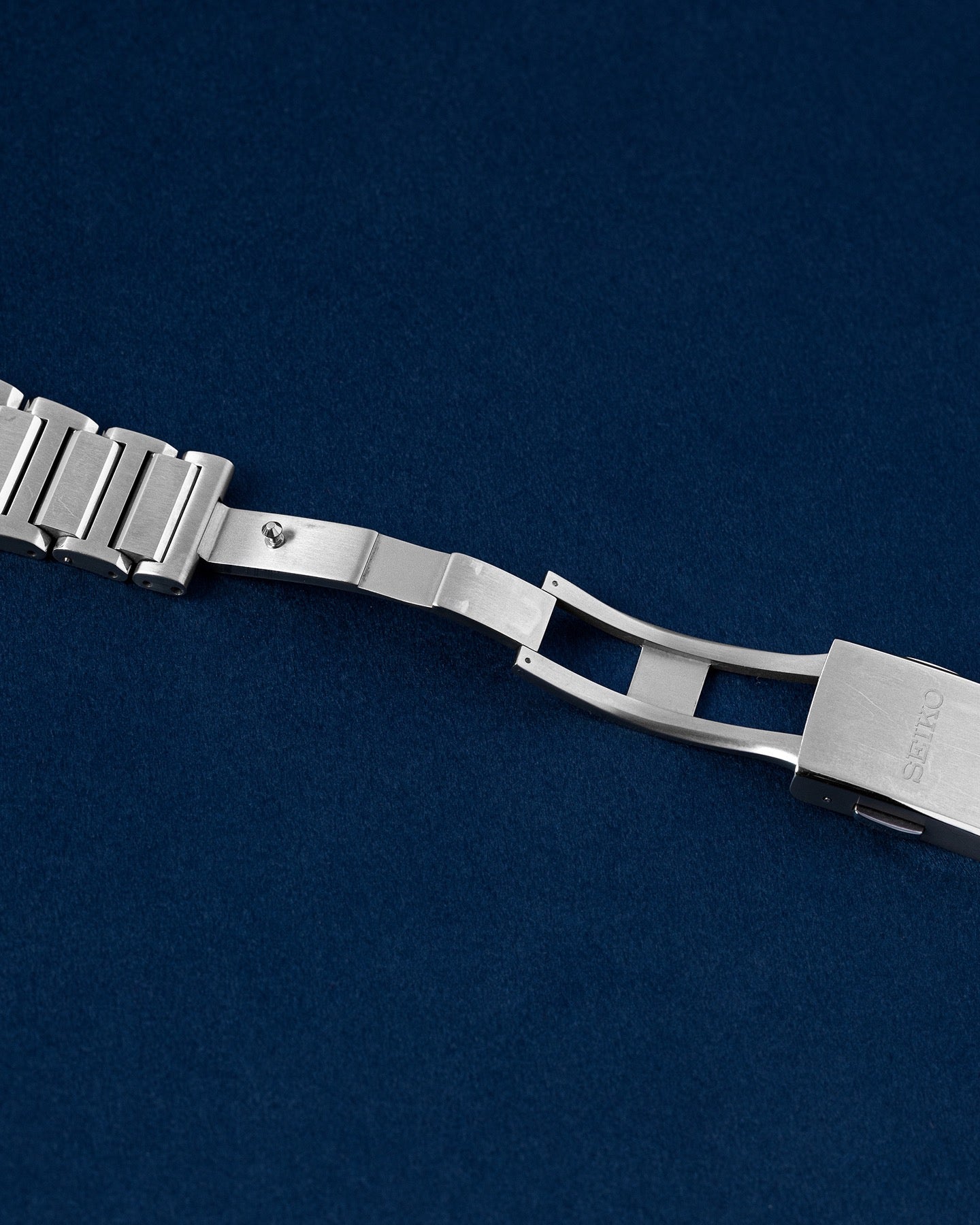
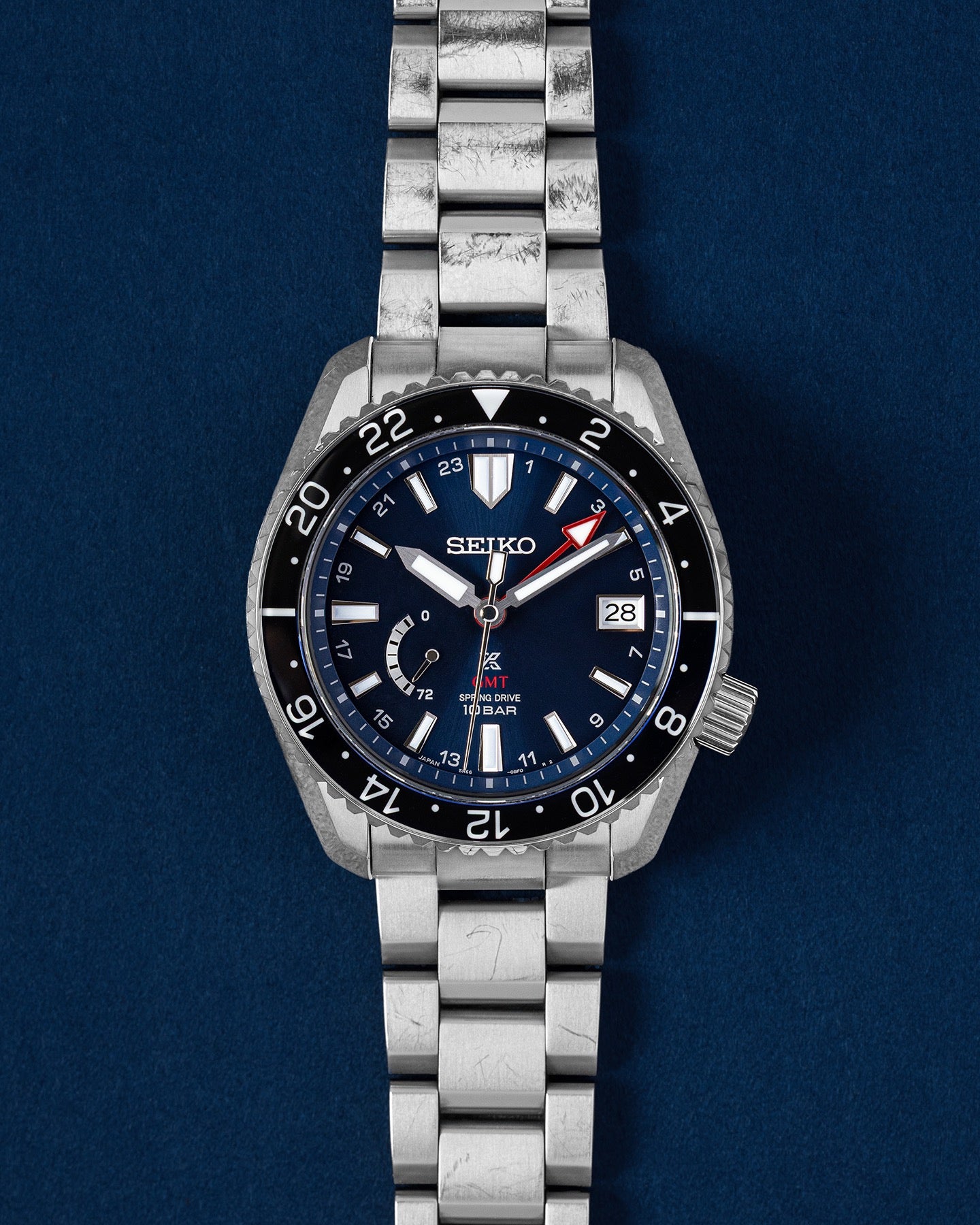
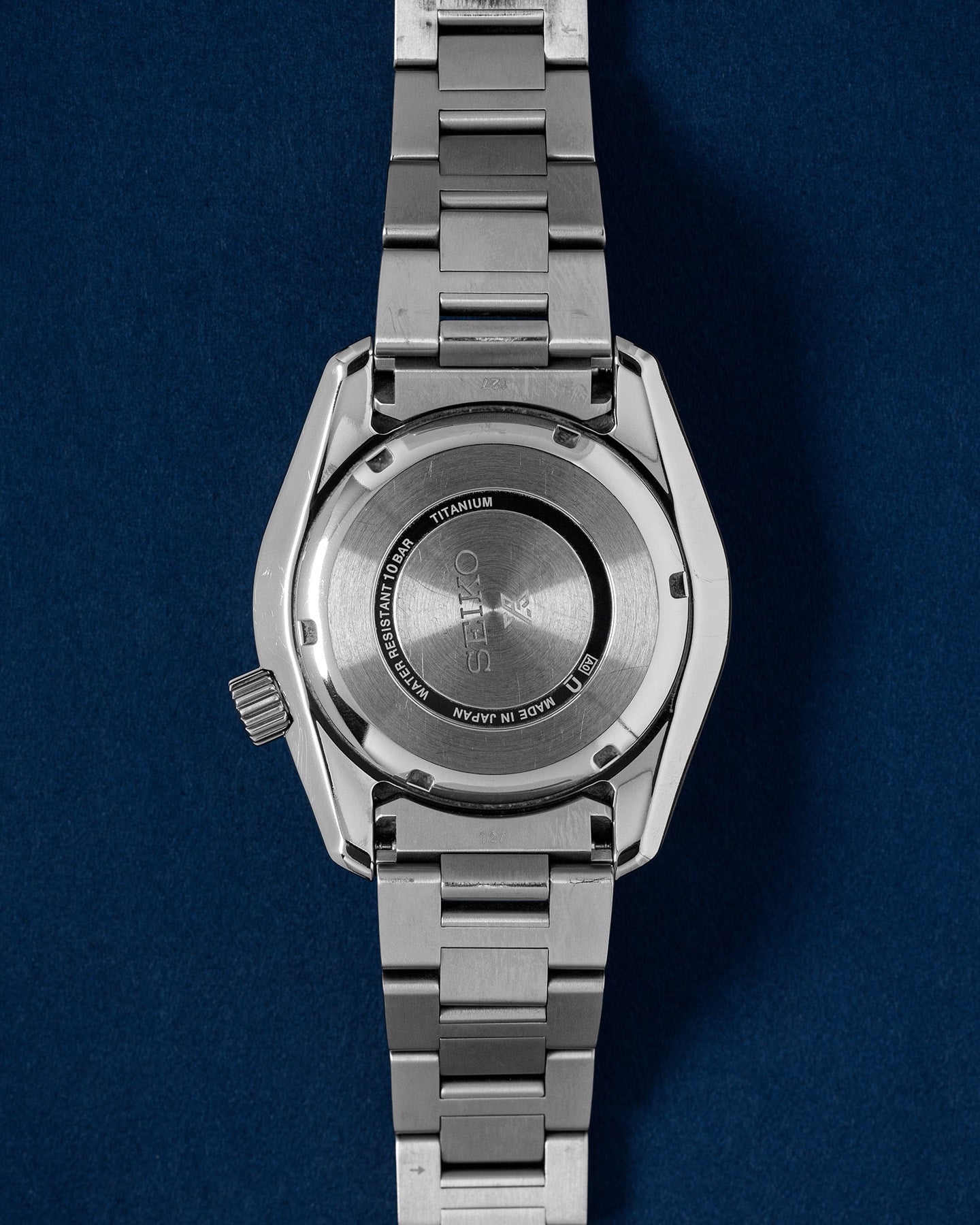
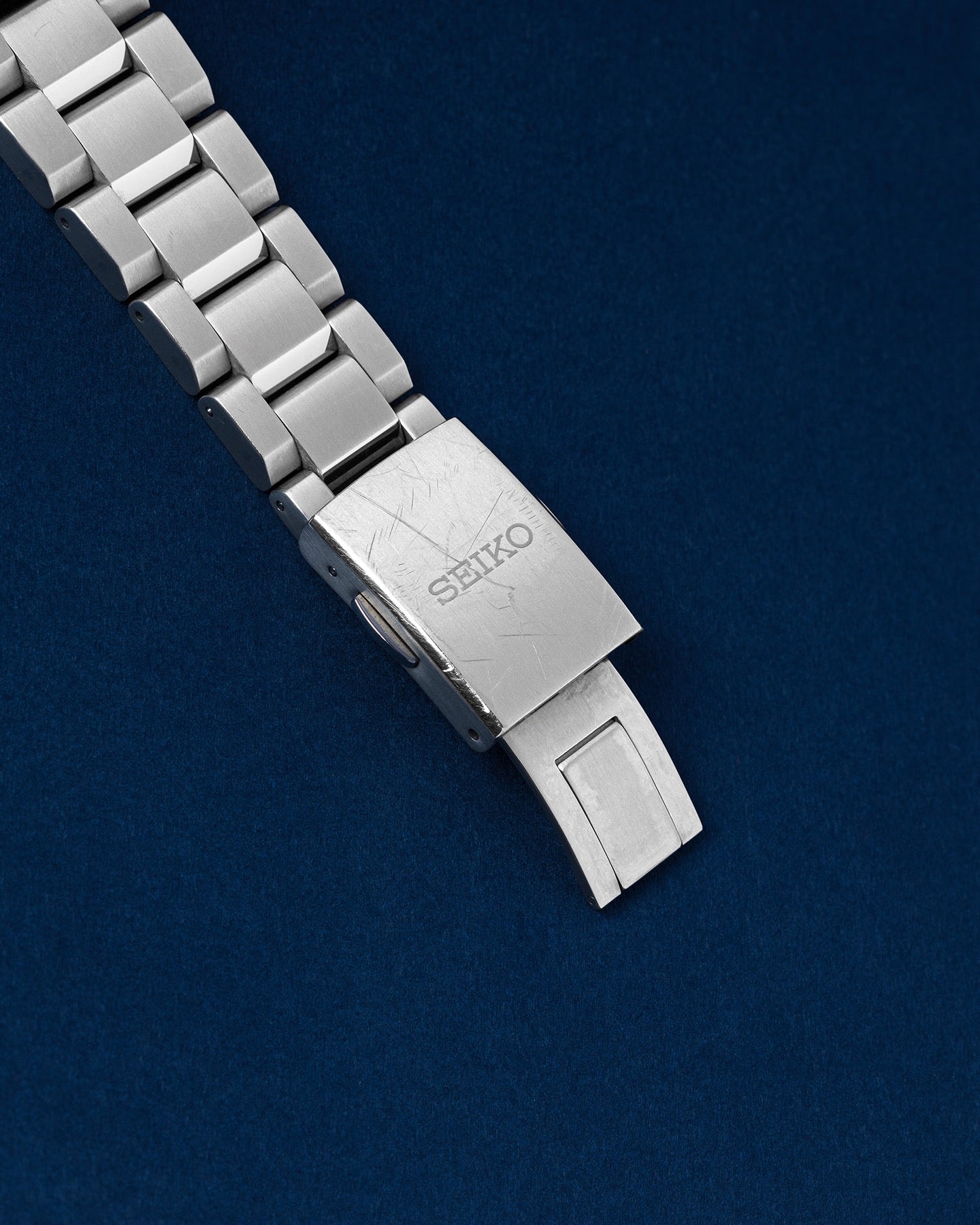
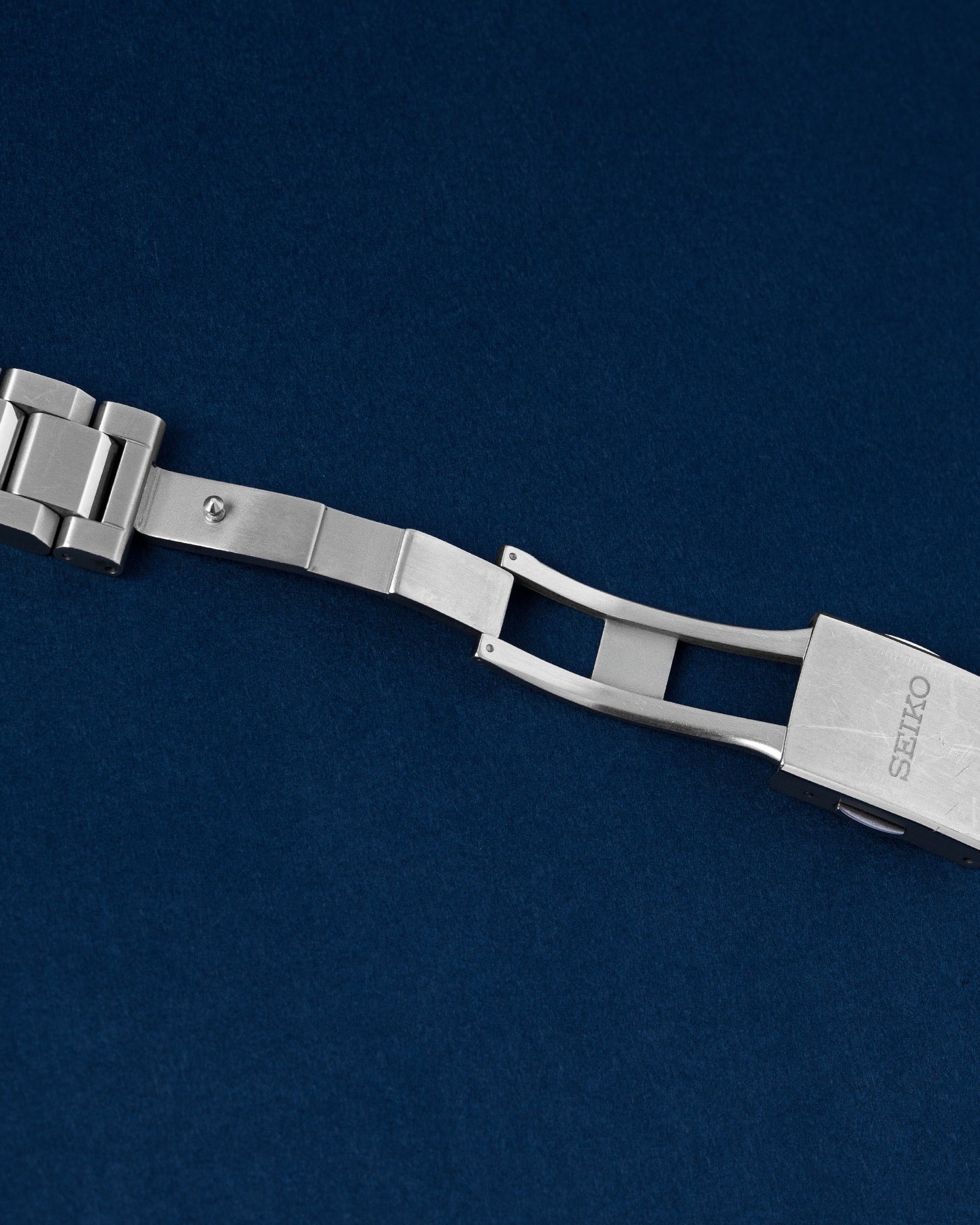
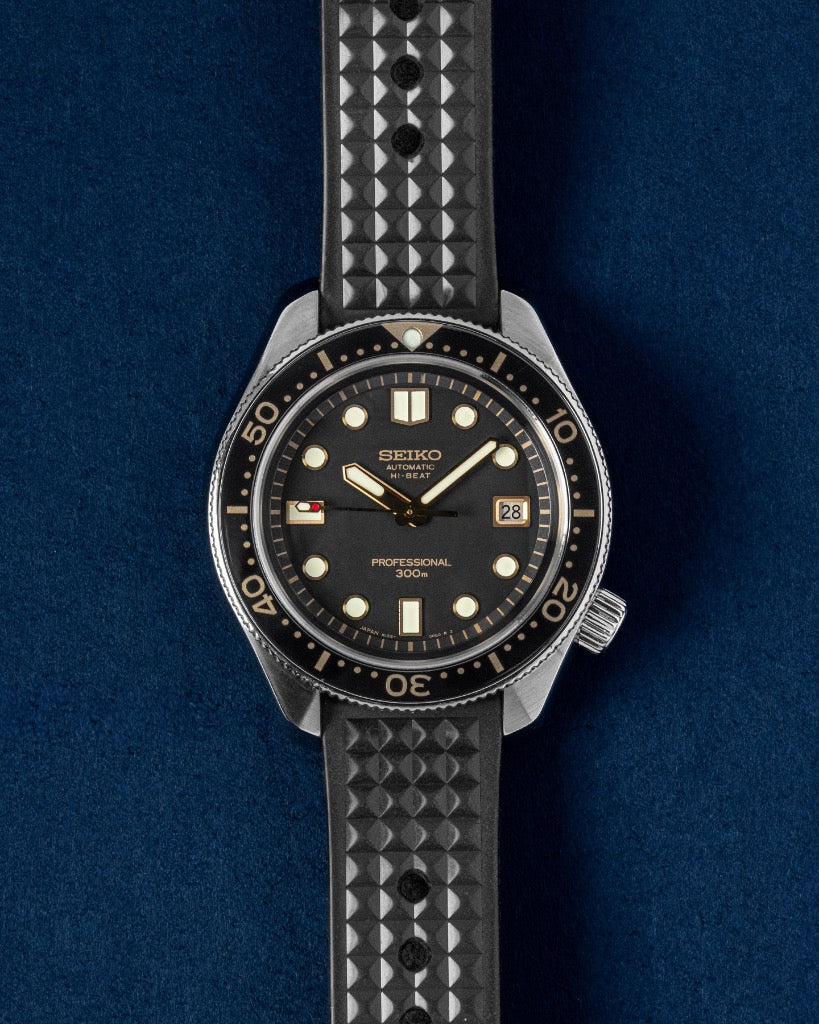
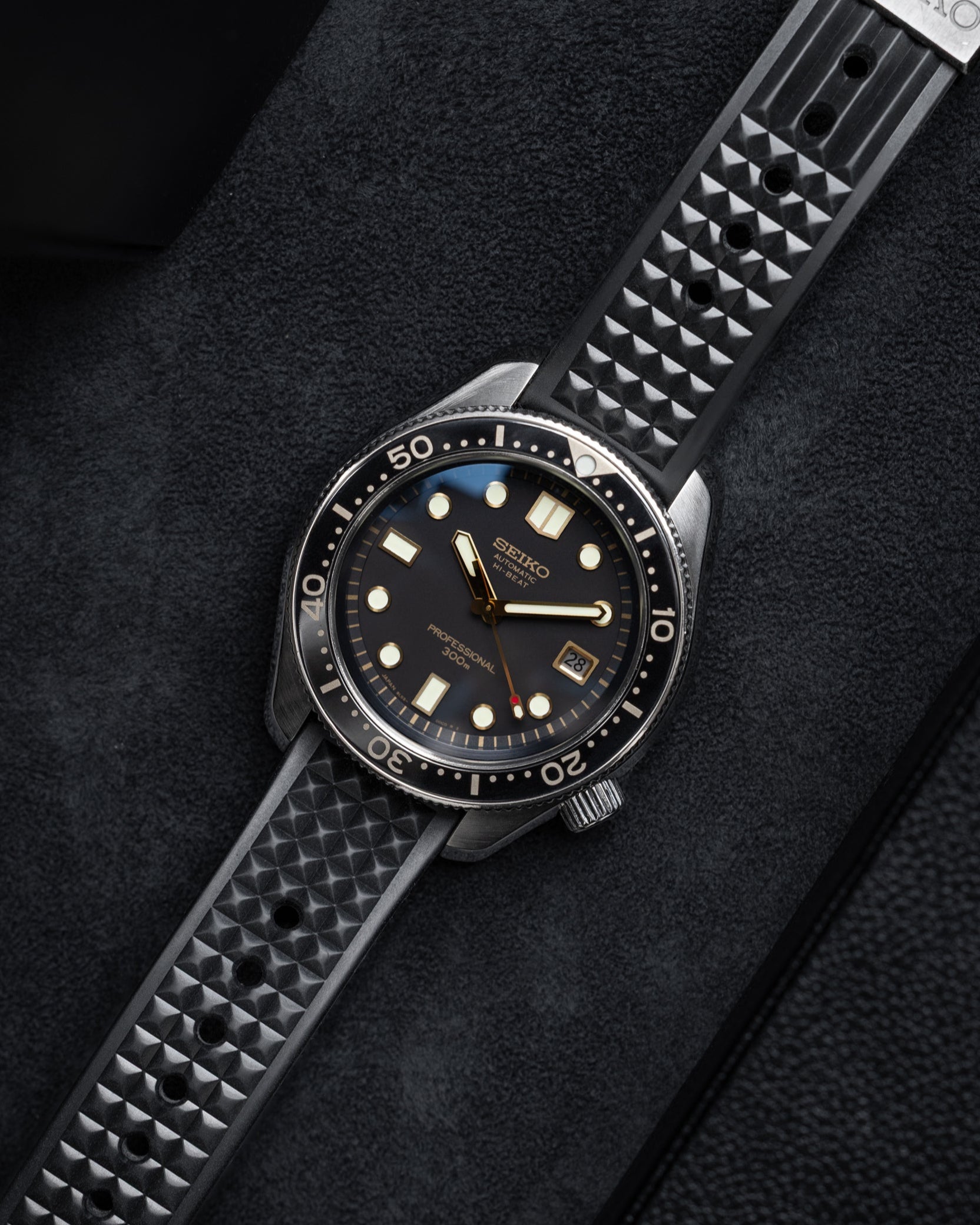
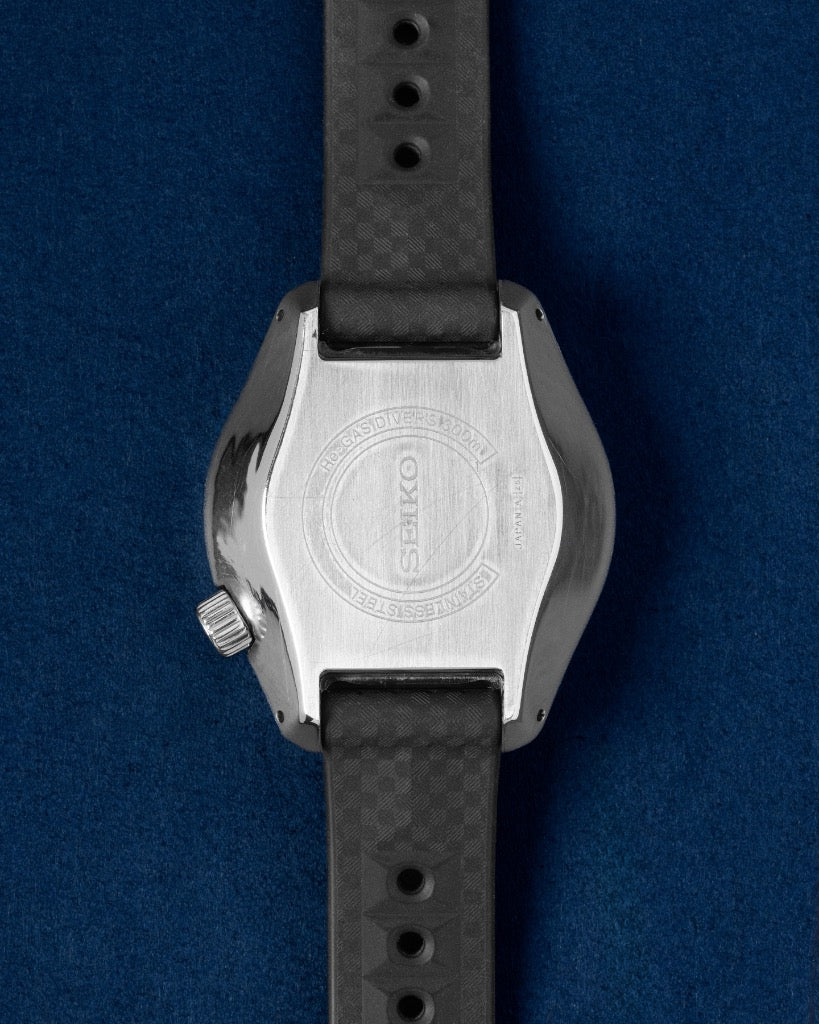
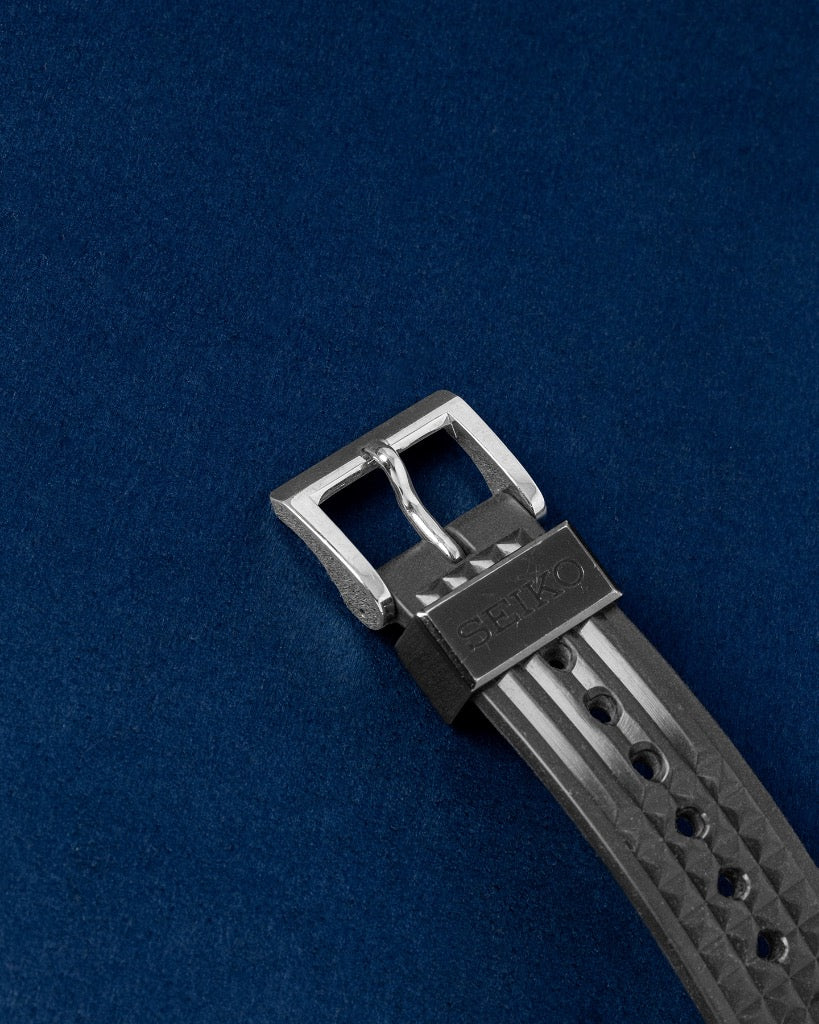
Seiko Prospex Diver 300m Hi-Beat SLA025
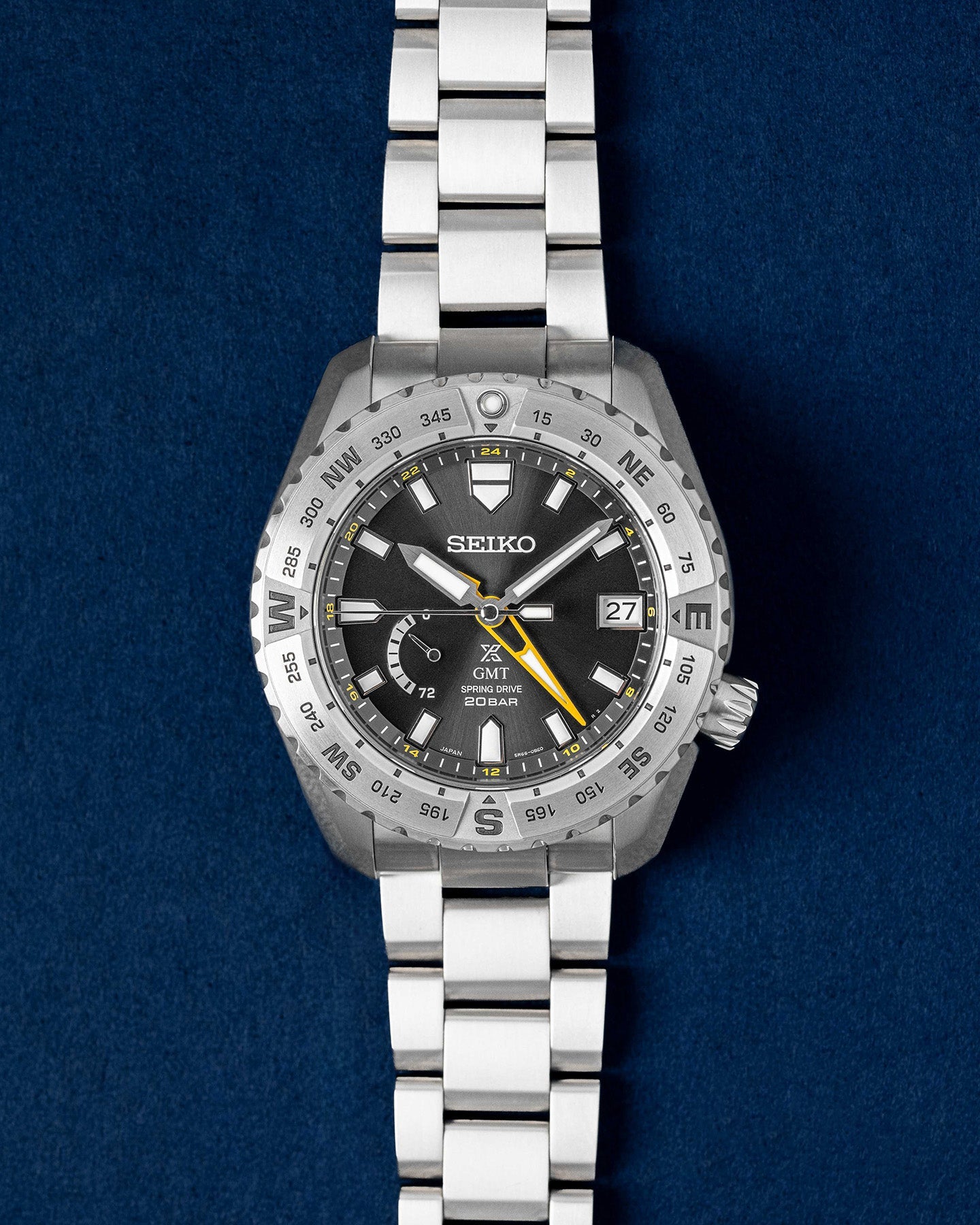
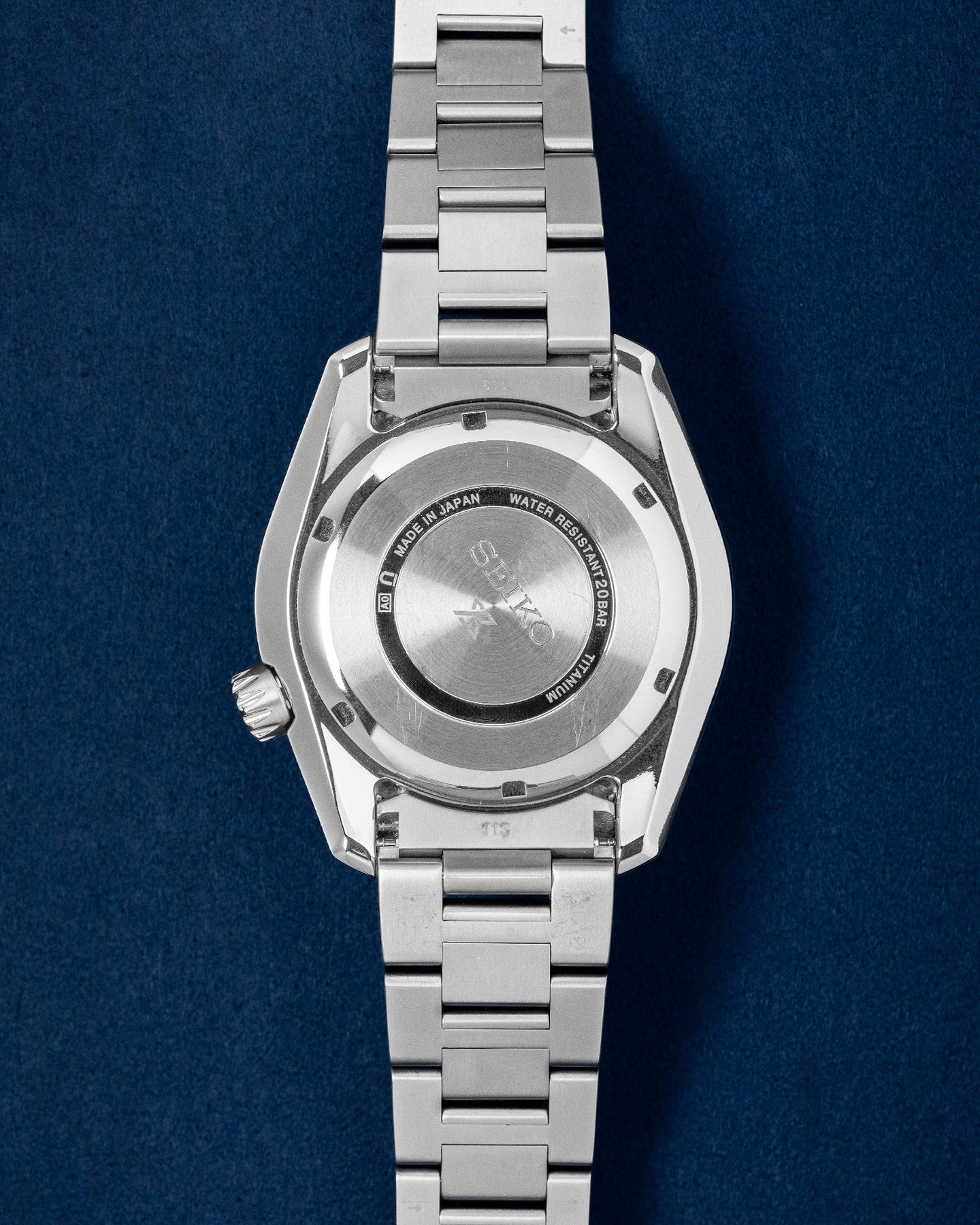
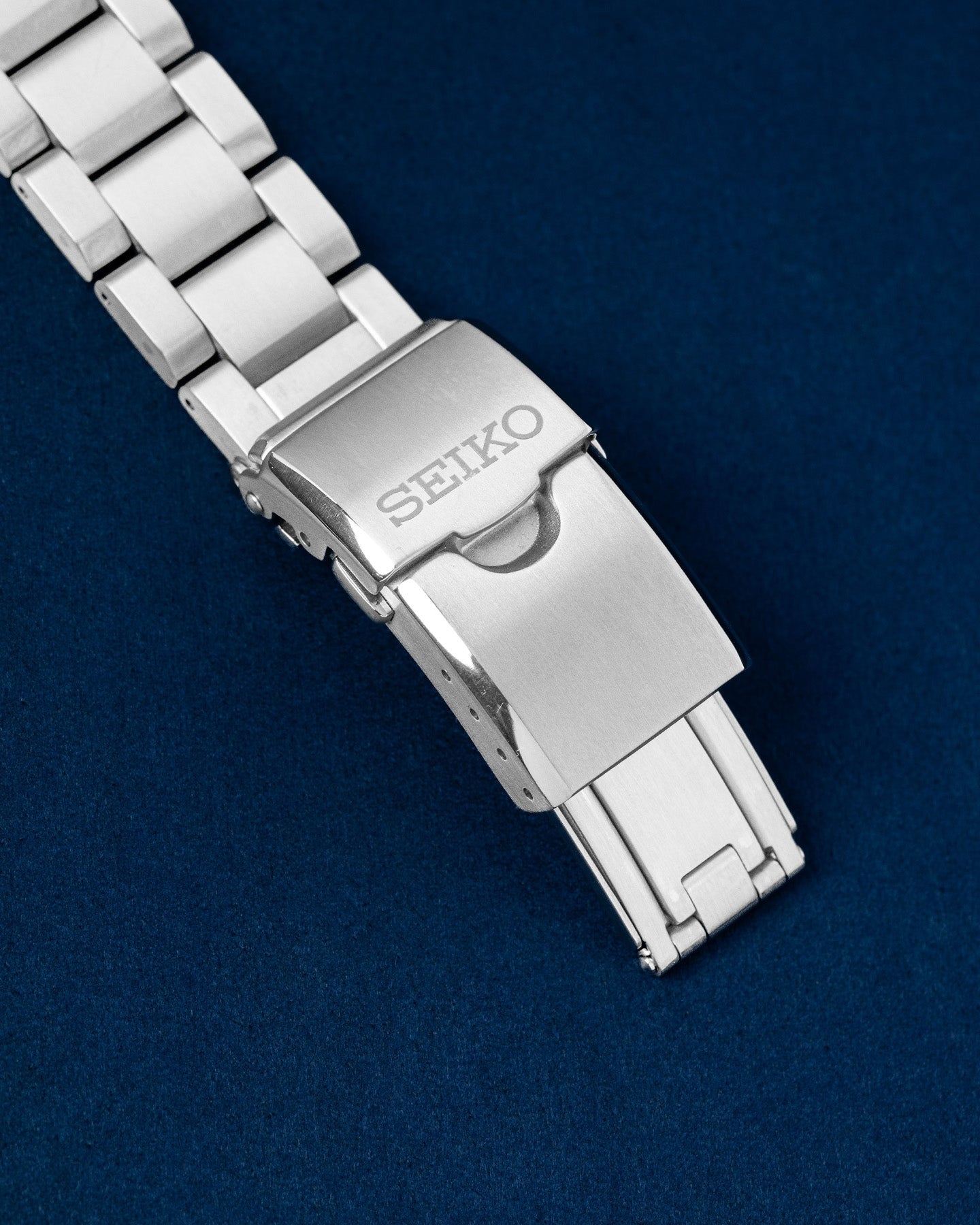
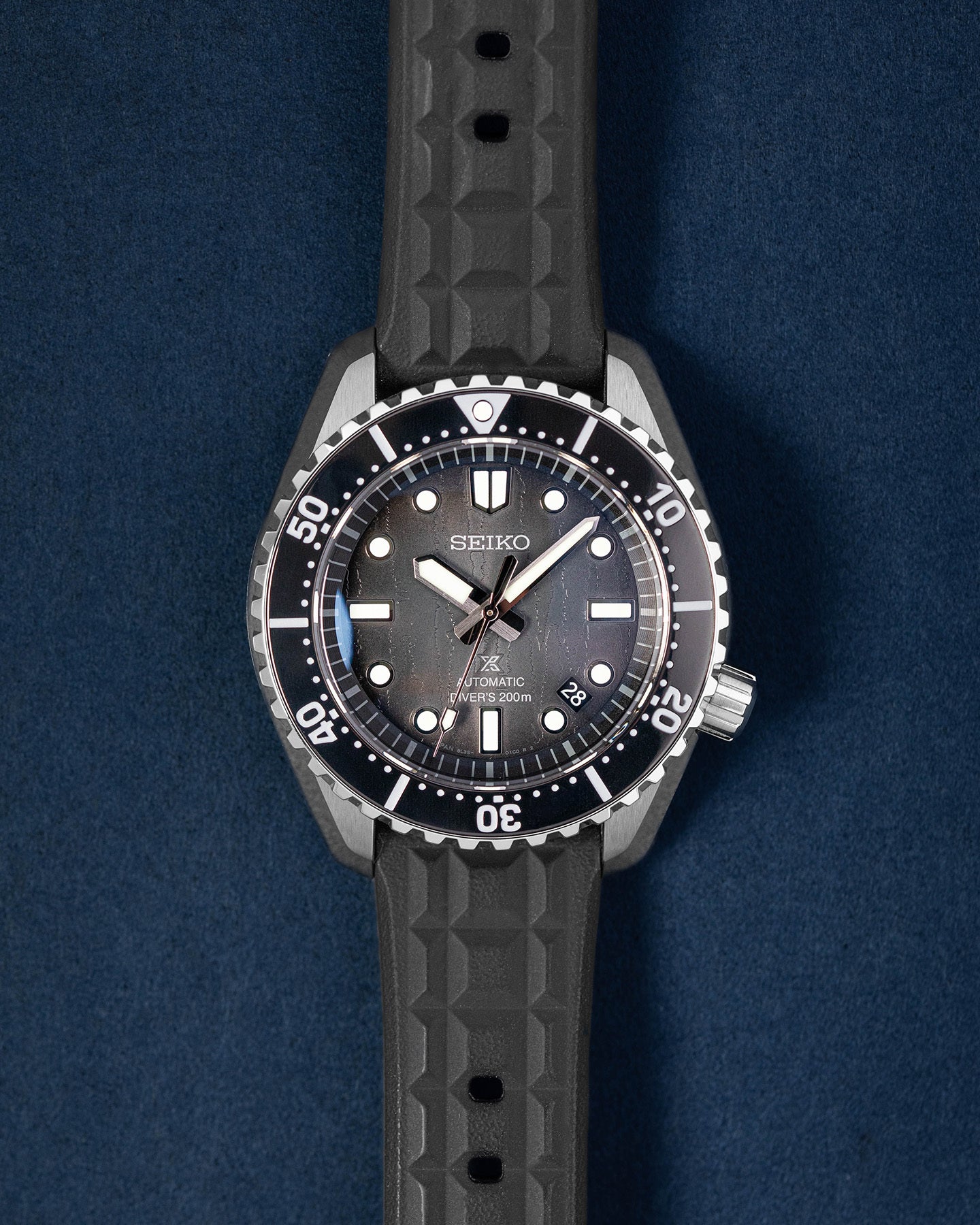
Seiko Prospex Lx-Spring Drive SNR025J1




FAQs
What is the most affordable Seiko?
Seiko is one of the most accessible ways into genuine mechanical watchmaking, which is a large part of its appeal. New, the most affordable automatics are found in the Seiko 5 line, which can start around 100 to 300 dollars and still deliver a real in-house automatic movement, a day-date display, and honest durability. Above that, the Prospex divers and Presage dress watches generally run from around 400 to 1,500 dollars, and the higher references, including titanium LX Prospex with Spring Drive and the top Astron models, reach several thousand dollars. On the secondary market, standard references often trade below retail, so a clean pre-owned Seiko can be an outstanding value. Grand Caliber prices every Seiko openly on the product page and can walk you through the most sensible starting points at each level, whether you want mechanical, quartz, or Spring Drive.
Can I walk into Seiko and buy a watch?
Seiko sells through authorized dealers, its own boutiques, and many retailers, so current models are widely available new. Where the secondary market matters most is value and access to discontinued pieces. Because many Seiko references are affordable and produced in volume, buying pre-owned often means getting a watch below retail, and for the sought-after references it is frequently the only way to acquire something no longer made, such as the discontinued SKX and SARB, sold-out limited editions, or a vintage diver. Grand Caliber carries both new and pre-owned Seiko across the range, authenticates every piece in house, and can hunt a specific discontinued or vintage reference on request, which for a brand with a catalog this deep is often the most practical path to exactly the watch you want.
What is the best first Seiko to buy?
It depends on what draws you to the brand. If you want an accessible first mechanical watch, the Seiko 5 or Seiko 5 Sports is among the most recommended automatics at any price. If you want a genuine tool watch, a Prospex diver delivers real capability and the brand's dive heritage. If you want a mechanical dress watch with beautiful craft, the Presage collection offers artisan dials at a remarkable price. If you want something more elevated, King Seiko provides refined heritage, and if you want cutting-edge technology, the Astron leads. There is no wrong answer, only the one that matches how you want to wear it. Grand Caliber can walk you through the options side by side so your first Seiko is a confident choice.
Which Seiko model has the highest demand?
Demand spans the range, but certain references stand out. Among current watches, the Seiko 5 Sports, the Prospex divers, and the artisan-dial Presage models draw the strongest everyday interest. Among collectibles, the discontinued SKX dive series and SARB dress line, vintage divers such as the 1965 62MAS, limited Prospex and Save the Ocean editions, and high-end Spring Drive and King Seiko pieces command the most passionate demand and hold value best. In general, the discontinued and vintage references are where collector interest concentrates, since they are no longer made. Because Seiko has such a broad and devoted following, demand is genuine rather than hype-driven. Grand Caliber can advise where a given reference sits in the current market and help you find the pieces that combine the design you want with strong desirability.
How often should a Seiko be serviced?
It depends on the movement. Mechanical and automatic Seikos generally follow a service interval of every three to five years, adjusted to how the watch is worn and how it is running, while quartz, Solar, and Kinetic models need only periodic battery or capacitor replacement and gasket attention. A full service involves disassembly, cleaning, inspection, replacement of any worn parts, fresh lubrication, reassembly, and regulation. For the Prospex divers and other water-resistant references, the service should include pressure and water-resistance testing whenever the case is opened, since the rating depends on the seals. A genuine advantage with Seiko is that its mainstream movements are widely understood, so standard service is straightforward and accessible, while the highest-end Spring Drive and 8L pieces are best handled by a specialist. Grand Caliber can advise on realistic service intervals for any reference.
How much does a full Seiko service cost?
Service on a Seiko is among the more affordable in watchmaking, a practical benefit of the brand's robust, widely understood movements. A standard service on a mechanical Seiko 5, Presage, or Prospex diver generally runs from around a hundred dollars into the low hundreds, depending on the reference and what the movement requires, and quartz, Solar, and Kinetic models are cheaper still to maintain. The highest-end pieces, such as Spring Drive and the 8L-based Prospex divers, cost more because they require specialized expertise and are best serviced by Seiko or a qualified specialist. Because the mainstream calibers are so common, competent independent watchmakers can often handle routine work affordably. Grand Caliber can give you a realistic expectation of service cost for any specific reference before you buy, so there are no surprises down the road.
Can I wear my Seiko every day?
Yes, and Seiko is one of the best brands for it. The Seiko 5 and Seiko 5 Sports are practically designed as everyday automatics, robust and low-maintenance, while the Prospex divers are genuine tool watches with 200 meters or more of water resistance, a screw-down crown, and rugged construction, making them excellent daily wear. The Presage and King Seiko dress watches are elegant enough for the office and durable enough for regular use, with more modest water resistance suited to daily life rather than swimming. The Astron and other Solar and quartz pieces are effectively maintenance-free daily companions. Seiko watches are famously tough, so most are well suited to everyday wear. Grand Caliber can help you choose a Seiko that fits your routine.
How long does a Seiko last?
A well-made Seiko is built to last for decades and, with proper care, for a lifetime. The brand's movements, whether the dependable automatics, the pioneering quartz, or the technical Spring Drive, are engineered to be serviced and maintained indefinitely, and Seiko's reputation for durability is one of the strongest in the industry. Many vintage Seikos from the 1960s and 1970s continue to run reliably today, which is a real testament to their build quality. What determines lifespan is maintenance rather than any inherent limit, and because standard Seiko service is so accessible, keeping one running is straightforward. Water resistance is the one specification that needs periodic attention as gaskets age, which is why testing matters on the divers. Grand Caliber sells pieces whose condition and history we document openly, so you know exactly what you are acquiring.
Is it safe to buy a Seiko on the secondary market?
It is, provided you buy from a seller who authenticates properly, and with a catalog as vast as Seiko's, that verification genuinely matters. The real risk, especially with popular and vintage references, is a watch assembled from mismatched or reproduced parts, or an outright counterfeit of a sought-after model. Authentic Seikos carry correct reference and caliber numbers, and the case, dial, hands, and movement should all be consistent with the specific reference. On vintage pieces, original dials, hands, and bezels matter enormously to both authenticity and value. A full set with box and papers helps confirm provenance. The decisive step is professional inspection by someone who knows the catalog. Grand Caliber authenticates every Seiko in house before listing, which removes the guesswork from buying on the secondary market, particularly for collectible vintage and discontinued references.
Is a Seiko a good investment?
A watch should be bought to wear and enjoy rather than as a financial instrument, and that is especially true across most of the Seiko range. Because so many Seikos are affordable and widely produced, standard current-production models should be seen as pieces to enjoy rather than to appreciate, and buying pre-owned below retail limits any downside. The important exception is the collectible end of the brand, where discontinued cult references such as the SKX and SARB, vintage divers, limited editions, and high-end Spring Drive and King Seiko pieces have held their value well and in some cases appreciated meaningfully as demand for out-of-production references grows. So while nobody should buy a standard model expecting gains, a well-chosen collectible or vintage Seiko from Grand Caliber can be a sound purchase, bought at a fair market number and built to be enjoyed for years.